
#143 – PCBs, Tektronix & Ham Radio - Habitual Handicraft Hangups
Download episode · 38 MB
Also on Apple · Spotify · YouTube · RSS
Show Notes
- Lots of old, awesome ads for computers! Definitely a different age of advertising and definitions of good taste.
- There is rumor that there will be a Mad Men like show written to take place during the early days of NASA!
- Magazines used to attach project PCBs to the covers. Dave says this technique was started by Colin Mitchell of Talking Electronics
http://www.youtube.com/watch?v=kXWRLNq8OCU - This also used to happen with CDs/Cassettes/disks for video game and software magazines (later on).
- We will now be publishing our RSS feed to Twitter and Facebook of links for /r/TheAmpHour
- We are using a site called IFTTT (If this, then that), which also has implication for connected devices and the internet of things. Thanks to Nick Pinkston of the /r/hwstartups subreddit for the advice on how to set it up!
- Do we have a moral imperative to sourcing from places that treat their workers well? The link is now broken to the original article asking this question, but it refers to the recent collapse of a factory in Bangladesh. Do we as designers have the ability and the drive to go to ethical workplaces? Or does that hurt countries even more?
- Moreover, is the SMD nature of electronics manufacturing becoming such that low cost countries don't matter as much anymore?
- One thing you need no matter where you manufacture is an engineer optimizing for the pick and place maching. Changing footprints to optimize speed and accuracy of part placement is common...Dave used to do it!
- Speaking of SMD, why having through-hole parts (pth) gone away yet? Cost is an obvious one, as pointed out by Windell from EMSL on reddit. Kitmaking is another one.
- Another t-shirt in the works? "I'm not cheap, I'm optimizing my engineering solution"
- Cost can be relative. This new shield for helping to learn on the Arduino is retailing (with the Arduino) for $60, whereas a Raspberry Pi goes for $35. Volume explains a lot of the disparity, but not all.
- newcomers-byob/
- Former guest of the show, Zach "Hoeken" Smith has been working like crazy on his BotQueue project. As a regular creator, he suggests that people go for publishing online to protect ideas vs trying to patent them.
- A throwback version of Shonky Product of the Week! The old standby of fearing the radiation in your phone...and paying through the nose to "protect yourself".
- Tuomas writes in about his poorly lit, messy bench. The perfect prototype of what we expect from a bench! He also has great projects posted to his blog, be sure to check those out.
- And since Chris can't determine which scope is which, he asked former guest of the show Alan Wolke to do a walking tour of his Tek-laden bench on his wonderfully informative and entertaining YouTube channel.
http://www.youtube.com/watch?v=94mOGNe5kfo - Chris is gearing up for Hamvention in Dayton. He bought a Handi-Talkie (HT) radio from Amazon, the Baofeng UV-5R+.
- How can we branch out from the necessity of narrow of experiences of careers? Recruiters favor experience in very similar fields because that's what employers ask for!
- Have you made any radical shifts within the technical side of electronics? What kind of shift have you made? Let us know in the comments!
- Dave found out about a new ST Micro part called a "lab on a chip". These kinds of disease detection circuits aren't super new, but biological processes are becoming more common on silicon.
- Biology also might help make the next generation of silicon chips: DNA based lithography allows researchers to etch graphene!
- At the end of their advertising run, we'd like to thank Triad Semiconductor and the ViaDesigner team for sponsoring us! If you haven't yet, be sure to check out the FREE software you can get access to for a year (actually 13 months) at ViaDesigner.com/TheAmpHour
Transcript
Chris Gammell: This episode of the Amp Hour is brought to you by ViaDesigner.com, part of Triad Semiconductor. Who needs a chip printer when you can design your own mixed signal chips on your desktop? ViaDesigner is a Windows-based software for the design and simulation of analog and digital circuits. At ViaDesigner.com, you can learn about mixed signal design, share your design IP, and form teams to create your own custom via ASICs. Go to ViaDesigner.com slash the Amp Hour and enter coupon code AMP100 at registration for a free year of ViaDesigner, a $500 value.
SPEAKER_01: This is the Amp Hour Podcast. Recorded April 29th, 2013. Episode 143. Habitual. Handicraft. Hangups.
Dave Jones: Welcome to the Amp Hour. I'm Dave Jones from the EEV blog. And I'm Chris Gammell of Chris Gammell's Analog Life. Should we change our intro? We've been saying the same shit for 150 episodes or something. Or should we at least change the order in which we go?
Chris Gammell: Alright, let's try it again.
Dave Jones: Alright.
Chris Gammell: You're supposed to go first, dude. Oh. Yo, this is Chris. What up?
Dave Jones: No, this is so bad. I can come in with the Cleveland jokes and... Welcome to Cleveland.
Chris Gammell: You can fail. Welcome to Cleveland. At least we're not Detroit. Cleveland and Sydney.
Dave Jones: This is probably the worst intro ever.
Chris Gammell: No, it's good. I like this. This is good.
Dave Jones: Right.
Chris Gammell: We'll think of something. Don't worry about it. We'll get a new intro once we get a guest.
Dave Jones: Right.
Chris Gammell: So what's new, man?
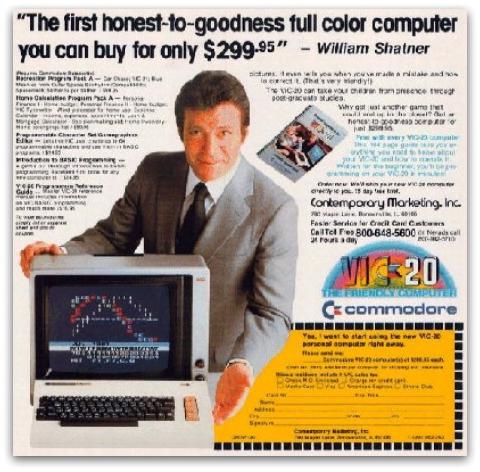
Dave Jones: What's new? I'm just looking through this list of retro computer ads which you put up. I love these things. Yeah. I love them.
Chris Gammell: Me too. What's your favorite? I mean, I've seen some of these before, but, you know, like... And to be honest, some of them are a little... Like, there's a couple that are like, eh, you know.
Dave Jones: Well, it's hard to beat the good old ones with the chicken, right? Yeah. And it's like versatile, dependable, compatible, maybe even sexy with this chicken in white, you know, short shorts holding up a modem, you know? Yeah.
Chris Gammell: It's like old school advertising, right? It's like Don Draper style.
Dave Jones: That's right. Straight out of the 70s, you know? Yeah. Oh, man. This is great. Oh, sorry. Go ahead.
Chris Gammell: Well, speaking of Mad Men, did you hear that they're talking about maybe doing a Mad Men-like show with NASA? Early Days of NASA? What's a Mad Men-like show? Do you know what Mad Men is? It's like a drama show with... If you ever see, like, references to Don Draper, he's like this suave ad man from the 60s, and then it kind of transitions into the 70s, and it's like this slow burn character drama, and a very big following, at least in the States, and... But yeah, they're going to... Obviously not he. Right, apparently. It'll get there eventually, I'm sure. Apparently they're supposed to do one with NASA now, where it'll be like this character drama, basically, but it's just going to be early days of NASA and all the drama behind that, I guess. I don't know. It just sounds like a really interesting backdrop. Yeah. Absolutely. The Mad Men thing, mind me. What about these ads? Did you see these back... I guess you probably saw these live, huh?
Dave Jones: No, I saw these live, yeah. They bring back lots of memories, yes. Unfortunately, I've thrown out a lot of my old, well, almost all of my old computer magazines. Yeah. I did have rather a large collection.
Chris Gammell: Well, you did have that box and that video you made of... What were those, Electronics Australia or something like that? Didn't you get some...
Dave Jones: Yes, yeah, I've done my Electronics Australia magazines and, yeah, 20 years of... No, it was a 40 years of test equipment or something I did.
Chris Gammell: Yeah, yeah, yeah.
Dave Jones: Yeah.
Chris Gammell: Yeah, these are awesome. Great.
Dave Jones: I'm going to have to do another one for just computers because there's lots of computer ads in the early electronics magazines. Like, you know, because the whole hobby computer thing was around back then. Right, right. Yeah, buying kits and everything. So, yeah, they're all advertising in there and... So...
Chris Gammell: Well, that'll be an interesting parallel to, like, the kit of today. I mean, like, we're still in a renaissance of kit making, right? I mean, sort of, kind of. Maybe we're...
Dave Jones: Yeah, we are. It started up again in the last five years. Yeah.
Chris Gammell: Seven, maybe. Yeah. It'll be an interesting comparison.
Dave Jones: Brave new world. It's still the same. I mean, it's still the same. I mean, I don't see what's changed. You know, the boards are higher quality, of course. Now you can get a, you know, a double-sided... Everyone's doing double-sided, you know, plate-through, sold-emasked silkscreen boards. Whereas back in the day, holy crap, if you got a board that was tinned, a single-sided board that was tinned instead of bare copper, that was a high-quality kit. Yeah. You know? Yeah. That one's like, oh, a tinned board, you know? Let alone double-sided. That was unheard of.
Chris Gammell: Right.
Dave Jones: Let alone plate-through, let alone sold-emask. Oh, goodness.
Chris Gammell: So many options these days, right? And so cheap.
Dave Jones: Well, that's right. Well, I interviewed Colin Mitchell from Talking Electronics, who pioneered a lot of that stuff. He was the first one to put a PCB, a kit PCB, on the front cover of the magazine. Actually staple it on the front. So when you bought your magazine at the newsagent, you'd get a free PCB with it. Oh, really? Yeah. Yeah. He was the first in the world to do that. And probably one of the few who actually ended up doing that. Yeah. You would get a free PCB with every...
Chris Gammell: Well, that's interesting, because they started doing that with video games then, too. Remember, they used to have CDs and discettes that were...
Dave Jones: Oh, that would have... Yeah, that was big when the computer thing took off. First of all, it was tapes, right? They would put a cassette tape on the front of the magazine, right? Oh, yeah. And then they'd do CDs and stuff like that, so the CD would be stuck on the inside. And so you'd go to the newsagent and you'd flip through and make sure you bought one that wasn't... That didn't have a cracked CD. Oh, yeah. Someone snuck one out, right? Yeah, yeah. Or, yeah. Or they just got cracked in the mail because they got folded, you know? Right. And so... Ah, jeez. Those were the days. Ah, no. I used to love that. I used to ride my bike down to the local newsagent to see what all the latest magazines were. Yeah.
Chris Gammell: Yeah. The glory days of magazines back when people bought advertising and everything, too.
Dave Jones: Well, that's right. Well, this is before the internet. This is the only way you got your information. Yeah.
Chris Gammell: Right. Right.
Dave Jones: Some people just cannot grasp that. You know? These magazines were the only way you got it. End of story.
Chris Gammell: I... Yeah, I don't think I was really with it enough when that was the case. I'm trying to think back.
Dave Jones: No, you weren't really the early hobbyist, were you?
Chris Gammell: No, but I mean, even just like when stuff was available, I mean, like, you know, middle school was like early internet days. Not like, you know...
Dave Jones: Oh, God. Eh. Youngster.
Chris Gammell: Yeah. Not like bulletin boards or anything. BBSs or anything like that, but, you know. Right. AOL days. I remember the first time logging on to AOL. Ah, good old days.
Dave Jones: Good. Oh, yes.
Chris Gammell: Yeah. Well, now we get people that are, you know, good old days are, hey, I remember when, I don't know, Dig was a thing.
Dave Jones: Oh, God. Right?
Chris Gammell: I mean, there's always that kind of thing. There's always these references throughout history and...
Dave Jones: Yeah.
Chris Gammell: Different reference points. Yeah.
Dave Jones: No, I, you know, I can remember the late 70s, you know. That's how old I am. Yep.
Chris Gammell: Yep. Yep. But not super good. If you haven't got a grey beard yet, you'll get there.
Dave Jones: You'll get there. Nah, yeah, exactly. I don't think I could ever grow a beard, unfortunately.
Chris Gammell: Oh, man. It'd be so embarrassing. Maybe you're in the fool's next year, you pop on camera with a beard.
Chris Gammell: Right.
Dave Jones: It'd take me six months to get in, to grow anything, I think. Yeah, well. But I do love these. I do love these old computers. Oh. Yeah. These ads. These are just, they're magic. They really are.
Chris Gammell: I always was hoping, I talked to a couple other people about this, just like trying to find like old posters of these too, you know. Like, some of them wouldn't really work because they're, you know, they were designed for like a magazine layout. Yeah, right. You know, some of this stuff is like really good. Like, I'd have a poster of William Shatner hawking a VIC-20. Oh, yeah.
Dave Jones: Yeah, that's right. As if it was the Star Trek computer, you know. Yeah, exactly. Oh, boy.
Chris Gammell: So good.
Dave Jones: Yep. Absolutely hilarious. Oh, the Tandy 15 megabyte hard disk drive. Oh. Oh, yeah. Only $2,495, folks.
Chris Gammell: Yeah, exactly. You know what? Someday, someone's going to look at a Google Plus post about Google Glass being $1,500 and be like, how did anyone ever pay that? Right?
Dave Jones: I know.
Chris Gammell: Right? I'll be vindicated, right?
Dave Jones: That's insane. Yeah, it kind of is. Oh, man. Tandy 5,000. Oh, I had the Tandy 1,000. Tandy 5,000.
Chris Gammell: I never had any. I think. I don't even know what I had the first computer I had. It was definitely a 386 or something. Maybe. Oh, no. It was 286. So. Mine was a Tandy 1,000. Yeah.
Dave Jones: Yeah.
Chris Gammell: Hmm. That's awesome.
Dave Jones: Oh, yeah. There he is. There's William Shatner.
Chris Gammell: Yeah. He's got to keep scrolling down. Oh, you're Tandy 1,000 below it. Yeah.
Dave Jones: Yeah. That's the SX. Ah, that's a more modern SX. Nah. Hell no. I had the original with bias version 1.00.00. Oh.
Chris Gammell: Really?
Dave Jones: Yeah.
Chris Gammell: Did you build it yourself?
Dave Jones: Yeah, I've done a video on that somewhere. No, no, no. It's a bought one.
Chris Gammell: Yeah.
Dave Jones: And then I designed a turbo board for it. Which I slotted in there. And, yeah. Built my own turbo board. I had that design published somewhere.
Chris Gammell: Nice.
Dave Jones: So, yeah. Anyway, I love this shit.
Chris Gammell: It's great. Yeah. Good old days.
Dave Jones: Hey, our T-shirts went gangbusters.
Chris Gammell: Oh, they did. If you were listening to this now, you missed out.
Dave Jones: Well, no. It's like a day left. Maybe it'll be a few hours left by the time it goes up. Well, by the time it's posted, I think there's a day and four hours left.
Chris Gammell: Maybe.
Dave Jones: So, by the time you post it, maybe. Maybe. Maybe there'll be a couple of hours left. Jump on, folks.
Chris Gammell: Yeah. Yeah, maybe I'll try and publish early for tomorrow. But, yeah. It went well. I mean, T-shirts went well. But 260. Yeah. 260 shirts.
Dave Jones: And we thought, oh, will we get 100? Oh, I don't know.
Chris Gammell: Right.
Dave Jones: We got 260. Brilliant.
Chris Gammell: Yeah. I got some samples of the other ones, too. The other colors from the other servers we use in the Printfection. And those turned out pretty well, too. So, those will be coming in the next couple of weeks or days.
Dave Jones: Are they full sample shirts or are they just swabs of material?
Chris Gammell: Oh, no. They're full sample shirts.
Dave Jones: Right. Okay. Yeah. How do you get full sample shirts? Do you pay for them or what?
Chris Gammell: Yeah, I paid for them.
Dave Jones: Ah, right.
Chris Gammell: I borrowed money from you. You didn't know that?
Dave Jones: No. Oh, no. Right.
Chris Gammell: Well, to find out about shirts and everything else, though. So, t-shirts went well. But maybe people didn't hear about them. And so, I'm always worried about that kind of stuff. And also, you know, like posting information for people. Like, you know, like we have tons of links in our subreddit that we don't always get to talk about. So, today, Nick Pinkston, the other moderator of the hardware startup subreddit, he showed me this site that it's really cool. This is what I was going to tell you about before the show, but I figured I'd just tell you here.
Dave Jones: Ah, right. Okay.
Chris Gammell: Maybe you've heard of it. It's called ifttt.com. No. If this, then that, .com, basically. Ifttt. Ah, right. And basically, it's so, basically our subreddit stuff is going to post to the Twitter feed now and to the Facebook feed. So, people prefer that stuff. And there's an RSS feed that I didn't even know about.
Dave Jones: Hang on. This webpage is stupid. It tells me nothing. It just says, put the internet to work for you. Join. The. Big button. Yeah, you've got to join. What?
Chris Gammell: Yeah, you've got to join, man. Sometimes that happens.
Speaker ?: Screw that.
Dave Jones: I'm not joining without knowing what it's about. I just told you. I just told you what it does.
Chris Gammell: All right. Well, more for me. More internet for me, Dave.
Dave Jones: It's a service that lets you create powerful connections with one simple statement. If this. Yeah, but you didn't explain. Like, just tell me if this, then that. Yeah. I mean, it doesn't tell me anything.
Chris Gammell: Yeah. If Dave tweets, tweet back. That was a dumb tweet. I could do that kind of thing. Yeah. I could do that kind of. I could set that up. It's like an automation tool. Automation's awesome. I love automation.
Dave Jones: Next week, there'll be automated bots doing the show, folks. It'll just be joining little segments of our voice, you know, little snippets of our voice together to create a show.
Chris Gammell: The Amp Hour Podcast. Welcome. Bought to you. I'm Dave Jones of the EEV blog. That's how we can do our intro from now on.
Dave Jones: 8-bit voice. 8-bit voice. Hi, I'm Dave Jones of the EEV blog.
Chris Gammell: Voice actors, we are not.
Dave Jones: No. But I still don't know what it does. Okay. Channels, right? It triggers this part. Blah, blah. Action. Ingredients. What recipes? What? What?
Chris Gammell: I should have told you so late in the game that you just can't grasp it. No, I can't. You're living in a Tandy 1000 day here, Dave. I am. You're living in Tandy 1000. It's JavaScript and Node.js and crap. I don't know.
Speaker ?: What?
Dave Jones: Give me an example. Ruby on Rails. Give me a worked example here of something useful that this thing would do.
Chris Gammell: If someone posts something to Reddit, send it to Twitter. If you star a Gmail email.
Dave Jones: What's the criteria that determines whether or not it's forwarded to Twitter?
Chris Gammell: All of them.
Dave Jones: Twitter. All of them. So it's a bloody redirection service. Is that it?
Chris Gammell: Maybe. I don't know. I haven't used it enough. Oh, come on. I like this so far, though.
Dave Jones: You hyped this thing up. Like, it was so great. Yeah, it's great. So I won't tell you about it until you're on air.
Chris Gammell: Like, what? I don't know. You can just automate a bunch of stuff. You can do WordPress, YouTube, like all the, you know, SoundCloud. Anytime something posts or you get a phone call or something like that. Oh, look at this. There's even, oh, wow, this is interesting. There's even a Belkin, the Wemo. So, like, Internet of Things connected motion sensor and a switch. Yeah. If it senses motion, it could send, you could hook this thing in to do, to send, like, a tweet. You know, like, someone has entered the room, right? If it senses motion.
Dave Jones: Yeah, so it's like a ninja block.
Chris Gammell: Yeah, except it's a really nice software interface for that. I don't know. It's... Right. That's cool.
Dave Jones: Yeah, fine. Okay. It's just an automated tool to redirect shit or do something when something happens.
Chris Gammell: I think you're oversimplifying it personally, but...
Dave Jones: Right. Yeah, probably.
Chris Gammell: That's cool. I like it.
Dave Jones: I'll tell you when I find something useful to do with it.
Chris Gammell: Okay. Oh, there's the Blink one on here, too. The, uh... That, uh, thing... Remember that, uh... There's a Kickstarter for that? It's just, like, a tiny little Arduino that just blinks a light on your computer. No. It's like a little USB... You didn't see that? It was like a little USB stick. And, um...
Dave Jones: Yeah.
Chris Gammell: And... If you trigger it with something, it would, like... So, say you get an email, it'll start blinking on there versus... You know, like, even if your computer's shut down, I think. Well, maybe not shut down, but...
Dave Jones: No, because then you get no... Well, sometimes the USB ports are powered when you shut your machine off. Yeah.
Chris Gammell: But it would have to be... But then it can't send any data to it. Right, right.
Dave Jones: So, you know, fail. Right. No, you know, that's... Yeah, fantastic. But why don't you use your screen to do it, I guess? Well, the whole idea is it's lower power, right? It's a lower power. And if you can buy those on eBay, you can get these... I think you're missing the point here, Dave. Little modules that... Oh.
Chris Gammell: This is... So, the BlinkM is just an interface device. I remember looking at this thing and being like, ah, come on, it's just a little blinky light, right? I mean, it's honestly, it's just a USB dongle with a little LED on it. But at its basis, I mean, this is the... I didn't even know this when I started talking about this today. But, you know, this is like a prototype type of thing for an Internet of Things, right? If you had multiple devices that you wanted to hook together and you wanted to be in a simple, understandable manner, this is how you do it, I guess. You know, so like, Blink if it's sunny outside, right? Or if it's... Wow. I know. That one's kind of sad, actually.
Dave Jones: This is sad. Like, here we go. Like, it can do YouTube, right? And, like, it allows for automatic posts from any time you upload a Word... YouTube, you can post it to WordPress. Yeah, great. There's tools out there that do all this. I mean, there's nothing new here. Well, I like it. Nothing to see, folks. Move along now. Oh, it's okay, because it's all in one place. And, yeah, it's maybe a simple interface. Yeah, okay, but no, sorry. He'll come around, folks. Don't worry. He'll come around. My socks are still on. Sorry.
Chris Gammell: Right.
Dave Jones: Next.
Chris Gammell: Next.
Dave Jones: Really?
Chris Gammell: Yeah.
Dave Jones: Mind-blowing. My ass. Yeah. Do electronics designers have a moral imperative to source from ethical working conditions? I don't know.
Chris Gammell: Do they?
Dave Jones: That is the question. That is the question. Oh, no. I think the obvious answer to that is no, because that impinges on my freedom to be an absolute bastard and choose slave labor if I so desire, you know?
Chris Gammell: That's not moral or ethical. That's just, you're talking about freedom. Yeah.
Dave Jones: Well, yeah. I could, you know. People should have the freedom to be immoral if they want.
Chris Gammell: You do have the freedom to be immoral. That's not the question, though.
Dave Jones: Choose the immoral option.
Chris Gammell: Moral imperative is different than moral, I don't know, directive? Right. Anyways, basically what happened was there was a factory collapse in Bangladesh, and this author was...
Dave Jones: Yes, that was bad. Yeah.
Chris Gammell: Man. I actually hadn't heard about it. This is actually the first I'd heard about it this afternoon. And it happened a couple days ago, right? It was, I think it was back on the 24th or something like that. That's something. Basically, you know, like, it's the same old tune, right? I mean, we know about stories at Foxconn and stories at other low-cost locations and, you know, just less than great working conditions. And it's... I thought it was an interesting question that the author posed of, you know, do you need to consider that, right? I mean, and...
Dave Jones: Well, I do. Hence why my products are more expensive than they should be. Because I try and source things locally and, you know, ensure that, you know, I don't buy from the, you know, cheapest sweatshop in China or Bangladesh or something like that. So, you know, I like to think that I'm doing my bit. You know? Yeah. So it's a question of... In an ideal world, I would like to think that none of that ever happens, right? That us engineers who design and spec things would, you know, choose the best option and then the whole world gets elevated in terms of living standard and working standard and all the rest of it.
Chris Gammell: Yeah. Yeah. And there... I think there... We may have talked about an article about that earlier. There was a... I think it was Tom Friedman of the New York Times wrote about that too. Basically saying that the net effect is, yeah, I mean, yeah, there's crappy working conditions, but there would always be crappy working conditions. Yeah, I... But the fact that money is entering the area brings up the standard of living, which is an interesting point that I had never thought of. I thought that was really interesting.
Dave Jones: Well, so they've got to sort of bootstrap themselves. They have to work in crappy, you know, conditions and everything first to get enough, to get more money in so that they can improve their crappy conditions. Is that... Yeah, well, sort of. Not like that they have to, just that it'll happen naturally. Yeah. It'll just happen. That's how the world works. Yeah.
Chris Gammell: Right. Maybe. It's just the drive to succeed, right? I mean, if you get a taste of success, you're going to want more success, whereas if you have no, you know, no opportunity, no access to... You know, if you're like in the middle of the desert and you can't go find a job because there's no one around, then yeah, of course you can't, you know, you're not going to just bootstrap out of nothing. But if you start from, you know, maybe crappier conditions and then work your way up, similar to how England did in the 1800s and the States did in, what, early 1900s and, you know, which is basically where factory work has moved along and has brought some prosperity at the cost of working conditions. But eventually it improves. I mean, it's never an easy process.
Dave Jones: Well, isn't it entirely dependent upon the evil overlords who, you know, the people may not have a choice, you know, the... Like if we, let's say, oh, you know, we need to improve Bangladesh's working conditions, so let's give all our money to Bangladesh and that will improve all the standards. Well, what's to say that it does, you know? Wouldn't or wouldn't the overlords just take the money and run and still whip them to death in the sweatshops? You know, I mean...
Chris Gammell: I think, yeah, from a money perspective, that's not going to change anything. I think that it's going to come from the people there that ultimately will... I mean, like, obviously they've already seen protests from this. So there's the factory collapse, 270 people died in this factory collapse, and there's been protests nonstop, basically, because of it. And yeah, I mean, that's how change starts, but it's not like people are going to stop investing there either, right? That's the other thing. So I don't know. The interesting thing I thought was from an electronics perspective is I think that this in general will happen less often, right? So prior to...
Dave Jones: Well, the world is generally progressing upwards in terms of working conditions, living standards. I mean, it's just, you know, on average, the world standard is going up. Right. So, you know, I think it's only going to improve, but...
Chris Gammell: Well, yeah, I think that's necessarily true as well. But what my point was is that because of automation, right, because of robotics and the lowering cost of automation, if you think of even like a pick-and-place machine, right? Whereas 20 years ago, you're, you know, unless you're doing super high-end, your main option was hand-stuffing boards, right? And if you need to do that cheaply, you go over where there's lots of low-cost people that can stuff boards with, you know, by hand, right? These days, it's faster and more cost-effective to buy, you know, even just a low-end pick-and-place machine and do, you know, do that, right? And so that's the interesting thing, I think, from the electronics standpoint. I mean, the situation in Bangladesh was a t-shirt factory, but, you know, in the electronics standpoint, it's not like through-hole's going away anytime soon, but it's interesting because I think that, you know, aside from like cabling harnesses and certain components in assemblies, you know, like there's just less of that. There's less... There's more automation. That's the point I'm trying to get at.
Dave Jones: Yes, of course. So what's that going to do to the people? Is it going to put them out of jobs or is it going to improve their working conditions? Because the, you know, the facilities you need to put these pick-and-place machines in generally are of a higher standard than, you know, some slum factory where you, you know, slap and solder together with a plumber's iron.
Chris Gammell: Right, yeah. No, I think it's both. I mean, yeah, people might lament, yeah, there's less jobs, but it's because there will be more automation and there will be different types of jobs around it, right? I mean, it's not like it's easy to load up a pick-and-place, right? It's, you know, you need a lot of organization, you need a stock room. There's still a significant amount of work around it. It's just the... Yeah, the work has changed, yeah.
Dave Jones: It's different types of labor, you know. I mean, there's still a lot of labor in the pick-and-place machines just checking everything, you know, checking that all the machines and just, you know, massaging the machines, making sure that they keep ongoing and, you know.
SPEAKER_01: Yeah.
Dave Jones: Stuff like that. I mean, it's, you know...
Chris Gammell: You ever do any of that manufacturing engineering? You ever do, like, the... Yeah. ...the optimizing, like, footprints and everything?
Dave Jones: Oh, yes, absolutely. That's been a huge part of my job.
SPEAKER_01: Yeah?
Dave Jones: Yeah, choosing the right footprint for your particular assembler's type and model of machine they've got, you know. So, you know, the board will be optimized. It has to be done by... It has to be assembled by that manufacturer on that particular machine. They might have different brand machines in their factory, but no, we can only use that line because it's, you know, we're going to... We know we're going to get a higher yield from that line because of the geomachers. I'm a tree of the footprints and, you know, blah, blah, blah.
Chris Gammell: So, did you start... Stuff like that. Did you actually change... Did you have, like, multiple sets of, like, Gerber's then?
Dave Jones: Multiple footprints.
Chris Gammell: Really?
Dave Jones: Yeah. Well, we would... Well, no, generally not. You wouldn't have multiple sets, only if you had to. Generally, we would design the footprints and the boards specifically for that manufacturer and that assembly machine.
Chris Gammell: Oh, okay. So, you wouldn't have, like, multiple runs. Because we knew we were going to use those. Okay, you wouldn't have, like, the same board at multiple manufacturers.
Dave Jones: No, no, no. That's generally... No, that's way too much dicking around.
Chris Gammell: Right. Well, that would be intense, right? If it was, like, high... I guess that would be high volume stuff, but...
Dave Jones: Oh, yeah. No, you spend most of your time just dealing with one manufacturer if you've got multiple ones. Jeez. Right. No. No. No. Yeah.
Chris Gammell: I don't know where, you know, trying to push the limits of... You know, because basically older machines, they were made for maybe, you know, 0805, 0603 type of parts. You know, you start trying to push the limits of that and you start, you know, you just run into accuracy issues, right? I mean, some of the... You either have to slow it down so that the robot can be more precise or, you know, you have to change your footprint so that it's, you know, a wider footprint or you get more solder mask or, you know, whatever else.
Dave Jones: And then there's always a compromise between high thermal capacity parts and low thermal capacity parts so that you have to, you know, try and optimize your thermal profile to, you know, do both at the same time and then not screw up one and, you know, oh, it's just... Yeah.
Chris Gammell: Well, that was crazy. That was an interesting question. We had a question last week about through hole and why the heck is... It was George Hahn. He asked, why isn't through hole dead yet, right? And I thought it was... Maybe we've been asked that before, but, you know, it's a good question, right? I mean, you think about it from a, you know, manufacturing perspective. Obviously, we just discussed the fact that, you know, you need someone... Most of the time, you need someone to, you know, hand place stuff. There are machines out there that can do that kind of thing, but it's definitely more of a burden. So...
Dave Jones: Well, I'll tell you, one of the reasons is often cost. You look, you open up any consumer item, what will you find? You'll find the power supply is still a single-sided phenolic-based board with through hole parts. Why? Is because it's cheaper.
SPEAKER_01: Yep. Right.
Dave Jones: Because you can lay it out on that single-sided board, right? Because the components, when they're through hole, you can run traces underneath them and then the component acts as a jumper, right? So you can lay out your board, optimize it for a single-sided design. Try and do that with an SMD design. Try and get an SMD design on single-sided board. Good luck, right? Yeah. It's just, you know, right? I've done it once or twice for very simple circuits, but apart from that, no, right? It's a complete fail. You can't do it. Right.
Chris Gammell: Well, yeah, and usually you want to do tighter boards in the first place if you're doing SMD anyways. So, you know, it's kind of like a mental switch there.
Dave Jones: Yeah. So it's just not going to happen. So, you know, just that fact alone, that it's lower cost, is always going to keep it there.
Chris Gammell: Well, it's interesting. Wendell from Evil Mad Scientist Labs, he said the same thing on the subreddit. He mentioned the same thing. And because of that, we should mention, too, like, you know, for kitting, right? So EMSL, you know, they sell a bunch of kits, and that's another good application of it, right? If you're trying to sell to people that are learning to solder and everything, that is, aside from the cost, it's just, you know, from the learning perspective, too, it's a hell of a lot easier than trying to do SOT 523s or something like that.
Dave Jones: And from the kit manufacturer's point of view, I've sold both through-hole and SMD kits. And I gave up on SMD kits. They are a pain in the ass.
Chris Gammell: Oh, yeah? To kit. What part?
Dave Jones: They're ridiculous. Because if you've got one resistor, right? Let's say you've got one 2K2 resistor in your kit, right? You've got to cut off. You've got to try and get that strip there and cut off one freaking resistor. And then how do you label it? Like, especially if you've got different value caps, right? Which don't have the value written on them. Oh, yeah. Then, you know, you have to bag and identify each one. Otherwise, the person who assembles has got to go in and measure the cap to make sure it's the right one. And, well, they may not have a cap meter, right? Like, it's just anyone doing SMD kits is mad. It's crazy. Whereas at least through-hole, right? You can, you know, at least all the through-hole parts, all of the capacitors have the value written on them. All the resistors have the color code on them, right? They're easy to handle. They're easy to sort. They're easy to package. They're, you know, yeah.
Chris Gammell: Yeah. Yeah. Well, and there's, luckily, I mean, a lot of that stuff is still sticking around. I mean, probably for cost reasons from a, you know, maybe not from a manufacturer's perspective, but probably from, you know, just an entrenched base, too, right? I mean, there's just tons of stuff out there that uses it. So that kind of thing could cause it to hang on for years. You know, you see, like, even PLCC huge-ass packages still, you know, like, 244 or 208-pin, what is that, the quad flat pack, the huge ones, like the, they're like, what, 18-millimeter across, or 18-centimeter across, rather, something like that.
Dave Jones: They're SMD. What are you talking about?
Chris Gammell: Oh, yeah, I guess so, yeah. What am I thinking of then?
Dave Jones: Not guess so. They definitely are SMD.
Chris Gammell: No, I'm thinking of, what am I, PLCC maybe then?
Dave Jones: PLCC, well, technically they're SMD as well. Except often they go into a PLCC socket, which is through hole. Right, right. Sometimes. But then you can get SMD PLCC sockets.
Chris Gammell: Well, I can't remember the package types that I'm thinking of then. Sorry.
Dave Jones: Ah, you young whippersnappers. I know. That's the thing, I never use it, right? Right.
Chris Gammell: My experience in the past, though, has always been, has been what, what someone else mentioned on the subreddit was the high power stuff, right? So if you're doing lots of heat syncing with like, you know, big transistors and stuff like that, you know, a hundred, a couple hundred volt transistors, MOSFETs and everything, that can kind of necessitate it. They're getting better, right? Like some of those D-squared packs and everything, but you still gotta, you gotta heat sync it to the board then, and then that has its own issues because then it starts to affect everything around it, not just the heat sinks. And that, that gets kind of, you know, messy.
Dave Jones: Old school. Bolts and nuts and washers, you know.
Chris Gammell: Yeah. And heat sinks. Machine. And heat sinks. Aluminum. Extruded.
Dave Jones: Anodized. That's right. So did we answer the bloody question?
Chris Gammell: Uh, cost? So like why they aren't dead yet?
Dave Jones: No, do electronics designers have a moral imperative to source from ethical working conditions? Yes or no? Um. Well, put it in the too hard basket and move on.
Chris Gammell: I think it was the, you know, it depends basket. Because the other thing I was thinking with that is, you know, if I didn't like it, right? If I'm, if I'm working at a big company, which I am, it's like, if I don't like it, like what, what the hell am I going to do about it? It's like, oh, well, I could quit. I could, um. Yeah. You know, try and.
Dave Jones: Take a stand. That'll show them.
Chris Gammell: Right. Exactly. I mean, it won't affect any change necessarily. Chris Gammell's going to quit.
Dave Jones: Oh no, we better change our whole company direction. Yeah.
Chris Gammell: I don't think that's how it works. Um. So, uh, yeah. I mean, it, but it's in those kinds of situations where you don't have that kind of high level control. You know, you could try and influence things, but aside from that, it's like, I don't really know what you can do, you know? You don't.
Dave Jones: Yep.
Chris Gammell: Not to say that you, you shouldn't, if you feel strongly about it. So it's, uh, yeah, I'd say it's solidly in the, it depends, it depends category.
Dave Jones: Well, if you're, if you're the one man band, you know, the midnight engineer, you have the choice. I mean, you know. That's true. You can choose to use places that have high working standards or not. Your choice. Or it's your choice to not care as well, you know, and just, I don't know, I don't care where the parts come. I'm going to order from Alibaba and that's it, you know?
Chris Gammell: Yeah. Well, that was. Yeah. I, you know, I, I kind of feel that too. Cause like I'm, I'm a cheapskate, right? I don't know if I've probably mentioned that on the show before. I'm pretty, pretty solid in the cheapskate category.
Dave Jones: I think we all engineers as a rule are cheapskates. That's just the way we are.
Chris Gammell: We're optimizers, right? That's, that's really what it is. We're optimizers, yes.
Dave Jones: Right.
Chris Gammell: And there was a, there was a post from like a.
Dave Jones: That's a good t-shirt slogan. I'm not cheap. I'm an optimizer. Yeah. I don't. Or something like that.
Chris Gammell: Yeah. Sorry. We'll work on that one. Yeah. But there was a post on Engadget about this new like learning board for Arduino, right? And it was like a, you know, pluggable shield with like switches and LEDs and everything. And like with the Arduino and this board, which seemed pretty simple, it's like 60 bucks. And it's the same kind of thing. It's like my cheapskate in me is like, dude, 60 bucks for that? I mean, it's not bad, right? I haven't used it, obviously.
Dave Jones: Well, you can buy a Raspberry Pi for, you know, 30. Half that. Right.
Chris Gammell: And that's just what it comes down to is this disparity in pricing of, you know, like there is value to someone somewhere, right? And I don't hold it against anyone for charging more for a kit, right? I mean, like you charge more for a kit because you source it locally. You know, other people charge more for kits because there's learning associated, right? There's like programming associated with it or something like that. But.
Dave Jones: Well, we've, yeah, we've been through this before. It's like, for example, my microcurrent, right, costs 60 bucks, right? And it's a freaking op amp and some resistors and some switches in a case, right?
SPEAKER_01: Yeah, you should make that cheaper.
Dave Jones: Why does it cost 60? Yeah. Why does it cost 60 bucks?
Chris Gammell: Why does it cost 60 bucks?
Dave Jones: You know, you do the math, right? The parts cost X amount and you've got to, if you're having, if you've got distributors, right, they have to make their 40% margin, right? So we've talked about that before. And then you've got to make your margin on top of that. And, you know, you add those things up and well, that's what it comes out as. You know, you can't sell it for any, if you sell it for less than 60 bucks, you may as well not bother. Right. You're hurting yourself. Because then you're working for slave labor wages and you're doing it to yourself.
Chris Gammell: Right.
Dave Jones: You know, I mean, and, you know, these things aren't high volume, right? This Arno Shield thing that we're talking about here is, you know, they're only going to sell a few hundred tops or something, right? It's not like they're going to sell 10,000, 50,000 of them or something.
Chris Gammell: They might.
Dave Jones: So it's, well, they might, yeah, but no, you know, I know the numbers for these sorts of things, you know, there's so many of them out there. There's only so many people that are going to want this particular one instead of Joe Bloggs' one down the road.
Chris Gammell: That's true, yeah, yeah.
Dave Jones: So, you know, I mean, it's, yeah, these things aren't high volume at all. Whereas something like the Raspberry Pi, you know, the value you get in that for your 30 bucks is absolutely ridiculous because they designed it that way. They put a lot of, you know, they put many years of work into manufacturing engineering to get that cost down. Same thing with the, you know, the $30 tablet or whatever, right? You can get a full tablet. You can get that mobile phone we talked about last week for 10 bucks. Yeah. Is it 10, $12, right? For that mobile phone, right?
Chris Gammell: Yeah. It's crazy. It is crazy. I guess we did talk about this last week, didn't we? Hmm. Yeah.
Dave Jones: No, it just can't be done. I mean, if you can, for those who don't believe it, go out there, try and sell your own product and see how cheaply you can sell it for, right? And then do the math on how much you're getting paid per hour to do that, right? And if you're getting, and if you're paying yourself a reasonable wage, a reasonable, you know, engineering type wage, rather than, you know, minimum wage, who wants to work for minimum wage, right? Screw that, right?
Chris Gammell: Yeah.
Dave Jones: You're an electronics engineer. You want to be above the minimum wage, right?
Chris Gammell: Yeah. I guess the thing I always forget about is I, you know, I, I have the advantage of, you know, a couple, the stuff I work on is, is not high volume, but it's like mid volume, right? And people always say, oh, well, you know, there's no like low cost. I think I saw some other post on that the other day, you know, talking about what's the cheapest, the cheapest micro you can get on DigiKey, and it's like a buck 50, you know, in single piece quantity. And I'm like, man, like, really? And it's because I never do single piece, right? It's like, if I'm doing single piece quantity. Right. Yeah, yeah. Anywhere, it doesn't matter if it's DigiKey or 114 or Newark, whatever, or Mouser, I don't care about it at that point. I'm buying it because I just need one and I'm in the midst of developing another thing that will have higher volume. Exactly, yeah, that's right. Yep. Same here. Yeah, it's like, so I just...
Dave Jones: I don't care if the chip costs a dollar or five dollars in one off quantity, you know, who cares? Yeah.
Chris Gammell: It's a tough switch to make at first too, especially if you're a cheapskate like me. It's like, ah, eight dollars for a chip. It's like, yeah, but it's going to be three later. So just shut up, you know? Shut up, Chris. Yeah, exactly. Yeah.
Dave Jones: I don't have any problem with that at all, you know? I don't care how much I pay one off, really, mostly, for a part, you know? Because I know for a fact it's one off and, you know, it's... I'm paying a huge premium. I'm always going to pay a huge premium for that.
Chris Gammell: Yeah, depends. I don't know. I've paid... Yeah, I guess... I've paid probably a couple... Tens of bucks. Tens of bucks for chips before, right? I mean... Right. Yeah. As long as I'm not being judged on single-piece builds, that's when it gets nasty.
Dave Jones: So what conclusion did we come to there? It depends. Everything today, folks, is a conclusion. No, everything in engineering. It depends.
Chris Gammell: It always is that, you know?
Dave Jones: Yeah, it always depends. It always depends. Nature of engineering. I mean, that's the world we live in.
Chris Gammell: Yeah.
Dave Jones: There's no one rule that fits everyone.
Chris Gammell: Should you file a patent? Or should you post it to your blog first? No, publish. Yeah. Publish, publish, publish. Yeah. So this is Zach Hoken-Smith from... Formerly a guest on the Amp Hour. But he's been doing really cool work with his bot queue and everything else, and I follow a lot of his stuff. But he's out in China still, and so he talks about patenting and everything, and basically why bother patenting when you can just publish it first, you know? And then people have a harder time getting prior art against it. But I think in that case, too, it depends, right? I mean, it's like, you know, even if someone does file a patent against you, it's like,
Dave Jones: well, patent office doesn't care. You still have to defend it.
Chris Gammell: Right.
Dave Jones: No. Well, the lawyers don't care, right? The lawyers... That's the thing. People don't understand. You can get sued at any time for any reason whatsoever.
Chris Gammell: That's right.
Dave Jones: Right? And once you accept that fact, you will... Yeah, you will sleep better at night, right? There's a lot of people worried about, oh, I can't, you know, I can't post that, I can't do this, I can't do that, because I'll get sued, right? Somebody will sue me. Yeah, well, you know, welcome to the real world.
Chris Gammell: Right.
Dave Jones: People can sue you for absolutely everything. Just accept that fact and get on with it.
Chris Gammell: Seriously. No, yeah, it's true. I mean, you're totally right. It's not any less scary, I don't think. It's just...
Dave Jones: No, it's just that... You know, if you internalize it, it's like, okay. You don't give a shit anymore. Right, yeah. Yeah, you've got to learn not to give a shit about that, because if you let that rule your life, you'll never produce anything. Content or products or anything.
Chris Gammell: Right. Yeah, especially... Yeah, I know people that would be like, oh, well, hold on a second. We need to think about patenting this. And it's like, no, no, no, no, no, just go. Just go. Oh.
Dave Jones: Yeah.
Chris Gammell: I excited the dogs here, apparently. Who let the...
Dave Jones: Who let the dogs out?
Chris Gammell: Yes, I did.
Dave Jones: Yeah. All right. Well done. Even I can hear that in the headphones here, so you can probably hear it at home, folks. Push on. Let's just do it. Yes, it's like... And we've, I think, on the show, somewhere deep back in the past, we've mentioned a website that was set up specifically as a repository to publish your ideas as prior art. And I don't remember the name of it. I'm sure if I Google searched it, I could probably find it. Right, right. Like, rather than publish it on your obscure, your own little obscure blog somewhere, right, there's a sort of, you know, official, in quote marks, you know, prior art website where you just whack every idea you have in your head. Just whack it up there. Bang. So it's prior art, you know, and that's it. So technically, no one can win a lawsuit against you, you know, because the prior art is up there.
Chris Gammell: Right, it's not that you're going to be able to patent it either. It's just trying to hold other people off. Yeah, that's right. Yeah, hold on.
Dave Jones: But that doesn't, as we said, doesn't stop them from suing you, right? They can still come along and they're having you, you know, you can't just go to them, but look, I've put it on the prior art website. Their lawyers aren't going to care. They're still going to try and sue your ass.
Chris Gammell: Right, yeah, exactly.
Dave Jones: They won't win, but you'll go out of business before you can afford to pay for the, actually pay for the defense of that thing.
Chris Gammell: Yeah.
Dave Jones: So, you know, that's terrible. It's a shit world we live in. Unbelievable. Ugh. Well, I'm waiting for 2015. They're going to abolish all lawyers in 2015. They said something back to the future.
Chris Gammell: Oh, but when they, in Back to the Future 2?
Dave Jones: Yeah, yeah. They abolished all lawyers in 2015.
Chris Gammell: I don't remember that. Obviously, I haven't seen it as many times as you, but... Oh, come on. Well, I own it. I'll go watch it tonight after we're done recording. How about that? Right, excellent. Just for you, Dave. Well done. Yep. Just for you.
Dave Jones: Excellent. Thank you. Okay. But you can't just watch the second one. You've got to watch the whole sequence.
Chris Gammell: Oh, it's a start to finish? Yeah, yeah, yeah. You've got to binge.
Dave Jones: You've got to do a start to finish.
Chris Gammell: Yeah. The movie binge. That is a dangerous proposition with me. I'll go through with it, man. I'll be up at four in the morning. Like, oh, I've got to go to work tomorrow. But it's only an hour. It's only a couple movies more. It's only the Lord of the Rings trilogy. Who cares? Extended edition.
Dave Jones: Have you seen the new Iron Man yet?
Chris Gammell: No, it's not out here yet. It's Friday.
Dave Jones: Oh, isn't it? It's out here, apparently. I think.
Chris Gammell: Lucky you.
Dave Jones: Yeah. Really? It's not out in the States. I'm sure it's out here. Somebody said they went to see it. That's very possible. I haven't actually checked the movie.
Chris Gammell: I will definitely go see that. That's one I'll drop everything for. I mean, come on. It's like what every nerd wants to be, right? Like, you know, rich, famous, awesome superhero. Like they said in the Avengers, right? He's like, take away the suit. What are you? And he says, billionaire, playboy, philanthropist, genius, or something like that. Genius. Yeah, exactly. It's like, yeah, I want to be that. Yeah.
Dave Jones: Oh, dear. Yeah. Good stuff. Anyway, yes. Absolutely no doubt. Just publish. Publish, publish, publish.
Chris Gammell: I like it. Let's do some shonkiness. This is some... Speaking of... Do we have a shonky product? Yeah. Yeah, we do. Oh. It's been a while. It has been a while. This is what happens when Chris doesn't schedule guests. We dig into the old... We dig into the old segments. Yeah. But this was someone nice enough to post it to the subreddit. It was brewmaster01 posted to the subreddit. It is radblock. He found it at his gas station or petrol station. Basically, it's a product to... You can install on your phone and it'll block radiation to your head. That's not you. 97.04% effective, it says. It's a SAR radiation.
Dave Jones: What are their error bars on that? Oh, God. 100%. 100%. Classic. It's a little patch, right? Right, yeah. It's a little patch. You stick on your phone. Yeah.
Chris Gammell: Yeah, you never know what radiation might cause, so you've got to be afraid. It's patent pending. So if you publish this first... I think the Muppets published this in the 70s. Right. So maybe their patent will be pending for a long time.
Dave Jones: Oh, they've got a video of a very similar test bed. They're actually testing it to prove the effectiveness of it. And I don't necessarily doubt that it does block specific radiation in that particular direction under X condition.
Chris Gammell: Electromagnetic radiation, yes.
Dave Jones: Because, yeah, I've done a video showing a machine the same thing. I visited a lab where they tested the mobile phone radiation like this. Right. Yeah, so I don't...
Chris Gammell: Ionizing radiation, right? Yeah. That's what ultimately matters.
Dave Jones: Anyway.
Chris Gammell: Classic.
Dave Jones: Classic. For only £34.99, folks. That's pounds. It's UK.
Chris Gammell: By now.
Dave Jones: And it's gold color to make it look, you know... Yeah, make it look all schmick. Yep.
Chris Gammell: Well, to stick in the retro category, we should also do some... So we had a submission from... Who is it from? Oh, shoot. I added too many links today, and now I can't find anything. Tomas. That'll take it. Tomas sent us a picture of his messy workbench. And it has... It is built to spec here. It's got the requisite amount of crap all over the place. Wires going everywhere. A nice power strip at the back in order to, you know, plug in as many things as you can. Add a second one in there. And it also has being lit by a single lamp. So...
Dave Jones: Yeah, I'm looking at it now. Yeah. Work in the dark. That's how every lab should be. One flickering light. Exactly.
Chris Gammell: This is the prototype, folks. So if you can match this. But I was also going to mention his site, actually. He's got some great projects on his site, too. He's doing some, like, software-defined radio and function generator stuff. So definitely... I didn't even see that in his email. I just clicked over to it. But he's got some cool projects. And the bench supply he shows, he's hacking at that, too. So good projects. Nice. I like when people post projects like that. It's always good to read up on. It gives us stuff to talk about. And, of course, we have to mention, because this is, I think, the new gold standard for Workbench of the Week. Former guest Alan Wolke shows off his lab because when he asked me...
Dave Jones: Oh, I haven't seen that yet.
Chris Gammell: Oh, he asked me, should I send in a picture of my lab? And I said, I think you heard me butcher the different types of scopes last week. So why don't we have you do it? And so he was nice enough to give a tour of his lab. And it is great. He gives background on all the scopes. And when he got them, he's got, obviously, tons of them because he does great, great videos.
Dave Jones: And they're all techtronics because he's a techtronics man. He works for techtronics.
Chris Gammell: Yep. Yep.
Dave Jones: He's got some old... He'll die at techtronics.
Chris Gammell: That's right. He bleeds tech blue. He bleeds tech blue. Yeah. Oh, dear. But yeah, people don't know about his channel, too. His YouTube channel is spectacular. Tons of great tutorials and everything. Absolutely. Check it out. And Alan was advising me on radios. And I have officially gotten my first ham radio.
Dave Jones: You bought it on bloody eBay, didn't you?
Chris Gammell: I got it on Amazon, but yeah. It's just a handheld. Worse. What? And a handheld to boot. I know. What do I need? You start small, all right? People don't go out...
Dave Jones: Jesus Christ.
Chris Gammell: People don't go out and buy an Agile DMM right off the bat. They go out and buy... What's a $50 DMM that you like? Oh, the X-TEC. X-TEC. Yeah, exactly. Yeah, they start with an X-TEC. They don't start with a six-and-a-half-digit DMM. They start with a three-and-a-half-digit. So don't give me that crap.
Dave Jones: Oh, boy.
Chris Gammell: Yeah.
Dave Jones: And what have you done with it? Talk to someone in the next suburb? I have not, actually.
Chris Gammell: I haven't been able to get a story.
Dave Jones: You haven't even done Jack with it.
Chris Gammell: Yeah. Yeah.
Dave Jones: Dig yourself in even deeper there.
Chris Gammell: Yep. Oh, yeah. The pile on the bench continues. But, no, this is a good one. This will... I have officially booked a room for Hamvention, and I have officially gotten a day off from work, so I will be there with bells on.
Dave Jones: You can take your little hand to an episode right along to show off. Hey, look at him. I'm a real ham. Look at this.
Chris Gammell: Right. There'll be people walking around with, like, 50-foot dipoles off their back, right? And I'll be like...
Dave Jones: Yeah, strap to their back. That's right.
Chris Gammell: I'm going to learn, Dave. You've got to start small, okay? Okay.
Chris Gammell: What?
Dave Jones: I'm sorry. It's embarrassing. Dude.
Chris Gammell: Someone mentioned, oh, Dave's going to make fun of you, and I'm like, yeah, of course he is, but you know what? Dave doesn't have any radios, because you don't do that stuff, right? No. That's right. Exactly. So, don't you start making fun of me. Not until you go buy your own...
Dave Jones: Yeah, but if I did do it, I'm going to buy an old bloody icon or something off...
Chris Gammell: Yeah. Go ahead, buddy. Go get your license. Go ahead. You know what? I start small, because I know my personality type, and if I don't start small, I end up with, you know, one of my other projects. You know? I have lots of projects littered around my lab, right? I have a half-working CNC mill, right?
Dave Jones: Right.
Chris Gammell: I know myself. I can do one project at a time.
Dave Jones: I'm still trying to see a return in investment on, right?
Chris Gammell: Oh, yeah. Yeah. I'll get there. Slow and steady wins the race, man. It's tough, right?
Dave Jones: Slow and steady is fine, but don't embarrass yourself. Don't turn up to the handvention.
Chris Gammell: I think it's not a bad showing, honestly. I think it's, you know, I'm starting out. I'm going to learn. It's like, what's the big deal? People know that I know jack all about RF and ham radio and everything. I'm starting out, man.
Dave Jones: But you can wonder around, hey, look at this cool Amp Hour t-shirt. That'll make up for it. It will. Of course it will. I know. Because it's awesome. I do.
Chris Gammell: I don't know. I hardly even do, like, AC circuits, let alone. I've been doing DC circuits my whole career, basically. You know? Like, it's, that's the thing. It's like, why would I go and jump into, like, I started doing video stuff, right, at one point. And it's like, you know, it's such a drastic jump that, you know, people will specialize in one area of electronics. Their whole, not necessarily. Of course. Yeah, yeah. It can be very easy to, right? If you were on the 10-year path, you know, becoming an expert in, you know, microcontrollers. Maybe you're an expert in AVRs, right, and not anything else. You could find jobs for 10 years, and then maybe you go become a manager. And then your whole career was basically, your whole technical career was one technical section.
Dave Jones: Of course. That is not uncommon.
Chris Gammell: Right. Yeah, you get rewarded for being a technical expert. Maybe less so these days than in the past, right? But, and I think necessarily these days it's less so in the past. But, yeah, I mean, I think it's totally possible. So, don't be shunning me. I think you should.
Dave Jones: No, no, no.
Chris Gammell: Okay.
Dave Jones: Actually, this is an interesting discussion point because it's almost, you know, the odds are most engineers are going to end up like that, right? Because what happens, right? You finish school. You get any job you can, right? You get, you know, any job that comes along and sounds good, right? Or even more so. And that becomes your.
Chris Gammell: Yeah, you start with an internship or a co-op, right? I mean, that defined a lot of my stuff.
Dave Jones: Something like that, right? And then that defines what you, the stuff you first worked on. So, you know, let's say you've worked on seismic stuff like I had, right? And then where, you know, what, you know, that's what you have on your resume. So when, so what job do you try and get next? Well, you've already got experience in that. So it's naturally you're going to start applying for the same similar sorts of things.
Chris Gammell: Yeah, yeah.
Dave Jones: Because there, you know, you can't say, oh, okay, look, I've been working on seismic stuff, you know, really low power, low noise, low frequency stuff, and then go work on high, you know, expect to go get a job on high power RF transmitters, right? It's not going to happen. So you're not even going to go and apply for those high power RF jobs. Right. It's kind of depressing when you think about it. Well, it is. You're almost doomed to work, if you work for regular companies, unless you're like a one man, like unless you have your own design consultancy where you'll typically work on, you know, a much broader range of, you know, stuff generally, or you work at a design consultant company, design consultancy company.
Chris Gammell: I know people in design consultant companies that were even very, they were pigeonholed basically because they were the experts.
Dave Jones: They were the experts. Yeah, exactly. So they, and well, it's the same thing with them, right? They have experience in that particular product. They're going to go after new customers who want that product designed. Yeah. So they end up, you know, and I know design consultancies that specialize in, you know, parking meters. Oh, really? Right? You know, those sort of, yeah, like, you know, that's because that's what they are good at. So they get all the contracts for all the parking meters or something, you know? Right. Like, and that's just the way. Right. Yeah.
Chris Gammell: Because from like a management perspective, you don't want, you don't want your engineers being like, well, you know, I did a parking meter last time, but now I want to build a jumbo jet. So can you just get on those jobs? They're like, no, we want money. Yeah. Right. I mean, that's, you want to keep your business going.
Dave Jones: You know, that's right. You know, we, we want the lowest risk job possible. Right. So that we can make the greatest profit and have the lowest risk of it.
Chris Gammell: Right. Exactly. Yeah. Especially, yeah. If you're doing, if you're bidding jobs too, versus like bidding hours, right? Okay. You want to know that, okay, I know that I've done 14 parking meter projects and I can average out that it takes me 2000 hours. So I can, I can buffer it to 2,500 hours and still make a profit. Right. Exactly. You know, maybe you shouldn't do that, but that happens. Don't, don't, don't, don't have any doubt on that one. So, yeah.
Dave Jones: So let's get some feedback on this.
Chris Gammell: Oh. Listeners. Listeners.
Dave Jones: Have you been pigeonholed most of your career?
Chris Gammell: Yeah. That would be an interesting question. You know, especially like, I mean, pigeonholing, we would probably expect that. Maybe not pigeonholing. That's, that's a pretty, pretty strong term.
Dave Jones: That's a bit, pretty strong term. But I, have you worked in a similar industry most of your career? Yeah. I know I have.
Chris Gammell: Well, I have, but I have a shorter career so far.
Dave Jones: Well, okay.
Chris Gammell: Although, I mean, you broke out, you, you know, you do video blogging now, right? So.
Dave Jones: Well, yeah, that's a totally different career, but, you know.
Chris Gammell: It's still, it's still related. Yeah. Because you're talking about the, the old days.
Dave Jones: Yeah, of course. Yeah. That's it. I went, oh, the boy. Yeah. Yeah, that is interesting. I think we'll find it's very common. In fact, I think you'll find it's the majority, most likely.
Chris Gammell: Well, okay. Now, now a bigger question, though, is, okay. So say, so first off, I would be interested to know if people are comfortable with that kind of thing, right? Because some people are, right? I mean, you know, you want to be an expert. Like, you think about a PhD, right? It's a PhD. Someone who gets a PhD is someone who wants to be an expert in a very, a very, the expert in a very narrow subject area, right? So. Yep. It's not just, you're not just working on ADCs. You're working on, you know, Sigma Delta ADCs and, you know.
Dave Jones: And.
Chris Gammell: Offsets.
Dave Jones: Optimizing algorithms for that.
Chris Gammell: Yeah. Yeah. Yeah. Something, right?
Dave Jones: Yeah.
Chris Gammell: And, and, and you get paid well for that. Well, hopefully you get paid well for that. If you're an English major, maybe not as much, but, you know, like, because you're an expert in that, people go to you for that. And it's like, if you're going into a PhD program, you probably have that in mind that, you know, you're going to be an expert in a very narrowly focused area. Right. But do other people want to do that? If you're just a practicing engineer, like, do you want that? And I don't think I do.
Dave Jones: Well, I don't think most people want it, but that's just what happens. Yeah. I think because the practicality is you have to go find a new job. And if you don't have experience in that field at all. Yeah. Hardly anyone's going to touch you. Yeah. That's a good point. You were a great microcontroller guy. Oh, yeah. I'll give you a job as an RF designer. You know what I mean? It just doesn't happen.
Chris Gammell: Right. Yeah. And it's important to bring up there, too, is that that's the basis of the recruiting industry, too, right? I mean, recruiters want to make as much money possible by placing someone as fast as possible, right? So they're looking for someone with the exact experience of what's written to these increasingly specified and very detailed job requirements, right? I mean, if you go on Monster these days, it's like insane, you know? You must have 10 years of Node.js and Python and yada, yada, yada. Crazy. Crazy. So I think the only way, I think personally, the only way that I've seen to do it is you have to try and get an internal position. If you're in a bigger company, you get an internal position change. You start doing a little bit of work here and there. You get a boss or a supervisor that's interested in personal development. You say, I have to... I was actually talking to a friend about this, right? He's a hardware guy. But he said to his boss, he's like, look, I'm a hardware guy. I'll keep doing hardware. But I need to advance my career from a systems perspective, right? No one just does hardware anymore, right? I don't do hardware just anymore. I'm sure you don't either. I'm sure that would be much harder to find.
Dave Jones: No, it's always been a system. It's almost always been some sort of system thing.
Chris Gammell: Yeah, and maybe with the exception of actual chip designers, but you can make the argument that a lot of them are scripting and everything anyways. But in terms of interacting with electronics these days, it's just a necessary thing. You have to exercise chips. You have to learn protocols and everything else, right? I think, personally. So he made that argument. Basically, he could hand it over the wall, but at a certain point, you have to learn these things. And I've made similar arguments, too. I want to learn this stuff because I want to keep developing as an engineer. Yep. The other option is to, like you said, either become a design consultancy or join one and have that flexibility because you're determining your own projects and everything, what you're bidding on, right?
Dave Jones: But even then, as we said, you get stuck into the point where, well, you have to make a profit from it and you're going to pick the jobs that you know you can do rather than pick a risky job. Oh, I've never done that before, but it'll be really interesting. Right. Well, good luck to you. Right.
Chris Gammell: You would have to, yeah, you'd have to log in the job probably. If you want to get into something new, like if you really wanted it, you'd have to practice beforehand. You know, say you're trying a new programming language or a new, you know, a new chip set, you'd have to practice it, you know, spend time on your own to study it at a cost to you, right? Because whatever time you're not spending... I have a consultant friend that's gone through this, right? Right. He's, you know, he's been learning a micro that he had never used before and he learned it on his own when he wasn't... You can't bill hours for that, right? Yeah. That's right. And so, and then when you finally do bid on a job, you probably have to, you know, go in with this expectation of, you know, you're not going to bill them for all of your hours and, you know, if you're bidding on a job, right, you might get the shaft, right? You might get stuck with the... If your project doesn't work and you're trying to, you know, deliver it, it's like, no, no. Go back. Keep working on it. We're not paying you until it's working.
Dave Jones: You're on your 10th prototype? Well, that's your problem. Yeah. Hope you're not buying in single piece quantities. You have to pay for 10. Oh, boy. So, yes, it's inevitable, folks. Just accept the doom and gloom and... Of your mediocre career and your pinching hole career. No, Dave.
Chris Gammell: No, the other option, right, is, like you always said, get your design jollies at home, right? I mean, that's the other option.
Dave Jones: Yeah, yeah, working on your own shit. Right. Yeah.
Chris Gammell: And now the real question there, though, is could you try and leverage a project you did at home, you know, if it was sufficiently, you know, technical enough to be like, you know, maybe go back to your boss or, you know, go to a new client and be like, look, I've done this work before. I mean, I'm sure it wasn't for anything that was, you know, a paid job, right? Because there is weight behind that when there's, you know, money behind it. Yeah, of course. But, you know, here's this thing I did. Here's a prototype I worked on. Would you like me to, you know, work it like this? Or could I work on this kind of stuff?
Dave Jones: And of course, that sort of stuff's going to work. And we've always said that.
Chris Gammell: Yeah.
Dave Jones: You know, if you can show that you've done something, that's it. Tick. Yeah. Great. It doesn't mean that, you know, if you stick at the same company, if you take them, bring in something that you've, you know, done at home and show them, you know, sometimes they're just going to go, I don't give a shit. Just go do your job.
Chris Gammell: Yeah.
Dave Jones: Minion.
Chris Gammell: Right. Well, yeah, that's going to depend on workplace culture and everything else, right? I mean.
Dave Jones: Yeah.
Chris Gammell: Yeah. If it's super high pressure, it's oftentimes there's no, you know, like sometimes there's not even time to go to like trade shows, right? I mean, like. Hmm. Hmm. I'm running into that right now. It's just schedules and everything.
Dave Jones: I've seen it happen. Like, even if you go study, it's a similar thing. Like, you know, I know engineers I've worked with, right? And they went, well, I want to get into management, right? So they go and study their MBA, you know, part time. Or whatever. And once they're done, they go show their management. Look, I've now, you know, I've got an MBA. I am qualified.
Dave Jones: I'd like to. Yeah. I'd like to move into management. And a lot of the time, most of the time, they will end up, you know, they'll put them in. Okay. You can head up the next project or something like that. Right. Yeah. They'll keep it in mind. Yeah. Yeah. They'll keep it in mind.
Chris Gammell: And so you're saying that like, because there's legitimacy behind it. Like if you went, if you just had like a bachelor's degree or something and you went and got a master's degree, you might go and say, all right, well, I want more, you know, if you've got a master's in, you know, electrical engineering, maybe you'd ask for more.
Dave Jones: No, I found it only works across like a different discipline. Like if you were hired as a regular engineer, right, you know, you got your regular degree and you're working on something and then you went and did your master's part-time and then you went and showed them, oh, look, I've now got my master's in engineering. They're going to go, well, so what? Just keep on doing the same job.
Chris Gammell: Yeah. So you're going to go two times faster and we can deliver sooner.
Dave Jones: Yeah, that's right. So I found that is pointless, but if you go do, I found it often works when you go do something entirely different or, you know, relatively different to what you've been working on. That's my experience anyway. I found that generally works a lot better than not. Yeah, it's interesting.
Chris Gammell: I guess I've seen that with the masters in the same discipline before. All of my friends are too young to be doing MBAs yet and they're the ones that started out with MBAs. I don't talk to you anymore.
Dave Jones: Yeah. Just kidding.
Chris Gammell: I'm just kidding. I'm just kidding.
Dave Jones: I know you want to do your MBA. Come on. You're, you've got management written all over you.
Chris Gammell: No, you know, I used to talk about it a lot, actually. Like my mom still asked me if that's any indication. I don't know if that's any good indication, but my mom, you know, ah, you're going to do
SPEAKER_01: your MBA now?
Chris Gammell: I'm like, no, I really have no interest right now. Probably never. Or I've just made fun of them too much, you know? Maybe I will, but I'll have to make fun of myself even more.
Dave Jones: Dude, you're going to end up in marketing or management. I don't know, man. I can see it. I can smell it. I can smell it a mile. Yeah? Yeah. Smell it a mile.
Chris Gammell: I can see marketing. I mean, marketing obviously would be, I think that would be a thing for me, but I don't know if I'd want to though. That's, ah, I don't know, man. I'm sure there's marketers listening to this and it's like, you know, parts of it are interesting. You know, like defining products is cool, right? I mean, if you're like defining a new chip and working on that stuff, that's cool, but man, PowerPoints.
Dave Jones: Well, marketing these days is often a lot of social media.
Chris Gammell: Oh, yeah. Well, there's different types, right? You're really into the social media side. I guess what I think about marketing, I think about marketers as like, at least from an electronics perspective as like a product engineer, product manager, basically. You know, you're owning a product line kind of thing. Right. Like you're getting... I get requirements from the customers. You know? What fun is that? Well, you're, you know, you're like defining the next generation of technology.
Dave Jones: Your job's almost redundant at that point. If you're following direction from your customers, well, you might as well get it direct from your customers and sack Chris Gammell. We don't need him. He's just a middleman.
Chris Gammell: No, I mean, yes, maybe. Who we're paying a buttload of money to. I'm a people person, damn it. Right.
Dave Jones: Engineers aren't right. Engineers aren't supposed to talk to customers. That's right. Yeah, I forgot. Oh.
Chris Gammell: I mean, you know, like the people that like come visit, I don't know if you ever had that like where like people, maybe they don't go to the backwaters of Australia, but you know, I'll have like product managers come in and you know, they'll ask me about, you know, what I'm doing now, what I need to see in the future from a, from a, from a chip perspective. Right. I'm.
Dave Jones: Yeah. Yeah.
Chris Gammell: I've been lucky enough to have that happen a couple of times. Right. And, and that's, I think that that's what, that's what I think of when I think of like marketing from like an electronics perspective, what you were talking about, like social media and mark coms, stuff like marketing communications, that stuff. No, no.
Dave Jones: You even know the acronyms. See? Oh, we used to have that.
Chris Gammell: You're born for this. No, I used to work with people like that. No, I, I know what I want, Dave, and that is not it. Hang on. So don't tell me what I want.
Dave Jones: I just picture, because I just watched this the other night, Ghostbusters 2, and Rick Moranis, right? You know, he plays the, right. And yeah, and he puts on the Ghostbusters thing and he's like, I was born to wear this. I'm sorry, that scene just popped into my head. I can just picture you with me.
Chris Gammell: Yeah, like a suit and tie? I was born.
Dave Jones: Yeah, that's right. I was born to wear this.
Chris Gammell: No, Dave. Wrong. Come on. Wrong, Dave. I don't know. Bullshit. I think, I think once it's gone, you know, once you get out of the technical field, it's tough to get back in. That's just what I've always heard. You know, like we can start managing people and everything else.
Dave Jones: Yeah, I think so.
Chris Gammell: Even if, you know, even if you say, oh, I'm going to work on it on the weekend, it's like, yeah, you'd like to, but you know, it's, it's just, you know how it is with like kids and everything. I'm sure that just gets really tough.
Dave Jones: Yep.
Chris Gammell: And then eventually all you do is sit in meetings all day. Totally agree. And I hate meetings. Right.
Dave Jones: Oh, I, sometimes they were funny because I'd sit back and I'd be pissing myself laughing inside and trying to keep a straight face, you know, and trying to stop myself face palming. You know, sometimes I'd really enjoy. Oh, yeah.
Chris Gammell: Well, you always had, you always talked about FU money too, right? You always had that sitting around. Oh, yeah, yeah, yeah. There's a, there's a blog that I really like. It's called Mr. Money Mustache. You ever heard of that?
Dave Jones: I think you've talked about him before.
Chris Gammell: Oh, have I? Yeah. He's an engineer who retired at 30 and everything. Yeah, yeah, yeah, yeah. I have. Yeah, yeah, yeah. Yeah. Highly, highly recommended. It's very engineering centric. He swears a lot. He's very practical about everything. I, I talk about it nonstop basically. So it's no surprise if I have mentioned it before, but if engineers are interested in personal finance, that's the one to go to. All right. Any, any last electronics stuff from this week? I think we talked about electronics a little bit, right?
Dave Jones: Yeah, possibly. Yeah. Yeah. And we've just skipped.
Chris Gammell: What's this one you put in here? The lab on a chip. That looked kind of cool.
Dave Jones: Lab on a chip. There's, they've got this chip, right? Like, it's just like a chip, right? Well, there's more to it. It works like a micro-machined, you know, like a MEMS kind of thing. Yeah. And, you know, you put a drop of blood on the chip and it can detect 13 infectious diseases. Like, how the hell does this shit work?
Chris Gammell: You know, I've seen that before. There's, there's little micro channels, right? Where the. Yeah. They're like microfluidics and everything. And then somehow at the end it knows, I think based on like density or some other crap.
Dave Jones: And all that sort of stuff.
Chris Gammell: But from a manufacturing perspective, how the hell do they make that, right? I mean, like. Ah, it's incredible. The fact that it's silicon based.
Dave Jones: Well, it comes from DARPA, right? It's all DARPA based and, you know. So, yeah, based on MEMS technology. And it goes down to like picoliters of blood or something. Oh, that's so cool. The fluid volumes, you know, picoliters. Yeah. And, yeah, so I guess, you know, you put a drop of blood on there and the little MEMS things go in and, I don't know, vibrate them or something. Who knows?
SPEAKER_01: Yeah.
Dave Jones: And measure it somehow. And from that, they can detect infectious diseases. Right. And these are not like. It's freaking incredible.
Chris Gammell: These are like, you know, big ones in, you know, like sub-Saharan Africa and stuff too. You know, like leptospirosis and malaria and a bunch of them. Man, West Nile. Oh. Yeah. So, that is pretty crazy. That whole bio.
Dave Jones: That is awesome technology.
Chris Gammell: The bio part of electronics, that's a brave new world, man. I don't. That is fascinating. Yeah.
Dave Jones: If you want to get into something.
Chris Gammell: Yeah. Well, because they have that. Fascinating. They have that biohacking, you know, where they have the, what's it called? I think the PTR or something like that. It's a machine that basically heats up a biological sample to speed up DNA replication. I forget what it's called.
Dave Jones: Oh, right. Okay.
Chris Gammell: But, you know, like that's like the beginning of like biohacking stuff. But it's just like there's so much stuff in there that, man, I fell asleep with that stuff in high school. You know, you talk about switching gears, you know. You think switching from DC to RF is tough. How about electronics to bio and, you know, like creating these channels and everything.
Dave Jones: Yeah. Absolutely incredible.
Chris Gammell: It's crazy. There was an article a couple weeks ago I posted on here where they talked about self-assemblings. It's not solder mask. Photo resist.
Dave Jones: You're telling the story. Yes. Ah, right.
Chris Gammell: Self-assembling photo resist? Yeah. Like photo resist for like etching wafers, basically. So instead of actually patterning stuff with light and then having like a light-sensitive photo resist, this is basically the somehow the DNA chains like bind together. And basically, though, it self-assembles into this pattern. And then you can etch stuff below it with chemicals then. And basically it's the same as like having a standard silicon process right now where you have a photo resist layer. You develop it, wash it away, and then you etch what's exposed, right? Now the exposed part is where the biological sample did not self-assemble, which is crazy. Like how do you do that? I mean like... I don't know. I don't know. That's crazy. Black magic. Yeah. I think at that point... I think there's certain innovations and certain technologies at some point. I'm just going to be like, that's it. I retire. I'm out of here. I'll see you later. Yeah. Let the youngins figure this out because... Right.
Dave Jones: And I'll just retire and play around with my triple five timer. Yeah.
Chris Gammell: Well, my grandfather, he was in the tool and dye business. And when CNC's came along, he's like, I'm old enough. I'm out of here. I'm out. You know? And it's like, yeah, at a certain point, you know, you got to figure that... You know, some people go into management like we mentioned before, but sometimes it's like... You know, like it's just... There's not that people can't learn. It's just the diminishing returns on learning. That's kind of the idea.
Dave Jones: Right. You're right. Yes. The young people have time on their side. Exactly. Exactly.
Chris Gammell: That's a better way to say it.
Dave Jones: And on that note, we'll call it quits.
SPEAKER_01: Yeah.
Dave Jones: Because we're old and we don't want to waste any more of our lives doing this show, do we? Yeah, man. I gotta go take a nap. Oh, boy. Oh, crap. Buy the t-shirt. Buy the t-shirt. Buy the t-shirt. We totally forgot to mention our sponsor. Oh, our sponsor.
Chris Gammell: Thank you.
Dave Jones: We can... Yeah.
Chris Gammell: We can insert something at the front, can't we? We can. Yeah. We'll have inserted it. So if that sounded weird to anyone, we'll insert it. But yeah. Thank you. Sounds painful. Thank you to the fourth week of Triad sponsoring us. We do appreciate that. That was a nice sponsorship. So we hope they come back soon.
Dave Jones: We hope they got lots of licenses. Because you get a free 12-month license for their Via Designer software.
Chris Gammell: That's right. That's right. So check it out if you can. Sweet. And thanks again to Triad.
Dave Jones: And move from working on triple five timers into the ASIC industry. That's right. Make that career change.
Chris Gammell: Yeah. That's right. Well, you could. Yeah. That would be a good example if you got your boss to approve you to work on an analog chip like that. With a more stylized GUI interface for stuff that you already know in a board level design. You could push it down into a chip. And then maybe you'd have to optimize later. And maybe you'd want to learn chip design later.
Dave Jones: You could do that. You could work on it at home on this software. And then you can go into work and say, hey, look, I've been playing with this really cool ASIC software. How about we do our next product? We can put it on a custom ASIC. And then you'd be the ASIC guy.
Chris Gammell: That's true. Or girl. Yeah. Yeah, you'd be like the hero.
Dave Jones: Yeah, I know.
Chris Gammell: That'd be cool. Legend.
Dave Jones: People would be bowing down. We are not worthy. We are not worthy.
Chris Gammell: Right. We've never been able to afford an ASIC, but now we can. That's kind of cool.
Dave Jones: I like it.
Chris Gammell: All right. Next week. All right. See you then. Bye. This episode of the Amp Hour was brought to you by Triad Semiconductor. If you need maximum flexibility in both the analog and digital realm, check out the via ASIC and associated via designer software. Visit viadesigner.com slash the Amp Hour and enter AMP 100 at registration for a free year subscription, a $500 value. administered in administered in administered administered administered administered administered administered administered administered administered administered administered administered administered administered administered administered administered administered administered administered administered administered administered administered administered administered administered administered administered administered administered administered administered administered administered administered administered administered administered administered administered administered administered administered administered administered administered administered administered administered administered administered administered administered administered administered administered administered administered administered administered administered administered administered administered administered administered administered administered administered administered administered administered administered administered administered administered administered administered administered administered administered administered administered administered administered administered administered administered administered administered administered administered administered administered administered administered administered administered administered administered administered administered administered administered administered administered administered administered administered administered administered administered administered administered administered administered administered administered administered administered administered administered administered administered administered administered administered administered administered administered administered administered administered administered administered administered administered administered administered administered administered administered administered administered administered administered administered administered administered administered administered administered administered administered administered administered administered administered administered administered administered administered administered administered administered administered administered administered administered administered administered administered administered administered administered administered administered administered administered administered administered administered administered administered administered administered administered administered administered administered administered administered administered administered administered administered administered administered administered administered administered administered administered administered administered administered administered administered administered administered administered administered administered administered administered administered
Archived Discussion (9)
Comments are closed. Archived from the original site.
Show archived discussion (9)Hide discussion
Keep current
Every episode, plus the occasional job post, in your inbox.
Programming cable: http://www.uv3r.com/images/uv-5r-interface.jpg
Im sure Dave would buy something like Yaesu VX-8DR just to be cool, and then never use it :)
"Do we have a moral imperative to sourcing from places that treat their workers well? The link is now broken to the original article asking this question, but it refers to the recent collapse of a factory in Bangladesh. Do we as designers have the ability and the drive to go to ethical workplaces? Or does that hurt countries even more?"
I'm doing "The Challenges of Global Poverty" course by edX (https://www.edx.org/courses/MITx/14.73x/2013_Spring/about). This is a really interesting and I believe necessary discussion to have.
I only can say before you start slinging around words like "moral" and "ethics", try to understand the subject.
If you are interested in the subject I really would recommend the book "Poor Economics" by Esther Duflo and Abhijit Vinayak Banerjee (http://pooreconomics.com/). Was a head turner for me.
It's an honour to be told by an Aussie that I am mad / crazy. I guess I will have to send you yet another SMD-KIT for your mailbag-pile.
P.S. still waiting for you to assemble the first one ;-)
Most employers will turn you into a poster child for why you shouldn't specialize in proprietary technologies if you let them. So you don't let them.
I was lucky enough to go up the tech side of the career ladder as well as the management side, and because I have a Spanish sir name, other doors were opened for me. But I was even luckier to have been given one of the best pieces of advice I ever received. Make sure you have Skills security, and forget about Job security because there's no such thing.
Shortly before the massive layoffs of 2001-2004, a peer and I were talking on the way to (yet another) meeting about the looming layoffs. He said to me, "What do you have to worry about, you have skills. All I've done for the last 10 years is meetings!". Yeah, I've probably looked at a 1000 resumes in my time and never once did anyone list Meetings as a skill. So this was a great compliment and I took it as such.
Once the layoffs were in full swing, I saw folks that people once feared loose their jobs and go to work for Best Buy and Walmart. People in CA were in tent cities after 2008, so a job at Walmart wouldn't seem so bad, but when you're 40+ or older, the system really works against you even *if* you are willing to relocate.
So like it or not, we all find ourselves in this world the way it is and we have to look out for ourselves because no one else probably will. Stay on top of technology, keep your skills sharp, even do some time in management so you see the other side, just don't let the system manage your career - own it.
The persons who made money by employing low-wage workers and much, much worse putting them up in shoddy construction are the only ones to blame in the horrible tragedy in the garment factory.
I love those old computer adverts. Here is a couple of ads I scanned in for the 1979 equivalent of the Raspberry Pi.
http://i222.photobucket.com/albums/dd237/Zadpics/Elektor1979-Acorn.jpg
http://i222.photobucket.com/albums/dd237/Zadpics/Elektor1979-Sinclair.jpg
£35 for a minimal single board computer - revolutionary!
Out of the 1 hour and 18 minutes, here are my comments on the 3 minutes of the show that tweaked me. (the rest was great :-)
Near the end of the episode (1:08:50), the job of defining ICs is discussed. Chris described the job as "Product Manager". Dave: "What fun is that?" , "the job is redundant" , "[just] following direction from the customer" "may as well get it direct from the customer [and not have this job function, "we don't need him"]" "just a middle man"
As a veteran chip architect (with the thinning grey/white hair to prove it), I respectfully disagree.
First, what Chris is talking is sometimes called "Inbound Marketing" and when Dave is talking about social media is called "Brand Marketing", these are but 2 of at least 6 different marketing roles, each of which has quite different requirements.
The more common title for this product definition Engineering/Marketing role is Product Planner. It requires deep systems understanding, combined with a sensitivity to the challenges faced by IC design, Test Engineering, Applications support, Software Engineering, Product Marketing, and extensive understanding of the market with potentially 100s of competing companies each with a different approach. Your suggestion that you just "go listen to the customer" and then go design the product is trivializing a very challenging process. Each customer has different priorities, and making a single product that meets the multiple requirements of the customers, while matching the internal development and support capabilities and resources, is extremely challenging.
The other major challenge for a Product Planning engineer, is that there is a significant delay between interviewing the customers and when the chip finally gets to sampling, often as much as 3 years. When interviewing customers (I've done it 100s of times) and you ask "what features do you need?", it is nearly impossible to get them to think beyond the problems in the lab NOW. If we followed Dave's idea of this job function, we would deliver chips 3 years from now that address problems in a project that has already been cancelled. The real skill of a Product Planning engineer it to take all the input from both external and internal sources, and come up with a product definition that will hit the bulls eye three years later.