
#108 – Mars, Makerbot & Power Outages - Reprobate Replicator Replication
Download episode · 31 MB
Also on Apple · Spotify · YouTube · RSS
Show Notes
[display_podcast]
- The curiosity has landed! And the crowd goes wild!
- The electronics onboard are quite rugged, but kinda pokey.
- They wrote more than 2.5 million lines of C, 500,000 just for the landing!
- Does this mean more kids will learn C? Chris is dismayed his alma mater is teaching LabView as "programming" (though it's good for other stuff!)
- Maybe if Curiosity had crashed due to unit conversion again, they would finally push metric in the US?
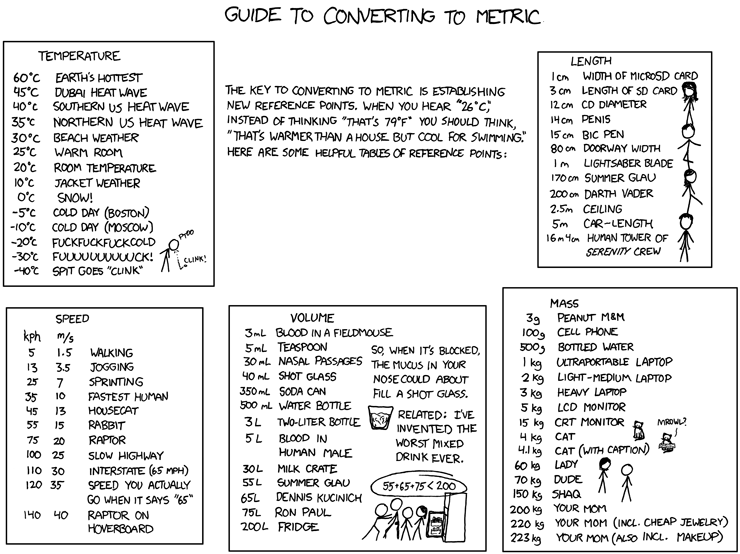 (Thanks to Randal Monroe...for everything he's ever done)
 - Chris is sorry for the mess with the servers. It should be fixed now.
- Dave did a new video about "The Unwritten Rules of Open Source Hardware" http://www.youtube.com/watch?v=NOUaoLjrNPo
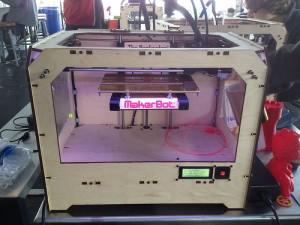
- The video was kicked off by the Tangibot project on Kickstarter, a clone of the MakerBot (pictured, top)
- Akiba of Freaklabs wrote an interesting piece about this as well.
- Dave and Chris might take the "paid commenting" model public. A new Kickstarter project!
- Chris has backed the 99 percent invisible podcast (a great podcast about design and architecture), which raised $170K on Kickstarter.
- The top 10 chips for power aren't all names you'd expect. High volume parts aren't always accessible to small run electronics.
- The India Blackout may have been caused by an upgrade, in addition to the usual stealing of power.
- There will be a lot more growth in the power sector in coming years. IEEE Spectrum says that's where the jobs are (or will be).
- Chris learned that to do isolated power, you don't need a flyback per se. You can use a regular buck controller/converter, a transformer and an isolator.
- Sick of Kickstarter yet? Too bad! Go check out this rideable hexapod robot. The bumper sticker is awesome.
Transcript
SPEAKER_01: This is the Amp Hour Podcast, recorded August 12, 2012. Episode 108. Reprobate. Replicator. Replication.
Dave Jones: Welcome to the Amp Hour. I'm Dave Jones from the EEV blog. And I'm Chris Gammell of ChipReport.tv. What about Chris Gammell's analog life and all that sort of stuff?
Chris Gammell: I'm still going with the ChipReport.tv thing. It's new. I don't know.
Dave Jones: Hey, dude!
Chris Gammell: What?
Dave Jones: Curiosity!
Chris Gammell: Yeah! Woo-hoo! I think, so we're going to talk about this. I can start talking about it now, and then you can start talking about it in 20 minutes when you finally catch up.
Dave Jones: Why?
Chris Gammell: You were 20 minutes delayed on the feed. You missed the show.
Dave Jones: Oh, right. Oh, yeah. No, let's not go there, because I'm so angry about that.
Chris Gammell: That was rough, man.
Dave Jones: No, do not remind me. Well, what was the event? So, like, were there a lot of people there? The thing you were in? It was at the Sydney Observatory, right?
Chris Gammell: Okay.
Dave Jones: You would think a bunch of passionate professionals.
Chris Gammell: You mean nerds? Yeah, a bunch of nerds.
Dave Jones: Yeah, who would be sitting there all day watching the live feed. No. Completely the freaking opposite. Don't get me started!
Chris Gammell: Oh, man. I'm so angry. Oh, I had just a little bit of... I'm so angry. ...shadenfrude? Scheadenfrude? However you say that? I don't know how you say that. Yeah. You know, when you take a little pleasure out of other people's pain. They're right. Oh, yeah. Take that, Dave.
Dave Jones: I'm so angry out of somebody else's. But, yeah, I went out of my way to go somewhere special to watch it. No.
Chris Gammell: Oh, I had a great view. That's like, kind of like when... I was thinking about it, and it's like, kind of when you're... Like, when people go down to New York... Times Square in New York, right? My friend did that a couple years ago for New Year's Eve. And he had a terrible time. It was like... He had a stand out there for 12 hours in the freezing cold. Yeah, yeah. You can't go to the bathroom because, you know, you can't get out of your... lose your spot. Yeah, yeah, yeah. And then, you know, all these people at home, like, you know, having a party. Oh, you can't drink down there, too. And, you know, like, it's just terrible. But, you know, people do it for the experience. So...
Dave Jones: Yeah, exactly. I, you know, I've been to Sydney Harbour on New Year's Eve, right? One of the most famous New Year's Eves, you know, because we have the best fireworks display in the world, right? Oh, yeah. Yeah, that's a good display. And, yeah, and millions of people flock to the harbour. And it's exactly like that. It's an absolute... It's a terrible experience. Oh, yeah. But you do it because it's the experience. I've done it a few times and now I just go, nah. Oh, yeah. I just sit at home and watch the fireworks.
Chris Gammell: Yeah. Well, I've seen things explode enough times and if I really want to see it, I'll blossen up myself.
Dave Jones: That's it.
Chris Gammell: Yeah. Yeah, you know... Oh, boy. Yeah, getting older, too. You know, just...
Dave Jones: Oh, yeah, exactly.
Chris Gammell: I'm so done with crowds, you know. It's tough, you know. Yeah, I know. Even, like, you know, Maker Faire was like that, too. It's just like, ah. Oh, right. Okay. It's just a lot of people and I'm not used to it, you know, now that I'm isolated, suburban, doink, you know.
Dave Jones: Yeah. No, I know. No, I know. Yeah. Yep.
Chris Gammell: So, well, that was unfortunate. But the landing was just... That was just odd. I mean, and we were watching... What were we watching, really? We were watching, you know, telemetry data, basically. It was... Basically? It was nothing.
Dave Jones: We were watching people reading telemetry data.
Chris Gammell: Yeah, there's more commentary about that guy's haircut than anything else. I mean, like... Exactly. When that's happening, you know that not much data is getting streamed back, but...
Dave Jones: Right. Yeah, yeah. And the funny thing was, unless you were in the know, like, you know, of how the landing sequence worked, you wouldn't think it was a big deal. Like, they just mentioned something, oh, the, you know, the ESL stage has started or something. Right. You know, to get to that point, that all these things, bang, bang, bang, have to happen. And that actually meant, you know, a huge amount. They just rattle off one word, and that would mean, you know, 10 million things have gone right. Right. Yeah, exactly. Oh, it's... Yeah. It's incredible.
Chris Gammell: Yeah. It was a lot of fun. It was... Yeah? But, I mean, you missed a good show here, too, man. I mean, we were talking about how you talk to the long-distance stuff with microwave. Huh? Our last guest, Tony. He was talking about microwave.
Dave Jones: Oh, right. Oh, okay. Sorry, I haven't listened to it all yet.
Chris Gammell: No.
Dave Jones: Right.
Chris Gammell: Yeah, it was good. I liked it.
Dave Jones: Huh? Excellent. No? Sorry, I... Yeah, with hindsight, I should have... Should have been there. That's okay. We should have done, like, a... As many people did, and I go, oh, what didn't I think of that? We should have done, like, a Google Hangout while it was happening, or something like that.
Chris Gammell: Oh, really? What...
Dave Jones: Granted, it may have sucked all our bandwidth. Yeah, I guess.
Chris Gammell: We may have missed a feed, but, you know, I mean...
Dave Jones: But if you had a good connection, you know, that'd be fun. That's true.
Chris Gammell: Then you can get to remotely share it with people. Yeah, that's true, and a lot of people around... I mean, around here, it was, like, two in the morning, so everyone was asleep, so... Oh, right. I know my neighbors probably weren't watching.
Dave Jones: Of course, because it was, like, 11 p.m., like, West Coast. Right. Yeah.
Chris Gammell: And that was the other weird thing, you know, the next day, I'm, like, I'm at work, and I'm, like, still so... I'm exhausted, right? Right. I went into work a little bit late, and... But I was just, like, oh, I'm so excited about this stuff. And I start talking to my coworkers, and I'm, like, they were all watching the Olympics last night. I can't... Oh, what? I know, right? It's just, like... Oh, not fail. I agree. I agree. So... Yeah. Yeah.
Dave Jones: Well, they aren't real engineers, then, are they?
Chris Gammell: I don't know, man.
Dave Jones: I... Or maybe they just didn't know.
Chris Gammell: That's the other thing, yeah. I mean, like, unless you're... I think there's a lot of visibility online, but, you know.
Dave Jones: Yeah, no, with the nerd crowd, but if you're not into that, which is fair enough, a lot of people aren't. They don't follow the forums and Twitter and bloody... Right, exactly, exactly. ...Reddit and everything else, you know, they're...
Chris Gammell: Right.
Dave Jones: You know, I'm sure they would have watched it if they knew about it.
Chris Gammell: Right, exactly. And, like, CNN wasn't... They were late on the coverage. Like, all the big news stations weren't really on it. Not everybody gets nasty TV here. Oh, okay.
Dave Jones: Apparently an Australian one showed it live or something.
Chris Gammell: That's cool, yeah.
Dave Jones: Yeah, everyone was sort of, you know, a few people sort of, you know, poked me and said, ha-ha, I just watched it live on the news, you know. Like, yeah, you bastard. Thanks for that. So, yeah. Yeah. You know. Which kind of makes sense, actually, right? From a technical point of view, right? Because there were millions of people trying to, you know, absolutely flog the server, right? Oh, yeah. To get that live feed. Yeah. Why can't just one person, like a news network, get the highest quality link to it and then distribute it using their push media, right? Which doesn't suck bandwidth.
Chris Gammell: Yeah, then they've got to put commercials in it. Can you imagine that? Well, no.
Dave Jones: Let's... Well, don't. No, apparently. It's like, no, because it was done by the Australian... And we're about to get the data.
Chris Gammell: And this brought to you by, you know, Ernie's underarm deodorant.
Dave Jones: Oh, man.
Chris Gammell: Yeah.
Dave Jones: No, it was done by the government channel here. Oh, okay. Right. Yeah. I don't think they have ads.
Chris Gammell: Well, there you go.
Dave Jones: So, yeah. Anyway. Yeah. But that makes sense, right? Because there's all sorts of... You know, there's millions of people trying to kill the NASA server, trying to get their own individual feed. It's just, from a technical viewpoint, it's stupid.
Chris Gammell: Yeah. Well, you know, the one thing that was really cool was the simulator that NASA put out. And actually, the streaming data that came back, some of that was going... It was a little bit time-delayed, I think, based on the video feed. But, you know, it actually showed when separation happened, when the parachute happened and everything.
Dave Jones: Yeah. That simulator was worth gold. Yeah.
Chris Gammell: It was awesome. I mean, and that's a good way to do it, right?
Dave Jones: And you could follow it in real time. People were telling me they had one window open with the real-time simulator running. Yeah, I did that, too. Like, on their own local copy. And, you know, oh, you did.
Chris Gammell: Yeah. Well, yeah. I was doing... And that's how I knew it was off, because the video feed was showing a little bit delayed. So, I knew that... I think they were probably estimating it and updating it. But, you know, towards the end, so much stuff's happening. And it's like, well... But I'd probably have been happy, you know, like, hearing an audio feed and just watching that. That would have been cool, too. Yeah. Yeah. Yeah.
Dave Jones: Of course. Yeah. Yes. Yeah. Same here. Yeah. I didn't really need to watch high-bandwidth video, although it's quite exciting to see everyone, you know, the faces of the people in the control room and, you know, stuff like that. Yeah. I think this shows the superiority of the old-fashioned RF transmitter here, right? Because it doesn't increase the network bandwidth the more people that suck into it, right? Whereas the internet, everyone's trying to download from the NASA server. But if the network news broadcasters do it, right, and they transmit their big, you know, one kilowatt RF, you know, TV signal, then, you know, 20 million billion Indians who we're going to get onto can tap into that signal and it doesn't suck the bandwidth.
Chris Gammell: See, but that's not how cable works. It still works. I mean, you're right about... I think you're right about...
Dave Jones: Oh, what cable? This is America, right? We don't have freaking... Well, we do kind of have cable. Well, we do have cable here, but no, we still use the old-fashioned RF transmitter. Oh, okay. Yeah, I mean... Transmitter.
Chris Gammell: I have a...
Dave Jones: Well, no. Why does it suck excess bandwidth from the cable? It's a broadcast medium. One signal goes down the cable and as long as you buffer it, bang, you're fine. Right.
Chris Gammell: Well, that's what I mean is that in a cable system, like in a, you know, like a cable delivery or single line delivery, they have multiple repeaters in there. That's how they're... I mean, there's people tapping off. It's a shared line, right? But it's just they have it built in. They know how much bandwidth it'll take for everyone to receive every signal and then they... Yep. You know, so more people pulling into that, it's already built in, really. So...
Dave Jones: Yeah, it doesn't... Yeah, more people reading that. It just loads down the line, but it doesn't increase the bandwidth of the line. There's no bandwidth increase, is there? Or... Well, maybe there is if it's a digital base because it's got a ping and do, you know, authentication and all that sort of crap, right? Yeah, that's what I was figuring, yeah. But if it was like an... I presume like there's an old-fashioned RF kind of, you know, coax cable system, right? But... And in that case, where there's no digital transmission, like digital communication between them, then, you know, everyone should be out in theory. I don't know. I don't know. I don't know if every... An infinite number of people can tap that off.
Chris Gammell: I would assume there's some kind of drop, you know, or each modem or, I guess, like set-top box or whatever was the old analog way of doing it, or even just, you know, straight into a TV. I assume that, you know, every time you have to consume a little bit of power in order to receive a signal.
Dave Jones: Well, you do as a load source. Right, exactly. So there's... It's like the phone system, right? You can't put more than... It's called REN. I can't remember what REN stands for, but that's the number of devices you can put on the line before it gets loaded down so much before it dies in the ass.
Chris Gammell: Yeah, there's always that, I would think.
Dave Jones: Yeah. But it doesn't increase bandwidth. It's just a loading issue. Okay. That's what I'm saying. Oh, interesting. Whereas the internet live feed from the NASA server, right, everyone had to get their own little individual stream, right? So, you know, it's... So it was, yeah, it shows a superiority of just good old-fashioned RF.
Chris Gammell: Broadcast, right. Yeah.
Dave Jones: Yeah, broadcast technology.
Chris Gammell: Yeah. Well, I think if one thing is clear from this past week, it is that I have no idea what's going on with servers and internet and everything else. So, yeah.
Dave Jones: It's not my server that died in the ass, folks. This is the brand spanking new server, which Chris chose and manages and...
Chris Gammell: Yep.
Dave Jones: We got hacked, right?
Chris Gammell: Yep. We got... Well, it was... You know, I kept saying hacked. It was more like a script kitty. It was basically I installed a bad plug-in and then I found out which one it was and...
Dave Jones: Oh, that's how they got in, was it? Yeah. It was through a plug-in. Yeah. I was going to say, how did they get our password to get into the server?
Chris Gammell: Oh, yeah. Then I'll have our password. Our password is baloney. Now they have our password. Plug-in. Yeah. Right. Yeah.
Dave Jones: Jeez, the hackers don't even have the decency to hack your password anymore. I know. Really, right? I mean, that's just low, right? Kids these days. Kids these days. I mean, kids. That's just... Yeah. When I was a boy, you had to sit there for two weeks hacking the password, you know?
Chris Gammell: Yeah.
Dave Jones: Yeah. Bloody hell.
Chris Gammell: I'm sorry about that. It was a mess, to say the least. It was a mess. But we're back up for now. Hopefully... Well, first off, the thing that's important, because people kept asking me this on Twitter or email or everything else, you can always get our podcast at theamphour.libsyn.com. That's actually where we host our show. So you can always go there and download it. And if you want to download all of the episodes, that's actually the best place to do it. So... Yep. That's just a little information point. Because stuff happens, right? I mean... Yeah. Hopefully not again. Shit happens. Again, right? I don't want this to happen again, but...
Dave Jones: No.
Chris Gammell: Yeah.
Dave Jones: And that is a CDN, a content delivery network. So it's a distributed server thing. So even if half the planet loses power like India did, then you can still get your fix of the amp hour from the Libsyn server. That's why we use it. Yeah. We don't host the audio files on our own server. Right. Yeah. This is like the cable. Again, it's that stupid... It's like the cable. It's like the... Yeah. It's, you know, if a thousand... You know, if all of our 5,000 listeners started listening at the same time from our server, our server would just die in the ass. Right. It wouldn't be able to handle 5,000 individual streams.
Chris Gammell: Right.
Dave Jones: So...
Chris Gammell: Which I guess does put an interesting number on it because, you know, like you think of how many people were watching the NASA stuff that you were talking about.
Dave Jones: Exactly. Millions. Yeah. Right? That's, you know, I'm surprised it held up at all. It didn't last time, apparently. When... What was the last big event for NASA? Was it the Phoenix Lander or was there something else since then? Oh, the Falcon maybe? The...
Chris Gammell: Else since then. The Falcon docking with the ISS.
Dave Jones: Oh, okay. Yeah, maybe.
Chris Gammell: I don't know. I didn't get to watch that one. I watched one of the other launches, the SpaceX launch. Man, that was crazy too. And it's like, you know, like watching that stuff live. Again, I was at work that time. It was like, I was just like sitting there like in my chair like, go, go, go, go, go. You know, my coworkers again, you know, didn't know what I was talking about.
Dave Jones: So they were peeping over the cuticles. Yeah, exactly. That gamble guy's gone crazy again. He's crazy, man. He's talking to himself. Yep. Oh, boy. But what a win for engineering. Yeah. I mean, it's engineering here. It's not science that's winning, really. There's science in there. There's some science, right? But basically, it's an engineering problem, right? How to land this son of a bitch on the surface of Mars, right? This one ton freaking rover. Yes. I mean, it's basically an engineering problem. It is built on the fundamentals of science. I mean, the science was solved back in the 60s, right? You know, in terms of all the physics of the trajectories and all that. Yeah. All that sort of stuff was solved way back. Yeah. Right. So, yeah. Yeah. They're like riffing on the problem. And they're still using parts and algorithms from the Viking landers in the 1970s from the Apollo moon landers. They're still using some of the algorithms from all that.
Chris Gammell: Yep.
Dave Jones: You know? So. But no, this is a pure engineering win, I think.
Chris Gammell: I think so, too.
Dave Jones: Well, I'm going to claim it for engineering. Bloody oath.
Chris Gammell: I think it is.
Dave Jones: Yeah. No. I think there's no question at all.
Chris Gammell: Yeah. It's we. We did it. And even, you know, older engineering, like you said with the, I don't know what you were talking about, the older parts, but did you mean the radio transmitters and stuff? I mean that.
Dave Jones: No. Well, the algorithms, you know, the rocket motors and the thermal, you know, the thermal power units, you know, the nuclear plutonium power units and all this sort of stuff is all, you know, Viking lander.
Chris Gammell: Yeah.
Dave Jones: Stuff, you know?
Chris Gammell: Yeah. Well, and also, they talk to it through the, you know, the older satellites and everything, too. I mean, you think about the firmware upgrades they have to do. They have to. Yeah. You know, they got to push all that stuff down. You know, people lament having to use C. I mean, I guess this was all written at C, too. But they said, what, 500,000 lines of C? Code. That was just for the landing sequence, I think.
Dave Jones: Yeah. That's bockers. You know, it's just, yeah, I know, it's crazy. And it wouldn't have, we wouldn't have been able to get all this data if it wasn't for the satellites and, you know, the Mars Reconnaissance Orbiter up there.
Chris Gammell: Yeah. Yeah.
Dave Jones: Which got the last landing. You know, it took the famous photo of the Phoenix lander. Oh, yeah. Landing, you know, landing with the, you know, it had the big crater in the background. Fantastic photo. And it got the same photo again of, it captured the, this rover under parachute landing on the surface. Incredible.
Chris Gammell: That was an awesome picture. Yeah.
Dave Jones: It was just, oh, man.
Chris Gammell: I feel like we're like, you know, we're a week late here. It's like, this stuff's already all been talked about before. But it's still, it's still exciting, right? It's, on the electronic side, it's kind of interesting looking at the, you know, the stuff that's actually running all this stuff. It was a, it was a power PC, 200 megahertz, two gig of flash memory. Like, it's not much from the, you know, like modern standards, right? But it's all super tested, you know, golden case chips and everything. And super radiation hardened. Radiation hardened. Yeah, like triple error correcting code kind of things. It's just insanity. You know, it's just trying to, you know, these engineering problems. I mean, like, I think the, if you look at the cost of actually doing this stuff, it's probably less than it was, you know, 20 years ago, just because of the availability. But a lot of the design constraints have not gotten any easier. You know, radiation has not gotten any less in space.
Speaker ?: So.
Chris Gammell: Still the same old problems. Yep. And interesting from the, the C perspective too. I mean, like, maybe that'll be a resurgence of kids saying, hey, I should learn how to, you know, actually program. Oh, we don't need more programmers, do we? Well, I mean, well, so one of the things I had on the list from this week was about the NI week. Because I was, you know, I like national instruments and LabVIEW and everything like that. But I don't know if I've complained on this show before or somewhere else. But my alma mater now offers LabVIEW as a programming class. And it's. Right. It's. It really hit me the wrong way. And.
Dave Jones: Because it's a proprietary language, right?
Chris Gammell: Well, not even that. It's just a. I mean, I know that there's like, you can write C underneath like all these modules and everything. But.
Dave Jones: Hmm.
Chris Gammell: I don't know, like, like, you look at the Mars Lander, right? And like the C is running it, you know, like you have to get down into the hardware in order to do that stuff. And you can't have any higher level. Bloat, I guess. Yeah, crap. Just wasting your. Yeah. I know. Listen, before people, you know, get into our comment section and start tearing me a new one. Yeah, but there'd be real time operating systems as well.
Dave Jones: Right. Right, right, right.
Chris Gammell: And I understand that NI has its own purpose for everything, but. To make money.
Dave Jones: Well, yeah. But. They're a corporation. Right. And they donate, right? They just give all the shit for free to the universities. They probably got all of the educational material as well. So they just hand everything over pre-packaged to the universities, right? That's why they bloody do the courses. Yeah. Because they get it all for NICs.
Chris Gammell: Oh, you mean like teaching? I don't know, but.
Dave Jones: And there's teaching material because that, like, you know, you can't just give stuff for free to universities and go here, use it. And then they're going to go, oh, yeah, but now we have to spend six months writing all the course material for it. Oh, yeah. Well, if you get given the course material.
Chris Gammell: Right.
Dave Jones: That's like what Agilent do with their scopes as well.
Chris Gammell: Yeah.
Dave Jones: Right? Is because they sell the educational material with it.
Chris Gammell: Yeah.
Dave Jones: As well. So they give you a huge educational discount on the scopes and the other products, but they also give you all these manual, you know, all the course stuff. So nobody has, teachers don't have to write anything.
Chris Gammell: Yeah.
Dave Jones: Bang. Instant course. Done.
Chris Gammell: Right. And yeah, that's a good idea.
Dave Jones: But. Well, it's smart from a business perspective.
Chris Gammell: Right. Bring it all back. I mean, I just, I like that from the, you know, just the, the focus on needing to get down into the hardware and even be able to control stuff. Like, yeah. All right. Go see. That's good. You know, like, I thought that was good.
Dave Jones: Well, see is still a high level language. Don't forget. Yeah, I know.
Chris Gammell: Yeah. It's no assembly and it's no, it's no solder. Right.
Dave Jones: Right. Yeah. My favorite programming language is solder. Yep.
Speaker ?: Oh boy.
Chris Gammell: Well, it was, it was fun to watch. That whole thing. It was all great. It was. God, I just can imagine. Can you imagine if it crashed? I'm glad you enjoyed it.
Dave Jones: You know. I know. Well, well, right. If it crashed, right. You're either a hero or you're a freaking villain. Right. NASA would be, you know, they'd lose their funding. A billion dollars of funding. Yeah. Oh, they would be absolutely hauled over the coals. Right. If it failed. Right. Right. So their balls were hanging on the line. It was. Yeah. They were on the chopping block. Right. Yep. And they were going to get cut off. If they, if this thing failed. Right. That was just. Yeah. I don't know.
Chris Gammell: I don't know how you, like, but that's not really fair.
Dave Jones: I mean, like. Yeah, I know. But that's, that's how the world works. Right. And that's why they needed all of the telemetry data back in real time. It was one megs worth of data. Right. That's all the data they got back through during the whole entry procedure. But it would have been enough for them to know exactly at what point it failed. So they could lessen the impact. You know, if it did actually crash, they can go, oh, well, it just crashed on the sky crane, but everything else worked. Look. So we're still kind of, you know, look. Let's get more two ready. Please give us more funding. We'll get it right next time. Yeah. You know, but if it like burned up in the atmosphere or something. Right. You know, like because somebody got the wrong angle because they used metric. Oh, yeah. You know, instead of imperial or something. Right. Then. God, I hope. Yeah.
Chris Gammell: Man, maybe if, maybe they should crash the next one. They should be like, well, you know, we really need to start teaching metric in schools in the US. Right. I would like, I'd say that's worth 2.8 billion right there. No more of this miles per hour shit, you know. You're a fan of the old metric, are you? Oh, yeah. Well, I can't do it still. I still, I still refer back to the.
Dave Jones: Because you're already brainwashed with the American imperialist system. Yeah. Yeah.
Chris Gammell: You know, like working with Europeans, I get caught up and I'm like, ah, you know, I kind of take that second and I'm like, oh, 25.4. Right. That's like the, that's like the big length conversion. Because I'm doing like. Yep. Plastic stuff or connectors. Mm-hmm. And yeah. So thankfully, you know, I finally figured out that trick. But other than that, I'm pretty much up a creek. I mean, I find myself referring back to the XKCD comic for all the relative. Right. The relative ways of remembering what is what, right?
Dave Jones: Awesome.
Chris Gammell: Yeah. That's a good one.
Dave Jones: And thankfully, somebody decided, very thoughtfully, that it would be precisely 25.4.
Chris Gammell: Versus.
Dave Jones: They actually defined it. Why not 25? Versus 25.4. 0, 0, 0, 0, 0, 0, 1. Because I think technically it was, right? There was some decimal point way down in there that, you know. But then somebody said, no, this is freaking stupid. Yeah. Right. And we have to define it as 25.4. So the imperial system slightly changed. Interesting. By that. Yeah.
Chris Gammell: Oh, because there's no standards for the. By smidgen. Is it all based on the.
Dave Jones: Well, because the metric stuff is all based on, you know, science, all length and everything is based on, you know, transition of atoms and distances and all, you know. And whereas the imperial system is all based on, you know, the royal cubit of somebody's, you know. Right. Someone took a dump in a box and they weighed it.
Chris Gammell: And then they saw how long the turd was. Exactly. Ah, that went a little too far. I apologize. But, you know, it's a. Yeah.
Dave Jones: And so they went, well, bugger it, we'll, you know, rather than tweak the metric system, which would be stupid, they tweaked the imperial system of length. And it's precisely 25.4.
Chris Gammell: Yeah. That's good.
Dave Jones: Yeah. I like it.
Chris Gammell: I like it too. Somebody was thinking. Speaking of things that are in a box, you did a video this week about, the unwritten rules, open source hardware. And that. I did. That was all based on a thing in a box.
Dave Jones: No, actually. Well, that's what spurred me on to do it. But I've been meaning to do this exact video for six months. Yeah. Probably. I've been, you know, oh, yeah, I'll make this, you know, because I thought there were, you know, a lot of. Because I see, you know, similar sort of issues keep sort of cropping up here and there. Yeah. I've been mean to do this for ages. But, yeah, the Tangibot sort of went, oh, bugger it. Right. I'm going to go to the lab and I'm going to spend 10 minutes recording the video.
Chris Gammell: I have to say, I was pleasantly surprised. I expected the video to be a little more preachy than it was, but I thought it was very well measured. Right. I thought it was. Oh, okay. Thank you very much. It was good. It was good stuff.
Dave Jones: Oh, excellent. Yeah. No, I didn't shout or get angry or anything like that. I didn't expect to get angry.
Chris Gammell: I just expected the.
Dave Jones: Well, it wasn't. Right.
Chris Gammell: Yeah.
Dave Jones: More.
Chris Gammell: The usual. Huggy. Yeah. The usual wincing I do when we bring up open source hardware around here these days. I'm like, uh-oh. Okay. Here comes Dave.
Dave Jones: I'm glad I did well because I didn't really plan it.
Chris Gammell: No, it was good. It was very good.
Dave Jones: I just jotted down my five points on a post-it note. Yeah.
Chris Gammell: Good. Good stuff.
Dave Jones: And I hit record and I went, I've got to talk about it.
Chris Gammell: Dave Kat. Okay. Good stuff. But yeah, it was all based on the Tangibot, which has caused a little bit of ruffles. But we talk about Kickstarter on here, you know, once in a while.
Dave Jones: Probably too much. Probably, yeah. But so we won't mention it. But it fits an interesting, you know. There's a project out there. Yeah. It's called the, what?
Chris Gammell: I mean, I was just saying it's an interesting thing these days. It's in the news. It's everywhere, right? I mean.
Dave Jones: No, it's everywhere. Yeah.
Chris Gammell: Yeah, exactly. That's where, you know, projects are going. Yeah, sorry if you hate it and you're sick of ticking off that one. Well, it's interesting because it allows hardware. You know, that's the interesting part of it. That's why Dave and I like it, right? I mean, like. Yep. Even though Dave wouldn't take funding like that and I don't ever make anything. Oh, no.
Dave Jones: No, I plan to do it for my next project. Oh, okay. So just as a trial, I just want to see what it's like. I mean, I could easily get the same. Because I have an established audience. Right. You see, that's the difference, right? Whereas most people don't. I could just put it up on my website and take pre-orders. Right. Right. True. Exactly the same thing. Yep. But, you know, you're a hobbyist in their back shed, right? They don't have an established audience. So this is a fantastic way for them to, you know, reach. Because there's nerds just sitting on Kickstarter. Oh, what can I contribute to? Yep. You know? Yeah. And there's just. It's awesome. They're scouring it. It's great. I know. It's great.
Chris Gammell: So that's why we like it. That's why we always talk about it. Because we have heard, you know, complaints here and there. But it's just an interesting cultural difference. Not cultural difference. A crowdfunding. Yeah. It's not the only one. Cultural thing. Yeah.
Dave Jones: Yeah. And it's not the only one. There are others out there. Right. Right. Exactly. So they're, you know.
Chris Gammell: But this one is a little different. It's basically a clone. It's a straight clone of open source hardware.
Dave Jones: Which is actually against the Kickstarter terms and conditions technically.
Chris Gammell: Yeah. That's what I didn't get. So Kickstarter.
Dave Jones: I didn't know that. I didn't know there was.
Chris Gammell: It was. Yeah. You need to have it as a creative endeavor. Right. Okay. Basically. I'm not sure why this squeaked through. I don't know if. Not squeaked through. Right. Because it's a big project. I mean, they're trying to get 500 grand. It's like not small. Yeah.
Dave Jones: So they would have, you know, carefully vetted the video and everything else. You know. Yeah. They wouldn't have just gone. Oh, yeah. Rubber stamp that one. You know, it's only two grand or something. Right. Exactly. They would have vetted this one. And he makes no. You know, he doesn't hide the fact that it's a direct clone. He says it many times in his video.
Chris Gammell: Right.
Dave Jones: He's pitch video. You know. Right. So. Did we say what he's cloning?
Chris Gammell: He's cloning a MakerBot. If people. The MakerBot.
Dave Jones: He's cloning a MakerBot Replicator. Right. Which is the one you just reviewed. Which is ironic. Because, you know, it's the term. Oh. Replicator. Right. Yeah. Yeah.
Chris Gammell: Yeah. So it's. Yeah. It's interesting. And this is the point number one. Right. You said, you know, you have to add. That's the unwritten rule. Some sort of value. Yeah. You should add value. You've got it. So my question to that is. Is manufacturing, you know, efficiencies. Is that adding value? No. I don't think it is. Yeah. I got in trouble for that once. I went to my boss's boss's boss. And I said, you know, I'm really frustrated. We're not innovating around here. And.
Dave Jones: Well, you just killed your career. Yeah. Right.
Chris Gammell: It was right there in one sense. I was feeling incredibly comfortable at the time. I'm not sure what came over me. And I. And I said. You young, foolish whippersnapper. Yeah. Exactly. And then. And then she proceeded to tell me about like. Like legitimate things that were, you know, innovation in process. Process innovation is a very realistic thing. You know, that's how companies make money. You know, it's like.
Dave Jones: Within a company. Yes, of course. Yeah. Exactly. Yeah. Yeah.
Chris Gammell: And I got in trouble for that. But that's not the same thing. Right. Right.
Dave Jones: Well. You know, innovation within a company. Because you're running a business. Is not the same as innovating on a community project. Right. Right. Right. Chalk and cheese. Right. What? Chalk and cheese? Chalk and cheese. All right.
Chris Gammell: Here we go. Aussie dictionary time.
Dave Jones: They're as different as chalk and cheese.
Chris Gammell: Like a piece of chalk that you write on a board? Yeah. Who gets that confused? Do you have cheese and little. I guess. I guess.
Chris Gammell: String cheese. Chalk and cheese.
Dave Jones: Well, you can eat chalk. Haven't you ever eaten chalk? Kids. Kids do it all the time. Well, this is back in the days. Before you were bored. This is explaining a lot, folks. When we actually used chalk on the. On the blackboard.
Chris Gammell: Did they used to put chalk. Right. Or did they used to put a lot of lead in chalk, Dave? When you. When you were snacking on it?
Dave Jones: Probably.
Chris Gammell: Rounded off a little bit of. At least I'm made here. They weren't made in China. Yeah. You know.
Dave Jones: Oh, boy. No, but chalk is a harmless. It's harmless in itself. Yeah.
Chris Gammell: It's gypsum. Yeah. Yeah. I know. Chalk and cheese. All right. Back to it. Different as chalk and cheese. What were we saying about that?
Dave Jones: Well, a community project is different. You know, cloning it is not innovating it. You know, it's not adding to the art of the project. It's not adding to the, you know, the value of the project. It's possibly helping out people afford it. Right. But it's, you know, it's not in the spirit of.
Chris Gammell: Yeah.
Dave Jones: You know, what open source hardware is about. Especially when the person who originally created the project is selling the product. You know, they have first dibs. And to just simply undercut them and add no other value is not good, in my opinion. I don't necessarily have a low opinion of this guy. I just think, you know, he's entitled to do this. Yeah. A. Definitely. And B, I think he probably has good self-justified reasons for doing it. I just happen to think that he's not going to be very popular. And I don't think he'll meet his funding target. Yeah.
Chris Gammell: It was kind of high.
Dave Jones: That's what I'm saying. So, I'm not necessarily against anyone who does this. You're free to do anything you like. You know, and that's the risk of putting your open source hardware project out there. Is that people can clone it. Because all the info is out there. Right. But, yeah. I just, you know, I'm just saying that you're not going to be very popular.
Chris Gammell: Yeah. You know, I was reading. So, it's more of a warning, really. Right. And, you know, it's. It's more of a heads up. It's a. Than anything else. It's a market. It's right. I mean, like, if people want to support it, they'll support it. And as long as Kickstarter is allowed to.
Speaker ?: Of course.
Chris Gammell: Yeah.
Dave Jones: The market will decide. Exactly. In that case. What's right and wrong.
Chris Gammell: Actually, it's quite good. I mean, there's no, like. I agree. There's no picketing. There's nothing. I mean, I guess you could call some of these articles that are online picketing. But not really, though. I mean, because you can't stop someone from funding it. So, there's no reason otherwise. You know, Akiba from Freak Labs. He's on Twitter a lot. Lives out in Japan. He actually paid $10 to back the project in order to leave a comment. As did Phil Turone.
Dave Jones: As did Phil Turone. Oh, yeah. So, that's, you know. It's interesting. That's how passionate people are about this. Yeah. They actually paid money to write. Because you can't leave a comment on the Kickstarter site. Right. Unless you're a backer.
Chris Gammell: Right.
Dave Jones: So, you've got to be a financial backer.
Chris Gammell: Yeah. I thought that was really interesting. You know, like the fact that you're paying $10 to leave a comment. That's very different. Yeah. I know.
Dave Jones: Hey. We've got a new revenue stream. Yeah, right.
Chris Gammell: Get on Kickstarter. Say something really incendiary. And just, you know, yeah. Watch people just hand over their money, you know.
Dave Jones: Oh, boy. If you build it, they will come. Yeah.
Chris Gammell: And so, if you slag it off, they will come. Yeah. Yeah. You start charging for comment section on your videos, Dave, right? I know.
Dave Jones: This is great.
Chris Gammell: Yeah, there you go. I don't know why I didn't think of this before. We fixed the internet. Oh, boy. We should do that, actually, for like, you know, like local newspapers, you know, like how there are always terrible people that are in the comment section. You should have to pay to comment on there, too. Right. Finally, newspapers could make their money back, right? Right. Oh, boy. Oh, boy. Yep. So, Akiba also wrote on his blog, though, about, you know, like writing about this.
Dave Jones: Hey, actually, no, sorry. That's an interesting concept, right? Because you're reaching a mass, sorry, I've got to, just tip me. You've got to, you know, if you've got a million people reading this newspaper, right, why couldn't you actually charge people and say, look, you can have the column space you want to say anything you want for X price.
Chris Gammell: Yeah. Are you a crazy person who wants to spout your opinions? Only $2, right?
Dave Jones: It's only per column inch. Yeah.
Chris Gammell: Yeah. Maybe there's a business model on that. I mean, why not? Yeah.
Dave Jones: Hey, and it would make them write very succinct, you know? Oh, yeah. Make them charge per word.
Chris Gammell: Oh, that's a great idea. Yeah, exactly. This is brilliant. This is good. Yeah, we're creating. We should start a Kickstarter about this.
Dave Jones: I know. We should.
Chris Gammell: This is great. Yes.
Dave Jones: Man.
Chris Gammell: Anyways. Coming soon. Akiba wrote about it basically because it might be a failure of the open source hardware model, right? That's kind of the fear is that, oh, well, people can just undercut. Just undercut it. And have we reached that point of where the Apple computer leaves the garage, right? And it starts getting invested in and everybody starts to make money and then race towards the bottom and that kind of thing. And I think that is kind of an undertone here. And I don't know. I'm clueless in this whole thing. But I had very mixed feelings about this whole thing. I don't know.
Dave Jones: Well, I think, you know, all he had to do was just make a couple of little improvements, right? Like he's an engineer, right? Yeah. He designed the, well, was involved in designing the, what is it? The Cricut. Some brand name. Yeah. Cricut. Cutter, right? Paper cutter. It's one of those 2D fabric cutters, right? It's one of the most popular ones. And, you know, so I'm sure he's got the talent to make changes to it. But, you know, that's all we had to do. Make a few improvements, you know, make it look slightly different, perhaps. And, you know, but no, it's an exact duplicate. Every nut, every bolt, every. Yeah. And he makes no, you know, he makes no bones about saying that. Yeah. I agree. So. Yeah. Well. No, I think that's precisely where he went wrong. No one would have kicked up a stink if it was, if he just made a few improvements, changes. Yeah. Yeah.
Chris Gammell: You know, the draw of high volume manufacturing just isn't there yet, right? I mean, like, when it's a community-based product, you kind of have to make that transition of, well, you got to have one, right? As soon as everyone says, I got to have one, that's when 3D printers are going to, you know, the price is going to fall out, right? Because then there will be enough economic incentive for people to know, oh, well, you know, there's going to be one in, you know, every other home and, you know, that's when the race to the bottom happens. But we're not there yet. And it happened with computers, right? I mean, eventually, at the beginning, everyone said, no, of course you're not going to need a computer in every home. And they were still expensive as hell. But as it went along, as they saw the profits, then boom, done, you know, like straight to the bottom or as cheap as the bottom could go at that point.
Dave Jones: And I think that's what a few people are a little bit upset about here is it looks like he's not in it for, like he's in it just to make money. He's not in it because he's passionate about it. That's what a few people have claimed. So I'm not going to claim that. But, you know, a few people have said, oh, that's what it looks like, you know, because he's talked about other projects he wants to fund. So it looks like he's just using this as a Kickstarter, no pun intended, to kickstart his business so that he can work on other stuff. And, you know, this is just a way for him to make money. That is to start his business rather than be passionate about 3D printers and, you know,
Chris Gammell: Back up. That was exactly the pun you intended.
Dave Jones: Of course. Yeah, I know. All right. And, you know, that's what, you know, Phil was, I think, you know, complained about and stuff like that. Yeah. Yeah. It'll work itself out. I'm not too worried about it. No, I'm not too worried about it. I just think it'll fail. I don't think he'll get his, you know, back in and, you know, and that's it. And the other thing I think Phil was complaining about was that, or somebody, it may not, it may have been Akiba, perhaps, who complained about it, that this guy sort of made the assumption that because the MakerBot is good, right, is like one of the best 3D printers on the market, then his one is automatically going to be good or even better because, you know, it's an absolute duplicate. But that's not necessarily the case. You know, how can you claim that when you haven't actually seen the role off the production line yet? How are your tolerances? You know? It could easily be just complete crap and not work at all.
Chris Gammell: Just that move from, you know, smaller boutique manufacturing up to large scale, like high volume kind of stuff.
Dave Jones: MakerBot, that's their problem. They spent years tweaking, figuring out how to tweak this stuff so that it actually, you know, is works and semi-reliable and all that.
Chris Gammell: Yeah, because every company has that, like, tribal knowledge, right? I mean, that's, you know, you go on a manufacturing floor and there's at least one technician that can get just about any piece of electronics to work, right? He always knows. Oh, it's always R1 that blows up, right? You know, like, all right, well, I've done this a thousand times. And heed these words, youngins. Get to know your technicians. Get to know anyone who's good with that stuff because you will look like an idiot. Speaking as someone who's looked like an idiot many times when you start doing spice simulations and you start theorizing about what it is and then you take it and you present it to your manager and they say, no, Bob fixed that like three days ago. He changed R1. And you're like, R1, that's not even in the circuit, sir. And that is exactly what will happen. Yeah, that's exactly what will happen. So, heed those words. Yeah. That's experience talking.
Dave Jones: I've been there. I've done that. And I've been the only one in the company who knew how all the production test gear worked and how to maintain it. You know, it's called job security, folks.
Chris Gammell: It's not. It's not. It's called working weekends, Dave.
Speaker ?: Right.
Dave Jones: Yeah. It's just that, you know, it's not uncommon for, you know, one person to know all the little tweaks on a production line to, you know, keep it going. Yeah. How long ago was that? Oh, that was 10, 15 years.
Chris Gammell: Do you still get calls about it? That's the real question.
Dave Jones: I did many years after I left. Yes. Every time, man.
Chris Gammell: Many years after I left. You leave your name in comments or on a schematic, like a production test fixture, you can guarantee they will track you down. LinkedIn is your worst enemy. They will track you down and they will offer you large sums of money to come back and be a consultant. And you'll do it because, you know, it's a lot of money. And then you'll go back and you'll say, what was I thinking? What was I thinking? Oh, boy. Yeah.
Dave Jones: It's part of the game. Right. So, thumbs up or thumbs down to this Kickstarter project, in your opinion?
Chris Gammell: I would not fund it personally, but I have still not taken a leap on... This has not spurred me into buying a 3D printer, if that's an indication, right? I want one.
Dave Jones: Yeah, because it's not like half the price or a quarter of the price. It's still over a thousand bucks. Yeah. Yeah, it's two-thirds of the price. Exactly.
Chris Gammell: If he came in at the same price as a printer bot, there's psychological stuff there, right, people? I mean, like...
Dave Jones: There are psychological levels.
Chris Gammell: Yeah, exactly. That's the reason they split stocks, too. I mean, it's not the only reason they split stocks, but it's because, you know, like, there are... You could probably sell it piecemeal, right? You could sell, you know, smaller and then do add-ons. And that alone, people will... Like how Dell used to sell computers, right? You know, you build it up yourself. Oh, well, I did that. I made that price, right? And... Mm-hmm. Yep. Yeah, it's tough. I know. But there's actually... So, anyway... Real quick about another Kickstarter project. There's actually a synthesizer on there that is modular. It's this modular synth, right? Nothing new there, but it's, you know, it clips together and real cool. And it looks great. That's the kind of thing where you can build it up, right? You can say, oh, well, you fund $5 and you get one. Or, you know, I didn't look at the levels, but... Right. You know, when you can build it up and people will build it up, right? There's always a spectrum of how much, you know, there's always super users. There's always casual users. And so, there's a psychological barrier. And pricing is its own. I mean, I've never priced anything. So, I don't know how to do... I don't know how you price your, like, microcurrent if you just did the double or triple the bomb cost.
Dave Jones: Yeah, there's a standard double, triple, four or something like that over your complete manufacturing cost.
Chris Gammell: Yeah, Chris Anderson talked about 2.4 times that, right? Four, yeah.
Dave Jones: It's a very common one, yeah.
Chris Gammell: Yeah. So, I don't know. I think we've talked about that enough. We beat that one to death.
Dave Jones: Because, well, speaking of Kickstarter and these crowdfunding sites, it sort of started out where you didn't actually get anything. Like, you just pledged money because you've felt good about it or something. Or you might get a t-shirt. Yeah. Or something like that. But I think that's going the way of the dodo. I think... I don't know, man. Where you pledge $5, $10 and you don't actually get anything. Like, you just get, like, a thank you on their website. Oh, they still do that. Right. Yeah, yeah, they still do that. But I think I can see that going the way of the dodo. I think people want...
Chris Gammell: Yeah. You know, something physical. There will always be artist projects where they'll always want, like, a thing. You know, like, people will just... I think they'll always have that, to be honest. Okay. Well, yeah. I backed the project. I backed another podcast, actually. The 99% podcast. And they got $170,000. So... What? Yeah. $170,000. Jesus, why didn't we do this? They have a lot.
Dave Jones: Why do they need so much money?
Chris Gammell: That's going to be a whole season. They do... This is a great podcast. You should check it out.
Dave Jones: Right.
Chris Gammell: Yeah. It's about architecture.
Dave Jones: Holy crap.
Chris Gammell: Right? Yeah. What the hell are we doing? There'll be gold here. Yeah.
Dave Jones: $170,000? Yeah.
Chris Gammell: All right. Since we're talking about high-volume manufacturing, I saw an interesting thing on Electronics Weekly about that. The top 10 discrete power vendors, right? This is an electronics podcast, right? Who do you think number one is?
Dave Jones: I've seen it.
Chris Gammell: Oh, that doesn't count. Okay. All right. Well, it goes down the list. Infineon's number one, right? That's a big car maker one. And then Mitsubishi Electric is number two. That... Yep. So it goes Mitsubishi, Toshiba, ST-Micro, International Rectifier, Fuji Electric, Fairchild, Vichet, Renesys, and Semicron. Three out of ten there, I have never used. I've just... I don't even know they had products. But, like, it's just like... Yeah, I know. I'm guessing they have probably, what, like a simple switching regulator or something like that?
Dave Jones: Or a MOSFET or something. Yeah. Exactly.
Chris Gammell: Oh, MOSFET. Okay. I figured it was actually active.
Speaker ?: Oh, yeah.
Dave Jones: We're only talking about power semiconductors here, right? Power... We're only talking about discrete power...
Chris Gammell: Discreets and modules. Oh, the discrete... And modules, right? Okay. I figured it was all controllers and actual...
Dave Jones: Oh, right. Oh, no. Oh, okay. We're talking about, you know, power MOSFETs. That's why Infineon's number one, right? Because they probably do more power MOSFETs than anyone else. Yeah.
Chris Gammell: And the IR is big as well, right? I mean, a lot of these...
Dave Jones: IR is big. That's why they come in at number five, you know? So...
Chris Gammell: I was really surprised, though, that... Viché. I had never, you know, heard a couple... Semicron? Do you know who that is? I've never... Like, the thing is, like...
Dave Jones: I've heard of Semicron. I've never... I don't think I've ever used them, really. I have come across their parts, but...
Chris Gammell: Well, it's just weird because there's a whole, like, other world out there, you know, like, the non-Digikey or non-Mauser world, right? I mean, like, you can't... Like, you know, if they're not distributed in smaller quantities to, you know, blokes like you and me, then... Yeah, yeah.
Dave Jones: Then it won't get into our mind.
Chris Gammell: And they don't care, though. That's the crazy... I mean, like...
Dave Jones: No, they don't care.
Chris Gammell: They don't care at all, right? I mean, they want to... They're only playing to, you know, car makers. They're talking to someone at Ford or, you know, Audi or something. Well, not Audi, but, you know, high volume Honda. Exactly. Right. But, yeah, that's crazy. And you know that they probably have, like, you know, razor-thin margins, too, if they have to do that stuff, because it's already built in, right? So...
Dave Jones: Possibly, but I don't think they'd be razor-thin. I still think they'd be making... Yeah? You know. Yeah. I guess so. I guess if it's automotive, especially. Because you remember, there's that technician, you know, there's that magic technician they've got there in their production facility that... Eh, eh, eh, eh, tweaks things at the... Yeah, taps on the... ...the right tongue angle, and... No way, man. Yep, they can work wonders.
Chris Gammell: If you're the millions, you're just throwing stuff out, I think. There's... Right. You can never equate the cost of a technician touching something to, you know, like, how long it would take him, how much he costs, and then how much it costs to just build another one, right? Right. So you just keep on building them, and then you do Six Sigma crap, and blech.
Dave Jones: Yeah, it's all about yield, you know.
Chris Gammell: Blech. Yield. Yuck. Yuck. Yeah. Yuck.
Dave Jones: Wastage. Hate wastage.
Chris Gammell: Yeah.
Dave Jones: Well, that's... Well, I mean, you know, Six Sigma's near to perfect... Perfect, right?
Chris Gammell: If you get to Six Sigma, yeah.
Dave Jones: Yeah, it's, you know, what is it? I can't remember off the top of my head. Six Sigma is like one fire in how many?
Chris Gammell: Oh, it's like... Lots. ...four... It's like four in a billion or something like that, I thought. Yeah. Maybe, right. Maybe, right. I hate to say, I actually, I have taken Six Sigma training, but you can tell how little I enjoyed it.
Dave Jones: I've done, yeah, I've done that sort of training too. And somebody actually said once, I was in some, I don't know, I can't remember what it was, meeting or some other class or something. Somebody said, six, it's actually impossible to get 100% yield. And I said, bullshit, you do 100% testing. And you can guarantee that every product which ships out the door is 100% working. Well, what if... When it leaves the factory.
Chris Gammell: What if your test is faulty, though? I mean, I guess there's always that.
Dave Jones: Well, no, but that's what, well, you know... What if your technician is sleepy that day? No, because you design your test gear right and nothing's going to slip through. So, right, I've spent many decades designing automated test gear and it's possible to, you know, nothing slips through. I think effectively nothing. If it fails after that test, right, then that's a different story, right? But you can guarantee, you know, this person said, oh, it's physically impossible to get 100% yield on any, you know, 100%, you know, shipped yield. And, you know, that's bullshit.
Chris Gammell: Yeah.
Dave Jones: It's possible. You just have to spend a lot more testing and have to do it a lot more thorough. So...
Chris Gammell: Yeah. Yeah. Anyway. Eventually it becomes like a, yeah, close enough, right? We'll just round up. Come on.
Dave Jones: Anyway. Yeah. Six Sigma's pretty close to perfect. Yeah. So... Yeah. I don't miss that stuff. I'm sure everyone will jump down our throat. I can't believe you can't remember the number. Yeah, right. You know, right.
Chris Gammell: When I'm back in high volume manufacturing, I'll remember the number. Yeah.
Dave Jones: And, of course, none of this works unless you have power.
Chris Gammell: None of it works unless you power... That's right. Yeah. None of these top 10 fets...
Dave Jones: And what happened in India recently? Yeah, deep. Apparently it's common as mud. India lose power every day. Every day. And they have to use power rationing and all that sort of stuff, which is totally foreign to us, you know. Yeah. Westerners, we're used to continuous power. I have, you know, we're lucky if we have one power outage a year and it lasts for an hour. You know, that'd be... That's a big power outage. Really? Right. Yeah. Oh, yeah. That's a big power outage here. Right? Once a year for an hour.
Chris Gammell: Well, I guess there's a lot of winter here, so...
Dave Jones: Right.
Chris Gammell: A lot of trees hitting power lines around here. I mean, delivery, right?
Dave Jones: Well, in my area I live here, we don't have above-ground power lines. It's all underground, so there's nothing. You know, cars can't slam into power poles.
Chris Gammell: Earthquakes or something like that in order to get that to happen.
Dave Jones: So, yeah. Some areas are better than others, you know. You know, but in general, here in Sydney, even though our power grid is often described as, you know, on the brink of collapse, you know. Yeah. With all these new McMansions popping up with their black roofs and their, you know, air cons on 24-7 and all that sort of jazz. Yeah. So, but no, we, you know, it's incredibly reliable, our power system, really.
Chris Gammell: Yeah, and the crazy thing about it... I don't know whether it's true luck or good engineering, but... Well, the crazy thing about it is, I don't think it was just the distribution here. I mean, it was the lack of paying attention to what people are pulling, right? I mean, like...
Dave Jones: Right, yeah, yeah. Yeah. Well, people are stealing it, right? I think that's half the problem.
Chris Gammell: Yeah, that's definitely part of the problem.
Dave Jones: You know, theft there, whereas theft of power here only happens in drugs, you know, in homes that, you know, have a thousand drug lamps, you know, to, you know, so they bypass the meter. Right. You know, that's, you know, but other than that, there's nobody steals power here, so... Right. And, oh, sorry, we didn't actually mention the figure. Six hundred and fifty million people in India... Yeah. ...lost power for, like, what, a day or two days? Yeah. Or something?
Chris Gammell: No, at least three days, I believe. I think they started coming on after the third day.
Dave Jones: Six hundred and fifty million people is 30 times the population of all of Australia. Yeah. So, we are lucky, you know, what makes big news here in Australia is that, oh, you know, five thousand people were without power for a couple of hours tonight because there were winds, you know?
Chris Gammell: Right.
Dave Jones: That's big six o'clock news, you know? This is 650 million.
Chris Gammell: Yeah. And, you know, we were talking about Six Sigma before, right? I was thinking about the statistics of it, right? And it's just the statistics of when... I know there's not, like, a ton of air conditioning in India. They wrote a lot of stuff about how, you know, it's getting, you know, the power draw from that is getting bigger. But, you know, you think about older people or, you know, infants and just, like, the heat can really, like, that can kill people, right? So...
Dave Jones: Oh, yeah. Oh, yeah.
Chris Gammell: You think about 650 million people without power, that can affect a lot more people, like, just statistically. Like, you're going to just hit a lot more people.
Dave Jones: And there would be tens of thousands of deaths from this power outage, I'm sure.
Chris Gammell: Yeah, I don't know if they didn't write about it or if I stopped reading about it, but I didn't see anything about that, but... Yeah. Or if they didn't attribute it.
Dave Jones: That would not surprise me.
Chris Gammell: But, yeah. No. It's crazy.
Dave Jones: Well, they're talking about that here. Apparently, some old people are dying here in Sydney because, you know, our power prices are skyrocketing through the roof, apparently. So, you know, and there's all these pensioners going, oh, I can't afford to turn my heater on. So, they go without their heater at night and they get, you know, hypothermia and they die because they're so vulnerable. Right.
Chris Gammell: Exactly. Right?
Dave Jones: And that's a real issue.
Chris Gammell: Yeah.
Dave Jones: So, you know. Yeah. So, I mean...
Chris Gammell: Imagine in India. Yeah. Yeah. It's just a ton of people. And, you know, and we hear the same thing here about, like, you know, all the aging infrastructure and yada, yada, yada. But there's really never any... It still works for now, right? It's not going to happen until... Yeah, exactly. ...until 300 million people in the... Like, India is likely going to have at least some discussion about upgrading their power grid because it's very expensive to do so, right? I mean, it's not cheap.
Dave Jones: Well, what do you do? Do you upgrade your power grid or do you crack down on the people stealing the shit? Yeah. And have better control over how much is being used? Yeah. And where?
Chris Gammell: Well, there's a Spectrum article, though, also talking about that it was also due to, like, an upgrade. Like, they shut down a second circuit on the grid. Oh, right. So... Somebody flipped the switch. Yeah. And they were actually upgrading it. So that actually also contributed to the load. That contributed. Yeah. Right. But, you know, if you don't know who's pulling what at what time, right? Yeah, yeah. If people look at, like, how you actually draw power off a line, I mean, you're actually basically, you know, you're loading down this line. And if you don't know how many people are doing it and you don't have enough capacity at the generation point, then you're basically screwed. You can just brown out the whole system. And it's crazy.
Dave Jones: Oh, I've got to bring this up. I've got to bring this up. You know, places like India and other countries, you know, or basically all countries in the world lose power because, well, you know, somebody drew too much power or something like that. But not in the good old land of the free. Yeah. Shall I mention the California power crisis? Woo-hoo! Capitalism. Yeah. They shut down the power there because the bankers, right, the people trading the derivatives, not the derivatives, but trading, you know, energy certificates, fake energy certificates shut down the grid.
Chris Gammell: Oh, see, now I thought you were going to- That's how it works in America. I thought you were going to bring up the squirrel that was down the street from me that blew out the entire eastern seaboard. No! Yeah. There was a squirrel in Cleveland that hit a transformer and it knocked out- No, he did not survive, Dave. Oh, damn it. Squirrel fricassee. Oh, boy. Yeah. So, that's what took it out in Ohio. We took out the entire eastern- I wasn't living here at the time, but it took out the entire eastern seaboard in the middle of summer.
Dave Jones: Go squirrel. Yeah. Go Cleveland.
Speaker ?: Right.
Dave Jones: At least we're not Detroit.
Chris Gammell: Well, at least Detroit didn't have a squirrel, right?
Dave Jones: So, anyway, if you're too young to remember the California power crisis, go Google it, folks, because it's a fascinating reading. And it's all to do with Enron and everything else. Oh, yeah.
Chris Gammell: I don't know much about that. Yeah.
Dave Jones: Yeah. Oh, well, hey, go watch the documentary Enron, The Smartest Guy in the Room, I think it's called.
Chris Gammell: Okay. Yeah. Well, it's interesting because-
Dave Jones: I think there's some stuff in that on the power crisis. So, yeah.
Chris Gammell: There was another article on Spectrum about the future of where the jobs are, and basically they're saying power, right? I mean, that's actually-
Dave Jones: Oh, yeah.
Chris Gammell: I mean, there will be a lot of jobs for electrical engineers, but it's not electronics, obviously. That's something that our listeners probably care about because, you know, electronics are more fun.
Dave Jones: But- I can remember- Oh, sorry. No, go ahead.
Chris Gammell: No, that's fine.
Speaker ?: Oh.
Dave Jones: I can remember we went on a tour of a local power substation once, you know, and the guy who was running it practically was pleading with us to get into the power industry because, like, nobody's getting into the power industry. Everyone's getting into computers. You know, this was around, you know, this was like the late 80s or something, you know, and they were, you know, looking because everyone was getting into computers, right? Oh, yeah. And nobody was going into power electronics anymore, and they had to shut down the power course, you know, because nobody was taking it, right? And, yeah, they were pleading for people to get into the industry.
Chris Gammell: You know, like, with all the- it's not going away anytime soon, right? If anything, with, you know, electric cars coming up, like, the grid is- Oh, yeah. It's going to get a lot bigger. It's going to get worse, right? And if anything, I mean, hopefully, you know, local generation and everything else, too, so then maybe there will even be jobs, you know, people installing power in their- power installations in their home, yada, yada, yada.
Dave Jones: Solar. Solar wind, yada, yeah. You know, other- Yeah. Yeah.
Chris Gammell: No, it's huge. It's massive.
Dave Jones: If you want job security and big pay, yeah, get into power, I think.
Chris Gammell: Mm-hmm.
Dave Jones: Definitely. It's not really electronics. It's more system stuff, really. I mean, it's- It's electrical, right? It's not electronics, really.
Chris Gammell: I mean, it's-
Dave Jones: Electrical. Right. Instead of electronics. Yeah. Yeah.
Chris Gammell: It's always an interesting split, right? It's always- Mm. But-
Dave Jones: Yep. As- and as usual, the guy who installs the inverter will get paid twice as much as the guy who designs the inverter. Yeah, man. Closer to the money.
Speaker ?: You know.
Chris Gammell: You know. You got to get closer to the money. And no one will get paid as much as the guy that sells it. Yeah. Exactly. Yeah. Yeah. If you're in it for the money, going to sales. Oh, boy. I mean, honestly. Really.
Dave Jones: Oh, boy.
Chris Gammell: Yeah.
Dave Jones: Or in the power industry, you know, you get paid huge money for, like, going down and, you know, mining in the mining industry. Oh, yeah. That's like the- They can't get enough people.
Chris Gammell: The oil rigs here. You know, the same kind of thing. It's just- Yeah. Yeah. Yeah. Right. High margin industries make high margin jobs, right? So, yeah. If you're in it for the money, you're not going to have as much fun. Let's be honest about that. But as Dave said, as I often quote Dave, I often quote Dave in his video, if you want to get your design jollies, you do it at home. And that is the lesson that sticks with me.
Dave Jones: Yep. Because you're not always going to get it at work.
Chris Gammell: Yeah, exactly.
Dave Jones: Some people are lucky, but I don't- I never rely- I've never relied on the fact that I'm going to get my jollies, as you call it, at work. Yeah. You know? Because, you know, half the time, work's going to be just dilbert bullshit. Exactly. Right? So- Yep. Yeah. Meetings and TPS reports. It depends on the company. Yeah. TPS reports, yeah.
Chris Gammell: Yeah, I think, you know, if you're in a smaller company, I mean, you're doing more, but you'll get to have a little more fun. You'll probably get to design more stuff.
Dave Jones: Especially- Maybe. It's not a universal rule. I know people who hate working in a small design, a small contract design firm, because you're just working your ass off to some ridiculous, impossible deadline, you know?
Chris Gammell: Oh, like they're on a fixed contract kind of thing? Yep. Yeah, so they bid the job up front. They say, oh, well, take us six months and 300 grand and-
Speaker ?: Yeah, they bid the job.
Dave Jones: And five people. Yeah, exactly. And then you've got to produce.
Chris Gammell: And you need to finish it in four months and do it- you get one shot. And that's- Oh, yeah. Have you ever done that? No. You ever done a fixed bid?
Dave Jones: Yeah, I've done it. Yeah?
Chris Gammell: I've done it. You ever do it again? No, never. You'd do it if you did a Kickstarter.
Dave Jones: Right. Well, you know-
Chris Gammell: That's a fixed bid contract. I mean, I guess you don't get to name the price, but-
Dave Jones: Well, that's right.
Chris Gammell: Yeah. That's your minimum. So, one last thing about power. This is actually on the electronics level, since we're kind of running out of time. I saw this- And this is an electronics show. It is. Oh, whoops. If people want electronics, they'll go to chipreport.tv. There's a new episode coming out soon.
Dave Jones: How's that going, by the way? It's going- How many have you got up?
Chris Gammell: Two. My server woes have prevented me from doing a third yet. But it's coming. I got it all written out. It's tough. And you've found that people are joining? People are viewing? Commenting? I don't know. Yeah, people are viewing it, commenting. There's no EEV blog numbers, but it's good stuff.
Dave Jones: Cool. I got some fun ideas. I started with one person. Yeah. Yeah.
Chris Gammell: Okay. So, this one is not on chipreport, but this is actually a cool app note I saw from National Now TI. And I was looking at, like, isolated power. So, I wanted to actually have, you know, a line-powered side, right, where I actually do some kind of regulation on the line power. And then I want a wholly separate thing. So, I actually want an A to D that I have to power. But I don't want any kind of leakage from the ground on the A to D side to come back to the- I want it to be able to float. And basically, I don't want any leakage coming back to the line side. But, so, basically, you do that usually with isolated power. So, you can do a flyback. Usually, it involves some kind of- always? Always involves some kind of magnetics, I guess? Always. Yeah, always. There's no other way to do it, really. Yeah. Yeah. And so, usually, you know, you look at, like, flyback kind of stuff, or you do, like, push-pull transformers, or push-pull controllers to actually control a transformer.
Dave Jones: Drive a center-tap transformer both ways, and, you know, yeah.
Chris Gammell: So, the thing I never learned is that- and I just recently found this AppNote. It's AppNote 1095 from National. And, basically, I didn't know that you can just use a straight-up buck converter, right? So, usually, bucks are going from, you know, 9 volts down to 5 volts with, you know, 90% efficiency, right? That has a inductor in it, but if you do a little mind swap and you think, well, a transformer is just an inductor with another inductor coupled to it, you actually can use this as a- you can actually drive that inductor with just a regular buck converter. And I never knew that before. Apparently, Dave and I were talking about this before. No, that's not new. Sorry. No, I knew it. I know it's not new, but it's just- it was kind of a- it was like a, you know-
Dave Jones: Yeah, you hadn't seen it before.
Chris Gammell: Fair enough. Yeah. Yeah, it's nice when you find something like that, right? I mean-
Dave Jones: Yeah, yeah, of course.
Chris Gammell: I know. Electronics in Discovery. But, yeah, it's pretty cool. So, basically, what you do is you drive this inductor with your buck converter, and then you couple it across, and you have some kind of- then you, you know, the magnetic energy in the transformer allows you to basically draw off that on the secondary side, and then, basically, you have a rail, and then you have to feed that back somehow so that you actually know to, you know, stop charging it, right? So, you know, you get to five volts.
Dave Jones: And the feedback has to be isolated, too. Otherwise, you've just ruined the whole point of your- Right, exactly. Having the transformer there. Right. So, you've got to use an opto coupler.
Chris Gammell: Or you can use a third- you could use a third winding on a transformer, which is-
Dave Jones: Or you could use a third- yeah, you could use another winding.
Chris Gammell: How a flyback works as well. But, yeah, I don't know why I never knew this before, but it was a pretty cool app note. I enjoyed it quite a bit.
Dave Jones: Yeah, yeah, no, it's a nice- it really goes into a lot of detail. And how to, you know, all the formulas and everything else, all the- Yeah, how to spec the transformer. Yeah, it isn't that long, but it's, you know, it's fairly detailed.
Chris Gammell: Yeah, so- I like it. It was-
Dave Jones: App note of the week.
Chris Gammell: Yeah, there we go. 1095. We miss you, National. Come back.
Dave Jones: We miss you. Well, it's still got worldweb, national.com down the bottom, but then at the top, it's plastered with Texas instruments.
Chris Gammell: Yeah, they probably just did some script thing where they just replaced all the headers, right?
Dave Jones: Yeah, yeah, they've got some PDF script. Yeah. They didn't, you know, that goes through and adds that first page with the TI logo.
Chris Gammell: Yeah, and don't get me wrong, TI's got good power stuff, too.
Dave Jones: I like them both. Oh, of course, of course. They've always had good power stuff. Yeah.
Chris Gammell: Oh, boy. I guess that's- is that it for the week? Anything else? Yeah, probably. We're five minutes over. Ooh, one last Kickstarter project. People got to check it out.
Dave Jones: Another one? Yeah, why not? Gone to town today.
Chris Gammell: It's a robot. It's a hexapod rideable robot. It looks like a big spider, like from- Yeehaw! Yeah, from Wild Wild West. It looks like that thing. People should go check it out. They're doing some fun stuff. I really liked it. I backed it, actually, on Kickstarter, because they- Oh, right. They have an awesome bumper sticker. Right.
Dave Jones: That's all you want is the bumper sticker for your five or ten bucks, right? Yeah. Yeah. Nice. Oh, boy.
Chris Gammell: Well, so next week, we'll have a local. We're going to have a Cleveland guest on here, and so it puts the nails to Dave to find a Sydney guest to have on in the future after that. Yes. But yeah, it's a local guy. He started a company and sold it for a lot of money, and now he teaches at my alma mater, and he's a really cool dude. Sweet. Yes. I think it will be awesome. And he'll be in studio. That'll be different.
Dave Jones: Oh, by the way, speaking of our guests, did I read on Twitter that somebody else has joined the Valve hardware team?
Chris Gammell: Yeah. Yeah, another one. We should probably have him on the show, huh?
Dave Jones: Yeah. One of our Twitter friends who listens to the show. Yeah, Roy Eltham. Who is it? Sorry. Roy Eltham, of course. Yes. Yep.
Chris Gammell: So, another one.
Dave Jones: Yeah, but he hasn't been a guest on the show, but at least he's associated with the show in some tenuous way. Twitter, yeah.
Chris Gammell: Yeah, you know, I'm also associated with Justin Bieber, and you know. Oh, right. Yeah. I don't even know who else. Yeah, you're a big follower. No, I just... Yeah. First one to pop the head.
Dave Jones: There you go. Yeah, they're growing. The incest continues in the Valve hardware group. Oh, boy. I love it. Yep. That's how the industry works, though, folks.
Chris Gammell: Yep. That's who you know. That's who you know.
Dave Jones: Yep. Exactly. Everyone hires their friends. They hire known quantities, you know? Oh, yeah. If you're an unknown from outside, you're more of a risk. They're not going to... More of a risk.
Chris Gammell: Who doesn't want to work with their friends? That's like awesome. That is like the ultimate. Yeah, right. If you can get on your hiring committee at work, do it. You can hire people you actually want to work with. Much better than hire the weirdo.
Dave Jones: I've done that quite a few times. I've hired people that I know that I've worked with before.
Chris Gammell: Oh, yeah. Yeah, I go recruiting at schools for like co-ops and future hires because I don't want to work with some dumbass. I want to handpick them, you know? Yeah, exactly. Yeah, it's great. All right. Well, I guess people could find us on Twitter, hopefully on our website. Yeah, if it stays up.
Dave Jones: If it stays up. Hmm. Grumble.
Chris Gammell: Script kitties. Yeah, we'll figure it out. All right. We'll see you next week. Bye. Bye. You turned the ringer off on your office phone there, buddy?
Dave Jones: Now, I can put it to silent. Yeah, we've got a new phone, actually. We can put it to silent. Yeah, hang on. Let me do that.
SPEAKER_00: Hello? We're going to mute the phone.
Speaker ?: What?
SPEAKER_00: Mute the phone for now. No, I don't want to do it. I don't want to do it.
Chris Gammell: She doesn't sound happy. Here's my interpretation. We're going to mute the phone. You are not.
Dave Jones: She didn't sound too happy. No. No.
Archived Discussion (11)
Comments are closed. Archived from the original site.
Show archived discussion (11)Hide discussion
Keep current
Every episode, plus the occasional job post, in your inbox.
http://blog.makezine.com/2012/02/14/soapbox-the-unspoken-rules-of-open-source-hardware/
<a href="//www.electrician.com/" rel="nofollow">electrician</a>
This problem has technically beeen solved since the '90 's . It's called multicasting. You send UDP packages to the people that are interested in them. Now reliability, timing and routing can become tricky, but it would solve a lot of hassles.
I did my graduation on IP Multicasting in 1999. Even then using multicasting for reliable real-time delivery was old-school for the people doing the research.
However, rolling this technology out still remains a hassle. So we stick with solutions doing distribution by using unicasting like akamai and bittorrent and other high level manual replication methods.
With IPv6 Multicasting becomes mandatory
On the top 10 component list:
I know some of the component manufacturers and the list surprises me. However from the 10 listed companies there are only 3 from which I would source my components from. IRF, Vishay and Fairchild make nice stuff. But I would touch STMicro stuff with a 3.3 m pole.
If you haven't seen C++11 then it's worth taking a look. Lots of big changes (AFAIK there's no breaking changes) and some nice features (in built atomics, threads, smart-pointers, futures).
Dan Nocera: Personalized Energy
http://youtu.be/KTtmU2lD97o
Next to the Magnesium batteries from a couple of weeks ago. Burning hydrocarbons might become too expensive in a while.
Don't get me started on the wind either. I'm from Wellington, what you experienced in Sydney was a gentle breeze.
robert, spaghetti code is a sign of an inexperienced developer. bad code exists in all languages.
disclaimer: i'm a labview developer for the SpaceX rocket test facility