
#100 – Bonkers Birthday Badinage
Download episode · 29 MB
Also on Apple · Spotify · YouTube · RSS
Show Notes
[display_podcast]
Our 100th episode! Thank you so much to everyone who has continued listening and supporting us! And thanks to Jeff Keyzer for helping us continue broadcasting each week!
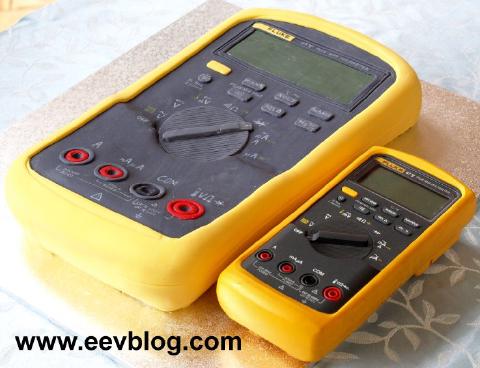
- Happy (recent) Birthday Dave! What an awesome cake! And a video documenting the details!
- The Amp Hour has an updated server!
- We also have a brand new Discussion Server (http://discuss.theamphour.com) to try and promote more community among our listeners. We want you all to get to know one another. Check out that link or the "Discuss" link at the top of the page!
- Car Talk is going off the air soon after 25+ years of radio. Sad!
- Miroslav Batek has this great idea for stick-on labels for micros with the pinout!
- Dave will have a booth at the upcoming Electronex show in Sydney. What should he do at his booth?
- The Canton Fair coming up in China will have over 210,000 buyers. Wow!!
- Fabs are being built all over the world. TSMC just announced they're building a 450mm fab for $8-10B! That's a lot of money!
- Speaking of large chip companies, Intel's head of mobile dismissed ARM as a competitor recently. Really? Where are the phones with Intel chips?
- Looking for old semi equipment? Alvaro let us know about the used semi equipment you can buy from Texas Instruments online. Someone call Jeri!
- Got some old machines? Make some analog chips! Fab processes move down the chain from digital to analog, as laid out by a VP from TI, Dr. Venu Menon. He was being interviewed by our guest from last week, Steve Leibson.
- Graduating from school soon? Looking for work? One of our listeners, Cody Shaw, wrote in about his 555 business card.
- @Laen has recently transitioned the Dorkbot PCB service over to OSHPark! Check out the new site!
- Fluxor from Engineer Blogs wrote a few weeks back about his interview style for new engineers. The main lesson? Know your basics!
- Dave got a $30, 7" TFT-based eReader. Chris reiterated his point of view about abstracting interfaces for devices.
- Sensationalizing technology in the media: CNBC reports on the "Backdoor" put into an Actel FPGA.
- Through Silicon Vias are crazy. Texas Instruments is now doing trying them on their 28 nm process. Dave did a video about orders of magnitude: http://www.youtube.com/watch?v=jjvIy04PwYI
- Chip of the Week!
- TI (really the now-defunct National Semi--you can tell by the part name) now have a controller to create a GaN based Buck controller (for high temperature, high voltage or fast switching), the LM5113 GaN Controller. It's amazing how delicate these devices are for being able to handle so much voltage across them!
Be sure to drop by the Discussion Area and get to know one another! See you there!
Thanks to kcgiessen for the party soundclip!
Transcript
Chris Gammell: This is the F-Hour Podcast, recorded June 17th, 2012. Episode 100, Bonkers, Birthday, Bad Image.
Dave Jones: Welcome to the Amp Hour. I'm Dave Jones from the EAV Blog.
Chris Gammell: And I'm Chris Gammell of Chris Gammell's Analog Life.
SPEAKER_00: We made it! Triple digits! They said it couldn't be done, but we did it. Who's they, the bastards? You know, us. Oh yeah, us, that was us. Right! When we first started this.
Chris Gammell: Yeah, we'll never make it to 100.
Dave Jones: Ridiculous show. 100? What?
Chris Gammell: I'll say it right now, we'll never make it to 1,000.
Dave Jones: Right.
Chris Gammell: We're no car talk.
Dave Jones: Right, yes, your favourite podcast has...
Chris Gammell: Oh yeah, they're gone.
Dave Jones: Yeah, they're gone. Jeez, they were around for a few months and then bugging off. A few decades, more like it.
Chris Gammell: Yeah, they were around 30 years. 30 years! Yeah, oh my god, if I'm still talking to Dave in 30 years, I figured out the secret of not pissing him off.
Dave Jones: Oh, man. It is, it's the 100th episode.
Chris Gammell: Yes, and we have done... nothing. What are you talking about? We didn't prepare much for this, I don't know.
Dave Jones: Oh, right, no, that's right, sorry. No, we've got no super duper special guests, we've got no live marching bands and...
Chris Gammell: No, the only special thing is we don't have a guest, it's just going to be us talking, we haven't done that, I mean, we've had guests on and off for a while and... Yep. And, yeah.
Dave Jones: No, we just decided to turn up and keep doing it, so there you go, that's the...
Chris Gammell: Yep. We'll stop when we hit 1,000 or something.
Dave Jones: Oh boy, and we haven't missed one.
Chris Gammell: Not yet, no, thanks to Jeff Kaiser of MightyHome.com, he's always filled in for us and...
Dave Jones: Filled in for when we're either myself or you aren't here, and we haven't missed a single week, we have punched out an episode each week for a year.
Chris Gammell: Consistency is key, it is very important in podcasts.
Dave Jones: It's almost two years, isn't it? 54 weeks is... Sorry, hang on.
Chris Gammell: 52 weeks.
Dave Jones: 52 weeks, yes.
Chris Gammell: 52 weeks in a year, right, yeah. Yes, yeah. Yeah. And, yeah, we're almost there. We're at 104 would be two years, right?
Dave Jones: 104 would be two years, that's right.
Chris Gammell: Yeah, in August.
Dave Jones: Wow.
Chris Gammell: Or something.
Dave Jones: Yep. We've occasionally moved the day and stuff like that, you know, but... Have we progressively moved it so we've skipped a week, perhaps? You know, like if we... Oh, let's delay it by a day and then maybe, you know, like it'd be interesting to review the date that we posted the first one on last time. Yeah.
SPEAKER_00: Yeah. Yeah.
Chris Gammell: Yeah. But it's been a good run. So thank you, first off, thank you to everyone who's listening. We really appreciate it. We got, you know, compared to day one of when we started, we're probably, you know, 10 times the size now. So thank you for everyone who told friends. Please keep telling friends. Thank you to our wonderful donors. You have enabled us to more stuff, which we'll talk about in a little bit. We will. And thanks to you, Dave. You're, you know, thanks for still showing up. And yourself as well. All right. All right. And you even showed up today. Oh, yeah. Well, you know. You even showed up today, the day after your birthday. Is it day after? Two days after?
Dave Jones: Recently. I won't say. I recently had a birthday. Yeah. And you'll see my birthday cake. Yes. It's very cool. It is very cool. It's very nerdy. A friend of mine made it for me. She makes custom birthday cakes. Are you going to tell people what it is or do they have to wait? No. Well, they'll probably see it before they even start. It'll pop up on the show notes, you know, a photo. Oh, okay. So we are going to. Birthday cake is a custom fluke multimeter.
Chris Gammell: Yes. It's amazing.
Dave Jones: It's very cool. Custom fluke. And I've got a video. I've got a, I shot a little video. So there'll be a quick, you know, 30 second, one minute video popping up very shortly. I might edit it after this. And yep. It's very cool. Very awesome. Thank you very much, Josie. She makes custom cakes. I think she should actually do it for a living, but no, it's just a part-time thing for her.
Chris Gammell: Well, that's great. It's, it's a great cake. I'm sure all, all Aussies in the area will want to, you know, have their own multimeter cake or oscilloscope cake or any other piece of gear that might be able to. Can anyone beat it? Delectable.
Dave Jones: Because I, I, I Googled photos and I have not seen a better one. So can anyone beat that, my fluke 87 cake in terms of coolness for an electronics nerd cake? And what cake would you have?
Chris Gammell: If you, uh. I don't even, I don't even know. I think, I think an oscilloscope cake would be cool. Would you have a gigantic diode? Yeah. Uh, maybe a solar panel, right?
Dave Jones: Yeah, I thought about it, but then it, it's sort of, it didn't really make sense because it would have to be lying flat, right? So, so the knobs don't fall off and everything. And, you know, um, it just wasn't really the right orientation. Um, and I thought it'd be a bit lame if it was just lying flat, you know, it's not like you can tilt it up, you know, it's got like a little tilting bale on it. And, you know, that'd be very impressive.
Chris Gammell: There would be, you'd have to put it underneath the, the kick pan or something.
Dave Jones: Yeah. And, and of course it was harder, you know, it's got more knobs and, you know, all that's of buttons and text and all that sort of stuff. So yeah, I thought the multimeter would be, uh, easier. I'm sure it wasn't an easy job to do though. I mean, so.
Chris Gammell: No.
Dave Jones: And it tasted good too, by the way.
Chris Gammell: Oh yeah. What kind of, uh, internals was it? Uh.
Dave Jones: Oh, it was just a sponge. It was a sponge cake with a really thick icing to actually hold the thing together to generate the, uh, you know, the, uh, holster, you know, to generate the yellow flick from the holster.
SPEAKER_00: Yeah.
Chris Gammell: Oh, that's great.
Dave Jones: Oh boy. So yeah, I hope a photo of that goes viral, you know, I hope it, I hope it gets out there, spreads around.
Chris Gammell: Nerdcake.com. Someone, uh, go grab that one now. Right. Just tell your, your, uh, cake friend to go, to go grab that. That'd be a good, good, good promo.
Dave Jones: Possibly. There you go. So, yes, I was very pleased with that. That was awesome.
Chris Gammell: Well, happy birthday and, uh, many happy returns to you, my friend.
Dave Jones: Thank you very much. Another year older.
Chris Gammell: Yeah, just like the show.
Dave Jones: Just starting to break down, you know.
Chris Gammell: Time marches on.
Dave Jones: No, no. Time marches on. Sad. Anyway, what have we got on today's show? The 100th episode.
Chris Gammell: Yeah, 100th episode. We should talk about some of the, you know. Yeah, some of the, uh, the new features. Well, feature, really. This is, uh, the only big thing. I mean, we, we moved servers recently. Uh, people might have seen that. On Friday. On the site. Right. So, we finally moved over. Thanks to our, our, our wonderful donors. We were able to get a VPS, uh, virtual private servers. Now we're running on that. We're the only thing on the IP address. So, it should load a little bit faster. It should be a little more responsive on the site. Um.
Dave Jones: It, it shouldn't ever freeze up, basically. It shouldn't, you know, be overloaded by some other, you know, website on the shared server or something like that. So, it should be available. Right. 24-7. Right. Hopefully.
Chris Gammell: Because it's interesting. If, if you look at, if you look at a shared IP address, you can actually look up, uh, the one that you're on.
Dave Jones: Yeah.
Chris Gammell: And see who else is on your server. And it's, it's a sizable amount. It's only the ones that people put in the, uh, search engines that, that do it. You know, they do a reverse lookup. But it was pretty amazing. It's probably a thousand to two thousand other websites. So, that can really start to affect things.
Dave Jones: It's crazy. I noticed the instant difference once I moved to the, uh, dedicated server, you know, for my forum, you know. And, and, uh, yeah. It's just been, the speed difference is just phenomenal, you know. Because you've got that box, you know. Although, we're not on a fully dedicated server. We're on a VPS, which does mean we still share it. But, we get a guaranteed equal share. Yeah. Of that box, you know. And there might only be five other people on there, you know. And we're, we're, we're guaranteed to buy a slice, you know. So. Right.
Chris Gammell: And you pay for what you get, basically. That's kind of the idea with that.
Chris Gammell: That's right. Either way, it's, uh, it's been a good fit for us. And we can, uh, easily grow, you know, as we get more listeners.
Dave Jones: For the current 5,000. I wonder what it would be like at episode 200.
Chris Gammell: Hmm. A gajillion.
Dave Jones: Will we have double the amount of, has it been, have you been checking the growth? Is it linear?
Chris Gammell: Uh, I have not been checking, uh, at least not plotting it. I look every once in a while, but, yeah. I don't, uh.
Dave Jones: Well, we, we don't really have an easy graph of that, do we? No. Of actually a number of listeners, subscribers, as I do on my channel, you know. Right, right. That's a tougher number. Yeah, that's a tougher number. For me.
Chris Gammell: Hmm. Right.
Dave Jones: But we think we have about 5,000.
Chris Gammell: About 5,000. Yeah. Yeah, we get about 5,000 regular listeners. So, that's really humbling. It's really cool that there's 5,000 people out there, uh, that want to listen to us yammer on, so.
Dave Jones: The biggest electronics show on the planet, folks. Bar none. That's right. We are number one. That's right. By attrition, probably. There's no other shows, are there? I don't know. Not anymore. No, I think they're all dead. Yeah. Because they just couldn't compete with our awesomeness.
Chris Gammell: Well, I don't know about that, but consistency. That's the key. And so, speaking of 5,000, we wanted to, the other thing we were focusing on is we want to try and increase the sense of community at the Amp Hour. We want you guys to talk to one another as well. So, the other thing we were doing, uh, I was calling it a forum, but there was some initial resistance to that. Uh, so we're just calling it a discussion server. And, uh, if you go to the homepage, there's actually a link called Discuss, and up at the top, and the little, the little post-it note looking thingies. And you can click on that. That'll take you over to the discussion server. Login is super easy. You don't have to put in an email if you don't want to. You can just put in your username, uh, whatever username you want, and you can instantly start posting. Um, you, Dave, you said it was a little simplistic for your taste, right?
Dave Jones: It's very simplistic, because I've been using BBSs for 30 years, when you have to dial your own phone number, and that's with a rotary dial phone. Yeah.
Chris Gammell: You had to know which one number to call, too, right?
Dave Jones: Yeah. Exactly. And, um, yeah, it's just, it's foreign to me, because I'm not a big fan of the, uh, Reddit kind of style of thing. And this, is this based on the Reddit engine, or what? Is it?
Chris Gammell: It's based on the, uh, engine that runs Hacker News, which is, uh, news.ycombinator. Ycombinator is one of the, uh, startup, uh, accelerators.
Dave Jones: Right.
Chris Gammell: And they actually, they actually have a site that allows you to discuss everything, and you can post links if you want to. But I think, you know, from my experience with Reddit, my experience with Hacker News, uh, the thing that I really like is, like, the way it allows you to respond to people in a really simple manner. And it is, it's really simple. It's going to be shockingly simple if you've never seen it before.
Dave Jones: If you're used to a BBS forum, you're going to go, what the frig is this? You know? Yeah. Yeah.
Chris Gammell: We've already had some people say that. And it's different. And, uh, and it's going to stay different. It's just, you know, we're trying it out. It's going to be, we're going to try it for a couple months. Uh, but, you know, give it a shot. And, and it could be a good way. We're hoping that, you know, allow people to network with one another, talk to each other, um, you know, discuss electronics, discuss the show if they want to. But really, it's an open thing. And I liken it because it is like a wall of text. I kind of liken the difference between like, like if a BBS or like that, like Dave's type of form, the EV blog forum is, if that's like outlook with like folders and everything else like that. And like, and like, um, I think of that like outlook. And I think of this like Gmail. Gmail and, um, so it's a little different, but it's, it's fast. It's almost like an email list.
Dave Jones: Yeah. Well, yeah. Sort of. One of those email list things where you just get, you know, the lit, the summary of the day's posts, you know, and they're all there.
Chris Gammell: Oh, I've never, I've never done that. You mean like a, like a, like a, yeah, like a mailing list, right?
Dave Jones: Yes. Yeah. One of those mailing list servers or whatever. Yeah.
Chris Gammell: I guess so.
Dave Jones: So how does this work? Does it be, does the latest one always appear at the top? So if you post something, your thing will automatically appear at the top of the list or because you can rate stuff, right? You can rate comments, can't you?
Chris Gammell: Right. You can also upvote, uh, you know, certain threads. You can upvote, you know, links if there's, if people post links or you can upvote, uh, specific comments within, within discussions.
Dave Jones: So what, what goes to the top? What actually gravitates towards the top? Is it the one with the most votes? Is it the one with the, right? Yeah. Is it the newest one? Is it the one with the most comments?
Speaker ?: Yeah.
Chris Gammell: It's the one with the most votes. Uh, I think then it's like, it has some division by the amount of time it's been on there. So as, as the days go on, it, it, you know, it starts to move down the list basically. And, uh, and that's another nice thing too. It keeps it fresh, you know, like, and, and, uh, if people keep commenting on it and upvoting it, then it'll stay at the top. So got it. It'll, yeah, it'll be cool. And like we've said, you know, me and Dave were talking about this too. And, you know, some people will be very against it and that's okay. We're, we're hoping not. Well, people will give it a try, but, um, you know, people that are against it, there is always the EV blog forum and there's a lot of other great forums out there as well. And I mean, EV blog forum I'm a member of, it's, it's an awesome forum too. So, you know, there's a lot of options. So this is just something different, but we really want, uh, we really just want the listeners, the amp hours to, the amp hour to, you know, get to know each other and discuss stuff on there. So if they do, they do. If they don't, yeah, failed experiment. We'll try something else.
Dave Jones: And it was all Chris's idea, folks. It was.
Chris Gammell: Yeah. Just wanted to say that. Throwing me under the bus. Yeah. Just throwing me under the bus. That's cool.
Dave Jones: What a go is for.
Chris Gammell: Uh huh.
SPEAKER_00: Yeah.
Dave Jones: But yeah, I, I, it kind of almost didn't make sense to have another BBS style, you know, simple machines forum on the amp hour as well. You know, it, it kind of, you know, I, I think we both agreed, didn't we, that that kind of didn't make sense because then, cause we already have the established, um, forum on my side. So, you know, it was, yeah. So it always made sense to go with something different. Yeah. Than the regular BBS style forum. Yeah. So it'll be different. We'll see how it works out. Yeah. Tell us, please. If you do prefer the BBS style forum, let us know. And if we get enough. I don't want to know. Right.
Chris Gammell: I really don't want to know.
Dave Jones: I would post if you agree with Chris.
Chris Gammell: Yeah, right. Yeah. I mean, the discussion's okay, but if it's all like, eh, this is different, you know?
Dave Jones: Oh boy. Anyway.
Chris Gammell: Yeah. All right. What else we got for this week? We got a bunch of, man, we got a ton of stuff. Yeah. Oy.
Dave Jones: I noticed something the other week. Um, it popped up somewhere, probably on a forum somewhere. And, um, uh, these little, um, uh, Miroslav, uh, Baytek. He's one of my, uh, viewers. And he sent me a thing for my mailbag, um, segment. As a matter of fact. Um, he, uh, is, he has done these little stickers that you, I think this is a really cool idea. Although I don't think it's new. I think it's been done before by several other people. Well, this is the first time I've seen it, so work with me. Um, it's a sticker which you put over a dip package part that actually has the pinouts on it. You know? So if, if you've got like an Atmel microcontroller and it's a 40 pin dip, you stick this, you know, you buy this, you know, vinyl sticker and you stick it on top of the chip and, uh, and, and you have the pinout and the info and the, uh, name of the, uh, register, you know, right there on top of the chip.
Chris Gammell: Yeah. I think it's great. That's crazy.
Dave Jones: Why can't every dip chip come with this?
Chris Gammell: Yeah. Especially dip because any smaller than that. Well, yeah, exactly.
Dave Jones: Because you're using it on breadboard. But, you know, you could also put it on a large quad flat pack with a, you know, a big pitch or something. Maybe. I don't know. The font would be really small, but it's better than not having it.
Chris Gammell: I guess if you're, uh, if you've got a high enough resolution printer, you could do it, right? Yeah.
Dave Jones: I mean, you know. That's bonkers. It's better than not having it. It's great.
Chris Gammell: Yeah.
Dave Jones: And it's all color coded and everything. So, excellent work, Miroslav.
Chris Gammell: Yeah, I like that.
Dave Jones: He's from Prague in the Czech Republic. If you want to know. That's cool. He sent me a very nice postcard. You can see it in my mailbag video.
Chris Gammell: Yeah, I've been liking those. I like those videos. They're fun.
Dave Jones: Yeah, really?
Chris Gammell: Yeah.
Dave Jones: So is everyone else, apparently. I don't know why.
Chris Gammell: I'm going to just start sending you random shit, I think. I think that's what you really got to start doing, is start a concerted effort to just, you know, send you like snakes in a can kind of thing. Right. Not snakes in a plane, right? But snakes, you know, like peanut cans.
Dave Jones: Well, I haven't received anything stupid like that yet, you know? No? I've always received something practical, you know? It is someone has a kit, you know? Yeah. And, but it neatly solves the problem of people who want to advertise their stuff on my blog, right? Or they want me to review something. It's like, well, you know, I always get million requests to review, you know, people's latest project. And this is just sort of a way to do it, you know? A way to leverage my audience for, you know? And, and, and my audience enjoy it as well. So if you send your kit or your little widget or something to me and I open on the mailbag, it, you know, oh, your link's there and, you know, people will visit your website and maybe you'll sell a few. So, yeah. Everyone wins.
Chris Gammell: Well, and hopefully they're part of the, hopefully they're part of the EUV blog community as well and kind of pays back. It seems like that's been a lot of them. It hasn't been as many commercial stuff so much as people that are part of the, part of the community, which is cool.
Dave Jones: They're part of the community and they've manufactured some little kit, you know? And they're, yeah, it's great. I like it. So it works. Going to continue to do that.
SPEAKER_00: Yeah.
Dave Jones: Cool. Because it gets more bloody views than my tutorials do. Everyone's crap at all. We want more tutorials, but now I get more views for the bloody me opening my mail.
Speaker ?: Go figure.
Dave Jones: What's the world come and do?
Chris Gammell: Imagine what you could get if you were like, you know, frying an egg or.
Dave Jones: Frying an egg or sitting on the can or something. Reading a newspaper. Yeah. Yeah. Dave reading a newspaper on the can. Yeah.
SPEAKER_00: I would not watch that. I have to say. Oh, boy. I don't know.
Dave Jones: Speaking of which. I'm going to have my, it looks like, I'm going to have my own booth at the upcoming trade show in Sydney.
Chris Gammell: What kind of booth, Dave? I'm sitting there and I'm on the throne.
Dave Jones: I'm going to have my own booth at the electronics show in Sydney. Right. Yeah.
Chris Gammell: EX at the end. Electronics. Right. Electronics. With the EX. I always get that. I'm like, I have to listen and then I'm like, oh, oh, the trade show you mean. Okay.
Dave Jones: Yep.
Chris Gammell: Right.
Dave Jones: If you're confused, I'm even more confused. Because we used to have an older show, which had a very similar name, which has nothing to do with this new show, which that old one died away. Oh, yeah. And I always get the names mixed up. And so it's Electronics with an EX. Electronics.com.au. We'll put the link in. And yeah. Yeah. That'd be fine. They're going to, the promoters for the show want me to have a stand and they want to promote me as being there and Dave doing something, maybe. I don't know. Haven't figured out what yet. So if you've got a good idea of what I can do in my booth, I don't know. Dance like a monkey, Dave. Yadda, yadda, yadda, yadda, yadda, yadda, yadda. Yeah. Yeah, throw them. Boy. I don't know. What do I do? Live, live, live teardowns or something?
Chris Gammell: I like the, I like the live teardown I do. I think that's good.
Dave Jones: Live multimeter destruction. Or I don't know.
Chris Gammell: You could set up like a booth like in, in like the Peanuts comic where it's like the, you know, like the doctor is in kind of thing. And then you can offer, offer free advice on. Free advice. Off the cuff. And no, sorry, it's a nickel, right? That's what it is. And when, uh. Right. Lucy that has a psychology booth or a psychiatrist booth and in Peanuts. So.
Dave Jones: You'll tell them the story. You can do that. Yeah. Okay. All right. Step right up with your project. And I'll call it shit personally. Oh boy. Live critiquing. You know, next, you know, it has, has one of those big clock things. Next show at 3pm. Yeah.
Chris Gammell: Like in SeaWorld or something.
Dave Jones: Yeah. Yeah. Exactly. Next live performance. Throw Dave a fish. Oh, it's going to be, it'll either be a dismal fire or it'll be hilarious. I'm not sure which one.
Chris Gammell: Just bring your tomatoes, folks. You can, rotten tomatoes. You can, you can set up one of those like dunk booths, you know, like answer a question or else you get to dunk Dave.
Dave Jones: You know, you can throw a multimeter and try and dunk me, you know. Oh boy.
Chris Gammell: Oh, I like it. I like it.
Dave Jones: The possibilities are endless. So please, if you've got any ideas, please jump on over to the discussion server.
Chris Gammell: That's right. Sorry.
Dave Jones: Did I get the name right?
Chris Gammell: No, you got it right. You got it right. So we'll, we'll have to start a thread or something. I don't know.
Dave Jones: Yeah.
Chris Gammell: That'll be, that'll be different. Something, something new to start with.
Dave Jones: Right. Or if you're an EV blog for a member, just go there. Whatever. Yeah.
Chris Gammell: You can do that too. Right. So speaking of trade shows, I saw this story in Electronics Weekly this week. So there was the Canton Fair in China. Yes. And they were, it's huge, right? It's, it's like, it's unbelievably huge. They said, so what did they say here? The trade show had 210,000 buyers. So people that are at your companies, you know, buying components, whatever else, they go to this thing because they're sourcing components from China because, you know, everything comes from China. At this fair though, 210,000 purchasing people were there.
Dave Jones: Isn't the stat even more remarkable for the number of booths? It's like 50,000 or something. It's, it's ridiculous.
Chris Gammell: That's amazing. Yeah. Right.
Dave Jones: Uh, I don't know. I'm sure they're very tiny booths. You know, there's one person standing there with 10,000 reels behind them. Which component would you like, sir? Right. Oh man. Oh boy. Yep. And apparently. Because if you've seen those photos of the, um, you know, of all those, um, back alley electronics shops in, you know, Shanghai and Aki Barber and all those kind of places. Oh, right, right, right. Yeah. You know, if you've seen those booths, you know, like those little shops, they're just, you know, piled high with all these reels of components. You know, there, there, there's, there isn't any room to walk in there because they're, you know, they just stack so high with reels. It's, it's incredible. Yep.
Chris Gammell: Yeah. And so you can go to, we'll, we'll put the link in. But can't you?
Dave Jones: Yeah.
Chris Gammell: We'll put the link in, but, uh, and there's, there's even three phases. That's how big it is. It's, it's, it's just, it's just, you know, what? Humongous. Yeah. What, what phases? There's three phases. Just date wise. This is phase one, October 15th to the 19th. Phase two, October 23rd to 27th. And phase three is October 31st to November 4th. And, uh, it's all in the same complex. Yeah. So, uh, you could still get to, apparently, so this is coming up. I thought the, I, the articles made it seem like it was, uh, it already happened, but that must've been the stats from last year, the 210,000 buyers, but man, that's crazy. And they said the stuff from, uh, Africa is up, uh, purchasing stuff from the, from African continents is up 12. Yeah. 12% as well. So, uh, I don't know. Maybe we'll see some, some manufacturing move towards Africa.
Dave Jones: 12% with a bullet. Go Africa.
Chris Gammell: That's, that's, that's a lot, right? I mean, like. And you think about, you know, low cost countries. Yeah, yeah. Asia is starting to get a lot more expensive, right? China's definitely moving up. That's probably the next step.
Dave Jones: Yeah, exactly.
Chris Gammell: I mean, yeah, there's different areas within, within Asia, but they're always going to chase the low cost regions. And, uh, and so I know, you know, like East, uh, like Western Europe, no Eastern Europe, sorry, backwards. Um, like Eastern Europe, like Hungary and a lot of those, you know, like those regions are, are definitely, those are lower cost regions as well. And then I've, I've heard about a lot of stuff moving to Africa as well. So.
Dave Jones: I actually heard that they were going to, uh, didn't there somebody put a new, uh, we're going to build a new fab in Africa or something, weren't they?
Chris Gammell: I didn't hear about where in Africa though. I, I, I, I thought you had told me that previously, but.
Dave Jones: Yeah, I, I don't know, man. We'll have to hunt down some info on that, but yeah. Well, they just won the SKA, didn't they? They won the square, the square kilometer away. They beat out Australia.
Chris Gammell: Bastards. Yeah. Yeah. Certain things I wonder about though, because I mean, with fab, I mean, at least with fabs, you need a lot of water. Um, so definitely the Northern region, I mean, like depending on climate, right? I mean, but, but South Africa, yeah, there's a lot of, I mean, that's a very temperate climate. So, um, I could see that. And I think there's a big tech area down there too, isn't it?
Dave Jones: Uh.
Chris Gammell: Down in South Africa?
Dave Jones: Uh, in South Africa. Yeah. I think I has, has a reasonable hub. Um, yeah. Yeah. Yeah. Here it is. Down there from online. The breaking news from May, um, uh, Taiwan's UMC says, uh, they're going to invest in, uh, a 12 inch wafer fab in. This is good. I should call up the link. Um, uh, $8 billion, um, in, uh, Taiwan. No. Well, fail. It's gone. Well, it's the first Google link. I thought I was getting lucky, right?
Chris Gammell: No. No. No, but we actually, uh, we actually have a story on here about, about that. Um, not, not UMC, but actually TSMC, the, uh, Taiwan Semiconductor Manufacturing Company. Uh, they're actually building their first 450 millimeter fab versus 300 millimeter fab, which is 12 inches. And they said eight to 10 billion dollars. It's probably that story you were talking about there, actually. Right. Eight to 10 billion dollars. That's crazy. Yep. That's a crazy amount of money.
Dave Jones: That's what it takes to build a modern fab, right?
Chris Gammell: Well, yeah. I mean, I guess it's all new equipment though. I mean, that's 18, 18 inches. That's an extra large pizza, man. That's like, that's like you can barely wrap your arms around the wafer. You know, like that's, that's crazy. That's, that's definitely, that's no longer, you know, like the way people carry, they have like boxes usually for like eight inch fab, six inch fabs, they have little boxes with people carrying them. You can't carry a box like that anymore. You'd have to have, you'd have to hire like burly people, you know, you can't have, you know, like in order to carry boxes or just have less wafers in it. And then you have all the, the, the losses in time when you have to actually transport the boxes, which means, I mean, it's all going to be robots anyways, but that means it basically reduces the ability to have anything other than robots at that size. So that's crazy.
Dave Jones: And it's, and you have your chips in 30 minutes or it's free. Right. Wikipedia has everything. There's a, there's a page for list of semiconductor fabric, fabrication plants. Go figure. Every, looks like everyone in the world. Well, they claim it's incomplete or something, but you know, it's, it's got, here it is, you know, Intel have one, two, two, four, six, eight, eight, eight, eight, eight, eight, eight, about 18 of them or something.
Chris Gammell: No, they got more than that. They got tons of fabs.
Dave Jones: That's what's in this list here. Anyway. All right. Yeah. And all these major fabs and their way, you know, it's got their process wafer size, when it was opened, how much it costs in billions, the wafer capacity per month. I don't see any South Africa. Which is a really big deal. Yeah. There's tons in Taiwan. Oh yeah. Man, there's, UMC are the big ones in Taiwan. TSMC are mostly Taiwan. Yep. They've got one in Shanghai, but mostly. And so Taiwan really are still. Right.
Chris Gammell: Yeah. Taiwan was very big for that.
Dave Jones: What kind of connectors are they in chips? There you go. There's a couple in Ireland.
Chris Gammell: I mean, TSMC and Intel, I think, trade foundry, or not foundry, but fab capacities. Oh, right. Every so often. Okay. I think that's them too. And then Samsung is close behind, UMC behind that, I think. I mean, it's all, it's a lot, right? Yep. It's a whole lot.
Dave Jones: There's quite a lot in Singapore. There's at least seven on this list from, how do they fit them? Have you ever been to Singapore? Singapore is not very big. It's only 30 kilometers across, you know? It's tiny.
Chris Gammell: It's got to be some expensive real estate.
Dave Jones: Oh, man. Jeez. Where would they get all the water from? Because they import all their fresh water. Yeah.
Chris Gammell: Didn't know that.
Dave Jones: Yeah. Yes. Singapore import everything. Yeah. It's not good.
Chris Gammell: I guess you have to if you're a smaller country like that, huh?
Dave Jones: Yep. Well, yeah. Yeah. It's a tiny little island.
Chris Gammell: Speaking of Intel, they, so, you know, we've talked about them before. They always win based on their fab capacity, right? Yeah. And they're already working on nine nanometer geometries. You know, they're already, they're already actually producing in the, I think at 22 nanometers. They actually have, or 28 maybe. No, 28 standard now. Inside. So they're down at 22 nanometers. So they're, they're like way down there, right? They're, they're, they're, they're pushing atoms around. But, uh, I saw this really kind of weird article. Um, it was the, I'm not sure what the guy's position was. It was Mark Bell, the chief of mobile, right? So Intel has been trying to, they've been getting into mobile, but they're definitely late. And so it's an article from Extreme Tech. And it says they dismiss the x86 tax, meaning that something would cost more if they have, uh, you know, an Intel processor in it. And it sees no future for ARM or any of its competitors. And all I can think is this is going to be one of those quotes where, you know, they look back and, you know, 30 years. And, and, and, and, you know, like, how the hell did they say that? Or, I mean, even now it seems ridiculous.
Dave Jones: I think maybe it's in context. Maybe it's within their own company. They see no future of ARM within Intel.
Chris Gammell: Well, of course not.
Dave Jones: I mean, there's nothing inherently wrong with this. Nothing inherently stupid. No, no, no.
Chris Gammell: He's saying it for all mobile. He's saying it like, oh no, Intel is going to take over the mobile market. And all I can think is.
Dave Jones: Well, he's got it. That's his job, right? Yeah. He's got to sell his own dog food, right?
Chris Gammell: Right.
Dave Jones: Yeah.
Chris Gammell: And that, and that could definitely be it, right? I mean. But isn't it always best to be the first, first one in? I mean, like, didn't ARM already. I mean, like, Intel doesn't have any skin in the game right now. Like, they're pushing out their Medfield processor, which is what this guy's talking about. But, and I don't really follow mobile that much. But I do know that I've never held a phone in my hand that's had an Intel processor in it. Yeah. Right? And I don't, I don't know about you. Nope. And this whole article is about, you know, these pretty slick phones, like Windows phones now that have this processor. But if you're a chip company, even a big one like Intel, like, saying that ARM isn't a competitor
Dave Jones: who currently have 85% of the market or something.
Chris Gammell: Yeah. It's, I mean, like, I don't know.
Dave Jones: They don't exist. Come on. No.
Chris Gammell: Not a problem. I don't know, man. That sounds like Kodak saying, oh, we, you know, like, digital cameras are stupid. Even though, you know, Kodak ended up looking at producing their own digital cameras.
Dave Jones: This is why you don't run, you're not the CEO, Chris. Because I'm not delusional? You're just not visionary enough, right?
Chris Gammell: Delusional enough? That's it. I don't have my copy of the NBA playbook memorized. That's right.
Speaker ?: Oh, my God.
Chris Gammell: I mean, it's just like, you know, I keep seeing this stuff over and over and over again, right? I mean, we see it with, like, Rygol, right? In the scope business. You see it with, like, car manufacturers, right? I just recently, I started leasing a Kia this weekend, right? I mean, like, these are companies that started small and they're working their way up from the bottom. Just like every Chinese manufacturer has been doing and will continue to do and keep working up the value chain, right? And every time people are like, oh, my God, where did they come from? We didn't see this coming. It's like, well, they came from the bottom and they worked their way up just like everyone before them, right? It's nothing different here. You were just ignoring them, you dickhead. Well, and that's the thing. I mean, like, I know it's business and I'm clueless about business, but you'd think one of them would be like, hey, this looks familiar.
Dave Jones: This arm, I think I've heard of that. Yeah.
Chris Gammell: Oh, man.
Dave Jones: So, I don't know, man. Maybe that's a, you know, that's a rule within the company. You don't mention the war. You don't mention arm.
Chris Gammell: Yeah. Yeah, it could be. Or maybe we'll see Intel selling all their stuff at surplus. Right. In five years' time. Which is actually a really old link we have on here. We should get off of here. Actually, Alvaro, one of the listeners, Alvaro, actually suggested this to us. He knows of this site called ti-use-semiconductor-equipment.com. And you can actually go there and bid on, like, Ashers and Etchers and everything else. It's actually, like, you know, stuff from old TI Fab's. And it's all listed there. It's crazy.
Dave Jones: How much is it? Has it got a price on it? Or is it, like, an auction thing? Uh, it's, I think they, yeah, they have prices here.
Chris Gammell: Yeah.
Dave Jones: How much is stuff going for?
Chris Gammell: Oh, no, no. That one doesn't have a price. Let's see. Uh, maybe it is a...
SPEAKER_00: Ooh, should have looked at this, huh?
Chris Gammell: Yeah. Yeah, I guess there are no... Maybe they're just listing this stuff. I'm sure, you know, it's probably negotiable, right? I mean, like...
Dave Jones: Yeah, yeah, yeah.
Chris Gammell: There can't be that many people in the market for this. There's, like, you know, smaller fabs and then, like, Jerry, right? I mean, like... Right. Okay, but that's the leap, is it? That's... Yeah, that's mostly it, right? I mean, like, small... Yeah. Small startups, Jerry Ellsworth and, you know, semiconductor people. And maybe, like, you know, like a lot of the times that the... A lot of solar manufacturers will end up buying old equipment because you can do... Yeah, yeah. You know, it's, you know, large geometry stuff. Similar projects. Or you can see stuff... Yeah. Yeah, yeah, exactly. Or you can see stuff where it's, you know, moving down the line. So, like, an old digital CMOS process will eventually become an analog process on chips, right? So... And actually, our guest last week, Steve Leapson, he ended up talking... I think that was the interview I mentioned. He actually talked to the TI vice president about that. Yep. Because it follows it, you know? You know, like, I think right now they're still on 180 nanometer or maybe they're moving into 90 nanometer for all these analog processes because you actually need to actually characterize them, like, really well in order to do analog stuff. So, that's cool. I mean, like, so, yeah, you buy old stuff. You know the equipment. You know, you do these new models and then you make analog chips. And then you make them really tiny. So, you fit a lot on an eight-inch wafer or six-inch wafer and you're good to go.
Dave Jones: Step right up, folks. Pennies on the dollar for... That's right. Yeah. You start your own family. You never know what you're going to get. Yeah. All you need is some rented space and you're sweet.
SPEAKER_00: Yep. Man, that's crazy.
Dave Jones: Speaking of which, I was talking to Steve about this, off air about this the other week. And he mentioned, like, you know how I've bought my office here, right? I've bought my lab, right? Apparently, that's rare in Silicon Valley for actually someone to buy their own space. Apparently, it's almost not possible.
Chris Gammell: Just because of the cost?
Dave Jones: Just because, well, I don't think that's what companies who build these office buildings do. I don't think they want to sell them. Whereas that's probably...
Chris Gammell: Oh, you mean buy versus lease?
Dave Jones: Yeah, buy versus lease. Just...
Chris Gammell: Oh, interesting.
Dave Jones: Have you got any idea? Is there anyone in Silicon Valley who can confirm that? And that's what most people do because, well, that's all that's available. You know? Yeah. Actually, everyone leases. They don't buy, apparently.
Chris Gammell: No, I was surprised when you bought your space as well. I mean, I was surprised by that.
Dave Jones: Okay.
Chris Gammell: Because, yeah, I mean, the commercial market is pretty lucrative. It used to be lucrative. I mean, for real estate. Okay.
Dave Jones: Well, it's very common here. I mean, you know, the rent is not much... Well, it doesn't cost much more in the interest on the money than it does for the rent. So, if you've got access to the money, you may as well buy it. But from what Steve was saying, you can't even buy them. You don't even have the choice, really, in Silicon Valley.
Chris Gammell: I bet that has something to do with tax law, too. Like leases are better for depreciation or something like that.
Dave Jones: Yeah. Could be a totally different market. Business stuff. So, please, if you know about that sort of stuff, let us know. Yeah.
Chris Gammell: That would be interesting to know.
Dave Jones: And is it different in different parts of the... You know, in states. In different states in the US, you know?
Chris Gammell: Well, yeah. Usually, you only see lease signs around, at least in Ohio. But usually, I'm looking at, you know, usually a drive-by retail space. So, I've never looked for an office. Right. But, yeah.
Dave Jones: Interesting.
Chris Gammell: Yeah. So, speaking of... Since you're talking about, you know, starting up businesses and stuff like that. And since it's the end of the school year around here. You and I were talking about this before the show. The school year is a little bit different. At least as far as you recall, old man. Yes.
Dave Jones: It is. Yeah. Come on. That was 20 years ago, man. I don't remember this shit. I'm getting too old.
Chris Gammell: But, yeah. There's some interesting stuff on our list about job seeking. One was actually... One of our listeners, Cody, actually did a 555 business card. He actually... This was all over the web. He posted it up in a couple of different places. But, actually, like a, you know, a blinky business card to show... Yep.
Dave Jones: You know. Every man and his dog's doing these. It's very popular. You know, every couple of months, you see a link to somebody who's done their own, you know, little gadget business card. Or something. Yeah.
Chris Gammell: I remember the first one I saw was a... You could break off the tabs and you could plug in it. It had, like, the four, you know, edge cards. Yep. That definitely... That was crazy to me when I first saw that.
Dave Jones: And it had their resume embedded on the chip in there. And you plug it in as a USB, you know, stick, basically. So, yeah. Yep. Break it off the card.
Chris Gammell: Yeah. That was bonkers. But this one's cool, too. I mean, it was great. Right. And, you know, I just always wonder about the cost of it. Because you think about just PCB space, right? I mean, like... Yep. So, like, our buddy Lane, who does the... He used to do the PCB dork bot, the thing, the purple PCBs that everybody knows about. Yep. He actually switched his company over. It's now Open Source Hardware Park. Yeah. Cool. It's actually, like, a commercial site now. And... But, you know, like, his is, like, five bucks for a square inch. And you figure a business card is probably, you know, probably five, six square inches. So...
Dave Jones: Yep.
Chris Gammell: You only get three of those. I mean, maybe if you're doing higher volume, but...
Dave Jones: Well, if you do a hundred... Like, because I get constantly spammed by all these PCB companies in China, you know? And some of them do actually send their price for...
Chris Gammell: Dear Sir, I would like to... You know, they always have, like, the same cadence to them.
Dave Jones: Dear Sir, we're happy, lucky, wonderful PCB co.
Speaker ?: Yeah.
Chris Gammell: I would like to offer you plastic injection molding, PCB services, and... I don't know what else.
Dave Jones: And... But the prices are incredible. They're, like, quoting, like, six cents per inch or something. Like, yeah. Yeah, per square inch, like, six cents, from four to six cents, plus a hundred bucks, you know, tooling. Also, yeah, setup. So, as long as you do the setup, the board itself is almost free. You know? It's just crazy.
Chris Gammell: That is pretty crazy. Yeah, I guess if you've got time to wait, too. I mean, that's the main thing. Oh, yeah.
Dave Jones: You know, they're claiming three, four days. Turnaround as well. Yeah, it's madness.
Chris Gammell: Yeah, we should sign up for a happy-go-lucky PCB services. Wonderful PCB co. Yeah, happy, wonderful, super awesome. That'd be a fun job just to come up with those names over in China. Yeah, I know. Oh, boy. I started a, you know, startup incubator in China just so I could make names for people. Right.
SPEAKER_00: Plus, I never have to spell check any of my documents.
Chris Gammell: It's great.
Dave Jones: Oh, that's fun. Oh, boy. But they're so cheap, you know. Oh, yeah. But, yeah, you've got that little minimum hurdle to, you know, do the setup usually. But once you do the setup, you know, you can probably churn these things out quite cheaply. And then you'd have to hand-assemble them, of course. You know, you wouldn't sort of pay setup for a screen and get them run through a professional manufacturer or anything. So you'd have to carefully hand-assemble each one, I would guess. Yeah. I don't know. Yeah, maybe you want to spend $500 and you want to, you know, get, you know, 100 boards.
Chris Gammell: You know, I saw Cody write something somewhere about it. He said, I think he said it was a couple bucks per board or something like that. So it wasn't too bad. But, you know, that's still a lot for business cards. You can get a box of business cards for like $10 now, right? I mean, or free if you want Instaprint on the back or whatever it is. Right. Okay. And so, I mean, yeah, it's a disparity in cost. But as he said, it's like, you know, it's an investment, right? I mean, if you do get a job from it, who gives a crap? It's nothing.
Dave Jones: Yeah.
Chris Gammell: Yeah. That's right.
Dave Jones: So it could be worth spending a couple hundred bucks to get these things manufactured.
SPEAKER_00: Yeah.
Chris Gammell: And I mean, it's like you always say too about, you know, job seeking and stuff and walking into an interview with, you know, with your projects. Yeah. I mean, that's a good start.
Dave Jones: That's another huge wow factor. Yeah. Look, I laid out this board. It's a, you know, it's no point. And then you can talk about it. You know, it's no point. You know, it's no point eight millimeters. It's, you know, it's high temperature FR4 at certain grade. It's got, you know, and you can talk about the whole thing. And bam, you know, that's really going to put you up the list.
Chris Gammell: Oh, yeah. And even better here. I mean, you can do it at a job fair or something like that too. So that's really good.
Dave Jones: Yep.
Chris Gammell: So one of the writers, you know, I write over at Engineer Blogs too. And actually, Fluxer, one of the writers over there, he actually, he's in China now. He's been documenting his move to China. And he actually was talking about his interview process too. And I thought that was interesting because he talks about it, right? He's hiring for this really high-end, you know, RF company. He does like RF stuff and he's a manager now. And he just asks about an RC circuit. And it's brilliant. It's just, you know, and, you know, like there's always that weed out question. Whenever you get into an interview, right? And a lot of times you'll just get people, you know, he said, you know, master's students, PhD students. It's an RC and then he draws a waveform, you know, and he puts it in at different points. And you can go see it. It's great. I mean, he puts it in at different points and then you just ask what, you know, ask people to draw the output. And it's simple. It's like so simple that I think sometimes people think they're getting tricked. But it's a great question to ask. And, you know, that's the same kind of question as I'm asking when I'm doing interviews because...
Dave Jones: Same here. That's what I've always said. I've said it in my job interview videos. That's what I ask. I ask incredibly simple questions. They're not difficult at all. It just weeds out the dickheads.
Chris Gammell: Yep. Yep. The tough part with that, and I think maybe we've talked about that on here before, but the tough part with that is if they don't get that question, what do you do for the rest of the half hour you have allotted or whatever?
Dave Jones: Well, I quickly heard him out the door, you know, quickly shoo him out the door. Yeah. I mean, it's obvious. But, you know, I can understand the nerves thing. You know, some people get very, you know, they're not people, person, people, persons. People, peoples. That's the correct. Yeah. Exactly. I was about to say that, and I thought, no, that's wrong. Yeah. Yeah. And they get very nervous, and that's fine. And that's why I, you know, I talk them through it, and I, you know, do other things and make them feel at ease. And, you know, look, there's no right or wrong, you know, answer. Just tell me a minute. Unless you're wrong. Unless you're wrong.
Chris Gammell: In that case, you're really wrong.
Dave Jones: Well, I move on to another question where, you know, tell me about something where there is no right or wrong. You know, I hand them a board, you know, and there is no right or wrong answer. Just tell me what you see. Yeah. You know, and surely you can tell me something about the board. Yeah.
Chris Gammell: One thing I always like, too, is trying to squeeze out a, and this one's kind of tricky, too, but, like, from the interviewing side, like, if you can try and figure out, you know, like, they always ask you questions, right, at the end? And if you can try and figure out what they're working on currently, if they'll tell you. Like, sometimes they'll be like, oh, I can't really tell you about it. But if they tell you about what that is, then you can ask them what the problems are. And then if you can actually, like, say something you've done in relation to that, how you've actually solved a problem like that before. That kind of stuff is, like, that is, like, A plus number one kind of stuff there, I think. Because if you, you know, if people are saying, oh, we're having trouble with our, you know, with leakage on our PCBs, and then you say, oh, well, I used to, you know, run a board cleaner, you know, or I know a lot about, you know, flux removal, that kind of stuff. Like, if you know that stuff, or if you can, you know, tease it out of them and then do it, that's some killer stuff right there, I think.
Dave Jones: I've been to many job interviews where they've actually asked me troubleshooting questions. Because they've had a real, you know, they've currently got a real problem, and they haven't been able to solve it, and they just go, have you got any idea?
Chris Gammell: Please help us.
Dave Jones: Yeah, exactly. So I go into the lab. I've asked that too, I mean. You know? Yeah. Yeah. Cool. And we start measuring things, and we start investigating it, you know, and that's part of the job interview, you know? Yeah. That's great. Yeah.
SPEAKER_00: That's great. Mm-hmm.
Speaker ?: Ah.
SPEAKER_00: Ah.
Dave Jones: Boy. I got a new e-book reader. Nothing. Yeah. No surprise there, right? You know, I like e-book readers, but, you know, it's a heap of shit, but I wanted to, the reason I bought it is because it's 30 bucks. 30 bucks. Australian. Right? 30 bucks. That's crazy. Yeah, it comes in, that's retail, right, at the local Dick Smith store, right, in a nice package, you know, a nice big plastic form package. I'm going to do a video of it, you know, I'll do a tear down, and it's got a seven-inch color TFT screen on it.
Chris Gammell: That's bonkers.
Dave Jones: For 30 bucks, retail. You know, it's got built-in a couple of gig of memory, you know, so it's got the SD card, and it plays video, and, you know, I haven't used it yet, I haven't even opened it.
Chris Gammell: Oh, okay, so it's not like e-ink, right? It's actually like the- No, it's not an e-ink, it's a TFT.
Dave Jones: It's a color TFT, so it's only got like, you know, seven hours battery life or something. So why do they call it an e-book reader, then?
Chris Gammell: Because it reads e-books. Yeah, it's the same format, right? It's like a Kindle Fire rip-off, right?
Dave Jones: It's like a Kindle Fire rip-off. Well, it's, but it's not a touch, you know, it's not a touch thing, it's got a keypad.
SPEAKER_00: Oh, okay, okay.
Dave Jones: Yeah, but it's got a freaking color, seven-inch TFT screen, it's got to have a, you know, a polymer battery in there to get your, well, you know, I think that's one area where they kind of skip cost. They're probably shipping toxic waste out of the country in these batteries, you know. So I expect that to last a couple of years.
Chris Gammell: There's like old socks in there that are, you know, somehow have like a capacitive effect. That's it. Yeah. Oh, man.
Dave Jones: So I expect it to be an absolute shocker. And it's that purple, by the way. Oh, fancy. Do you have a picture of it?
Chris Gammell: Because we could post that.
Dave Jones: Oh, yeah, probably. I can take one. Yeah, you take a picture, man, yeah. All right. Oh, it's at the lab. I have to go there later. Anyway. It's, yeah, but it's a 30 buck retail, right? And... That's bonkers. I know. It's crazy.
Chris Gammell: Like Bluetooth, anything like that? I mean...
Dave Jones: No, no. It's got no wireless... I don't think it has wireless capability. I think it's just, you know, a dumbass SD card. Stick your files in and it... USB, yeah. And it plays them. You know, audio, video, e-books, you know.
Chris Gammell: Does it run Android or what?
Dave Jones: No, it's just to run its own thing, you know. Okay. It probably doesn't even run an OS. It's probably just so dumbass because they're using the cheapest processor.
SPEAKER_00: Yeah.
Chris Gammell: Yeah. Well, what I'm thinking about with this is my whole argument about, you know, like, not installing screens on scopes or, you know, test equipment now. Just buying... Like, 30 bucks. That is starting to... That's a commercial price, right? So you could probably buy that... That's retail. You could probably buy that thing for 10 bucks on the streets of Shanghai, right? Yeah, of course. And at that point, granted, you couldn't source that for more than a month or two because you know that their suppliers are changing every month.
Dave Jones: They're gone. Yep, that's right.
Chris Gammell: Yeah. Yeah. And... But at 10 bucks, right? I mean, like, that is... That's an assembly, right? I mean, you're buying a sub-assembly at that point. Yeah. That's right. And even though it's probably a piece of crap, I mean, you could abstract that out, right? I mean, if you...
Dave Jones: You can take the screen out. You can do whatever. You could...
Chris Gammell: Right. Yeah. So that's what I'm saying, man. That's why I've always said it because those things are so cheap. I mean, you'd have to have a decent supplier, which is probably an oxymoron there, but...
Dave Jones: But you said it yourself. They make one run and then they run, right? So you're screwed. So you can't possibly make a commercial solution out of it.
Chris Gammell: Well, you'd have to know some people over there, right? I mean, like, like, Bonnie knows, you know, he's got people, right? I mean, like, he has regular...
Dave Jones: Yeah, but even then, you know, they're just gonna bugger off. They're just gonna go into their next farty novelty toy.
Chris Gammell: Yeah. Yeah. It's madness. I don't know, though. I still like the idea. I still like the idea of abstracting over some kind of interface, but I'd like Bluetooth better, right? But, like, even USB, you know? If you had some kind of standard interface, then you just gotta reprogram the screen each time and you keep sourcing those $10 tablets and, man, that's...
Dave Jones: Yeah, but how do you write the app on there? Then it's gotta be a standardized OS. It's gotta be this or that. It's gotta be, you know? Yeah. I didn't say it would be high quality.
Chris Gammell: I didn't say it would be high quality.
Dave Jones: Ah, boy. Paint yourself in a corner again.
Chris Gammell: Eh, well, whatever. You'll be making chips next. 100 more episodes of that until we're to 200, right? 100 episodes of me painting myself in the corners.
Dave Jones: Have we filled out our bingo sheet for this episode yet? I don't know.
Chris Gammell: Are we there? You know? No, we're not there yet.
Dave Jones: Oh, okay. You mean time-wise?
Chris Gammell: We're not there time-wise yet. No, no. We've got tons of stuff. So, bingo-wise, I mean, I can mention printable chips if you want. I mean, we've already talked about buying chip equipment. I'm sure there's a printer in there.
Dave Jones: I already laughed at you for doing that, so, you know, that's a tick.
Chris Gammell: Yeah, there we go. All right. All right. I don't know if anyone's still playing Amp or Bingo. I don't think they are.
Dave Jones: Right. Oh, boy.
Chris Gammell: So, speak...
Dave Jones: No, go ahead. No, you go ahead. No, no.
Chris Gammell: Please, please, please. After you. Age before beauty.
Dave Jones: Oh, boy. I don't know. I've seen those sideburns, dude. Oh, those are gone. Oh, they're gone, are they?
SPEAKER_00: Yeah, yeah.
Dave Jones: Right? Oh.
SPEAKER_00: Yep.
Dave Jones: I just wanted to have a little rant about this. You know, it made the news. It did the rounds. It's on CNBC about this. You know, hackers have added backdoor to FPGAs that are used in military applications, you know? And they made a big to-do about it, right? And it's probably gone to Congress and they've probably got some funding to fix it and I don't know. Who knows? Right? Because the Yanks go crazy over this shit, right?
Chris Gammell: Yeah.
Dave Jones: And...
Chris Gammell: As the Yank, I can say yes.
Dave Jones: Yeah. Exactly. Right? And it's the biggest load of bullshit article you've ever read. It's like, oh, yeah, hackers can push a button and bring down American missiles, you know? Give me a break. Unbelievable. To do that is, you know, the amount of, you know, it's ridiculous. The amount of engineering you have to engineer into the product to be able to bring down said missile, you know, with this backdoor. It's not like it just magically happens, you know? Somebody magically pushes a button. There's a magical wireless interface to the missile and then there's magic circuitry in there which magically causes the thing to explain. Like, give me a break.
Chris Gammell: It's like maybe if you disassemble the missile, get to the circuit board question, and then you finally find that, you know, 100 mil spaced header where you can actually reprogram the FPGA. Then there's a backdoor, right? Yeah.
Dave Jones: Give me a break. And it's like...
Chris Gammell: The first mistake is reading a technical article on CNBC.com, right? I mean, this is a... Yeah, exactly. This is a big money news site, right? Right.
Dave Jones: And then it's like, oh, and then they always say, oh, we can't, we'll never be able to find out who did it. What? You want to know what technology is involved? In, you know, someone at the Actel factory, you know what technology is involved in actually adding a backdoor to an FPGA mask? Right. You know, it's really advanced shit. It would require a team of people with access at the absolute lowest possible levels. You know, it's not like some production, dodgy production operator who's a secret agent can just, you know, slip a bit of powder in the, you know, in the mix and, you know, as he walks by. Right?
Chris Gammell: Don't worry, sir. We have men on the inside. They're simulating everything every day. They're putting in the powder.
Dave Jones: See, it's just ridiculous. Unbelievable.
Chris Gammell: And they're playing up this China role too, right? They're like, oh, it's manufactured in China. China.
Dave Jones: So therefore China are spying on us and adding backdoors to every product the US makes, you know. Yeah, I mean that. Give me a break.
Chris Gammell: This is a lot of sensationalism, I'm sure.
Dave Jones: Oh, 100%. So retarded. It really is.
Chris Gammell: I guess I'll have to stop adding those headers, the wireless headers, right?
Dave Jones: Right, yeah.
Chris Gammell: With some NSA chip that I just happened to find, right?
Dave Jones: Unbelievable. Anyway, end rant. What did you show?
Chris Gammell: No, that's good. I mean, it's just another example of, I mean, not really, you know, media not understand technology. Technology, yeah.
Dave Jones: They don't understand what's actually involved to do this shit. So, you know. Right, right. So they just extrapolate it, you know, and just instantly come to the conclusion that a hacker can bring down a missile, you know.
Chris Gammell: Right. That's kind of crazy talk.
Dave Jones: And as if you couldn't find a person who did it. Give me a, even if it was added. Somehow. As if you, you know, like, it's not like you have people wandering off the streets, sitting there at the CAD terminal, changing your mask for your bloody FPGAs. Right, right.
Chris Gammell: It's not like you're doing it after testing, right? I mean, once you get into verification, you're not, like, changing it all then, because then all your tests won't pass after that, right? You know what I mean? Like, it's, yeah, this is, that's crazy.
Dave Jones: Poor Actel, actually. They've had to come out and say, no, it's all bullshit. You know, there is no backdoor. It's just some old test code, you know, that, you know, that has been disabled. You know, it's like, geez, no mystery involved.
Chris Gammell: Well, speaking of the media not understanding technology, here's some example of this media, as in the Amp Hour, as in Chris, not understanding how in the hell Texas Instruments is doing this. So, they're talking about doing, through silicon vias, do you know what those are?
Dave Jones: Yes, they're vias inside. Vias through silicon, right? Through silicon, yeah.
Chris Gammell: Right, right.
Dave Jones: That's how they make chips, right? They can go from layer to layer.
Chris Gammell: No, no, no. This is actually from piece of silicon to piece of silicon, right? So this is all the way through. So usually, if you look at, like, a piece of silicon, right, if it's as tall as a, you know, a skyscraper, right, the chip's actually done on the top floor, right? I mean, you're implanting stuff, and it's actually not that deep compared to the thickness of the wafer. Just because if you tried to have as thin a wafer as you actually needed, it would just immediately shatter. Shatter, yeah, exactly. Yeah, so there's all this dead space, basically. As far as I understand, maybe I'm wrong about it. Vertical, yeah, exactly. And so, through silicon via is this thing. So, they're trying to stack chips on top of one another now. Oh, right, okay. So, we've talked about, you know, different system-on-chip packaging where you put different pieces of silicon in a package and you wire them all together. Well, what they want to do now is, instead of doing the flip chip like they do also, right, where sometimes they put the pads on the top and then they kind of flip them over and smush them together, now what they want to do is stack silicon, you know, multi-chips high. And the only way you can do that is with the via, right, the same kind of way they do it with the PCB. Well, they're talking about doing this stuff at 28 nanometers now, right? So, they're at the 28 nanometer node. But they're talking about... It's about a heck of a small drill, right? Oh, my God. It's unbelievable, right? I think they have to do it chemically. But it's just because I think they have to do it chemically. But if you look at, like, the geometry of it, I was trying to, like, compare it in my head. And I think it'd be, like, drilling an oil well, you know, like, many, many thousands of meters down. And then, you know, like, comparing, like, talking down, you know, dropping a can with a string all the way down to the person at the bottom, right? And then, you know, that seems like the same kind of scale it would be. And just, I'm boggled by how the hell this works. It's insane, you know, like, the fact that they're doing this now. And apparently this is, like, the new big thing. So that's how they're going to stack them all together.
Dave Jones: I thought they were already doing this. I thought it was not mature technology, but they were sort of, you know, already stacking these chips up.
Chris Gammell: Maybe. I don't know of any so far, but that doesn't really mean much. Oh, boy. So, yeah, it's bonkers stuff. People should check it out. It's really cool stuff, I think. I mean, like, but the, just, if you look at, like, just the scale of it, right? I mean, like, there's a lot of stuff out there, like, comparing scale of, you know, the universe stuff type, like, scale, right? Comparing people to how big the universe is or anything. But going in the other direction, too, right? That stuff is just really cool, I think. And then, you know, having to deal with getting from 28 nanometer gate width transistors and then, you know, having to drive enough currents and everything to actually then talk down. I mean, you're going to keep stepping up the current as you go along, right? If you're actually trying to talk down through the silicon. But just the scale necessary is bonkers. It's just absolutely bonkers to me.
Dave Jones: I'll give an example of that in my recent Order of Magnitude video, if you see. I skipped that one, sorry. Oh, right. I, right, just one of my Keithley test instruments I've got, right, which goes from, well, no, sorry, two of my Keithley test instruments, right? Which they, I can generate a voltage anywhere, which is the equivalent of a one millimeter resolution from the sun to Saturn, right? That one in that, you know, those instruments just sitting on my bench, right, can generate the resolution, one millimeter resolution from the sun right out to Saturn. Or is it further? I don't know. It's crazy. That is crazy. And you actually think about the scale of it.
Chris Gammell: That's bonkers.
Dave Jones: I was like, you know, 12 orders of magnitude or something.
Chris Gammell: Yeah.
Dave Jones: No, it's just, it's nuts.
Chris Gammell: It's mind-boggling. Yeah, and, you know, I was looking at the same kind of thing, too, because I was looking at this high voltage project. And then, you know, we're controlling it with, like, you know, 3.3 type I.O. And then, you know, like the core of the thing that we're running it on. Like cores these days are like 0.9 volts, right? And you look at just, I mean, that's, you know, just two orders of magnitude. But you'd think about the difference in power, right? I mean, you're controlling, you know, relays that are switching power or huge, huge amounts of power, right? Yeah, yep. You know, like a 9-volt signal? That's crazy, right? I mean, like all the logic is running at 9 volts and then you're, you know, just keep stepping it up. That's bonkers. That's like magic, right? Or as I said before, that's some Harry Potter shit right there. Oh, I love it. Yeah. Do we have a chip of the weight? Oh, we do. Oh, crap. I meant to get to that. Where is it? Oh, okay. I like this one too.
Dave Jones: Oh, oh, oh.
Chris Gammell: Yeah. Okay. So speaking of, you know, flipping bits and everything crazy, right? So I was at this power symposium for TI and they told me about this new driver for buck converters, right? So you've talked, you've gone over buck converters and stuff like that on your blog before. And we've talked about them on here. But one of the things that I'm really excited about is gallium nitride. And that's another thing we mentioned on here before. This like really high temperature, really fast switching speed material. It's this new one. It's like the, when we talked to John Edmund from Cree, they're actually working on gallium nitride because that's, that's one of the main components of blue slash white LEDs, right? And that's grown on top of silicon carbide, yada, yada, yada, yada. Okay. So it's actually, they're really cool, right? And like they're making MOSFETs now to actually do it, like N-type MOSFETs. I think Cree is even doing that. And there's a couple others that are doing that. Yep. And they're super expensive. But like for the application, they're really great. But the thing that's crazy is they're really fragile, like supremely fragile. As in physically or electrically fragile? Electrically fragile. Yeah. Electrically fragile. The VGS on a gallium nitride FET is only 1 to 1.5 volts, which is good, right? Unless you're switching, you know, you can switch 1200 volts with these things because they're used in like with inverters and stuff like that for like solar cells, right? Yep. And so you have to be really careful because you can just slam these things on. And then, you know, you burn up your parts, even though it's like a really low on resistance through the GAN, through the drain source. You know, like you can really, you can really break these things easily. And you can't go over, and that's the other crazy thing. You can't go over 6 volts on the gate. If you go over 6 volts, I think you actually break down the oxide because it's a metal oxide semiconductor, right? A MOSFET. I guess, does that still count for GAN? I don't know if it does. I think it does. No idea. But anyways, you can't go above 6 volts, right? So that's another thing. Yeah. And then turning them off, the capacitance, like the forward capacitance on those things, like so turning them on is really easy. It's like flipping a light switch. That's how easy it is versus a lot of like the power effects. So that's another thing that's out there. You know, there's a lot of silicon fets that are-
Dave Jones: They're hard to drive because they're massive capacitance inputs. Right, exactly.
Chris Gammell: Because the gates are huge. They're just like, they're just arrays of these gates that are all paralleled. And so these things are actually really easy to turn on. The GAN ones are. But the crazy thing is it's really hard to turn them off. The reverse capacitance is really bad still. So all of this stuff, basically TI now made this specialized chip for that. It's called LM5113. And it actually lets you do this stuff. I mean, basically you can, you know, if you have these specialized situations where you need a GAN FET for like high temperature. So like borehole kind of stuff if you're drilling oil wells or if you're, you know, solar cell inverter stuff. So they actually have a controller for this now.
Dave Jones: And why wouldn't you use it? Why would you roll your own and learn all, you know, and go through all the mistakes of blowing up these things? Because they're expensive devices, right? So you can afford a driver chip to drive them.
Chris Gammell: Yeah, yeah. And yeah, they're really expensive. So, yeah, I don't know. I don't know. Sweet. Yeah, so they're great. So it's a FET driver chip. It's the chip of the week. Like, yeah, FET driver chip LM5113. But it's kind of, it reminds me like when, you know, like when new features roll out for like computers, like when USB rolled out, USB 3.0 rolled out. And when they had PCI Express rolling out. And, you know, it's really like it's the beginning of the cycle, right? As more people come online, you know, it'll become more integrated. But for now, it's just the ones who really need it. So, you know, if you need it, you'll pay for it. Of course. And if you're paying for these FETs at 20 bucks a pop or whatever they are.
Dave Jones: Then you're going to buy the chip to drive them. Yeah.
Chris Gammell: Yeah. Yeah.
Dave Jones: Because who wants to engineer? As an engineer, you don't want to dick around and take the risk of, you know, these things blowing up in the field or something like that. If somebody, like a huge player like TI has done all the, you know, all the hard work, why would you reinvent the wheel?
Chris Gammell: Yeah. That's a really hard sell when your boss comes to you and he's like, so another unit blew up in the field and we know it's because of your circuit. Yeah. And why didn't you use that TI part or LT part or whoever else, right? I mean, there's.
Dave Jones: Yeah.
Chris Gammell: Yeah. I mean, there are reasons to roll your own, but if you're responsible for stuff, sometimes it is better to, you know, from a system side, just to. The engineered solution. Yeah. Move on. Yep.
Dave Jones: Well, that is engineering, right? It is, you know, building on the work of others, you know, using available parts. We don't build everything out of, you know, RCs and Ds anymore. You know, it's just, it's crazy.
Chris Gammell: Yeah.
Dave Jones: You know? Yeah, that's true. Sometimes you just have to use this stuff like this. It's the best solution. Somebody's done all the proper engineering. It's guaranteed. And that can count for big time when something's guaranteed. Indeed. Because then it doesn't come and bite you on your ass. At least, you know, you use the right solution.
Chris Gammell: Definitely.
Dave Jones: Huh? All right. We should probably. That's what it's all about in engineering. Oh, yeah. Well, yeah. Well, it can be, you know, you've, you've, you know, that can be a big deal. That can be a big design requirement is that I need to cover my ass because if this thing fails, it's all on me. I'm the poor designer. I'm the guy who has to actually check my own shit as well. You know, I've got to do my own verification testing on my, you know, I've got to eat and test my own dog food. Great.
Chris Gammell: Yep. And you'll never say that anyone else's is better.
Dave Jones: And of course, we all know that that doesn't work, right? When you, you know, when you check your own stuff, right? You're the worst possible person to check your own stuff. So, you know, no, you want to engineer a nice, safe solution in there to begin with. Guaranteed.
Chris Gammell: Definitely. We'll leave you on that thought. We should. We should leave reminders of people. Discuss.theamphour.com is the new discussion server.
Dave Jones: Oh, it's got its own subdomain, does it?
Chris Gammell: Oh, it does. Yes.
Dave Jones: We're pulling out all the stops here, folks.
Chris Gammell: Oh, yeah. Yeah. Don't think I didn't spend my entire Saturday trying to figure that one out. IT person, I am not.
SPEAKER_00: Oh, goodness.
Chris Gammell: All right. Well, to 100 more episodes. Cheers. See you next week. Bye.
Dave Jones: Should we insert like a party popper sound? You know, like the crowd cheering or something like that?
Chris Gammell: Yeah, we can try and do that. We can like, I like try and stop. I could stop the theme song mid to, or maybe right before we cut into the theme song. We can, I can put that in. Yeah. We can have Sagan cheering like that.
Dave Jones: Whatever. Oh, boy. Anyway, let's go.
Archived Discussion (24)
Comments are closed. Archived from the original site.
Show archived discussion (24)Hide discussion
Keep current
Every episode, plus the occasional job post, in your inbox.
And, by the way, happy birthday Dave!
I thought that Fluke was real until heard that it is a cake. Nice! :)
From HK
Downloading the show to my phone and listening on my way to work! :)
Awesome cake by the way!
From what I hear, cartalk is going to go into 'not quite reruns' no new content, but they will be using a lot of unused 'historical' content
Live teardown?
Lucky dip for ex-review DMMs and stuff?
Guess the number of DMMs in the glass case?
Commit to showing some finished products so you have a deadline...
It certainly is the best electronics radio show on the world. I always like listening to your show during work.
I think the tear down would be great at the exhibition. Or do a Q&A with the audience.
I think it is done with a Makerbot icing attachment.
BTW Dave, next year ask for an oscilloscope cake! CH!
The Amp Hour is good value too, by my playlist stats it looks like we've got 109 hours of actual content!
The format still works well and great fun to listen to as always.
Here's to another 100 episodes.
I saw a move to the light side from Chris when he said "drilling and oil well (...) thousands of METERS down..." -
I loved the CotW... Learned a lot about GaN transistors!
From when i started listening..back in the early days..the quality has increased so much. It was good then..it is great now..
Nice Cake Dave that gets you some real street geek cred ;)
I must admit I took your advice and had my small walking robot from third year design which had six legs for my interviews last year when i was looking for a job. It works so i get what the 555 business card can do for you at an interview but you have to careful and not be too generic or too much of a show off to rub people the wrong way.
You have to do live teardowns at the Electronex Dave..
I can imagine you pointing out some flaw in the design and the design engineers in the next booth nodding while the marketers jump in with their comback...the drama would be worth the entry price.
BTW, awesome cake. CH!
Best wishes to all, Charlie.
Trad. from Argenti-panish: happy birthday guys!!!.
For both the podcast and Dave.
This is a excellent podcast, with awesome info, perspectives about the EE world, news, and a lot of fun. Your personalities combine very well and you are improving constantly.
Now your podcast number needs 3 digits, 7 bits!!!!, and very soon a full 8-bit podcast :)
Congratulations and keep it rolling.
Cheers.