
#600 – The Custodial Arts
Download episode · 65 MB
Also on Apple · Spotify · YouTube · RSS
Show Notes
- Chris and Dave reflect on the joys of having children, despite illness
- Dave's latest Scope winner is a young person developing PCBs for the Framework laptop
- Dave recently posted a debugging video with Sagan
- What's your "daily driver" scope?
- Chris - Analog Discovery 2 (portable, very low needs)
- Dave - National Instrument virtual bench (flexible), but has many many more options.
- Chris's boards were featured on the adafruit blog for using the Feather standard. These were the demos he worked on for Golioth.
- Jared Wolff makes one of the nRF9160 feather boards, he has been on the show.
- Chris likes that the Actinius Icarus has a higher voltage input pin to power from the thing you're plugging into (instead of only from the USB cable)
- Adafruit Feather specification
- Nordic Semiconductor recently announced their new Wi-Fi product, the nRF7002
- The nRF9160 has a GPS modem, but it's time sliced with cellular.
- Low tech is more Dave's speed
- Dave prefers working with a decade counter like the CD4026 for clock projects
- Dave showcased his clock build from his teenage years
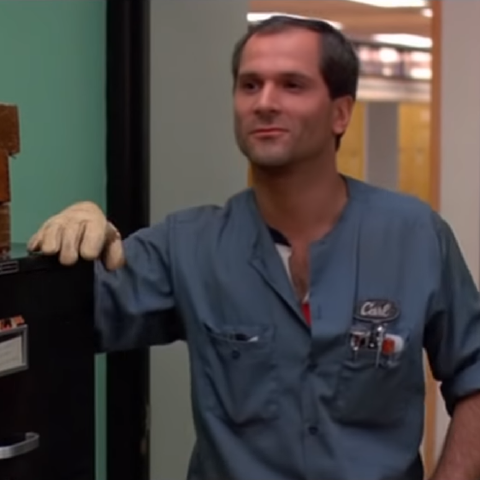
- Carl the Janitor
- Submitted by community member unmanaged615, the TPIC6595 is a shift register that can deliver 250 mA per pin.
- Not recognized at first, but Dave designed a variant into his Nixie tube design series
- Matt Keeter from Oxide Computer Company (same place that past guest Laura Abbott works) showed how they debugged UDP packets direct from an QSGMII pair.
- Will an 8 bit computer run Doom?
- Logic probe
- Logic pulser
Transcript
Chris Gammell: This is The Amp Hour Podcast. Released August 21st, 2022. Episode 600. Hmm. The Custodial Arts.
Dave Jones: Welcome to the Amp Hour. I'm Dave Jones from the EAV blog.
Chris Gammell: And I'm Chris Gammell of Contextual Electronics.
Dave Jones: Oh, you sound perky today.
Chris Gammell: I've got some deep voices. I got some bass in my voice today. And this is still the usual recovering from... Basically, I'm going to daycare. Oh, right. Okay.
Dave Jones: Yeah, yeah, yeah. Say that more.
Chris Gammell: Basically, I go to daycare as much as my daughter goes to daycare. Yes, exactly. Yeah, yeah. Welcome to parenting. So she just kind of shuttles at home. And I'm like, oh, thank you, daughter. That was very kind of you. Yeah. And yeah. I spend my weekends now. It's pretty cool. Pretty cool, Dave. Good stuff. I mean, it's fantastic. I really like being a parent. It's great.
Dave Jones: Told you.
Chris Gammell: Yeah, yeah. Totally.
Dave Jones: It's pretty good value. Well, you know, that's...
Chris Gammell: What else am I going to do?
Dave Jones: Exactly. Yeah. What, do you want to design electronics for your life? Or do you, you know?
Chris Gammell: Nah. Nah. It's not humans.
Dave Jones: Right. Okay.
Chris Gammell: She has picked a piano, but no electronics yet.
Dave Jones: Okay. Right. Yeah. Cool. I had a youngster in the lab the other day. I saw that. Yeah. Yeah, yeah.
Chris Gammell: I had a thought about that. I was thinking, you know, before long, Dave's not going to have to hire an assistant. You know, no more David 2. It's just Sagan 1.
Dave Jones: Right. Right.
Chris Gammell: So he was helping on the troubleshooting of the BOMB project, right?
Dave Jones: Oh, well, yes. Yes, he was. That was not what I was referring to. I was talking about the winner of the scope. Ooh. Oh, really? Turned up to the lab and actually picked it up in person. 13-year-old kid. Yeah. And you'll see him on the next mailbag video. Nice. That's great. Yeah, it's the ground. Yep.
Chris Gammell: Man, winning a scope at 13 would be like very informative. Yeah, that'd be like, yeah, I know. Yeah.
Dave Jones: I could only dream about it, you know?
Chris Gammell: Yeah.
Dave Jones: So, yeah, it's awesome.
Chris Gammell: Back then, you winning a scope would be like winning the lottery, basically. Oh, yeah. I know.
Dave Jones: It's incredible.
Chris Gammell: Yeah.
Dave Jones: But, yeah, so that's why I very deliberately gave it away to a young kid. You know, I said, you know, like, you know, there was a lot of people who were university students entered and stuff like that. But it's just not the same, right? This kid's actually designing and selling his own boards at 13 for the framework laptop-y thing.
Chris Gammell: Oh, cool. Yeah. I didn't see. I didn't know the whole context here. That's great. So, yeah. Framework laptop is the open source one, right?
Dave Jones: Yeah. Yeah, exactly. Yeah, I think we've mentioned it on here. So, it's got open source interface things, which is a USB-C little modules. It's got like four of them, I think, on there. And you can, yeah, you can just design your own. So, he's designed these little USB-C modules that plug in and, you know, convert it to RS-232 and convert it to Ethernet and, you know, other things. That's awesome. Yeah. Yeah, yeah. Yeah, yeah. It's great. Yeah. So, they even gave him a free laptop as well because he's actually developing boards for them. So, which is really cool, you know? That's great. And to do that at 13 is, yeah, hats off. So, that's why I gave him the scope.
Chris Gammell: Cool.
Dave Jones: Yep. Anyway.
Chris Gammell: What does he use for layout, though? That's the real question.
Dave Jones: Oh, right. Okay. I didn't ask. Sorry.
Chris Gammell: No, it's okay. It's not polite to ask him, you know.
Dave Jones: Right. Well, I doubt he's using Altium. Let's put it that way. You never know. And if you're not using Altium, you're probably using KeyCAD.
Chris Gammell: Kids cracking codes these days. Right. Cracking the codes.
Dave Jones: Yep. Yeah. Okay. Yeah. All these young kiddies. Yep. Super smart. Yep. Oh, boy. But, yes. Yeah. Sagan was here. And he was helping with the debugging. Because he was like, you know, he happened to be hanging around the lab. And I thought, oh, we'll shoot a video.
Chris Gammell: That was great. He's, I was thinking like, I'm like, I bet, I bet he's better at electronics than I am at this point.
Dave Jones: Well, he totally, like, he does practically know electronics. I know that's sacrilege. Right. But he, you know, he knows some basics. But, you know, he's got other interests and stuff. Right. So, I don't push it. It's not like he hangs around. You know, people think like he hangs around the lab all day, every day. You know, that doesn't really happen.
Chris Gammell: That's probably the best way to get a kid to not want to do something.
Dave Jones: Right. Right. It's just to hang around the lab, you know. So, yeah. Anyway, yeah. So, he was quite excited to help me with the video. And, of course, I'm trying to use the Roden-Schwartz scope. Right. Which is very, you know, it's quite an advanced, touchy-feely scope. Right. It's got all the stuff.
Chris Gammell: The scope was the power supply, right? It wasn't a – or it was a both? Huh? Oh, no. You had a scope and a – what was that power supply? Because you had a –
Dave Jones: Oh, yes. Yeah, that was a Roden-Schwartz power supply as well. So, I was using the Roden-Schwartz power supply. And I goofed that up. Then I was using the Fancy-Panty Roden-Schwartz oscilloscope. And I goofed that up. And Sagan picked up a thing. And he said, oh, no. Here it is. It's, you know, it's already set there. And I'm just like – so, you can see that in the video. We're the olds now. Well, that's the thing, right? Because I don't – I've got so many freaking scopes here. And so many different instruments. I'm always using a different – I'm not using the same one thing every day. So, I don't get used to it. You don't have to be defensive, man.
Chris Gammell: Nobody – I know.
Dave Jones: But it's just –
Dave Jones: I find it annoying. I find it personally annoying that I don't know how to use my own scopes. Because I'm constantly swapping back. You know, I don't just pick one. Like, I'm constantly using different ones. Sure, sure. Just lying around. And it's –
Chris Gammell: Well, you don't usually pay for them. So, you know, like that's – Yeah, I know. Well, yeah. Usually when you pay for them, you read the manual. Yeah, yeah, yeah.
Dave Jones: And you get to – yeah, you spend a whole week just digging right down. And it becomes second nature. It becomes like a reflex. Actually, you know exactly where every knob is.
Chris Gammell: One scope as well, right? I mean, if you just have your daily driver, then that's like what you use.
Dave Jones: Exactly.
Chris Gammell: I only know mine because – actually, I have some scopes I don't really know that well.
Dave Jones: What scope have you got? What is your daily driver?
Chris Gammell: I've got my ancient MDO 3000. I should –
Dave Jones: Oh, that's – you use that as a daily driver?
Chris Gammell: No, that is not my daily driver.
Dave Jones: I was going to say that is painful. Like, it's a nice high-end scope, but it's painful as a daily driver, slow as a wet week. Yeah, yeah, yeah.
Chris Gammell: No, I mean, I've got to – Honestly, you know what? You're not going to like this one, Dave.
Dave Jones: Oh, okay.
Chris Gammell: You're not going to like this at all. Why? It's my analog discovery too. I use a PC-based scope with a plug. Like, that's all I –
Dave Jones: If it works for your form – yeah. If it works for your form factory setup thing, then that's fine.
Chris Gammell: Yep, yep. And, I mean, most of the time, like, I'm not – I mean, I'm doing so little electronics these days too. I'm doing more code and stuff like that. And, you know, if things are going that wrong, I'm usually kind of working my way up, right? There is no daily driver at that point. Got it.
Dave Jones: Well, if I'm over on the repair bench, I've got one of those national instruments, you know, virtual bench things. Oh, the PXI? PXI? Yeah, yeah. No, no, no, no, no, it isn't PXI. That's the benchtop unit.
Chris Gammell: Oh, I know what you're talking about. Yeah, yeah, yeah. Yeah, so you plug it in via Ethernet. The headless unit. Yeah. And that is kind of like a really, really fancy analog discovery.
Dave Jones: That's a really, really, really fancy analog discovery. Yeah, a very expensive analog discovery. And, you know, yeah, so it's got the scope. It's got the spectrum analyzer. It's got the multimeter. It's got the function gen. It's got the logic analyzer. It's got, you know, everything building. So, yeah.
Chris Gammell: See, this is – and this is what I use. You know, like, your forum's great. And there are some very, very technical people on there, like, really talking about deep technical, like, equipment stuff. But I can't lust after something that has eight and a half digits because the last time I needed something with eight and a half digits.
Dave Jones: Yeah, yeah, exactly.
Chris Gammell: I lived in Cleveland, you know, like, and it was because I was working at a test equipment company. Like, I just don't – I don't have that need in my life. And so that's fine. You know, that's great. I'm just not going to spend the time on that. So that's part of it, you know. Yeah. Yeah. What is the NI part tool thing called? Multi tool?
Dave Jones: It's the National Instruments Virtual Bench. I think it's the –
Chris Gammell: Virtual Bench. I think it's Virtual Bench. Sure, sure. I remember talking about when you got it. Yeah.
Dave Jones: Yeah.
Chris Gammell: I don't know. Yeah. I mean, we all get used to our setups.
Dave Jones: Yeah. Yeah.
Chris Gammell: I need to work mine out. I have some hardware revs coming up. Actually, I just – I sent you some of my hardware just got published about. Yes. My talk came out from Zephyr Developer Summit. My good friend Mike Stish and I, former Hackaday editor and current coworker, we gave a talk about Zephyr and hardware that we built. And it's got some pretty, pretty pictures built into this PCB. And that's about the most technically advanced part of that board. Yeah, right. There's a lot of headers. Yeah.
Dave Jones: It's basically a daughter board – sorry. It's basically a motherboard kind of thing that just interfaces other boards that plug on. I can see a power supply on there and there's not much else.
Chris Gammell: Power supply, bunch of headers. You know, click standard, quick headers, stemma, like all these different names. What's Grove is the seed one. Yeah. Terminal blocks. Yeah. Just kind of a little everything to try and just plug in any sensor. And it's, you know, it works fine.
Dave Jones: Yep. And this is just an industrial-looking demo you can take on the road to show potential clients and stuff. Right. Yeah.
Chris Gammell: Yeah. This is what I took to trade shows when I was going to those, that sort of thing. Painted cases and pretty faceplates. Stuff like that.
Dave Jones: Nice. Yeah.
Chris Gammell: Nothing compact about it. I showed it to one of my friends and he's like, whoa, that is so big. And I was like, yeah.
Dave Jones: Right.
Chris Gammell: Yeah, it really is not small. Right.
Dave Jones: No, well, you don't want small things for like demos. You want large, like things you can put on the – You know, when you go into a boardroom – Yeah, when you go into a boardroom to pitch something, you want to put something substantial down, not just a little piddly little thing you can hold in your hand.
Chris Gammell: Unless you're – like if you're a dev shop and you're like, you're talking about your capabilities to make things super small, then I'd say you hand them, you know, this little coin cell-looking thing and then you – Totally. On the screen, you put the huge close-up of it and you're like –
Dave Jones: Exactly. That's it.
Chris Gammell: This is what you're holding right now. Yeah. But yeah, no, this is more of a kind of look at the shiny lights and the artwork on it and that sort of thing. Got it.
Dave Jones: The thing in the middle, at first, the big G in the middle, which I assume is the Goliath logo that you've done in copper, they're all gold, you know, gold plate.
Chris Gammell: Yeah, yeah.
Dave Jones: Gold flash. I thought that was a touch button at first, but it's not.
Chris Gammell: Oh, that's a great idea. It is not, no. No, right.
Dave Jones: Yep.
Chris Gammell: Yeah, there's no cap touch on this thing because there's really not that much intelligence on the faceplate. So what Dave and I are talking about is like there's a top plate that's with like standoffs and that's got artwork on the backside of it. There's some components on the back of it and it's really just like a port expander. So you've got some switches on the top.
Dave Jones: So you're basically doing a PCB front panel with some LEDs. Are they reverse LEDs or are they mounted on the top?
Chris Gammell: They are on the top, yeah. They're just real tiny, kind of built. They're like kind of surrounded by silk so that you kind of don't see that, you know, you could.
Dave Jones: Yeah, don't sort of see the solder joints. Yeah, you just sort of see the LEDs.
Chris Gammell: Yeah, and I, so like there's no, there's actually no traces on the top side. I was pretty proud of that. Yep. It's all just, it's a two layer board, all just flat copper. Yep. And even the vias then are also covered by silk to try and hide those too. So when there are vias, make sure they're under silk.
Dave Jones: So you've got solder masks. So you've got tinted vias and then you've got silk screen over the top of that. That's right. Just to, you know, yeah. Make sure.
Chris Gammell: Just to make it like kind of uniform, you know, and then there's logos and, you know, artwork I put on there, that sort of thing.
Dave Jones: Right.
Chris Gammell: But this is like a really simple board. Like I said, it's just, so there's like a, remember I was talking about flat flex about probably six months ago at this point. You know, you and I were talking about flat flex a bunch. So this is the flat flex thing, basically going from the baseboard at the bottom up to the top board. And that's just got like I2C spy power reset interrupt. Yep. And so that you can basically talk to an I2C device in the top and there's a little tiny, you know, like display and port expander. And that's really all it is. So there's really not much going on there.
Dave Jones: Right. Got it. Yeah.
Chris Gammell: So.
Dave Jones: Cool bananas.
Chris Gammell: It's my baby. And the rest is boring.
Dave Jones: And you're going to rant about the feather. Apparently. No, I wasn't going to rant about it. I was going to discuss it.
Chris Gammell: Yeah, yeah, yeah. Yeah. No, I mean, so the, so this is, like I said, the Adafruit helps share this post, which is really nice of them. I've been using, so I put feather compatible headers on this thing because I actually, I really do like the ecosystem. You know, there are some limitations around it. Probably one of the biggest limits. So there's two limitations that have gotten me a couple times in a row. One is power coming in. It only comes from the USB plug. So Dave's staring at this right now. So people have to click.
Dave Jones: It doesn't come from the header. You've got no power pin on the header. Really?
Chris Gammell: Well, there are power pins down to the header. So they get five volts coming in. That's what they expect.
Dave Jones: Yeah.
Chris Gammell: And this is how this, there's a standard that they wrote as well. And, you know, it's not like a super hard standard, but you know, they, they wrote it enough so that it's, you know, pretty uniform, I think across the boards, definitely across the boards that Lemoore and Phil make. And, you know, a lot of the partner boards as well match it. So five volts comes in. Usually they expect it to come in over the USB C or the USB micro as shown on the board that Dave and I are staring at. And then basically then that goes through a protection diode. And then that goes to charge a charger circuit for a lipo. That's one of the, I think one of the best things about the feather standard is a 2.2 millimeter JST header off of that thing. So it's kind of like a standardized battery power thing. And then normally there's a, then a buck converter to take that lipo down to 3.3 as like a, as a standard. They're not, I think some of the boards might have 1.8 rails as well, but if you want to then try and, so then it also exposes the USB five volts to the, to the baseboard pins, right? So again, to try and draw a picture for people here, there's a USB connector. There's two rows of pins that are like 0.8 inches apart from one another that you could plug into a breadboard. There is a five volt pin that goes down into the breadboard. Okay. But that's actually behind the diode, right? So that's so that you don't back power the USB port from your board. It's only supposed to go from the USB port down to the five volts. So I totally get why they're doing this stuff here. Like, like, like, let me just be clear about that. But that means that has a couple of implications. One is your five volts is actually usually more like 4.4 volts, right? Because you've got the drop on a shocky diode. Two, you can't back power this thing. And so the board that I'm actually, that we're looking at in this photo is actually a non-standard board. This is from Actinus.
Dave Jones: I was going to say, you just solder blob it. You just mod it.
Chris Gammell: Yeah, you could solder blob it, but they actually, so the Icarus that's shown here, it's actually a cellular modem on here. They actually take one of the extra pins, which is on the far right of the board. And then they say, actually, you can put up to 20 volts on this pin. And back power this board, because that's going to go into our buck boost.
Dave Jones: All right.
Chris Gammell: And so the 20 volt pin is also then another diode ored into that power supply. All right. So basically now you could power it off this 20 volt pin. You could VN pin, really. The five volts in from the USB. And then if both of those power supplies are gone, then there's a P-channel FET that then kicks on the battery to start backpowering the circuit as well, which is pretty seamless. So that's a really simple circuit that Lemoore puts on all these boards, and it's really effective. It's very, very effective if you look around the schematics.
Dave Jones: Got it.
Chris Gammell: So yeah, I mean, it's, like I said, generally as the standard, that's great. It's just the lack of backpowering has been limiting for me. I think that expectation.
Dave Jones: Yeah, no. Fair enough. Totally. Yep.
Chris Gammell: Yeah. Yeah.
Dave Jones: Yeah. So what's the processor on this feather? Like you can tell I really don't know anything about.
Chris Gammell: Yeah.
Dave Jones: I don't follow these embedded pros. There's just too many of them. Yeah. There's so many.
Chris Gammell: Yeah. So the one that we're staring at right now, so Dave and I are staring at the Adafruit post about this. It's the NRF9160. That is a cellular modem. It's a dual core M33. It's got Trust Zone, and it runs Zephyr. And so you probably heard me talk about Zephyr. This is like my cellular go-to. So I have, there's three current feather makers that do this. So Actinous does this. Jared Wolfe from Circuit Dojo, he has a version of this. And then SparkFun licensed the Jared Wolfe board. Jared is a former guest of the show. And there's the SparkFun version now as well. And SparkFun comes to my second gripe, which is just generally the smallness of it all. If you notice on the one that we're staring at, there's a six-pin Tag Connect header. And the SparkFun one extends it just a little bit. And then they fit a 10-pin SWD header on there for programming and debugging. And that small difference really, really, really makes a difference for usability. It's kind of insane how much that makes a difference from like not having to have a Tag Connect plugged in all day, every day if you're doing debugging and stuff. Got it. Cool. So we'll link photos. Obviously, we're talking about photos of things. So that always sucks. But we'll link stuff in.
Dave Jones: Okay. So that's an ESP8266. Is it on the feather?
Chris Gammell: No, the feather, the one that we're staring at is the NRF9160. That's a cellular modem. ESP8266 is a Wi-Fi modem.
Dave Jones: So they've got different versions of the feather.
Chris Gammell: So the feather is just the form factor. So all it is, if you look at the standard.
Dave Jones: Oh, it's just the form factor.
Chris Gammell: That's right. That's right. Yeah.
Dave Jones: Oh, okay. Right.
Chris Gammell: And like I said, there is a standard. We'll link that in too.
Dave Jones: So it's just the dimensions and the pinout.
Chris Gammell: That's right. That's right. Yep. Yep. And so you see that there's mounting.
Dave Jones: And the actual functionality of the pins, like they define, you know, like you must have. So you have to, if you're designing a feather compatible thing, you have to not allow that backpowering to happen? Is that?
Chris Gammell: So the backpowering is kind of a loosey-goosey pin. So like if you look, so like I said, I mentioned two cellular board makers, right? So it's two people making similar products with the same SIP or a chipset on it, right? So Jared Wolfe's Circuit Dojo and Actinous Icarus, they do it for different reasons. So Jared focuses on like super low power. And so that's like a low power cutout. So if you're trying to like get like the lowest power possible on a cellular board, that's what Jared uses that pin for. So Actinous uses it to have this backpower capability. Okay. And so if you wanted to power this board in production, you could do that from this pin and, you know, maybe off like a 12 volt industrial supply. So kind of like you could see how they're targeting even different industries. Like Jared's like almost targeting having this in the field on just battery power. Actinous could play a little bit nicer in like a industrial setting. Gotcha. So it is like a really flexible, kind of like a nouveau Arduino style header with better pin spacing. Yep. Like consistent pin spacing and, you know, fewer pins. That's another general, you know, that's just generally a limitation. Like this Nordic SIP probably has 30 unused pins underneath the package.
Dave Jones: Yeah, yeah, yeah. So, yeah.
Chris Gammell: Yeah. So there's always that limitation, but it's really just a prototyping platform, right? So then eventually you're going to put it down and you might get some other stuff out of it.
Dave Jones: So got it. Yeah. Cool bananas. Okay. Right. So it's just a hardware standard. I thought it was a yet, yet another interface. Yeah.
Chris Gammell: Let me actually, let me send you the, let me send you the standard page actually just so you have that in front of you. So this is feather specification. So this is, I'm not sure if this has been updated at all. I'm not sure it needs to be updated, but this has been pretty, this has been, I remember like the, when they first started publishing this and like, they're like basically, you know, Adafruit's like the market maker in this case, right? They, they do whatever they want and that's what they should do. They sell so many ports. It's just like, okay, they're just going to build what they want. And so, and then other people have kind of glommed onto the standard, but that's kind of how it goes too with, you know, like you think about ad hoc standards like this, right? There's no standards board or anything like that. It's just Lamor coming up with this and it's a good form factor for them. And other people are like, yeah, that works for us too. And then you get, you get kind of tapped into the ecosystem as well. Sure. And so if you look at like, so like the particle particles, like an IOT system, they actually sold boards that also use the feather form factor blues wireless, another IOT system. They also use the feather form factor. And if you look on the right side, you could see all the ones you can buy with different chipsets. Yeah. Yeah. Yeah.
Dave Jones: No, there's, there's tons of them. There's at mills. There's, you know, ESPs. There's. Yep. That's right. Yeah.
Chris Gammell: Yeah. And so I found the form factor actually to be, uh, I've used this in some other prototypes before. They have like a really nice OLED screen that plugs into this. And so like, that's been great. So basically then I kind of turn the whole thing on its side. The screen is plugged into the top. You know, you put headers on it. Your screen is plugged into the top. You turn on its side and then you kind of have like an ad hoc, like little display off the side of the thing for troubleshooting or for displaying for a customer and that sort of thing. And then you just design, I design a case around it.
Dave Jones: And then you use whatever software ecosystem supports, whatever processor you've got on your feathery thing.
Chris Gammell: That's right. Yeah. So like, for example, like the NRF 52 840, right? That's a, that's another Nordic chipset, but for Bluetooth and that you could use Arduino, you could use circuit Python. You could use, I think Rust even targets it now. You could use Zephyr. You could use embed. You could, you know, like, and these are, you know, a mix, a mishmash of like ecosystems and real, real-time operating systems and stuff like that.
Dave Jones: Got it. Speaking of Nordic semiconductor.
Chris Gammell: Speaking of Nordic semiconductor.
Dave Jones: This was quite voted up on the Reddits. I guess a lot of people care. Nordic are now into Wi-Fi. See, I, I just, we talked about this briefly before the show and I, I just assumed that they already had Wi-Fi things because I, I actually equate Nordic semiconductors processes with wireless, right?
Chris Gammell: With wireless. Yeah. But there are many types of wireless.
Dave Jones: But that's only Bluetooth, right? Apparently. So they haven't had a Wi-Fi one before?
Chris Gammell: So they also have, sorry, that's what we were just talking about. Oh, sorry. So yeah. That came out about four years ago, I think.
Dave Jones: So I just assumed that they already had a wireless thing, but that's like a Wi-Fi thing.
Chris Gammell: It's a very, very fair assumption. Yeah. I, I like the new part number because it's like, wait, is this a FET? It's an NRF 7002. Is that like a. Oh yeah. It sounds, it sounds like a FET. Yeah. Exactly. Yeah. But it's actually, I think it's actually because the early Bluetooth chips they had developed. So they, to go backwards in time, they're currently in the NRF 53. That's a 5340 rather. That's like a dual core Bluetooth chip. That's going to be in all your new headsets and, you know, wireless earbuds, stuff like that. Yeah. And our 52, that's the one that I've talked about a bunch. I just mentioned it actually. The NRF 52, 840 is one of the chipsets that was on the ABC board. The one that I made a while back. Very, very popular. That's on the different families in there are like in just there. You were surrounded by them, like literally surrounded by them. 51 was before that, obviously. But then prior to the NRF 51, they didn't have any processors inside the chip. It was just a peripheral. And I think that was the NRF 5000. And I think this is the same thing where this is a Wi-Fi chip, but there is no processor inside of it. So it was just acting as a peripheral. So you have to have something else driving it, like a NRF 9160 or a 5340.
Dave Jones: Okay. So what's the big deal?
Chris Gammell: Well, the big deal is that they entered an entirely new market is one thing.
Dave Jones: Wi-Fi. Woo. Groundbreaking. Well... Sorry. You know, I've got to like... I mean... Like... I mean, how many Wi-Fi solutions are there out there?
Chris Gammell: There are many at varying price points. That's probably one of the big things is price points. Integration levels is another thing. Like... Yeah. How much is integrated into a, you know, a SOM versus a SIP versus a... Whatever the other package names are.
Dave Jones: Got it.
Chris Gammell: There are... Yeah. They are entering a crowded... Excuse me. A crowded market. This is... They're targeting Wi-Fi 6 first, which is supposed to be lower power. You know, everybody's moving to Wi-Fi 6. I don't know much about it yet, to be honest. It just came out the other day. Right. But it's... Got it. Yeah. I'm excited about this because I've been using their cellular board, the Thingy 91 and the NRF 9160 DK, to work on asset trackers. Right?
Dave Jones: Got it. Yeah.
Chris Gammell: I can ping a GPS. I can like turn on a GPS modem or whatever you call it. I guess. Yeah. GPS modem.
Dave Jones: Is that right? Yeah. They have a GPS modem internal to it. We will run with that.
Chris Gammell: Okay. And so there's... Basically, there's like a dual front end on that 9160 on that cellular board. So it uses like... Sometimes it's cellular. Sometimes it's listening for GPS. And you can do both. And that's pretty cool. But it's really power hungry to like sit around waiting for like a, you know, minus 120 dB signal.
Dave Jones: Yep.
Chris Gammell: And you have to have really, really good antennas and all that kind of stuff. And so much like our phones, the fastest way to figure out where you are... Do you know how our phones figure out where we are most of the time?
Dave Jones: Well, that's part of the GSM triangulation-y thing.
Chris Gammell: Yeah. That's another way to do it. But that's actually really rough too, right? So you basically, you could like ping a tower. You could say, oh, I see three towers. Yep. You know, here's where I am roughly. But that's only like 10 to 20 meter accuracy. The most accurate... Not the most accurate thing. But the easiest accuracy thing you can do is you turn... This is kind of creepy, actually. You turn on your Wi-Fi. Yeah. And you say, what networks are around me? And then you send it to Google and they say, oh, I know where you are.
Dave Jones: Exactly. Holy shit, man. Like, that's crazy. I know. Yep.
Chris Gammell: That's like... And our phones are just always doing that kind of thing. And so that is now going to be enabled for Nordic 2.
Dave Jones: Got it. Okay. Yeah. So it talks to Big Brother and Big Brother knows where you are. Great.
Chris Gammell: I mean, yeah. Yeah.
Dave Jones: It helps that I'm currently reading George Orwell's 1984. So...
Chris Gammell: You are. Interesting. What is the impetus for rereading or reading?
Dave Jones: Oh, rereading. Yeah. I haven't read it for a long, long time. So I thought I'd reread it. And yeah.
Chris Gammell: How does it read? I mean, does it hold up?
Dave Jones: I'm only just started. So I... Okay. It's okay.
Chris Gammell: Yeah.
Dave Jones: Yeah. But it's more the implication of it than the actual book itself. I think it's, you know... It's all the predictive power of it. Sure, sure. Yeah.
Chris Gammell: Yeah. Yeah. Yeah. But I mean, like, we're not all drinking gin, right? Isn't the... Isn't these like the main characters like drinking a bunch of gin?
Dave Jones: And we're living in Oceania.
Chris Gammell: Is that what it is? You live in Oceania.
Dave Jones: I do. I do. I'm sorry. Yep.
Chris Gammell: Z, well, you let me know how accurate it is. I don't think you're a gin drinker.
Dave Jones: No, definitely not.
Chris Gammell: Yeah.
Dave Jones: Yeah. Yep. Anyway, all this high-tech bullshit. I've been low-tech in the last...
Chris Gammell: Yeah?
Dave Jones: Yeah. Yeah. I was just working on discrete TTL stuff.
Chris Gammell: Oh, okay. So, yeah. What did you decide? So on the BOMB project, you're going to do TTL?
Dave Jones: Well, I'm going to show you how to do it. I don't know if I'll actually build it up. Okay. But I think, like, because it's actually surprisingly complex to build. Like, all I want is a countdown timer, right? A simple countdown timer. Oh, my God. So, you know, the first thing I thought when it crossed my mind, oh, you've got a LED display, which you want, like, seven-segment LED display you want to drive, and you've got a counter. Bingo, the CD4026, right? The classic 4026. You probably have no idea what I'm talking about. But when I was a boy, okay, I built so many clocks and stuff. Using the CD4026. And we can link in my video of a clock I built when I was a kid. Okay. I've done a video on that and uses 4026. It's really nice because it's got a decade counter built in. And so it's a decade counter. So it doesn't count to, like, 16. Like, it actually counts to 10, right? So that's what you need for digits, right? So it's a decade counter, not a BCD counter. So, yeah. So it's a decade counter. It counts to 10, perfect for digits, right? And then it rolls over, and, yeah. And then you've got a carry, which goes to the next one, which, you know. So great, great for counting situations. And it's got a built-in seven-segment decoder as well. So it translates the decade counter output, the BCD output, to seven segments. And then so you can drive your LED display directly. So it's all built into one chip. It's really quite nice.
Chris Gammell: That's nice, yeah.
Dave Jones: And, yeah, but that can only count up.
Chris Gammell: Oh.
Dave Jones: Right? I need to count down, right? You can't force it to count down because there's no latch input capability.
Chris Gammell: Well, can you just make the power supply negative and then it goes down?
Dave Jones: Right, yeah, of course. Yeah, or use it down here in Australia and it counts backwards. And that's right, right? Turn it upside down, yeah. Yeah, yeah, it's just automatic. Or you can feed in a negative polarity clock and it counts backwards. Yeah, right, right. There's the trick. So, yeah, that's annoying. So it forces me into, like, I can't use that sort of semi-integrated chip anymore. I've got to go to, like, a regular decade counter. So I need a decade counter chip. Then I need a decade counter to BCD. So I need a BCD decade counter. Then I need a separate seven-segment decoder chip. And it turns out I need, like, three chips for each segment, right? So I'm at 15 chips already, right? I'm at 15 chips already just to do this countdown timer, right? And this is just the driving, you know, counting, latching stuff, right?
Chris Gammell: I'm just imagining, like, a game show right now, like, how many discrete logic chips will it take for Dave to switch to a microcontroller? So, yeah.
Dave Jones: So I'm currently at 15, and that doesn't include any clock stuff, doesn't include any other gating or anything like that because you need, you know, blanking gating. So you need to – and then I need to gate the clock, which goes to it because it's like a – you know, you're shifting in the data, and you don't want to be shifting in all the time, so you only want to, like, shift it in, you know, once a second or something like that. So you've got to have some gating logic and some clock logic with different speeds. And, you know, so we're looking at, like, 20 chips or something just to do a countdown.
Chris Gammell: When you said there's three chips per – Per segment, per digit.
Dave Jones: Oh, sorry. Does this have five or six digits? I think it has five. It is five, yeah. Yeah, yeah, five. So, yeah, there's at least three.
Chris Gammell: Well, the thing I'm not sure about, does each segment get its own counter? I would figure there'd be a centralized counter.
Dave Jones: Yes. Each segment gets its own counter because you have to keep track of your count, right? You can't, like, multiplex the counters. You've got to keep track of the count for each digit.
Chris Gammell: Got it. So when each digit rolls over, then that triggers the next one down the line. Exactly.
Dave Jones: That triggers the one down the line. And, you know, any good decade, you know, any good counter chip will have an output which goes on to the next one. So it actually cascades. It's got a cascade output. You can actually take the seven segment, like, the last digit output and then feed it. But, you know, a good one has a carry. Then it's got ripple carry. And, you know, it's got blanking enable and all sorts of stuff and latching. Yeah.
Chris Gammell: Well, I'm sure that, like, most of these chips are available in, like, BGA packages. So you could probably fit them all in there, right? I mean, that's...
Dave Jones: Oh, it's not. Like, size isn't a problem. It's just the sheer number of chips. I'm just making a joke, Dave. We're required to do a simple...
Chris Gammell: Nobody's making BGA, BGA, TTL stuff.
Dave Jones: Well, you can get some really tiny ones, which is annoying.
Chris Gammell: Yeah. Yeah. Yeah.
Dave Jones: When I was a boy, dip or nothing. Anyway, so, yeah.
Chris Gammell: Yeah, you got to wire wrap this? Wire wrap this sucker?
Dave Jones: Wire wrap. Yeah, I'll go. I don't even have a wire wrap gun anymore or a tool. You know, I don't even have one. Oh, man. Yeah. Yeah, those were the days. I wasn't really a wire wrap man myself. I wasn't really a wire wrap. No, you had point-to-point drag solder? Yeah, just point-to-point wires. Yeah.
Chris Gammell: Hmm. Yeah. Got it.
Dave Jones: You'll also be able to see that in the video that I built as well.
Chris Gammell: What's it going to take to get you into, like, an 8-bed microcontroller? Because it would be, like, a single 8-bed microcontroller. Oh, yeah.
Dave Jones: No, no, no. I could do this with a 3-cent, one of those 3-cent microcontrollers. Oh, yeah. That'd be fun. Yeah. In a SOT 23-5. Yeah, yeah, yeah. In a SOT 20. I think it's available in a SOT 23-5, isn't it? I don't know. I've got a whole bunch of them somewhere.
Chris Gammell: So, like, one of those plus some shift registers and you're done kind of thing?
Dave Jones: No, you wouldn't even need the shift registers. It'd just be the micro. It'd just be the micro.
Chris Gammell: You'd drive it directly from the micro?
Dave Jones: Because it's actually, because ultimately you want a serial output. See, because we've got a serial, see, to drive the board that I've got, it's a serial input, right?
Chris Gammell: Oh, that's right. I forgot those chips on that. Yeah, yeah.
Dave Jones: So, I've got to have all these counters, which then go into shift registers, right? And then you've got to shift register that out to a single bit stream, right? So, I've got to convert five digits counted. This is why I need 15 chips minimum, right? Because I need a decade counter. I need a BCD to seven-segment decoder, seven-segment decoder chip. And I need an eight-bit shift register. And then I've got to cascade all those to get my individual bit output, right? So, it's like, yeah.
Chris Gammell: This doesn't sound fun to me.
Dave Jones: No, no, right? It's not. But it could make for an interesting video. And it's a classic example of, right? Or, like, here's like a 20-25 chip design I was forced to do using discrete TTL. It's replaced with one SOT 23.5.
Chris Gammell: What if you just, like, you were designing, like, the board for this SOT 23.5 microcontroller and you're writing the code, but the whole time you, like, had, like, you know, that, like, water drip torture? It was, like, doing that. Because this sounds like torture, what you're talking about.
Dave Jones: Right, but this is how things were done in the old days. And if you see any of my, you know, teardowns of vintage products, you know, that's why they're in big 19-inch racks with these huge cards on them. And they've got hundreds and hundreds of TTL chips on them. Because that was the way, you know, you do it. Look, if you wanted to get fancy-pantsy, you get a PAL device or GAL, you know, a PAL or GAL device, which could integrate a whole bunch of discrete logic, right? So, but, oh, goodness. This is before CPLDs and FPGAs came along, right? You'd have GALs and PALs and, you know, a 16 V8 or something like that, you know? Do they still, can you still, I'm going to check. Biggie Key, can you still buy, like, a 16 V8?
Chris Gammell: 16 V8.
Dave Jones: 16 V8, I think, if my memory is not. Embedded CPLDs, PLDs, 25 items. Yeah, a 16 V8 is showing up. GAL, 16 V8A, yep, yep. Stock, there's Marketplace Stock, no DigiKey Stock.
Chris Gammell: It's like. Get that out of here. Get out of here, DigiKey, with your Marketplace.
Dave Jones: Marketplace bloody stock. Yeah, it's pretty annoying. Yeah, but anyway.
Chris Gammell: I'm going to put, like, the most ridiculous things I can. They already have ridiculous things on DigiKey. They have toilet paper and. Do they? Snow shovels and. Oh, yeah.
Dave Jones: Yeah, yeah.
Chris Gammell: Seriously? Search for some S tickets on there, yeah.
Dave Jones: No. Well, they know. No, I don't see it. I put in toilet paper and I don't get anything. Or is it called toilet tissue or something in America?
Chris Gammell: Yeah, I put in, like, Cottonelle or, I don't know.
Dave Jones: I don't know those brands. That's what we see. Right.
Chris Gammell: Yeah. You got that fancy down under. Down under. You got some down under paper for your down under.
Dave Jones: We would call them bog roll. There it is. Janitorial and maintenance products. They have a whole section of industrial supplies of janitorial and maintenance products.
Chris Gammell: Mm-hmm.
Dave Jones: Oh, well, I guess they had the same thing at Farnell's and RS. But anyway. Yeah, the bloody marketplace thing. And the reason I go to DigiKey is because I want DigiKey stock. Right? Yeah. That's, you know, but I guess if you're a buyer and stuff, it's good. Right?
Chris Gammell: This is, I mean, yeah, this is all because they're trying to make more, have more stuff in here. I get it. And it's like, it's tough for.
Dave Jones: No, I totally get it too.
Chris Gammell: Getting an additional, like, vendor on your vendor list, like, not easy. Fine.
Dave Jones: Yeah, yeah. Yeah, exactly.
Chris Gammell: I'm not here for this. Like, so maybe we could have, like, a section, like the janitorial section or the marketplace section separate. Yeah.
Dave Jones: We have to name this episode something janitorial.
Chris Gammell: Janitorial. Cleaning up the 20 chips that you want to.
Dave Jones: We can name it the custodial arts.
Chris Gammell: The custodial arts. I like that. Yeah.
Dave Jones: The custodial arts. There you go. That's the name of this episode. There you go. I like it. Yeah. Yeah. Bring it on. The custodial arts. Yep.
Chris Gammell: Yeah.
Dave Jones: That reminds me, the Breakfast Club. We can put in an image of the Breakfast Club. Yeah. Cole. Cole is the janitor from the Breakfast Club, if you've ever seen that. Of course I've seen that. Anyway, if you haven't, that's movie of the week. Come on, man. Yeah.
Chris Gammell: Any kid who's at TBS in their household in the late 90s. Oh, okay. Saw a lot of Breakfast Club. I saw it in, like, pieces. I would see it, like, 20 minutes at a time. Oh, okay. Yep. Anyway.
Dave Jones: Anyway, yeah, my hero was Cole the janitor. John Kapalos, I think. John Kapalos played Carl the janitor in the Breakfast Club. I even remember. Did you just look that up? No, no, no. I know. John Kapalos has been in lots of stuff. I think I'm pronouncing that correctly. Let me. John Kapalos. Okay. Yeah.
Chris Gammell: While you're doing that, I will call out Unmanaged615, who's been very active on our subreddit. So thank you for that. We really appreciate all these links. Yes, indeed. Had a self-ordained chip of the week, TPIC 6595. Instant disqualification because it's a TI part. And I actually haven't seen any TI stuff in stock in the last three years.
Dave Jones: Okay. So we're boycoring.
Chris Gammell: But actually, yeah, this is, I, seriously, I, I haven't seen a single part in stock.
Dave Jones: But come on, all those TI US fabs, they should be spitting them out, right?
Chris Gammell: Oh, yeah, yeah, yeah. They'll be ready in about five years. Thank you very much. All right.
Dave Jones: Okay.
Chris Gammell: All right. Just make sure those tax breaks come on in. Come on in. Get on down to Texas. Anyway, I think the, this is an automotive part and it can drive a bunch of current per pin, 250 milliamps per channel. So it's a 595 shift register. But then if you want to drive some beefy current, I think.
Dave Jones: Oh, hang on. Show me. I'm trying to look, I'm trying to find the link for it here. Where is it? Ah, chip of the week. There it is. Got it. Got it. Got it. Yeah. Yeah.
Chris Gammell: Yeah. And I think that Unmanaged said that they.
Dave Jones: TPIC 6595. I love that they keep 595 in the part number. Is it the same pin out?
Chris Gammell: I think so. Yep.
Dave Jones: Oh, a 595 with 250 milliamps per channel. This is life changing.
Chris Gammell: This is a big one. This is a big one. I have to imagine like, so that means, so this is an automotive part, which means there's probably cars on the road, like just cranking current through these things right now. Yeah. It's interesting. I don't think there's any stuff.
Dave Jones: Right. So it's basically combining a 595 with a 2803 driver. Is that basically it? A 2803 open drain driver.
Chris Gammell: Yeah. This isn't a standard. This is a 20 pin parts. Yeah. This isn't standard, but yeah.
Dave Jones: Oh, no. Yeah. Okay. It's not standard pin out. Oh, I'm triggered. I'm triggered. Have a look where the VCC pin is. It's pin two.
Chris Gammell: I'm triggered. Oh my. I'm triggered. Right below. What is the reason for that? Oh, that's interesting. Because there's ground at all four corners.
Dave Jones: Because this is a power device, right? So you can't, I mean, you know, you can't feed in the power. Well, these are open drain, right? So they drain to ground. That's hence the name. They drain to ground. So you can't just have one ground pin, right? Yeah. So that's why they have four ground pins.
Chris Gammell: So internally too, these probably aren't even, like are these even bond wires or they're just like huge power pins? Giant bond wires.
Dave Jones: So I would probably have, if you decap this, you'd probably find different diameter bond wires for the ground pins.
Chris Gammell: Yeah. That'd be my guess. Can we call one of the decappers to get a hold of one of these?
Dave Jones: Yeah. Or four, but you can say, and you've got four of them, maybe you can get away with the standard size bond wire. But it wouldn't surprise me if they had thicker bond wires for the ground.
Chris Gammell: Yeah. Yeah. Yeah.
Dave Jones: Because you've got eight drain outputs, right? You know, with 250, what's it? 250 milliamps. Is that each output? What is the, let's just get the maximum specs per channel.
Chris Gammell: 1.5 amps. 1.5 amps total, I think.
Dave Jones: Pulse drain current each. And it can pulse.
Chris Gammell: Oh, wow.
Dave Jones: And it can pulse to two amps.
Chris Gammell: What the hell are they doing with this thing?
Dave Jones: It's a beast.
Chris Gammell: It is a beast.
Dave Jones: Wow.
Chris Gammell: Is there an application section? No power consumption.
Dave Jones: I can tell you a million bloody applications for this. It's combined in a 595 shift register with the ULN 2802 003. The number of times I've seen, I've seen 595s or done it myself, 595 shift registers with latched shift registers.
Chris Gammell: You're just tying them together to the output.
Dave Jones: With a transistor driver. Yeah. It's like, wow. Wow.
Chris Gammell: Oh, so then these would actually be driving even like a, so you might be driving like an H-bridge or this sort of thing even?
Dave Jones: You could be driving relays. No, because it's an open drain. You wouldn't be driving a H-bridge with it, but you'd be driving relays. You'd be driving solenoids.
Chris Gammell: Solenoids.
Dave Jones: So that's why in a car, yes, solenoids and valves and things. Okay.
Chris Gammell: I feel a little better about that, I guess. It's shifting into like a, you know, as long as it's not like controlling the engine or something.
Dave Jones: Right. Well, and this is why it's a 595 topology because the 595 topology is a latched topology. So you shift in the data, then you latch it out. So you don't get any problems when the data actually is shifted through. It doesn't, you know, you don't get any changes on the output until you go, right, I've shifted all my data. Then I'll latch it to the output and it all gets latched in one go. So otherwise you'd, you know, be relays and solenoids switching off and on as you shift data through this thing, you know, no, kind of that. So, you know, so that's why they're using 595 because it's latched.
Chris Gammell: It's great. So like really, really big seven segment displays that also really, really big seven segment
Dave Jones: kick ass seven segment displays, 250 milliamp jobbies. Yep. Wow.
Chris Gammell: With like incandescent bulbs.
Dave Jones: With incandescent bulbs. Gigantic lead strings, you know. Yeah. Wow. And output, what's the maximum voltage? 45 volts, is it? Hang on. Yes.
Chris Gammell: Wait a second. Wait a second. Wait a second. Wait a second. EEV blog. Dave Jones has a Nixie driver circuit using a TPIC 6B595. You've used this in your circuits.
Dave Jones: Just before you said that, that came to my mind. Yeah, it came to my head. Did I use that in my Nixie? But yeah, because as I said, it dawned on me, as I said that 45 volt thing, as I said that, I went, ooh, could you use that for Nixies? And then it dawned on me, oh, shit, I think I used that in my Nixie driver. Yeah.
Speaker ?: Yeah.
Dave Jones: Yeah.
Chris Gammell: Yeah. How did you find that? How did you find that? I just typed in application circuit and TPIC 695, 595 application circuit. And then I did what every good EE does and turns on images. And then there was a Nixie tube.
Dave Jones: That's great.
Chris Gammell: Yeah. Yeah. Yeah. We'll link in the video. There was a couple of videos about that, right?
Dave Jones: Yes. Yeah. It was a whole series.
Chris Gammell: Yeah.
Dave Jones: Yeah. Cool. Yeah. It was a whole series. Yep. Whole design series, like five parts or something. And I laid out the board. So I did schematics and board layout. And I did how to optimize your schematics and all sorts of things in there. So it wasn't just actually designing the board. It was like a whole process of designing a thing start to end. And I even use that as an example for human auto routing versus regular. Sorry. Human routing versus auto routing. So I was, you know.
Chris Gammell: Yeah.
Dave Jones: Yeah. That was my example.
Chris Gammell: No, you didn't use KiCat on this one. I remember you picked up KiCat on one of those projects.
Dave Jones: No, I did Altium. I don't think I. Did I? I don't know. I'd have to watch the video again.
Chris Gammell: No, that was a computer. It was like a four layer computer. You'd. Yes. Yeah.
Dave Jones: The four layer. Yep. The four layer TTL computer. Yep.
Chris Gammell: Yeah, that's right.
Dave Jones: I think I. I think someone may have converted the Altium file to KiCat, but I don't think I got around to running the auto router on KiCat. Anyway, that was years ago. I could use that as an example again, because I thought it was a really good auto router example, because, you know, like trying to fit this on a two layer board was kind of, you know, not that easy. So yeah.
Chris Gammell: Yeah.
Dave Jones: Anyway. Yeah. So that's why it's familiar. It's slowly dawned. Look, I've done so many videos. I mean, come on. I know.
Speaker ?: I know.
Dave Jones: Like how many years ago was that? Was that four years ago that I used this chip?
Chris Gammell: I think more than that.
Dave Jones: Yeah. Right. Yeah. No, about that. Anyway. Anyway, it's a buck. It's a buck 10 in thousand off quantity. And obviously I could get it back then. I don't know if you can buy it now, but back then. Yeah. I could get it. And, and, and I think, I think from memory, the 45 volts was just enough for the Nixies. I think it was just enough. So. Yeah. Yeah.
Chris Gammell: Another commenter on our subreddit said bubblegum jab tap shoes. It is entering the zeitgeist here, Dave.
Dave Jones: Right.
Chris Gammell: I did find a couple of SOIC variants. This is the G's a couple of variants on Octopart from authorized distributors, but most variants are out of stock or very, very low.
Dave Jones: Yeah.
Chris Gammell: Yeah. TI parts. Come on. I'm sure. Who's buying TI parts these days? Nobody.
Dave Jones: Well, all your apples and your Toyotas of the world are.
Chris Gammell: Not you. Not me. That's all I'm saying. Exactly.
Dave Jones: Because they, because they prioritize their major customers. Oh, they're still churning them out by the billions, but.
Chris Gammell: Oh, no doubt. Yeah. Yeah. Just back in line, buddy. You just ain't paying enough.
Dave Jones: That's all.
Chris Gammell: That's right.
Dave Jones: Yep. Oh, my gosh.
Chris Gammell: You know what we should do? We should do like a sting operation where we call up some of these bogus ass distributors and be like, I would like to wire you as much money as you want to charge for these bogus ass parts.
Dave Jones: Right. And see who they're stealing them from.
Chris Gammell: Utmel Electronic. I mean, they're surely just like desoldering them and then cleaning them up.
Dave Jones: Right. And then sort of cleaning up the pins and making them look newer.
Chris Gammell: I mean, that's got to be really paying off right now. Okay. Utmel Electronics. Who knows what the hell this thing is, right? It looks like a legit enough site. U-T-M-E-L.
Dave Jones: What?
Chris Gammell: How much they're charging for? It's simply the link. They have, you know, so they have a decent looking website, at least. I'm saying it's just a bar for that sort of thing. Sorry. Let me find my chat thingy. Okay. So, you know, you go to the site like, oh, okay. This kind of looks like a.
Dave Jones: Utmel. It kind of looks semi-Utmel official, doesn't it?
Chris Gammell: It looks kind of official. It's Utmel. It's a nice design.
Dave Jones: So do they only have Atmels or do they?
Chris Gammell: No, this is the tip, the TPIC 6595, right? Oh, sorry.
Dave Jones: Yes, it is.
Chris Gammell: They're showing that part, right? Yeah. You said it was a dollar. Dollar 14. How much is it showing on this page for?
Dave Jones: 15 bucks.
Chris Gammell: 15 bucks.
Dave Jones: 15 bucks.
Chris Gammell: But they have 907,000 in stock, apparently.
Dave Jones: What?
Chris Gammell: It's just, that's what they said. They have 907,000 in stock.
Speaker ?: It does.
Dave Jones: 907,000? Not they just. A thousand of quantity at 12 bucks.
Speaker ?: Yeah.
Chris Gammell: I'm sure what they're really saying is, if you pay me $12 per thousand, I will find 907,000
Chris Gammell: I will find them. Yeah, yeah.
Dave Jones: They probably don't have them.
Chris Gammell: Yeah. Yeah. Of course. Right. I mean, like, there is no, I mean, this is just like, there are so many shady, like, places, like, and they're coming out of the woodwork now too, right? Yeah. There's just broker groups, broker groups, broker groups. They're, you know, like.
Dave Jones: Yeah. Yeah. Yeah. They've just sprung up.
Chris Gammell: I'll complain about the DigiKey marketplace all day long. Right. But you know what? I'm still going to buy from DigiKey first and foremost, or Mauser, like, or just, you know, even Aero if they ever had any stock of anything, which they don't.
Dave Jones: The DigiKeys and Mausers of the world haven't been up in their prices, have they? Or am I wrong? No. They're just saying out of stock.
Chris Gammell: They're drifting up. They're drifting up.
Dave Jones: Yeah, but they're not charging suddenly 10 times the price just because they have stock. Right? Yeah. Right. Okay.
Chris Gammell: Jack Electronics. J-A-K Electronics. This is like the exact same page design. I bet all of these, they're probably just, you know, it's all the same people, I bet. Yeah. This is like me sounding like conspiracy you, but, you know, I just don't believe any of this. This is just, there is so much incentive for gouging and for scam artistry. It's just, you know. Oh, this one. Sorry. Jack Electronics. Guess how many they have? 907,620. Wow. Isn't that, isn't that surprising?
Dave Jones: And if I go to the DigiK, and if I got DigiK, if I got a DigiK for the exact same part, the TPIC, D, W, R, G, 4, or whatever, zero in stock, zero marketplace products from Rochester. And Rochester are the biggie that specializes in surplus parts. Right? Sure. So where the hell are these little no-namers? Getting them from. No, it's all bullshit.
Chris Gammell: They're just, you know.
Dave Jones: Yeah. And if they can't, they'll simply refund your money. Right?
Chris Gammell: These are vapor chips. These are chips made of vapor.
Dave Jones: Vapor chips. All right. It's just pretty frustrating. Well, there you go. So our chip of the week is officially unobtainium.
Chris Gammell: Yeah.
Dave Jones: Yep.
Chris Gammell: Yep.
Dave Jones: Because I don't believe that they can get them for you.
Speaker ?: No.
Dave Jones: I don't. 907,000. Come on.
Chris Gammell: I mean, how many did you put on your design? There was like six, eight on yours?
Dave Jones: Yeah. Six or eight or something. Yeah.
Chris Gammell: So eight of those would cost you $120 in just these driver chips before you stuck a single Nixie tube on there?
Dave Jones: Yep.
Chris Gammell: I don't think so.
Dave Jones: I don't think so. And I paid a dollar at the time. You know?
Chris Gammell: Yeah.
Dave Jones: I paid a dollar each. Yeah. It's nuts. God, I wish I bought stuff. It's really frustrating. If I'd known it, I could have cornered the market.
Chris Gammell: Yeah. Your crypto's looking real dumb now, isn't it, Dave? Yeah, it is. Dumbass. Yeah. Bloody hell. You had gold under your nose and you bought fake gold online. You know?
Dave Jones: Could have been a hundred bagger. Easy.
Chris Gammell: Could have been.
Dave Jones: Oh, man. Or a ten bagger at least.
Chris Gammell: Go back in time and just tell yourself to hoard parts more than you already were.
Dave Jones: Unbelievable.
Chris Gammell: Hello, young Chris. I'd like you to tell you which stocks to invest in and which parts to stock up on.
Dave Jones: Oh, boy. There are some companies that will pay anything to get these chips.
Chris Gammell: Of course.
Dave Jones: Guaranteed.
Chris Gammell: If your line is down and you're, you know, if you can't sell the $30,000 car. If you can't ship product. Yeah. Exactly.
Speaker ?: Yeah.
Chris Gammell: Yeah. What is the, what is, it's really like how much does this part matter to the overall design? Yeah. And how much are you going to lose if it sits half finished on your floor, on the floor of your, you know, your manufacturing facility? Because there's a lot of costs to that too. You know, startup costs and shutdown costs. And we got to talk about something else. I'm getting depressed, Dave. I'm really getting depressed.
Dave Jones: Good thing. We're near the end of the show.
Chris Gammell: We are. What else can we talk about this? Is there anything happy here? Oh my God. Last week. Okay. You got to look at this one.
Dave Jones: Okay.
Chris Gammell: From oscilloscope to Wireshark. This is some bonkers stuff. This is mattkeeter.com. Matt works at Oxide Computer. And you may recall Laura, who was on the show a couple weeks ago, six, seven weeks ago, also works at Oxide. She came on to talk about the LPC 55S69 or whatever the part was that had a security vulnerability. Oxide makes servers. Look at this thing. So they are basically putting, they soldered a differential probe on the outside of, I don't know what the hell that chip is.
Dave Jones: Is that a homemade differential probe or is that a commercial differential?
Chris Gammell: I literally have no idea what this thing is. I've never seen anything like this before. It looks like a flex circuit with a controlled impedance, you know, traces on it.
Dave Jones: Yeah.
Chris Gammell: Differential probe. And basically they, they bodge wired it onto these pins and then they're probing gigabit ethernet. Yeah. So they're putting the gigabit ethernet into an, into an oscilloscope. And then finally they, they have a, what was the size? It's a, a hundred mega samples at, it could collect a hundred mega samples at one tera sample per second, which multiplies out to a hundred microseconds of data, which means we could catch. So all of this is to catch one to three UDP packets.
Dave Jones: Oh, can't you get, that's nuts, but you can get specialized tools that do this, right? You can get specialized ethernet, packety capture-y tool things, can't you?
Chris Gammell: I guess. I mean, it's probably going to be like what they're piecing together here is probably the same kind of thing as the specialized tools.
Dave Jones: Right.
Chris Gammell: But then, so basically once you capture that though, then they're sticking it into Wireshark and like, I don't know, I didn't, I didn't even get why they're troubleshooting this sort of thing.
Dave Jones: I, I gotta say what, what's the end purpose of doing this? Are they hacking something? What are they?
Chris Gammell: No, they're not. I think they're, they're definitely troubleshooting because what they're doing is then they're, they're basically doing a data dump into an oscilloscope. Then that data dump, they're then converting, they do like some scripting around it and then they stick it into Wireshark and Wireshark basically reads out all the bits. Right. Which they basically captured. If you go about halfway down the page here, they kind of show how they're capturing these packets because they're differential packets that are not even like super square. Yeah. And then they capture the data, right? They put it into a binary format. They process that binary format. They basically then say, okay, well, we know that this character is an A, this character is a one. And then they piece the packets back together. They then zoom out and they say, oh, here's a frame basically. And this is the UDP packet. And then they get three UDP packets, but I really don't know what they're doing with that then.
Dave Jones: Right. But isn't, isn't Ethernet multiple differential pairs? I only see probing one differential pair here.
Chris Gammell: Yeah. I didn't get that either. Cause they also showed further down. Uh, they have a little diagram where they show the QSGMII, which is basically the, uh, I think this might be the, after the phi. I think that might be what we're looking at here. Hmm. I think they're probing on the QSGMII, which I think is the kind of the collated from multiple pair. Cause it is, it's four pairs. Oh, okay. Right. It's a quad for gigabit.
Dave Jones: Okay.
Chris Gammell: And then, so the link between the switch and the phi is QSGMII quad serial. Oh yeah. There you go. Quad serial gigabit media independent interface. And basically that's between your Mac and your phi. It has this kind of like. Got it.
Dave Jones: Yeah.
Chris Gammell: Format to talk. And it's a very high speed bus. That's kind of the way to think about it. Wow. So basically. Yeah. So then they decode all this stuff. They piece it all back together and then they get a UDP packet or three out. And it's just like, holy crap. That is, you know, cause they're the other, the reason, you know, it's actually interesting because it's like UDP packets aren't that big, right? It doesn't take a hundred megabit or, uh, you know, whatever the, they said it was 182 megabits of megabytes of information that goes under USB stick that they then stick into a computer. However, when you're capturing all the resolution on, you know, the squigglies on all of the, uh, the signal itself, and then you have all of the meta information around it as well. That's what starts to really add up. I think.
Dave Jones: Right. Yeah. So they're just doing this because they had a problem and they had to debug it.
Chris Gammell: I think so. I think basically their, uh, their, uh, their phi is getting a certain signal and they're not getting that expected signal at the rest of their board. That's what I'd have to guess.
Dave Jones: Okay.
Chris Gammell: Yeah. Cause it even says on the board five, four, right? So they basically have, this is just insane though.
Dave Jones: My, my only experience with this is we were running gigabit ethernet and I was doing FPGA BERT testing, which is bit, uh, yep.
Chris Gammell: Error rate, yep.
Dave Jones: Error rate, uh, testing in the FPGA on the gigabit ethernet board that I'd, uh, done. Um, and yeah, you know, but I didn't write that code myself. I just integrated it in, you know, somebody had already written the BERT software for the Xilinx FPGA. And then I integrated that in and it, it just sort of worked. Um, so I was doing the bit error rate testing, you know, so you leave it there for a week and see how many errors you get over a week or whatever. And it just, you know, accumulates and captures and stuff like that. But yeah. Wow.
Chris Gammell: Oh my God. They do it all with a lookup table too.
Dave Jones: Oh my God. That's painful.
Chris Gammell: To go from a 10 bit code group to the actual code group, you just need a huge lookup table. Yeah. And then they literally do a pattern match and then they label it as like D00, D11, D10. Oh my God.
Dave Jones: Okay. I am definitely going back to my, uh, 74 series, uh, logic. Thank you very much. I think that might be a good choice. I think I'll just stick with that. Find some refuge, huh? Yep. Oh my gosh. Yeah. It's so painful to work on stuff like this. If you've got problems, you know, if it doesn't work and you've got to debug it, you know what?
Chris Gammell: I think that's right. And this is what I, you know, so like I mentioned before too, I'm not doing much, you know, I've been doing more code and stuff like that, but even the stuff I've been doing, Dave, it's so, so high level, you know, like the amount of like libraries that are underneath like all of these things. Yeah.
Dave Jones: It's, it's, it's, you know, it isn't kilobytes of code anymore. It's hundreds of kilobytes of code just to do basic stuff. Right. You need these micros that are running.
Chris Gammell: Yeah.
Dave Jones: Yeah. Code. You've never, you couldn't even believe I've seen things you wouldn't believe. Yeah.
Chris Gammell: I think that's what it really comes down to. It's, it's, you know, I've talked about the 3am problem before. Right. So like what happens when you, you know, something breaks at 3am. Right. And the more, you know, about the under layers, the better off you are, but it's getting to the point where like, I don't even know. Like, so I was screwed.
Dave Jones: If you get a problem, like we're talking about here with this, Ethan. Yeah. Yeah. You're, you're absolutely screwed. You do not have the tools to debug it. Yeah.
Chris Gammell: Right. Yeah. And I think, I think basically you have to assume it's not that stuff. I think that's one of the important tenants. Yeah.
Dave Jones: I've got a couple of guts are there.
Chris Gammell: Sure. Sure. But I think you have to kind of do, it's like the Sherlock Holmes. You have to kind of like do prove everything else. Right. Couldn't possibly be it. Right. Yeah. It must be something under the hood. Right. I've been thinking about this. Cause I just saw, you know, a Jetson nano kind of thing, like an AI vision processing kind of thing. And just like the layers of abstraction that are just on top of that, you know, so you have a screen talking to a super high power micro with all these layers of software. And it's just like, if something goes wrong, I'm going to just like throw it in the trash and buy another one because like, what else am I going to do? You know, exactly. Yeah. I'm not even doing that stuff.
Dave Jones: Yeah. Well, at least with my seven, four series logic, I can get out my old Tandy logic probe and I can look at whether or not the lead goes red or green. Yeah. You know?
Chris Gammell: Yeah.
Dave Jones: Yeah.
Chris Gammell: I remember one of my old coworkers, he was really into building his own 8-bit computer. I think I mentioned him on the show before. Right. Okay. He was building his own 8-bit computer and he, I think it was a little before Ben Eater had started, but you know, Ben Eater, you know, people that I love Ben Eater stuff and you know, Ben's popularity engine.
Dave Jones: Oh, he's videos. Yeah. Very in depth.
Chris Gammell: I mean, they're so good. Right. But like, but just kind of like that. Well, why do people like doing that? And it's because you can literally get your arms all the way around. Yes.
Dave Jones: You know, you, you can see the bits shifting and the leads, you know, and if you want, you can put a lead on every line and then simply slow the clock down to D C, freaking DC and you can watch as every single bit shifts.
Chris Gammell: Yeah. Yep. Exactly. And as another link to end out here, we have James Sharman's, uh, will it run doom on an 8-bit pipeline CPU? Another great channel.
Dave Jones: Yep.
Chris Gammell: Really, really great to watch.
Dave Jones: Come on.
Chris Gammell: Great video. So go check that out. I won't spoil it. Yeah.
Dave Jones: But like, I, I, you, you're probably too young for this, but I can remember when one, like my four, like you had four major tools and one of them's vanished. Okay. Multimeter. Well, yeah. Three actually, not including power supply. You had a multimeter, you had an oscilloscope and you had a logic probe. Okay.
Chris Gammell: Logic probe, like not a logic analyzer.
Dave Jones: No, not a logic analyzer, a logic probe. You, you, you don't even know what I'm talking about. Do you?
Chris Gammell: I don't know. Yeah.
Dave Jones: Oh my goodness. Look, look.
Chris Gammell: Oh, there's some video content for you here. Dave. Do you have a video about it?
Dave Jones: I, I, I, I, I tweeted a photo of the logic probe the other day. Look, here we go. Logic probe. This is what I like. Look, you can buy them on Amazon. You can buy an Elenco probe on Amazon. Here it is. There you go. Logic probe. Right. That is a logic probe. It's a, it's a probe. You're holding the hand and it's got a TTL and CMOS button, usually old school. And it's got red, green and yellow leads on it. Usually red and green tells you whether or not your signal on your probe is high or low and green will be a pulse thing. So it'll have a pulse, uh, stretching circuit in there. So it'll capture like a, a, a brief pulse and then it'll flush the lead for half a second. So, you know, that, you know, there's some sort of policy thing happening on that.
Chris Gammell: It's before you get out your oscilloscope.
Dave Jones: You're saying it's before you get out your scope.
Chris Gammell: Yeah. Okay. All right.
Dave Jones: And you can just do an amazing amount of, it's just gone. Who the hell uses a logic probe anymore? But that was one of the three major tools has vanished.
Chris Gammell: Sure. But that was because oscilloscopes are so expensive.
Dave Jones: So oscilloscopes were very expensive. Yeah. Yeah, exactly. Well, no, they're still expensive.
Chris Gammell: This is the combination of things, you know, like, uh, you ever seen that thing where they do like the iPhone and they combine everything down and they show like the desk of stuff. No, but everything's in a scope these days. Yeah.
Dave Jones: But yeah, everything's on a scope. Okay. So yeah, scopes have come down in price and you get like little ones, you know, and you can get toy virtual bench. Yeah. Yeah. Yeah. You can get all the virtual bench ones. All right. But anyway, the reason logic probes died is because you can't use them on microcontrollers and other stuff. Right. And when you were designing with actual discrete logic, yeah, you could, you could simply probe around and you had your schematic and you can probe the pins cause they're nice big dip chips. Right. So you can put the probe right on there. Sometimes it's slipping.
Chris Gammell: You know, you're waxing nostalgic here, but I am not, I, none of this has hit me in the, in the fields. Exactly.
Dave Jones: Whereas I'm sure there's lots of people out there. Whereas, you know, like, because you had to, this is before microcontrollers, right? You simply didn't have a choice.
Chris Gammell: It's, but that's not, like I said, it's not, uh, it's not hitting me in the fields because I don't want to do that stuff.
Dave Jones: Why?
Chris Gammell: It's great.
Dave Jones: You missed out on a wall.
Chris Gammell: I like the modern stuff though.
Dave Jones: Oh, nah. Nah. Give me a logic probe. I've still got my logic probe.
Chris Gammell: I mean, Dave, here's the thing. I have a circuit I just built on my desk that has more sensors commuting, communicating over
Dave Jones: cellular than the freaking Apollo moon lander. Yeah.
Chris Gammell: I mean, this thing is like, it's a beast. It's a legitimate beast. It's got eight sensors. I've, you know, I built it. I stuck it together with like commercial hobbyist level hardware. Yep. And it's, and it's basically like a mini product now. And like, you know, I could do that. Uh, what can the logic stuff do?
Dave Jones: I don't know.
Chris Gammell: I can give you a countdown timer. This is what you should do. This is early, early April fool's joke. I, mark my words, folks, a cellular modem built out of TTL logic. That's what you should do.
Dave Jones: Right.
Chris Gammell: It looks like the, you know, like when doc shows up with like the vacuum tube op amp.
Dave Jones: Yeah. Yeah.
Chris Gammell: For the DeLorean. Yeah. We should look something like that.
Dave Jones: Right. Right. Got it. Yeah. Sounds good. Hmm. Anyway, logic probes. Yeah. I, I, I, I, I, I, I, I, I, I, I, I, I, I, I, I, I, I, I, I, I, everyday use tool that simply vanished. Everyone had a logic probe. You were nothing in electronics. If you didn't have a logic probe back in the seventies or early eighties, early to mid eighties. Yeah. By the end of the eighties, you know, microcontrollers started, you know, becoming a thing and, you know, that kind of. Yeah.
Chris Gammell: Did you know that on August 18th, 1972, you know, it was the, you know, that, that date in electronics history?
Dave Jones: Which date?
Chris Gammell: August 18th, 1972.
Dave Jones: Nope.
Chris Gammell: That's 50 years ago today. That's how long ago you're talking about here, Dave. What? You talk about the seventies and electronics set. That's 50 years ago, man. Oh, right. Okay.
Dave Jones: Sorry. Oh, right. I told you something specific happened on that date.
Chris Gammell: No, I'm just saying that's, that's the day we're recording. If people don't get this. Yeah. We're recording on the 18th. Yeah. 50 years. Of course it changed at 50 years. Look at the computer history museum. Look how much changes in 50 years.
Dave Jones: Good riddance.
Chris Gammell: Logic probe. Good riddance.
Dave Jones: Oh God. No. Come on. Oh, the logic probe. The humble logic probe. I don't know. And you got to remember back then, right? Even if you had an oscilloscope, it wasn't, you had none of this capture rubbish, right? It wasn't a digital scope. You couldn't capture shit.
Chris Gammell: No, no, no. You had to take a Polaroid.
Speaker ?: Yep.
Dave Jones: Or you have to, you know, turn up the intensity and, you know, I think, I think I saw that pulse, you know, whereas a logic probe would, it'd have that pulse stretcher in there. And then, oh, can we talk about logic injectors?
Chris Gammell: I just, I mean, I don't think, I think what we need to do.
Dave Jones: Same thing. You would have a logic probe and you'd have a logic injector.
Chris Gammell: Here's what I think we need to do. I think we need to get like a Bill Hurd back here or someone else who was like really into this scene. Cause I'm just like, I'm not going to be able to give you anything back here. You know, like, I guarantee it. He was using a little. Oh, I guarantee it as well. Yeah.
Dave Jones: A logic probe who's working on Commodore.
Chris Gammell: And I'm sure there's other people, but I'm just not that person, you know? No, because you're too young. Yeah. I'm a spring chicken.
Dave Jones: Anyway, a logic pulser. Okay. A logic pulser would have. We're going to end the show folks. A transistor output. We're going to end the show. We will. We will. And a big grunty output driver, which would override logic pins. Right? So even in circuit, you could go, no, I don't care if I'm already feeding in a clock. I'm going to feed in my own clock and I'm going to override. Boom. And big thumping transistors on the output would, would, you know, override the peely little TTL output you're driving.
Chris Gammell: This sounds healthy for a pin. Yeah. Oh, it's great. Yeah. Yeah.
Dave Jones: TTL is robust, you know? Yeah. Yeah. No worries.
Chris Gammell: Dumping current through the protection diodes.
Dave Jones: Yeah. Logic pulser. Yep. Yep. And everything was three, five volts too, you know? So unless you had 4,000 series CMOS, you know, then you could go from two to 15 or whatever.
Chris Gammell: Dave, I'm sure that there are some people nodding their heads right now.
Dave Jones: Yeah.
Chris Gammell: All those heads.
Dave Jones: All 10 of you. I salute you.
Chris Gammell: No, no, no. All those heads. They probably have some gray hairs on them. I'm just going to make a prediction there. Unbelievable. Anyway, that's our show for this week. That is our show. I'm sorry if I offended anyone about old comments. I love you all. Catch you next week.
Dave Jones: Catch you next time. Bye.
Speaker ?: ! x x x x x x x x x x x x x x x x x x x x x x x x x x x x x x x x x x x x x x x x x x x x x x x x x x x x x x x x x x x x x x x x x x x x x x x x x x x x x x x x x x x x x x x x x x x x x x x x x x x x x x x x x x x x x x x x x x x x x x x x x x x x x x x x x x x x x x x x x x x x x x x x x x x x x x x x x x x x x x x x x x x x x x x x x x x x x x x x x x x x x x x x x x x x x x x x x x x x x x x x x x x x x x x x x x x x x x x x x x x x x x x
Archived Discussion (2)
Comments are closed. Archived from the original site.
Show archived discussion (2)Hide discussion
AdafruitAnalog Discovery 2CellularfeatherFrameworkGoliothLogic ProbeMicrocontrollerNixie TubesnRF9160TTLUDPWi-Fi
Keep current
Every episode, plus the occasional job post, in your inbox.
Thanks for the great show!