
#595 – Trade Show or Conference?
Download episode · 62 MB
Also on Apple · Spotify · YouTube · RSS
Show Notes
- Chris just got back from Embedded World in Nuremberg where he was showcasing stuff for his company Golioth. Embedded World is happening again in March 2023.
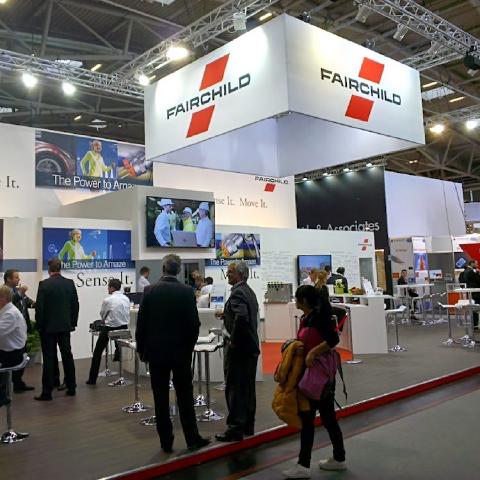
- Electronica is another German trade show happening in November in Munich (above image is from 2014 Electronica)
- Are there any good remaining US based trade shows? Or outside the US?
- Howard Johnson episode
- DaveCon
- Browsing at trade shows is one of hte main benefits
- Dave's son is taking an online cosmology course
- "AI layout" company raises $25M
- Freight DHL
- RS-449 has um...a lot of pins
- VT100 "Dumb terminal"
- EIA
- IEEE1394 (which was branded FireWire for Apple's implementation)
- Chris has been reading Tony Fadell's book Build
- New Raspberry Pi Pico W is $6 and has an RP2040 and WiFi
- Dave is interested in the PIO. The Embedded RPi team talked about PIO on the show.
- The net effect of shortages
- Inside Curious Marc's lab (Daniel from Keysight hosts tour)
- Former guest Zach Barth has decided to shut down Zachtronics (maker of ShenzhenIO) to pursue other projects.
- Turing Tumble
Transcript
Chris Gammell: This is The Amp Hour Podcast. Released July 10th, 2022. Episode 595. Trade show or conference?
Dave Jones: Welcome to the Amp Hour. I'm Dave Jones from the EEV blog.
Chris Gammell: And I'm Chris Campbell of Contextual Electronics.
Dave Jones: Back from Parts Unknown.
Chris Gammell: Conferences. Conferences, plural. I didn't know you went to plural. Yeah, I went to plural. Yeah, I was in San Francisco first. That was at the beginning of July. And then Embedded World was the third week of July. And as it so happens, my luggage is still in Germany.
Dave Jones: Nice.
Chris Gammell: Yeah, yeah. That's fun. Apparently it is flying home today. We'll see. We'll see how it goes.
Dave Jones: There you go.
Chris Gammell: But, yeah. You know, I did bring home a souvenir. An unwanted souvenir. Which was COVID. Oh, yes. I was not the only one.
Dave Jones: That was bound to happen. Was it packed there? Or was it like... It was pretty...
Chris Gammell: Yeah, it was pretty packed. It was pretty packed.
Dave Jones: So you think you got it from just the proximity thing? You know, yeah.
Chris Gammell: Just that many... I think it's just law of large numbers sort of thing.
Dave Jones: So many people breathing on you to find out what thread is or whatever. Yeah. Yeah. Exactly. Yep.
Chris Gammell: Yeah. I mean, we were at the Zephyr booth. So we were, you know, talking to people about Zephyr of different sorts and Goliath, the company I work for and, you know, stuff like that. So, yeah. I mean, but it's just a huge... It's just a big thing. I will say it is...
Chris Gammell: It is... I think the best conference I've been to. It is the most targeted conference for my interests around electronics that I've been to.
Dave Jones: Is it a conference or a trade show?
Chris Gammell: It's both. Yeah, it is both. I didn't go to any of the conference parts. The trade show is what I was at.
Dave Jones: The best conference ever, but I didn't go to any of the conference. Yeah. Sorry.
Chris Gammell: I don't delineate. Sorry. Yeah. I think conference and trade show are the same thing, but that is a good point. Right. It is one of the only trade shows remaining that, like, I think is a good fit for people in our field. At least US-wise, there aren't many things like this anymore. It used to be Embedded System Conference, and now it's like, oh, that's... It's still around, but it's effectively dead. US-wise, we'll try coming to Australia and finding one. Well, nobody's ever really thought that you guys had a chance at that. Any sort of industry, yeah. Yeah. I mean, no offense.
Dave Jones: None taken.
Chris Gammell: Yeah. I mean, and I've been to Electronica, which is also in Germany. That's in Munich, and that's coming up in November, and that's good. Probably even bigger, but kind of more commercially focused, I feel like, or more... It's closer to like a CES. This is like... Oh, you mean more consumer focused? Yeah, more consumer focused, and definitely like more suits. So like if I... Like Embedded World had fewer suits and more... More engineers. Okay. Yeah, more engineers.
Dave Jones: So it had more engineers on the stand than salespeople. Is that what you're saying? All right.
Chris Gammell: That's right. Yeah. Yeah. Yeah. Whereas at Electronica, it's like, nah, it's like... Nah, it's all salespeople. There's a lot of meeting rooms if you're not scheduling meetings with salespeople and that sort of thing.
Dave Jones: So it's businesses meeting businesses. It's not engineer meeting business. Engineer meeting... Yeah.
Chris Gammell: I mean, there's still engineers there, and there still are things that you can go and see, and there's a lot of stuff there. And it's a good one. I mean, I would probably put that second, honestly, these days. Like there's just nothing left in the US that I find equivalent to these things. So Germany's got it. Yeah.
Dave Jones: I don't know.
Chris Gammell: Maybe...
Dave Jones: Yeah, but you have DesignCon. Is that still on? Is that still a thing?
Chris Gammell: DesignCon's still on. That's really focused on high-speed PCB design, right? Oh, really?
Dave Jones: Jeez, it wasn't when I went.
Chris Gammell: Yeah. That's how I see it, at least. I mean, maybe this could be my perception, so don't base everything on me. But in terms of like, one of my friends went to DesignCon this past year, and he's like, yeah, it's all connector companies. And you're like selling connectors and high-speed interconnect and stuff like that. So that also kind of leads me towards that conclusion. In terms of like, if you want to just go and like learn about the latest ST chips or something like that, you know, they're just... I don't know what those conferences are in the US. And so people know. I'd love to hear. But I don't personally know what they are. And so, yeah, I have to go overseas for it, apparently.
Dave Jones: Well, there you go. Well, I did. Having said that, I did run into Howard Johnson at DesignCon once. The, you know, the high-speed digital design, you know, Blackmagic.
Chris Gammell: Former guest.
Dave Jones: Yes, yes. So, yeah, I did run into him once. That was a long, long time ago. So, yeah. Yeah, yeah.
Chris Gammell: And I think it has evolved, honestly, as well. So, like, Embedded System Conference in the US used to be similarly large and, you know, had a big trade show floor. It had good conference tracks, stuff like that. It's just dwindled, you know. And so a lot of the conference companies in the US aren't what they used to be because it's a really tough business. It's a really tough business.
Dave Jones: Yeah, because for those who don't know, like, these things don't just magically happen. It's not like a whole bunch of companies just decide to turn up to a hall at the same time. There's an event conference company behind this. And Australia, they're an events company that run it here. But they happen to know about, they happen to run the engineering one, but they run other events as well. And it's like, you know, you need somebody at the back end to organize the entire show. There's no industry, you know, it's not run by the industry body, is it? You know, like, it's not run by the IEEE or something, you know, it's like.
Chris Gammell: IEEE does have conferences, usually run by external companies. Yeah, they're. But those are like academic conferences.
Dave Jones: They're academic, small academic, you know, talks and things. Yeah, that's right.
Chris Gammell: Yeah. So in terms of like trade show, trade shows, obviously, you know, we're coming out of COVID. There's been a huge reduction in that anyways. But, you know, even 2018, 2019, I don't remember hearing about many other shows like this. Again, my perception. So, you know, so like with the Australia thing, you know, like having a trade show in Australia, there would be a huge trade show if there was a big audience, right? Is this huge? Of course, if you. Yeah. Yeah. And it's it's just about like. Yeah. And so when you're building a conference, you have to like first you have to basically bluster your way into it. So I've tried this a little bit with Kaicon. Obviously, that's micro micro micros compared to any of these other things we're talking about here. But, you know, you have to basically be like, well, there's you know, there's going to be 500 people here and their comfort and, you know, the people that are hosting, you know, and are rather sponsoring. You know, they're like, OK, well, we think 500 people are worth this much. We'll sponsor this much. And so it's like this push pull, though, because they want to be able to have access to 500 people, but they would much rather be at a conference where there's 100,000 people, you know.
Dave Jones: So, yeah, I can I can do what all the other failed YouTubers are doing and have a Dave con. If you haven't heard, there's a whole bunch of YouTubers, you know, famous YouTubers have tried to have their I tried to do their own conference and they've failed epically. Yes. Tanner con was one of them.
Chris Gammell: Are you not? Do you try and fight other YouTubers when you're there?
Dave Jones: Do you do boxing matches? You know, that's the in thing, isn't it? So, yeah. Yeah. So I can have Dave.
Chris Gammell: Would there be Dave cad at Dave con? Yes. Yes.
Dave Jones: Of course it would. Yes. You can buy it. Of course. Yep. You can buy Dave cad and try it out. Yeah. Right. Right. Right. Dave.
Chris Gammell: The Dave cad tutorial sessions would be. Yeah. Yeah.
Dave Jones: Yeah. That's it. The Dave cad paraphernalia.
Chris Gammell: You could take home, you know, take home your Dave. Yeah. Pad.
Dave Jones: Yeah. Yeah. Exactly.
Chris Gammell: Specialized pen. You know. Oh, man.
Dave Jones: Like I have thought about it. Not, not, not Dave con, but like trying to organize like an industry event, but it's just like, it's too hard.
Chris Gammell: Like, you know, you've got to have cross position. It's a shit show.
Dave Jones: Yeah.
Chris Gammell: It's yeah. I mean, that's the thing. And it's like, it's a really big, I remember when, so like, uh, O'Reilly used to do solid con and I talked to one of the organizers, John Bruner, who I got to know through it. And like, he, I remember him telling me about it. He's like, look, if you get, if you estimate wrong and especially the scale, like it's like, it's millions of dollars.
Dave Jones: It's not like, you're not like, it isn't just the money side of things. It's also the, the event itself. It just turns into a farce. Right. And it just turns into an embarrassing farce because nobody turned up at the last minute or the, or the, uh, you know, the people who set up the stands didn't turn up at the last minute.
Chris Gammell: If you didn't, you know, like, yeah, I think that, I think the money piece is pretty scary to me though. Like, right. Oh yeah. No, definitely. You've got to like, it's like, literally you're like a, you're like a conference or a concert promoter at that point. You got to like lay out a ton of money beforehand and then.
Dave Jones: Yeah.
Chris Gammell: I hope you recoup it and maybe you don't, you know, like, it's like, oh wow. Okay. That's like, there's some big implications there. So kudos to the ones who do it. Uh, it's not a business I would want to be in. It's tough. It is tough. Yeah. So, yeah.
Dave Jones: Like I've, I've got people I could call that for advice on that sort of stuff, but yeah, you're talking to them. Yeah.
Chris Gammell: I'm a successful conference organizer.
Dave Jones: Australia specific.
Chris Gammell: Oh, okay.
Dave Jones: Yeah. About, you know, venues and, uh, all the legalese that's required here and stuff like that. That's why, you know, that's why you get things like the hacker camps and stuff like that. Cause it's like, oh, just, just turn up kind of thing. Basically. Or you're going to, well, no, no, but, but it is going to be easier than, you know, trying to organize like, uh, like, uh, being a huge hotel.
Chris Gammell: And yeah, it's different if people are bringing their, their, uh, their, their weenies and marshmallows to roast over an open fire versus, uh, you know, getting catering for, you know, 500 to a thousand people. Yeah. Yeah. That's, that's a, yeah, exactly. Logistics quickly become a nightmare. So, uh, yeah. Well, if you do it, you know, let me know. I'll try and get down there. Yeah.
Dave Jones: Nah, I've got better things to know. Yep. Nah, it's not going to happen. If, if it is like, if I'd ever do anything, like it's going to be like small scale kind of thing, you know?
Chris Gammell: Yeah.
Dave Jones: It's, it's going to be like another, it's going to be a souped up version of one of the meetups, you know, it's going to be like a, yeah. Yeah. Sort of just, just have a jazzy. Yeah. You would have to invest the money and go, right. I'm going to hire a jazzy venue that has X, uh, facilities or something like that. And you'd have to, you know? Yep. Yep. Yep. So, so you'd have to be, you'd have to be willing to, A, lose money and B, be humiliated that nobody's going to turn up, you know? So it's like, yep. Oh boy. Anyway, I'm not beyond humiliation though. I'm, I'm not below that. So that's fine. Yep. Okay. Cool.
Chris Gammell: Well, I am looking forward to other events. Hopefully I'm, I'm always on the lookout for other events. So if people hear about other conferences, us, otherwise I'd love to hear about them. Uh, I will be at all things open in November, which is actually local to me. So that's in Raleigh. Oh, right. Which is about 20 minute drive away. Yeah. Yeah. Uh, there's a train. Actually, there is a train and I might take the train. So two stops, two stops on the train away. So I can do that. Cool. And that's in November. And, uh, yeah. Love to hear about other ones. And, uh, there's another embedded world. Embedded world was supposed to be in March this past year. It normally is. It was instead pushed to June. The next one is in March. I will maybe be at that as well. So might be back for a second round of COVID. Nice. Nuremberg. Yeah. Just to pick up a new strain. Woo.
Dave Jones: Yeah. Yeah.
Chris Gammell: Yeah. Yeah. Got to catch them all. Got to catch them all.
Dave Jones: Yeah. Yeah. You can. And, and I believe if you get five, you get like a medal with like, you know, five. There's like a redemption card. Yeah. Yeah. Yeah. Right. Right. Right.
Chris Gammell: No, I mean, I, I, I shouldn't, I shouldn't make too many jokes. I was very lucky. I had a very late time of things. So, yeah. Yep. Yep. Yep.
Dave Jones: So isn't there a, a internet of things specific conference somewhere? I'm sure there is or was there.
Chris Gammell: There are. And yeah, there, there are many actually that are pretty tiny. Right. Okay. Yeah.
Dave Jones: But still there are specific ones. Right. Which is surely you guys would go, Oh, that's our target.
Chris Gammell: Yeah. Maybe. I don't know. You don't know when you go to design a new thing. Well, here's the thing. Okay. So like if, from a commercial standpoint, if you were going to design a new thing, I don't know, like if I, it, so like me from three years ago, like pre COVID, right. Doing consulting pre COVID have the ability to go somewhere. If I'm going to like, when I'm going to go to an IOT conference, if someone like, if I need to go design an IOT thing, I'm not sure I am. So it's really about like, where, where are people going? That's, that's all that really matters at the end of the day is like, where can I go talk to people that are building systems like thread based things that I'm interested in talking about? So have not, you know, that continues to be a challenge, I think.
Dave Jones: Right. All right.
Chris Gammell: Did you, I mean, you, you went to conferences back in the day, right? Were you doing that as a, to find out about new things?
Dave Jones: No, it was just to, you know, hang out really.
Chris Gammell: Yeah. Right. Yeah. Like I wasn't going, Oh, I'm going to learn so much.
Dave Jones: You know, it's like, Oh no, no, no. There are specific ones. There was power supply design. Yeah. Sure. One I went to, which was very interesting. That was a paid thing that, that was like, like, like, it's almost like a course conference thing. It was kind of a.
Chris Gammell: Not the, not the TI unit road.
Dave Jones: No, it was the analog devices. That was a Walt Jung did that one. Yeah. Yeah. Yeah. Yeah. Another two Walters anyway, there's two Walters, you know, famous Walters there. Yeah. So yeah, that was very interesting. That was like a three day, you know, power supply conference or something. So yeah, that was enjoyable. Yeah.
Chris Gammell: And that's, that's like a, that's basically like an academic course at that point. Right. That's like a.
Dave Jones: Almost. Yeah. It was kind of a, like a weird mix kind of thing. Cause, cause they'd have like, you know, companies there with little booze as well, I think. And like with like, yeah, tables, not big, but you know, it wasn't big booze, but you know, there was like stuff that you could, you know. Yeah. Try things out. Talk through things. Yeah.
Chris Gammell: Grab flyers. I don't know. Like, I just think like, I still haven't found a good replication of this online. Like, obviously I can go and do research online. You do research online. Sometimes it's just like the only thing that's available there, but there is a nice, you know, there is the browsing experience that I miss that trade shows have there. There's definitely no online equivalent of it. There's no like VR.
Dave Jones: Why is there not like a Digikey Mouser Element 14 show where all they do is like spread out all their components across a, like a hall. That's all they do. Right.
Chris Gammell: You could probably, you could probably skip the resistor hall.
Dave Jones: Yeah. Skip the resistor. Yeah. There's a big flock. There's a big line up outside the resistor hall, you know, for the resistor aficionados. But wouldn't that be awesome? I would go to that. I would go to that just to see bloody components and like, you know, like, like boxes and like, you know, I just like, because that, that's the way you did design back in the day. You flip like before the internet kiddies, right. You would flick through your, you know, Element 14, your Digikey catalog or whatever. And you'd, you'd actually see the physical items, you know, cause they'd have photos for everything. So you'd be able to see it. Oh, that case is perfect. Oh, then what, what does this widget do? Oh yeah. I need one of that. Oh, look at that knob. Whoa. You know, that's like, yeah. So.
Chris Gammell: Yeah.
Dave Jones: Yeah.
Chris Gammell: I'm, I'm totally down. Like that, that experience is. Yep. I, I would, I was doing that at the, at the trade show. I was looking at, you know, there was a, a, a case manufacturer who was there and like, you just get to go and browse and like, and dream, right. Browse and dream. That's all I want to do.
Dave Jones: Well, that's, that's some of my favorite things at the trade shows is like, they have the glass you know, it's, it's better if you can, you know, actually play with them. But then if you've got little small items, then they just end up getting thrown everywhere or nicked or something. Right. But you know, that had the big glass display thing and it's got like just hundreds of components all laid out in there and you can physically see the different connectors, you know, you just like stand there for 10. Yeah. Yeah. Yeah, exactly. The button vendor, the switch vendor, the screen vendor, you know, they have different shapes and sizes of LCDs and just looking at them all the keypad vendors, you know, so you can like go in and press the different types of keypads and you can, you know, just, yeah. It's just.
Chris Gammell: Yeah. It's great.
Dave Jones: Yep.
Chris Gammell: Yeah. It is never coming to VR. I don't care how many people say that that's going to be, even if it does, it's stupid. Yeah. It's not.
Chris Gammell: Stupid.
Dave Jones: But no, I would refuse to participate on principle in a virtual event. Yeah. Right. Right. Yeah.
Chris Gammell: So meet space it is for me, despite, despite the illness.
Dave Jones: Yeah. How many people have we got still turning up to, do, do engineers still hate the, the virtual, you know, conference thing? What are they called? What's the, what's the word I'm looking for?
Chris Gammell: I don't know.
Dave Jones: The, you know, the online presentation thing. The, you know, where somebody gives a presentation online. Webinars. That's the bloody word I was looking for. Webinars. Do engineers still hate webinars? Yep.
Chris Gammell: Hands up. I've, I've turned the corner on that one. Unfortunately. Yeah. Cause you give, well, you give webinars. Yeah.
Dave Jones: You give them. Yeah. I give them, but you can't take them, you know?
Chris Gammell: That's right. Right. Well, and like, that's the thing I sign up for them and then I got, don't show up. Cause it's like, why don't, this is just, this is just a YouTube video. So just like, give me a link afterwards. You got to sign up for it to get the link. Yep. So that's what I'm usually doing.
Dave Jones: Sagan did a webinar. Well, it wasn't, it wasn't called a webinar, but it was an online, online cosmology course. He's doing an online cosmology course with professor Alan Duffy. And yeah. Yeah. He's liking that. So that's, that's over.
Chris Gammell: How deep does that get?
Dave Jones: I don't know yet. The first one was the, the, uh, maths was over his head.
Chris Gammell: Okay.
Dave Jones: In the first one.
Chris Gammell: I mean, like, is it like you're looking at photos of like star clusters or is it like you're actually deep, deep diving into like, Oh no, you're not, no, no, no.
Dave Jones: It's a more, no, no, it's a more broad overview kind of thing. So it's not deep. So if you're, you know, if, if you're a, a cosmology aficionado, you know, like you're, like you're, you read a lot on it and stuff, you might not get a lot out of it because it's covered stuff you already know. But you know, if you don't know much about cosmology, then yeah, it's probably going to have some deep concepts that, you know. Got it. Okay.
Chris Gammell: So it's like a one-on-one course, but you know, like a college level one-on-one versus a middle school.
Dave Jones: It's a college introduction kind of. Yeah. Yeah. Yeah.
Chris Gammell: That's cool. That's a, that's a cool thing to do together.
Dave Jones: Yep.
Chris Gammell: Yeah.
Dave Jones: All right.
Chris Gammell: It's tough doing online education in general. I think. Yeah. No. Everybody comes at it from different things. And I don't know, just the, like I said, meat space still, still wins out for me.
Dave Jones: Yep. But every, every time I see a web webinar and advertise, and I do get a lot of companies email me, oh, we've got this electronics webinar coming up. Can you promote it to your audience and stuff? And I tell them, like, I actually go to the effort to reply and go, look, engineers don't, don't like webinars. Don't bother. You know, like, oh. And there are some people have replied that went, we know, that's why we're contacting you to try and, to try and drum up more interest. You got to do something, man. Yeah, exactly. Yeah. Yeah. I've, I've been tasked to do this, you know, so don't blame me, you know?
Chris Gammell: Yeah. I don't know. I don't know what it looks like. Like, like, I think engineers want to learn. Right. But, oh yeah. But, but I prefer that three day course, like you mentioned versus. Yeah.
Dave Jones: The format just doesn't, the format just doesn't work for summer. Like they'll, they'll watch, they'll watch YouTube videos from their favorite YouTuber, but they won't watch just a webinar, like a, just a corporate webinar.
Chris Gammell: Well, webinars are usually, usually pretty boring too. You know, like that's, that's also part of the perception is like, you know, it's like, oh, 45 minutes of like slide deck and someone talking over top of it.
Dave Jones: It is a complete death by PowerPoint. You know, it's like, yeah. Right. Right. Right.
Chris Gammell: So that's, that is the downside.
Dave Jones: I'm sure if I started doing my videos as like, if I had a whiteboard that like.
Chris Gammell: Yeah. Like a digital whiteboard.
Dave Jones: Actually projected slides. Yeah. A digital whiteboard that actually projected slides. And here's me presenting in front. It did like instantly just everyone would fall asleep and not watch it. Even if it was my same, you know, stuff, I think it's just, just the format. I think people are hard, what engineers are hardwired to hate that sort of format. It's, you know, Dilbert kind of.
Chris Gammell: Yep. Yeah. I think that's right. Yep.
Dave Jones: Hmm. Yep. All right. Well, what do we got on the list this week? Cause it's been a few weeks.
Chris Gammell: So yeah, it has been a couple of weeks. Um, what was going to be on here? Oh, the, uh, actually because we were talking, did I not? Oh yeah, there it is. And they're, they're trying to do AI for a circuit board design again. So there's another, yet another company.
Dave Jones: Yet another. It's been going for, for those who don't know, it's been going for 30, 40 years, you know, AI. Ever since the first auto routing. That's right. Yeah. AI. Algorithms and stuff. Companies have been, you know, this one's got artificial intelligence in quote marks, you know, when it's like, wow, it'll really about your traces, you know? Yeah.
Chris Gammell: Yeah. I mean, so this talks about like component shortages and like being able to automatically like replace stuff. And it's just like, I, okay, I get it. I'm sure it's a little helpful. I'm sure that, you know, and there's, there is a lot of, you know, I think we talked about this last time we talked about a, a new company raising money for a web-based, uh, layout tool or whatever. Or it's just like, it might be co-design, but it's not all design. And this is not even talking, this is really talking about like extraction of information and trying to like replace parts. And it's just like, it's just a bunch of monkeys under the hood turning cranks.
Dave Jones: Yeah. But they got 25 million bucks. So the joke's on us, you know? I mean, I guess they raised 25 million bucks. So I'm sure we could, you know, like we should actually get together and like come up with some, you know, really detailed plan like this. Like slide deck for. Yeah. Yeah. Yeah. Yeah. Slide deck. And yeah. Yep. I'm, I'm, I'm, I don't know if we have enough context.
Chris Gammell: I don't think I want to go and, uh, pitch in front of a bunch of VCs, uh, but you know, if we ever, we ever get desperate.
Dave Jones: Right. Right. If you get desperate. Yeah. If the wheels fall off the, uh, YouTube and internet of things, Billy cart, then.
Chris Gammell: Yeah. Yeah. All right. All right. There might be other problems then. Right. Yeah. Oh boy. I don't know.
Dave Jones: I tweeted the other day. Walls are for wheels are falling off the delivery. It's not supply chain. They've fallen off the delivery. Billy cart. Wheels are falling off the delivery. Billy cart, especially here in Australia, because COVID it's not over. According to the COVID crisis is not over. According to the airline industry, especially the freight airline industry. I tweeted last night, the price list, the differential for the different companies. For the DHL courier service, which I use. Right. And Australia gets hit big time. And I was talking to my DHL rep and he said, yeah, it's because the flights to Australia are so few, even though we run our own planes, you know, and there's extra. Right. Right. Right. And it's just like, and it's just, it's just so hard to get to Australia now as it used to be. Therefore, we're one of the most expensive places in the world. Whereas before it was like equal, right? It didn't, well, it wasn't quite equal, but you know, there wasn't much difference between the countries. So shipping stuff. And now it's like, no, there's a huge difference. So there's an emergency surcharge, which is the COVID thing. And then there's a fuel surcharge on top of that. It's been creeping up every year. And now it's at like 37% of the, 39% of the price of the shipping price. So the shit, so I got to pay the shipping price. Right. I don't know how I got into shipping, but anyway, what a tangent. So I got my shipping rate. Right. Which, which is quite reasonable for an express courier service. But then you've got the 37% fuel surcharge on top of that. And then you've got the emergency situation charge on top of that yet again. And it's just, Oh God, it's pretty, pretty horrific.
Chris Gammell: There's a, I think there's a Wendover thing about Wendover productions thing about like how much passenger airlines get used in terms of like actual shipment and like, Oh yeah, that's huge. I was, I was always surprised by that.
Dave Jones: Yeah. For those who don't know, like probably half the plane you're flying on from, you know, Sydney to London or something is filled with, you know, widgets. So, you know, it's, it's filled with commercial freight. So yeah.
Chris Gammell: Right, right, right. Yep. It's crazy. Yeah.
Dave Jones: Well, that's how my meters before I was shipping with DHL. Now I send them express via DHL and they come on their own planes. Yeah. They were going, I would get the flight number of the flight it was coming in on and it's, you know, Asian airlines flight, you know, four, five, six or something. And yeah. And you can watch it fly in on the flight and you know, it's, it's a regular commercial flight. And there's 20 boxes of my multimeters in the cargo hold somewhere.
Chris Gammell: In the hold. You know? Yeah.
Dave Jones: So. Yeah.
Chris Gammell: Maybe it's, maybe that's where my suitcase is too.
Speaker ?: Right.
Dave Jones: Stuck on some conveyor, it's fallen off the, some conveyor belt somewhere and it's in a holding panel.
Chris Gammell: Yep. I lost a microphone, Dave. It was.
Dave Jones: Oh, you lost a mic. Oh. Yeah.
Chris Gammell: It was a Zoom H1. So not like huge.
Dave Jones: Oh, okay. Yeah. But still. They're expensive.
Chris Gammell: You hate to lose a soldier, you know? I know. Yeah. Yeah. Yeah.
Dave Jones: Yeah. Yeah. Man down. Let's play the last post. Yep.
Chris Gammell: I lost a microphone. I lost a screen. I lost a custom sign that I built. A blinky sign, you know?
Speaker ?: Yeah.
Dave Jones: Yeah. But you're getting it back. Apparently they, they have promised they found it. We'll see. Right. Yeah. Find if it's the right one, you'll end up with a bunch of lingerie.
Chris Gammell: I'll end up with a bunch of, that's what I was thinking too. Yeah. Yeah. Totally.
Dave Jones: I don't know. That could be a win. Who knows? Sure. Sure. Yeah. All right. Anyway, back to PCB AI, were we going to like, were you going to have some witty?
Chris Gammell: I don't know much to say here other than, come on.
Dave Jones: Yeah. I know. It's bullshit. Like, you know. Yep. Yep. Yep. It's just smart algorithms. It's not AI, you know?
Chris Gammell: That's right. Yeah.
Dave Jones: Yeah. Same with full self-driving and all that sort of BS, you know? It's just smart algorithms. Yeah. Right?
Chris Gammell: Yep. Things that were not smart and look like they may have been attempted to be designed by a computer. RS-449. Did you see that one?
Dave Jones: Oh, that was hilarious. That was great. I had never seen this before.
Chris Gammell: I didn't realize that there was an attempt to this, but.
Dave Jones: I had forgotten about it because it's so hardly used, right? It was an attempted RS-232 replacement back in the 70s, right? Because if you don't know, RS-232 was one of the very early ones and then computers, it was used on computer data terminal equipment, DTE back then, right?
Chris Gammell: Mm. Yeah.
Dave Jones: And DCE, DTE and DCE, right? These were the data communications equipment, talk to data terminal equipment. You know, these were all the industry terms and things. And then it was getting too slow.
Chris Gammell: And so wait, it would be like not talking to a modem, but it'd be talking to like a, what would it be? What is a data terminal equipment?
Dave Jones: Data terminal equipment because you didn't have, people didn't own computers back in these days. They own terminals, right? Okay. So you would be a data terminal equipment. Yeah. So you would, yeah. So you're, it's just a dumb terminal. It's just a VT100 dumb terminal. That's like the industry standard dumb terminal back there was, where's the VT100, right? I've had one myself back in the old days. I don't know what ever happened to that. They're selling on, sold in the trading place.
Chris Gammell: So what did that then plug into though? So like.
Dave Jones: That plugged into a mainframe timesharing computer, right? Or it'd plug into a modem, which would then go over the phone lines. Okay. So that's what I was wondering. Timesharing computer.
Chris Gammell: So it wasn't like you needed a modem in this, or sorry, you wouldn't have a timeshare in your building necessarily. You might have. Yes.
Dave Jones: Yes, you would. I was going to say, it depends where you're physically located. If you're physically located in the building, yes, you would have a big mainframe in the basement. And then you'd have all the lines run into the data terminals, right? You know, if you're in a library or something and they've got like, you know, five data terminals, right? And yeah, there's some mainframe in the back that's running all the, you know, catalog system that you're searching or whatever. So, okay.
Chris Gammell: So like a DB25 RS232 was too slow.
Dave Jones: Like it was, it was too slow. It didn't have the features required and all sorts of stuff. Yeah, it was. So they needed all this extra stuff. So what happened is they developed the RS449 standard and then they just kept adding things. Oh yes, we need this. Cause every, every manufacturer had their hands in the pie. Oh no, we've got to have a clear to send. We've got to have a new signal. We've got to have a ring indicator. We've got to have a data signal rate select pin, you know, and, and the other thing was grounds and stuff. Cause RS232 mixed up signal ground with, you know, earth ground and stuff and, you know, stuff like there were all sorts of, so there was signal integrity things and there were speed things and there were feature things and there were, you know, so, so this new RS449 standard tried to do it all, you know, and, and it was actually, it was an industry standard. It was the EIA, uh, 449 industry standard. So they did actually get it done, but I don't think it was ever used.
Chris Gammell: Like it was just like. It's like some kind of body.
Dave Jones: Like that's an industry standard. Yes. They also do a PCB footprints and things like you can get the EIA footprints. You know, you can get the EIA standards for connectors and, you know, various things, you know, there's.
Chris Gammell: Wikipedia tells me electronics industry alliance. Alliance.
Dave Jones: I thought it was association, but yeah. Alliance. Yeah. I think. Okay. Yep. And yeah, that's the, I'm surprised you haven't heard of the EIA, but they've kind of.
Chris Gammell: You know, I've probably seen it referenced in, I think the other, the 232, the 422, the 485, that sort of thing. But that's it, I think.
Dave Jones: So.
Chris Gammell: So.
Dave Jones: Hmm. Yeah. Anyway, it's just, just have a look at the pin. And then they ended up with two connectors because they didn't have enough pins on their 37 way D connector. It's hilarious.
Chris Gammell: Oh, a separate, a separate DE9 if the 422 protocol was used. Okay. All right. All right. Huh.
Dave Jones: Absolutely hilarious. Yeah. Yeah. It's great.
Chris Gammell: Designed by committee to the, to the maximum.
Dave Jones: Transmitter signal timing pin. Transmitter data pin. Signal rate indicator.
Chris Gammell: And then it's got a receive comment. It's still just talking a terminal for like.
Dave Jones: It's still a serial. It's still a serial terminal interface. But because it was so widely used by so many different types of equipment, it wasn't just terminals. It was used by, you know, instruments and, and, you know, different types of industrial equipment. So everyone wanted their own thing. You know, everyone wanted their own. Yeah. And no, but RS-232 still survives to this day. And, you know, it's, you can still get equipment with RS-232 and it's still the thing, you know? Yeah. Yeah. I think RS-232, they didn't like the high voltage levels either. Cause RS-232 was like a 12 volt signaling and all this newfangled five volt stuff was coming along, you know? So they wanted a lower voltage signaling and stuff like that. And yeah, it's just, it's just, yeah, it's crazy stuff. But yeah, it was all these dead. If you've got another, can you, who can, who can better the RS-449 for a dead standard? Can you think of a better dead standard? Anything. It doesn't have to be connectors. It could be any sort of dead standard. Oh God. I've put myself on the spot too. Yeah. Maybe something will pop into my mind. Visa.
Chris Gammell: Uh, Firewire.
Dave Jones: Firewire. Well, Firewire was widely used, but it had issues.
Chris Gammell: So it's gone now though.
Dave Jones: I used to use Firewire to transfer my videos. You know, it was.
Chris Gammell: But you haven't used it in.
Dave Jones: No, I haven't used it in 10 years or something. Yeah.
Chris Gammell: Yeah. That was a specific to, was that specific to Apple or something?
Dave Jones: No, no, no. Oh, it's an IEEE. Yeah. Yep. No, it was on camcorders. That's how I got my stuff off my tape camcorder. I used to film on a tape camcorder and then transfer over Firewire to a Firewire card in my PC.
Chris Gammell: This says that Firewire is the Apple brand of the Apple version of the implementation. IEEE 1394. Oh. 1394.
Dave Jones: Yeah. But everyone just generically called it Firewire. You know? Yeah. It was just like, yeah.
Chris Gammell: Yep. Interesting.
Dave Jones: Yeah. All cameras back in the day had a 1394. Yeah. Port on them. And, you know, it was 400 megabits because it was groundbreaking, right? It was 400 megabits per second or 480 or something. It was huge. Right? Yeah. So.
Chris Gammell: Yeah. Yeah.
Dave Jones: Yep. Even though I was using analog tape, mine was a digital recorder. So it was recording digitally. So I could pull off the information digitally from the tape, you know? And, but then there was a whole thing. I think, well, I don't know if it was TI or not, but there was a whole bunch of Firewire ports started dying and it was like everyone's Firewire, you know, cause it was bad ESD protection on the Firewire chips and they were just frying everywhere. So everyone's Firewire chips were dying and it was not good. So, yep. Anyway, that's basically replaced by the USBs these days.
Chris Gammell: Yeah. So I was actually, I had a reference to that. I've been listening to Tony Fidel's book. So the guy that was part of the iPod, iPhone. Oh, okay. And then Nest. Yep. He's got a book out called Build that a friend recommended to me and I've been enjoying it. It's, you know, it's kind of like what he would be counseling startups to do and stuff like that, but basically building up physical products. So pretty good. Oh, okay. And I didn't realize he was involved. One of the things that he worked on, so he had basically claimed, he had said that whatever he was working on led to USB and I didn't realize the initial, I'm not saying I agree with it. I just didn't realize that there was, you know, where it came from initially. I didn't know where USB came from. And? I'm looking right now. I should have looked sooner than this, but yeah, I figured what the product was. It was like a product from Sony maybe or something like that, but it was the beginning of USB.
Dave Jones: I don't recall.
Chris Gammell: USB was pretty janky at the beginning, right? I mean, like people.
Dave Jones: Oh, yeah. Yeah. It was, you know. Yeah. It was like, yeah. Yeah. Yeah. One. It was only 10 megabits per second or something. And no, one. Was USB one, was it one meg? No, no. No. It started out at 10, didn't it? Oh God. Come on. I can't believe I don't know my USB data rates. Yep. No, it was. USB 1.0 was 1.5 megabits per second. I was right. And then USB 1.1 is 12 megabits per second. Then USB 2, then it got up to Firewire type speeds. Although Firewire still had benefits. I did 1394. Sorry. Still had benefits in terms of data synchronization and throughput. Whereas USB is like a still, USB is like a multi-drop standard. And it's like, it's not as good for, you know, high speed transfer as 1394 was.
Chris Gammell: Yeah. Yeah.
Dave Jones: Even though it was 480 megabits per second, it still technically wasn't as good, I don't think. But yeah, now I've got USB 3.1, 10 gigabits per second. That's crazy. Yeah.
Chris Gammell: Well, it's just, I mean, just like how standardized it actually is now. Oh yeah.
Dave Jones: It's crazy. You know, you can get monitor output, you know, you can get a monitor that plugs into USB. So, you know, like a full 4K, 8K monitor or something. It's just nuts. The data rates in those are incredible.
Chris Gammell: Oh yeah.
Dave Jones: Yeah. Yep. Unbelievable. So, ah, when I was a boy. Yep.
Chris Gammell: A lot more of the DB37s.
Dave Jones: Yep. Oh, well, no, it was, it was, it was the battle of DB9 versus DB25. You know, I'm, I'm actually, I'm, I'm, I'm designing a product. Should my RS232 be the full, should we go the full Monty with the 25 pin jobby or should we go with the nine with the sexier, much sexier, more modern nine pin jobby?
Chris Gammell: Right. So modern.
Dave Jones: Yeah. Yeah. Would you still design in an RS232 into something these days?
Chris Gammell: Probably. Yeah.
Dave Jones: Yeah. Yeah. Yeah. I still would if I was designing some industrial bit of thing, you know?
Chris Gammell: Yeah. I mean, the 12 volts is nice for industrial. I mean, if you, and if you got it already, that's good.
Dave Jones: But there's a lot of stuff now that of course is effectively, well, RS232 is like the pin out and the signal standard, right? It's the signal level standard, but you know, people throw the term around generically. Oh yeah. It's got an RS232 interface, but there's no RS232 signal level chip in there. It's just five volt TTL interface. Right. Yeah. Everyone's got one of those little USB, you know, serial dongles. Right. You know? So, so the board rates are all there. The signalings all there. They just don't run it through the RS232 standard, you know, 12 volt signal in chip. Right.
Chris Gammell: And 12 volt and pop goes the weasel.
Dave Jones: Right. Yeah. Yeah.
Chris Gammell: Yeah.
Dave Jones: Yeah. So, so it's almost taken over from that. It's almost, you know, if you find, if you open up a lot of products, oh yeah, it's got a serial interface, especially with microcontrollers, right? Because microcontrollers, you know, they'll all have like this little serial interface thing. Right. So, so does that, you know, little, you know, five pin single in line thing that, you know, so it's, yeah, it's all still there. You know, the, the board rates stuff is all still there, but it's, you know, gone on the day. Well, you know, it's not often you'd probably put in like a 12 volt signal in RS232, unless you've got a bit of industrial equipment or something, then you probably would.
Chris Gammell: Then RS485 plays nice too. So yeah.
Dave Jones: Yeah. RS422, RS485, you know, I've used those. Yeah.
Chris Gammell: Yeah. Yeah.
Dave Jones: Yeah. They're pretty groovy. So, because if, if you don't know the difference, RS232 is balanced, single ended, whereas RS, RS485 is a differential signaling system. So you can go over much longer runs and you don't get the signal integrity problems you get with RS232 being a single ended system.
Dave Jones: Yep. Yep. Yep. Differential. Yep. Fancy pants. Modern stuff.
Chris Gammell: Distance.
Dave Jones: Yeah. Like they use on those Ethernet thingies. Mm. Yep. Which is getting crazy these days, you know, like the data rates you can get over a hundred meters of, you know. Oh yeah. Um, start, you know, a hundred meters of twisted pair. And you know, it's like, it's just nuts. Yep. Yeah. Totally. Yeah. Unbelievable. And bundled twist to a pair. They're all next to each other for goodness sake. They're all bundled inside a bloody, you know. Yep. It's crazy. Eight pairs in there. Unbelievable. Anyway, when I was a boy, what else we got?
Chris Gammell: Let's see what else. Oh, well, uh, things that will not go super fast over that distance, but pretty fast. Uh, the Raspberry Pi Pico W is now out. Uh, so wifi, I think I saw Jeff Geerling did a small speed test and got five megabits to his wifi. So. Right.
Dave Jones: Yep.
Chris Gammell: What's your take on the, uh, Pico RP 2040? I don't know how much you know about the, the old platform versus the new one.
Dave Jones: No, I have no idea about the old platform versus the new one. I know of the Raspberry Pi Pico form factor. Right. Yeah. Cause it uses the, the new Raspberry Pi micro. What is it? The 4040 or something? What is it? No, the, uh, the RP 2040.
Chris Gammell: That's right. Yep.
Dave Jones: Yeah. RP 2040 microcontroller. So it's not like a regular, uh, Raspberry Pi, which uses the, um, you know, thingamaboo. Yeah.
Chris Gammell: The Broadcom, whatever the hell it is. The Broadcom arm, whatever.
Dave Jones: Yeah. Latest, you know, eight, eight core bloody thing. Yep. So, but no, no, it is still an arm, right? The RP 2040 is still an arm.
Chris Gammell: That's right. It's a dual Cortex M zero plus. Uh, we had the Raspberry Pi embedded team on here back in the day when that came out. And now it has a, uh, Infineon four, three, four, three, nine wifi chip on it. And that's basically that upped it by $2, but now it's a internet connected RP 2040.
Dave Jones: Yep.
Chris Gammell: But the cool thing, I mean the, so the RP 2040 is, you know, it's pretty beefy for what it is for the cost. It is as well.
Dave Jones: Yeah.
Chris Gammell: And it's available. So that's got its own bit of, uh, amazingness these days. Uh, yeah.
Dave Jones: Can I buy it? Yes. No. Okay. I'm using it. You know, that's right.
Chris Gammell: Yeah. And so it's also got the, uh, custom fabric, the PIO, uh, I forget what it stands for, but it's basically like the program I, I guess. Yep.
Dave Jones: You can reroute things kind of. Yep.
Chris Gammell: Yeah. It's like, you can write assembly code for a custom block interfacing. So if you wanted to do kind of like on the, uh, the PR use on the Beagle bone, Beagle bone blacks and equivalent, basically tiny, tiny processors that are just sitting there kind of processing IO, which is pretty cool.
Dave Jones: Oh, okay. So that's, yeah, that's different. Does it, does it have the pin swapping as well? Does it have the routability?
Chris Gammell: No, I don't believe so. No?
Dave Jones: Okay. It doesn't have the routability.
Chris Gammell: Yeah. So it's not like a true FPGA. It's more like a, I think it's like a configurable logic machine that's on these IO pins.
Dave Jones: Yeah. So if you want to do some bit shifting or something like that, right, you can. That's right. Yeah. Right.
Chris Gammell: Well, say you wanted to implement the RS-232, I bet you could have, you know.
Dave Jones: Right. Yes. Yeah. You could, that would decode your board serial interface. Yeah. I think that kind of idea.
Chris Gammell: Yep.
Dave Jones: Right. Right. Okay. Ha. I just, I just got a name for a product, the Bored Ape, but it's Bored as in Bored Rate.
Chris Gammell: Oh, Bored Ape. Yeah. I like that. Yeah. Yeah. Okay. You'd sell it just based on the memes. Yeah.
Dave Jones: You can sell it just based on the memes. Yeah, exactly.
Chris Gammell: Ah, yes. The meme-based economy.
Dave Jones: Ah, yeah. Okay. But Bored Rate, so. Yep, yep, yep, yep. Meme-based economy. That's it. Meme and availability.
Chris Gammell: That's right. Yeah. That's what it's all about. So, this new one comes in the same form factor, it seems.
Dave Jones: Yep, but they just.
Chris Gammell: It's got wireless on board. And, yeah, I mean, right now it's MicroPython-based first and foremost, so, you know, you're going to be writing like that, but.
Dave Jones: Hang on, these little configurable logic blocky things, they're little micros, you're saying? They're little, they can execute code.
Chris Gammell: They're little logic elements, I would say. You know, they're, yeah, they are configurable through code. But they can execute sequential code. Yeah, I believe so.
Dave Jones: Right. Okay. Got it.
Chris Gammell: I think they're like little logic machines, little, like ALU, not ALUs, little state machines, basically.
Dave Jones: Right. Okay. And you program those with assembly, so this has its own little language-y kind of thing, does it? Yeah. It's got its own little architecture and thing. Okay, cool. Yeah. All right. Actually, I might have to get one of those and just have a fiddle around with it, see if I can implement.
Chris Gammell: I mean, they're so cheap. For example, at the trade show at Embedded World, like, you walk by the Raspberry Pi booth and they just said people hand me them out. Yeah, yeah, hand them out. Like a little handout, like on it, stuck to a card. So that's really something. Yeah, yeah. It's crazy.
Dave Jones: Yeah. Oh, yeah. When I was a boy, you know, you paid $1,000 for a dev kit like that. Exactly. I know, yeah.
Chris Gammell: That's bonkers. Especially for, like, what's in there, too, you know? So I don't know. It's pretty crazy.
Dave Jones: Yeah. So if you went to the trade show back in the day, you'd go up to the booth. May I touch the development board? Business card, please, sir. And you may now proceed. Fingerprints. You may now proceed to touch the development board. Blood sample. Yeah.
Chris Gammell: Yes.
Dave Jones: Yep. Oh, boy. Says the guy who worked on a $4,000 development board. Yeah.
Chris Gammell: Well, I'm sure the Altium folks, you know, I'm sure the sales folks were stopping people from just grabbing at the new hardware.
Dave Jones: No, we let them go. I think you can do anything you want. Try and break it. Have some fun. Press, you know, press buttons. Fiddle with the board. All right.
Chris Gammell: All right.
Dave Jones: Yeah. Yep. Yeah.
Chris Gammell: All right. Yeah. But I think you, I think it'd be interesting to try it out and see what you can do with it. There's people that are doing interesting things with it.
Dave Jones: See, I'm like, cause I'm not interested from the Raspberry Pi point of view. Like that, that doesn't interest me at all. Like there's so many different bloody development boards these days, you know, it just doesn't really interest me.
Chris Gammell: But you mean the Linux, the normal Linux side of things or like the normal Linux and micro
Dave Jones: control.
Chris Gammell: There's no, there's no Linux on this.
Dave Jones: It's just, you know, it's just a micro, but there's so many bloody micro, like, it's just another micro to me. It's like, meh. So what? Right. I've got a hundred to choose from. Like, like it doesn't do any.
Chris Gammell: Well, this does have the, uh, the thing where it's available. So there is that novel, that novel aspect.
Dave Jones: But I, I do like the, the fact that, yeah. How many little engines does it have? How many little IO engines does it have?
Chris Gammell: You know, Dave, I'm not actually working for them, so I don't actually know these things, but we can see if we can get it out of here. You know, I should probably remember it from when they were on the show, but I imagine there's
Dave Jones: like at least two, maybe four of them. I mean, it wouldn't be on every pin that'd be, that'd be chewing up a chunk of silicon.
Chris Gammell: Eight programmable IO state machines for custom peripheral support. I was right. It's a state machine. All right. Go, Chris.
Dave Jones: There you go. Right. Yeah. So you can do your bit shifting. So you can do parallel. Oh, can you join them? Is there any cross connection between them? Can you like synchronize them and stuff?
Chris Gammell: I think there is. Yeah. I think they're like, I think it's like a DMAs into, uh, into the memory and stuff like that. Oh, okay.
Dave Jones: Right.
Chris Gammell: But that it's, you know, some of the demos that are out there, you know, it's like people are using it to like drive VGA, like they're driving VGA. Yeah. With just bit flipping. Right. Which is like, that's fun. Yeah.
Dave Jones: Yep. Cool. Yeah. That's something that I'd, you know, that's something that interests me. Not, not just the micro side of things like, yeah. Yeah. Yep. Hmm. All right.
Chris Gammell: Well, well, I can't wait to see your video on it, Dave. That's good. Good stuff.
Dave Jones: Jeez. His pressure's on now.
Chris Gammell: Put you in contact. I mean, if you want, we, you know, we, we do know the folks, so you can just kind of do a video with them or something. So I'll put you in contact.
Dave Jones: I could. That's what a play. I know something. I know something. I can get bored and play.
Chris Gammell: All right. Well, I'm sure you can do that too. Yeah. I'll just get one. What do they cost? All over.
Dave Jones: 10 bucks or something?
Chris Gammell: Four bucks. No, they're four bucks.
Speaker ?: Four bucks.
Dave Jones: Oh, well, I'm sure they're 10 bucks here in Australia.
Chris Gammell: Well, yeah. You know.
Dave Jones: By the time he gets here, we're all the shipping we talked about. Yeah. $4.
Chris Gammell: $10, $10-y dues, you know.
Dave Jones: Oh, boy.
Chris Gammell: Yeah. So there's Wi-Fi now. That's cool. Cool mix up. We'll see what's shaking things up and see what that does. You know, one person that I know did bring up to me like, well, Espressif is kind of the same cost. So like, it's not like this is like, there's never been anything like it, right? No, no, no. No, exactly. You know, the. Yep. But it's still interesting. It's still available, accessible. So yeah. And Raspberry Pi has good support, good documentation.
Dave Jones: So what's their like, because this is, what's their like compiler ecosystem like? Do they, do you use like a regular, like a some open source one or they got their own secret source for this? Well, the compiler is going to be ARM-based.
Chris Gammell: Yeah.
Dave Jones: Yeah. It's going to be ARM-based, but, but do they have their own development environment? Their own, you know.
Chris Gammell: Well, so like a MicroPython pops up, like you can basically like, it's a, so like when you have a MicroPython thing, usually it's a mass storage drive.
Dave Jones: Yep.
Chris Gammell: And it's literally like a main.py. And then you just like hit save and it's got a compiler on board if you're running MicroPython.
Dave Jones: Yeah. But that's not going to do the little state machine blockies, right?
Chris Gammell: Yeah. That part I'm not sure about.
Dave Jones: Yeah. I reckon they'd have to have their own software for that. I would presume, cause that's not, that's their own custom thing.
Chris Gammell: They have a C, C++ SDK, probably, probably in there. So I would assume that I'm sure that we'll do.
Dave Jones: I would be very impressed if they have a visual editor for the state machine.
Chris Gammell: For the state machine.
Dave Jones: Rather than write code, you could actually have like, yeah, I'm going to drag in. I need a flip-flop here. I need a 8-bit register here, dragging in, you know.
Chris Gammell: Ah, I see. So that's kind of like how PSoC does it. They have like visual. Oh, yes. Configuration of their custom blocks.
Dave Jones: Have a visual thing. Yeah. That's ST, is it? No, no.
Chris Gammell: No, that's Cypress, now Infineon. Cypress. Cypress. That's right. Yeah. Yeah. They're now part of Infineon. They're actually the people who make the Wi-Fi on this board. Yep. And they have some stuff that does that sort of thing. Oh, here we go.
Dave Jones: Did you see the thing I tweeted yesterday, the Infineon part, which somebody spotted it in their incoming inspection. It was branded Infineon. It's supposed to be Infineon, but it was Infineon, not O-N, but D-N. So they went, hmm, looks a bit sus. I don't think I've got a genuine part here. It's like.
Chris Gammell: Oh, my. Yeah. Oops. Yeah. That could be problematic.
Dave Jones: Yeah. Dead, dead, dead giveaway. If you can't get the spelling right on your chip, you know, it's like you might have been duped on the gray market.
Chris Gammell: That's good they did. I mean, that's a reason to do incoming inspection.
Dave Jones: Incoming inspection. Yeah, exactly.
Chris Gammell: Yeah. I did see a different thread about alternative. What was it? I forget where I saw it. It must've just been Twitter or something like that. But they were talking about like a pin and code compatible STM32F1XX part. Right. And so there was Giga devices we've talked about on the show before. There's similar. They have an STM32 clone F1XX, whatever. And someone brought up the point. Again, I think it was on Twitter. But at a certain point, like if it's an unlicensed chip, even if it's, you know, code and pin compatible, it's like, oh, that's just a counterfeit. You know, it just crosses that threshold. It's like, yeah, it's just like, that's just a fake part, but it just happens to work. And, you know, maybe it's acceptable to some people, but to others, not so much. Yeah.
Dave Jones: Yeah. No. If you've just got like a, uh, one of those singing greeting cards or something, like you don't care where the chip comes from, you know, it's like. Yeah. If it works, it works. It works. As cheap as possible. Yeah. Yep. But, uh, otherwise, nah, I can't remember what the actual infinian part was though that I did the photo of, but yeah, you know, like some things matter, some things don't, you know?
Chris Gammell: Yeah. I was talking to a large distributor recently and doing a little bit of a feedback session for them. And they were asking like my opinion about this large distributor and just generally like how my perception of the industry is going. And I said, one of the things that is the most impactful piece of the, of the silicon shortage, which we've talked about already on the show a little bit is I'm just willing to try more things. Like I wouldn't go and try a giga devices part if an STM 32 part was there and relatively available. Right. Like when I had options and because I have resources and because I'm usually not doing super, super high volume, I just, it's not worth it to me. And now I've been forced into this position where it is worth it. I have to do something, you know, and I have to try something. And so I'm just, you know, my mindset has shifted. I'm, I'm going to LCSC sooner. I'm, you know, I'm willing to try out. Yes.
Dave Jones: You're willing to try that little Asian micro you've never heard of before.
Chris Gammell: I've just never tried it. You know, like, and it's worth, it's worth the investment, you know, maybe not from a cost perspective, but just a sourcing perspective. It's like, I don't have any strong feelings about any of these things. You know, like, like all of the brand loyalty that chip companies think that they're building is like, look, if I can't buy your parts, I can't be loyal to you. It's just, there's, there's, there is no loyalty there. So I'm sure we're going to get back to some point that, but, but I think the net result, at least from, for me is I'm still going to be willing to try it. It, it probably will be beyond my hassle factor once again, or probably be like, ah, it's not worth it. But getting past that threshold, you know, like that's, that's a, that's a big one. I think, you know, like that's, that's detrimental to large chip brands. And as, you know, as there's more consolidation in the industry as well, and there's, there are fewer of those large chip brands. Yeah. Maybe I don't care about a TI switcher anymore because I wasn't able to buy one for three years.
Dave Jones: Well, things like switches are, you know, like you, you just want a power rail, right? Does the thing switch? Is it reasonably efficient? You know, it's like. I guess so.
Chris Gammell: But I, I still would go to a TI part prior, you know, prior to the. Oh yeah. Tap shoes era. I would have gone there. And now I don't care, you know, and now I just have the pile of buck converters from who knows who, you know, I don't know who it is anymore. So, okay, fine. But I've proven it works. And so now it comes down to like, can I continue to get it this part number or something like it and it's reliable enough? Yeah. Okay. Maybe, maybe I'm a little bit more involved in the incoming inspection process, or maybe I'm going to buy a bigger chunk of parts at the time, but that might just be worth it.
Dave Jones: Yep. Yep. That's when the compatible footprint thing comes in. You know, you want as many, you want as much choice as humanly possible.
Chris Gammell: Totally. Yep. Yep.
Dave Jones: And then one thing you're going to have, well, one thing you're not going to be able to get though, is like real precision analog stuff. Right. You still really don't have a choice in that department. Right. If you need like ultra, ultra low noise, ultra, ultra low offset. Right. You're not going to find that on LCSC. Right. Well, that's the thing.
Chris Gammell: No, you might though. Like, that's the thing. You, you know, you're going to have to dig a little bit more and you have to have, you know, a tough.
Dave Jones: Oh, there's very, there's not on the really industry leading parts. Yeah. But you're probably not going to find an Asian source for it.
Chris Gammell: I'm not building, I'm not building test equipment anymore, Dave. Like I just don't, I don't need it.
Dave Jones: I'm saying there are edges of the edges of the industry like that where you don't see, you simply don't have a choice. Right.
Chris Gammell: Yeah. Yeah. That probably is one of them. I would think, you know, super, uh, super specialized microcontrollers as well. You know, like there are, but if you're in the, if you're in the jelly bean or jelly bean adjacent, yeah, then you're, you know, I'm going to be more likely to, to, to step out on TI, you know? Right. Yeah.
Dave Jones: Well, something as simple as my microcurrent, right. And actually designing a new microcurrent, there's, you know, there's no, there's not much choice.
Chris Gammell: You know, that actually, that would be a great video. That would be like, go and try, go to LCSC, do, do a comparison, see the best you can do.
Dave Jones: That would actually be. I've done it. There's nothing. You have.
Chris Gammell: Oh.
Dave Jones: Right. Oh, interesting. You can't do it. Right.
Chris Gammell: Okay.
Dave Jones: This is why I bought it up. Right. Maybe, maybe, maybe I can search harder. Right. But it's.
Chris Gammell: I was going to say you should try harder. Yeah. Yeah. Yeah. Yeah.
Dave Jones: But yes, it's, it ain't easy. It's what I'm saying. All right. And often it will be impossible. It'll be physically impossible. No, sorry. But LT make the world's, you know, lowest drift voltage reference or something. Right. There's just nothing you can do about it. Right. You are not going to be able to get.
Chris Gammell: Well, you could buy it from, from, from ADI instead. Right.
Dave Jones: Oh boy. Womp. Womp. Anyway.
Chris Gammell: Yeah.
Dave Jones: Yep. All right. Last dregs. Last dregs. Yeah.
Chris Gammell: What else we got on here? CT scanner?
Dave Jones: I did like the Curious Mark video. That was good. Sorry. The Keysight. It's on Keysight Labs website.
Chris Gammell: Mm-hmm. Yeah.
Dave Jones: The YouTube channel. Yeah. They did a tour of Curious Mark. Tour of. Daniel went there and yeah. Yeah. Yeah. Very cool. If you're into your vintage computers. Yep. It's just nuts. Definitely. Your IBM 360s, which will definitely be using some DC and DTE signaling. Yeah. That's right. That's right. Yep. Oh boy. Fantastic.
Chris Gammell: What else? Update on former guest, Zach Barth of Zachtronics. They made the Shenzhen IO and other video games that were like about electronics manufacturing. Yeah. Yeah.
Chris Gammell: Yeah. Yeah. Yeah. Yeah. Yeah. Yeah.
Chris Gammell: Yeah.
Chris Gammell: Yeah. Yeah.
Dave Jones: Yeah. Yeah. Yeah. Yeah.
Chris Gammell: Yeah. Yeah. They're shutting down the company. So Zachtronics is no more.
Dave Jones: Okay.
Chris Gammell: Yeah. Yeah. Yeah. But it was, they're shutting it down because they want to shut it down. So like that's.
Dave Jones: I didn't know it was like a full-time company. Oh yeah. I didn't know it was a full-time thing for him. These, these, these games, right? It was just games, right?
Chris Gammell: Games is a multi, multi-billion dollar industry. Yeah. Okay. Well, I have to get with the times. Yeah. All right. But that's the thing. Like I don't play them. You don't play them. Like I bet a bunch of our listeners do. So yeah.
Dave Jones: Oh, I, I have had a play of it. I have had a play of Shenzhen IO and it was like, yeah, it's, it's, it's kind of weird. I can see how you can get hooked in on that sort of stuff.
Chris Gammell: I was terrible at it. Oh man.
Dave Jones: Oh yeah. No, I, I'm, I'm not saying I was any good.
Chris Gammell: I questioned my abilities as an engineer after playing, you know, but like.
Dave Jones: Yep. Yep.
Chris Gammell: It's not all puzzles folks. Sometimes it's just about spreadsheets.
Dave Jones: Well, I was doing this with Sagan, right? Sagan's got a Turin tumble. It's called. If you, if you have a look up this name, it's a Turin, of course, Alan. Turin, right? It's a, it's one of these marble platformy things. These are huge in schools, right? Turin tumble game. Have you got it? I can send you a link. I'll look it up. Search in, search Turin tumble. It's, it's one of these upright platform things with little pegs, right? And you put in these little things and then you drop marbles from the top and it's got levers and the marbles go through. Well, the thing about this is that you can configure the, all of the little levers and stuff to make like logic gates and logic functions and make things happen. Right. And, and I thought, you know, I, I'm a bit of a digital logic aficionado, right? I'd like to know, I, you know, I know my Kano maps, right? Sure. Sure. Sure. Right. And I, I'd like to think that, oh yeah, I'm going to show you. No, Sagan was showing me up, you know, how, how, how did it like, and I'm trying to figure out how to do these logic gates using, using these, these things going, you know, and his, his a flip flop, you know, how to implement that. Oh my God. And some of them just got so complicated. I was like, my, like, I, I, I, so they're doing like adders.
Chris Gammell: They're making like adders and similar.
Dave Jones: There's adders and stuff, right? Yeah. You can make adders, add in machines and stuff like that. Just using these little plastic levers that you drop marbles through. Right.
Chris Gammell: And so, and the idea is that kids can move the levers to different spots to do different. Yes.
Dave Jones: To, to do different, to configure different logic functions and stuff. Right. And, and I thought, oh yeah, I'm going to nail this. Right. And then, and no, I was like, Sagan was going through them and he's going, oh, I've, I've, I've got up to number 30, you know, I'm, I'm up to number 30 and I'm, and I'm stuck. So I come in. Oh yeah, I can fix this. And I'm going, I have no idea. Like my mind was like, my mind was too hardwired.
Chris Gammell: This is a nice preview for, for like what all of the, all of the puzzles and things that I won't be able to help my daughter with.
Dave Jones: Yep. Yep. Yeah. I was, I, I think I was too knowledgeable. My mind was just like stuck in a certain way of thinking.
Chris Gammell: This is new math, Dave. You're an old math. This is new math.
Dave Jones: Yeah. This is new, new digital logic. Right. And I was just stuck in a certain mode of thinking. And I just, I, I like, like I can understand the simple stuff, but when it got more complex, I went, I suck at this. Like, I'm going to have to re rewire my brain to try and figure it out. Like, you know, yes, I would know how to do an adder with, you know, logic gates. Right. You know, it's like, it's bread and butter stuff, but.
Chris Gammell: You know, I worry about this. Like I thought about getting like myself a Kiwi kit, you know, Kiwi co. Yeah. Or like the new Mark Rober thingy or whatever, you know, like all these kits. And I just, I wonder about that too, if I was just going to get like, just like chuck this laser cut thing against the wall in frustration, you know, I'm too old for this crap.
Dave Jones: Anyway, there you go. I can recommend the Turin tumble to. That's cool. I mean, that's a. Frustrate your adult mind. Yeah. Like, and it's got like all these, and I think it's, I think like, you know, it's like a huge pamphlet thing that's done in the style of anime. I think. Yeah.
Chris Gammell: It looks like a comic book.
Dave Jones: Yeah. Yeah. It's like a comic book thing. And, and maybe that's how, that's how they're presenting these, you know, and they're wording these, you know, do it this way. And like, I just couldn't, like my mind just couldn't wrap the head around, you know, like, like just the way that they were asking you to do it. And like, it's just. Yeah. Yeah. It's just really, it's, it's really tough, but they're really, you know, they're really interesting things. And some of them get quite advanced. You can do these advanced functions with these just little plastic flippy gate things. It's great.
Chris Gammell: I do wonder about like the, then in the other direction. So like taking the, so like maybe not the Turin tumble. Like, I think this is actually, this is, I mean, this is really cool. I'm going to look at this for my nephews, I think too.
Dave Jones: Yeah.
Chris Gammell: Cause like they're, they're, they're about Sagan's age.
Dave Jones: Hang on. Retired product. Oh no.
Chris Gammell: Oh no.
Dave Jones: Oh, maybe, maybe that's just on my local suppliers website.
Chris Gammell: Yeah. Oh no. Upperstory.com. Turing tumble. Looks like it's still around.
Dave Jones: Oh, it's even got its own Wikipedia page. Is a demonstration of logic gates via mechanical computer. Yes. The, the, the, the, this follows because the game is P complete. There you go for you. P complete aficionados.
Chris Gammell: So then like, okay. So maybe not this one, but like the, the Zach stuff, like back calculating it. Like it seems like it's very good for like reverse engineering and stuff like that. And what I'm really trying to do is convince myself that I'm not a terrible engineer. I can't do it, but, but I do wonder, is it like, could you take that and then be like, oh, well now I know this and this about programming or electronics design or whatever. And I'm sure there's, there's gotta be a bunch of stuff that actually is. I'm curious about, uh, you know, like these kinds of things as learning tools as well. Right. So like, could, could you sit, uh, you know, bright young man or woman in front of, uh, the Zachtronics thing and like teach them electronics through that method? I don't know.
Dave Jones: Well, you teach them an aspect of electronics. Yeah.
Chris Gammell: Yeah. Maybe that's the right way to think about it.
Dave Jones: Yeah.
Chris Gammell: Yeah.
Dave Jones: Well, same as this teach you is it teaches you an aspect of how, uh, computers work, you know, like, because you're building a, a, an adding machine, you know, you're building a multiplier and, you know, right. Right.
Chris Gammell: Yep. Yeah. I guess the analog version of this is, uh, there's a lot more lead, lead solder.
Dave Jones: Yeah. That's the way. It's cool to lift those. Yep. Yeah. Sniff the fumes. Sniff the fumes. Yeah.
Chris Gammell: Do a little, uh, seance with some, uh, some, some, uh, flux fumes. That's the way. Obviously I've sniffed far too many of in my day. So I've, my brain is broken. So.
Dave Jones: All right.
Chris Gammell: That is cool, man. Uh, thanks for telling us about that.
Dave Jones: No worries.
Chris Gammell: You should get a referral thing. I bet, I bet that people are out there buying these things.
Dave Jones: Too in trouble. Yeah. Like it'd be cool for a, uh, curious kid, you know, who. Yep. Yep. But they're probably either going to get it or they don't. I think it's one of those, you know, like, like Sagan got it and he was, you know, well advanced of me. And I just didn't like, yeah, I could get the simple stuff, but I just didn't get the more complicated stuff. I just, you know, I can, my, my main, my mind just broke down. I gave up. Yeah. Yeah. Yeah. Yeah. Just gave up. You know, it's like.
Chris Gammell: And then at the end of the day, what you do is you go to the computer store and you buy the computer. Right.
Dave Jones: Or I just go build it out of seven, four series gates and I'm fine. You know? Bingo. Yeah. Yeah. Yeah. Right. Anyway. Yep. Very cool. All right. Well, that's our air power.
Chris Gammell: Yeah, definitely. All right, man. Catch you next time. Catch you next time.
Dave Jones: Hey, that's mine. Oh, no, that's your thing. No, yeah. You were supposed to, you were supposed to invent your own outro.
Chris Gammell: Yeah. Yeah. Yeah. Give me a second. Give me a second. Don't grab the wrong end of the starter hand.
Dave Jones: Okay. Well, that's slightly more better than the AVE one. That's right. Catch you next time.
Speaker ?: Bye.
Archived Discussion (2)
Comments are closed. Archived from the original site.
Show archived discussion (2)Hide discussion
AIDHLElectronicaEmbedded WorldFirewireGermanyOnline CoursePicoPico Wraspberry piRS-232RS449
Keep current
Every episode, plus the occasional job post, in your inbox.
I had a VT100 years ago too, and also can't remember what happened to it. Even though their later terminals had color and graphics, there was something special about the 100's phosphor glow.