
#549 – Creative Engineering with Shrouk El-Attar
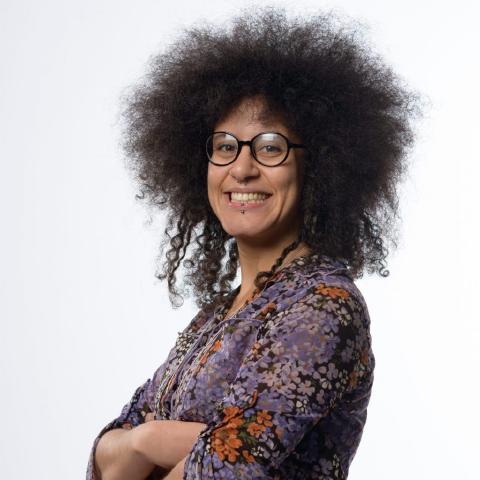
Download episode · 66 MB
Also on Apple · Spotify · YouTube · RSS
Show Notes
Welcome, Shrouk El-Attar!
- After her own experiences as a refugee, Shrouk did a campaign for equal access to education for asylum seekers in the UK. There are now over 75 participating institutions.
- Shrouk asked how The Amp Hour started, it was from a post on reddit!
- University days and trying to do hands-on tinkering without much budget
- Apprenticeship schemes
- Shrouk interned at Intel and Fujitsu
- She also worked on a device that helped train eye surgeons
- Consumer class 2 Medical Devices
- Elvie pump
- Reading the docs is critical when doing certification for medical
- Design for Test
- Doing engineering every day, but not always design
- Shrouk refers to the products at Elvie as "FemTech"
- Chris has experience with Willow and Spectra breast pumps
- The Elvie pump is piezoelectric
- The Elvie Trainer is a pelvic floor trainer to help with incontinence, which 80M+ people suffer from.
- Shrouk worked in conjunciton with the app team, who communicated with the trainer over bluetooth and developed games
- FPGAs for industrial robotics
- Shrouk's new series for RS Grassroots will help engineers understand how to outfit their bench and will be called "Trickytronics"
- Chris always recommends the Analog Discovery 2 as a starting device. Former president of Digilent Clint Cole was on the show.
- Shrouk is also an artist!
- She's a belly dancer! She does performances as a drag king and posts about it on Instagram as @dancingqueerofficial
- She can neither confirm nor deny she's working on a belly dancing robot.
- Engineering in the art world
- Shrouk is working on solo show
- Shrouk also does podcasts!
- An RS Grassroots series called Badass Engineers
- A video series called El Kanaba, which focuses on LGBT+ issues and is presented in Arabic
- The importance of representation and seeing different people working in engineering. Chris remembers the #BlackInSTEM hashtag highlighting Black scientists and engineers in different industries.
- Consulting
- The Shrouk El Attar trust (SEAT) helps support the LGBT+ community in Egypt and other surrounding nations.
- At Helpful Engineering, Shrouk worked on the OpenVent project, which was done in KiCad and used Gowin FPGAs
- They used an FPGA because they needed high throughput for sensors. They were also able to utlize the internal comparators.
- Organizing volunteers for large projects
- MHRA is the UK equivalent of the FDA (in the US)
- Follow Shrouk online!
- Website: shro.uk
- Instagram: @DancingQueerOfficial
- LinkedIn: http://linkedin.com/
in/shroukel-attar - Twitter: @ShroukELA
Transcript
Chris Gammell: This is The Amp Hour Podcast. Released July 11th, 2021. Episode 549. Creative Engineering with Shrouk El Attar. Welcome to the Amp Hour. I'm Chris Gammell of Contextual Electronics.
Shrouk El Attar: Hi, my name is Shrouk El Attar. I go by she or they pronouns. And I am an electronic engineer by day, daddy dancer by night, and 24-7 refugee. Nice to meet you.
Chris Gammell: Nice to meet you too, Shrouk. I love following you online. Your Instagram is great. And your engineering stuff is so interesting too.
Shrouk El Attar: Thank you.
Chris Gammell: You talk about the refugee stuff as well. I mean, so you're originally from Egypt, correct?
Shrouk El Attar: Yes.
Chris Gammell: And you're now in the UK?
Shrouk El Attar: Yes.
Chris Gammell: I mean, how does that impact your engineering experience? Did you go to school in Egypt, go to school in the UK? Where did your electronics background come from?
Shrouk El Attar: So I went to school in Egypt until I was 15, and then I came here. And then you have to do A-levels, which is sort of the, I don't know, do you call it secondary school in the US, maybe?
Chris Gammell: Yeah, I think that tracks. Yeah, I think so.
Shrouk El Attar: Yeah, so I did that here in the UK. And then I wanted to apply and study engineering. But actually being an asylum seeker meant that I couldn't access engineering for many, many, many years, for about six years. Oh, wow. I did not make any economic sense at all. So I'm not sure if you know, actually, but I did a campaign called Equal Access to Higher Education for Asylum Seekers. Very snappy name, I know. With a charity called Student Action for Refugees. So I went and spoke in parliament. I spoke to vice chancellors at universities. And right now we have equal access at more than 75 universities across the country, and we're winning more. So you can study engineering here if you are an asylum seeker now.
Chris Gammell: That's really great. Wow. Wow. That's, that's, that's very impressive. So thanks. That was now you're fighting for this, the right to have that. It sounds like a lot of students are going to benefit from it. When you had the opportunity to start studying, I mean, what was your, your area of expertise? I read on your website, too, it was like your interest in TV at first, and then you kind of see what was in the guts of the TV, right?
Shrouk El Attar: Yeah, I, so I remember actually, like, when I was younger, I used to watch my TV. And back in the 90s, they were huge, right? So I thought there was people living inside my TV. But there wasn't anybody. It was like electronics. But for me, that was just magic that that was real magic. And I got obsessed with electronics. When I was younger, I used to take everything apart. I used to take like my mom's mobile phone apart, which didn't make her very happy.
Chris Gammell: Right, right. That's great. That's great.
Shrouk El Attar: Yeah. How about you, Chris? How did you get into electronics?
Chris Gammell: Okay, so here's what I'm gonna, here's the thing I'm gonna say about Shrouk as well. So Shrouk also has a podcast where she interviews badass engineers. So I expected this to happen where she's going to reverse, reverse interview me here as well. You know, actually taking phones apart was one of my first things.
Shrouk El Attar: Which phones did you take apart? Were they like the black and white ones?
Chris Gammell: It was Nokia brick phones and, you know, early flip phones and stuff like that.
Chris Gammell: Oh, yeah, I love that.
Chris Gammell: But like the components were big enough to see, which is, you know, probably, you know, you think about kids taking apart phones today. Like, what do you see? You know?
Shrouk El Attar: Oh, you'll just see some like black stickers. And that's it.
Chris Gammell: Exactly. Right. You'll see something that looks like tiny flecks of color, which are maybe resistors or, you know, the big capacitors on board. But unless, unless you're a kid with a screwdriver and a magnifying glass, what are you going to see these days? So yeah, it's a...
Shrouk El Attar: Do you remember when we could replace our batteries?
Chris Gammell: Right. Yeah. Those, those good old days. Yeah.
Shrouk El Attar: Do you remember when the batteries last the whole week?
Chris Gammell: Yeah. Actually. So when I was on the show, yeah, I went to chaos communication camp, right? Which is out in Germany. And I got a, like a burner phone when I was at one of the Saturn electronics is one of the, the stores out in Berlin. And I picked up like a phone for like 10 euro. And it was the same old, you know, it was that old thing. It was, you know, a 10 year old, 10 euro phone. It's going to be old school technology and whatever, but it did. It lasted a week. And it had all the, all the classics on there, like snake and, Oh, snake. Yeah. Yeah.
Shrouk El Attar: All right. Look, what was the other game that wasn't snake? The one with the star, star shapes.
Chris Gammell: The star shapes, you said?
Shrouk El Attar: The star ships?
Chris Gammell: Oh, starships. Space ships? Yeah. Yeah. Yeah. That was like Space Invaders is one. And then, so that's like the one where like the, the little aliens are going to come down.
Shrouk El Attar: Yeah. I think that's the one actually. Yeah. I loved that.
Chris Gammell: And then Breakout is another common one where it's like the ball that's like kind of busting up bricks as it goes up.
Shrouk El Attar: Oh, I don't remember that. Oh yeah. Yeah. Yeah. Oh, I love that. Memory lane. So how did you get like from there to the amp hour podcast?
Chris Gammell: You know, just standard electronics jobs. Yeah. And then 10 years ago now there was a post on Reddit and that's where it all started, you know? So people can still go and find that post of someone like being like, Hey, other electronics podcasts. And I tried it and Dave heard it and that's kind of where we got to it. So yeah, there's, there's still that history.
Shrouk El Attar: You know, I'm just so sort of completely shocked by the lack of actual technical electronics podcasts out there.
Chris Gammell: Hmm. Well, yeah, it's, I think it's tough because it's a visual medium, right? I mean, it's like you think about when you are in school, when you are doing, you know, that beginning stuff, it's such a visceral thing to need to like see, you know, you talk about schematics. And, you know, if, if, if you and I started talking about a schematic right now, it's like, Oh, well, there's like a triangle and then there's a line to another, you know, to a squiggly or a small square. And it's just like, what?
Shrouk El Attar: And then it wouldn't make any.
Chris Gammell: Yeah, exactly. And it's so hard to visualize. And then even if you do have that schematic right in front of you, that's then representing both the physical of, you know, a SOIC package or whatever it is in the real world, but then also the functionality behind it. And just like, is there, there's a lot of layers there. What was your experience as you, as you were starting school? What was your, I mean, did you have like a physics background in high school as well? Like how was your, your early days?
Shrouk El Attar: Yeah. So what did I do? I did actually, so in Egypt, I did actually do an electronics module and we built a radio and I was like, wow, that's super, that's super fast. I had no idea what I was doing. I just know that it, I followed some instructions and then it worked and I was like, whoa, that's so cool. And then when I came here, I found it really, it's really hard to get started with electronics without having access to certain equipment. And, you know, back then I was an asylum seeker. I literally had five pounds a day to live on. So I couldn't even afford like an Arduino or anything like that. And when I got to university, it was really exciting because I suddenly had this money, but I also had access to like student societies and stuff. I don't know about you, but my university was really theoretical and we didn't get to do a lot of the cool electronics. You know what I thought electronics was? We didn't get to do that sort of on university time. I'd have to get out of my way to do that. I'd have to get out of my way to go and work for a company. For example, I worked at Intel. I worked for some startups and I worked at Fujitsu all while studying. And that for me was really just the best way to get that excitement more than the books, if you know what I mean.
Chris Gammell: A hundred percent. Yeah, that totally tracks with my experience as well. I mean, and it's so tough because I think a lot of traditional universities are built like that, right? I mean, you think about the professors that are there are the ones who enjoyed the experience and they continue that tradition. And, you know, they're doing research that is advancing probably some portion of the electronics space as well. Yeah. But that's not the main focus. And so the stuff that is that the basic level, you know, Ohm's Law and Maxwell's equations and everything, it's just, oh, yeah, we're just going to get through this stuff and you'll get to the fun stuff later. And it's like, no, I want the fun stuff now, you know, and I need the fun stuff to keep me motivated. That's what I really think about.
Shrouk El Attar: Yeah, absolutely.
Chris Gammell: How do you keep people engaged, especially students that are coming from diverse backgrounds and just like, you know, maybe no experience. Like I didn't have high school experience. And like, so I was coming in pretty fresh and I just, I got lucky that I stuck with it, I think. Like, and that I, yeah, you know, that's kind of how I look at it.
Shrouk El Attar: I wish, I don't know if you have the same programs in the US, but in the UK, we have apprenticeship schemes.
Shrouk El Attar: Oh, great.
Shrouk El Attar: Where you get a degree as well, some of them. And I wish I knew about those before going to university because that would have hands down been the best way for me to learn and keep that excitement because you're actually doing electronics and you're saying, oh God, like I remember some of these. Some of these lectures, I think, especially the ones about the comms modules and it just sounds like alien stuff. And then you actually do it and you're like, oh, oh yeah, that makes sense. Yeah, I get that now.
Chris Gammell: Right. Right. And the actual, yeah, the application on a daily basis is way different than the theory. And the theory is important, but it's like important eventually, but they kind of front load it all. Kind of like, I don't know, I don't know what UK universities as well. Like, are they, are they trying to weed people out at the beginning in terms of like narrow it on the program?
Chris Gammell: Oh, maybe.
Shrouk El Attar: I honestly felt like it was an experience of how much pressure can you cope with rather than what's the easiest way you can learn this concept.
Chris Gammell: Mm-hmm. Yes. That sounds similar as well. Yeah. It may have been just like our perception as students, right? Like it's like everything. I personally, I was melodramatic. You know, I was like, oh, no one's worked as hard as me. And in fact, I wasn't working that hard. But, but I think that from a motivation standpoint, I'm not sure, you know, like that motivation piece is so important. And like you mentioned too, I mean, like having access to the, to an Arduino or similar, like as a, as a student to have that thing outside of class, that can really propel people forward, right? Seeing what you can do with it. Yeah. So when you were in your early like internships, Intel and Fujitsu, you said like, what was the kind of stuff you're doing there?
Shrouk El Attar: So actually at Intel, would that have been my first one? It would have been my second one. So my first one was working with surgeons operating on the eye. And I had literally, seriously. Yeah. That's how I felt. I literally had, you know, one year of engineering university year under me. And I was like, oh, hello. Why do you think I can do that?
Chris Gammell: Yeah. It is like a lot of trust and it's like, you know, you feel good about that, but also like, oh my God.
Shrouk El Attar: Yeah. But I mean, I just, right now I put myself forward for things that I might not be as confident about as, as I think. But back then it took other people putting me forward for them. And I've, I've learned a lot from that. It's if I have an interest in something, I'll put myself forward for it. Even if I don't think that I can do it a hundred percent, because I will learn to do it a hundred percent, you know, three months in. Yep. But with this, it was actually, you know, once I simplified the problem, it became really simple to me. And I sort of compared it to a game I used to play. So basically they needed to know how shaky the surgeon's hands are, how nervous they are. Can they finish the operation in, in that sort of normal time or not? So all I needed to do is use the probe that they're already using, right? Add gilbionic skin response, add accelerometer, you know, add time recording. And that's all I needed to do. It wasn't hard. It was just.
Chris Gammell: I mean, I was, I would think first year Chris would be like, I don't know any of those words you're saying, but yes. I think once you have that library. Yeah, exactly. I mean, like, so what were you using as a reference point for that? I mean, did you already have expertise with the accelerometers and galvanic and similar?
Chris Gammell: No, it was the first time for me to use all of the above.
Chris Gammell: Oh, awesome. Yeah. Yeah.
Chris Gammell: I used a, I can't, I think I used like some really old pick microchips, like a pick 16 or something.
Chris Gammell: Yeah. Yeah. Yeah.
Shrouk El Attar: But yeah, it's just, I don't know what people did before the internet. Like everything was there.
Chris Gammell: Yeah. Right. Yeah. Yeah. Yeah. Yeah.
Shrouk El Attar: I didn't have to deal because it was for surgeons in training. It didn't have to be production. So I didn't have to do all the like IEC 60601 or, or like the FDA 510K or anything like that.
Chris Gammell: I was just like, here's the thing. It works like have fun. Bye surgeons.
Chris Gammell: Enjoy your data. By the way, Bill, you're really shaky and you should probably not be a surgeon.
Shrouk El Attar: Exactly.
Chris Gammell: Yeah. That's great.
Shrouk El Attar: You're a consultant, right? Most of your time when you're not doing a podcast.
Chris Gammell: That's right. Yeah. Yeah.
Shrouk El Attar: And you deal a lot with medical electronics.
Chris Gammell: Oh, very little actually.
Shrouk El Attar: Really?
Chris Gammell: Yeah. I think because, yeah, because, you know, there's some of it's regional, I think. I'm in the Midwest and a lot of this is, there is medical here, no doubt. But like, I usually focus on industrial if I can, just because I like that, that space. It's kind of older technology. There's a lot of room to build new things and do it. A lot of IOT stuff. Yeah. And medical has, if you do, like you mentioned, right? If you get to production, there's so many restrictions and just overhead.
Chris Gammell: Oh, trust me, I'm putting my hair out right now. It's all going white. All of my hair is going white. Well, I can't talk too much about the current work that I do. Okay.
Shrouk El Attar: But yeah, it's hard but exciting because working in consumer electronics, where you're a class two medical, so you're not like, you're not, you're not sort of the ones that will take 10 years to produce something. Yeah. So you're both in consumer electronics and a class two medical. So a lot of people sort of know the things that I work on. So when I say, oh, like, do you use the LV pump? A lot of people will instantly recognize what that is. And I, and I really love that. I love that so much.
Shrouk El Attar: That's great. Yeah.
Shrouk El Attar: But yeah, there's a lot of documentation and certification and, you know, proving things are safe, but it's not, it's not as hard as I thought. Like I just used to hear those, you know, big terms and be like, oh, medical electronics is scary. It's not, it's not, it just takes you sort of knowing what, what to do. I was also worried because it's a lot of RF technically, because everything I make has Bluetooth on it. Everything is wearable. So there's a lot of battery management and stuff like that. But I mean, do the same PCB twice, basically just change a few things. It's you don't have to be an RF guru, you know, to make something with an NRF on it.
Chris Gammell: Yeah. Yeah. I've been noticing that as well. Like once you find a working design, you just don't touch the antenna section and then we're good to go. Right. New sensors, new interfaces, stuff like that. And it's going to, you know, it'll have a good shot at passing FCC or equivalent. And it's like, that's, that's a, that's a good start as well.
Chris Gammell: Exactly. Exactly. Yeah.
Chris Gammell: On the regulation side, you said, I mean, like, is it kind of knowing where the pitfalls are or is it like, is it just kind of sticking with it is the important part. I mean, like, what is the key to moving things forward in, in a medical space like that?
Shrouk El Attar: Honestly, from my experience is read it properly.
Chris Gammell: Okay.
Shrouk El Attar: Really just know what you need to do, what you need to pass. And then, you know, submit your submission. I think a lot of people don't really read it properly. And I think that's where sort of you get the back and forth with FDA or, or MHRA or whatever buddy you're trying to pass this with. I also learned, I learned the hard way about like designing for testing some DFT. So if I worked with something that had the antenna basically buried the other side of the PCB. So I'd have to literally drill into the product for the BNC to be accessible. And that, that is not fun.
Chris Gammell: Yeah, that, uh, I guess you'll have limited number of units then too, that are like drilled out and it's tougher to like get stuff off the line then that might be accessible or, or whatever. So.
Shrouk El Attar: Yeah. Yeah. Have you had any issues like that?
Chris Gammell: You know, a lot of stuff that I've been doing has been less, you know, more prototype kind of level stuff. So like some, you know, stuff moving into testing.
Shrouk El Attar: Even as a consultant.
Chris Gammell: Yeah. Yeah, exactly.
Shrouk El Attar: Tell me more.
Chris Gammell: Like about the prototype or about the, about the testing stuff?
Shrouk El Attar: Uh, well, I guess about how most of the stuff you've been doing have been prototypes rather than, uh, I guess, would you, I guess that's still a product, but something that needs to pass regulations and stuff.
Chris Gammell: Yeah. So like a lot of times, you know, I'll be there for early prototype or, or as I like to call it the fun part, and then it'll get handed off to a manufacturer and then I'll help guide it through some of the later certification stuff. But it's not like, you know, it'll go to a design group that might redesign parts of it to make it pass certification or to go to high volume or similar. Right. So a lot of proof of concept type stuff in those early days.
Shrouk El Attar: Oh, that sounds so much fun. That sounds like all the good stuff without all the bad stuff.
Chris Gammell: Yeah, exactly. Exactly. Well, and that's one thing that I kind of think about when you talk about this too, like, it's like, you think about, you know, a consumer product and like all the certifications, all this stuff, there's just a lot of paperwork there, right? There's a lot of things that are like, if I think about my younger self, right, we're talking about student days as well. I thought like engineering was going to be like, every day I designed something new.
Shrouk El Attar: And it's like, well, 5% of my time.
Chris Gammell: I don't know. What would you put your percentage at?
Chris Gammell: Oh, I'm just trying not to cry while, while thinking about the percentage.
Chris Gammell: Yeah.
Shrouk El Attar: Oh, I don't know. I do. I would say I'm doing, you know, something that's definitely engineering related every day. It's just not always design. Like it could be awesome. Especially at startup as well. There's only a few of us to support all the electronic engineering for the entire company. So we are doing the design. We are doing the firmware. We are doing the testing. We're designing the tests and we're doing the tests. And also sort of, let's say there's a mechanical product. So there's no electronics on it. But the equipment that tests that mechanical product will still be us. So we're doing lots of different things, which I would say 70% of the time is really fun. 30% of the time it's not. Especially, I'm talking especially about repeating the tests. Oh, not fun. Not fun.
Chris Gammell: Yeah. Right. Right. And so I think like I, as a consultant, I get to do a little bit more of maybe the fun early stuff. But then the thing that I found too is like, I'm trying to get more into firmware. And I find that the firmware stuff, because there's more revisions needed and more features that get to be added. I feel like with hardware specifically, it's like, it's kind of, it's not one and done, but it's like, if I'm doing things the best I possibly can, there should be very few revisions. And that means less design overall, right? Less tinkering with things, less trying things out. I mean, I'm guessing you're doing firmware as well, or do you have team members?
Shrouk El Attar: I'm doing more hardware than firmware. There are some of the team members who are based completely from home, so it makes sense that they do most of the firmware. But I do a little bit too. So I know from the podcast, I know that you use the NRF52s a lot, right?
Chris Gammell: Yes, that's right. Yep.
Shrouk El Attar: Love them for hardware, hate them for firmware.
Chris Gammell: That's right. That's right.
Shrouk El Attar: Is that too hard?
Chris Gammell: No, no, I think that's right. I mean, like the NRF52, the NRF5 SDK is kind of, it's a love-hate thing, right? I mean, it's like you can get things up and going and demos going, but then it's like taking that production, you know, making that more solidified. It's, well, that's when, you know, I'll go listen to Alicia and Chris over at Embedded FM talk about it too. And they, you know, it's not like, it's not like it's just us as hardware people being like, you know?
Shrouk El Attar: Yeah, no, I'm finding sort of the firmware side from that. So not like the tool chains are, are not super intuitive. But, you know, once I get something working, I'm like, oh yeah, that's amazing.
Chris Gammell: But then, but then you try and start something new and it's like, oh no, which linker file do I need here? Yeah, exactly. Oh no, don't look at the make files. They're awful. Yeah.
Chris Gammell: Yeah. And so I've been doing more Zephyr stuff as well lately. And that's been.
Chris Gammell: What is Zephyr? Please educate me.
Chris Gammell: Zephyr is a real-time operating system. Some of the, some of the Nordic people work on it. And basically it's like a layer above the NRF5 SDK. And so basically it's, when I think about like, I was working with Bilal, who's a firmware engineer I was working with, who was doing a lot of that. But I got to learn from him as well, but like, but I've also been doing some as well. And it's more like, it's kind of almost close to the Linux where you're kind of patching stuff together versus necessarily writing a whole bunch of custom things. And so it's a little bit better, but it's got, that then has its own challenges of, you know, learning in a real-time operating system and just working within that. You know, they'd feel like when you're using the Nordic stuff, there's this very well-defined, it's like, oh, I'm using, you know, a Seger J-Link. I'm using Seger Embedded Studio. I'm using everything in this tool chain. I can go and Google for it. And there's a little bit less of that these days, it feels like. So, yeah, I don't know.
Shrouk El Attar: I'll check that out.
Chris Gammell: Yeah, it's tough no matter what, right? I mean, I'm sure you have to debug products. Well, you've mentioned already, right? You have to debug drilling holes through plastic and similar, right?
Chris Gammell: Oh, not my finest hour.
Chris Gammell: It happens though. So, so you'd mentioned the LV pump. You said you can't talk too much about the output. But I mean, working in this space. So LV is a, it's a pump for breast milk. Is that right?
Shrouk El Attar: Yeah. So LV is a company that makes many products, including the LV pump. So LV is, I guess, would be in the femtech space. A lot of people would describe femtech as technologies for women. I like to recognize my trans siblings out there. So I say technologies for cisgender women, transgender men, and some non-binary people. Basically anybody who gives birth, anybody who breastfeeds anybody with a vagina. And I love that I work in an engineering space where I can use these words, you know?
Chris Gammell: Yeah. Yeah.
Shrouk El Attar: Because it's very much present in my personal life. And I've always felt this divide between my professional self going to work professional in quotation marks. And then me, shrewk, shrewk the person. And it's been really nice to just be me day and night. I love that so much. And I love that I work with people who have similar beliefs and shared values. And I've never been in an engineering office with so many women before. Like, you don't know what you miss out on until you experience it. And you're like, oh, oh, is this what it's like? Oh, that's nice. You know? Can we have more of that?
Chris Gammell: Yeah. I mean, how do we get to more? I mean, like, so, you know, we talked a little bit before the show too. It's like, you know, women in engineering also have to like deal with like the, oh, what's it like to be a woman in engineering? But it's like, how do we get to that more? I mean, like, what is, is there a magic formula about Elvi? Is it just the space? I mean, how do we, how do we get there? In your opinion?
Shrouk El Attar: I think, I guess Elvi is cheating because they are a femtech, right?
Chris Gammell: Maybe, but it sounds like a very, I mean, a very interesting, you know, space. As you know, I have a daughter and my wife's breastfeeding. And so like, I've been around these products as well. Like, you know, portable breast pumps. Oh, how are you finding them? The portable ones, I mean, are, I forget the one that we have. I should look up the one that we have here. Oh, it's a willow. So it's a willow pump.
Shrouk El Attar: A willow, yeah. I've heard of the balance, yeah.
Chris Gammell: Yeah. And, you know, like the tech is very impressive. It has to be super intuitive. There's high sensitivity type of stuff. We also have a plug-in one from Spectra. And so I also have experience with this. My sister actually runs a lactation clinic. So like, I've also like seen it from that side of things. And the Spectra is very simple. It's just like a plug-in. It's pretty standard. Just like, it's just, there's a, there's a diaphragm inside the pump heads. And so like, so it separates milk from, from air. And it's like, that's very straight ahead. On the, the willow, it's, you know, it's very interesting peristaltic action. And just like, yeah, I mean, the, the technology in there seems pretty intense. So not to mention it has to be, it's cost constrained and high volume. So I'd imagine there's a lot of challenges there.
Shrouk El Attar: Yeah, yeah, yeah. So the thing with the LV pump is we basically exploit piezoelectricity to achieve silent pumping. So it should be a lot quieter than the willow. Yeah. So you can literally go to a meeting and pump at the same time and nobody will know that you're pumping. Yeah. I love that because it took like close to 200 years, 160 years, something like that to come up with something that actually works for humans. And it's just, it's just upsetting, you know, why, why did these people's needs not sort of get taken seriously before? Yeah. And yeah, there's just a lot of politics for me in it. And it's really amazing being part of that change that actually sees people as people and not just, you know, slap pink on something and say, oh yeah, there you go. That's for women now. So, but yeah, there's also, I'm not sure if you know, but there is the pelvic floor trainers. So these are the two products I can talk about because they're, they're out on the market. No NDAs here. And the LV trainer is basically a trainer that you put in your vagina, especially if you suffer from incontinence. So it trains your muscles, your pelvic floor muscles, and then you have things like less leakage, for example, or you could be perfectly healthy, but want a better sex life. So it trains those muscles for those people too.
Chris Gammell: And not, and not a customer of goop, right? With the, the jade, the jade stones or whatever Gwyneth Paltrow is, is selling this week. It's a, yeah, it's an actual, yeah, there's, it's, uh, Oh, isn't that the actor? Yes. Is that an actor? Yeah. Yeah. She's an actor. I'm so sorry.
Shrouk El Attar: I'm really not down with the kids.
Chris Gammell: I'm like, she has this lifestyle brand where basically she's trying to sell something that has a similar training methodology, but it's like, they charge like $500 for these like jade rocks that are just basically rocks that are put in there. It's yeah, it's, it's insane. So I'm not a fan of hers. I mean, I'm a fan of making fun of it, but it's not, uh, it's not as effective as something like this, where it's an actual product that actually trains and helps. So that's, that's wonderful.
Shrouk El Attar: I heard she said that she brought yoga to, to the West or something. Oh my God. I'm like, um, have you heard of Indian people?
Chris Gammell: That's right. Exactly. Exactly.
Shrouk El Attar: But yeah, what I actually love about the LV trainer is there are millions of people, about 80 million people suffer from incontinence in the world. Uh, so incontinence is when you can't control your bladder and about 80% of people who give birth will suffer from incontinence.
Shrouk El Attar: That's right.
Shrouk El Attar: But it's something that people don't discuss. It's a taboo. People don't talk about it. So actually people don't know that it's something that could happen to them until it does. So I'm making all of these really cool tech and also smashing through those taboos and human rights. And I'm just like having the time of my life right now.
Chris Gammell: That's amazing. Yeah. I mean, yeah, I, I think as the husband of someone who gave birth, it's just like, it is, there are so many things that are unspoken about the process and it's, yeah. I mean like just thinking about like, like, so, you know, like my wife going back to work and thinking about like pumping during the day and things like that. And, you know, just, just thinking about, so my very removed experience from all of that, but just thinking about, you know, women who I've worked with in the past who have had to do breast pumping milk, right. And just like thinking about that is this very important part of their day that then it's kind of relegated to like, in the worst case, you know, some women are told like go pump in a bathroom or, you know, like they, they're tethered to the wall or, or similar. And it's just like, because there's, you know, they have to be plugged in.
Chris Gammell: Honestly, they think women are cows, like dairy cows. I feel.
Chris Gammell: Right. Exactly. And so like, so it sounds like the piezoelectric thing. It's silent. Like you said, it can be, you know, discreet. It's non-invasive, but piezoelectric is very interesting in that way as well. Like, so what is the actual like piezo action that's happening there? So it's like, you're applying voltage to a, an element and it's like contracting or how does that actually work?
Shrouk El Attar: So it's actually like a small, a small pump that just creates suction. When you apply voltage to it, we don't make that specific part. We've got somebody else that makes it for us, but yeah, it's really, it's really cool stuff.
Chris Gammell: Yeah. That's great. That's great. And I mean, the, the quiet nature of it too. Like that's, that's really, really great.
Shrouk El Attar: Yeah. I've heard breast pumps. They are loud.
Chris Gammell: Yeah. Right. Exactly. Yeah. Yeah. You'd mentioned as well. So like these are connected as well. So then is there like a whole app ecosystem that's like integrated with this or how does that work?
Shrouk El Attar: Yeah. So I don't actually work on the apps at all, but there is the software team works on the app. But yeah, all of the breast pumps and the pelvic floor trainers, the electronic ones, not the mechanical ones. So we have some mechanical products too. So completely passive pumping is there are connect to your phone if you want them to, but especially the pump works without connecting it to the phone either. But my team would be doing the firmware on the, on the pump itself.
Chris Gammell: Got it. Got it. And then, so, so basically what were the things that were like actually interfacing to like the NRF 52 or equivalent microcontroller? So basically like monitoring the pump output or is it like IO or what was actually being controlled from the phone and, and interfacing there?
Shrouk El Attar: I'm sure that's okay to talk about, isn't it?
Shrouk El Attar: Cause they're out. I'm sure.
Chris Gammell: I mean, we don't have to like give schematics or anything like that. Yeah. Mostly like, is it like a sensing or, or is it more just kind of.
Shrouk El Attar: Yes. So there's an MCU. It's actually not an NRF on, on the, on the LV trainer. It's an STM 32, I think. There's pressure sensors, accelerometers, all that stuff, really. Obviously a UI. Yeah.
Chris Gammell: That's great.
Shrouk El Attar: Does that, does that describe it?
Chris Gammell: Yeah, no, that's, that's great. I guess with the trainer too, I'm not as familiar with like what that would like be. Right.
Shrouk El Attar: Yeah. Cause, so that's interesting because I thought, so I joined the, after the trainer's already been designed. Uh, and I assumed we'd be using sort of strain gauges. Uh, but we're using force sensitive resistors, which look like strain gauges, but are not. Yeah. Do you know about those?
Chris Gammell: Uh, I'm not sure. Uh, let's, let's just go with, let's go with no. And that way, even if I did know what it was, it'll help explain to others.
Shrouk El Attar: I mean, it's, it's, it's really simple. It literally just connects to a microcontroller. It senses, it senses the force that's on it and then it can translate it back to a game actually on your phone.
Chris Gammell: Okay. Interesting. Okay. So, so basically, so women who are training with this inside of them and basically like they're like told to like squeeze and then this gives kind of like, like biofeedback effectively.
Shrouk El Attar: Yeah. So there's a few games that you play on, uh, on the mobile app. I know, cause I do actually have a trainer. So I've used it. There is some of them sort of avoiding obstacles. Some of them you need to stay over a line.
Chris Gammell: Some of them. Yeah. Some of them are like.
Chris Gammell: It's like flappy bird. It's like basically. Yes.
Chris Gammell: The graphics are really cute too.
Shrouk El Attar: They're nice vector graphics. Uh, yeah. Check it out. Play a game with your vagina. Everybody heard it here on Ampower podcast.
Chris Gammell: That's right. That's interesting too. I mean, like I remember like that is an interesting control surface, right? Like as an, as an alternative, I don't think it would be used in general, like outside of this quasi medical application. Right. But like, there are like alternative. Uh, I think there's accessibility type things like that, where basically you have, you know, they, they show up like a controller. Right. But like basically having different body movements or equivalent that would be able to control the, as the input to a, to a game. Right.
Shrouk El Attar: Yeah. I've seen a, not game, but I've seen technologies that uses people's eye movements if they can't use the rest of the body and sometimes pressure from the mouth and stuff. It's, it's, it's really, really creative. Lots of different ideas out there. That's, that's what I love seeing. You know, that's the creativity that I think is missing from engineering, especially when you go and work sort of not all corporate environments, but most corporate environments, you sort of get cornered and made to specialize in, in something which works for a lot of people. It didn't work for me.
Shrouk El Attar: Mm-hmm.
Shrouk El Attar: For example, at my previous role, I worked on industrial robotics and I got really good at designing hardware, like for FPGAs, but that's all I could do basically because that was just my job. You know, here is a new FPGA, make some schematics, you know, that go around it. I've barely, barely done the VHDL itself for it. And I'd even have to, not all the time, but most of the time I'd have to send it to like a PCB layout engineer who'd lay out my PCB for me. And I'm like, oh, like the many times where I'm like, these pins are not swappable. Right. Right. And then you have to send it to somebody else. So you have to trust that they're going to read the notes and then they swap them. And you're like, you know, if I did my own PCB, that would have been so much easier for everybody involved. Thank you very much.
Chris Gammell: And so you're saying now at, at the, at the new role, you are kind of, it's, it seems like you said it's a smaller team. So you're kind of taking a more holistic design approach. Is that right?
Shrouk El Attar: Yeah. So we do everything. All of us do everything. And that's a lot, it's a, it works a lot better for me and, you know, specializing in something is not bad. It works for a lot of people too. But, you know, if we did have that creativity in engineering and encouraged it more, maybe it wouldn't have taken 160 years to come up with a breast pump that doesn't make women feel like the dairy cows.
Chris Gammell: Right. Exactly. Yeah. I mean, that's great too. I mean, so what, what are some of the other things that you've kind of been jumping into? What are, what are some of the technologies you're excited about trying out and, and you've been designing with?
Chris Gammell: Oh, Chris, I just made my own lab at home.
Shrouk El Attar: This is what quarantine does to you. Yeah. So I'm starting a new show really soon. I've not told many people yet, but it's going to be called Shriekytronics, the Shrieky show about electronics. Oh, I like that. I know. See what I did there?
Chris Gammell: Uh-huh.
Shrouk El Attar: And, uh, I think the first season is just going to be about sort of the equipment that I've got. Um, so it's sponsored by RS grassroots education, uh, which is part of RS components. Uh, so I've got all of this really cool and mostly free equipment that I'm really excited. That's great. Yeah. Yeah. Yeah. To talk about.
Chris Gammell: Yeah.
Shrouk El Attar: That's what else I've been doing.
Chris Gammell: Well, I was just going to say like the, I mean, the fight, I mean, like you'd mentioned like the, you know, getting started and like not having money as a student, but then like even as I remember, like, as I started, I was in the same boat and then I got my first job and I started like having stuff at work, but then it's like thinking about building out a lab at home and it's like, okay, but at that point, then what? Right. Like when, where do you start? Where do you at prioritize? You know, what should I buy a DMM or a power supply first? What can, you know, what is the bare minimum I need to get to the point of building stuff
Shrouk El Attar: at home and it's tough.
Chris Gammell: It's tricky, right?
Shrouk El Attar: Yeah. So what would you prioritize first?
Chris Gammell: Well, I usually tell people is if they can swing the dollar amount, I usually push people right towards the analog discovery tube. I think that is, I think that is the best starting one. It's like 250 to $300 from Digilant. It's a, and I really like that it's portable and it's got a scope input and it's got a logic analyzer and power supplies and basically everything that someone might need to get started. It's not going to be like the be all end all, but like, it's a lot of software input.
Shrouk El Attar: I'm completely lost. I don't know what you're talking about.
Chris Gammell: Oh, that's okay. Yeah. So it's a, so analog discovery too is a, is like this tiny like brick that Digilant sells. And we've actually had Clint Cole, the former president on the show.
Chris Gammell: Okay.
Chris Gammell: Five or six, probably like eight years ago now. Oh, and, and they had this, this program that basically interfaces to it. And internally, like, like what you just used to design, it was an FPGA internally. And so they wrote all this software that basically reconfigures the FPGA and has like a software stack. And so there's, you know, there's some analog front ends in there for doing like oscilloscope style functions and power supply outputs that are adjustable. And it's just kind of a multi-tool. It's like a Swiss army knife for electronics and it's not cheap, but it is. It is very capable. There's a slightly cheaper version from analog devices. I believe it's called the ADALM 2000. And that's like 150 to 200 depending where you are. So like those kinds of multi-tools just at the beginning, I feel like, think those are the best. What do you, what do you, what do you usually recommend first?
Shrouk El Attar: I have an unpopular opinion and I'm going to break, break some hearts now.
Chris Gammell: Okay.
Shrouk El Attar: I don't think that you need an oscilloscope.
Chris Gammell: Oh, interesting. Okay. Mic drop. Don't drop your mic. Oh, no, no, no. I think, you know, like it depends on what people want to do, but I think that's not, that is not too far off. I think that it depends like where people want to start with things, right? If they're, I think the first piece of gear probably should be something closer to like an Arduino and a bunch of LEDs. But it's like, if people are then past that point already, then if they're saying like, oh, I actually want to do, get some test gear for whatever, then that's usually when I push them more towards.
Shrouk El Attar: So I'm talking about past that point. And I think I just, I don't, I don't use an oscilloscope. I've got a logic analyzer. I don't use an oscilloscope that often. And it's like, when, when the signals are muddled on the logic analyzer, you can, you can get your scope out.
Chris Gammell: But I think Shrouk, you might just make better designs than I do, because usually what I need to find out is like, well, why is my serial bus, or is my serial lines like they aren't doing anything? And then I look at it on a scope and I'm like, oh, look at that. I have the serial line going to four different pins and they're all pulled at different
Chris Gammell: voltages.
Chris Gammell: So I think your designs might just be better to start with.
Chris Gammell: No, I don't think so. But I do have a scope as well.
Shrouk El Attar: It's one of the things that I think is important to have in a lab. But I think, you know, if you're really super tight on budget, I don't think it needs to be the first thing you have. And I'm not talking sort of Arduino level at all. I'm talking if you want to have a proper, you know, electronics lab and make PCBs, I think you can get by without an oscilloscope. What do you think about those Picoscope things? I've not really used those before.
Chris Gammell: Those are also PC-based, right? The Picoscopes?
Shrouk El Attar: Yeah. So you can plug them into your computer and then your computer becomes a oscilloscope.
Chris Gammell: Yeah, I think they're okay. I mean, you know, you got to watch the specs. I think some of the ones that are like the very low end are like so low end that it's kind of like, why bother?
Chris Gammell: Yeah.
Chris Gammell: So as long as they can do 10 megahertz or so, you know, that's probably enough for people that are getting started. And then, you know, they can, and they do move up, right? The Picoscopes move up into higher end stuff. And there's other USB, even like Tektronix and Keysight make like PC-based scopes. Yeah. So I'm not against them. It's just that I don't, I don't have one. Do you have one on your bench?
Shrouk El Attar: No, no. I was offered one and I was like, I'm a bit old school. Can I please have a bench top oscilloscope? Thank you.
Chris Gammell: Yeah. Yeah. I think it is limiting to have like a PC-based thing, anything like that. But it's like, but then I think it comes down to like, if, if you're okay, if say you have a, you know, a bench computer or a laptop with a bunch of screens, I feel like once you have more than one screen, then a PC-based scope or, or tool is, is okay with me when it's like, I have one screen that's, you know, my, my code and also a scope trace and a logic analyzer and everything and I have to like switch between them, like alt tab between them. That's, that's when things get a little bit, a little dicey. I think that's a good idea for a series. I think.
Shrouk El Attar: Yeah. I'm just looking at my lab and I'm like, sorry, what's a good idea for a series?
Chris Gammell: I think that the, the, the tricky Tronics, that's a great idea for a series. I mean, where is that a YouTube based or where, where are people going to find that?
Chris Gammell: I need to break into YouTube and I'm really scared of YouTube.
Shrouk El Attar: There's too many videos there, but most of my stuff is on LinkedIn. Or Instagram. So on Instagram, I'm at dancing queer official. Cause I am dancing and I am queer and I am official. Yeah. And on LinkedIn, it's true. Colata, which you can, you can have fun trying to spell.
Chris Gammell: We'll have, we'll have links to all that of course, later. Have you found, I mean, like, I feel like as well with like LinkedIn, well, LinkedIn, I feel like it's a very specific, like, you know, pro crowd, you know, like people that are at work and feeling okay. Browsing social. I've done that before. And I feel like it's, it's, you know, that's great. It's been interesting. Instagram is interesting because it's, it is so visual. I mean, do you find there's a lot of interest in electronics on the, on Instagram?
Shrouk El Attar: Honestly, when I started Instagram, I only posted my belly dance stuff.
Chris Gammell: Okay.
Shrouk El Attar: So for those who don't know, I am a drag king belly dancer called Dancing Queer, uh, as well as electronic engineer.
Chris Gammell: Yeah. Yeah.
Shrouk El Attar: And, uh, I, most of my followers followed me for, for that reason. So it ties in a lot with the LGBT plus work that I do in Egypt.
Chris Gammell: And you have a show about that as well, right? You have, uh, the, the couch, I forget what the, it was a name in Arabic, right?
Shrouk El Attar: Oh, how did you translate it?
Chris Gammell: No, I was watching one of your intro videos for it. And, uh, you had mentioned the, yeah, it's couch in Arabic.
Shrouk El Attar: Il Kanaba, which means the sofa. So, um, it was a 12 part series plus that, um, donations episode as well. So we've actually gained 27,000 views or a bit, a bit more than that. And it's a show by LGBT plus Arabs for LGBT plus Arabs. Uh, and it speaks positively in my own language in Arabic about LGBT plus people, which is really rare. It shouldn't be rare, but whenever sort of, I hear LGBT plus coverage in Arabic is almost always negative. So it's really nice to have that space.
Chris Gammell: Yeah. That's great. That's really great. Yeah. And so then, so then you're also now mixing in electronics with the, the dancing queer official on Instagram as well, or.
Shrouk El Attar: Yeah. Yeah. Yeah. Uh, so I have a bit of a mix of audience. So I, I.
Chris Gammell: No, that's great though. I mean like that, because like, I think about like, you know, thinking about like, we, we talked at the beginning of the show about like being exposed to electronics, right? So like you'd mentioned the TV and taking about cell phones. That was something similar as well. But like, you know, if people don't have access to that and have role models like you, like how do people get into it? I don't know. I just think so much of it is luck. You know, the fact that I found something that I enjoy as much as I do is I just, I feel so lucky about it. Absolutely. And, and so like, you're probably going to show someone who's watching it for belly dancing or similar and then they're like, Oh, wait a second. This is, this is me. I could, I could see myself doing this.
Shrouk El Attar: And that is so important for me. Like I said, I really want to bring a lot more of that creativity into engineering. And I want actually to bring a lot of that engineering into the art world as well, because actually I think being an engineer makes me into a better artist and being an artist makes me into a better engineer and having ADHD makes me bad at everything. No, I think it could be great too, because like once you learn how to harness the power of ADHD, I think it could be something that's really powerful.
Chris Gammell: Yeah, that's great. I mean, so I have seen a lot of engineers with like artistic bent. How do you think the engineering helps the art? I mean, in what way do you think there?
Shrouk El Attar: It really is just the way of thinking about things. And for me, I'm working on my solo show this year, the dancing queer. And I, I'm really excited about, cause I make my better dance costumes as well. Then I'm really excited about incorporating electronics into that. And so having that understanding, even if you're not doing it, I think makes much better art.
Chris Gammell: Yeah. That's awesome. I mean, yeah. I mean, and so like, are you going to have like, I'm imagining LEDs or similar or some kind of accelerometer you'd mentioned earlier. So yeah.
Shrouk El Attar: And so I don't know if I should say now, but something else too.
Chris Gammell: Okay. All right. That's, that's awesome.
Shrouk El Attar: I don't know. Maybe a belly dancing robot. I didn't say anything.
Chris Gammell: That's awesome. Wow. I mean, yeah. And like, I think about the people that I've met or had on the show or similar, like there's a huge interest in the artistic world, of course. I mean, like people that are want to enhance their, their shows or, you know, that we've had people on that help people build up their shows as well. Do you find people that then do want to like learn the electronics and, and do it themselves? Or do you feel that kind of separation then?
Shrouk El Attar: In the art world?
Chris Gammell: Yeah.
Shrouk El Attar: I see a lot of people who are really interested in it, in the art world, but think they can't do it. And this is why it's important for me to do their shows like Shrieky Tronics, like Badass Engineers, because I don't know if you've seen what the guests on my Badass Engineers series look like, but they look nothing like what I was taught an engineer looks like. And most of them are doing work that I was not taught an engineer could do. And I just showing people representation is really powerful being like, Hey, no, you can do it. If you're interested in it, that's enough.
Chris Gammell: Yeah. Right. Right. Exactly. Yeah. And so we, I think I've alluded to the Badass Engineers, but what, what is that show? So this is a series you did. Is that right?
Shrouk El Attar: Yeah. So it's a series I did, uh, also sponsored by RS Grassroots Education that interviews, well, badass engineers really. I've interviewed. Good, good. Well named. Yep. Yeah. Not just the pretty face. I've interviewed a drag queen scientist, a robotic flight controller at the Canadian Space Agency, a rocket scientist. But also, you know, showing people what they look like is really important for me. So I will release it as podcast episodes as well. But having that video element for me was very powerful.
Chris Gammell: Yeah. During last year, there was a lot of like representation in science and just showing that, you know, people of all backgrounds and, you know, creeds and everything like are scientists and working on cool stuff. And this is great to have this in the engineering space as well.
Shrouk El Attar: Yeah, totally.
Chris Gammell: Yeah, I think it was black in STEM was one of the, was one of the hashtags that was happening. Yeah. That I was following.
Shrouk El Attar: I might have seen that actually. Yeah. Yeah.
Chris Gammell: It's, it's great. I mean, like that kind of stuff is like you mentioned, it's really important to just show that, you know, it, it's not this like monolithic, you know, I always kind of think of the, you know, you watch Apollo 13 and like, you know, the engineer with like the pocket protector and the thick black glasses and like the short sleeve shirt. And it's like, they like looked super monolithic. And that has been the view of engineers for a long time. And it, it, it's no longer like that. And it doesn't have to be like that.
Shrouk El Attar: You know what though? Like I, I definitely want to want it to be diverse, but I always get a bit scared if, if that means we're going to get paid less. So I don't know if you know that statistic, but.
Chris Gammell: Oh no. Yeah.
Shrouk El Attar: Yeah. So, uh, once a job becomes predominantly male, it gains prestige. The salaries are high. So a really good example is, uh, computer programmers. So they used to be primarily women, primarily black women, actually. They used to be paid a fraction of sort of what, what we're paid today and used to be seen as a menian job. And the opposite happens as well. So people in, uh, so ticket offices, people who sold tickets and, and stuff like that used to be predominantly men. They used to be paid a lot more. I think now the pay has dropped to about by 60%. Uh, now that there is more representation and I'm like, Oh, you know, when, when there are women, are we going to get paid less?
Chris Gammell: Uh, that's a interesting question. I, I don't know. I don't know what that would be. I think, you know, I think one thing that will be part, I mean, I think I see a huge need for like just more engineering overall. Right. I mean, there's just so many problems out there to be solving. And I think that if there was, you know, you'd mentioned what 160,000 people need to be trained each year to, to just, just to replace engineers. Right. So if it became 300,000 then, and there was more representation within that 300,000, then yeah, I could see that, you know, like a supply and demand kind of thing. Yeah. Maybe, maybe impacting pay, but I'd hope if it was just 160,000 replacement, but it was much more representative of, you know, actual demographics than yeah. I sure as hell hope not, you know, like, like that would be terrible.
Shrouk El Attar: I hope so. I hope so too.
Chris Gammell: Hmm. Well, I think that's, uh, that's something we got to kind of keep vigilant for. And yeah, I don't know what, I mean, so the, I'm very curious to actually, you know, some, something I, I hear about from the consultants, I know kind of us versus UK versus, you know, Eurozone in general, like just all over the world. It's interesting, you know, in terms of pay, like just hearing about expectations and how things are different. And the UK was interesting. Cause I've talked to some consultants over there too, and it's, it is lower rates in general.
Shrouk El Attar: Is it lower than the U S is it?
Chris Gammell: Yeah. It's much lower actually in terms of just like healthcare. Yeah. I mean, yeah, that could be part of it. Right. I mean, it's maybe it's baked into there or similar, but like I was, I was surprised about that in terms of the, the kind of the expectation of how much a consultant could charge or are charging actually.
Shrouk El Attar: Oh, I mean, I, I had no idea. I thought it'd be on par because I would have thought the same. Yeah. In the UK anyway, consultants earn a lot more than, than people who just go to a salary job. So I just, because they're earning a lot more, I just, in my head, they're like, Oh yeah, the rich, so the rich everywhere. I had no idea. I had no idea that that is different. Yeah.
Speaker ?: Yeah.
Chris Gammell: I guess over here, they're just extra rich or, you know, if I meet any of them, I'll let you know.
Shrouk El Attar: Can we stay friends please? How did you get into consultancy Chris? Cause you're doing a course about that soon, aren't you?
Chris Gammell: Yeah. Yeah. I've been doing that three years now. I got into it because I was at a company where I was asked to do more marketing and I, I wanted to do more, you know, technical stuff. And that's kind of, you know, like I felt the technical stuff slipping away and you know, I would be up till three in the morning doing PCB design. And my wife's like, why aren't you, I guess my then girlfriend, now wife, but like, she's like, why aren't you doing this full time? Why aren't you, you know, why don't you want to do this? And I was like, I can, I have this other job. And she's like, well, you can quit that other job. And I was like, yeah, okay. Yeah. That's, that's actually a really good point. So, uh.
Shrouk El Attar: So you were staying up until 3am doing that for free, like for yourself.
Chris Gammell: That's right. Yeah. Just for myself. Yeah. Right. I mean, for the core server also. Yeah.
Shrouk El Attar: That must've been a huge decision though. Sort of quitting your stable income and taking a leap of faith basically.
Chris Gammell: Yeah. Yeah, it was. I, I had a support network. Of course I had, I had a good job. I was able to save, you know, I'm a long time saver. So, you know, like that, that kind of stuff helps.
Shrouk El Attar: I need to learn how to save. Yeah. I'm a big spender. I'm a big spender, Chris.
Chris Gammell: Oh yeah. Okay. I mean, you got to design these, I mean, the belly, the belly dance robot that we didn't hear about. I mean, that's not cheap.
Shrouk El Attar: We don't know anything about that.
Chris Gammell: Right. Right. Right. Have you thought about going into consulting and just imagine like you're, I mean, you're so passionate about all this stuff and you, you could help lots of different companies do this kind of hardware design.
Shrouk El Attar: I have actually. And, and I do, I keep on wondering if that's the thing for me, because it does have that a sort of flexibility. B, you are doing design all the time. You're not doing so much of the stuff that frankly, I think most engineers don't enjoy doing like writing the documentation and getting the regulation and repeating the test 100 times. But I always, I don't know if you've had that, but I always think, oh, am I, am I good enough yet to do that?
Chris Gammell: I think that every single day. And I think that if that's, if that's your thought, it's, it's almost, it's almost universal, like the imposter syndrome, you know, like I just, there's so many people that I know who are in consulting that is very common, but it's just the thing I tell them. And I have to tell myself is like, if, if not me, then who, right. And it's sometimes it's like, I have to go and learn something, you know, on my own, or if the client is willing on their behalf. And it's like, sometimes there's just problems that haven't been solved yet. And that those are the best, those are the best clients to have that want you to go and find those things out. And, you know, you can hear Alicia and Chris talking about that too on Embedded FM. They talk about like doing research like that and it's frustrating and it's scary. Because, you know, you're taking someone's money for something that's not necessarily going to work out research versus development. But from a personal perspective, I mean, I, I get to just learn so many things and I'm, you sound like such a curious mind that I'm sure you would do so well at it.
Chris Gammell: Oh, really? Thanks. My boss loves this podcast, so I'm definitely not considering consultancy. Thank you.
Chris Gammell: No, no, no. No consultancy for Shrip today. Right, right.
Shrouk El Attar: Maybe in the very...
Chris Gammell: I, I, there's always this idea internally at companies too, like someone, someone like yourself, you know, like that there's value in having like internal consultants as well. Somebody who can float from team to team and help to improve processes or, you know, be like the paratrooper, the person that comes in and just solves the problem and moves to the next problem. You know, like that's the other...
Shrouk El Attar: That sounds very ADHD friendly as well. Can I just say? Right, exactly. Right. Yeah. So how many different projects would you say you work on over six months?
Chris Gammell: Over six months?
Shrouk El Attar: Yeah.
Chris Gammell: Yeah. I guess it depends on the scope of things, right? I'd say over the past six months, it's been about probably five, I think five total.
Shrouk El Attar: Oh, wow. That's nice. So that's five different customers.
Chris Gammell: Yeah, exactly. Five different customers. So like four customers and like two projects are one of the biggest customers.
Shrouk El Attar: Right.
Chris Gammell: Yeah. And I think that that's, I feel like that's a good measure too of like, if I'm doing well, then they asked me to come back. Right. That's like the best case scenario.
Shrouk El Attar: Yeah. And where do you find customers? I'm not taking notes.
Chris Gammell: No, it's okay. I think, you know, networking, right? I mean, stuff that you're already great at, right? It's, the thing I always talk about is being the second, the second person, right? The second person that they think of. Because if I hear about a job and my buddy Dave hears about a job, you know, my friend Rebecca hears about a job and all these people hear about jobs, the number one person that you want to be is like the, on the tip of their tongue. Right. So all these people are hearing about jobs all the time and they may or may not be able to take them, but if they're not able to take them, then you want Shroop to be the next person that's available. Right.
Shrouk El Attar: Looks like those Instagram posts are coming in handy.
Chris Gammell: That's right. Exactly. Right. I mean, like being, and like being visible and like saying that you're available, those are just like really important things. I think, you know, for when people hear about things that they, they know you're capable, right. They, they already see that with your, your design and, and how well you're able to speak about electronics and then it just becomes a introduction game, right? It's just how many people recommend Shroop that is, is available and, and interested in, and trying out this job. And I feel like that's, that's something that you would already be very good at. So.
Shrouk El Attar: Well, thanks. And, and. But you're not leaving your jobs. It doesn't matter right now.
Shrouk El Attar: No, of course.
Shrouk El Attar: No, I'm not leaving Dom. No, my, my, my boss really loves the Empire actually. That's great. Yeah. He, he's, he might've been the one who suggested I listen to it. Maybe. Awesome.
Chris Gammell: Well, thank you Dom. Yeah.
Shrouk El Attar: Thank you Dom. We love you Dom.
Chris Gammell: I do actually love Dom.
Shrouk El Attar: He's great.
Chris Gammell: Yeah.
Shrouk El Attar: He's so, he's obsessed with electronics. He's like doing electronics. I get like Slack messages on Saturday of like, look at the thing that I made.
Chris Gammell: Yeah. Yeah. That's awesome.
Chris Gammell: Yeah. That's really cool.
Chris Gammell: Shroop. What else should people know about? I mean, obviously you're, you've got so many awesome things going on. I mean, between your, your work as a refugee, your belly dancing, your, your LGBT advocacy, all of these things. And then obviously on top of that, your engineering is just, you've got a lot going on, but is there anything we missed here? Is there anything you're like, Oh, I wish people knew blank about me.
Shrouk El Attar: I don't, let me get my CV out. I do. I worry, I worry that that comes across as too scattered. Well, I guess, I guess it is. Cause I do have ADHD, but I wonder, you know, when people hear this, are they like, Oh, this person who's like all over the place or this person who's doing all of these cool stuff. But yeah, I think, I think we've covered all of the things. I have a charity that helps LGBT plus people in Egypt. So actually, badass engineers raised a lot of money for my charity, which is Shroukanata Trust. And this year we've been able to do things like provided food and shelter to 19 LGBT plus refugees who suffered from the COVID crisis.
Shrouk El Attar: Wow.
Shrouk El Attar: And we've helped a North African LGBT plus organization furnish their office. Amongst other things we do, mental health supports and stuff like that. So that's what your badass engineer support is doing. So thank you people for supporting that.
Chris Gammell: Yeah.
Shrouk El Attar: Also joined helpful engineering when, when the COVID crisis. Ah, yeah. I'm not sure if you know about helpful engineering.
Chris Gammell: I do from my friend Sophie, but just a little bit. Can you tell people what it is?
Shrouk El Attar: Yeah. So helpful engineering is an initiative. I don't know if they do just ventilators or, or general humanitarian engineering too, but it's a, it was basically an initiative that I joined to create COVID-19 ventilators. So I joined a team in Bristol here where I live and we created this ventilator called open vent, which is completely open source. So I've had to learn your favorite KiCad.
Chris Gammell: Nice. Nice.
Shrouk El Attar: Yeah. You can, you can, uh, download, uh, you can clone the repo, uh, with all the KiCad shenanigans on it. Not my favorite thing to use, Chris. Yeah. Awesome.
Chris Gammell: That's great. Is that, uh, what are you using like ultimate work or, or some other?
Shrouk El Attar: Yes, I use ultimate work. Sorry. I think you might have misheard me. I said, not my favorite thing to use. So you use KiCad for your main work as well, right?
Chris Gammell: That's right. Yep.
Shrouk El Attar: How are you finding that? Cause I find, I found it like with all team, everything is so slick. It takes a long while to load. I hate, I hate that it takes a long while to load, but it's just slick. And with KiCad, it has that obviously open source feeling, right? Yeah.
Chris Gammell: Yeah. Yeah. It's a, it's a little different. Yeah. I think, you know, it's one of those things where like, you kind of, you don't know what you're missing. And so I feel like the, the main thing that, and the main tripping point, I just interviewed one of the KiCad devs and we were talking about a little bit.
Shrouk El Attar: Right.
Chris Gammell: I have to get that episode out still, but it was with John Evans. It's the library stuff is still, is a mess. I'm sure that's part of your frustration, right? Cause that's what Altium is, is quite good at.
Shrouk El Attar: I found it quite buggy too. And I'm not sure if that was just me, but especially when I created a new component footprint or symbol, actually symbols, if they're divided over multiple pages. So if the component is quite big and it's got like a, uh, ABC.
Chris Gammell: Oh, right. Right. And you said FPJs all the time too. So like, that's, that's, yeah, that is an annoying part of it. Yeah.
Shrouk El Attar: Yeah. So I had it a lot with the FPGA. I used an FPGA called going. Have you, have you heard of that FPGA?
Chris Gammell: I don't think I, is that a Chinese brand? Is that right? Yeah.
Shrouk El Attar: I had no idea like about it. It's so cheap as well.
Chris Gammell: Is it? Nice. I, I, I've only heard one, I think one person has told me about it. So I don't think it's, it's not common in my lexicon. How big of a part are we talking here?
Shrouk El Attar: I can't remember how many pins, but it would have been hundreds of pins.
Chris Gammell: Okay. Yeah. Yeah. So, but it was doing like logic routing or was it actually doing like a internal, like a, was there like a risk five in there or what was actually the FPGA for?
Shrouk El Attar: Uh, so it was just, um, interacting the sensors. So I, I don't write the VHDL. I do, I do the hardware side of things, uh, or the Verilog, but yeah, just connected to a load of sensors. It was important that we use the FPGA because we needed, we needed to be able to read all the sensors pretty much at the same time because it, because of how important those readings are basically.
Chris Gammell: Yeah.
Shrouk El Attar: Yeah. And there was a few cool things I learned. So I learned how to use the internal comparators of the FPGAs and sort of turn that into an ADC instead of having a separate ADC.
Shrouk El Attar: Oh, that was cool.
Shrouk El Attar: But yeah, when I created those symbols on Kaikad that like make, you know, create a pin and then the same pin would magically appear on one of the other.
Chris Gammell: Oh, yeah. Okay. I know what you're talking about. I can send you a video maybe. If not, if I haven't made one, I know the problem you're talking about. Yeah. It's, it's, it's very frustrating. Yeah. Yeah. Yeah.
Shrouk El Attar: Oh, I'm excited about learning how to solve that. But I am a fan of open source programs, especially that, you know, Altium is really expensive. If I, if I didn't work at a company, I probably wouldn't be able to afford to buy it. And making engineering accessible via open source programs like Kaikad is really, really important. Yeah.
Chris Gammell: Yeah. Yeah. Exactly. I mean, yeah. You had mentioned like, like we talked about at the beginning of like, you know, the $5 Arduino might be kind of a stretch for some people at the beginning, but like if, if there is a computer in hand, then, you know, not having to pay extra for the software is very, very helpful. I mean, computers are more than Arduinos. Right. So.
Shrouk El Attar: Yeah. I'm wondering if I should do my Shriekytronics and Kaikad for that reason, actually. I don't.
Chris Gammell: Well, we should talk after this because I, yeah, I can, I can help with that if you'd like. Okay.
Chris Gammell: Cool. Thank you.
Chris Gammell: Yeah. And it's, it's, it is, you know, I feel like the differential is always tough, right? The one thing I always heard about was people coming from Eagle and starting on Kaikad. It's like, well, it's just so different. It's like, yeah, it is, you know, like, but any, you know, going the other direction, you know, I would try, I would open up, you know, a friend would send me an Eagle schematic to review and I, I could at least go and look at it. And, but it's just like, everything looks so different and I just don't, I didn't know where to do anything or when I would do Altium stuff too. It's just such a different mindset. So sometimes I just try and gently remind people that it's, it's a, every CAD program has its own quirks and it's like you had mentioned, you know, it takes a while to get used to any of them. And it's like, and then what, but then once you do, it's like, oh, okay. Well, you know, I, I know where the, I know the, where the weirdness is. I'm just hopeful that V6 and Kaikad will be a little bit less weird. That's what I'm really, we're just trying to go for slightly less weird over time. You know?
Chris Gammell: Well, I'm excited about learning how to fix my books. So thank you.
Chris Gammell: Yeah, no problem. That's, I mean, it sounds like a great project too. So how, one, one thing that I've noticed with some of the vent teams too, is like, uh, I'd seen one or two other ventilator projects and it's like, just the lead time was so long because of, because of the design and the validation of all this stuff. Yeah. Did it actually get out there? Are they actually being built?
Shrouk El Attar: So right now they are.
Chris Gammell: Yeah. That's great.
Shrouk El Attar: I had to sit down really with the team and just explained that the timelines were unrealistic. Everybody sort of wanted everything done now in two weeks. Um, and there was also, because I find it a lot harder in a voluntary team to get things organized. So there was sort of scattered Slack messages everywhere. And there wasn't, for a long time, it felt like there wasn't really a task list where the tasks were being captured. So you'd have to learn about sort of management systems on top of your engineering to be like, hello, can we have a ticketing system? If you need any more functionality added, I'm only going to look at this Excel spreadsheet here. If it's not captured in that, that's not, it's not happening basically. Yeah. Uh, so that was really frustrating, but it was really nice working in a team of people that do want to do something that's good for the world.
Chris Gammell: Yeah. That's great. Yeah. I think that, I mean, I, I think that was, especially at the beginning of the pandemic, obviously we're still in the midst of it, you know, there's still lots of parts of the world that are, are dealing with it and it's, yeah, it's in Delta variants and all that other stuff that's coming up. But like, it felt like there wasn't, you know, everyone was just like looking for some kind of control. Right. In terms of like, like, I just, I was just sitting in my house and just wanted to do something, you know, and like, and like teams like this, you guys are actually like pushing forward with it. And it's really, it's really great that there was some action in there.
Shrouk El Attar: But it also, you know, it took the MHRA and, and other, other bodies to. So in the, in the UK, we had an exemption. We didn't have to basically fit every single regulation, only, only a very, very few. So it made timelines a bit easier.
Chris Gammell: Yeah. And the MHRA is, is similar to like the FDA, is that right? Yes.
Shrouk El Attar: Yes.
Chris Gammell: Yeah. Yeah. That's great. And so are there, are there ones out actually in the field with this or, or still, still to come? Yeah.
Shrouk El Attar: I think there's still to come, but I can get some more information for you, but I don't think we're going to have to wait much longer.
Chris Gammell: That's great. That's great. Yeah. I think that the, the focus, a lot of the ones that I saw as well, were like focusing on like low cost areas because they were not just serving like, you know, the peak needs that happened at least in the States or, you know, even the UK as well. But it was like, also like, look, some parts of the world just don't have anything. You know, there's not like they have 20 ventilators and they need 30. It's like, no, there's zero ventilators and they need more than zero. And so it was like, but also like the costs were prohibitive for that sort of thing.
Shrouk El Attar: And ventilators are very relevant now because of COVID, but it's not just a COVID problem.
Chris Gammell: Right. Exactly. Right.
Shrouk El Attar: So yeah, even, even, even if it's past the peak, even for other places, it's still useful. But yeah, there are places that literally have no vaccination program. There are countries that are still crippled with, crippled with, with COVID completely.
Chris Gammell: Yep. Yep. Well, that's, that's a great project to be working on for sure.
Shrouk El Attar: Thanks.
Chris Gammell: Shrouk, where can people find out more about you? Have you come speak at their event if they're interested? I mean.
Shrouk El Attar: Yeah. So I have been a speaker for eight years now. You can book me to come and give a talk. You can get in touch with my agent, which is all on my website, shro.uk. See what I did there?
Chris Gammell: That's awesome. Yeah. That's a, that's a really great, great domain.
Shrouk El Attar: Yeah. My email is Shrouk at shro.uk.
Chris Gammell: That's awesome.
Shrouk El Attar: It's hard to say on a phone or something and be like, look, look, it's really clever. Honestly, just, just look at it. Just write it down. It's clever.
Chris Gammell: Right. You'll see it. You'll see it. Yeah.
Shrouk El Attar: And my Instagram and LinkedIn and all that is on my website as well. So yeah. Please get in touch.
Chris Gammell: Yeah. Shrouk, thanks so much for being on the show. I really appreciated, you know, getting to know more about you and your career and I can't wait to see what you're doing next. So please keep in touch.
Shrouk El Attar: Same. I'm really excited about seeing what you'll do next too, even though you've already done an incredible amount of stuff. Thanks.
Chris Gammell: We'll talk to you soon.
Shrouk El Attar: Bye. Bye. Salaam.
Speaker ?: Bye. Bye. !
Archived Discussion (2)
Comments are closed. Archived from the original site.
Show archived discussion (2)Hide discussion
ArtBadass Engineersbelly dancingDesign For TestElvieFPGAFujitsuIntelMedicalrefugee
Keep current
Every episode, plus the occasional job post, in your inbox.
Thanks a lot guys. It was awesome.
It was probably best that Dave was absent..
Great show, as always and awesome hearing about Shrouk's work.
I will certinly be following her projects.