
#475 – An Interview with Christina Cyr
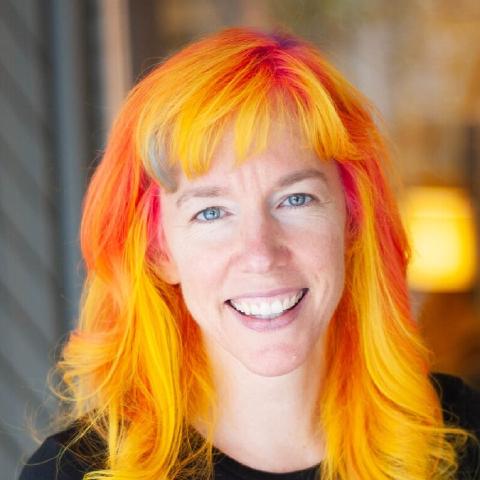
Download episode · 62 MB
Also on Apple · Spotify · YouTube · RSS
Show Notes
Welcome Christina Cyr, CEO of dToor and the Cyrcle Phone
- This was their 5th year at CES. Mostly hanging out at Eureka Park, which is the startup area
- 2 years ago saw companies doing encryption for voice data because of creepy speakers, now they have gone mainstream.
- Startups are only allowed to be there for 2 years.
- This year dToor got coverage on BBC, CNET, The Daily Mail
- Enclosure company didn't finish, so Christina 3D printed
- CTA is Consumer Technology Association. $97 to join and worth it.
- Wyze cameras, selling for $19.99
- Random connections from having a booth
- Christina works out of WeWork. Previously she was at Extra Slice in Bellevue, wanted a landline (LAN connection) for older builds of linux
- Metrix Create, Sodo also shut down
- Volunteers at their booth:
- Aileen McGraw, WeWork Labs Manager
- Xuny Haley, CoMotion Labs Manager
- Nalin Chuapetcharasopon, Crowdfunding Expert
- Anna Chuapetcharasopon, EdTech Consultant
- Former guest Scotty Allen dropped by.
- How did this phone get started?
- Phone wasn't fitting in a pocket in 2014
- People wouldn't take cardboard prototypes seriously
- Decided to use Seeed Studio's phone kit with a different "skin"
- Presented as a phone for women, that was a mistake
- Featured in the telegraph out of context
- Demographics were 50/50
- Marketing tech products to women
- Apple Watch is taking the place of similar kind of role
- Joel Telling (3D printing nerd) goes to the hospital, after his watch alerted him to tachycardia
- Unity (software)
- The 4G version of the phone has
- Dual SIM
- Two headphone jacks
- Qualcomm Snapdragon
- Transitioning from micro-b to USB-C
- Working with vendors
- 4 vendors that have the snapdragon
- Tier 1 and Tier 2 companies
- Vendors want to hear 100K units
- Navigating working with vendors
- Looking at doing testing in China for FCC
- Dealing with Tariffs, as batteries and LCDs are coming directly from suppliers
- CES Tech Talk - Caught in the Crossfire: How Tariffs Impact Tech with Austere Sage Chandler, Vice President—International Trade, Consumer Technology Association (CTA)
- Harmonized Tariff Code
- Different goods have different Tariffs
- Should have been an LLC instead of an S Corp or C Corp
- NRE for a completely custom display is $6M!
- Circular display is off the shelf, with 800x800 outer dimensions
- The 4G LTE phone will have a "tangential foot" (see image below)
- Module comes with Android 9
- Christina put together a document for hardware startups in Seattle, might be useful to listeners even if not in Seattle
- Cyrclephone.com
- @CyrChristina

Transcript
Chris Gammell: This is The Amp Hour Podcast. Released January 19th, 2020. Episode 475. An interview with Christina Sear. Welcome to the Amp Hour. I'm Chris Gammell of Contextual Electronics.
Christina Cyr: And I'm Christina Sear, CEO of Detour and The Circle Phone.
Chris Gammell: The Circle Phone, yes. Hi, Christina. How are you doing?
Christina Cyr: Good, good. How are you doing, Chris?
Chris Gammell: I'm great. I'm glad to talk to you.
Christina Cyr: Me too.
Chris Gammell: You are fresh on a trip from CES, and it sounds like you may have caught the con flu when you're not there.
Christina Cyr: Yes, I certainly did, but it was well worth it. It was a good conference.
Chris Gammell: Yeah. So how was it this year? So we're going to definitely talk about your experience, but because you were just there, I know we were actually a couple, it was like two weeks ago now, but when this show will come out. But I love hearing people's like realistic, like on the floor kind of thing, instead of like the, you know, when you see TechCrunch or someone covering it like that, it's like, oh, okay, this isn't really it. So what was your experience like there?
Christina Cyr: So I've, this is my fifth year at CES, but first year to have a booth there. And I've dreamed of having a booth there forever. And we were in Eureka Park, which is actually in the basement of the Sands. And there's good and bad about that. One is, it's my favorite floor to visit of all the venues at CES. So CES is like 13 conferences in one and it spans over miles. And it's across, gosh, I think many, many different hotels as well as convention spaces. So you have the Las Vegas Convention Center, which is huge in itself. And that's Central Hall, South Hall and North Hall. And then in the last couple of years, they've actually expanded out to the hotel next door, which is Westgate as well. So it's like four different venues just at that location. And then we were located at the Sands Expo Convention Center. And that was, it's in the Venetian. It's kind of a junk just next door to the Venetian. And so even some, I know that I went to go visit a company in one of the Venetian hotel rooms last year to visit the CEO there. So you can rent rooms, meeting rooms in the Sands Convention Hall.
Chris Gammell: Well, some people can rent rooms. I'm not sure I could rent a room, but yes.
Christina Cyr: It's so true. I know because I wanted to ask him. I was like, what, you know, how much was this room?
Chris Gammell: You want to ask, but you don't want to ask. He's like, eh. It's so true.
Christina Cyr: It's so true. So, and he told me that he had his whole gang sleeping in the suite and all that kind of stuff. So it sounded like a huge entourage episode, but so it sounded kind of fun. But yeah, so we just had, did the normal thing. And we, as a startup, had a booth at, in Eureka Park. And that's a really exciting floor to be on because all of the technology that you see there, the survivors in three years will be on the main floor. And so you're really getting a taste of what technology is coming aboard. So for example, two years ago, we saw a lot of, well, not a lot, but a few companies who were trying to encrypt your voice data, which I think is really valuable because, you know, you want to keep your privacy. And so, you know, asking your trash can to open vocally, verbally, and keeping your voice, you know, private, you know, I think that's really important.
Chris Gammell: Yeah. Because there's been all those stories about like recording when we didn't think they were recording and all the, everything's got a smart microphone in it now. And it's just like super creepy. It's so true.
Dave Jones: And I got rid of mine.
Chris Gammell: I got rid of most of mine, but I ended up putting one back in because I listen to a smart speaker in the shower and I can like shout what I want to listen to. That's the only thing that I have anymore.
Christina Cyr: Oh, yes. I love that. I love listening to things in the shower. Yeah. It's just, yeah.
Chris Gammell: Feels luxurious.
Christina Cyr: It does feel absolutely luxurious. So, yeah. So, we see a lot of really new technology there at Eureka Park. And I love, I love just being there. Unfortunately, as a startup, you're limited to be there for only two years. After that, they kick you out. You know, you really need to either upgrade or, you know, go up or go home. So, we really saw this as a chance for us to prepare for next year. We got a lot of unexpected coverage this year at CES, which was super exciting for us. We were featured on BBC, CNET, and The Daily featured us.
Chris Gammell: The Daily, like the NPR podcast or something else?
Christina Cyr: The Daily, I feel bad for.
Chris Gammell: It's not The Daily Mail.
Christina Cyr: Here we go. Daily Mail.
Chris Gammell: Oh, Daily Mail. Okay. So, the British one.
Christina Cyr: Yeah, yeah, yeah. Great. And, yeah. So, we really appreciated that. In fact, we had a lot of things happen right before we arrived. The company that was supposed to finish our enclosure didn't finish in time. So, Christina and a 3D printer, you know, her son's 3D printer, put together an enclosure in like five days. Wow. So, designed to finish. And it really showed. But at least we had devices that people could pick up. Yeah, yeah. And one woman even dropped it in her drink. Oh, my God. And my heart just kind of leapt out of my chest. And, you know, I'm trying to be polite, but I'm like, you know, kind of say it under my breath to the person next to me. No, no. She was polite and she immediately moved on. And then, of course, like I ran into a conference room to like dry off the unit. Oh, my God. To unscrew it.
Chris Gammell: I just imagine you running around the floor of Eureka Park being like, does anyone have any rice? Is there any rice here?
Christina Cyr: Exactly.
Dave Jones: Exactly.
Christina Cyr: Exactly. Like, we haven't tested for this yet. So, yeah. It was quite exciting. And one thing that we did do this year and that was really beneficial was we joined CTA as a member. And we got unbelievable rates on the booth.
Chris Gammell: And what is CTA?
Christina Cyr: CTA is, that's a really good question.
Chris Gammell: The Consumer Technology Association or something like that?
Christina Cyr: That's exactly it.
Chris Gammell: Okay.
Christina Cyr: The Consumer Technology Association.
Chris Gammell: CTA here, I get a little confused because CTA in Chicago is the transit authority. So, like the Metro and the L and stuff like that.
Christina Cyr: Yes. And I think it is also in California as well. Oh, yeah.
Chris Gammell: It makes sense. Yeah.
Christina Cyr: I can't remember. Yes, I've run into the CTA as a Metro in different locations as well. So, yes. So, we joined, that was like $97 as a startup. Oh, nice. And then we got thousands of dollars off on the booth. And we received, we could use these meeting rooms, these conference rooms for 30 minutes. We were limited to 30 minutes and it was first come, first serve. And every time I would go check on the conference rooms, all four of them were completely empty. Oh, really? I was the only one who was using them the whole conference. Yeah, that's great. That's great. So, I met with, for example, we have another hardware company here in Washington State that's doing quite well. It's Wyze Cameras, W-Y-Z-E. And they're selling in the millions of units now. Whoa. So, fantastic. And they're only two years old. And their cameras, you could basically put up anywhere in the house, but they sell for about $19.99. And they are now... $19? Yes.
Chris Gammell: Is that $19 or $1,900?
Christina Cyr: Yes. Yes, $19.
Chris Gammell: Wow. That's really cheap.
Christina Cyr: Yes. Yes, it's really cheap. And they're expanding exponentially right now. So, they're having some growing pains doing that, but I'm really excited to see them grow. So, I happened to catch them at our booth. I'm like, hey, you're from Wyze Cameras. What do you do? And I think he was the product manager. So, I said, hey, do you mind just sitting for like 20 minutes? We have these meeting rooms that nobody is using. Yeah, right, right, right. So, we went and sat there and we talked for a bit. So, that was really nice to catch up with Mike from Wyze as well.
Chris Gammell: That's great. That's great. Yeah, I mean, it seems like being on the floor there... I had a friend who... I'd been two years ago, but I didn't really know anyone there. And it feels like when you have a booth, a lot of people... Because there is so much foot traffic, a lot of people are kind of stopping your booth. I had a friend who did it last year and he had a booth. And it was just like the range of perspectives that you get there is going to be very, very broad. You're going to get some people wasting your time, but that's kind of understandable. Yes. And then you're also going to... But you're also going to get potentially some people that are doing pieces on like BBC, you said. That's great. I mean, that's great coverage. Yes. Yes. And then just kind of random, you know, kismet type connections.
Christina Cyr: It's so true. It's so true. And obviously, we're always keeping an eye out for someone to do our enclosure. So, every time I saw somebody, you know, who came to our booth and I'm like, wait, do you do mechanical engineering? Do you do industrial design? What are your rates like? Yeah. You know, those kinds of things. And then as a mobile phone company, we get inundated, you know, daily, I receive like 10 emails a day from software development companies, either local or overseas, who are looking to offer their services. But most of them develop apps. Right. And we're actually looking for embedded software engineers. Yes. So, people to work on drivers and things like that.
Chris Gammell: Right. I mean, I'm sure at some point there will be an app ecosystem because of the unique nature of the Circle Phone. But probably until it's, you know, driving the displays as you want it to. Yeah. It's not as important.
Christina Cyr: It's true. We're just getting the base, the foundation set right now.
Chris Gammell: That's cool. So, wow. That sounds like, you know, quite a whirlwind at CES. Anything else there before we move on to the actual, your company and what this is? Because, I mean, we're kind of leaving people dangling here wondering what the Circle Phone is. But I'm okay with it.
Christina Cyr: Exactly. Well, first, I just wanted to give a shout out to our booth mates. So, these are all volunteers.
Dave Jones: Oh, that's nice.
Christina Cyr: That we had working for us. We had Aileen McGraw come. She is actually our WeWork Labs manager. And I know how you feel about WeWork. And honestly, before I came here, I felt the same way. So, I have to say my perspective has been changed. Well, maybe it's just Seattle.
Chris Gammell: WeWorks are better, you know, or something like that.
Christina Cyr: It might be. It might be. So, previously, we were at Extra Slice. It was the place for tech over on the east side in Bellevue. And they started a renovation project there. So, last summer, we actually were looking for co-working spaces that actually had a landline connection. And WeWork Labs was one of the few places that did have that and a designated desk.
Chris Gammell: Why a landline?
Christina Cyr: Because our, oh, this is kind of getting into secret stuff. But because our base Linux machine, we have to run, to be able to build our builds on it, we have to run kind of an older version of Linux. And in order to do so, it doesn't accept wireless cards.
Chris Gammell: Oh, okay. Okay.
Christina Cyr: Very, very well. And so, we do need that wired connection for that particular machine. Oh, okay.
Chris Gammell: So, you mean like Ethernet, not necessarily. I was thinking landline. Like a RJ11, an actual like DC jack kind of thing.
Speaker ?: Oh, yes.
Christina Cyr: No.
Chris Gammell: Okay.
Christina Cyr: No, just Ethernet. Yeah, okay. Okay. So, we were looking for low-priced desks that actually had Ethernet connection to it. So, WeWork Labs actually had it. And WeWork Labs is different than the regular WeWork in that it actually costs $60 more per month. But we have a Formlabs 2 3D printer, resin printer. And we also have a Glowforge. Oh, nice. Laser cutter here. And in addition to that, Aileen also organizes a lot of programming that happens during the week, which I used to think was just fluff. But actually, she organizes weekly meetings with investors, which is always hard to get FaceTime with investors, no matter where you are. But also meetings with marketing specialists and financial specialists and legal specialists. And her programming is quite thorough. She actually used to work on the communications department for Microsoft CEO Satya Nandala. Oh, wow. Okay. Yeah, yeah. She's just really well connected. We're really fortunate to have her. And she offered to volunteer at our booth to support us as a WeWork Labs company. That's great. Yeah. Wow. Yeah. Yeah, that's awesome. That was fantastic.
Chris Gammell: And that kind of programming too, like having the ability to, you know, some of it you can't even get if you went to like a university type setting. I think about like the, you know, the hands-on or the, you know, someone out in the field kind of coming and giving you real world advice. So that stuff is often really, really appreciated.
Christina Cyr: It's so true. I have to say though that all of my co-working spaces, I've really missed having a soldering station. So I had that. Yeah. You don't have a soldering station at WeWork? I mean, okay, between you and me and the rest of the people listening to this, yes, I soldering here. But we, I used to have the beauty of a full-on soldering station at Metrix Create Space Makerspace when I first started in putting together phones in 2014. And that was just, I don't know that I'll ever have that again, but, you know, I had the exhaust fans, it had the microscope, it had all these different, a plethora of soldering irons to choose from, the heat gun.
Chris Gammell: It also had the water baths and it just, I mean, it was luxurious.
Christina Cyr: Yes. Yes. It was just, look, I never used those, but I used the rest and plus they had coaches on staff to coach you at any moment. Oh, that's nice. It was just, yeah. Is Metrix great?
Chris Gammell: Is that gone? I remember hearing something about it.
Christina Cyr: Unfortunately, it is gone. Uh, it, uh, scaled down to, um, you can make appointments to be in there, uh, for the last year or two that it was open, but I think it's completely closed, uh, right now. No, that's too bad. So just really sad. Yeah. It was, it was kind of the longest running makerspace here in Seattle. So I, I was excited to be a part of it when it was open.
Chris Gammell: Yeah. It's surprising too, that like Seattle's got so many, like so many tech focused people as well. You'd think there'd be, and it's like, and like, you know, space is such a premium to not that it's so packed in there, but just that it's so expensive to have a lot of space. And so I would imagine that a makerspace would be well, well suited for that environment.
Christina Cyr: Yes. And with our, um, last crowdfunding campaign, I did kind of a survey of makerspaces around the United States. And it was interesting because I was working off a list that make magazine had, and this was back in 2016 that make magazine had, um, provided online. And I would contact each of the, um, we targeted six states and offered our classes at, in those six states. And, um, when I would contact the makerspaces on that list, most of them, the list had been two years old and most of them had gone out of business. So it was just really, I think makerspaces are an act of love and caring. And I also, uh, I'm very passionate about them. Um, uh, but more importantly, I, I think that, you know, when libraries first started, they were basically the privilege of the rich and then it became a public, uh, service. And I think that we're in that transition point right now. So we're seeing several libraries. Uh, I know the Los Angeles library was maybe the first to start this, but they had a makerspace. Our Bellevue library now here locally has a makerspace attached to it as well. And I think more and more libraries are adopting, adopting makerspaces attached to their facilities as well. And I think it's a good transition for them because fewer people are reading things in the paper format. And so to actually transition into that makerspace, uh, scene, I think is a good, it's a good way for them to go.
Chris Gammell: It's got good community engagement. It brings people together. It gives people access to resources, things like that. Um, yeah, Chicago, the downtown library, I'm not too far from that. And, and, and it's got, it's got a, it's got a makerspace there too. So yeah, that's great.
Christina Cyr: So it, it's makerspaces are wonderful. Unfortunately, not only metrics has shut down, but recently Soto makerspace has shut down. Um, and then, uh, I was going down the list here, the people that were, um, volunteering for our booth commotion labs, a manager, SUNY Haley was also one of our volunteers. And actually that, uh, makerspace is also refocusing as well. They're going to be moving internally. Previously, they accepted people from outside. Uh, and then we also had Nalan and Anna and I always struggle with their last name, but, um, it's Chow Petcharasopan.
Chris Gammell: We'll have a spelling in the show notes, but yeah, it's, uh, that was a good try. I think that was, that was pretty.
Christina Cyr: Yeah.
Speaker ?: Yeah.
Christina Cyr: Yeah. They said it's, it's pronounced exactly how it's spelled. So, um, but Nalan is well known as a crowdfunding expert. She's helped, uh, several Kickstarter campaigns, I think in the dozens right now, um, be successful. And Anna is her partner and she brought her along. She's an ed tech consultant. So that's our booth. We can move on to the product now.
Chris Gammell: Yeah. Yeah.
Christina Cyr: But I also saw Scotty Allen of Strange Parts. Yeah.
Chris Gammell: Former guest of the show.
Christina Cyr: Uh, at CES. It was so, the moment of seeing him, I was so discouraged. You know, we had just opened our booth and, you know, I, I, um, the phones were working, but, you know, they didn't have the promised, you know, enclosure on them. And I thought, we'll just slink away and hopefully nobody will notice us, you know, all that kind of stuff. And then I ran into Scotty and I was like, oh, I'm so glad I'm here. I got to see you. Um, Beau Amber from Kickstarter had been trying to get the two of us together. Um, because, you know, of course, Scotty Allen did the famous YouTube video on adding the phone jack to his iPhone. And so, uh, yeah, we, uh, he's like, oh yeah, Beau told me about you. So, um, we, um, got to converse and he, later he came to the booth, which was really exciting.
Chris Gammell: That's great. Yeah. Yeah. Scotty's, uh, he's very excited about a lot of technology, but he's also very, he's, he's a very big sweetheart too. So it, it helps, it helps to be very friendly in that way.
Christina Cyr: So it was nice.
Chris Gammell: Well, okay. So yeah, like you said, let's, uh, let's hear a little bit about this phone. So you've already alluded to the fact that it's circular, uh, uh, that it's got two headphone jacks. But before we do that, I'd actually like to know. Yeah. First off to state my, uh, admiration, like that's just a ballsy move to just go make a phone. Uh, I mean like, so like, I don't know if I mentioned on the show before, but like, that was my goal. Um, so it was to make a phone. Like when the reason I got into engineering was in high school, I was like taking apart old cell phones cause they were, you know, they're very early, early analog phones. But my folks had nothing else to do with them. I was allowed to take them apart. And I was like, you know, this is something I could do. I could work on electronics. I like how these are, these look inside. I want to know what's going on. And, uh, I, I always said that I'd work on phones and I've always been kind of around them, but never like made a phone. I always kind of figured it was, well, that's that ship has sailed. There's, you know, the iPhone's out there, but, uh, you're making a phone. So that's really cool. And I'm very, I'm very, um, very impressed. So how did, how did this start?
Christina Cyr: Um, sorry, I'm just, my brain's scrabbling. I'm like, we should make a phone together, but we can do that. Um, so yes. So how I started was, uh, the phone wasn't fitting well in my pocket. And so I wanted something cool and sexy, like a man's pocket watch that would open and close, open and close and open and close, kind of like a fidget phone with two displays in it. And this was back in 2014. So it was back before you could even switch from one app to the next very easily. And, um, now we can even have the split screen. You know, I wanted to see two screens at the same time. And so, um, that was really important to me. I grew up in the Microsoft universe when the multi-monitor monitor was developed. I got to see some of the first multi-monitors, um, when they were coming aboard at Microsoft. And that was just mind boggling technology to me at that time. And I wanted that to be delivered to phones. So, um, and this is before, you know, they were still trying to get the foldable display, um, to be kicked, you know, to be, let's see, moving the technology forward enough so that it could be viable to be able to be sold on products, uh, at that time. And I could see it was still a while away, but we could just easily put two, uh, displays on, on a device, uh, and just connect them through a cable. I thought that that was possible. And so, um,
Chris Gammell: And so what is, what is the time? What is the timeline here too? I guess that's probably also good to know.
Christina Cyr: Yeah. Yeah. So I received kind of, you know, I received this vision of the circular phone in the middle of the night. It was in April, 2014. And I'm like, gosh, this needs to happen. You know, I woke up in the middle of the night and I just started taking notes and I was all excited. And I, I told my friends that weekend, I'm like, this really needs to happen. And they're all like, yeah, yeah. Okay, cool.
Chris Gammell: Um, they never get as excited as you do when, you know, like, I don't know, like whenever I have like a, you know, it's like you have to convince people that it's like this, this thing that you're going to do and you want to do, you know?
Christina Cyr: Yeah. Yeah. And actually, uh, they were, they were pretty encouraging. They said, but you need to get, uh, some patents written on that first. And I was like, Oh, I don't know about that. But, um, so I, I thought this, this is cool, but first I need to, um, you know, figure out how to do it. So I took, I found as many open source phone projects as I could and put those together. And that's when I discovered how long it takes to order some of these parts and that some people, you know, wouldn't even send me the parts unless I was a company. And so that was really challenging in the beginning. The other thing that was really challenging was I also wanted to validate that this was a good idea. And I had taken classes on human computer interface design and been lectured to about, you know, you shouldn't build a single thing until you show them a piece of paper and a drawing and say, is this something you're interested in? And then if they're interested, then build the cardboard prototype. And if that's interesting, then build something a little bit more resilient, but, you know, until you really know what your customer wants, you know, don't, don't build the full thing. But when I would show up with these, uh, prototypes, um, that were just either pieces of paper or cardboard, or even just kind of metal models, people wouldn't take me seriously. So they would be like, Oh, I still can't imagine it. I can't imagine it. So it wasn't until I slapped together our 2G prototype, which is what we offered on Kickstarter, people started taking me seriously because it could make a call and it could receive a text. And it didn't matter that it wasn't my board inside, which I was really discouraged about, but, but people were like, actually, I want to buy this. And I'm like, it doesn't have the two displays. It just has a display, the size of a postage stamp on it. Please wait until we have the real thing. And they were like, no, you can put this together in like, you know, 10 minutes. Right. And I'm like, yes. And they're like, this is what I want. And it's different than my friends. And, you know, and they would go on and on. And they were like, actually, can I buy it today? Where can I get it? Can I get it in a different color? You know, all of these things. And so I was like, wow. And after the 20th person, I stopped trying to talk them out of it. And I said, you know, actually we could use some practice with a Kickstarter campaign. So let's go ahead and try it. And so we did, it was successful and we delivered all the phones in less than 60 days.
Chris Gammell: So tell me more about that, that Kickstarter and stuff like that too. So this was a 2G based phone. And you were saying that it was basically prototype kind of level boards being put together. Was it a kit or what was the nature of it?
Christina Cyr: It's a kit. Okay. It's a kit. It's actually Seed Studios phone. Okay, cool. That I just put a round case on. And I have to, I love Seed Studio. I just have to tell you because I contacted them right before we went to Mobile World Congress. And I said, hey, I just slapped this prototype together. And it has your Seed Studio refund kit in it that you just launched on Kickstarter like in November. And I'm contacting them in January. And I said, do you mind if I bring this to Mobile World Congress? I'll even tell everybody that it's your kit inside. And they're like, sure.
Chris Gammell: Free marketing. All right, let's go.
Christina Cyr: Yes, exactly. And so we did all of that. And we presented it as a phone for women. And that was a huge mistake.
Chris Gammell: Tell me about that.
Christina Cyr: Yeah, a whole bunch of, that was a huge learning point for us. So we were featured in The Telegraph. And it was an article that was really scathing and said that we were insulting women, that women couldn't deal with rectangles or corners. And so we had to have this soft edge phone and all of this kind of stuff. And then that sparked 2,400 posts on Facebook. Oh, my God. About how insulted, and they're all women. And 80% of them were saying that they were very insulted to be offered something that was so scaled down. And I guess we didn't emphasize the fact that it was a prototype. At that point, we had not even thought about offering it as a Kickstarter at that point. But so many people asked us at Mobile World Congress if they could buy it there. And so, yeah, so a lot of stuff happened with that. And then when we finally did offer it on Kickstarter, over half of the backers were men. So we had to rethink that whole thing.
Chris Gammell: So do you think this is an error of marketing or of just assumptions?
Christina Cyr: It was assumptions. It was totally assumptions on my part. Because I noticed we kept on trying to approach women just on the street and ask them how they thought about this phone. And they would be kind of hesitant. But there would be these men climbing over the crowd trying to get to the phone and trying to see what kind of device we were showing off. And this kind of underscores the fact that men in general are early adopters of technology in general. And God bless them. So I'm so grateful and I'm so happy that honestly our demographic was 50-50. And even ads that we've run subsequent to that, even for our new phone, have been 50-50. No matter where we run them, whether it's on Snapchat or Instagram or Facebook or Google ads, anytime we get the gender information back, it's right down the line. So I really think that this is a gender-neutral device. As much as people might think that it's not, it's interesting that it's catching the attention of exactly 50-50 of the population.
Chris Gammell: I heard you say that the fact that it was scaled down, so the fact that it felt like it was a lesser phone, do you think if it was marketed to just women, but it was like this crazy... Polished. Yeah, yeah, yeah. Do you think that would have been copacetic or do you think it was the fact that it was just being marketed at a single gender?
Christina Cyr: So the other thing that we learned was we weren't the first company to try and market a technological device to women and fail. So evidently women do not like, as long as it's not femtech. So if it's anything to do with reproductive functions, then it's okay. But if it's, for example, a thermometer, thermostat, in your home, they've actually tried to market directly to women for those devices in the past. And that's been a complete failure. There have been headsets, Bluetooth headsets, which have been marketed to women that, for example, when you're on a phone call, they're really cool. That when you're on a phone call, but someone is physically approaching you, you can press a button on your Bluetooth headset and the headset will say to your listener, hey, someone's approaching me right now, I'll be with you in just a second. And so it kind of puts the person that you're talking with on hold. So all of these devices we learned through this other marketing agency had been tried to, they tried to market them to women. And this was back in 2016. So a lot has changed just since 2016 with the Me Too movement and everything. So I think the landscape is changing right now. And we need to keep ahead of that. But.
Chris Gammell: Yeah, being diligent about like market testing. I mean, it sounds like you were market testing. It was just that it caught someone's eye and it did kind of went out of control.
Christina Cyr: They didn't like it. Yeah. It's so true. Yeah, it's unfortunate, right? And we did notice that the people who responded positively on the Facebook threads, there were actually several Facebook threads following up on this article, that they in general did not carry purses. So these were women like myself who had been trying to carry their phone around and generally did not carry a bag. So wanted it to fit on their person. And I noticed that I was missing phone calls. And, you know, vibrational alerts mean nothing to me if I can't wear my phone. That's right. You know what I mean?
Chris Gammell: Yep. Yep. And yeah. And you had shown a clip, like a shirt clip or the fact that it was so clear also, I think maybe in the video or something you mentioned as well. I mean, like when. It's true. I look at women's clothing as well, like the pockets are always just insufficient. It feels like just pockets are.
Christina Cyr: That's a good word for it. Yeah. Totally insufficient.
Chris Gammell: Yeah.
Christina Cyr: So, yeah. So I really wanted that to change. Fortunately, in the last, you know, year and a half, the Apple Watch has really taken off much better than it did when it was first introduced. And so more people have Apple Watches, although I noticed that, for example, when we noticed them in our co-working spaces, people are quite distracted by their Apple Watch. So it doesn't have a priority setting for notifications. So, for example, those notifications come through, whether it's your washer or dryer finishing its load, you know, at home, you know, maybe that your child is running or, you know, that emergency call from your partner saying that maybe, you know, someone in your family is sick. So. That's right. I wish there was a way to prioritize notifications, you know, back in the 50s. I think it all went through, you know, the administrative assistant, you know, in the front of the building and then. Yeah, it's like filters that are just people, right? Exactly. So until we have kind of more of a filter on that and then, you know, surely those filters are going to go awry even in the beginning. And so it's hard to trust those filters. So, yeah.
Chris Gammell: They talk about like adding intelligence to that whole thing, that whole stack too, but then it gets extra creepy. It's like, oh, well, we learned that your heart rate was elevated when, you know, you know, Susie called you, Chris. And then, you know, so we always just prioritize that. Like, oh, come on, that's creepy, you know, like.
Speaker ?: That's right.
Christina Cyr: That's right. And did you see recently Joel telling the 3D printing nerd, he posted something about his Apple Watch going off. And so he went to the hospital just after CES and because he'd been dehydrated from CES. Oh, wow. Yeah. And, yeah. And so, and then Apple picked it up and started promoting.
Chris Gammell: Yeah, that's not.
Christina Cyr: So, so then he's like, yeah, everybody, I'm okay. I'm okay. Kind of thing. So just regular heartbeat. But, yeah. So, so, yeah. So stuff like that, that, you know, Apple can track or, you know, any company can track that has, has those devices on your person. So.
Dave Jones: Yeah.
Christina Cyr: I think we'll get better at that. Right now we're just kind of mesmerized by what it can analyze on our bodies and with our surroundings. And so, I don't know. I think we'll just, we'll be going through some growing pains in the next decade or so. Oh, totally.
Chris Gammell: Totally. Well, I mean, so the thing that I like about the product idea too is that it is, it's got more, you know, I'm going to use the word that I always use, but it's got contextual awareness. Right. So it's like, you're looking to make a product that kind of fits more seamlessly into someone's life or pocket or, you know, like it actually like interacts with people. And I think it acknowledges the fact that just phones are just omnipresent and really important. And why not make the, the device fit our lives instead of the other way around. It's so true. So what did the, going from the, I guess, what were some of the lessons you learned from that, that first set of prototypes, the, the, the 2G prototype?
Christina Cyr: Definitely not to make assumptions about our demographics, especially gender. But we do, we have noticed that in general, it's usually the Android user who's age 32 and younger who adores our phone. Okay. So if, if you have a chance at all of liking our phone, usually you're in that demographic. So you're willing to think outside of the box. We're actually bringing something fun to Android. Android has traditionally been known as kind of the workhorse, kind of the tech horse of the mobile phone world.
Dave Jones: Right.
Christina Cyr: And if you step outside of the United States, it's actually the number one, you know, operating system. It actually holds, what is it? 84% of the world demographic as a part, you know, as a part of the operating system. Apple only still only holds 14% of the demographic.
Chris Gammell: Talk about some data, you know, collection there. 84% of the world, whatever it is. It's like, that's, that's a lot of users using the, the Play Store and, you know, all of the apps that are out there. That's the bananas.
Christina Cyr: Indeed. Indeed. And so we're excited to have Android on our particular phone. And I think people that are using Android are like, hey, this is kind of fun. This is, this is neat to see a different form factor for Android.
Chris Gammell: Right. It's like a familiar enough that they, they know what they're getting into, but it's a new twist on it.
Christina Cyr: The other thing that we found out through early test groups was that they did not want us changing their traditional apps. Okay. So that was really interesting for us because we had all these mock-ups of like Spotify and, you know, you know, other applications in a circular interface that we thought were really cool. And our test group was like, uh-uh, I don't want to have to relearn my apps. Right.
Chris Gammell: So you're saying like a totally custom new streaming service that's like specific to this phone?
Christina Cyr: Um, no, actually just changing the interface a little bit. Oh, interesting. Okay. So that, uh, you know, you would open up Facebook, uh, even Facebook Messenger, but, um, our test group said, no, please open it up in a square within the circular interface.
Chris Gammell: So scale it down and get some black bars around the corners pretty much.
Christina Cyr: Mm-hmm. So we were like, really? Because that, that takes a lot of work off of our shoulders. And, and yeah, that's something we could do pretty easily. Uh, but that being said, we actually know some people at, uh, Unity. Mm-hmm. Uh, and I don't know if you're familiar with Unity. It's the base of most, uh, software app, uh, excuse me, game apps. Yeah. Yeah. And because of that, we would love to write a translation piece of software for Unity and work with Unity on that. So that suddenly 90% of game apps could work on our phone. Mm-hmm. So that's our hope for the future. That's, that's our moonshot up there. We think that people who are doing games might be more intrigued, uh, to see them in a circular interface. That might be exciting. Yeah.
Chris Gammell: Yeah. And it seems like you could do some, uh, some different, different kind of actual like interactions with users too.
Christina Cyr: I think so too. And of course we will offer, uh, the option for videos and images to be able to be seen in the full circular interface or, you know, just scale down in the square within the, the interface. And we would eventually like to offer our own apps, which are in the circle. I don't know if you've seen Snapchat videos. So their tiles for their videos are in the circle. And when you rotate their videos on your phone, it's not just portrait landscape, two positions, but it's actually the full 360. So we would, we would love to have something like that on our phone. Mm-hmm. Um, but right now we are just finishing up the hardware and as you saw at CES, it still had just a 3d printed enclosure on it. Um, so we will be working on the enclosure. So we have a much sexier enclosure and to be releasing that we, we, we will be running a pre-sales. So our device in a year from now, so in 2021, we will be offering that for $750. But if you back us during pre-sales, during the pre-sale campaign, then we offer it for the wholesale price, which is 500.
Chris Gammell: Nice. Okay. Well, let's talk a little bit about that. I mean, we're definitely going to get to the, the, the, uh, the rest of that piece. Uh, you know, you were jumping the gun a little bit there, you know, we usually talk about the Kickstarter link at the end. Yeah. Yeah. That's cool. Um, yeah, no, I, I'm curious about the prototype because now, so now you've, you've jumped up. You've, so the first, the first one you were basically form factor was the focus, you know, that was the 2g one. You were using the, the seed kit that was out there, but now switching over to the, um, the, the newer stuff, what, what's on board? Like, tell us about the actual circuits and what's going on there.
Christina Cyr: So we have really exciting stuff on board. I can't talk about the main module, uh, very much, but I can talk about everything else. So we have dual SIMs. Uh, which you experienced recently when you went abroad, you had a dual SIM phone. It's really handy. Uh, people outside of the United States particularly adore dual SIM phones because they can have their business and personal. They don't have to carry two phones or they can even have domestic international or, uh, in Europe, they may have a SIM card. That's just for data. And then a SIM card that's just for voice. So, um, there, there are delineations, uh, for, for that as well. I don't like taking out my SIM cards when I'm changing out my SD card. So I separated those two. So you have two slots, you have one for the SIMs and you also have one for the SD card. Uh, in addition to that, we, as, uh, as we mentioned before, it has two headphone jacks. And the reason why I did that was our demographic is actually buying up headphone jack splitters. And I think that's such an encouraging sign. So up until 2017, we, when we would talk to people about their phone usage, before we even talked to them about our phone, we would ask them, you know, may I ask you about your phone usage and how you feel about your phone and, um, where you, you know, where you use your phone and, and kind of their phone habits. And down to a one, each person would express a sense of sadness because everyone was so heads down into their phone that they were not connecting to the people who are physically right next to them. So what we've been encouraged to see in the last 12 months is that people are buying headphone jack splitters so that they can share their music, music and videos with the person sitting right next to them. And I, I see that as a way of connecting kind of, um, we've had a huge fight against, um, people being depressed and anxious, uh, increasingly so just in the last few years. Um, some people have pinned it on social media. Um, some people have pinned it on, you know, being isolated. And so to see people kind of bridging that gap and starting to reach out is super encouraging to me. And it was easy, easy for me to do, to put two headphone jacks on there. So it, it may be mocked. That's okay. I was going to say, I wasn't going to mock it.
Chris Gammell: I was actually going to say, you know, the downside is when some lady drops it, the phone in her drink, then there's more water ingress.
Dave Jones: It's so true. It's so true. That was, oh, one for the books there. Yeah. That moment there. Okay.
Chris Gammell: So I know you can't talk about the module itself, but I'm curious about like the, so it is a module that that's okay to say.
Christina Cyr: Yes.
Chris Gammell: Um, yes.
Christina Cyr: And it is a Qualcomm Snapdragon technology, uh, on our module. So, uh, we're very proud to have that. The, um, other feature that I can talk about is that we currently have right now. We're kind of testing it out. Um, so how it came about was I was transitioning the board over from micro B USB to type C USB. And before, you know, just to make sure that I got everything right, you know, had a little switch on the board that would switch back and forth between the two USB connectors. And so had not gotten around to removing the micro B off the board yet on this fourth prototype and just kind of left it on there for CES to see what people thought about it. So not only do we have dual headphone jacks and dual SIMs, but we also have dual USB. So one of the things that people, one of the pieces of feedback that we did receive was people were like, well, actually I won't have to search as long for a proper cord. You know, I can just pick up whatever cord is laying about, whether it's the micro B or the USB type C. So, um, that was a cool, uh, piece of feedback. And then the other piece of feedback, some of the cars are still hardwired to have, um, jacks for the micro B. And so, um, and so it's convenient to have that. And since it's a circle, you can just rotate it and plug it in. And so, um, that was convenient as well. So we may leave that on.
Dave Jones: Okay.
Christina Cyr: Um, so we'll, we'll see how that goes. So those are the features, uh, in a nutshell of the phone right now.
Chris Gammell: So I'm curious though, about the, uh, the supply chain stuff, right? So you said as a module, you don't have to tell us who it is, but I'm curious about like, uh, how do you start that conversation with, we're just going to call them vendor X, right? So you're talking to vendor X, I assume you're talking to the factory and needing to get support and some more things. But what is it? I, you know, when I think of things that have these types of modules in them, uh, it seems like it's traditionally very, very, you know, NDA focused, very heavily, um, closed down and things like that. So what was that, what was that said like?
Christina Cyr: This is one of the reasons why I had to incorporate earlier than I expected.
Dave Jones: Okay.
Christina Cyr: Uh, because of the NDAs, I needed to be a corporation, all of those kinds of things. Uh, but I have to say that, um, and I can talk about, so this particular module that we're dealing with has, uh, Qualcomm Snapdragon module inside of it. And there are many vendors out there, there's actually four, uh, who, who do this. And most of them, because they're kind of, um, secondary suppliers of this technology, um, they're actually more open than Qualcomm is directly. So Qualcomm directly.
Chris Gammell: So if you were going to make the, the module yourself or something like that, you would have to go through tons of hoops, right? Because you're putting down these highly proprietary chips.
Christina Cyr: Absolutely. And, uh, originally when I first got into the game, Qualcomm was telling me, oh, you need to have a hundred thousand units or more before we'll talk to you. And now they're citing kind of closer to a million. So they're, they're really, um, kind of proceeding, uh, to bigger, bigger companies. And, and really, uh, there are only, uh, three top companies for phones. And that is Samsung, Huawei, and Apple. And then there's like a tier two and that's Xiaomi, Vivo and Oppo. And those tier two. So interestingly enough, I wanted to throw this number out there. Interestingly enough, the top tier one, uh, mobile phone companies, they ship in the millions of devices for their flagship phones. But the tier two ship 70,000 units for their two. And it was hard for me to get these numbers. I really had to dig and dig and dig. But interestingly enough, that number 70,000 units comes up again and again. So for example, you'll notice the essential phone, they sold 70,000 units. Oh yeah.
Chris Gammell: Right.
Christina Cyr: Snapchat spectacles, they sold 70,000 units. So I'm kind of thinking that this is a good benchmark for us to shoot for. So we actually manufacture here in, I know I'm getting off topic. I'll loop back, but we actually manufacture here in Washington state. And between our two assemblers here, we can manufacture up to 200,000 units per year, which is quite a bit just here locally. And because of that, we can conceivably carry about three different phone lines here or three different products here locally before we have to expand, which is pretty nice. So circling back to what you were talking about, about dealing with the vendors and how difficult it is, it is pretty difficult. They want to hear that you're going to be shipping around 100,000 units at some point.
Chris Gammell: And what stops you from just saying, yeah, of course I'm going to.
Christina Cyr: Yeah, exactly. So I'm brutally honest with them. I say we're shipping this many this year. This is our target for next year. We won't be hitting 100,000 until 2022. So and they're OK with that. OK. So so far. Yeah. Some vendors are not, but some vendors are. So I had one manufacturer talk to me and say, well, if we don't feed the little fish, they won't become big fish. So yeah.
Chris Gammell: Right. Yeah. That's a good point. Yeah. I mean, they yeah, they at least understand that there could be an upstart and they're not going to give a ton of resources, but they will talk to you.
Christina Cyr: And it's really nice. And I have to say we have dealt with other module suppliers and they've been very kind to us as well. So I've just been grateful for all the you know, we pay for the samples, but the samples that we receive and the evaluation kits that we buy from them have all come with support. So, yeah, there's lots of goodness happening out there.
Chris Gammell: You had mentioned there. This is the fourth fourth prototype you're on right now, too. So when when do you start doing I mean, do you start doing FCC testing up front or or when are you when are you starting to do testing? Because you are planning to go, you know, you're going to go commercial. You know, it's going to be scrutinized in a marketplace that, you know, needs testing for all of the usual FCC CE type stuff. But then also I imagine that if you want to get on networks, you also have to do some testing. So so how are you navigating that stuff?
Christina Cyr: So those are great questions. We actually to believe it or not, there is not a law or regulation or rule that says that you have to be with a particular carrier. Shocking to me as that was when I first discovered that.
Chris Gammell: What do you mean by be with a particular carrier?
Christina Cyr: So there is no regulation, even though you're using their bandwidth. This seems ridiculous to me, like there should be some sort of rule out there. But after you sold your 10,000th unit, the big guys will come calling. So they will start leaning on you and say, you know, since you're using our bandwidth, you know, don't you think you should probably certify with us as your carrier?
Chris Gammell: Yeah, that's and that's what I was getting at, too. Like, so I used to deal with that with hologram stuff like, yeah, at the beginning, you don't have to do it. But if you want to be on the network and not get booted off traffic wise, you need to like be certified at some point because they're going to start recognizing all these devices that have the same IDs. And then, oh, yeah, we, you know, maybe you're throwing spurious submissions or something like that. So they want to check that, but they also want your money. And, you know, absolutely. It's like, yeah, absolutely. The mini mafia.
Christina Cyr: Yes. And so we will be an unlocked phone until we cross the 5000 unit mark.
Dave Jones: OK.
Christina Cyr: So once we sell over 5000 units, we will start looking for a particular carrier to go with. And we do have some favorites in mind. So I can't I can't talk about that right now. But we but up until then, our our devices will be unlocked and you can use them on any carrier carrier. So our antennas that we're working with right now are from Tau Glass, but they're a little bit too big. So we have to have them reformulated. And that's what we're working on right now. But you will be able to use whether you're you have an AT&T SIM card or T-Mobile SIM card or Verizon SIM card, you will be able to use them all.
Chris Gammell: OK, cool.
Christina Cyr: Up until we up until our 5000th device. Yeah. So. Right.
Chris Gammell: Yeah. So it seems like you're so using like off the shelf antennas, you know, using modules, stuff like that. It is getting to the point where it's it is possible to integrate this stuff without having like I don't know. I actually I don't know. I mean, are you do you have like a like a special specialized material or using the standard PCB materials? What are you what are you using to actually fabricate the board and then like doing testing on the RF side of things?
Christina Cyr: So that's a great question. We have not started the RF testing yet. That's one thing that we've I've been researching. We do have certification sites here in Washington state. But I have to be honest, the certification sites that I've dealt with in China are actually seem to be more knowledgeable. Yeah.
Chris Gammell: Yeah. I mean, that's where a lot of the testing is happening. Right. I mean, I've heard I've heard similar things, actually. It's not just a cost thing, basically.
Christina Cyr: Yes, exactly. So it seems a little ridiculous that we are actually manufacturing here in Washington state. And we have to send test units to China to get certified for America.
Chris Gammell: Yeah, that's weird.
Christina Cyr: I just think that's really. Yes. You know, we can search. There are some good certification companies in California, but they do cost an arm and a leg and we are still quite poor.
Chris Gammell: Yeah.
Christina Cyr: So we will probably have to use and we have plenty of partners in China who we love and adore. Um, I'm so sad about all the tariff, um, issues that have come up. Yeah. Um, that's really made our life quite impossible.
Chris Gammell: So how is that affecting you?
Christina Cyr: Yes. So, you know, when you buy something off of, so for example, if you buy something off a DigiKey, they already figure out the tariffs for you. But there are two items, so our batteries and our LCDs that we order directly from the supplier. And those I do need to figure out the tariffs for. And it's difficult.
Chris Gammell: Yeah.
Christina Cyr: Um, I only recently heard about, and this is because I was listening to another podcast. Um. How dare you? And it was from, yeah, that's right. How dare I? You're still my favorite. You're still my favorite. Thanks. Thanks. Um. Well, what was the podcast? So the podcast was a CES, uh, tech talk, and it was caught in the crossfire, how tariffs impact tech with austere, uh, Sage Chandler. She's the vice president of international trade and consumer technology association. Okay. And she talked about, and you may have talked about this previously, but the harmonization, harmonization, I'm not even going to pronounce this correctly. Harmonization. So harmonized tariff code, you need to look up. And so I linked to the 2020 basic edition. So there were some changes both September, on September 1st and December 15th that went into effect. So I have to keep, you know, I'm on my toes on these. Yeah. Uh, and I have to keep, uh, checking these to make sure that we're current and. Yeah.
Chris Gammell: And there was just some trade deal that was just signed, but I don't actually know how that impacts things. And that's the thing. It doesn't, you don't get it until it very easily could just be a bill that shows up or a notice that shows up and be like, Hey, you owe us money. And that's, that's kind of, that could be a real big slap in the face.
Christina Cyr: Indeed. After you've budgeted for everything else and then suddenly you get this bill.
Christina Cyr: Exactly. So I want to make sure that I, I, you know, look at all these pitfalls in the face and budget for all of them.
Chris Gammell: Yeah. And so what, so what is a harmonized tariff code though?
Christina Cyr: Harmonized tariff code is, uh, you know, that's, that's a really good question. I believe it's the code that you need to look up to see at what percentage your particular component is taxed at. Got it. Okay. So for example, it can be 25% on some goods. It can be 15% on some goods. When I was looking up LCDs the other night, um, they look like they were at 4.5%, but that doesn't seem right to me. So there must be something I'm missing. So I need to look at that a little bit further. Um, so it's a continual battle. Yeah. I just, I want to, I want to be compliant. I want to do everything that I can to be compliant. And I have to say, this is one thing with, you know, running a hardware startup. When you first begin, there's mistakes, you know, that you'll make that you don't know. You know, you, you don't know what you didn't know in the beginning and then you learn it along the way and you make amends. You pay the pay penalties or, you know, whatever you need to pay and just hope that the penalties aren't too high or that they won't shut your company down. And you hope to keep your eyes open and learning every single day so that you don't flub up. So for example, one thing that I, one huge mistake that I made in the beginning that I talk openly about to anybody who's thinking about going into, um, running a hardware startup or any startup for that matter is I thought I needed to incorporate instead of becoming an LLC. And I should have become an LLC.
Chris Gammell: So that's, uh, being like an S corp or a C corp where you have like a board of directors and shareholders and stuff.
Christina Cyr: Right. So the advantage for forming an LLC is that you can write off any losses that you have on your personal taxes. Yeah. So for example, I've put a substantial sum into our company right now and I will never see that again unless our company turns a profit. Right.
Chris Gammell: Right. Cause you can carry the loss in your books, but unless you get a lot of like income at some point that then passes through as effectively tax free, it's like, okay, well that wasn't worth it.
Christina Cyr: Yeah, exactly. And for mobile phone companies, you know, I look at it this way. Your first phone is you sell at a deficit and your second phone you break even. And then it's not until your third phone that you actually start making a profit. So really?
Chris Gammell: Wow. Okay. That's a long timeline.
Christina Cyr: Yes, yes, exactly. Most phones take two over two years to develop if they're really developing from scratch, you know, not just an, another iteration on the same series, but actually. A phone from scratch and they take, uh, so our competitor has, uh, mentioned that it takes $6 million to fund a particular phone. So development of a particular fund of a particular phone. Um, we've managed to do it for quite a bit less than that, but, uh, it's hard. It's really, really hard. And I don't know how other people, other people do it. So for example, um, we will be running our pre-sales campaign. If we get at least 500 orders, we will go ahead and ship the phone, but we will have to close the business. But our target is 3,200 units. So if we are able to pre-sale 3,200 units, then we are able to not only ship this phone, but actually start development on our third phone, which we already have plans for. Um, we're very excited about.
Chris Gammell: So, and this kind of like highlights a lot of the problems with hardware startups in general, I think is being a lower, lower margin than say a software startup. You know, especially when you're presented with the same kind of challenges, it's like, oh, well, yeah, but we have to pay for hardware. Yeah. We have to pay for testing. Yeah. We have to pay for test equipment. All these other things. It's not just, it's not just the WeWork membership like you, you know, have to pay for it. It's the everything else, you know, and that, that's where it really gets cash heavy.
Christina Cyr: It's so true. So for our dream phone, just to the NRE, just for that display is $4 million.
Chris Gammell: Oh my God.
Christina Cyr: Just the NRE. That's before they even manufacture like, you know, the units. So, uh, just to set up the factory to be able to, uh, build that particular one. So, uh, of course we're, so because of that, we actually have an off the shelf, uh, circular display right now. And I should have asked about that. Yeah.
Chris Gammell: The thing that makes the circle phone circular. So tell us a little about that real quick.
Christina Cyr: Yes. So that's a beautiful display. It's 800 by 800. We're in love with it. It's, it's just gorgeous. And it doesn't take too much power because it is LCD. Um, there's just a lot of goodness to say about it. Say more. Yeah. Right. I know the people are used to, uh, OLED devices and they do have, um, a beautiful color, but, uh, there's some advantages to having LCD as well. And, uh, we're really enjoying them right now. Um, the, the other thing that I could say about the display is it does have a little bit of housing, uh, on the bottom, which is what, uh, you see on our phone, which is the edge. But, uh, as you may have seen me point out in the, uh, BBC, uh, piece that the BBC video was that it became advantageous to us. So at first I was really discouraged because I was like, Oh, it won't be perfectly circular. That's really sad.
Chris Gammell: And just to paint a word picture for people here too. So if you have a circle and then you imagine you want to have the circle, uh, uh, stand up on end, but not roll away. It's got basically like some flattened out parts so that it can kind of not roll.
Speaker ?: Yes.
Christina Cyr: And we did.
Chris Gammell: It's a tangential foot. Effectively.
Christina Cyr: Effectively. And it actually became a bonus because a lot of people were asking where the top was. And before I got into the development phase, I was like, you know, it has, it's going to have an accelerometer and a gyroscope and it doesn't matter if you know where the top is, it'll just rotate to whichever, you know, place you lift it up. But then when I actually had to go and put the speaker on and put the microphone on, I'm like, actually you do need to know where the top and the bottom is. Although technology today, you know, your mouth can be farther away from the microphone than it was historically. And your ear can be farther away from the speaker than it was historically. So yes, we could have gotten around that, but it is much simpler, at least from my end.
Chris Gammell: You also would have been like talking into it like a, like a Star Trek communicator or a speakerphone effectively at that point, you know.
Christina Cyr: It's true because you don't know where the top is. So, but having the edge on one side really gives it a base. And like you said, doesn't roll away because we did have some, you know, we were like, well, in promoting our work on this, let's go ahead and show people working with, you know, just like cardboard prototypes and stuff. And we kept on having this woman, she's holding a baby and her phone, she's trying to do a video chat with her mom and, and the phone keeps rolling off the shelf and like, okay, this isn't working very well. But yeah, having an edge to the phone does help. So, and it does help rest it more easily in your hand. There's just a lot of conveniences to the edge. And my biggest perk is being able to have it on my nightstand and stand it up and not having to lift out of bed to see any notifications or even to see what time it is. So I really appreciate that part. Yeah.
Chris Gammell: More into like alarm clock mode at that point, huh?
Christina Cyr: Yes, it absolutely is. And so going back to the pocket thing, the interesting thing was with this bigger display. So this was over 10 millimeters bigger in diameter than our target, our original target for the display to fit in the hand. But it was the only, at the time it was the only round display that we could find that was off the shelf that we didn't have to pay for the NRE for. And so, so we were like, well, how can we, can we make this work and all this stuff? So we start, you know, with the initial enclosures and we're like, does this even, you know, the first time we had it, some, some, uh, man at exercise walked up and he's like, well, let me try it in my pocket. And I'm like, Oh, what if it doesn't fit? Like we knew that men's pockets were very deep. Uh, there's long articles about how men's pockets are very deep. Um, but women's pockets are very shallow. However, what I had not compensated for was that especially on skinny jeans, men's pockets can be very narrow near the top. And so I was like, Oh, what if it doesn't fit? And sure enough, it fit. But then, you know, because I, I kind of had some misgimmings about that. I then actively solicited men to test our phone in their front pocket and in their breast pocket of their jacket and, you know, all of their pockets, you know, I'm just imagining
Chris Gammell: like a SNL skit kind of being like, you like realizing it not fitting in his pocket. You look at the camera and you're like the circophone meant for people with cargo pants.
Christina Cyr: Exactly. Exactly. Meant for people with bags. Yeah. Right.
Chris Gammell: Yeah. It fits around your neck perfectly. It's a lanyard.
Christina Cyr: Exactly. And there have been so many just ridiculous moments on this journey, like dealing with phones. You know, I, I, I got into this so that I could actually have a phone that I could have on my person. And then for years I started carrying around three phones. So I had to carry around, uh, an iOS phone and Android phone and our phone, you know, model at the same time. So then I was like, what did I just do to myself? It just got triple worse. But yeah. So, so we've had a lot of, uh, interesting moments along the journey, but.
Chris Gammell: Yeah. All right. So last thing I want to ask you about is the software, because you mentioned, you mentioned like potentially recompiling, but maybe not right now. But so you're building Android for, for the chipset and for the module that you're using. What does that process look like?
Christina Cyr: Uh, we got lucky. The module comes with Android nine on it. We hardly have to modify it at all. So we've moved in the navigation buttons and we've also moved in on the time. So just in the last week, since we got back from CES, the timestamp has now moved from the corner to the top. We kind of fudged this last week at CES. We just installed a widget. So you saw the large time. Um, so it looks more like a clock. Uh, but actually I kind of prefer the large time stamp on the, on the front myself, but, but we have now moved the official timestamp, uh, from the corner to the, uh, top of the display. So you'll see that immediately. Um, and we will be doing little fixes like that, uh, Intel customization, similar things. Yeah. And we will continue to do fixes even after we really released the hardware into customers hands and we will be able to update OTG. So on the go, um, techno through on the go technology, uh, and be able to release those updates so that people can grow with us as we grow as a company. Yeah.
Chris Gammell: I think it's, it's great for people listening to that might be interested in like making an Android device. The fact, I mean, I know that you can't talk about the module itself, but you said there are many providers out there that you can go out, you can get a dev kit, kind of get up and running. And obviously there's going to be issues with certain things on it, like you've had to deal with, but, um, you know, the fact that it is, there's some stock stuff out there. That's, that's really nice.
Christina Cyr: I really like that. And having just such a clean build, I think that's a perk for having a phone. You know, we have so many phones that have been released with lots of bloatware and to have a phone that's just really, really clean, I think is an advantage. Definitely.
Chris Gammell: Um, so I wanted to share, I wanted, well, I wanted you to share, you have this great document for, uh, Seattle area hardware startup resources, but I feel like there's a bunch of just generally good information on here too. So is it okay if we share that in the show notes maybe?
Christina Cyr: Absolutely. That's, that sounds great. And basically I wrote that. Oh yeah.
Chris Gammell: Yeah. I was going to say, what is the genesis of that? So yeah, you were already going into that. Sorry.
Christina Cyr: Yes. Uh, I wrote that because I thought, gosh, if I ever have to lay down the torch here and I start up another hardware startup, I don't want to have to relook, you know, remember like what I did in the early days for, uh, particularly one chapter that's really, uh, been popular has been the first 10 things to do when opening a company. And so, you know, normally you think that you would open your bank account and then you would contact the IRS and then you would register with the state, but actually you do all of those in reverse order. You register with the state, then you register with federal and then you open up your bank account. So, uh, it just lists the order of those administrative tasks to do those in. Um, but basically I share out the table of contents. The table of contents is hot linked. It's not a book to read end to end is a, it's a resource guide so that you're like, okay, I need to know all of the assemblers in this yellow area. And then you click on that link.
Chris Gammell: It looks like a wiki, but like in a word doc form almost.
Christina Cyr: And I think eventually I may, cause I've been wanting to try out the Kindle vehicle, uh, the backend of that. And so I may release it like, you know, for $4 and 99 cents or something, you know, instead of Miami coffee, you know, go ahead and you can order it off of, you know, a Kindle version of it. Cause basically it's all just, uh, links. So it wouldn't make sense to have it in paper format anyways.
Chris Gammell: Well, Christina, where can people find more about your phone? The, the crowdfunding campaign that's upcoming and about you.
Christina Cyr: The best place to find that information is on circlephone.com and that's with a Y, not an I. So it's C Y R C L E. And yes, it has my last name in it, but, um, we tried other spellings, you know, with, uh, I don't know, S I R K A L and things like that. But it seemed that the C Y R C L E phone, uh, seemed to really stick. And so we went with that. Um, we also have our company.
Chris Gammell: Circle, not Circlay.
Christina Cyr: Exactly. Exactly. So, um, uh, and that's actually the main website that we like to drive people to. We actually have 18 different social media channels.
Chris Gammell: Oh my, that's a lot.
Christina Cyr: But that, that's the main place to get ahold of us. And then I'm pretty active on Twitter. Most, most days, except during CES, um, and also on LinkedIn. So you can find me, uh, on Twitter at C Y R Christina or on LinkedIn, C Y R Christina or Instagram C Y R Christina. So yeah. So. Sensing a trend. Yep. That's good. Yep. Yep.
Chris Gammell: Well, this is awesome. It's been really good to hear. I mean, like hardware startups are their own beast and tough, tough things to do. And it sounds like you've been really fighting the good fight here and, uh, and sharing your knowledge to us. That's, that's really, that's really helpful. So I wish you best of luck with, with the, with the crowdfunding launch. I hope, I hope that all goes well.
Christina Cyr: Thank you. Me too. We're really keeping our fingers crossed.
Chris Gammell: All right. Well, we'll check in about it soon. Thanks for, thanks for being on the show.
Christina Cyr: Thank you, Chris. Thank you for having me. Thank you.
Speaker ?: Thank you. Thank you. Thank you. Thank you. Thank you.
Archived Discussion (1)
Comments are closed. Archived from the original site.
Show archived discussion (1)Hide discussion
- benWould have liked to have heard more on the carrier / phone relationship! What happens if a phone was once locked/registered to a carrier, then unlocked.. is that different from a phone that was never locked to begin with?
Keep current
Every episode, plus the occasional job post, in your inbox.