
#462 – Boat Anchors
Download episode · 58 MB
Also on Apple · Spotify · YouTube · RSS
Show Notes
- Chris has almost finished reading Eccentric Orbits and has been working on satellite comms in the meantime.
- Flat earther documentary on Netflix, Behind The Curve
- Satellite internet is en vogue again, with Elon Musk launching Starlink and pasts guests like Maarten Engalen (Hiber)
- 5G distances are pretty short (depending on the implementation)
- Discontinuing 3G in Australia
- GSM wasn't a big factor yet during the timeframe of Eccentric Orbits (1993 - 2002ish)
- Shahriar did a review of the Siglent SVA1032X and Chris is getting a demo unit soon!
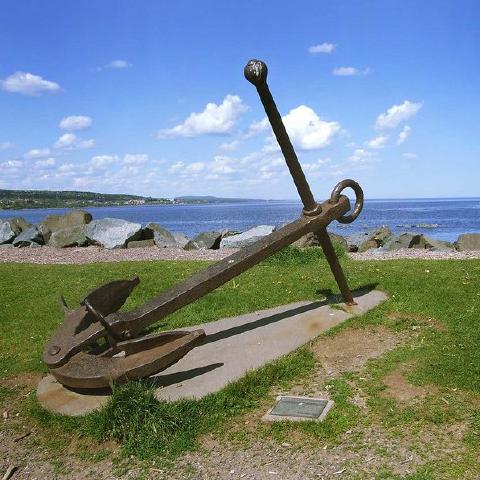
- The HP8753ES was another one on Chris' watch list, but it's a "boat anchor" (heavy piece of test equipment)
- The TDS220 was one of the earlier scopes that changed the standard for how much space it took up on the bench top.
- Dave advertises when there are auctions on the EEVblog forum "Buy / Sell" section. This is a good way to find an auction house to sign up for future notifications.
- Gerbers were a standard format used for photo plotting. The aperture was how wide the light beam was opened as it passed across the board.
- Chris has a "residency" where he gets to try out a Bantam Tools machine. He talked with MG about milling circuitboards a couple months ago.
- The Dragonfly is another machine that supposedly "prints" layered PCBs. It would work well as a super crisis option, but probably not for most PCBs.
- The plan is for Chris to mill out antenna shapes, like those shown in TI App Note 58 (AN058)
- Dave and David have been working with the Richtek USB C processor
- Seeed Studio has some new boards coming out with a RISC V Bumblebee core, made by Giga Devices. The part number is super confusing!
- ARM is allowing custom instructions to be added to the Cortex cores, ostensibly because they're feeling pressure from the RISC V option.
- In Dave's new video about LED lights flickering, the part he was looking at was marked the same as a datasheet, but had a completely different implementation.
- Chris released Getting To Blinky 5.0 videos
- A writer at Digikey tore down and reviewed a $17 power supply
- The device we were discussing on episode 460 was a process meter (Dave made a video about it). It ended up selling out very quickly.
- Dave is a doctor-certified tight ass (hence knee problems)
- We are doing our 2019 survey! Please consider filling it out, we will have prizes for people randomly drawn for filling it out.
Transcript
Chris Gammell: Hey folks, it's that time of year again where we ask you to do a survey for the Amp Hour. This really helps us to figure out what's going on with our audience and what's working and what isn't working. And we just love hearing from you as well. So if you're interested in participating, we'd love to hear from you. There is a link and the actual embedded survey over on theamphour.com, the show notes for this page. For those of you who do fill it out, we'll have some prizes, DMMs, and Analog Discovery 2s, and some custom Amp Hour lab notebooks that we had made a while back. So be sure to put in your email. That's the only way we can get a hold of you. And don't worry, whatever you say in the survey does not impact your ability to win. And we won't use your email for any other marketing purposes. Thanks a lot. This is the Amp Hour podcast. Released October 13th, 2019. Episode 462. Boat Anchors.
Dave Jones: Welcome to the Amp Hour. I'm Dave Jones from the EEV blog.
Chris Gammell: And I'm Chris Gammell of Contextual Electronics.
Dave Jones: Daylight saving again.
Chris Gammell: Yeah.
Dave Jones: Every month. Like four times a year or something. Yeah. I woke up this morning because the kid alarm didn't go off. And then, oh, no, I'm late for my recording in the Amp Hour. And then I message Chris. And yeah. Yeah. Go, what? What? Usually it's the other way around. Yeah. Yeah. Anyway. Yeah, we changed the other week. It's good. I like it.
Chris Gammell: Yeah. Well, welcome. Welcome to it, man. Welcome to it.
Dave Jones: It means every time I leave, it's still light, you know? It's like, when I leave here to go home, it's like, eh.
Chris Gammell: I'm not a big fan of daylight savings myself. Right. I think it's better to. But if you really ask me, I'd be like, well, let's just all be on UTC, you know? Right.
Chris Gammell: All right. Yeah. What have we got this week? Where have you been? What books have you read? What books have I read? Oh, we didn't even talk about this before the show. What shows have you been? Oh, God. So, yeah.
Chris Gammell: Oh, yeah. I have been reading. Oh, God. I have been reading Eccentric Orbits, which I think I mentioned on the show before, because actually someone tweeted about it. We talked about it on episode 460.
Dave Jones: Obviously, yeah. I remember it vividly. Yeah.
Chris Gammell: Yeah. I got a terrible memory. But I have been reading it, and, you know, it's great. It's, let's see. So, I must have mentioned it two weeks ago. Oh, that was only two weeks ago. So, I must have mentioned it then. But it's kind of crazy how much strife there was to make sure that thing didn't go down in a ball of fire. So... What thing are we talking about? Sorry. The 66 satellite constellation of Iridium. Right. So, it cost $6.2 billion by Motorola. And those guys are a-holes. They, yeah, they just sounded like, it sounded like a company that was on its downslide. You know? And, yeah. We did talk about this two weeks ago, because I mentioned- Yes, yes, we did. I do remember it now. I now live in the shell of- Yep. I now live in the shell of that corporation's- Building. But- Yeah. That's right. That's right. Anyways, yeah. Agreed. It's interesting, too, because I've been working on some satellite-based stuff for work, and it's an interesting, like, interacting with stuff that's- It just doesn't seem like it should work, honestly.
Dave Jones: Right.
Chris Gammell: Yeah. Have you ever done anything like that, or no? Like, any remote-
Dave Jones: Remote stuff? Remote. In the military stuff and things like that, underwater comms and stuff like that, but it's not, kind of, not really the same, I guess. Yeah. It's like, you know, shorter range comms.
Speaker ?: Mm-hmm.
Dave Jones: Yeah. No, I-
Chris Gammell: Yeah, I mean, it's tough when you're, like, in the middle of nowhere. Well, and it's interesting, too, because, like, reading about- So, like, reading the historical context of Iridium, you know, that was really targeted. Like, they're, like, talking about, like, oh, we want to, like, get the business traveler and, like, the, you know, every high-end business traveler will have one of these. Of course, yeah. Even though it didn't work inside, even though, like, it- Really?
Dave Jones: I thought it was pretty good. From what I gather, people, like, liked it and it was pretty good, but it was just, I don't know, like, not economically viable or something.
Chris Gammell: It was, yeah. It was very, very expensive. Like, the, because of all the politicking that had to happen, like, each call that you made. So, like, if you, so, like, say you were traveling to the States. Oh, no. And the call would go through, you know, even though you're talking to a satellite, it would then go bounce back down to where you come from and then it would be handled by the U.S. and then it'd be patched over the landlines.
Dave Jones: So, there were geopolitical issues with it. Oh, tons. Oh, wow. Oh, tons and tons.
Chris Gammell: That's also how they raised all the money. So, like, yeah. I won't, you know, spoil the book too much, but it's-
Chris Gammell: Okay. Yeah. Right. But it's, yeah, it's crazy.
Dave Jones: It's a wonder it ever got off the ground. Yeah. No pun intended.
Chris Gammell: Right. I mean, like, so, to Motorola's benefit, I mean, they were pretty much one of the only companies that could have done it because they had the technical expertise, but they were just massive. Yeah, yeah. And, like, it's really hard for me to get a sense of scale. You know what I mean? Like, you know, that other book that we talked about in the past, the Bell Labs book, the, I forget what that was called. But, you know, like, thinking about Bell Labs and, like, all of the telephony stuff, like, even earlier than Motorola, like, just the effective monopoly and then, like, what that does for your, the scale of things you can build is pretty amazing.
Dave Jones: Imagine if a startup tried to do the same thing. They just, you wouldn't get anywhere, unlike, say, like, you would think, like, a startup rocket company would be harder, right? There's, you know, SpaceX and lots of other startup rocket companies, right? Private rocket companies. And you'd think that'd be harder.
Chris Gammell: Dave, I don't want to, I don't want to cut you off too soon here. We've actually had someone on the show that did, did a communications hybrid, the, uh. Oh, right. Oh, okay. I obviously wasn't there. Yeah, you weren't there. It's fine. But, I mean, like, but it, but the scale is much smaller. And I think we're so much further down the line.
Dave Jones: But, yeah, right. I'm talking about an entire satellite.
Chris Gammell: Yeah, like a constellation of multiple satellites.
Dave Jones: A constellation and designing the phones and the, you know, the whole thing.
Chris Gammell: Yeah, right, right, right.
Dave Jones: And you would think that rockets would be harder, but it's not. You simply hire a big space, lots of smart people, throw a lot of money at it, you build a rocket, and then you just apply for a permit to launch it and Bob's your uncle, right? And it even works or it doesn't. And you either get more funding or go bust.
Chris Gammell: I don't know if I'd say a rocket's easier, but, uh.
Dave Jones: No, no, no, but I'm talking from a, from the ability to, uh, actually produce a, a finished product and get into the market. Whereas designing your own phones and satellite systems and, and launching them and getting all the approval and the red tape and all the geopolitics and everything, that would be a lot harder for a tiny little tin pot company to do.
Chris Gammell: I think it's, I mean, like, I think a lot of it is tied to the, to the, um, the timeframe, right? I mean, like they were building, they were just inventing technology to then go and launch it into space, right? Yep. You and I and everyone listening, we all benefit from that. Like you can go out and you can buy an Iridium. Yeah, yeah, of course. You know, like it's still, it's still there. It's still there. It was saved. And yeah.
Dave Jones: Who's operating it now? Is there another, is it an Iridium consortium or something? Did a.
Chris Gammell: No, no, it's an Iridium corporation. So the whole book is about saving the company. Right.
Dave Jones: Okay.
Chris Gammell: It gets, last night I was reading for like two hours and it's very lawyer-y at a certain points, which was surprising. Right. Like it's just like back and forth. And like the fact that they have all the, like who said what to whom, and it was very, very interesting. But, um, but the fact is they saved it in order to then go and target the industrial market. And that's, you know, the kind of stuff that I, and I think other people would use. Like if you're in the middle, so like, say you're like in the middle of like, I don't know, uh, like Kansas, right. With like nothing around. It's just wheat fields all around you, corn, wheat, whatever. Right. Like there, there's no cell towers. Like it's not like you have elevation, you know, like at a certain point you get to like, where you just can't, you can't, you literally cannot do anything otherwise. You either got to go and try and do a, like a bounce, like a ionosphere bounce, like, like ham radio or something, or, and you can't operate in that obviously as a, as a company. You know, that's, that's an amateur band, but you know, you got to do something like that. And it's, uh, you know, then you start running into like curvature of the earth problems. You just like run out of options. Yeah. Yeah. Well, it's interesting too.
Dave Jones: So flat earthers were right. You know, it'd be so much easier.
Chris Gammell: Yeah. You just crank it up to 10 kilowatts and then you're good to go.
Dave Jones: You can do the entire planet. Yeah.
Chris Gammell: It does make you wonder like, what are they, you're like, okay, like, so why isn't your signal getting past 19 miles? You know, yeah.
Dave Jones: Have you, have you seen the documentary? Have you seen the documentary?
Chris Gammell: Is that the one where the guy was going to like do the self launch rocket? I remember like, I think we talked about it.
Dave Jones: No, I don't think that was in it. Or is this a different one? No, that was in, no. There's a, there's a Netflix special. I can't remember what it's called. Okay. But it is, hang on, I'll call it up, but it is hilarious. It's like, I, I thought, no, there's no way I'm watching that. But it, it is great. It's just so funny. The mental gymnastics you have to do in order to really do this kind of thing. And Mark, Mark Sargent, who is the, like the king of the flat earthers, he's actually doing television ads in Australia now.
Chris Gammell: Oh, really? Wow.
Dave Jones: I think it's for cell phones, actually. I think it is. Yeah. I think it's, yeah, ironically.
Chris Gammell: That's great.
Dave Jones: Yeah. It's, it's terrific. So he's such a celebrity now.
Chris Gammell: We're just over the horizon. Yep. Always.
Dave Jones: And the ad takes the piss out of him and he's happy to have the piss taken out of him. Behind the curve. It's called, it's called, ironically, Behind the Curve.
Chris Gammell: That's, that's a great, wait, that's the, the documentary's called it?
Dave Jones: That's the documentary. That, that's what it's called.
Chris Gammell: Oh, that's great.
Dave Jones: Behind the Curve. Anyway, it's, it, it is funny, especially the, the endings just, you'll be wetting yourself. Yeah. So, yeah, it is.
Chris Gammell: So what's interesting to me, so like reading the historical side of this stuff too, and it's like, you know, a lot of the arguments that were made, they're being made again, right? I mean, like the SpaceX launching their satellite fleet, and obviously we've, we had the Hyper on here as well. That's more industrial kind of, you know, SpaceX is trying to do internet effectively. Right. Right. And there's others talking about it too, but it's just, the arguments are just so similar. It's, you know, it's crazy. And it's just the, I, I, I, I wonder that about like, you know, like thinking about satellite internet as well, like getting access to that, like the amount of bandwidth you'd get is, you know, I, if there's anyone out there listening who's working on this kind of thing, give me a shout, Chris at the empire.com.
Dave Jones: Wouldn't you get more from the new 5G, like a local 5G hotspot?
Chris Gammell: You're saying with satellite or, or with a terrestrial-based 5G?
Dave Jones: Versus satellite. The, the, the, if you've got 5G, of course, 5G you can't do with satellite because it's only, you know, hundreds of meters range.
Chris Gammell: Right. Exactly. Yeah. Cause it's higher frequencies. You start to.
Dave Jones: But isn't that vastly higher bandwidth that you'd get from any satellite connection?
Chris Gammell: Yeah. The idea is you need infrastructure though. So like all the 5G stuff is based around like, so if you look at like the planning documents for 5G, it's like, like having every building just kind of coded with, with transceivers on them. Yeah. On their roofs.
Dave Jones: And then they do, you know, a hundred and a couple other bits. And the walls. Yeah. Yeah. Yeah.
Chris Gammell: It's even really, it's tons of handoff. So.
Dave Jones: Inside. I know. It's nuts.
Chris Gammell: Yeah. Yeah.
Dave Jones: And they're, they're, they're going to, I don't know about the U S but they're going to discontinue 3G next year.
Chris Gammell: Oh really? Yep. Wow.
Dave Jones: They've just announced, uh, Telstra here, which is our main supplier. They've, um, they've announced that, yeah, they're going to discontinue 3, 3G in like less than a year or something. Because they reckon there's a 6% usage at the moment and it's dropping fast. So only 6% of people are using, still using 3Gs. So there you go.
Chris Gammell: Yeah. I've heard, I've heard about that kind of thing. I mean, I, they, they've been talking about, I think I wrote an article about 2G and 3G going away.
Dave Jones: Yeah.
Chris Gammell: Um, and 2G is still, I don't know if you got, do you guys have any 2G time? No, no, it's gone.
Dave Jones: No. It went years back. Yeah.
Chris Gammell: Yeah. Yeah. And I think that, um, at least around here, like a lot of industrial stuff still uses 2G. Uh, and there's the only carrier I know of that's using, that still offers 2G is, um, Timo is T-Mobile. Oh, okay. And, um, right. Uh, 3G, there's still AT&T towers, there's still Verizon towers, but yeah, they, I mean, there's a fixed amount of bandwidth and they want it. So they, they're going to start shutting that down and repurposing it for other, other things.
Dave Jones: Gobble, gobble, gobble. They're going to gobble it all up. Yep.
Chris Gammell: Yeah.
Dave Jones: Anyway.
Chris Gammell: So that was another interesting thing about the, the satellite versus, so like at the time, oh yeah, I was talking about this a little bit, like the high end stuff. I was really surprised, like this was around the time when like GSM hadn't been rolled out at all yet. Right. And so there was just no GSM infrastructure. So it was like satellite was the solution. Yeah.
Dave Jones: Yeah. Of course. Yeah. Versus rolling out terrestrial. Satellite phones. Yeah. You had these gigantic satellite phones. Yeah. Right. Right.
Chris Gammell: Right. And now GSM is because it was like, so, and, and, you know, this is when I was younger too. So I don't really remember the, uh, how this all worked too, but I, I was reading about and I, I talked to my folks about it a little bit, but it was just about like, you know, you had coverage, but mostly you were on your localized, you know, carrier and there wasn't really as much roaming. Roaming was very expensive, that kind of thing. Oh, okay. Yeah. Right. Yeah. Go on. And so GSM actually allowed hand, you know, like having actually a handoff and, and better better integration between different carriers and different areas.
Dave Jones: The problem with satellite is that it's always going to be super ridiculously expensive because there's such a small market for it. Cause 99 plus percent of people live in urban city areas. Like there, there's just not enough people out in the fringes out in the middle of nowhere with no towers that need, you know, well, they all need something like that, but there's just not enough for them to, you know, make it financially viable really. So they've got to.
Chris Gammell: Right. Yeah. Yeah. And I, I, you know, like the economics of how it works out too, it's just tough.
Dave Jones: And it's always going to be better to transmit to a local tower than is to transmit to a satellite in terms of like your, your handheld receiver power and, you know, like size and power and all that sort of stuff. So yeah, it's just, yeah. Local's always going to be better. So anyway.
Chris Gammell: Yeah. Well, it's a, that's, this is why I'm studying RF stuff, Dave. This is why. I know.
Dave Jones: This is why you're getting yourself a spectrum analyzer. And a network. Yeah. I'm getting a combo.
Chris Gammell: The one that Shariar just reviewed. We'll link that in. The new Siglin. That's a good review. So I, I reached out to Siglin and they're going to send me a loaner and I'm excited too, because I'm going to be, be able to test that out. And, you know, it's still a rough, I don't know, Dave, these price points of RF stuff. I was like looking at connectors and stuff too.
Dave Jones: It's like three and a half grand US to don't get excited that Siglin have released a $500 VNA. No, it's like three and a half grand. No one has. Starter price, right? Starter price. Right. Right. And that's before all the software upgrades and stuff like that.
Chris Gammell: And there's some cool stuff in there, but yeah.
Dave Jones: It's cheap still, like compared to the, you know, the same, similar performance from other vendors. It's still, yeah.
Chris Gammell: I mean, online I was, so like there's a document I've talked about on here before that Derek Cozella had shared with me on Twitter. It was basically like pointing out like the old HP 8753. Yeah. Boat anchors. Right. Yep. And, and there's still like, those things are still, so the 8753 ES is like, it's got, it's got an option built in. So you get, it's not just the, it's not just the VNA. It's also got the, the test sets. So like the RF relay switching stuff. So you can do S parameter measurement easily without like external setup. And like those things are like, you know, these things are like, they've got floppy disc drives on them and they're like six grand, you know? Oh yeah.
Dave Jones: I know.
Chris Gammell: Yeah. It's crazy.
Dave Jones: Because they're still high performance instruments. They're just. Oh yeah. Yeah. They were state of the art back in the day and state of the art back in the day means better than entry level now. So it's like, you know. Yeah. Right. That's a good point. Even, even, you know, 30 years later. Right. Yeah. Yeah.
Chris Gammell: I mean, what is your preference when you, I mean, like, would you rather take a new, you know, little shinier version for a similar spec thing? Cause like both of them are like three gigahertz max, I think.
Dave Jones: Yeah. I, I would. I'm not a fan, you know, as much as I want to like the boat and I do like the boat anchors, they're just big and heavy and I'm always moving stuff around and it's like.
Chris Gammell: Oh, true. You know. Yeah. So some of it's just logistics for you.
Dave Jones: Because I have different logistics to everyone else. I don't have a fixed setup on my lab bench that, you know, is always just there. It's like I'm always moving stuff around to get stuff in the shot and, you know, things like that. So I've got different requirements. I've got pretty unique requirements, but yeah, the boat anchors are just like, like most people don't have a huge amount of bench space. Right. So it's like, you know. Yeah.
Chris Gammell: And especially those things are deep. They're really, really deep.
Dave Jones: And that's one of the problems. Yeah. Yeah. It's just, it's just massive amount of space. So.
Chris Gammell: I had a, uh, Keithley, we had another, another network analyzer. It was just like, it was about, I think it was the same size. I think it was a small or different version of the same like family. And, uh, and it just like lived on a cart and like, that's kind of the best thing. Cause if you're going to be plugging front or back, you know, that kind of thing. Yeah. Um, but it's just, but then you've got a thing rolling around. You almost need like something like come down from the ceiling, you know, like a Batman level style thing.
Dave Jones: The best, the best innovation in test instruments was the Tektronix TDS 220 series, which introduced this new modern short depth form factor, you know, bench form factor.
Chris Gammell: Yeah. But the screen of those things, I mean like, yeah, it was new.
Speaker ?: Yeah.
Dave Jones: I know, but that was state of the art. You, you probably don't remember the, when, when that first came out. Right.
Chris Gammell: Yeah.
Dave Jones: You don't remember that. I've got, I've got a video on that when it, like looking at the ads and, and, and, and a review when it first came out and it was just, you know, it was stunning.
Chris Gammell: You said that's that a new standard for like how they form factors and stuff.
Dave Jones: To what people expect from the form factor.
Chris Gammell: Yeah. Yeah. And it's true. And that's, it is nice. That part is very nice. I mean, the fact that it can fit on a bench, it doesn't take, you know, a ton of space.
Dave Jones: And you can just, you know, move it back, you know, move it back an inch or two. If you need a bit more room for your notebook or whatever, you know, you can just like, or shuffle it around if you need to, you know, really easy. But if you've got a boat anchor, that thing ain't moving. You know, you, you've got to move your work around the instrument. You literally can pull your back. You can throw your back at it. Yeah. I know.
Speaker ?: Yeah.
Dave Jones: Yeah. And, and one of the problems with buying those is shipping. Yeah. Like, oh, you try and get a shipping quote for anything over 10 kilos or whatever to Australia. And it's like a thousand dollars for the shipping. Yeah. You know, for a lot, like a 20 kilo, 30 kilo.
Chris Gammell: That's true. And I think that these things are in such a high demand. The one that I was looking at, it was like such high demand that I was like, yeah, Singapore. I'm not, there's like a couple in Singapore. I'm like, no, no, that's, you know, you have to put it on a slow boat just to afford it, you know? Yeah. Yeah. Yeah. Of course. It's as much for the shipping as it would for the equipment.
Dave Jones: Yeah. Nuts. Come on, but you live in the land of the, you know, free home of the brave and home of the cheap test instrument where there's auctions galore. Where you score this is the close down of, you know, big companies like the Motorola labs and, you know, stuff like that. They're closing down all the time. I advertise them on my website and my forum all the time. There's all these, you know, companies that specialize in, yeah. There's one that keeps coming back and paying to advertise on my website because they've got a yet another, you know, big lab has closed down and they're auctioning off. You know, and there's dozens and dozens of these. Spectrum analyzers and VNAs and all sorts of, you know.
Chris Gammell: I'm just looking on eBay, Dave, honestly. Oh, yeah.
Dave Jones: No, no. You've got to be looking at the auction houses. If you're in the U.S., you have to be following the auction houses because they're just the way to go.
Chris Gammell: How would one do this?
Dave Jones: One goes to the EAV blog forum and look at the buy sell section on there. And I and others have published these, you know, there's various like auction, you know, there's dozens of these auction houses. So you go to their website and you can should be able to sign up for new announcements of, you know, latest upcoming auctions and stuff like that. So you'll get notified. So, you know, it's a bit of work. If you want these things, you've got to work for it. You know, it's not going to be given to you.
Chris Gammell: I mean, like, yeah, if I if I wanted it otherwise, right, I would just go and pay more for.
Dave Jones: Yeah. Yeah. You go to eBay and you pay a, you know, probably, you know, a definite premium for it.
Chris Gammell: Yeah. It's a time versus money kind of thing. So that makes sense.
Dave Jones: But no, no, if you're in the US, definitely do it. The problem with the auction houses is that they typically won't. Some will pack and ship for you. They will subcontract the packing and shipping company. But usually, no, it's like you've got to arrange pickup. So you've got to come pick it up personally or you've got to arrange for a courier to come actually pick it up and pack it and ship it to you. Right. Or hand carry it. And then it's on you for the shipping anyways. Yeah, yeah. Exactly. So, yeah. But no, if you're in California or something like that, there's these auctions all the time.
Chris Gammell: All right.
Dave Jones: Dime a dozen, dude. Seriously. And there's like hundreds of bits of gear. You can equip a state-of-the-art lab for, not going to say next to nothing, but, you know, like one-twentieth of the cost of what it would normally cost. Yeah, cents on the dollar. Yep. So pennies on the dollar, as the Yanks say.
Chris Gammell: Yep.
Dave Jones: Yep.
Chris Gammell: That's how we do money.
Dave Jones: So do you still have pennies? Do you still like...
Chris Gammell: We do, but I mean, like, you know.
Dave Jones: Right.
Chris Gammell: I've heard they're trying to get rid of them, but they've said that for years.
Dave Jones: Yeah, right.
Chris Gammell: It's silly.
Dave Jones: Anyway, what else have we got?
Chris Gammell: Speaking of copper, though. Copper? Copper? Copper? Pennies are made out of copper, and I have been cutting copper.
Dave Jones: Oh, you've been milling. No, you haven't been cutting. Oh, well, is it cutting or milling? What is milling but cutting? Milling is cutting. Milling is cutting, isn't it? It's a blade.
Chris Gammell: It just spins, right? It just spins, right. Yeah, right. Yeah.
Dave Jones: Anyway, you've got a loader.
Chris Gammell: Yeah, so we've talked about it on the show a lot before, right, of like the benefits of having a mill locally versus just sending out for a board or something like that. Yeah. And I signed up with Bantam, offered me a mill for a couple weeks, formerly Other Mill, now Bantam Tools. And so I've just been cutting out some boards and kind of figuring out what it looks like. You know, people may remember I used to have an actual like metal, like a mill mill, like a CNC mill. And this is basically a much miniaturized version of it and faster spindle.
Dave Jones: So you don't have that mill anymore because you've moved since then, haven't you?
Chris Gammell: That's right. Yeah, I got rid of that when I moved. Right. Yeah.
Dave Jones: Yep.
Chris Gammell: And, you know, I had actually done a, you know, there's a command line tool I did that was like Gerber to G-code or something like that. You know, it was like a tool that basically, you know, you output Gerbers anyways, but you have to then make the tool paths. And so I, at one point had cut, had cut copper clad with, you know, with the mill that I had. Yep. But this is like a much different process. It's much more software-y focused.
Dave Jones: Does the software-y import the Gerber straight and then just goes? Is it that easy or?
Chris Gammell: Yeah. Yeah. It's basically, yeah, you define the top and or bottom.
Dave Jones: Does it drill as well? Does it drill the holes?
Chris Gammell: It does. Yeah.
Dave Jones: Oh, okay. Right. So you just change the bit or is it like a dual bit and it spins around?
Chris Gammell: Yeah, so it changes the bit. It's just got a collet. So you like undo the collet, which is like the way that it tightens down on the tool. And then each time you insert it because it doesn't know, you know, the whole thing in milling and CNC in general is you need to know where your tool is in space.
Chris Gammell: Yeah.
Chris Gammell: You ever done milling, CNC milling or no? No. Okay. The hard thing is like everything's relative, right? And I guess this is kind of like PCB stuff anyways, right?
Chris Gammell: Yeah, of course.
Chris Gammell: And the idea is that like, so you have a Gerber. A Gerber is like a, what is Gerber? It's like an old format for kind of doing milling, wasn't it? I mean, I actually don't even know. I don't know what Gerber's look like on the inside.
Dave Jones: I don't know the history of it, but anyway. Yeah.
Chris Gammell: Yeah. So it's some way that they define.
Dave Jones: Anyway, it's a coordinate-based system. You have a reference. There's always a reference point.
Chris Gammell: That's right. Yeah.
Dave Jones: And everything's referenced to that.
Chris Gammell: Right, right. And so like, if you think about like, if you just had, say you just had a 0603 resistor, 0603 LED, and then like a connector. Oh no, sorry.
Dave Jones: Sorry. If you want the history of Gerber, I think I've got it. I think it just popped into my memory. Yes, it is for, it's for photo plotting, where back in the old day, to actually create the PCB photo plots, you would actually have these wheels with different size holes, different apertures in them, and that would expose the light through, and then you'd have an XY bed. So you'd choose, so the Gerber format would, you would specify which tool, which aperture you're going to use. So you'd specify the aperture, say, I want a 10th owl trace. So it would select the 10th owl hole, so you'd actually have a hole, and then it would move that around and shine light through, and that would expose, that would expose, and then it would move on an XY bed. Yeah, apertures. And that's where it comes from, because these wheels, so you could only choose traces that you had an aperture wheel for, you know, but that's, you know, 40 plus years ago. It's, you know. Yeah.
Chris Gammell: It's like one of those things, like G-code too. G-code has, so basically G-code is the way that you tell a controller where your, you know, your milling bit is supposed to go in 3D space, right? Right. And you basically give it commands, G0, G whatever, you know, and then they're, they're just like these commands that then tell it, you know, what to do. And so the idea is on the back end, what it's doing is basically it takes the Gerbers in, it converts this crazy ass Gerber format, like, and, and then now it's like a bunch of lines, and then it has to then break down each line into a, all right, well, we want to cut this part out of the, out of the board. Yeah. And so it says, oh, now there's a line going from 35 comma 37 to 35 comma 42. Yeah. And so then it actually does that in G-code.
Dave Jones: And it couldn't do curves. It could, a curve, it'd break down into little micro steps. So your, so if you had curve traces on your Gerber file, it would translate them into little, you know, little micro, you know, so say you'd have, you know, 10,000 little elements to make up that one curve.
Chris Gammell: Right. Kind of thing. Yeah.
Dave Jones: Because I think it could only do like vector things.
Chris Gammell: Right.
Dave Jones: I don't know if the Gerber code actually evolved to, you know, have different things, but that's where it comes from. That's where the apertures come from. If you hear the term aperture in related to Gerber's, it's, yeah, a physical wheel.
Chris Gammell: I know G-code has, has a curve thing at least. Right. I don't know. I don't know.
Dave Jones: I should know this.
Chris Gammell: Yeah. So now you're like in 3D space and like you, so, so again, I'm trying to draw an audio picture, I guess, but like I go and put a drill bit or a milling bit, you know, that's similar things, but they're different. But, so it's a milling bit and you, you put it into this collet and you don't actually know where the bottom of the drill bit is. You probably know where the, you know, you know, zero, zero is kind of like your bottom left corner of your board. Yeah. And you might know the height of it, but you need to know all of these different things and where they all stack up. And so what you do instead is then you put this tool in and then it just does a connectivity test. It goes slowly and touches down on this, the spoil board or like the place where the thing is. And that's how it knows where zero, zero is. And then you can kind of stack up from there. So you have to do that. It's free space.
Dave Jones: Calibration step before you start. Yeah.
Chris Gammell: Every time. Yeah. Every time you switch out a tool, you got to do that.
Dave Jones: Oh, I ever, of course, every time you switch out a tool, because there might be minor differences. And of course, only like, and a 0.1 millimeter height difference would translate into X amount of width error. Right.
Chris Gammell: Yeah. If you're doing like a V groove bit. So. Yeah. Yeah. Like what you're talking about is like, if you have a bit that's, so the one I use is like a 30 degree bit. Yeah. And it's, you know, you're trying to just cut with a very, very tip of that thing. It's like a sharpened 30 degree angle. And like you're saying, if you go down further into the material, if you cut further in the material, then the bit cuts more.
Dave Jones: Then it goes out wider by the ratio of the angle of the, yep.
Speaker ?: Yeah.
Dave Jones: Yeah. Bit. So, yeah. Yeah. Or if you tell it, you've got, if you tell it, you've got a 50 degree angle bit and you've only got a 20 degree angle bit, your board's going to be screwed, you know?
Chris Gammell: Yeah. Right. Yeah. Right. Yeah. So it needs to have all that information kind of encoded in there. Right. And yeah, so it's really been about like, you know, just kind of getting the process down. Like I said, the software is much simpler than it was when I did G code, G code to G code stuff on my old mill. But then it's about like tweaking KiCad or whatever your CAD program is to make a board that actually is friendly for this process. And then, and then actually getting it really, really flat and like dialed in. So, and that's what MG, who we've had on the show before as well, he's used a lot of, he's kind of perfected his process. And that's the one where he's milling off the solder mask. I'm nowhere close to that. Right. But I've been bugging him about it.
Dave Jones: Cool. Yeah. All right. Is it practical for your usage? Is it worth it? Cause you know, you can get a $2 board in five days, you know?
Chris Gammell: No, no, that's a great question. I mean, I think, I think it's, if I was in a really tight spot, it would be nice to have this around. I'm not usually in a tight spot, but. Got it. Um, and then I think the other thing is that like, at least so far, I've only done one-sided boards so far. And let me tell you, that is a challenge. Dave, I challenge you to go and do a board without any Vs on it.
Dave Jones: Been there, done that, dude.
Chris Gammell: I just mean recently. Have you done it recently? Oh, no, I haven't done it recently. Yeah, exactly. That's what I mean. Like going back, you know, if you're used to like, oh, eight layer boards is where I started, or, you know, like I'm used to like, you know, that kind of thing. And then going back to being like, oh, one layer. Oh God. Can I even do a ground pour here? Like, I don't even know. And, um, yeah. So just kind of stepping back into that, into that realm, it's, uh, your boards look very different. And, and I, like, I definitely remember you and I talk about on the show, it's like, you'd have to redo your boards to some, when you send them out then too, just cause it's a different, it's a different style.
Dave Jones: So that's right.
Chris Gammell: Right. But it's the, the fast, the repetition and the speed with which you can rep, make, make changes. And like, there's really, really low, much like getting $2 boards made. It's, uh, you can do a lot of repetitions.
Dave Jones: I think back in the day I could have made a photo etched board faster than you can make a milled one.
Chris Gammell: Yeah. That's a good question too. I mean, like.
Dave Jones: I could make a board in an hour from go to woe.
Chris Gammell: Really? Wow.
Dave Jones: Yeah. Yeah. Like, like assuming the, the artwork's done. Right. And they, and then I printed out on positive, uh, photocopier transparency. Right. So you print out on a laser printer and it's a transparency. And then I expose that on my positive photo sensitive exposed board. We're talking, you know, five minutes in the, you know, harsh Australian sun. Right. And so we're talking 10 minutes up to this point. And then I, uh, then you, uh, then you, uh, then you, then you develop that. It's takes five minutes to actually develop it, to get off and get rid of all the photo, all the unexposed, um, no, all the exposed photo resist. Cause it's positive instead of negative. So to get away that. And then another 10 minutes in the etchant or something and Bob's your uncle. And then you drill, you know, it's done. So yeah, I can make a board. I was making boards, even, even at work. I would do this at companies I worked for and, and I would make boards within an hour or two.
Chris Gammell: Yeah.
Dave Jones: So, you know, it's, yeah, it's pretty quick.
Chris Gammell: Yeah. And I think the, I mean, like, what was the resolution you could get on that too? Like the trace width.
Dave Jones: Oh, I was doing eight, eight thou, eight thou track space. You know? Yeah. Yeah. It's, it's pretty good. It depends upon the, uh, the quality of your, uh, laser printed things. Often you get little pin marks. So often, yeah, often you'd have to go touch them up with a little Sharpie, you know, you'd have to like go through, oh, look, there's pinholes and, you know, I'll just make that one a bit darker, you know? And, and it was a bit of a trick. And sometimes you'd end up with, you know, spotty traces that had little pits, pit holes in them and stuff like that. But who cares? Right. It worked.
Chris Gammell: I mean, this is just a miniaturization of the, uh, the fab process, honestly. Oh yeah. Yeah. Totally. Yeah. Yeah. You got double slit effects and you got to deal with those too, you know, diffraction and crazy stuff. Yeah.
Dave Jones: Anyway. Yeah. Yeah. I could, I could make a board in under a nail.
Chris Gammell: I think that the benefit of that is like the, the batch processing versus the rastering, right? Yeah. So you could, yeah, I think, and like if you needed to make more than one board too, you could do that a lot faster too. Um, Oh yeah.
Dave Jones: Often I would, uh, do the panel and then I'd print out like, you know, five or six boards or something if I needed five or six of them. And then I'd expose them all at once, uh, etch them all at once, do everything and then just slice them up, slice and dice them once I'm done.
Chris Gammell: Yeah.
Dave Jones: You know, that's the thing that, the thing that annoying, most annoying thing was drilling the bloody holes. Sure.
Chris Gammell: Sure. Yeah. And if you had like a milling machine to do that kind of thing, if you could register it and do that kind of thing, that would be like, that would probably, and it's surprising that no one has really, I mean, I think I've seen like a Kickstarter for like an agitator, like a chemical bath agitator type of thing, you know? Yep. Yeah. It's important.
Dave Jones: No, I just stand there and shake it, you know, I just stand there and continually agitate.
Chris Gammell: Yeah. Right, right, right. Yeah. I just mean that like someone tried to make that into a, you know, a. Right. A consumer product, you know, not consumer, but, you know, a prosumer product type of thing. And yeah, I don't know, it's interesting that there's not, you know, like the milling is something and I think the combination between the two would be nice too, but.
Dave Jones: But unfortunately, the cheap PCB, modern cheap PCB markets just killed it. I mean, there's just killed all demand for that. There's just no point in trying to do a Kickstarter for, you know, a PCB all in one agitator, you know, a manufacturer milling machine or something like that, you know? It's like, yeah, the mark is just so small. It's the same thing with the satellite phones, you know? The mark is just not. Right, right, exactly.
Chris Gammell: It's just a really, no, you're totally right. And so like someone asked me about, and I've seen on Twitter too, someone asked about like the Dragonfly. That's another type of printer that's out there. So it's a 3D printer that's like, can do like conductive traces and stuff like that.
Dave Jones: Conductive inks, yeah. Yeah, right.
Chris Gammell: But it actually builds the entire board, right? So it doesn't just do a conductive, like a, it's not just the board, you're actually doing like the layers are kind of interwoven. And so in that case, I think that you could do like a four or six layer board in a couple hours, you know, like actually have it on site. Right, right. Yeah. But that thing's like industrial equipment, like tens of thousands of dollars, like very, very nice looking thing. And the only thing, the only reason I could think of doing that is like, because you could literally do, you know, a six layer board in house in a couple hours.
Dave Jones: In house in hours, yeah, that's right.
Chris Gammell: So like, and so then the market for that is military company, you know, like someone who don't want to send it out.
Dave Jones: And people who don't want to send their IP outside. So it's the, you know, the CIA and the, you know, other military and other paranoid companies who don't want to send their IP out to some Chinese family.
Chris Gammell: Or you just have like really quick turn needs too. Yeah, right. That could make sense then. But like at that point, you're just monster company type of things. Yeah. So, yeah, it is interesting how the cheapo market kind of impacts things. Even my own behavior, you know, like how I do boards these days too. It's really just the shipping that takes a long time.
Dave Jones: Into your process, you know, okay, well, it's going to take me four days to get this board and I can, if I need it quicker, I can pay for Express, you know. Yeah. But even the $2 boards I'm getting in five days, you know, it's like, wow.
Chris Gammell: Right.
Dave Jones: You know, and rarely do your needs, you know, as I said, if you want it faster, you can actually pay for, you know, crisis Express courier thing, option, right? I don't know how to do that. Ten times the cost of, well, usually it's a checkout option or whatever, you know. They'll go, okay, do you want this slower one or do you want the super crisis, you know, courier option? And, I mean, but even then you just build that into your design and prototyping process, right? I've got three days to wait for my board or something. Whoop-dee-doo, you know, I'll work on something else. I'll work on the firmware and then it'll be ready by the time the boards get here. Right. Kind of thing. It's one of those, you know, R&D flows things.
Chris Gammell: Yep. Yep. Yeah. So, I'm hoping to piece my two things together, cut out some antennas sometime soon. And it seems like that's a good crossover. We'll see how that goes. Excellent. Yeah. There's actually a really good app note about that. Did I ever talk about that on the show? There's a TI app note that just shows off all of the different, like all of the recommended antennas.
Chris Gammell: Oh, okay.
Chris Gammell: Different antenna shapes and stuff like that. Let me see if we can find this real quick. Okay, cool. Yeah, it's neat. It's because you literally then go and look at some of their dev boards. You're like, oh, yeah, they just did that. Yeah. Nice. Yeah. Yeah. I'm not sure if I can.
Dave Jones: Yeah, because that's not something your Joe Average person laying out a board would know. It's like, oh, okay, I've got this Bluetooth thing. You just, you know, how do I do a Bluetooth antenna? I don't know. How do I do a GSM antenna? I don't know. Right. Well, you just follow the app note, you know, like you just do it exactly the same.
Chris Gammell: Right. Right.
Dave Jones: So, yep.
Chris Gammell: No, you get down to the guide. It's AN058 if you want to look that up. Antenna Selection Guide.
Dave Jones: Yep.
Chris Gammell: Yeah. So, it's cool. It's cool to see all the testing they do. And they have like a dev board where they can break it out, pigtails and all the different things. So, it's a nice resource. Got it. AN058.
Dave Jones: Yep. I'm having a look at that now. Oh, yeah. Sweet. Yeah. Oh, wow. That's pretty comprehensive. Oh, geez. Oh, brief antenna theory. Oh, wow. Yeah. Someone's gone to town. Yeah. Yeah. Yeah. Somebody had fun. Geez. He's that. Richard Wallace had fun. Good on you, Richard. Good on you, Dick.
Chris Gammell: Yep. Yep.
Dave Jones: All right. Fantastic. Yeah. All right. What else have we got on this week's show?
Chris Gammell: Well, I was going to ask you, what are you building these days? How's your, how's, let's get a little update here on the, you supply.
Dave Jones: The micro supply update. The micro supply update is more USB. More USB. We've gotten over all the HID hurdles. We've gotten over all those hurdles. And now it's a USB PD. It's the power delivery thing. Oh, yeah, yeah, yeah. And apparently, um, and you know, David's working on this and he's had to contact Rich Tech, who's the man chip manufacturer. Right. And there's apparently there are like secret, there's these undocumented registers that do all the magic. And it's like, they won't, and you know, you have to sign, like contact them to get the secret squirrel list of registers and how they work. Like, and you've got to promise not to give it to anyone else. And it's like, you know, like, what?
Chris Gammell: And Dave will now recite them on live on the air.
Dave Jones: Yeah. Like, like, like seriously, he's, he's looking at this code that he got, you know, there's somebody's opened some code for this chip or whatever. And he's going, these register, like it's right into these registers that aren't documented. And he's like, you know, and he's debugging all this and he's going, I have no idea what these registers do. So he has to contact the manufacturer. And sure enough, they get back to him fast enough and they go, oh yeah, here's the secret squirrel information. You know, here's the secret handshake. We can, yeah, like, geez, give me a break. Anyway, there are different ways to do Microsoft, Microsoft, why am I saying Microsoft? USB PD, which is power delivery standard. It's really quite complex. I've talked about this before, which why a lot of products don't use USB PD is because the development time and effort is quite complex to meet the standard and everything and to actually do it right. And there's two ways to do it. One is using, we're using ST processor on the USB side, as well as a rich tech part. And ST do actually have a USB PD library, right? So they do actually have it, but it takes over 32K apparently compiled just for the library, right? Yeah. It's a, yeah, they don't like to optimize their code. Let's say that. And so if you want to use that, so if you want the advantages of having that shorter development time, you've got to pay an extra two bucks for your microcontroller because you've got to go to, you know, way up the chain. Yeah. You've got to get a 256K micro, you know, something like that. Yeah. It's, it's, it's killer. It's killer. And then, and then they also make a pairing chip as well, which communicates via I squared C to the micro and, and it handles the USB power delivery, you know, protocols and negotiation and all that sort of jazz. Got it. And it just hangs off the, it hangs off the lines or what does it do? Yeah. It just hangs off and it goes, it goes through that to the micro or something and it communicates via I squared C and it's, it's just, yeah, it's, it's a mess. It's a mess.
Chris Gammell: It doesn't sound very elegant.
Dave Jones: No, USB PD is, is one of the biggest pain in the asses. So if you think you're going to be able to develop a USB PD product quickly, think again.
Chris Gammell: Does this be, and you guys already have transceivers, like USB transceivers built into this. You picked a processor with that built in. Yeah.
Dave Jones: They, they're, they're built in, but this is implementing the, you know, talking properly the USB PD protocol and actually doing the power negotiation and all that sort of jazz. And there's so much involved.
Chris Gammell: You basically could have like not even, you wouldn't even needed the D plus D minus on your processor then, right?
Dave Jones: Well, we do because we're sending data as well. We're, we're, we're sending serial data as well. We're, we're implementing a serial protocol over the USB, but we're also negotiating for the USB power. Oh, sorry.
Chris Gammell: So the I2C chip only, only handles on the power line. It doesn't do, it does, it does it actually talk, uh, does it inject the data packets on the D plus D minus as well?
Dave Jones: Yes. I believe it does.
Chris Gammell: Oh, okay.
Dave Jones: Okay. So yeah. Anyway, I'd have to call up, I'd have to call up the schematic and everything to verify. Yeah. No worries.
Chris Gammell: No worries.
Dave Jones: But, um, yeah, it's like, it's, it's not easy. It's a real pain in the butt. Yeah. So yeah. Anyway, it's, it's not that bad. He's, he's getting ahold of it. Once he got those registers and figured out what's going on, it's like, yeah, okay, we're back on track. Yeah.
Chris Gammell: It's like having the Rosetta stone at that point. Yeah. Yeah. Yeah.
Dave Jones: Exactly. But, but the fact that you have to do that and, and it's just, it's not documented. It's just scary. Really. So, and, and as we said, there are easier ways, but you pay for that. And then there's a trade-off, do you, uh, pay $2 more for your product in your bomb cost forever? Right. Because you're, you know, you've got to build that part in, you might sell a million widgets, right? And, or do you take the hit in the, in the development cost to develop your own on a smaller, you know, to, to roll your own solution on a smaller, cheaper micro. And you've got to trade that off, you know, how much development time is worth and how many units you're going to sell.
Chris Gammell: The code might branch from theirs and you'd have to like keep an eye on it. Yeah. Yeah. That's, that's tough.
Dave Jones: Stuff like that. Yeah. And how, how fast you want to get to market and, you know, how many people you've got to work on.
Chris Gammell: It's like the cost of diverging from the dev kit, the dev kit almost. Yeah. Yeah.
Dave Jones: Exactly.
Chris Gammell: Yeah.
Dave Jones: That's, yeah. I, I had not, if I, seriously, if I had, if I knew how much effort all this USB stuff would have been, I, I would have, you know, like way back at the start, I would have gone, oh no, look, I'll just go for some other solution somehow. Right. Right. You know, like it was just. Barrel jacket is. Yep. Yeah, exactly. It's like, yep. Yeah. It's a pain. But now you're so far down the rabbit hole, you can't stop. You know, we have to see it through, you know, so. Yeah. And we're almost there. Like it's, you know, it's, it's getting pretty close. Like we've, we've come over, you know, multiple huge hurdles and. Yeah. Yeah. So anyway. You can do it, man.
Chris Gammell: This is one, this is interesting too. Like hearing about the, you know, the firmware versus the hardware, you know, the hardware has been done for.
Dave Jones: Oh, hardware's been done for months, six months, you know, and it's been six months or something of, of just like firmware hurdles and stuff like that. Yeah. So you might, might think, oh, it's just a power supply that talks over USB. I, you know, no, it ain't that easy. I'm afraid. So.
Chris Gammell: Yep. Hmm. Yeah. It's, yeah, it's interesting how that all works out. Yep. Nasty. So you mentioned the SDM 32. I had a, I had a thing on this, on this, on the list from this week. At first, like I was, so I was reading this press release and it was from Seed Studio, right? So Seed Studio is putting out this new little widget-y thing. No. It's called the Wild Light. Yep. That's, they do that. And I'm like, I'm reading it and it says Wild Light Risk, Risk 5, right? And I'm like, what am I looking at here? And I like, so I'm looking at this thing and it's got an ESP 8266. And first off, it's cheap. It's seven bucks, right? So super cheap. It's got a ESP 8266 on it. And then it's got an SDM 32 on it. Well, it's actually got the Giga devices, which is that processor we mentioned on here before, right? So that's the one that's the complete register match. Oh, right. Yeah, yeah, yeah. For the SDM 32, right? So Giga devices F103, right? So that's meant to match the SDM 32 F103. And so I'm looking at this thing and I'm just like, I literally can't figure out. I'm like, is it the, is it the wifi thing that's different? I'm like, no, that's an ESP. And I'm like, back and forth and back and forth and back and forth. And like, so what I realized is that Giga devices decided it was a smart idea to make a completely different architecture part by changing one letter. So GD32 is Giga devices 32 V F103. All right. The SDM 32 clone version is GD32 F103. And so it's just that V in there. And it's now, it's now instead of being an ARM device, it's a RISC-V, it's a RISC-V device. It's like, holy shit.
Chris Gammell: What?
Chris Gammell: Yeah. This is insane. Yeah. I just imagine that, you know, a couple of people are going to be like, I can't get anything to compile for this thing. It doesn't work. It doesn't work.
Dave Jones: I'm sure I ordered the right part. Look, look at the part number. Yeah, right. Exactly. Yeah, yeah. Wow.
Chris Gammell: But the other interesting thing here is that the Giga devices is making a RISC-V part that's going, it's already out in the market. So it's the Bumblebee core. And yeah, RISC-V is out there, man. I mean, it's been out there, but it's, you know, more and more silicon that's kind of hitting the real world. So it's very exciting.
Dave Jones: And what is the driver? What is the need for RISC-V because you don't pay the ARM royalties? That's right. That's one of the major, is that the major driver?
Chris Gammell: The thing that we've gotten wrong in the past that we need to make sure we make clear here, RISC-V is an ISA, which is instruction set architecture, right? So it's actually not a processor. Someone had made a processor that was conforming to that ISA. In this case, it's the Bumblebee core, right? But I don't know anything about that.
Dave Jones: But now you can effectively say it's a processor core, pretty much. Yeah, I guess in the same way you might say something is ARM, right? Yeah, I don't think you're going to stop people thinking that and saying that. It's just, you know, it's just habit now.
Chris Gammell: The equivalent would be like, like the Bumblebee core would be like being a Cortex M0. That's like the core. Right. But it's still an ARM architecture processor, right? So this would be a RISC-V ARM architecture processor. So that's kind of how I think about it. I don't know if that's right, but that's how I think about it at least. Yeah. And yeah, it's just, it's interesting that it's out there because like you said, it's the, you know, they're not charging royalties on it. But there's a lot more room for improvement. And this leads into another story that we have on the thing this week, which before the show you said, well, why do we care about this? It's actually driving ARM's behavior too. So one of the things we have on the show this week is ARM enables custom instructions for embedded CPUs. You better bet your bottom dollar that that's coming from the fact that you can just go and make your own processor now, right? They're basically being like, oh, you wanted custom? We didn't know. Now you can be custom too, right? I'm not really sure the logistics of it because I assume it's like you have to be at the stage where you're developing your own chips, you're buying a core, and you're paying royalty. I think you actually don't pay for the core anymore either. You just pay royalties.
Dave Jones: Oh, yeah. Well, no, that's always been the case. I thought you paid for a royalty. If you're a chip manufacturer. You always pay the royalty for sure.
Chris Gammell: But I'm pretty sure that you used to have to pay an upfront fee as well to get access to that. Oh, okay, right. Yeah. So it was like a big chunk of money up front and then royalty stuff. I think they're moving to a royalty only because if you say, hey, it's going to be $300,000 to get started or you can just go and get one of these free cores over here, some people are going to make that differentiation. That's it. Yeah. So it's going to be very interesting seeing, first off, hopefully ARM continues to play nice. They had a little bit of a smear campaign. Just mini smear. Mini smear. Just like a mini bagel smear versus... But I think it's going to continue to get more interesting. Right. And I think there's still benefits too. So ARM is doing interesting things with the embed. That's like their real-time OS.
Dave Jones: Well, we've been talking about RISC-V, RISC-V. Is it RISC-V or RISC-V?
Chris Gammell: It's RISC-V, yeah.
Dave Jones: RISC-V. We've been talking about RISC-V and everyone's talking about it, but that's only in our sphere, right? We don't matter. Out in the real world, it's like how much penetration is RISC-V getting in the industrial consumer market, right? Probably border on zero so far. Yeah, there's going to be huge ones.
Chris Gammell: Yeah, I think so. And the fact being that like, okay, so you and I both say, how about this? So Microsupply comes out tomorrow and you're like, all right, I'm going to start on the next version of the Microsupply. I'm going to use a RISC-V processor. And it's like the amount of chips that you can buy off the shelf, which you've always said that if it doesn't exist unless you can buy it on DigiKey, which is a good guideline, I think at least from a product perspective. It's very, very small. And so it's getting, it's growing. You know, you can go buy, you can, I think you can buy, I think this might be early Silicon, the Giga devices one. Oh, okay. But that's not the only one that's out there. And you can always go buy FPGA and you could drop this on there too, right? There's lots of people doing that kind of thing. Of course, you could actually roll your own kind of thing. Right, right.
Dave Jones: But once again, it's the same thing we talked about with USB PD. Do you roll your own or do you go with a solution that's physically more expensive?
Chris Gammell: Right, right. Because it's a short development time. It's all engineering trade-offs, right? Of cost and risk and time and power. Risk. Power being a big one too, right? Not risk, yeah. Nice. We're here all week, folks. That's right. Try the wheel. Yeah, I think that it's a trade-off, right? And I think right now it's not that. But I think what we're going to continue to see as people continue to listen to the amp hour for the rest of their lives, of course, is that we're just going to, you know, hey, there's new parts on a DigiKey or Mauser or an Aero or whatever, and you can just go buy it. Or, hey, you know, TI decided to drop this core as an experiment into their thing. You know, like it's not unheard of that, you know, even a microchip, which is on what MIPS for all those years, then they have a, you know, they have an ARM processor too and a bunch of them, you know, right?
Dave Jones: Well, only because they bought it via Atmel. They bought Atmel and then the ARM came over with it.
Chris Gammell: No, it was before that actually. Oh, was it? Who was that? Okay. Luminary. Luminary Micro. That's who it was. Oh, okay. All right. Yeah. Oh, wait, was that TI? Who cares? It doesn't matter.
Dave Jones: Anyway, this whole part number thing that you were talking about, right? Yeah. Part number, ambiguation. The video I just released 10 minutes before we recorded this is that, yeah, I tore apart one of these LED light drivers, right? Constant current LED light drivers. And it's using a cheap one-hung low brand chip on there. And I was able to find the data sheet for the exact part number, but it was marked confidential. It wasn't on the manufacturer's website, right? The chip manufacturer. How did you find it? Well, Google. The dark web. The dark web. Yeah, I went to the dark web. Psst, buddy. Hey, have you got this? Yeah, what a bad idea to shoot. You got that? Yeah. Right. Anyway, so the company is on Bright, who you might never have heard of. Anyway, they make these LED controller drivers that are in all these Chinese, you know, LED driver things for your lights. Anyway, yeah, so I found the exact part number, and then I was making it. I go, what a beauty. So I started recording my video, and I was going through it. I was recording, blah, blah, you know, going through the data sheet. And then I realized this isn't the right part, even though the part number is exact. It's a different package.
Chris Gammell: Playing loosey-goosey with the part names, huh?
Dave Jones: Yeah. Yeah, and it was like a six-pin SOT23 instead of a DIP8, which is what I had. But the part number was identical, and this one that I had the data sheet for used an external driver transistor, and then I had to go back and check my board. No, there's no external driver transistor.
Chris Gammell: You're going to take a crazy pill. I know.
Speaker ?: I know.
Dave Jones: I was like, and you can see this in the video, and it's just like exactly the same part number.
Chris Gammell: Yeah, I think maybe, and maybe this is part just because it's low-cost stuff, but like I also wonder, I remember like in Bunny's articles about like Shanzai Phone. Is that what it is? Shanzai? Remember the Phone's article that Bunny did many years ago? Yeah, yeah. About like how there's like the kind of copy culture and stuff like that? Yes. And I just wonder the same thing where it's like, well, we're trying to make a cross, and it's pretty close, and you have to kind of just test if it is actually the exact same part, you know?
Dave Jones: Right. Well, I wonder if this company just like rolled this custom variant that had the inbuilt power transistor, and they didn't even bother releasing a data sheet for it. They just went, you know, some company approached them with an order. Oh, I want, you know, 500,000 of these chips, but I'd love if it had a built-in power transistor. Oh, yeah, we can do that in a DIP8 package and just whack a power transistor on there. Yeah. And they just did it and just didn't bother to, you know, actually release a data sheet for it. Maybe there is, but they just kept the same part number, and it's like, what?
Chris Gammell: Yeah. So that would be interesting if you could like test the various, I mean, because yeah, the pins would add up in that case, right? Oh, yeah. No, it was the same, except it had the built-in power transistor. The function was the same, pretty much?
Dave Jones: Yeah, yeah, yeah. The function was absolutely identical. Yeah. Yeah. Except it had the built-in power transistor.
Chris Gammell: There was no mention of like alt packages on the bottom of the data sheet.
Speaker ?: No, no.
Dave Jones: There was no, in the data sheet, no mention of alternative packages. It was simply that, yeah. So, yeah. Nuts.
Chris Gammell: Yeah, I haven't had a chance to watch the video yet. I'm sorry. But I did release it right before, so I have an excuse this time.
Chris Gammell: Yep.
Chris Gammell: Yeah.
Dave Jones: But, yeah, that just reminded me of that. Bloody. You know, like, unbelievable. Yeah, it was tricky.
Chris Gammell: I mean, I think, especially like, you know, like markings on their own are tough. But then you're, you know, sometimes you have markings that are like kind of hard to discern what they're doing there. But then if the parts are exactly the same, it's like, oh, man, that's tough to do. So.
Dave Jones: Crazy. Anyway. Yeah. Didn't cause me any drama because I just got the function. Yeah, functionally it was the same. So it worked for my purposes, but.
Chris Gammell: Yeah.
Dave Jones: Yeah. Anyway.
Chris Gammell: I made some videos for the first time in a while.
Dave Jones: No.
Chris Gammell: I did. Yeah. Getting a blinky.
Dave Jones: For your course. Yeah. Another getting a blinky.
Chris Gammell: Yeah. 5.0. Or is it a follow? It's the software is now on. Didn't we mention? Oh, no.
Dave Jones: We forgot to mention it the other week. That's right.
Chris Gammell: We did. Yeah. Yeah.
Dave Jones: We did. Okay. Yeah.
Chris Gammell: All right. It's the exact same thing. People are like, why didn't you add like mounting holes or do anything different? I'm like, well, you know. It's just, it doesn't, you know, I should have. Yeah.
Dave Jones: Because they keep changing key CAD the way it works, right? That's right. Yeah. Yeah. Yeah. All your old videos are completely obsolete. Are you going to actually remove the old videos? Or is there value to?
Chris Gammell: I usually just, I send, I link them and I, you know, I unlist them. Oh, you unlist them. Yeah. I don't, I don't like break the link or anything like that. Right. Okay. Yeah. I definitely put notes that this is not the video you want. Sure. Yep.
Dave Jones: These are not the droids you're looking for.
Chris Gammell: That's right. Exactly. Yeah. It's, it's tough too, because like, and someone had complained about it too. It's like there, there is a lot of old, you know, like crufty documentation on the internet, you know, when, when software moves like that and there's no one really like controlling it, you know, it's basically Google's in charge, you know, so you have to kind of search for like, you know, KiCad 5.0 and then like, sometimes I'll like add like 2019 to make sure it's not like an old issue from like 2015 that's been fixed, you know.
Dave Jones: Well, maybe I should do that to old videos because I still get, you know, emails. Oh, I watched your multimeter shootout and is this still the best one? Dude, that video was nine years ago.
Chris Gammell: That's right. Yeah.
Dave Jones: It was like, you know, yeah.
Chris Gammell: Yeah. It makes me wish you could do like more like, like a picture in picture and be like, hello, welcome to this video from nine years ago. By the way, there's an updated video. Don't let you, don't take, you know, this is for historical purposes only. Yeah. You know, it's tough to do.
Dave Jones: But yeah, I should like update the title and the description of that, you know, some old videos that aren't relevant anymore, but I got, you know, 1500 videos. Of course. Of course. Yeah.
Chris Gammell: That's, that's tough. I tried to, you know, you could do is you could just do, if you, if you appended the, the year onto all of the videos, that might just be enough of an indicator just because that would be, people would be like, oh, 2009. Right.
Dave Jones: I might do that for all new review shootout videos. I might like embed the year in the thumbnail or something like, you know, 2019 shootout.
Chris Gammell: How's this going to work in like 20 years when there's all this, there's even more cruft on the internet. Right. Right. It's just like, oh yeah, well, I watched a video of a guy that's not been around doing videos for the past 20 years, but.
Dave Jones: Are you saying I'm going out of business? Is that.
Chris Gammell: Actually, I even avoided, I was going to say someone died. I didn't want to, I sounded really bad.
Chris Gammell: I was kind of getting that vibe, but I thought.
Chris Gammell: You know. No, I just mean, yeah. Dave, what I'm trying to say is you're so successful, you'd retire and, you know, not make videos anymore. Yeah, of course. Right.
Dave Jones: I've probably got a good 20 years left in me before.
Chris Gammell: Oh yeah. That's, you know. The gray, the grayness in your beard is, first off, you've got to grow the beard and then the beard's got to turn gray. Yeah.
Chris Gammell: Oh boy.
Chris Gammell: Yeah. Yeah.
Dave Jones: No, it's a real problem. Like old content, old, you know. Sure. Sure. Yeah.
Chris Gammell: It's, it's, you know, Google will help you find just anything. It's just about anything you want, including a $17 bench supply.
Dave Jones: Yeah. I was perplexed by this because it's on DigiKey's website and I clicked the link before the show and it's like, what? Are DigiKey selling a $17 bench supply?
Chris Gammell: Yeah.
Dave Jones: And it's went, no, they can't possibly. And sure enough, they aren't. But it was one of the staffers, Rick W. At, uh, I presume he's a staffer there.
Chris Gammell: Yeah. At least a writer. Yeah. Yeah. On their blog. Yeah.
Dave Jones: And it's just, and he's done an extensive review and tear down of this $17. Where'd he get it from? Does he mention it?
Chris Gammell: I don't, uh, I think probably like an eBay or an Alibaba or something like that. Right.
Dave Jones: Yeah. Yeah. But $17 for a bench supply. Yeah. It's, you know, it's crusty as, right? It's a, you know, a piece of folded sheet metal with a, you know, the cheapest one hung low transformer you can get. Right. You know, but still.
Speaker ?: Yeah.
Chris Gammell: It's basically a transformer, but it's got like a display on it. It's got knobs, you know, like potential owners aren't cheap. Yeah. Yeah. You know. Mounting plates. Yeah. Yeah. I know. Yeah. I just mean, mechanical stuff always adds up, you know, like that.
Dave Jones: Right. Yeah, it does.
Chris Gammell: Yeah. And then someone's got to, when it's, when it's like a through hole thing, then someone's got to put it together.
Dave Jones: That's the video that I did release this morning. Once again, with that lead driver, right? I tore down two different lead drivers. One was a bottom of the barrel one, which flickers, right? And the reason it flickers is because they've cut cost. Right. Monthing. Yeah, monthing. And when I tore it down, right? And sure enough, they solder the wires directly onto the board. You know how these little, you know, you've used these little lead light controllers, right? Usually they have screw terminals at the end, but no, they didn't bother because they cost money, right? They cost a couple of cents extra. That's right. So they, you know, so that even in a huge volume, they cost a couple of cents extra. So they, they know that the mains wires sold it straight in. The output wires sold it straight in. You know, none of these, even, even though the case had the holes for the screw terminals, right? It had the holes to put your screwdriver in, right? They just know. This was their ultra cheap version.
Chris Gammell: I've been interested in that before with like, I've seen, I think it was my, actually it's my like cheapo hot air station. Oh yeah. That I bought. Right. And like, and I'm like, why doesn't this thing have an IEC connector on it? And like, I wanted to just be able to swap out, you know, like pull the plug on it. Yeah. It costs money. And probably see, it's probably safer that way. You know? Yeah. Right. They take the safest thing they could do and they do the opposite. You know? This thing was real cheap. And they're like 40 bucks now. Oh my God. They're so cheap. It's crazy.
Dave Jones: Yeah. No. Yeah. But what? It's amazing that you can get like $17 for a bench supply. Are you kidding me?
Chris Gammell: Yeah. Right.
Dave Jones: Does that include delivery? Surely not.
Chris Gammell: I don't think so.
Dave Jones: Okay. Because they're fairly heavy, right? Oh yeah.
Chris Gammell: We should follow up on your thing for last week. If people haven't watched the video from your last week, that was a, it was a DMM slash a field, what was it called? A field tester or something?
Dave Jones: Oh, the process meter.
Chris Gammell: Process meter. Yeah. Yeah. Okay. Yeah.
Dave Jones: Process. Sorry. Process meter.
Chris Gammell: Yeah. Process meter. Right. And that was immediately like gone, but it was.
Dave Jones: It was immediately gone, but there are reports that people have been receiving them. So, but there are tons of reports of, of the sellers just came back and said, sorry, we can't deliver this. Would you like this $2 cheapie instead? It's, it's the best seller. Trust us. And it's like, you know.
Chris Gammell: You're looking to measure some mains voltage. This will do you fine, sir.
Dave Jones: But yeah, no, some people have been getting them, but yeah, they, the many sellers on there pulled it within hours of the video. There was just such demand and they went, holy shit, there's a run on the bank. And they, they all panic. So I can just picture them at the Shenzhen market. Cause a lot of these, if you don't know, a lot of these AliExpress stores actually just are, are a little stand at the Shenzhen market or somewhere, you know, something like that. So I can picture them all, you know, shouting across the corridors. There's a run on these meters, you know. You've been ee-blogged. Well, often they, they won't carry the stock themselves. I'll say, yeah, I've got 300 in stock, but they won't carry it. So if they get an order, they will just walk around the corner to the next store that has the stock and they'll buy it from them. And then they'll re, and then they'll ship it to you from their stand, you know. And, and, and that's how it works. And yeah. And they all just shut it down. They all shut it within hours. You can, you can watch them dry. And people were watching this like in, in real time as all these stores just, you know, vanished. They all suddenly shut down their listings within hours of each other. It was, it was hilarious. So, but yeah, some, some people are getting them. Some people got lucky. So there was probably, you know, a stock of a hundred out there or something.
Chris Gammell: And okay. Yeah. True stock. Factory seconds or like a. Yeah.
Dave Jones: The factory seconds or something and fell off the truck or whatever. We, we still don't know the story. So anyway, it was, yeah, that was, that video was hugely, people love a bargain. You know, it's like. Yeah. Right. For nine bucks, I'll take it. Because then it becomes like a collector's item too. Yeah. Yeah. Yeah. Exactly. Hey, I got one. It's like one of these badges of honor. I was, I was in so quick that I.
Chris Gammell: Yeah. Yeah.
Dave Jones: Yeah. And it's like, yeah, these cheap power supplies. I don't know what to think. Like, well, you know.
Chris Gammell: There is a high frequency output at the bottom. It is for a linear supply. Like linear supplies. Like it's really just about having like a clean transformer. Yeah. Yeah. Exactly. The big caps, you know.
Dave Jones: Oh, well, it's the high frequency stuff. Why is there high frequency stuff? It's just a linear.
Chris Gammell: I'm guessing it's probably bleeding in from the.
Dave Jones: That could be just common mode noise. That could be, that could be measurement.
Chris Gammell: 12 megahertz. Yeah. Yeah.
Dave Jones: Yeah. Yeah, for sure. Well, this thing does not seem like it's very. That high frequency stuff will just go right, right through your transformer. Yeah. True. Yeah. That, that stuff just goes straight through the AC coupling, you know.
Chris Gammell: Yeah.
Dave Jones: And, uh, yep. I've done a video on that somewhere. Anyway, but yeah, I mean, like for 17 bucks for just somebody setting up a cheap ass, you know, lab. Right. It's like, you know, they did go to the effort to put the, uh, the red sealer on the connectors. I'm impressed. Yeah. You know, so they don't actually vibrate loose when you're, you know, there's the sealer, the thread, not thread locker, but, you know, glue kind of.
Chris Gammell: Right. Yep.
Dave Jones: Red stuff, red gun.
Chris Gammell: Have you ever done a, like a, someone's done a lab for under a certain amount of dollars. Was that you? Me. Yep. Yeah.
Dave Jones: That's me. And once again, that's once again, a year later, it's completely out of date. I keep getting people.
Chris Gammell: Right, right, right.
Dave Jones: You know, please, please, please do a new one because everything's, you know, out of date. Some things aren't, but others are. So yeah, those things have to be done yearly. Really?
Chris Gammell: Yeah. Well, there you go, Dave. There's your idea for video today. I know. Yeah. The future of the EEV blog is just.
Chris Gammell: Yep.
Dave Jones: That's the future of the EEV blog. Just, you know, updated old videos.
Chris Gammell: The wire cutter for the discerning electronics. Yeah.
Dave Jones: Yep. It's just, oh, it's crazy. Anyway. Yeah. People, people love cheap, test gear and cheap stuff, you know, bargains. It's just every time I do a video like that, it's massively popular. I should, if I was a smart YouTuber, that's the only content I'd be putting out.
Chris Gammell: The Dave branded version. That's right. Yeah.
Dave Jones: That's why, you know, Clive is popular. Big Clive, you know, because he like just, all he does is his whole channel is just tearing down this cheap Chinese shit. Yeah. And it's just funny, you know.
Chris Gammell: Yeah. I think that's, you get lowest common denominator, right? Everybody can afford to buy it. And then.
Chris Gammell: Yeah. Exactly. It's interesting to see when there's some cool tips in there too.
Dave Jones: Yeah. Even your pros, you know, like half of my audience are engineering professionals, right? But even they like, you know.
Chris Gammell: Well, that's the thing, Dave. We're all cheapskates. So there is that.
Chris Gammell: Yeah. Exactly. Yeah.
Dave Jones: We're engineers by definition. We're. Yeah. Yeah. Cheapskates.
Chris Gammell: Right. We can double the amount of stuff we get if we get half the price.
Dave Jones: I could mention how I was literally diagnosed the other week as being a tight ass.
Chris Gammell: Really? How's that? Did you like a doctor? A doctor do this?
Dave Jones: Well, physio. I went to my physio for a knee problem and I came away saying, nope, I'm literally a tight ass. My glutes are so tight that it's causing knee problems. Seriously. So I've got to, yeah. So every time before, every time before my gym class now, I've got to roll a tennis ball around my bum. I've got to, you know, to loosen my, otherwise I get knee problems. Yeah.
Chris Gammell: Oh man. You should do a lacrosse ball and then you'd start weeping like a child. That's the worst thing. Have you ever done a lacrosse ball before? Like the rubber ball?
Dave Jones: Dude, we don't even know what lacrosse here is. Well, anyways. I know it's some sort of hockey variant.
Chris Gammell: Yeah. Yeah. It's a hockey type thing. I used to be, I used to be an athlete, so I used to do that. Yeah. Yeah. But yeah, if you ever roll out a muscle with a lacrosse ball, it's like hard rubber and like you'll just start, you'll start crying. It's like, oh, it's terrible. Oh God. So certified tight ass. That's, that's. Yeah.
Dave Jones: I am literally diagnosed tight ass. Yeah.
Chris Gammell: That's great. That's great. Love it.
Dave Jones: I know. I'm telling everyone. It's absolutely hilarious. Yeah. You should make a t-shirt. Yeah. Yeah. Maybe not. Literal tight ass. Yeah. Right. Oh, that's great. Anyway, we're way over time. Do we have anything last minute?
Chris Gammell: I don't know. This one went quick. I think so. There's stuff on the, there's stuff on the. The. There is. Subreddit. Check it out. Oh, that's the last thing. We are going to be doing, I'll have already announced this at the beginning of the episode, but we're doing our quasi annual survey and there will be some, some prizes. So.
Dave Jones: Where are we getting prizes from?
Chris Gammell: My. Well, from you. We. Some, some old school DMMs that were sent to me will be in the, in the offering. Some Amp Hour notebooks. Right. And some Digilant Analog Discovery 2s. And we'll see what else we can dig up. So.
Dave Jones: Analog Discovery 2s. That's. They're worth a pretty penny.
Chris Gammell: They're worth. Yeah. They're like 200 bucks. So I, I had been gifted those by Digilant. They were very, very kind about that. And. Oh, excellent. Well done. So yeah. Talk about free stuff. There we go. Yeah. Fantastic. Yeah. And yeah, we'll see what else we have kicking around. But if you're interested, you definitely have to put in your email address in order to win. I'm not going to use it for any other than.
Dave Jones: Yeah, because we have to be able to contact you. No. I'm sick of doing contests and somebody wins and then I can't contact them. It's like. Yeah. Yeah.
Chris Gammell: Make sure it's a good email address. So I won't use it for anything else. But. Trust us. Yeah. Yeah. We're too lazy to do that. Come on. Yeah.
Chris Gammell: Yeah. We're just. Yeah.
Chris Gammell: Marketing. What's that? Oh boy. Yep. All right. Yeah. So fill out the survey and we'd love to hear from you. Cool. They were really good comments last time too. Thanks. Thanks for doing it. Whoever did it last time. Yeah. It's great. Thank you for that.
Dave Jones: Yeah. Hey, we. I hate Dave. I hate Chris. It's like. That's fine. Yeah. That's fine. Yeah. It's great. We read all the comments. All right, Dave. We'll talk to you soon. Catch you next time. See ya.
Speaker ?: Bye. Bye. ! Thank you.
AntennaBantam ToolsFlat EarthGerberIridiumPCB millRFRISC-VSatelliteSurveyUSB-CVNA
Keep current
Every episode, plus the occasional job post, in your inbox.