
#457 – Dotty Ernest Annty Frost
Download episode · 53 MB
Also on Apple · Spotify · YouTube · RSS
Show Notes
- Chris spent too much of his camp working on giving a talk
- Dave winged it when he spoke at a Renesas 2010 event
- Dave recorded at the hotel room afterwards
- At Disneyland Star Wars you can build your own droid
- James Meigs of Popular Mechanics
- RF slides
- The talk Chris gave at CCCamp is now posted as well
- Hank Zumbalen on The Amp Hour
- App note "Staying Well Grounded"
- Book on RF layout
- Scotty from Strangeparts JLC video
- Does anyone know of a standalone loss leader factory?
- Dave building the programmer for the 3 cent micro
- $10B lost to trade war so far for Electronics Manufacturers
- Tariff
- During the show we found it acts like VAT or GST, it's added to the end product/delivery area
- ie. Dave does not get charged Tariff even though he gets parts coming from China via the US
- Chris has started seeking out tutoring
- Mentorship
- Dave learning French and German
- The term "Professional Engineer" will be a protected term in Victoria (Australia)
- Wi-Fi was invented at CSIRO
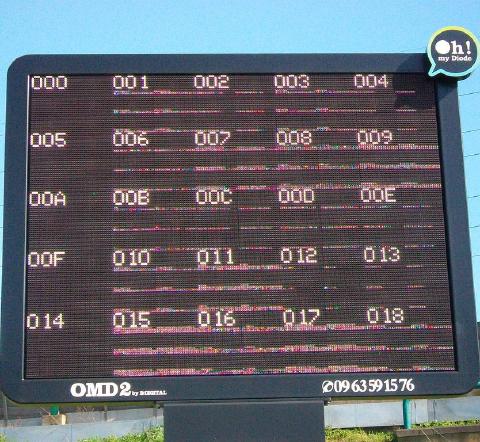
- How to to pronounce various hexadecimal numbers, incluing 0xDEAF ("dotty ernest annty frost")
Transcript
Chris Gammell: This is The Amp Hour Podcast. Release September 8th, 2019. Episode 457. Dottie Ernest Antifrost.
Dave Jones: Welcome to the Amp Hour. I'm Dave Jones from the EEV Blog.
Chris Gammell: And I'm Chris Gammell of Contextual Electronics.
Dave Jones: Who will no doubt tell us all about his camping experience.
Chris Gammell: Well, actually, Dave, I did that in a past episode of the Amp Hour, so you can go and listen to that. Oh, did we? Well, I did, yeah.
Dave Jones: Oh, right, okay.
Chris Gammell: Yeah, I mean, I'm happy to talk about it here. But, yeah, we did kind of like a recap with Alvaro from the Unnamed Reverse Engineering Podcast, and then also Mike.
Dave Jones: I didn't know you did a recap. I thought it was just like, yeah, interviewing people there.
Chris Gammell: No, it was like a last day of camp thing. And, you know, it's kind of, it's a little navel-gazy, you know, like a little introspective. And I never really know if people like that because it's like, well, here's this event that people didn't get to go to. We were kind of talking about everything that was happening. But, yeah, synopsis is, it was fun. I spent a little too much time on my talk. And so I didn't get to experience everything. Yeah, I wasn't as prepared.
Dave Jones: Okay, well, you spent too much time preparing on your talk at the camp?
Chris Gammell: At the camp, yeah. That was on me.
Dave Jones: Well, there's your problem. Yeah, of course, of course.
Chris Gammell: You know, it's like, so it's actually this thing where, you know, you give talks too. And it was like, I have this very optimistic view on life where I'm like, oh, well, I'll learn more things if I really stretch myself on a talk topic.
Dave Jones: Right.
Chris Gammell: And that is correct. I did. I did stretch myself quite a bit. But that meant I was also stressed, quite stressed. And the talk is now online. People can watch it. It's, yeah. So it's basically about how I've been learning RF stuff and my journey with that. And Mr. Jeffrey Kaiser of MightyUm.com was very kind and gave me tons of advice and help. So from that perspective, it's actually great, you know, talking through a lot of issues. But a little stressful on the old, you know, getting up in front of a crowd and the internet and stuff like that.
Dave Jones: Yeah. It reminds me of my talk I gave to like over a thousand at the DevCon thing. This is way back in the early days. One of my first field recording for the Amp Hour when I recorded from the hotel room. Oh, yeah, yeah, yeah. In, where was I? In Silicon Valley somewhere. Anyway.
Chris Gammell: Yeah, you're talking about the, that's Renaissance, right?
Dave Jones: Renaissance DevCon. Yeah, right, right, right. That was, God, that was 2010, maybe. No, really?
Chris Gammell: Oh, wow.
Dave Jones: I think so. It was 2010 or 2011.
Chris Gammell: It was definitely before you guys had kids, I think, because you wouldn't have traveled otherwise. Or maybe you were just having kids.
Dave Jones: No, no, yeah, no. We just found out, like, she was pregnant like a day, like a week before we left or something. Right. And we almost didn't leave because she was like going, I don't think I can get on a plane for 14 hours or whatever, you know. Right. Which is legit, yeah. Yeah, yeah. And so, but we made it and, yeah, it was okay. She just didn't go on any of the rides at Disneyland, though. Because our hotel was just around from Disneyland, you know. Right, right. Just around the street from Disneyland. So we went to Disneyland. And she was so looking forward to going on, you know.
Chris Gammell: Yeah, yeah.
Dave Jones: And she just had to go on the, yeah, the kiddie rides or whatever. The kiddie, yeah, the Dumbo, the Dumbo, slow cups, whatever. Yeah, the tea cups and, you know. Yeah. And one of the rides broke down. I love when the rides break down. It was one of those dark rides, you know, where you hop in the buggy and you go through there. Oh, yeah, yeah, yeah. Yeah, yeah. And when they break down, you get to hop out and they turn the lights on and you get to see, you know, like actually behind the scenes. Oh, yeah. Yep. Of how it all works. Yeah. So, yeah. I'm pretty. It's interesting.
Chris Gammell: I'm pretty. I'm not a Disney person. I just. Right. I went as a kid and my family likes it, but I'm not a huge fan. However, I got to have lunch with an Imagineer a couple weeks ago. Yep. A couple months ago. I get to now. And he was telling me about the new Star Wars land that's there. And ho ho. Oh, man. That sounds cool.
Dave Jones: It sounds cool. Sounds. I've heard it's a flop, though. I heard no one's turning up.
Chris Gammell: Oh, really? Oh, okay.
Dave Jones: I've heard it's really good. Yeah. Yeah.
Chris Gammell: Well, the thing that was really exciting to me was like you can go and like make like a, it's like a build a bear workshop, but you do it with droids. It's like a. Yeah, droids. Yeah. Droid workshop. You go and like pay. You have to pay like a hundred and some dollars and you get to take it with you. Yeah, yeah. You build it up. You design yourself. Whatever. You take it with you. But the thing that I really liked about it and the thing that's kind of techie about it is it's got Bluetooth inside and the Bluetooth and the little droid basically responds to these beacons that are all over the park. And so it gets like real excited when it's in like the rebel territory and real scare when like. That's pretty cool. What are they called like stormtroopers go by and stuff. And yeah. Yeah. I just think that kind of like it feels magical. You know, I like that idea. Yeah, it does. It feels real. Yeah.
Dave Jones: That's very cool.
Chris Gammell: Yeah. Yeah. So I don't know. I'm going to be out in LA area for Supercon in November and I might just have to slip by there. I don't know. You might have to slip. Yeah.
Dave Jones: Yeah. Why not? Do it.
Chris Gammell: Right. Right.
Dave Jones: Anyway, yeah. Before we got sidetracked on the Star Wars, of course. Yeah. Yeah. It reminds me of my talk at DevCon. You know, I was sitting in my, I was supposed to give this, you know, talk about this contest, right? I was introducing this contest. I remember that. Right. And then did this design contest, hundreds of thousands of dollars in prizes, blah, blah, blah. Right. And I had to give like a, you know, a five minute talk or something on, on that. And I was going after James Meigs, who's, who was the editor of Popular Mechanics. Okay. Former Popular Mechanics. Anyway, so I'm like, I'm sitting like I hadn't prepared. So I'm like sitting in my hotel room, you know, sweating chips, trying to write a, you know, trying to write stuff down and then try and rehearse. And it's like, oh, it just like too much stress didn't work. Like, like I cannot write scripts. I cannot.
Chris Gammell: It's tough. Yeah. I mean, people that get up on stage and are like, are like engaging and funny and like have like, usually they have like rehearsed the same thing over and over. Like they know timing and stuff like that. Yeah. It's very impressive.
Dave Jones: I can, yeah, I can tell you about, well, I did eventually do that for another gig, but yeah, I just, in the end, I just tore it up and went, oh, bugger it. I'll just wing it like I normally do. And sure enough, you know, I get up there and I won't, you know, and I was standing, standing beside the stage with James Meigs and he, like he had, you know, given this like prepared one hour to a half hour talk or whatever. You know, it was really good, really polished, but that's his business, you know.
Chris Gammell: Right, right, right, right.
Dave Jones: Yeah. He, he actually does speaking engagements like that. You hire him, you know. I saw him last night on one of these TV shows. He's like the resident, you know, that they always get him for, you know, technical, you know. Right, he's like the reference point. Talking about tech history and stuff, yeah. And so anyway, he was used to that and he came off and he said, oh, have you, have you been rehearsing your speech and stuff? And I went, nah, he's gave up. I was going to wing it. And he went, are you serious? Yeah. And he got up there and it was fine, you know. Yeah, yeah. Yep, yep. Wasn't a problem. I might have rambled on a little bit, but generally I stuck to point, I thought. Yeah, it just worked. Well, that's good, man.
Chris Gammell: I don't think I could, I don't think I could wing it with RF stuff because I'm still learning. You know, when the talk's about learning it, it's not going to wing it, you know. Yeah. Yeah.
Dave Jones: And then when I did the five minute Ignite talk, that I rehearsed.
Chris Gammell: Right. Yeah, because of timing critical stuff.
Dave Jones: It's timing critical. You have exactly five minutes and your slides change every 15 seconds. So you literally have to reverse, you know, rehearse that. But I did go off script a couple of times during that and it still worked.
Chris Gammell: That's good. That's good.
Dave Jones: Yeah. Anyway. Yep. Yep. Giving talks. Don't bother writing a script. Just, yeah. Oh, okay. Get up there and talk. Yeah, sure, sure, sure. I think that's the thing.
Chris Gammell: And that's the advice that eventually I got from someone. I forget who it was, but they're like, you know, why are you giving talks about things you don't know a lot about? If you give a talk about a thing that you know a lot about. You shouldn't have to write. Yeah, exactly. You just kind of put some slides down, you have some visual aids, and then you just go. Yeah, yeah. And it's like, oh, well, I had since done that in my talk at Teardown, which I'm not sure if I ever posted, but it was about just like streaming video and like how to record video quickly and stuff. Obviously a non-technical talk too, but like it was literally like two hours of slides I put together and then it was just going through them and it was easy. So, yeah.
Dave Jones: I just gave a talk the other week at Sagan School. They invited me in for all these year seven students, which is probably freshmen in the US, like 13-year-olds.
Chris Gammell: Oh, wait. Sagan. Oh, sorry.
Dave Jones: Freshmen, high school freshmen.
Chris Gammell: Year seven threw me off. I was like seven-year-olds or not freshmen? No, no, no, no, no. Yeah, yeah.
Dave Jones: No, it's year seven. Yeah. Year seven is the start of high school here.
Chris Gammell: Oh, okay. And how high does it go? 10? 11?
Dave Jones: Seven through to 12. 12?
Chris Gammell: Oh, that wouldn't be, that would be, that would still be middle school here.
Dave Jones: Right.
Chris Gammell: Year seven would be.
Dave Jones: What's the first year of high?
Chris Gammell: Yeah, so like in the US, year nine is a freshman, year 10 is sophomore, year 11 is junior, year 10 is, year 12 is a senior. That's at least, not all schools, but that's the ones that, that's what I was used to.
Dave Jones: Right. Okay. Anyway, yeah. They're a bunch of like, you know, 13-year-olds and I had this STEM week. They were having a whole week where they had to build like a solar, like a water, solar water heater or something.
Chris Gammell: That's cool.
Dave Jones: And, which is really cool, you know. And anyway, so they wanted to give me the, like the keynote welcoming, welcoming thing. And they wanted me to, you know, talk for like, it was like 30 minutes or something. And I was like, okay, I can talk for 30 minutes. Anyway, so yeah, I, I, I didn't bother writing a thing. I just did some slides, you know, PowerPoint slides and stuff like that. And then I just winged it. So yeah, it works fine. That's great. Maybe they were bored. I don't know. But anyway.
Chris Gammell: Hmm. Yeah. Well, uh, that's cool, man. What was the topic?
Dave Jones: Um, renewable energy. So I talked about renewable and all that sort of stuff. And I gave them all a lump of coal. I was so excited. That's great. I have no idea. Like I said, I bought along like a bag of coal and that was like the best thing ever for them. It was like, cause they'd never seen or touched coal before.
Chris Gammell: Right.
Dave Jones: So, you know, I just thought.
Chris Gammell: Now kids, we're going to light it up and inhale it in your lungs. Really understand the implications of coal on your, on your system.
Dave Jones: And where do you get coal? I hear you ask. Well, this guy sells them on Facebook. So.
Chris Gammell: Seriously? Oh, weird.
Dave Jones: Yeah. Yeah. Oh man. Sells them on Facebook. And I went to his house and he just leaves the bags out the front and you leave the cash in the letterbox and you walk away with your bag of coal. Well, great.
Chris Gammell: What is the purpose of, what is he selling it for? Is he selling it for actual.
Dave Jones: Well, all of your model train. Oh yeah. That makes sense. Like your real steam model train enthusiasts. They, they, they get the real deal. Right. You know, they don't want any of that. Coke stuff. You know, it's real coal. It's not, it's not the refined Coke. It's not that smokeless Coke.
Chris Gammell: Got it. Rubbish. Got it. You want the real effect coming out. Yeah.
Dave Jones: You want the real effect of the smoke coming out. Yeah. Yeah. Okay. Yeah.
Chris Gammell: Yeah. Well, if people are interested in the, I put all my slides online, a cool new program for doing slide stuff. Excellent. Yeah. So that's online and learn. Yeah.
Dave Jones: But the slides don't help though. You've got to have your commentary, right?
Chris Gammell: Well, you know, it depends on how you do the slides. In my case, I didn't really, I didn't leave much room for interpretation. So the slides. Oh, okay. But also they have like references and a lot of links and stuff like that. So those are all online. I link all that stuff in the talk and in the slides and stuff. Um, but yeah, RF stuff.
Dave Jones: That is handy. Like I've, I've seen lots of presentation, like, you know, I search for something and Oh, here's a, here's a presentation. And I go in to look at it and it's like, Oh, the slides either. And you know, there's one of two types of people who do these slides. One that just like put up a picture and there's no words, there's no text, there's no data points, there's no nothing. So it's absolutely. So the slides are useless without any technical, you know, reference of like the talk to go along with it. Others are so detailed that you simply don't need the person talking. Right. Right. You know? Yeah.
Chris Gammell: Yeah. I'd probably, I'd kind of towards the, towards the latter, the latter side.
Dave Jones: The latter one there. Okay. Yep. Yeah.
Chris Gammell: Yeah.
Dave Jones: Excellent. All right.
Chris Gammell: But yeah, good. Uh, lots of good stuff in there and you know, stuff we've talked about on the show here too, but you know, we're talking about test equipment and, uh, uh, the whole talk was basically around like things that, uh, my assumptions that are a DC rather that don't really work at RF. And, uh, so I thought that was, that was kind of a good way to, to frame things. I thought, um, so like, uh, like cutouts in PCB traces, right? So like cutouts in ground planes, um, you know, to try and like keep low frequency noise. Cause there's like a whole, I always refer to the, uh, the Hank Zumbelan. So Hank has been on the show before, right? And, and, uh, he has a great app note about, uh, the ADCs and how to, how to basically get low noise performance, uh, out of your ADCs and stuff like that. And then kind of like looking at, and he, he actually does some treatment on the RF side of things and like higher speed stuff. But, um, but like, how does that then square with higher speed techniques? And like, if you have an RF signal, it's good, you know, finds a cutout and a trace. It doesn't really care. It just becomes an antenna effectively. And it's like, okay, that's, that's bad idea. But, uh, so yeah, just kind of like squaring those two, those two things together.
Dave Jones: Yes. Analog to digital converters for low frequency stuff and like RF stuff, completely different tests. Yeah. So yeah.
Chris Gammell: Yeah.
Dave Jones: Yeah. I, I of course come from the field where, well, you know, 20 kilohertz, that was high frequency. Right.
Chris Gammell: Right. Exactly. Yeah. Same. Same.
Chris Gammell: Yeah. Yeah. Yeah. Yeah. Yeah.
Speaker ?: Yeah.
Chris Gammell: Yeah. I don't know if I mentioned it here too. There was a really good book that it was actually the Kindle book from like a, a company that was doing, that does like layout for a living. Um, and they did like, uh, it was all about like RF and high speed layout. And, um, I can put the note, I can put the link in here too, but it was like basically, you know, different stackups you have and different, uh, different guidelines and things like that. And, um, I learned a lot from that book too. So a lot of, a lot of good books out there. Cool. Yeah.
Dave Jones: Uh, PCBs. I'm still amazed at PCBs. Yeah. I'm sorry.
Chris Gammell: I'm buying, uh, buying cheap ones, huh?
Dave Jones: I, I am, uh, you know, JLC again. Yeah. Um, and like $2.
Chris Gammell: I see you're, you're, you're more interested in economics. That's what you're really.
Dave Jones: I'm more interested in the economic side of things. And then Scotty from, uh, Strange Parts. Yeah. Who's, who's, who's done a fact, an excellent, awesome factory tour of, uh, JLC shows you every step in the process. And he, he replied to my tweet saying, yeah, I think they make a loss on those. Oh, totally. Like they don't. Is any, I, I need to ask a question. I haven't, I asked this on Twitter, but I don't know. I haven't checked if anyone's responded yet. Does anyone know of a PCB place that only does cheap prototypes? Like I'm, I'm talking the actual factory. I'm not talking the service, like dirty PCBs who don't actually make the boards themselves. Right. Right. I'm talking about the actual factory.
Chris Gammell: You're talking about like to see if it's like a isolated, just low cost. It's like a, a loss leader factory that's by standalone you're saying.
Dave Jones: Exactly. I want to know if it's economically possible for a factory just to do nothing else but $2 prototype, you know, boards.
Chris Gammell: Cause I don't, I don't think it is. I don't, I don't think so.
Dave Jones: I, I don't think it's possible. I, you know. Right. Yeah.
Chris Gammell: I mean, that's why there's limits on it too, right? You can't get, you know, the same cost per board. Well, maybe you can, but you know, the, the cost per board, what is it like? So you've got five boards for two bucks.
Dave Jones: Five boards for two bucks. Right.
Chris Gammell: And like, if you did like the cost per, you know, square centimeter or whatever it is, I, you'd probably start to approach that with other things, but they, you know, they put limits on the, how many boards you can buy like that at that price. You know, it starts to scale pretty fast.
Dave Jones: Well, it gets very expensive at, at, at size. If you want a large board, right? It's, it's not two bucks anymore. It's only because it's tiny. Right. You know, it's only a few inches square.
Chris Gammell: Right.
Dave Jones: Right. So, yeah. Anyway. Yeah. I'm, it just. Yeah. You know, the thing with that is. Every time. I just.
Chris Gammell: The thing that bugs me about that is actually the, the, the, the specifications that like, it's just hard to compete with, you know, like that's, and again, we're not like promoting, we're not like inherently promoting the service here. You know, we're not getting paid to say anything here. We're just, we both have used it, but like, man, the, the minimum.
Dave Jones: Well, there's many that do the same thing.
Chris Gammell: Sure. Sure.
Dave Jones: But like, it's, it's not just them. There's, there's, there's tons of them.
Chris Gammell: But it's, you get controlled impedance though too, for that cost. And you get like 3.5 mil space trace. Like, you, you know what I mean? That's just like, it's a lot lower than like, so then.
Dave Jones: Sorry. You don't, you don't get controlled impedance dielectric. You, you, you don't get the special dielectric.
Chris Gammell: I'm pretty sure you do, Dave. Maybe not at the lowest price. Maybe it's just the. Okay.
Dave Jones: No, no. I don't think. Okay.
Chris Gammell: Maybe I'm looking at something different. But. Yep.
Dave Jones: Oh, through PCB way, I think have a checkbox option for like a Rogers control, like a proper
Chris Gammell: Rogers material. Sorry. It's a, it's a known stackup for JLC. They have like a standard stackup. Oh, well, yeah. Two, four, six.
Dave Jones: All of them will give you a known stackup. Yeah.
Chris Gammell: Yeah.
Dave Jones: Yeah. And, and then you can design your controlled impedance traces.
Speaker ?: Yeah.
Dave Jones: But, but I can, you know, when I hear the word controlled impedance, I'm thinking. You're thinking like special materials. Special, special, you know, controlled materials.
Chris Gammell: Got it. Okay. Okay. Yeah. Okay. That's, that's different. You know, this is a standard FR4 of some type.
Dave Jones: My boards have just turned up. Hang on.
Chris Gammell: Really? This is what we're doing? Huh? Anyways, Dave, Dave going to check on his boards. And, you know, so the thing that I, as Dave comes back here, I'll continue. Here we go. Hang on. Yeah. You, you open your thing. I'm trying to talk to the audience here, Dave, instead of walking away from the microphone.
Dave Jones: All right. Um, my, my friendly DHL courier just turned up. I, uh, and, uh.
Chris Gammell: I still point people to PCB shopper. I think that's still a good, a good resource out there. And, uh. Yep. Um, yeah. I think it's, you know, it's hard to, it's hard to compare everything in there. And if you've never done a PCB before as well, then it's like, you know, it's hard to kind of figure out what you should or shouldn't be putting in there. I, I actually went through this at a, the training that I helped with out in Black Hat. Um, I did like, uh, you know, like when you're looking at those, those standardized, um, ordering interfaces, it's hard to like know what, what should, what does and doesn't matter. And so. Yep. You know, like it's, I don't know. I think like there's.
Dave Jones: I was going to do a video on that. Oh yeah.
Chris Gammell: That'd be great. Yeah. I mean like, I think like.
Dave Jones: There's like every single option. There are like some that have a lot more options. Cause I think.
Chris Gammell: Yeah. Yeah.
Dave Jones: PCB way is one of the ones that really have a lot more options.
Chris Gammell: And I think it's like a general thing. Like if you keep your board to a standardized size, if you keep your board to like, you know, 20 by 20 millimeters and like, then you can really start to compare, you know, if it scales, like tiny, I know, but if it, but it's, you could, it starts to scale, uh, monetarily at least, you know, pretty linearly with, with features and stuff like that. And so you can at least see then it's like, Oh, I clicked this thing. It just got way more expensive. That was probably bad, you know? Right. Probably bad design or replicability and stuff like that. Um, you know, I usually point people at Oshpark too, is like a standard just to start at, but even then, like they have, you know, like Enig is, is great because it's like a flatter, flatter finish usually. And, you know, you usually get, it's usually higher quality on all these things, but you know, you're going to pay for that at certain places too.
Dave Jones: So you're paying extra. Yeah, exactly. So your boards, you know, price of your boards instantly, uh, triples because, you're, you know, you added the gold finish. Anyway, I got my boards. They are correct. They are red and I could choose my own color. There's no price penalty for choosing your color. Yeah. Um, so I chose red, of course, cause it goes faster. And, um, yeah, I've got my five boards. Here they are for two bucks. It cost me $17.
Chris Gammell: Like a sports car. Is that what you mean? Like it goes faster? Like, yeah, exactly. Right.
Dave Jones: And I forgot to order the parts. So the boards came and I like, I've got nothing to put on them. Oops. Um, yeah, that was dumb.
Chris Gammell: Oops. What'd you make?
Dave Jones: So I'm making, uh, the three cent micro programmer.
Chris Gammell: Oh, nice. Okay.
Dave Jones: Yes. Yes. This is the open source, you know, uh, programmer thing. So I'm going to do a video on that. So yeah.
Speaker ?: Yeah.
Chris Gammell: Cool. Awesome. What do you have to do with those parts?
Dave Jones: Oh, this is the actual, uh, programmer board. Yeah. Yeah. Oh, with the actual parts. Oh, I don't plan on doing anything. Okay. But a lot of people have asked for the video or follow.
Chris Gammell: Got it. Got it. Okay.
Dave Jones: Video of, you know, like, like, yeah, like, like I don't want to use the company's quasi C compiler. Right. And, and, and I don't want to use their, their, you know, dodgy, like their, uh, their own actual, uh, programmer. So somebody's reverse engineered the protocol and they've done their own hardware programmer. And, um, and it's now supported by an open source C compiler tool chain. So. Great. Great.
Chris Gammell: Great. So then. So. Yeah. How are you, uh, so you're just going to write like, uh, so are there any drivers written for it yet? Or is it just so simple that it, it doesn't need anything?
Dave Jones: It's so simple. You don't need them. Got it. I'm just going to like flash a little, you know, do a spy bus or something.
Chris Gammell: And what is, what is the package type that the, the, the micro is in?
Dave Jones: Uh, you can get different ones. Um, they're in SO eight up upwards. I don't think they're any smaller than SO eight. I don't think they're available in little, you know, micro QFN thingy bobs or something like that. Um, but yeah, no, they generally are dip or, um, standard, uh, standard, uh, SO. So.
Chris Gammell: Three cents. That's pretty crazy. Three cents. Yeah. That's cool.
Dave Jones: That's great. Yeah. Yeah. So anyway, I'm going to build that up. So that, that is terrific. I'm, I'm absolutely stunned at that and the speed with which they do it. Like Scotty strange parts. He said, um, that, yeah, he, he's of the opinion that they sort of slot these, um, prototype boards in between the large production runs and stuff like that. But they turned it around within hours. Like it was like, I, and it was a weekend. So they're, they're running this factory 24 seven.
Chris Gammell: Yeah.
Dave Jones: And it was just, it was just insane. Anyway, uh, I'm thoroughly impressed. And, uh, which, which brings us speaking of, um, uh, China and stuff like that. I'm, I'm actually, um, uh, quite surprised at the impact of the, uh, the tariff, the trade, you know, the trade war. Is that the generic word for it now? I think so. These days. Yeah. U S and China.
Chris Gammell: Yeah. Yeah.
Dave Jones: Yeah. U S China trade war and how no U S companies are allowed to sell to any components. So, you know, uh, Huawei anymore. They're not allowed to.
Chris Gammell: I think those are separate things, but yes, the tariff is also in there. Yeah. So.
Dave Jones: And, and there's, there's talk in this one company in the, uh, in the Zhuhai province or city, um, somewhere and, and they've laid off like thousands of workers because all of a sudden like virtually overnight because they stopped selling parts to them and they couldn't do anything anymore. And they, yeah.
Chris Gammell: Yep. Yeah.
Dave Jones: I mean, like, um, it's, uh, they, they, they downsized from 20,000 and now they have a skeleton crew of a few dozen.
Chris Gammell: Oh yeah. I mean, like, I mean, this is like, I think, I think some of it is a little bit reactionary, you know, like some of, sometimes people like forecast this stuff, but at the same time, if you don't have like cashflow, you can't pay your workers. So yeah, that's, that's kind of the choice, you know?
Dave Jones: Wow. That's a layoff 20,000.
Chris Gammell: I saw also in the States, this might've been in that CNBC article that we'll link. Um, but there was, um, they're basically looking at like manufacturing jobs, which is like, I think it said it was like eight or 10% of the U S economy at least. But the, um, the growth is just flat. Uh, I think it was a different article. Yeah. So it was a different article, but basically manufacturing was like adding like, I think like 20 or 40,000 jobs a month in the States last year at the same time. And now it's like 3000 or something like that. I'll have to check the numbers, but it was, it was effectively flat. Whereas it was actually growing in the past and you know, the U S manufacturing doesn't definitely doesn't grow as fast. It's not as big as, you know, a, uh, a, uh, uh, contributor to the economy, but it's, uh, you know, still has some growth and it's good jobs. So yeah, it's, it sucks. It sucks. It sucks real hard. Uh, I, I have personal experience with this. I, uh, I got a, so my FedEx number got included by accident on a, uh, like I had gotten some dev boards from a company and they basically shipped me some dev boards from China and, uh, from the factory. And then it got used for the production stuff. And so I got the bill, not just for the like production shipping, like shipping a bunch of parts over that were pretty heavy, but then I got the tariff bill too. And I was like, Whoa, what is going on here? And you know, like it was a $2,000 bill and then, uh, it came through.
Dave Jones: What's there?
Chris Gammell: So no, it was a $2,000 bill for the parts. And then 25% of that is $500. So yeah, I had to pay. What's that?
Dave Jones: So you had to pay 500 bucks. You had to pay 25% on, on top. I mean, I didn't have to, it was all passed through. This was for a client. This was for a client.
Chris Gammell: The client, you know, the client was paying for it. It wasn't a huge deal. Of course. But like I had not, you know, when you're like, when you're buying parts, you know, like you go on DigiKeyMiles or whatever, they, they, they tell you, they're like, Hey, these parts are subject to tariff. You're going to be charged for them. That's fine. Fine. You know, usually you just, you just say, Oh, it's just more expensive per piece. You don't really see it. But then it's like $500 bill. It's like, Oh wow.
Dave Jones: Um, when they actually itemize things like that, it really gets you. Right. Exactly. Yeah. Yeah.
Chris Gammell: So, yeah. Uh, and so what I, um, you know, what I swap out the part? I don't know. Like what's the cost of swapping out a part like that? You know, it's not footprint compatible. It's not possible to go elsewhere. I don't even think I could get a part as cheap as I did there. So it's kind of just a cost of doing business thing. But, but still, you know, it's, I'm sure that at scale, like I'm sure there's a bunch of, uh, you know, uh, you know, supply or supporting engineers who are redesigning parts right now. It's for something that's not covered by sheriff just because it really hits the bottom line.
Dave Jones: How, how does this work? What if you've got a company like microchip or Texas instruments, any of those, which are American companies, but they get this stuff made in, you know, they've got the plant in China or whatever.
Chris Gammell: Yeah. I think it depends on like how much, I think there's some like formula for how much of this stuff. Cause like, if it's just like tested over there, that's not made in China, right? If it's, if it's packaged over there, I'm not sure if it's made in China. If it's, you know, if it's, if the silicon die, yeah, there's some percentage of components over there, then yeah, that's made in China. And it's like, okay. Um, so I, I just go off of like, you know, I didn't even know this is happening. Honestly, this is just FedEx sent me a bill. Cause that's the other thing is that FedEx is actually processing the, the dollar amount for you. You know, it's like they have inspectors in house that are, are doing custom customs or whatever.
Dave Jones: Right.
Chris Gammell: Yeah. So. Wow. Yeah.
Dave Jones: There's so much happening there, which you don't, unless you get hit with a bill like that, then, then you don't realize it's happening. Yeah. Now, how does that work for you? Okay.
Chris Gammell: So you're about to order parts, right? You're going to order parts. Say you order parts from DigiKey. Do you get tariffs?
Dave Jones: Not that I'm aware of.
Chris Gammell: So if you go to DigiKey.au right now, does anything say tariff? Tariff on there? Like any search?
Dave Jones: I can, I can have a, I can have a look.
Chris Gammell: Yeah. Just because like, it's at least coming through this, you know, so like, it's kind of like a ping ponging effect that happens with world trade, right? It's like, okay.
Dave Jones: What would be a known part that has a tariff? That would have a tariff in the US?
Chris Gammell: I don't know, Dave. I'm not going to tell you one that I was just talking about because that's not on, it's not in distribution, but.
Dave Jones: Yeah, but if it's on DigiKey, what's the problem?
Chris Gammell: It's not on DigiKey. It's not, it's not in distribution. Oh, okay, right.
Dave Jones: Okay. Right.
Chris Gammell: Let me look at an old order. I think some of like the, I don't know, like some of the caps that I've used in the past. So just like search for a 0.1 microfarad capacitor. If you see anything on the, so like if you search for 0.1 microfarad capacitor and you scroll down the list, you're going to see a little tag underneath it that says tariff applied. Right. But I don't know if that.
Dave Jones: Oh, is it? No, that's the, no, that's not. It's a ROS compliant tag. Is it in the actual list?
Chris Gammell: It would be like underneath it. It'd be like underneath it.
Dave Jones: Right. So it's underneath the part number. No, I don't see anything. All I see is like a green ROS compliant, like little icon. Okay.
Chris Gammell: Yeah.
Dave Jones: It's very, like, is it, is it like a tariff icon?
Chris Gammell: No, it just says, oh, these aren't, none of these say this. Damn it. Um, what's something that I've, I've definitely had, let me look through. This makes for great radio. I know. Sorry.
Dave Jones: This is just, yeah.
Chris Gammell: I don't know where they, like, this is a UI thing though too. I don't know where they put like tariff applied. You know, I think it's in the bomb thing.
Dave Jones: Right. I don't see anything related to tariff at all. I can't even like filter by tariff or whatever. Like, you know, tariff or non-tariff.
Chris Gammell: Right, if you search on the page, you're saying. Yeah.
Dave Jones: I just. Oh, here we go. Yeah.
Chris Gammell: So here's a Yagio 100 picofarad, 50 volt C0G. Let me send it to you. Okay. Because now I'm just curious if it. Yep. Yeah. So like on this page for me at least. All right. Where does it say it?
Dave Jones: I'm having a look. Okay. Minimum alternate subject. No. Import tariff may apply to this part if shipping to the United States. Okay. So there you go.
Chris Gammell: Yeah. So it's only. Yes. So you don't get it even though it's. So it's only pass through.
Dave Jones: Yeah.
Chris Gammell: So it's not like. So I guess the. The distributors of the world. Like the Digi-Key and Mausers and Aeros and whatever. They only. Pass through that stuff. Yeah.
Dave Jones: No. Yeah. No. No. You can't do it. Because it's being shipped to. Yeah. So it's. Yeah. It's passing through the US. It's not being consumed. In the US.
Chris Gammell: Right.
Dave Jones: So to speak. So. Yes. So the US have no. Right. To charge a tariff on something. Right. But. Effectively not coming into their country. It's just passing through.
Chris Gammell: Yeah. But if it sits on a shelf at Digi-Key. You know what I mean. Like. Then it is technically sitting there. But I think it's probably. Yeah. Maybe it's small enough. It doesn't matter. You know.
Dave Jones: But it's like. You know. GST and taxes. Yeah. It's sort of like a pass through thing. It's like a. You know. You pass it on to your customer or whatever. It's like. Yeah. Yeah. So. Yes. That's what it says. May apply to this partnership into the United States. So. Yeah. So that's why. No. I can't recall ever seeing something. Well that's good. I mean. That's good for you.
Chris Gammell: I mean I think that. I actually. I had messaged with a Canadian assembly house. And I'd ask them. I was like. Well. Are you guys getting more business because of. You know. Because of tariffs.
Dave Jones: Hey. Yeah. I was going to say. Wouldn't it make sense to like. Go to a Canadian assembly house. And get them to order the parts.
Chris Gammell: I mean. To actually just do the assembly for you. Probably. But I think that. So. No.
Dave Jones: No. Not just to do the assembly. Because if you order the parts. And have them delivered to you. And then you on ship them to them. Yeah.
Chris Gammell: You're talking about like. You're going to pay the tariff. You're going to pay the tariff. Kind of thing.
Dave Jones: Yeah. No. Yeah. Just get them to order the. All the parts. And they'll be shipped straight to Canada. And they'll bypass you. And so there shouldn't be any tariff. On those parts.
Chris Gammell: Maybe. But that might be the same thing. Where it's. Someone's got to pay it at some point. I don't. I don't. Right. Maybe that would work. But that sounds like.
Dave Jones: Yeah. Someone's at the door. Sorry.
Chris Gammell: That's all right. Yeah. So anyways. They. They basically had said. This is. This Canadian. Manufacturer was like. You know. Canada doesn't have a. It has some assembly houses. But it doesn't have a ton. And. In this case. They're like. Well. We're military. So we're not. You know. Basically. They weren't low cost enough. That they would even be. Competing in the space. So. That was not. Something they were prepared to do. But it's interesting. Just seeing how. All this stuff. How the. The tariff stuff happens. In the first place. I mean like. Like where it actually gets applied. And who does it. Whatever. I think it's like. If you. I think if you have less than. Eight hundred dollars. You don't have to pay the tariff either. Like. So like. It'll just. Not. Not be triggered. Like when you go through FedEx. Or whatever. So. But I think it is on you. To actually. Pay the tariff. You know. If you don't know it. But I.
Dave Jones: I assume you're talking to the audience. I am. Yeah.
Chris Gammell: I'm just. I'm just waiting for you. To you know. Okay. Yeah.
Dave Jones: My new. Probes turned up. I got new. High voltage probe. Stock. Oh nice. Turned up FedEx. Nice.
Chris Gammell: Yeah.
Dave Jones: FedEx and DHL. Yeah.
Chris Gammell: We're right in the middle of the day. We're recording at a different time than normal. So. Yeah. Yeah. Yeah. We are. So. Traveling. So. Dave was nice enough to. To reshuffle his schedule.
Dave Jones: On my only day when I have a complete. That's right. That's right. Yeah. Yeah. You know.
Chris Gammell: Helping the audience. By. Excellent. Us. Prognosticating about tariffs. We have no. We know nothing about.
Dave Jones: I wasn't going to do anything anyway. I don't work for a living. I just. Sit there and watch YouTube videos. And bum around. You know.
Chris Gammell: Yeah. Yeah. Well. Speaking of schedules. I've been. I've been actually. Coordinating schedules lately. I've actually. I don't know if you saw my. My tweet about it. But I. I put out help. I put out a call for help. To get tutors. Yes. Yeah. I saw that. So I've actually had two tutoring sessions. A C tutorial. Yeah. So two. Two tutoring sessions so far. And they've been great. And I was wondering like. Why don't we. Oh. Is this for you? This is for me. Oh yeah.
Dave Jones: Oh. I thought it was like for your. You know. Your course. No. No. This is. You wanted someone to. So this is me.
Chris Gammell: So this is working on that same project. I've been talking about here. Those super low cost. Components that I found. Right. So I talked about the. Yeah. The RF chip. And then I talked about the. I think the SDM32 I mentioned on there. I found the cheapest SDM32. On LCSC. It was like 30 cents. Something crazy like that. In quantity. Or like. Not even quantity. It's like at 100. It's 30 cents. Or 35 cents. Yeah. And. And I wanted some help. Just kind of like getting. So now I'm going to be starting. Project from scratch. It's a new. Component. And I've just. I wanted to. Use the. I've got about a year. Before I need this thing. To be out in the world. And. And it's a personal project. And so I was like. Okay. Well. I want to. Learn more about. GCC. And. You know. Debugging with. Command line tools. And stuff like that. And so basically. I kind of put out the call. And I've had lots of. Great responses so far. And people. And my big thing was like. I want to pay you. For your time. Yeah. Because. You know. Some people are very nice. And like said. Oh. You know. I'll do it. For free. I'll do it for nice. Right. But. It's harder to then say like. Well. There's less motivation. And I realize that like. Even for the people I'm talking to. It's not like a ton of money. But like when there is. Like. It's more of like this. Well. The way I look at it. It's like. It's like music lessons. Effectively. You know. Like. I wouldn't. I wouldn't go to a piano teacher. And be like. Well. You can be a lesson for free. And I'd be like. No. I'll pay for your time. I want to. You know. I want to sit down. And have scheduled time. Or whatever. So. Yep. Why isn't this. Is this a thing. That I don't know about. Like. Does anyone else do this? Have you ever done this?
Dave Jones: I've. I've never done it.
Chris Gammell: No. Yeah. I mean like. It's such a thing. In the music industry. Right. Like. If you want to get better. And like. Have. Someone like. To review your process. You know. Like. In music. You go hire a teacher. And you sit down with them. Weekly. Bi-weekly. Whatever it is.
Dave Jones: Yeah. No. I've. I've never had. Yeah. I've never had a tutor. Ever. I think what it. For anything.
Chris Gammell: I think what it is. Is that. It does happen. But it happens at companies. And it comes. It happens just naturally. Right. And so most people. Yeah. Of course.
Speaker ?: Are like.
Chris Gammell: Used to. Having. You know. A senior engineer they're working with. They're just even coworkers. You would have a colleague. Yeah. Exactly.
Dave Jones: And they would. You know. Yeah. They'd help you out. Yeah.
Chris Gammell: I was struggling with this thing. Can we sit down for a couple hours. I'll buy lunch even. Or you know. Not even that. Just like. Yeah. Let's just go. You know. I'll sit. Look over your shoulder. And it's like. I don't. I don't have. I haven't had that in a while. You know. I haven't had that in a long time. Right. And. And so I was like. Well I guess I could just ask.
Chris Gammell: And it's been. It's been really great. It's been really really great. You know like. You know when you're like. So like. I always kind of seem to thrash. Whenever I'm like. Like trying to find answers for things. For programming online. Like you know. Like there's. Right. Stack exchanges of the world. Which are. Hit or miss. And then. You know. And then everybody's working on a different project. And now it's like. Okay. Here's the part I'm working on. Here's the stuff I'm struggling with. Here's what I want to do. And then it's just like. Someone being like. Oh yeah. I've done that before. And I can just ask them questions. It's. It's great. Great. So.
Dave Jones: Although. Here's the thing. What. Did you think about the difference between you. Spending your valuable time. Learning and doing this. Rather than. And paying for it. And paying to learn. To do this. Versus just. Hiring. A. Someone to actually do the job you want.
Chris Gammell: That's a good. Oh that's a good point. I had not considered that. But. Because this is not a. Project. That I need. I don't need this done. You know it's not like this is client work. Right. Yeah. Yeah. Cool. This is me learning stuff. And getting better. Because I think that I can then use it for client work later. You know this is just building skills. Got it. And. Right. It was actually. It was inspired by a couple things. Like one was. There was actually a really. Really good Ben Heck video. That I think. I had. Mentioned on the show before. But it was just Ben walking through code. As he coded. Right. And like. I just loved it. Man. It was so good. And. And I was like. Man. I've never felt as comfortable as Ben talked. While he's just talking through his code. You could tell he's just. Done this kind of code. Many many times before. And I was like. I want to get better. Like that. And then the same thing with like. Working with Jeff. At the conference. Jeff Kaiser. You know. Jeff was just walking me through RF stuff. And I was just thinking about it like. You know. Having like. And like. Finding mentors then. Right. So I. I had been. I had actually reached out to a couple people. I had reached out to. An RF engineer. And. And he was just. He's like. Hey. I don't have time. And I was like. You know. That's legit. I respect that. Yeah. Of course. I could. I don't have time for it. And so just saying like. Okay. I'm going to pay you hourly. And I want to make sure that I'm paying people for their time. And I want to make sure that like. That there's a more structured relationship. More than like a soft relationship. Of like mentoring is kind of. Yeah. Right. Of course. I don't know. Have you ever had like a. Like a. Unofficial. Official mentorship relationship.
Dave Jones: Not really. No. It's kind of just. Like it happens. When and where it happens. Yeah. You know. It's not. Kind of. Yeah.
Chris Gammell: Yeah. It's not like a. So like. So. So. Some companies do this. Right. They. They're like. You know. Oh yeah. Yeah. Yeah.
Dave Jones: They actually have structured. You know. Sessions. Right. Plans. Right. And things.
Chris Gammell: I've asked people about that too. And they're like. Well. That's the thing that companies do. It's not. Good.
Dave Jones: Right. Okay. Why?
Chris Gammell: Because it's. It's. In that case. It's so forced. Right. Usually it's like an assignment. It's regimented. Yeah. You're assigned with Bill. And Bill's just going to walk you through this thing. Right. It's like.
Dave Jones: Yeah. Right. And Bill probably doesn't want to do it. Bill doesn't give a shit. You know. Like he's just.
Chris Gammell: He's just doing that because it's part of his job. Maybe it's tied to his review. Whatever. Yeah. Yeah. Yeah. Now I've had. I've had some mentors that have been like. You know. Ad hoc mentors just because they've been really helpful people. And it wasn't ever a formalized relationship. But now I don't have that anymore either. Right. There's no one I can like. Just lean on and be like. Hey. Can I just call you for. Can I come and like sit in your office for a couple hours? You know. It's like. No man. I got. I got things to do. You don't know me. So. Yeah. And you know. And like. And like you said. You thought it was for my course. Like I've. I've offered the same service. Right. I've offered this for contextual electronics people. Of like tutoring. You know. And walking people through things. And. And so I've experienced on the other side. And I. I know. I know that can be helpful too. Because sometimes you just don't know. What to Google for. You don't know what frigging button to push. You don't know. You know. Yeah. You just get like. It's like. Oh. Whenever you hear that. You know. There's. There's some. Some deep learning. There's something happening. There's some. Some. Some wheels turning. Turnies dropped. Yeah. Yeah. Exactly. Exactly. Yeah. So. I don't know. I'm excited about it. I'm trying to like track my progress. You know. I'm trying to be regimented. I record the sessions. I. Take notes. Oh. Okay. On things. Right. Wow. I've got a running list of things. Like. Because every time I do a. I've done two sessions so far. With two different teachers. And like. Every time I do it. I'm like. Oh. I have a lot more questions now. Right. Yeah. Of course. But I think the hard thing is going to be the same thing that's hard when you. Have you ever done an instrument Dave?
Dave Jones: Sorry. An instrument. Yeah.
Chris Gammell: Have you ever done like music lessons or anything like that?
Dave Jones: Oh. Right. A musical instrument. No. No.
Chris Gammell: I mean. You're a pretty good whistler. So. I assumed you took lessons for that.
Dave Jones: Yeah.
Chris Gammell: Right. But yeah. The hard thing is always just. It's the in between. Right. The lesson is easy. It's just the. I have.
Dave Jones: I try to take French lessons once. Oh really? Because the company offered it. Interesting. And I just gave up after like five weeks. It was just terrible.
Chris Gammell: Okay. Couldn't do it.
Dave Jones: Couldn't do it.
Chris Gammell: What was tough about it?
Dave Jones: It's just. Oh well they. You know. I thought that I'd be going there. Just to learn. You know. Like the basics. You know. Hello. How are you? You know. It's like some basic stuff to get me by. No. They started. Like the formal regimented. Oh. Of course. Of the feminine form. And the masculine form.
Speaker ?: Etra.
Dave Jones: To be. Je suis. To a.
Chris Gammell: Il a. L a.
Dave Jones: I have no idea what that is. Yeah. It's. And my eyes just rolled in the back of the day.
Chris Gammell: I am. You are. That thing. Right. She is. He is.
Dave Jones: Yeah. I'm surprised I lasted five weeks. You know. I just. Yeah. I just gave up.
Chris Gammell: And this is kind of interesting learning theory stuff too. So I'm actually. I'm reading a book. I started a book right now. Called. To a. It's like rapid skill acquisition. Or something like that. I'll try and put it in the notes. It's. And it's basically talking about the difference. It's like. I can always tell when a book kind of jives with my personal. You know. Mindset around like learning. It's talking about like skills versus like education. And stuff like that. And how they don't always square. And I'm like. Oh yeah. This is. This is talking my language. You know. And it was the same thing. Like they actually gave an example of someone who like. Like goes to learn Portuguese. Or just goes to Brazil. And learns. Starts speaking. And messing up. And that same kind of thing. Right. You. It sounds like you. Would have liked to. Do the latter. And. Do the latter.
Dave Jones: I'm the latter person. Yeah.
Chris Gammell: Right. And I think that. Yeah. You know like. There are some people that. People respond in different ways honestly. But I think that the hands-on approach. No surprise here. The guy that runs contextual electronics. Likes the hands-on approach. Yeah. So. So yeah. This all kind of jives with my. With my perspective. I think it's going to come down to me. And making sure that I actually do stuff in between. But. Luckily I have. Like we always talk about on here. Having a project. Is super important. Yeah. I think. Of course. Yeah. Yeah. You know. The thing that you would have. Would have helped you probably Dave. Is if you would have had a French girlfriend. That probably would have helped you learn French a lot better. Yeah. Yeah. Of course. You know. Yeah. Yeah. Especially if she didn't speak any English. Or whatever you guys call English.
Dave Jones: Strine.
Chris Gammell: Right. Strine. I would be interested to hear you. Say. French stuff. With an Australian accent.
Dave Jones: Oh God. No. No. Don't. Don't. Don't make me. Je m'appelle Dave. No.
Chris Gammell: No. Yeah.
Dave Jones: It's. Yeah. It's bad. It's really. Really bad. My. My. My. My German. When I worked in Germany. I tried. Oh you did. I tried. Did I know you worked in Germany? I tried to speak German.
Chris Gammell: Really?
Dave Jones: Yeah. I spent a couple. Well I spent a couple of weeks in Germany. Oh let's give it. Come on.
Chris Gammell: Give me something here man. What do you got?
Dave Jones: No. Just like one.
Chris Gammell: One phrase.
Dave Jones: I can't remember it was so many years ago. Order a beer. I can't order a beer. A beer. A beer.
Chris Gammell: A beer bitter.
Dave Jones: See. A beer bitter. What? Yeah.
Chris Gammell: Yeah. One beer please.
Dave Jones: Yeah. Ah. Right. Okay. A ein zweiter. Yep. Yeah.
Chris Gammell: Well.
Dave Jones: Yeah.
Chris Gammell: This would have been. Young Dave speaking German. This would have. I would. I would pay to see that.
Dave Jones: Das Inst.
Chris Gammell: Uh huh.
Dave Jones: David Jones or something. Uh huh. No. No. No. That's. I think that's. This is David Jones.
Chris Gammell: Sure. Sure.
Dave Jones: No. Yeah. No. That doesn't work. Anyway. You know. Yeah. No. No. It was just like. The. The. The look of bewilderment. Even. Even when I had the book in front of me. Sometimes I would. Like I had the word. Like I had the phrase. Like I'm standing in line to get a. Like a ticket for something. You know. And. And like I've got the phrase book out. And I'm going. I'm going to nail this. I'm going to nail it. Get to the front of the line. And I. Oh man. And I. And I say it. And they just. Look at me with bewildered look. That's not it.
Chris Gammell: That's not it man. Yeah. No.
Dave Jones: It's like. I just couldn't do it.
Chris Gammell: Couldn't do it. I mean Google Translate these days is a wonderful thing. Right. Yeah. Never. Never had to use it. Yeah. Yeah.
Dave Jones: Can imagine. Well.
Chris Gammell: That's great. Anyway. So I'll report back in on. On the. The tutoring thing. Excellent. I'm excited about it. And I'm going to hopefully try it on other things too. I'd like to. Get an RF tutor at some point too. Just to. Get better at that. Someone. What was I listening to? I mean. I may have talked about on the show two weeks ago. Or when did we talk last? But there was a. There was a TED talk with the guy that wrote the checklist book. Atul Gwande. I think his name is. But the checklist manifesto guy. And he basically. Promoted the same thing. And I think this might have also. Inspired me on some of this stuff too. But he was basically talking about like. There was a doctor. A surgeon. Who. Who basically asked another surgeon to come in. And just. Review his work. Right. Yeah. And. I think I did talk about this on the show. But anyways. They just reviewed his work. And it basically. The guy just watched him. And he's like. You know. He. He. He. He.
Chris Gammell: He.
Chris Gammell: Had. Had. Flatlined in terms of learning. You know. And so. When you have. Someone. Watching you. And just giving you feedback. Even if. It doesn't have to be negative. Right. It just to be like. Well you did this. You know. You. You. Didn't. Used the scalpel the right way. In that case. Or in our case. It's like. All right. You know. You kept. You kept drawing. 45 degree traces. When you shouldn't have done that. On the PCB. You know. If like. If you and I like. Watched each other do layout. I'm sure that we'd give each other. You'd give me more feedback. Than you. Right. But like.
Dave Jones: It'd be. Yeah. It'd be a. A circus.
Chris Gammell: I know. Well. I mean. I'm just saying. In a best case scenario. Though. Right. You know. Like having someone. Someone. Someone. Someone. Watch you. And. And. Advise on what you are doing. Even. It's just having a mirror. Effectively. Like. Someone mirroring what you're doing. And telling you what you're doing. That can be super helpful. You know. Because. I. I. I don't know about you. But I have some really bad habits. And. And so. Just having some feedback on that. Can like. Really. Improve your. Your everyday stuff. And. And. And. I think it was in that TED talk too. They talked about like. You know. Musicians do this their entire career. It's not like a thing that. They do. Just at the beginning. They do it their entire career. And so. You know. It's great. I think. One of the. One of the examples was like. It's like Perlman. His little wife. Actually. Was a. Was a. Classical violinist as well. And. She would just sit in the audience. And. Just give him feedback on like. How he sounded different that day. You know. That kind of thing. So.
Dave Jones: All right.
Chris Gammell: So yeah. Just try not to.
Dave Jones: I. I. I. I.
Dave Jones: Not. Not entirely convinced this works for engineers. Engineers are solitary. Well.
Chris Gammell: There is that. And I think the big thing is that like. Ego is like. Huge. Huge piece here. Right. Like. So. I was. Stressed. Just thinking about like. Whether I was going to. Put it out on Twitter. That I was looking for help. You know. But. Right. But. You got to kind of. Let your ego. Go a little bit. And. And it's just tough. It's tough. Having people tell me things that I'm bad at. Even if they're being nice about it. Yeah. So. I'd love feedback though. If. You know. If there's feedback on how people. If there are other people that are doing this too. I'd love to hear about it. Because. There might be a space for it. Maybe there's other people that are willing to mentor. Or. Willing to. Tutor.
Dave Jones: I'm sure there's no shortage of people on those. Elancey. Yeah. But I don't want to. Freelancey websites. You know.
Chris Gammell: That's a little different I think. You know. This is more like. This is relationship based still. I think. You know. It's still like. Right. Yeah. And this is something I've considered for contextual electronics. At some point or another. You know. Like. Just to get experts together.
Chris Gammell: You know. You know. Some people. Like. So. Someone who's. Like. Right. You. Probably too busy for this. But someone who's in your spot. Right. Who's been doing layout a long time. You get paid to do. Tutoring. Right. But you probably don't want to teach someone. Getting to Blinky. Right. You want to teach them. Right. High speed. You know. Impedance matching type stuff. Right. And. And things like that. And. And like. Advanced topics. Versus more beginner topics. I've said enough about all this. So. I will have. All right. More. In the future. Hopefully. So.
Dave Jones: Excellent. Yeah. All right. Should we. Should we get back to. Should we go through the list? Sure. I don't know how much stuff there is. We've only got. Ten minutes left. Well. I added a couple on there. One. Which I did a video about.
Chris Gammell: Which one? The Vic?
Dave Jones: Which was the. The tech. The. Engineers. Australia. In Victoria. Now. They're trying to protect. The word. Professional. Or the. Yeah. The word. Professional engineer. Now. They just. Yeah. Victorian government. Just passed. A new bill. Which makes it. Basically illegal. Under penalty of an. $80,000 fine. If you call yourself. A professional engineer. And you're not. Registered.
Chris Gammell: Right.
Dave Jones: Through. The. Who knows who now. Right. That's. That's unclear. How and why you get this magical registration. Yeah. I mean this is. But. This also exists in the states though. Right.
Chris Gammell: I mean there's professional engineering designation that you can't.
Dave Jones: Yeah. But here we've always had chartered engineer. That is protected. Well. It's not. I don't think it's protected by a bill. As such. It's just. You know. Well. I don't know. It might be. I haven't looked into the details of that. But it was. Here it's always been called chartered engineer. And I made the argument in my video. That right. It is still not illegal. Anywhere in this country. Including Victoria. To call yourself an engineer.
Chris Gammell: Right. Right.
Dave Jones: Regardless of certification or qualification. Right. But when you put the word professional in front of it. Then it becomes illegal. That is ridiculous. The word professional. Well luckily Dave. I've never called myself a professional anything.
Speaker ?: So.
Dave Jones: No. No. Come on. Let's be serious. Right. It involves. That word implies. That's your vocation. Yeah. That's what you do for a living.
Chris Gammell: I think you're right. It's just insane. But I think that it's. You know. It's a just.
Dave Jones: It's a bad term to try and protect.
Chris Gammell: Yeah. It's a trademark thing. Right. I think it's too broad of a term you're saying. Yes. Yes. Right. I think the.
Dave Jones: Chartered engineer. Fine. You know. Nobody calls themselves a chartered engineer. You know. So that's this like obscure specific thing. Okay. If you want to try and protect that.
Chris Gammell: Go for it.
Dave Jones: Right. But just adding the word professional in front of it. It's absolutely ridiculous. I mean. Well. Anyway. It's an all in company.
Chris Gammell: No. So like. Would you. Let's. Let's go to the absurd side of things. Would you. Would you say that anyone should be able to call themselves an engineer as well. Like if they. Say they were.
Dave Jones: If. If that's your vocation. Yes.
Chris Gammell: What if they were. Is that what you do for a living. You know what I mean. Like. I'm just playing devil's advocate here. Probably not very well. But.
Dave Jones: Okay. No. Fine. I support it for anything involving public. You know. Like buildings. Bridges. Or infrastructure. Construction. All that sort of stuff. I think everyone probably agrees that. Yeah. You know. You've got to be. Certified. And approved. You know. Things that fall down. And go boom.
Chris Gammell: You're saying. Yeah. Exactly.
Dave Jones: You know. But just some. Nobody. Electronics. Engineer. Working. Some. Laying out their board for some industrial widget. That's going to be used in a like factory that night. Like. It just. Like. It's silly. Yeah. Right. I mean. I could see. Like. So.
Chris Gammell: I could see. As things get. Continue to get. More and more complex. I could see that there's. And there's less understanding of what's going on too. I think that people have fear about. You know. What an engineer is. And does. And whatever. I think it's. You know. Some of it's just public perception.
Dave Jones: The problem is. My. My problem is. Electronics. Engineering. Right. And this bill. Came about. Because they were trying to fix. We've got a huge scandal in this country at the moment. About construction. Building construction. And that's where this bill comes from. But they've put. The wording in the bill is so broad. That. It encompasses. Virtually. They. They literally say. Like. Like. In any other type of engineer. This will include. So. In. In theory. This includes software engineers. Network engineers. You know. A whole swag of people. And if you look into the technical details. It's like. If you've only got a three year qualification. Or a two year networking qualification. Or some other thing. You can't even register.
Chris Gammell: Right.
Dave Jones: It's like. Like. They've. They've just. Like. Used this one bill. To encompass. All forms of engineering. It's insanity. It's absolutely. I'd. I'd support this bill. If it just limited to. If it just said. Oh. This is limited to the construction. And infrastructure industry. Or something like that. You know. Fine. Beauty.
Chris Gammell: What about. I mean. Well. I guess. Yeah. Maybe high. High power. Like. Like. Power line type stuff. Might be.
Dave Jones: Oh yeah. No. Power. Infrastructure. Power lines. Power grid. Stuff like that. Yeah. Okay. Yeah. I mean.
Chris Gammell: At a certain point though. Someone has to decide. Where those lines are drawn though too. Right. I mean. That's. That's the other hard thing. Is that. At some point. Someone's going to be like. Well.
Dave Jones: Yeah. But we've been. Operated. But there's been. No issue. With this. Operating. In. Electronics engineers. Either unqualified ones. Or. Or. Ones that aren't certified. Because nobody. In Australia. Virtually nobody. In the electronics field. Is a member of the Institute of Engineers. It's just not a thing.
Chris Gammell: Got it. Yeah.
Dave Jones: Right. It's just. You know. It's more for your. You know. Your civil engineers. Sure. And stuff like that. I mean. That's. Yeah. And that's what it comes down to. Nobody bothers. It's lobbying groups.
Chris Gammell: For sure. I mean. It's lobbying groups. Who basically are protecting. The trade. Same thing happens in the medical field. Same thing happens in. Totally. I know. Yeah. Other fields. I guess the real estate fields. You know. Did you know. Realtor. Is a. A protected term. At least in the states.
Dave Jones: Oh. Okay. You have to put.
Chris Gammell: You have to put the all rights reserved. Right. After Realtor. Yeah. It's crazy. It's crazy.
Dave Jones: Anyway. I know this is common in other countries. But Australia. For example. Has been operating just fine. For. You know. Generations. And now they want to protect. Electrotony. And now they want to.
Chris Gammell: So how would this practically impact. Change it. You're saying that this would.
Dave Jones: Well. It doesn't at the moment. Because I'm not in Victoria. But if I was in Victoria. It. The only way it impacts. Would impact me. Is if I used the word. Professional engineer. In my resume. Or on my website. Or something like that. Or. You know. That I'm offering. Professional engineering services. I can't use the word. Professional. That is now protected. Under a. A. A bill. Here.
Dave Jones: In. In. In one state here. But it. It will eventually come here. I'm sure.
Chris Gammell: Yeah. Maybe. I don't know. I think that's. Yeah.
Dave Jones: Well. No. And engineers. That both the engineers. Australia. And this other. Professional engineering body. They're pushing for it. In all the other states.
Speaker ?: Oh.
Dave Jones: I see. I see. Okay. So this is just. The toe hole. Yeah.
Chris Gammell: Okay.
Dave Jones: Oh. Yes. This is the wedge. Yeah. This is the. Yep. Uh-huh. And. Yeah. It's just. They just want to encompass. Everything. I mean.
Chris Gammell: Yeah. It's. It's just. I mean. Like. Okay. So again. To play the. The devil's advocate here. The reason that. People do this kind of thing. Is also because it. You know. Protectionism around. Around. Careers like this. Also drives up wages. Right. Like in a positive. Oh. Of course. Oh.
Dave Jones: That's the argument. One of these companies. Oh yeah. Totally. One of these lobbies made. Right. Yeah. Is that you'll. You'll get on average. An extra $25,000 a year. If you register. As a professional engineer.
Chris Gammell: Because then there's. You know. Regulations on that. I mean. It drives the cost up everywhere else. Right. So then. You know. Charging. Government entities. Who require that kind of thing. Then that price goes up. Blah blah blah blah. There's more handling. Fees. Benefit. Not a soft benefit. It's a real benefit. Right. For. You know. Like that's why. My friends who are doctors. Get paid a lot. At least in the states. Because they. Have to go through all the.
Dave Jones: Well it's not necessarily. A real benefit. It doesn't mean. It's actually real.
Chris Gammell: Well it's real. In their bank account. It doesn't mean.
Dave Jones: It actually happens in practice.
Chris Gammell: Sure. What do you mean by that?
Dave Jones: It doesn't mean. That. If you're. Certified. That you're going to. Get paid 25 grand more. Yeah. Oh. Oh. Right.
Chris Gammell: Right. Right. Those are averages. You're right.
Dave Jones: Shock horror. Their own internal study. Shows. That you'll get 25 grand more. If you're a professional engineer. Yeah. Right. And they're the ones selling the. Yeah. You know. They're the ones selling the certification. Yeah. Right. And they're the ones who push for it in power. Yeah. Yeah. Right.
Chris Gammell: Oh I actually didn't tell you.
Dave Jones: I have.
Chris Gammell: I have some news. Given. I think. What was it? Our first episode. Maybe in our first episode. Or second or third. Maybe. And maybe I told you this. But I. I'm a. Dave. I'm a mole. I'm a mole now. I'm on the inside. I'm a member of the IEEE.
Dave Jones: Oh. You are. You finally joined. I did.
Chris Gammell: Yeah.
Dave Jones: All right. Why?
Chris Gammell: For a single reason. There is a really good consulting survey they do. And it was enough for me to be like. Okay. I'll do it. I want to know. What other people get paid. Everybody. You know. Kind of puts in their info.
Dave Jones: Oh. So you joined to get access to this. To participate in the survey.
Chris Gammell: And to get it. Yeah. Yeah.
Dave Jones: And to get the results. Right. Oh. I think.
Chris Gammell: I could have bought the report for like. A little bit less. I think it was like 80 bucks to buy the report. But it's like 100 per. Right. Okay.
Dave Jones: Usually these reports are a couple of bucks. Yeah. Yeah. Yeah.
Chris Gammell: And so. Yeah. So I'm a. IEEE member. Right. Not card carrying. Hold on. But I.
Dave Jones: I am literally card carrying. Oh you are. Okay. Okay.
Chris Gammell: Yeah.
Dave Jones: Yeah. I think it's in my wallet. Well. Well an old one's in my wallet. I don't know where the new one is. Yeah. Yeah. Yeah. I mean that's the thing. I think. Yeah. I just. I just looked in my wallet the other day. I think it's 2012. Is the card I've literally got in my wallet. Yeah. Yeah.
Chris Gammell: Yeah. I mean. But like that's. So it's a similar thing. They don't fight for the professional engineering side of things. But they do fight for. You know. There's a lobbying component IEEE as well. And they. You know. They push for different.
Dave Jones: And they do. And they do standards. Yeah. Exactly.
Chris Gammell: And stuff like that.
Dave Jones: You know. And talks and things like that. They all. I learned today. Do you know what Wi-Fi stands for?
Chris Gammell: I was looking at this. Why was I looking at this? There was. Oh. There's another like wireless thing I was looking at. And it. Something brought up Wi-Fi. And I was like. What does Wi-Fi stand for? Do you know what it stands for?
Dave Jones: Not a fan.
Chris Gammell: Absolutely nothing. Wi-Fi. Absolutely nothing. It's actually a play on Wi-Fi. But it's. It's not actually wireless fidelity. People. Like. Apparently. Like. There's like. Arguments about it. But it's not like. It's meant to just be like. Wi-Fi. Wi-Fi. You know. Like.
Dave Jones: I may have. A potential video coming up. I'm going to have to travel. For it. But. On this topic.
Chris Gammell: On Wi-Fi. Oh. This is because Wi-Fi was invented at Cicero. Are you saying? It was. Yep.
Dave Jones: And. And. I. I may have. I'm negotiating access. That'd be great. To certain things. Right. And so.
Chris Gammell: Australia got a huge payout from that. As I was reading the wiki page. I will be linking here today. Yeah. Yeah. Yeah. Australia got a huge. CSRI. How do you say it? Do you say.
Dave Jones: CSRI.
Chris Gammell: They got a huge payout because of all this patent infringement. They are. Yes. They are known as the early thing there. The early inventors of Wi-Fi. Yep. Which is. You know. Absolutely. That's like saying like. Like. You know. The microprocessor. You know. It's like. There's how many components within a microprocessor. But obviously the. The patents of the micropro. You know what I mean? Like. It's. Yeah. It's a. It's a component thing. But whatever. Go Australia. You know. That's great. Yep. So. Yeah.
Dave Jones: Anyway. We haven't done anything with the money. Oh. Really? Okay. They just cut wages. They just cut staff. Yeah. That's nice.
Chris Gammell: You know. Instead of. Yeah.
Dave Jones: Anyway.
Chris Gammell: Typical. Well let's end on a happy note here. Did you hear. Did you see the thing that BumbleMonk posted on the. The. On the Reddit. About. How to pronounce hexadecimal numbers. Since we were talking about. Since we were talking about language earlier today. Yeah. So this is hexadecimal. They actually have. Anteen. Betteen. That's right.
Dave Jones: Christine. Dotton. Ernstein. Fausteen.
Chris Gammell: Betty. So wait. We have to say. I think you have to say the actual. Like. These are. Oh.
Dave Jones: Okay. Yeah.
Chris Gammell: These are different.
Dave Jones: So if it's. If it's hexadecimal B0. It's Betty. That's right. So it would be like. That. That actually has a name. F. F. Zero is frosty. Right.
Chris Gammell: What? I think this. The better way to say this. Like. If you're counting in hex. Right. You would say like. Like. It would be one zero. One A. And then at one A. Although I don't know if you say. I guess you say like. Nineteen hex. Right. But. Nineteen hex would then go to. One A. Which would be. Anteen. That's one A. And then. Betteen. And then. One C. Christine. Dot teen. That's one. One B. One A. One B. One C. One D.
Dave Jones: Somebody who wrote this book. Was taking the piss. I mean like that.
Chris Gammell: It's ridiculous. Like. But. But I mean. I guess if you're operating. Like. Like people who like. Used to operate in all opcodes. I mean like. You know. You probably got. Got to know it pretty well. So.
Dave Jones: Please. Let us know in the comments. If you. Actually. This would be way back in the. Apollo era. Or something like that. You know. When everyone was encoding. Yeah. You know. Hexadecimal or octal. Right. Or something like that. Let us know if this was a thing.
Chris Gammell: F2 is frosty too. A01C is anti-Christine.
Dave Jones: And. And. D. E. A. F. As in. Def. But in hexadecimal. D. D. E. A. F. The hexadecimal. Is dotty. Ernest. Auntie Frost.
Chris Gammell: What? We could just pull. We're going to definitely use this as a. As the label for the show. I think.
Dave Jones: Oh. That's just. Yeah.
Chris Gammell: Dottie. Dottie Ernest. Dottie Ernest. Auntie Frost.
Dave Jones: What the hell?
Chris Gammell: That's great.
Dave Jones: They're taking the piss.
Chris Gammell: If there is someone out there that can tutor us. In how to do. What is this even called?
Dave Jones: Chris will pay you in. In. Multi-layer ceramic caps. That's right.
Chris Gammell: This is in the Data Motion magazine from 1968. So. That's great.
Dave Jones: Brilliant. Anyway.
Chris Gammell: All right Dave. We'll talk to you next week.
Dave Jones: We're out of here. Catch you next time. We'll be right back.
Archived Discussion (2)
Comments are closed. Archived from the original site.
Show archived discussion (2)Hide discussion
CCCampCSIRODisneylandGroundHexadecimalJLCMentorshipProfessional EngineerRFSpeechtariffTutorWi-Fi
Keep current
Every episode, plus the occasional job post, in your inbox.
Any particular episode of Ben Heck's Hour of Code in 50 Minutes recommended?
In addition to Hank Zumbahlen's Staying Well Grounded for RF design.. I recommend 'michael-ossmann-makes-you-an-rf-design-hero'!
Finally, for a great learning resource, the Signals Everywhere's discord community is a must for all things RF/SDR!
No, I was confused when I said that, here's the book: https://www.amazon.com/First-20-Hours-Learn-Anything/dp/1591846943/ref=sr_1_1?keywords=20+hours+to+learn&qid=1568596541&sr=8-1
<blockquote>Any particular episode of Ben Heck’s Hour of Code in 50 Minutes recommended?</blockquote>
It was this video on Ben Heck Hacks: https://www.youtube.com/watch?v=ra7bT74EGUs