
#451 – An Interview with Scott Miller (2nd)
Download episode · 59 MB
Also on Apple · Spotify · YouTube · RSS
Show Notes
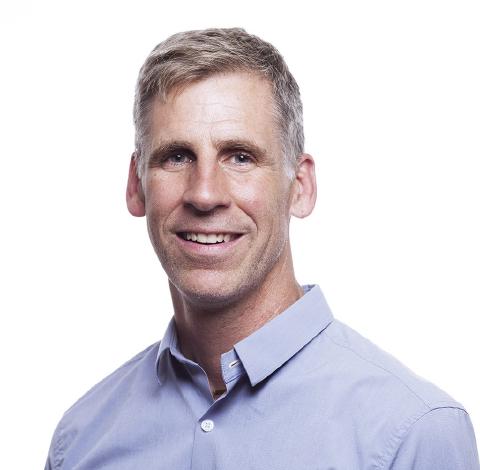
Welcome Scott Miller, CEO of Dragon Innovation!
- Scott was originally on The Amp Hour in episode 113
- Dragon raised money from VCs and was acquired by Avnet 2 years ago.
- Non traditional customers (avocado example) don't want to stand up a hardware team
- Dragon/Avnet built a toolbox for IoT, so don't need to recreate
- Scooters
- Education is important for customers
- BOM health risk assessment
- MLCCs had 72 week leadtime
- Supply chain risk over time
- Dragon is now moving up the chain
- "Product as a service" (PaaS)
- Pricing in the costs of repairs and support
- Not many other companies doing that sort of thing these days (yet)
- GE was trying to do with engines
- Risk is that the customer goes another direction
- There are now stockholders to think of (being part of Avnet)
- Scott is seeing a trend in the US of a constriction of B2C startups, but more industrial IoT
- High profile bankruptcies
- Anki
- Mayfield Robotics
- Excited about growth in Europe, including more building in EU.
- Companies moving out of China quickly (due to 25% tariffs) but into other Asian countries
- Taiwan, Singapore, Thailand, Malaysia
- RFQ would normally have 3-5 quotes, maybe half of them from China.
- Now doing it on a more global basis
- How are factories being chosen?
- Looking to get to domestic factories every month to build out their "Contract Manufacturer Database" (CMDB). Vetted factories are a service that Dragon provides to customers.
- "Vietnam is like China 10-15 years ago"
- 2000 global factories on the CMBD
- Trying to build up the list for Mexico factories.
- What are some of the cultural differences for things coming back on an RFQ?
- China is more vertical. Or at least it looks like it's vertical. Integrated CM would make their own cardboard!
- Labor costs are $5-6 per hour in China right now.
- Depending on the region and the factory
- Factory owners are really focused on automation
- Making their own soldering iron robot
- Home grown automation
- Focus on flexibility of the robots
- Strategic focus from every factory
- Tier 1, 2 ,3 contract manufacturers
- Tier 1 has access to more capital, so have fancier technology
- Level of tracking is really good, to tell for returns
- Used to be a prof at Olin
- Took all the lectures and put them on Dragon Website
- Scott does AMA sessions as well!
- Pulling manufacturing knowledge back into design
- Get to 80% done to bring in a factory
- Pulling data back into the process for BOM
- BOM health risk assessment
- Most Dragon customers are between 5000 units -1M
- Pebble and Dropcam examples
- Most started small, needed to get in early
- Ring example
- Dragoninnovation.com
- DFMA courses
Transcript
Chris Gammell: This is The Amp Hour Podcast. Released July 21st, 2019. Episode 451. A second interview with Scott Miller. Welcome to the Amp Hour. I'm Chris Gammell of Contextual Electronics.
Scott Miller 2nd: And I'm Scott Miller from Dragon Innovation. Welcome back, Scott. How are you doing? I'm great. Really psyched to be here, Chris.
Chris Gammell: Yeah, it's been almost, well, let's see, seven years, I think. September of 2012 was when we last had you on the program. So it's been many, many years. And what's been going on?
Scott Miller 2nd: Well, it's been, yeah, a lot has been going on since then. And yeah, in a, like one on the macro scale, we've just seen so many things change from kind of the birth and acquisition and death of a lot of startups to much larger companies that, you know, I think historically have never done hardware, getting into the hardware space, particularly IoT, and excited to go after some of those reoccurring revenue streams. For us at Dragon, we ended up going down a journey of raising some venture money from some great VCs, including Amazon, and then growing the business and ultimately selling it to Avnet, which has been a fantastic parent about two years ago. And now, like kind of learning what it's like to be part of a much larger $19 billion company. So it's been, yeah, it's been a pretty crazy, crazy ride since then.
Chris Gammell: Yeah, that'll be a little bit of a shift, huh? From a startup to a $19 billion company.
Scott Miller 2nd: Yes. Yeah. I mean, it's interesting to look at the different timescales. And, you know, as a startup, you're just trying not to die. And as a part of a larger company, you have the benefit of sort of thinking a couple years out and trying to figure out, you know, how do you harness the resources you have to be able to grow in such a way that it can move the needle for a $19 billion company, which is different from moving the needle for a startup.
Chris Gammell: So what does that mean for you then of, you know, from a functional perspective? I mean, are you at Avnet offices now? Do you guys still, do you still operate independently? How does that work?
Scott Miller 2nd: Yeah. So Avnet's been amazing. They've really done a nice job and a very conscious job of keeping Dragon independent, but also giving us access to their pretty crazy resources. You know, so they've got offices and I want to say like 45 countries around the world. And, you know, they've been a really great parent in terms of letting us have the freedom to operate. But in particular, things like being able to access their incredible sales team, which is just calling on a bunch of customers traditionally to buy electronic components. But now that we can add in the Dragon services, we can really complete the ecosystem and help customers on a global scale really go from an idea all the way through finished goods delivered to them if, you know, if they want to do the whole kit and caboodle. So that's been cool to see how we can, we can plug into that.
Chris Gammell: Yeah, that's really interesting. And you had mentioned that kind of the beginning too, you said these large brands are starting to do these, you know, IoT projects and things like that, recurring revenue. How does that end up playing out then of like, so I saw, I was looking through the, you know, the Avnet or sorry, not the Avnet, the Dragon customer list. And I saw just like to pull one out of there, but I saw Bosch on there and Bosch is obviously a monster company. And I'm sure it's, you know, portions, portions of company even, you know, it's not like the entire Bosch infrastructures doing one thing, but, but like engaging with a customer that is another billion dollar customer, you know, billion dollar plus company. How do you, how do you end up interacting with them? Is it just like, they want to go straight to like volume production or is it more scaling up like any other, any other process?
Scott Miller 2nd: Bosch is an interesting story. So with them, what they wanted to do is create basically a startup within the Bosch empire. And, um, they started a wholly owned, um, subsidiary called Mayfield robotics to build a really cool robot, um, called Curie, which is a consumer electronic robot. Uh, and they, it was an interesting story in that they hired a world-class team. Um, we worked really closely with them and they got all the way to like being one day away from starting final production. And unfortunately Bosch decided at that point they wanted to go in a different direction. So I think they're, you know, their hearts were in the right place. Um, and with, you know, these large corporations, it often takes a few times to get it right just because moving at entrepreneur speed or startup speed is something that's just not typically in their, in their DNA. Um, but also I think it's an area where we can, we can help them. What kind of categorically, what we're seeing is that startups are strong in the U S they're increasingly growing at a much greater rate in Europe. Uh, but, um, area, one area we've been focusing on and we probably need to come up with a better name for it, but we call them non-traditional customers or NTCs. And most of them I can't talk about, but just to give like a fictitious example, imagine you're an avocado grower and you're going to grow a lot of avocados and, and moves, move a lot of volume, but you've really never dealt with anything that actually has an electron in it that moves.
Chris Gammell: Um, but nonetheless, you've been eating about avocados have electrons. Let's be honest. Come on, Scott.
Scott Miller 2nd: They just don't move too far. Sure. Sure. But yes, yeah, they've got a, probably a healthy amount of electrons. Um, well, yeah, so you, you're growing your avocados and you're thinking about it and like, man, if I could get these to the store right before peak ripeness, we could reduce scrap and increase our margins and all this good stuff. Um, so you've always been thinking about that and then you've read about IOT and started thinking, well, you know, maybe there's some sort of sensor we could do, um, to be able to detect what the ripeness looks like and, and help with our, um, supply chain. Um, but you also realize you're an avocado company and you don't really want to stand up a hardware team and things like that. For us, this would be a textbook, non-traditional customer in that in many ways, it's like a startup that just doesn't have a lot of experience in hardware, but they do have the ability to move like really high volume. And if we can make a solution to solve their problem, then there's a really interesting business to be had, um, at the scale of a $19 billion company. So we're working more and more with companies of this nature and they're all, you know, brand names that are, that are just a blast to be associated with and, uh, to get to learn their business, but they're inherently just not hardware companies. Um, so I think there's a lot of opportunity to, uh, to really help them out.
Chris Gammell: Yeah. I was, uh, I was talking to someone about, they went, they went to a training recently for a connectivity device. It was a cell modem, right? They were going to a training for that. And they said, you know, what was surprising is the, the people that were in that thing in that, that, that classroom were not double E's. Like they were mechanical engineers or civil engineers. They were, they were, uh, chem, you know, uh, material scientists and stuff like that. And I think what it, what I think about when that, when that, when I hear that kind of thing is like, most people don't give a crap about electronics. They care about data and they care about what they can, you know, how they can improve their processes and stuff like that. The fact that it comes down to being electronics in the real world at the end is just a, that's, that's the tools that are available. I think about it personally. I'm like, oh man, I just care about the electronics, but yeah, they, they just care about the data. And maybe that is that kind of what you're talking about here.
Scott Miller 2nd: Exactly. Yeah. I mean, your description, um, lines up perfectly with what we're seeing. You know, I think if we were to look at it one way, which again, I just get excited about the hardware, but a lot of these companies look at hardware as a means to an end, or even if we put a slightly negative, um, scope on it, like a necessary evil, but they definitely don't want to get involved in the nuts and bolts of how to build a thing. They just want the data, but to get that, they need to understand, or somebody needs to understand, you know, the firmware, the double E design, the mechanical design, um, how do you deal with the radios and keep the data private and secure and basically find a way to get it all up to the cloud where you can do something with it, um, to create an actionable result. Uh, and those are all areas that with dragon, um, honor manufacturing and now Avnet with their understanding of the double E side, we can provide those solutions. And, uh, again, these companies are like, my heart lies with startups. I just love the pace and the innovation. And it's, it's just really fun to work with some of these bigger brands that are acting much more like startups rather than, you know, large established companies. So they're, they're kind of catching on, although it has taken them a while.
Chris Gammell: I mean, I guess another thing I think about is like when I dig in the hardware, then I'm like, Oh, well, I want to do something custom and new. And yeah, at the end of the day, I end up usually, you know, using a app note or something like that. But you know, if you now have a client that's an avocado customer and then a banana customer and then an orange customer, I have to imagine they don't really care that the solution is that unique among, amongst them. Does that mean that you get to do like design replication and just move to market faster because you're, you're offering similar solutions or how does that end up working?
Scott Miller 2nd: Yeah. So we've built, uh, and by we dragon and Abnet, we built a really cool toolbox, a toolbox for IOT so that we don't need to recreate the wheel every time. Um, but we can service all these different use cases. So, um, you know, from the, the sensing to the processing, um, to the electronics on the edge, to the radios, um, and all the different security layers, we've got that stuff in our toolbox and can deploy it really quickly with, you know, little customizations, depending on what the actual, um, use cases, but yeah, you're, you hit the nail on the head. That's, um, exactly the way we, we look at it. And for the company, they, they truly just want the data. Um, they don't want anything to go wrong with the hardware. Um, but it's not really the main focus of what they're trying to do.
Chris Gammell: Yeah. I guess another example that I'll pull out and I said this and Scott did not tell me anything about this, but I will say scooters because they have now arrived in Chicago and I hate them. Uh, uh, I don't really hate them, but they're everywhere. And, uh, and I just look at these things. I'm like, each one of those has a cell mode a minute, right? Each one of those has a battery and, uh, you know, GPS and some kind of telemetry and stuff like that. And someone did all that design and there's different brands on it, at least maybe underlying things the same, but they, you know, they start to look a little different too. And it's like, okay, well, I'm guessing someone replicated that design over and over and over again, because that's, you know, there was a ton of money at, I'm not sure if there's still a ton of money in that, but there was a ton of money in that market a couple of years ago and they just kind of pushed out these designs and they don't need, they don't need any customization between them really. Right. Yes. I mean, that definitely
Scott Miller 2nd: lines up with what we're seeing in scooters are a great example. There are some variations, but in general that's, um, you know, it's trying to solve a different problem in that case, like the last mile problem. Um, and the hardware is just a means to an end, but it's all the other, um, ways to unlock reoccurring revenue that I think is driving the, uh, driving the development and marketing and, and, um, so on. But it's, as long as the hardware is good enough and safe, uh, they're not, there's not a lot of differentiation between the different brands out
Chris Gammell: there. So, okay. So now as a, as a, uh, consultant and a, uh, you know, a person who's interested in electronics, where do you see then, you know, people that are listening to the show are maybe also designing electronics for companies or on their own as a consultant or contractor, how do they then play into this ecosystem? Is it kind of like, well, AdNet and Dragon have the big ones taken care of. So we kind of look at the smaller folks or the more custom folks or how, you know, how do you, how do you, how do you see the whole ecosystem shifting because of,
Scott Miller 2nd: because of these corporate level shifts? Yeah. So we always looked at it that there's a lot of different on-ramps to get involved. Some companies, um, you know, we describe it as wanting to learn how to get a lot of fish. And in those cases, we can really work with them and say, okay, to go after this fish, you need this pole. This is how you put the, the bait on the hook. And this is where you should go cast your line. Um, and that, that's typically more of a startup one where we can use the knowledge that we've gained in working with hundreds of companies to help them make the early decisions correctly. Um, because we know those casts really long shadows. And then other ones like these non-traditional customers, as we talked about, don't care about how the job is done. They just want the, want the result and don't really want to see where the sausage is made. So we often will talk about like a fish on the plate where they just go to the restaurant and
Chris Gammell: they want to order the fish. Um, actually it's like, it's like 20,000 fish a month if they can
Scott Miller 2nd: get it though. Exactly. Yes. Yeah. And for us, like it's the same, we do exactly the same thing. It's just sort of presented in a, in a different, um, manner. But one of the things that's really core to what we do and what makes a job so fun is education. So both trying to share what we know about manufacturing and it's always evolving. Um, but also in the same time learning from our customers, cause they're always doing something really cool. And, um, if we can gather those learnings and then be able to help, uh, the future customers without sharing any proprietary IP, um, but to be able to get, get to hardware quicker, then that starts to get pretty interesting.
Chris Gammell: Yeah. Yeah. It's like a multiplicative effect because you basically, you don't have to, like, I think about when I go to a manufacturer and I learned some new process thing that they're like, yeah, of course this is a thing, Chris, like, what's the, you know, like, don't you know about this? It's like, no, I, I've just, I just got here, you know, and I wish there was a way to do that, but unless you have an institutional knowledge that you keep kind of passing it, I mean, you're effectively, you're passing along internally and then your customers benefit from it as well. But that's just a, that's just a nice effect to being a larger, larger company, seeing more things.
Scott Miller 2nd: Yeah. And, you know, on the double E side, where I think it becomes so important is we have this thing, we call it a bomb, bomb health risk assessment. And yeah, I'm a ME by training, um, but have learned a lot about double E. And one of the key things is that availability and lead time are so important. So up until recently, um, you know, for example, multi-layer ceramic capacitors for whatever reason had like a 72 week lead time. And if you didn't realize this and designed it into your product and are trying to hit a certain milestone that could be devastating. So we find by, um, having access to these just massive databases, we can look at any component and be like, Hey, you know, that one's not recommended for new designs, or that's going to be end of life, or this is available only from one supplier, uh, or it's got a really long lead time. And those are all things where having access to, um, the data and working with a lot of customers can really benefit the future customers just so they can make those upfront decisions correctly. And, um, you know, not, not need to deal with those challenges.
Chris Gammell: So speaking of end of life, so the, um, the supply chain management's another thing that's kind of interesting to me is that like, okay, so now we go back to the avocado example, right? There's an avocado grower. They want to buy an end, end use widget and stuff like that. And then there, I assume that they have customers that are then maybe dependent on it or spawns, uh, what's it called a spinoff products and things like that. I just making assumptions here, but what happens then like three years down the line, like they want to buy a fish or in this case, a piece of electronics from, you know, wholesale and end use piece of electronics. Who's like managing that supply chain then, and then dealing with a cap that goes up obsolete or a op amp that can't be, you know, is it a different package now or, or things like that. And then how does that then
Scott Miller 2nd: translate to three years down the road? That's exactly what we're working to figure out right now. And again, historically dragon has just taught, uh, companies, uh, how to fish, but now that we're providing the fish and by that, I mean, doing all the double E design, the manufacturing, the logistics packaging, um, and even the installation support, um, we are looking at a couple of different models. So one is you just buy the thing outright and it's yours, but the other is more like a product as a service where if it does become obsolete, um, since we would be paid on a, or Abnet would be paid on a, uh, monthly or annual basis. It's up to us to make sure that the, the thing is always got the latest and greatest, um, components or whatever the service levels are. And I think where I get excited is this is a pretty fundamental change in, um, or transformation of a business that started as a pure distributor, but now is getting into like a full end to end solution, uh, provider. And we definitely haven't figured it out yet, but that's what makes it fun is that we're, um, kind of in, in the midst of that. I imagine that then
Chris Gammell: changes some of your cost basis too, because then you have to like, basically when you, before you were just like, all right, well, it's bomb, you know, bomb plus or bomb multiplied by four or whatever it is. But now it's like, you also have to like put in, uh, repair costs and support costs and, you know, the risks of obsolescence and like longer term things that, that maybe that I've never, I've never personally had to work with and maybe, maybe our audience hasn't either.
Scott Miller 2nd: Oh, it's a whole different, different beast, you know, in the past and still today, very much, if we're doing the teach to fish, the relationship will be between our customer and the factory. So they'll issue all the POs and, um, there'll be certain in warranty exchange rates and, and things of that nature. Um, but again, that would be contractually between our customer and the factory. Whereas as we start to get more into the product business, then we have to start, we have to figure that stuff out and update our business models and our finances to be able to account for that. Um, so it's, for me, I'm always looking to do something new and different. And, uh, this has been a really great way to learn or actually refresh because we, we went down this road, obviously at I robot, um, selling the, selling the Roombas, um, but, but a chance as a large company to grow and learn new things. Um, but yeah, it's all kind of, um, in a sense, new, new ground and, and really exciting. Um, especially with the product as a service or like more of a SAS model out there.
Chris Gammell: And, uh, since you brought up by robot too, I will make a call back to that previous show and you were on here and people can go and listen to that. That's episode one, one, three. We'll have that in the show notes. Um, and so Scott talked all about that last time and also, you know, his experience with Imagineering and China and awesomeness like that. So that was a great episode. Um, could you define what product of a, as a service actually is like, does there like a technical, I I've heard it a couple of times, but I, I guess I don't quite get it still.
Scott Miller 2nd: Oh, sure. So if we just use the fictitious avocado example, um, one model would be just a product sales where we sell some sort of IOT, uh, sensor that measures the freshness. But as we think about it in terms of the job to be done, what the customer really wants is to know when, when to deliver the avocados and in the framework of product as a service, that would be, uh, say a monthly or an annual or per avocado, um, uh, cost basis where it would be an ongoing, um, the fee for that, that knowledge as opposed to like a one-time sale. So much more like a SAS model versus, uh, straight up, um, you know, buying a single license for a piece of software.
Chris Gammell: Interesting. So are, are other, do you see other startups and other companies doing that as a, as a model, uh, outside of like the, you know, I, I guess I'm kind of put, you know, putting dragon and ad kind of in the CM, not the CM space. It's almost like a ODM space at this point, OEM, ODM kind of space. Do you see other people doing that kind of thing these days?
Scott Miller 2nd: You know, I think we're one of the companies on the forefront of that. And I'll say still with, um, dragon and avnet, we're still figuring this out or it's, it's sort of how we're thinking about it. Um, but it's, it's very, very nascent. The typically the model we see now is that a company will sell the hardware, um, at a fixed price and then charge some, um, subscription for access to the software. And this would kind of be taking it a one step further.
Chris Gammell: Okay. All right. So the, it's, and the benefit, so what are the benefits then? It's just the, it's the recurring revenue idea on, on a, uh, on a less software tie-in basis. Is that kind of the idea?
Scott Miller 2nd: Yeah. So the idea, um, would be that it would in some ways reflect the volume that you're working with. So if we use that per avocado, um, measure, you know, and again, it's a totally made up example, but maybe it's, uh, five cents for each avocado to understand when the peak, um, ripeness is, which presumably is what the, um, the avocado, uh, seller cares about as opposed to knowing, Oh, I have to pay $500,000 to set up the system regardless of the volume I'm shipping. And that ensures that they're always like up to date with the latest, um, latest and greatest, because from our standpoint, what we want to do is help them sell as many avocados as possible. Um, and making sure that they've got the latest technology, um, is well incented with, um, with their interest in selling, you know, a large number of avocados, you know, I, and I think, although I'm not an expert in it, it's similar to what GE was trying to do with their jet engines. So rather than just selling an, an, uh, an engine, they were selling hours of flight time, which is really what, uh, um, say the airline companies would care about.
Chris Gammell: Yeah. And I guess from an accounting standpoint, I've been learning a little bit running my own business now, I have to learn accounting. So it's like, I'm learning a little bit about this and I, I get that it's like the predictability people like as well, instead of like the chunkiness of like hardware costs, or it's like, Oh, big, you know, $300, $300,000 NRE. And then, you know, a hundred dollars per unit, whatever it is like, that's, I, I, I could see how from the accounting perspective, they don't like that. But then from the, the product is a service provider perspective. So in this case, dragon, like, is there a risk that they would just, the avocado farmer would just be like, well, we're done. We don't want to do this anymore. Like, or do they have to be contracts so that it's like more long-term and, and like guaranteed?
Scott Miller 2nd: Right. So that's exactly the risk that if we, uh, you know, put all of this effort into developing a new sensor and they ship five avocados and go in a different direction where we're stuck holding the bag. So we do tend to focus for this type of thing on much larger companies that we know can move the volume. And there's a fairly rigorous vetting process upfront. And again, it's not, um, it's not a fit for every, uh, every type of company. Uh, but as we do see more and more non-traditional, um, customers get in the space, it's, uh, you know, something that we're, we're pretty excited about. And especially with IOT that, you know, given radios and reoccurring revenue, because it's a lot more predictable, it's much more highly valued on, on wall street, which, um, being a public public company is important.
Chris Gammell: Yeah. Yeah. That's a, that's a new, that's a new, uh, domain master there, huh? It's the, uh, the unassailing, uh, stockholder. That's, that's, that's gotta be fun.
Scott Miller 2nd: Yeah. Yeah. It was funny. I just remember back in the iRobot days when we were, um, we were almost like pre-venture backed, we could do whatever we wanted, but we had no revenue. And then pre-IPO, we had to be predictable, but we still had a relatively, um, large amount of freedom. And then the minute we went public, it was all managing to the quarters, which was a very, very different experience, um, than, than being venture backed.
Chris Gammell: That's, it's like when the, uh, it's like growing up and putting on, putting on the, uh, the school shoes at that point, you gotta, you gotta really, really buckle down.
Scott Miller 2nd: Yeah. So it's a, a totally different way of running a, uh, business, but, um, but yeah, I think it's a, just a great experience to, to see all these different, um, sort of business models and, and business approaches.
Chris Gammell: So you'd mentioned you're kind of going back to the similar thing is like you experienced in the iRobot days as a, as a, uh, provider. Now, um, I wanted to ask a little bit about trends you're seeing. First off, I wanted to ask you about like, you know, just general trends. I think IOT is one, a good one. And then obviously I want to ask about China as well. And then your experience kind of working in and around China as a, as a provider. Um, so first off, like, what are the, what are the, I, are you seeing trends or I guess are you even, are you recommending trends, uh, or recommending things for your customers that people might be surprised about? Um, so I think about like Bluetooth cellular, wifi type stuff. Are you seeing, you know, people moving towards one or another and generally what you're, what you're seeing in the marketplace?
Scott Miller 2nd: Yeah. So we, we are seeing a bunch of different trends. Uh, one, you know, if we look at startups versus, versus, versus larger companies, uh, in the U S we are seeing, uh, um, basically a constriction of consumer or B2C startups in the hardware space, but an expansion of industrial, um, IOT, which is, uh, interesting. There's been a, uh, certainly, and unfortunately a bunch of, um, high profile bankruptcies from Anki to Jibo to Mayfield, um, and so on in the consumer space. But, uh, but it's a nice growth, um, in the industrial space. And then one that I'm really excited about is that in Europe, we're seeing overall just a, a huge growth of, uh, startups across, um, pretty much all of Europe. In fact, and this is thanks to Avnet, we were able to open up a dragon office in Amsterdam and have been spending a lot of time meeting the startups there as well as connecting with the factories, uh, because it's always nice to build locally if you can. And, and there's, um, just a huge, um, amount of really capable factories in, um, in the EU. So those are some trends, uh, in terms of manufacturing bases, uh, primarily driven due, uh, by the tariffs. We're seeing a lot of companies move out of China really quickly, but start to get into other Asian, uh, Asia Pacific, non-China, um, locations. And in fact, we just had one of our senior dragons spend over a hundred days in, uh, APAC, uh, in countries other than China. So he was in Taiwan, Vietnam, Singapore, Malaysia, um, Indonesia, and, uh, and so on really, um, trying to identify and vet good alternatives to, uh, to Chinese factories. And, uh, that's an
Chris Gammell: area we're incredibly excited about. How does that end up playing? I guess I don't really know the levels. I mean, it was always been like a partnership type thing, right? It's never been like actually ownership of factories because of the ownership rules as well in China. Is that right?
Scott Miller 2nd: Yeah. So we've always, um, we only work for our customers. We feel strongly you have to be on one side of the table or the other, and it doesn't, you can be on either side, but, but we think you should pick one. So we've never, um, made a penny from, um, from a factory, which lets us work for, or work with any, any factory. Um, and in general, because we bring them hopefully really great leads there, um, they're usually excited to work with us, but we have, uh, certainly ever since the trade war is seen, um, you know, a lot of pressure to build outside of China because it's, it's really tough to swallow a 25%, um, tariff on that. Uh, but there are trade-offs like China is obviously the manufacturing workshop workshop for the world. And a lot of these other places are coming up quickly, but they're, they're not as mature as China. You know, ordinarily we would do say a RFQ or request for quote and try to include three to five factories in China. So we have a competitive, um, mix and can do an apples to apples comparison, looking at say the Pareto of the five most expensive components, labor rates, markups, um, things like that. But now we find when we do the RFQs, we look at it more on a global basis. So we'll probably include one or two China factories, um, maybe some domestic ones, uh, in the U S maybe, um, you know, one in Vietnam or Indonesia, uh, just to get a more holistic view and then factor in the tariffs to all of that. So we could see, you know, what's the landed cost, um, as a function of, uh, manufacturing geography.
Chris Gammell: And who's driving that, that decision to, to check out the other, is it the customers are like saying, well, we want to just make sure we limit it or are you guys doing it? Or like, what's actually I guess I don't really understand how, how, how you're finding factories in the first place. I guess we probably talked about that seven years ago, but I've forgotten.
Scott Miller 2nd: Oh, sure. Yeah. So I think it's being driven both proactively from dragon because we know it's the right question to be asking. Um, but we're also increasingly seeing our customers ask or come to us and be like, Hey, do you have some factories outside of China or even domestic ones that would be a good fit for us? So we've got, um, as I mentioned, one full-time senior dragon looking at non-China factories. And then we've got a bunch of folks in the U S, um, vetting, um, local factories. In fact, we try to get to a couple, um, you say two or three local factories or domestic factories every month to build up our database over the last probably 10 or so years. We've built up what we call sort of non-creatively the CMDB or contract manufacturer database, about 2000 entries with, uh, vetted factories so that when a customer comes to us, we can very carefully pick, um, ones to include in the RFQ that, that would be a good fit for them. And, uh, you know, I think it's easier than ever before to find factories in China. Um, and it's, it's also getting easier to work with China. Um, but that's offset by the tariff. What we find is if you ask, um, somebody to go suggest a couple of factories in say Saigon or Ho Chi Minh city, then it's almost like, um, it was 10 or 15 years ago. If you're trying to find a China factory, like people don't really know how to do that. And with us, we find the best thing to do is to get feet on the ground over there and talk to people, go in, uh, go inside and, and visit the factories. And then also with us, because we're part of Abnet and many of Abnet's customers are factories. We, um, we can get these, uh, lists and introductions to factories and then go run our own, um, process on them to qualify them to be entered in the CMD,
Chris Gammell: uh, database. That's great. And that 2000 is just domestic or is that overall, that's like a global factories run. Okay. Okay. Yeah. That's great. I mean, I'd say the,
Scott Miller 2nd: at this point, maybe 75% of them are in China, but increasingly the EU and the USA, one area that we're behind on, and it's just a matter of prioritization, uh, is Mexico. Uh, but again, Abnet has a strong showing down there. And in fact, one of our, or two of our dragons are heading down, uh, to Mexico next week to, um, to check out some factories. So, um, so that one's not too far behind.
Chris Gammell: Yeah, that's great. That's great. So, I mean, does that mean that you, you personally are spending less time in China as well?
Scott Miller 2nd: Yeah. You know, I get over maybe two or three times a year. It, for me, it's like home. I love Hong Kong and Southern China, but most of my travel recently has been, uh, been domestic or Europe.
Chris Gammell: And then you had mentioned the, uh, you know, they working more in Europe as well. I mean, so could you kind of like give some ideas and, you know, cultural differences within factories, even, I mean, obviously the cost differences, but are there expectation differences or there, you know, so if someone's going to be approaching seven different regions of the world with a, you know, with a RFQ, you know, what, what should they be expecting when things are coming back from those places?
Scott Miller 2nd: You know, the biggest difference I see between China and everywhere else is China tends to be very vertically integrated in that you'll have the, uh, SMT, uh, injection molding, maybe even mold making final assembly test packaging all under one roof, which is incredibly convenient. Whereas, uh, in the U S and Europe, it is typically much more horizontal. So you might have one, um, EMS that does the SMT, another one does the molding, and then you may have to find a third one to, um, assemble the parts. And with this, it takes a lot more effort to put together your supply chain because it's not, you know, one throat to choke or one, one stop. Uh, but also I think it's more opportunity that if you can build up these good databases and know that this factory works well with that one, and they already have payment terms, then you can, you know, get your customers more efficiently from, um, you know, whatever on-ramp they come on, say the idea all the way to the delivered product. But that's, that's kind of the largest difference.
Chris Gammell: Okay. And that's kind of how you view it as well. It's kind of China and everyone else just given.
Scott Miller 2nd: Yeah. I mean, that's been our, our experience. And of course there's, you know, there's some variation, but if we had to categorize, um, I do look at China as incredibly vertically integrated and everybody else, there's a lot more, uh, stitching together to be done.
Chris Gammell: I always wonder about that too, with the vertically integrated, it, it always felt to me like it was presented as vertically integrated. Like I always even think about like, you know, if I go to an online PCB provider, they say that they're vertically integrated, but when the, you know, when I click a different option and I get a different type of PCB, it goes from a two layer to six layer, there's a pretty decent chance it's going to a different factory, but it's just presented as this front, this, you know, upfront that it's a different, that it's the same, same thing. Is, is that, is that a false assumption or is that a bad assumption rather?
Scott Miller 2nd: No, I think that's a very good assumption. And that's one of the reasons why it's just so important to visit a factory, whether you do it or somebody you trust does it. Um, just so that you see with your own eyes, what's actually going on. What we see in China is that there is a huge variation, but, um, you know, one of the factories we work with, they used to have a hundred thousand workers. So like just an insane number of workers there, they're down to about 30,000 now cause they've automated a lot of stuff, but they would go as far as literally making their own paint. So they would get the raw ingredients and had all sorts of rollers and buckets and would, um, would build their own paint. They would, um, they did a lot of hair rooting, which is really cool. So stitching, um, like hair and baby dolls, uh, creepy, they made their own, like literally they'd made their own cardboard. So if you think of corrugated cardboard, it has three parts, the two skins and the wiggly stuff in the middle, like they would build that from scratch. Um, just bringing in huge rolls of, um, of the raw material. So a lot of them are very much like the old Ford manufacturing approach. They did everything. The one though, and you hit the nail on the head with PCBs is typically they will send that out because it's so specialized and the, the two layers different from the four layers,
Chris Gammell: different from the flex, um, boards. Yeah. You're tooled up for that one thing. So it makes sense to be at a different factory, but it was always presented as the same front end. And it's like, I just wondered if that was also the case in a factory, you know, if it's like, oh, well we, we make the molds, but actually this guy over here makes the molds, you know?
Scott Miller 2nd: Yeah. And in terms of mold making, it can go either way. Some factories will have a capability in house, which is nice that if you have to go and touch the mold or make some modification, it's just going from the, the press on one room to the mold shop on another one. Um, whereas if you're working with an outside mold shop, then there's more logistics in terms of taking the heavy tool out of the press, putting in a truck, driving it there, getting time on the, um, plunge EDM or whatever and coming back. But I'd say it's, um, at least in China, it very much depends on the factory. Some are all in house, some are outside, and then some do a mix of the two where they'll have a certain capacity inside, but for like double shot or, you know, high precision, they may not want to do that inside. So they'll, they'll bring that to a partner.
Chris Gammell: Okay. That makes sense. And so you mentioned, um, the, the large scale manufacturer going down, uh, because of automation. So I was, I was looking at the old notes from the, from our last episode and you'd mentioned the, the labor rates. That's when, let me just pull this up. You'd said the labor rates were going from a dollar, one to $2 an hour, but are now closer to four to $6 an hour. And then you just also mentioned automation. I was wondering if there's kind of general guidance, if that number has changed, I mean, seven years, there's obviously been a ton of growth in China, even in that amount of time. Do you see the labor rates are still rising like crazy? I mean, automation still going up. How is that all playing out?
Scott Miller 2nd: I would say on average, what we're seeing for labor costs now is probably five or $6 an hour in, in China. And it does depend on the region and the factory. Um, the, some factory workers are more well-trained than other ones. So they'll command a higher price, but the, the factory owners are definitely across the board really focused on automation. And it's so interesting to see how it's done in China versus how we approach it in the U S. So in China, it's very much, um, bottoms up. So you can imagine you might have some panel with a few through hole components you want to solder. What we've seen in China is that they'll build a pretty simple, you know, two or 3d, um, a degree of freedom robot that literally you'll clamp on a soldering iron. And it's sort of like X, Y, and Z, and it will go in and knows where the, the different leads are and it will solder them. Um, and then there's another degree of freedom, um, applying the, um, applying the solder. Whereas in the U S we approached it more like rethink robotics. Unfortunately, may they rest in peace, but, uh, taking like a top down, like let's build a, a whole full functioning worker that can do anything as opposed to like a, a task specific robot. Um, and China's, you know, just really good at building stuff. So it's kind of a natural fit that they should be able to build robots to make their process more efficient. So we see it, you know, on a massive scale, like SMT, that's always been, um, sort of really, really cool, a high precision, high speed robots, but getting into, um, through hole, we see it with tampo printing or pad printing to apply the deco to products. Um, when I visited a while ago, uh, and we probably can't say the name of the company, but, um, if you imagine like a little motorcycle promotional item and a candy product, um, the cost of goods has to be insanely low. So what they did is they took a whole bunch of 80, 20 and basically built a rail car system that using, um, pneumatic actuators would assemble this motorcycle. And then the only human in the loop there was the final worker would rev up the motorcycle by pulling it back a few times to load it up and then let it go. And it was like a five foot, um, table. And at the end of that five feet was a hole, let's call it six inches in diameter. And if the motorcycle went straight enough, it, um, would go down the hole and they'd ship it. And if it didn't, it'd just fall off the table. So it was just for that final quality control. But yeah, things are getting much more automated. And I think what China's done well is that they still know toys and consumer electronics are always, the design is always going to be changing. So there's always a trade-off, um, of building a product and then having to build the robots to build that product and reprogramming them. I think they've done a really nice job of just keeping things super nimble and generic, um, for whatever they're trying to do so that it still allows you to make those changes. And maybe the next step is that we'll see products that are really designed for robotic assembly. So maybe there's different locating features or things like that built into the product to make it easier for the robots to, uh, to grasp them.
Chris Gammell: Yeah, that's great. I mean, like, so I watched, uh, Scotty, uh, Scotty's videos, uh, from strange parts all the time, like any, any factory tour, obviously you've done tons of factory tours in your days. I'm sure I've been to a couple, but nothing, nothing that, uh, that I get to see on film. And like, yeah, those, the home, I remember the, the one, I don't think it was even Scotty was a different, it was a battery factory. Um, one of the, uh, the quad quad channels, like the quadrant quadcopter channels. And they were just going over like how batteries are built and stuff like that. And seeing some of the homegrown robotics like you're talking about. And it's, it's great. I mean like that kind of stuff, like machine building has always been a very interesting thing, but it seems like that is enabling a lot of, a lot of speeding up. And so that's, that's your, are you talking to factory owners and, and they're specifically focusing on, or is it more just like, we just got to get it done
Scott Miller 2nd: faster. How does that end up playing out? Oh, it's a definitely a strategic focus from pretty much every factory that we interact with in China. And again, they just realized that the labor rate continues to go up. So they need a way to, um, be more competitive. And I think it's probably been just exacerbated given the, the additional 25% tariff on a lot of China products, um, that they're, they're trying to stay in the game. Uh, but yeah, they're, the factories are really good at building stuff. Um, and they do generally task specific robots, um, uh, you know, to solve a given problem, um, from the ground up that they, that they built there so they can change them, they can fix them. Um, there's no 800 number to call. It's, it's all the, um, kind of local domain knowledge they have in house. And I think it's been incredibly effective for, for the factories.
Chris Gammell: Yeah, that's great. So what about like, um, uh, you know, tier one, two, three, I think we did talk about that last time you were on the show, like what those different things are, but maybe can you, can you run through those, what those are again? And are those actually what you're talking about when you talk about these factories that are building the robotics and things like that? I mean, what are the levels of, of factory ownership that we're, that, that you're interacting with, uh, just because of the vertical level of integration and stuff like that?
Scott Miller 2nd: Sure. So, you know, the definitions vary a bit and they're very different from automotive. But when I think of tier one, I usually look at it in terms of a billion or more dollars in revenue and their revenue would basically just be the cost of goods sold of the product times, the volume of the product summed up across all their product lines. Uh, tier two would be 250 million to a billion. And then tier three is everything under 250 million. So still, you know, a pretty, pretty good sized business, uh, for the robotics. So we see that across all tier one, tier two and tier three, the tier ones just, uh, have a lot more access to capital and therefore they tend to be a lot more sophisticated. So my last trip to China is probably half a year ago. We went to a, um, a really well-known tier one and with them, they had big displays all over the line and such great tracking that for any one product, you could, um, look up the serial number of that product. And it would tell you what say component be a capacitor resistor processor. Um, it, they could track it all the way back to the particular reel that it came on the data was assembled and so on. And this gets so important from a quality standpoint that if you do have returns driven by a bad component, being able to pinpoint what happened, where is, uh, incredibly important. They also would track like the solder paste and they'd know this was from this lot. They kept it out, um, you know, to come up to temperature for four hours and they used it from three to five in the afternoon. Um, but yeah, just the level of tracking is insane, but you only really see that in tier one. By the time that you get to the tier three, it's, um, probably a lot lower margins and a lot more nimble, um, because they don't have the overhead, but they just wouldn't, um, have this capability. And that sort of gets to the point of trying to find the right match between what you're trying to do with your product and your volume, um, lined up with what a factory's, um, capability are. So you can get that, you know, that perfect, uh, impedance match. Yeah. You know, I always, uh,
Chris Gammell: I always want that track. And that's the first thing I always ask about too, whenever I see someone, you know, cause they always even lower tier CMs are always, you know, using barcodes and things like that just to scan in what real is this, whatever. And that's great. But I'm always asking, I'm like, so does that go back to a database? And like, can I tell which one it is? Cause I've had a bad batch of capacitors burn me in the past. And, you know, so I know, I know that pain and, but yeah, that's, it's very, very rare that anyone's saying like, yeah, we could track which, which lot this is and, you know, where it was made and, you know, what other products might have, you know, what other serial numbers might have that capacitor in it and stuff like that. It's, that's a, that's a really, really tough thing to do. So that's, that's impressive.
Scott Miller 2nd: Oh, and yeah. And with this, it actually works like they would, they would give demos and it's just mind blowing. If you think about the amount of data that are, you know, all the different components from different reels that go into building a product. So that's, that's insanely cool to see.
Chris Gammell: And so I guess it's, I guess it's kind of hard to say, like hard to say from the wide variety of customers that you see, but I mean, are there any trends in terms of like again, going back to the avocado example? So like, does big avocado company that you're working with, do they want to go to the big tier one or do they, are they so detached that they're like, well, we don't care?
Scott Miller 2nd: Yeah. So in that model, they actually don't, don't care and may not even want visibility to it. What they're doing is just buying a solution. And as long as it works and it meets the right quality criteria schedule and, um, cost, then they, um, they don't generally want to get involved in it. The startups, um, typically care a lot, you know, where's the product built and they want to, they want to visit the factory. Um, but it's a very different model as we're learning selling the fish in the plate versus the, the teach to fish.
Chris Gammell: Okay. So then when, when you guys are selling the plate, the fish on the plate, what is, what is your personal, I mean, who do you prefer to work with? Are you preferring to work with super small factories or, I mean, are you sizing it? So like if, so if I come to you now and I'm an avocado grower and I say, I want to tell him my avocado is there and I am going to have, I need, I don't know, 2,500 units a month or something like that, or 5,000 units a month. Like, is it, or maybe that's even way too low. Um, but, uh, you know, how, how do you then personally put that, put that together?
Scott Miller 2nd: Yeah. So what we do behind the scenes is run our own RFQ process, which is exactly the same as we do for a teach to fish customer. And we typically like to include some variations. So some larger factories, some smaller ones, maybe some domestic, some, um, some in China, just to try to understand what the data space looks like. One of the things that I think we've been really effective at is taking tier three and tier two and helping them behave more like a tier one, but still, and they still make money. Um, but being able to, um, you know, work at lower margins on, on their part. Um, but yeah, we, there's kind of a complex formula where we, uh, some of the criteria that would go into it are certainly a location due to tariffs. The, we talk about the fish in the pond. So you don't want to generally be a huge fish in a small pond or vice versa. Um, so we think, uh, about how that works. Look at the capabilities of the team. If it's a very complex product, that's going to require expensive test equipment, then that's probably better to do in a tier one. Whereas if it's more of a commodity product, then potentially that we could do that in a tier three and just put a dragon layer on top of that to ensure that we're hitting the cost quality and schedule, but also be able to benefit from potentially, um, paying the factory lower margins, um, because they don't have all the overhead. So yeah, it's on every case. It's just trying to find like that, that perfect fit. And we think of a lot, uh, the analogy we'd use is it's a lot like a marriage. Um, yeah. And if you get it right, you can do amazing things, but if you screw it up, then it's, it's just incredibly,
Chris Gammell: uh, painful to unwind it. All right. All right. That's, I feel like there could have been a lot of things that stood in for that marriage, uh, uh, analogy, but, uh, you know, it's like putting on a pair of pants. If you, if you get it right, it works well, but if you don't, if you don't do it well, you're going to have a hard time unwinding it. Yes, exactly. Yep. Yeah. Okay. Yeah. But I,
Scott Miller 2nd: and I guess on that point, like most other companies might just work with tier ones cause it seems safe, but if you, but if it's not a good fit, it's not a good fit. Um, and that's why I think we have a little bit of an advantage that we work all the time with tier two and tier three and are equally comfortable across the, across the board. Yeah. You definitely had to punch your weight. I mean,
Chris Gammell: that's, that kind of seems like the right, the right thing. If you're, if you're in a different weight class, you're going to, you're going to have a hard time. Yes. Yeah. And back to the pants
Scott Miller 2nd: analogy, you know, everybody's a different size, so you need to potentially a different pair of pants,
Chris Gammell: um, to be comfortable. Yep. Yep. Uh, so what about, so, I mean, you mentioned the education aspects and obviously you've been doing this, uh, you know, educating startups and educating, uh, you know, you, you know, your customers that are coming to you for product advice. Um, how, how are you, what are you telling them? I mean, what do you, what are some other places that, you know, obviously you give talks a lot, but where can some of our listeners kind of learn, learn more of the kind of stuff that you, you talk about? Oh, sure. So I used to be a adjunct prof
Scott Miller 2nd: over at Olin college of engineering, which was just a tremendous amount of fun. It's probably the scariest thing I've ever done. Um, at least professionally, uh, in that the, um, the students are just such incredibly high caliber. And, uh, I think for every one hour of class, I spent 10 hours preparing. Um, it was just like a really, really fun and terrifying experience all at once. But what we did is took all of those different lectures on design for manufacturing assembly, and then just reshot them and put them up on the dragon website. So we have our design for manufacturing assembly courses and they cover everything from injection molding, die casting, roll to molding, how to pick a factory, how to manage cost quality and schedule, how to waterproof something. And they're typically a combination of the video and also a, um, uh, presentation. I think the injection molding one maybe has 50 or 60 slides kind of walking through how the process works. And then the, um, best practices in terms of designing a part to be, um, designed for injection molding and so on. So those are a really, um, we, we hope a great way to get started. Um, just trying to get a foundational understanding of manufacturing. Um, and then building off of that, the, we try to cover kind of relevant topics in our, our blog, or, um, we do a bunch of ask me anythings and so on, just to be able to answer, you know, more specific detailed questions.
Chris Gammell: One of the things I always think about is like, I've gotten to the end of a design process in the past and I, uh, you know, me and my infinite wisdom, you know, or engineering, uh, hubris, one of the, you take your pick. Uh, I go and talk to a factory and they're like, well, why'd you do it like that? And I'm like, I don't know. I just didn't look like the right thing. And like, if you would have just done this and they, you know, turn a resistor or they, you know, move something to the side or whatever, they're like, you know, you would have saved five bucks or whatever, you know, there's always something where understanding that manufacturing knowledge gets pulled back. And whenever I talk to people at like hacks or, you know, like a lot of the accelerators over in China, you know, they're working so close with the factory that they get that, that kind of push pull, you know, back and forth kind of thing. How do, how do our listeners get that information to pull manufacturing knowledge back into their designs? Because like, ultimately that feels like the,
Scott Miller 2nd: the highest value thing. Right. Yeah. So we often will say that the early decisions cast long shadows and we usually think about, uh, two different types of decision. One that you just have to get right, which would be those early shadow or early decisions, long shadows. And the other ones that you can change your mind later that you don't want to spend a lot of time, you know, figuring out what to do because you're not locked into it. We'd often say for our customers, you know, if you can get like 80% of the way done with the design and then bring in a factory or bring in dragon or somebody else, that's typically the right, the right point, um, in terms of the timeline to get that feedback. And by 80%, the way I think about that is when you've got something that you can plunk on the table and it, it basically works. Like it's probably not going to work very long or very well, but it's more than, you know, just a crude proof of concept. Then you can start having the conversations about, you know, where should we put the parting line? Should this be two parts or three parts? Should I make it out of polycarbonate versus ABS and so on? Cause those will all influence the, um, the design of your product, especially as you start thinking about how do I make it last from five minutes to 500 hours? Um, how can it survive a drop test or tension torque or vibration, um, testing, but you have to get it to that 80% point, um, usually to, to make those conversations
Chris Gammell: worthwhile just to lock down a few things. Yeah. Yeah. It's interesting too. I mean, I guess that that's a good point because you're, you're kind of talking about it from the, from the never had a product before. And I've had the benefit of, you know, working with the factory already and then being able to roll that knowledge into a future product. But it's like, if you don't have that upfront connect, if you're just starting a conversation, then that's a lot harder to be like, and by the way, can you also tell me about your mold process so I can roll this back into my design and maybe I'll
Scott Miller 2nd: disappear, but maybe I won't. Yeah. You know, I think when you get to that 80% point, that's kind of a magic spot that it does let you start to engage some factories and with all of business, it's personal. So it gives you a chance to hopefully develop a relationship with a factory that's willing to go out on a limb and help you out and provide some feedback. And presumably if they do a good job and there's some chemistry, then you're more likely all things being equal to work with them versus, you know, somebody else. Um, but that is a great way just to, as we say, like build the relationship, uh, and, and get a feel for it. And then as you get that knowledge, you're exactly right. Um, that you can apply it, you know, towards your, your future products.
Chris Gammell: Well, then the same thing goes for like, um, so now, now that you're part of Abnet as well, I mean, like when I think about designing, you know, usually I'm on a distributor website, uh, maybe, maybe, maybe not Abnet. Uh, and, uh, you know, I'm just kind of grabbing parts and getting what I need to do done. And then there's always that redesign stage, you know, and thinking about like caps and like, how about just like a DC to DC converter? I think about, you know, plopping one of those down and it's like, there is zero chance that I'm going to have a, uh, a footprint that's actually compatible with anything else. And so anytime, if I don't make that decision on price and everything upfront, then I'm kind of, I'm guaranteed to be doing a spin down the line. And so like, are there resources that you know about that through Abnet or just in general for like pulling, pulling that information kind of further back into the design process?
Scott Miller 2nd: Oh, sure. Yeah. So that gets towards the, um, thing I had mentioned a little bit earlier in the show, that bomb health risk assessment. So at some point you just have to build the thing and get it working and you're probably not worried too much about availability or end of life or, or so on. But once you've got the bomb, um, within Abnet, we have access to all sorts of amazing and expensive software that can take your manufacturer part number and then be able to grade it on a couple of different criteria. So one is what's the global, um, availability of that component? Are there only two parts available or are there hundreds of thousands or millions or tens of millions available? Um, obviously generally more is, is better than less. Um, two, how many different sources sell it? Um, three, is it end of life or not recommended for new designs? Um, four would be, are there crosses, um, that are say footprint compatible so that you could do an approved vendor list so that if the factory can find the part you specified, that's awesome. But if they can't, then here's like five other ones that you can just drop in, um, which gives you a lot more flexibility as opposed to just having a sole source where you're entirely dependent on, on that. And then looking at compliance. So is that RoHS or let free, um, and, uh, you know, reach compatible for Europe and, and so on. Uh, and usually at that 80% point, once you've got the prototype functioning, that's an awesome time to do a bomb health risk assessment. Cause those start to be those early decisions that cast long shadows and you want to, you want to start to get those
Chris Gammell: things right up front. That's, that's good. I mean, I just wish, I mean, it feels like, uh, you know, in the seven years since we've had you on the show too, I keep hoping that things get easier, but I think some of it's just like, I kind of have to just accept like, like, like what I was talking about is like, I don't want to redesign everything, you know, all a bunch of times, but it's like, some of it is like, you just have to kind of accept there's churn in the system. You know, and, uh, and sometimes like, like you're talking about, you know, you can't, you can't necessarily depend on what's in distribution right now. You have to look further out. You have to look at the risk profile and things like that and,
Scott Miller 2nd: and dealing, dealing with that. Yeah. I mean, it's definitely incredibly frothing and things change all the time. One of the, um, so being part of Abnet, I've heard, I've learned a huge amount things like I just had no visibility to, but, um, say that we take these multi-layer ceramic capacitors, CMLCCs that have a wicked long lead time. At my level, I'm like, all right, it's a long lead time, but it's fun within Abnet. They actually have people who study this stuff and, um, they'll go really deep. So for the capacitors, and I may get some of the data wrong here, but, um, they'll say, all right, there's eight companies that make up 90% of the capacitors in the market. The, uh, each company has this amount of R and D budget. There's a thousand and 50, um, caps in a, um, iPhone 10 of this particular form size. So all of the R and D is going into the smaller footprint. Um, so we think that in three weeks, the lead time is going to come down significantly when that stuff starts getting into production. But for the larger footprint, there's no new money going into that. So that's going to continue to be like a really long lead time. And once you have this data, it just goes from a static picture that I have like, Oh, it's 72 weekly time to a much more dynamic one saying, Oh, it's that now, but three weeks from now, there's a large probability it's going to be more favorable. And if you knew that, then you would have confidence designing in, you know, something, um, you might make a different design choice. Um, so for me, I always found this stuff like really cool and being able to get a little bit more visibility into it has been a great learning process. Um, but yeah, there's, there's definitely at Avenue and other areas, people that just study this stuff inside and out. And if you work with them early on, then you do get access to the information and hopefully can make smarter choices that will get you ahead of the competition.
Chris Gammell: Definitely. Yeah. That's, that's, uh, that's kind of the hope. Um, and I think that's, you're, you're kind of pointing out that the, again, the, the benefits of, of size and the fact that you're part of a bigger company now that, that helps a lot, I think in that way.
Scott Miller 2nd: So that's great. Yeah. It's something as a startup, we never like, yeah, we could just never afford that, nor would we have a need for it all the time, but you will get, you know, somebody asking you like, Hey, I'm trying to do this crazy thing. What do you know about it? And it's fun to have like the resources to be able to go and dig a little bit deeper.
Chris Gammell: Yeah. So, uh, speaking of, uh, you know, people reaching out and stuff like that, how do you, I mean, I'm sure you're not going to pre-qualify anyone in any particular situation, but do you have kind of like guidelines of like, you know, people that, uh, uh, dragon might work
Scott Miller 2nd: with versus, you know, maybe they're too small. Yeah. So I think one of our, probably both our strength and our weaknesses, like we really want customers or just not even customers, but just people to succeed in hardware. We know how hard it is. And like the, the deck is stacked against, um, folks from the very beginning. Uh, so even if something, uh, somebody who's only building a hundred, we'd love to, you know, try to help them out and point them in the right direction and, and either give them, um, links so they can study on their own or chat with them, you know, for a little bit. But most of our customers I'd say are typically looking to build between 5,000 and a million units. And for us, that's the area we know that the best as well. Um, we find that a lot of them start really small. So Pebble is a great example in that we started working with Eric and his team probably six months before their Kickstarter. And they'd had a bunch of false starts. They had some financing fall through, you know, there wasn't other than a brilliant team and a cool product. Like there wasn't anything that distinguished them from the other a hundred or so startups that had the same characteristics, but then they, you know, they, they did super well on the Kickstarter and were able to get some traction and, and blow up same thing with the drop cam team, you know, super great guys, um, you know, working on an interesting, interesting product. Um, and I think what that's taught us is that if we can get an early and just try to be helpful, um, one, it's the right thing to do. And, um, two, in some cases they, they turn into really successful companies and having been able to help early, we've hopefully built up, um, by, um, bilateral trust and, and can grow with them. Um, ring would be a third example, same thing, just working with Jamie and, and getting to know him early on. Uh, and then being able to, um, really watch and applaud as, as he was able to grow the company like he did.
Chris Gammell: Yeah. Yeah. Yeah. And it's interesting too, when you think about, you know, a company, especially a hardware company, it's like, like ring, for example, like, yeah, there was definitely a huge hardware component to that, but like the backend software backend must've been just as massive for all that stuff. And, and then just the usual people stuff and money stuff and accounting stuff and whatever. So yeah, it's,
Scott Miller 2nd: Oh yeah, absolutely. And that's what makes hardware so hard, but also so much fun. Yeah. The jury's still out on that, but okay. Yeah.
Chris Gammell: Scott, you know, you're, you are experienced enough. I'm going to give you that one. I'm going to give you that one.
Scott Miller 2nd: Yeah. I mean, I will say it's a really fun rush when you go, like, say you go, um, say Costco, you, you see ring in there or a Roomba or something like that. And you just know the people in the story and kind of what went well, what didn't go well. Like, I don't know. I always love that rush. It just, it makes, um, it makes it all worthwhile.
Chris Gammell: That's great. Well, where can people find you and your writing and contact you if needed online?
Scott Miller 2nd: Sure. Yeah. So we're at, uh, dragon innovation.com. And, um, from there we have all of our DFMA courses, um, our blogs and, um, we're always happy to, to chat as well. Um, I'm Scott at dragon innovation and, uh, yeah, folks, uh, we love this stuff. So folks are always welcome to, uh, to reach out and, and, uh, we'd love to help out if we can.
Chris Gammell: Great. Well, thank you for coming back on the show. Definitely great to talk to you again. And, uh, and hopefully we'll talk with it before the seven years, you know, we'll have it back on within, you know, maybe, maybe five years this time or two years, you know?
Scott Miller 2nd: Oh, sounds awesome. Well, thanks again, Chris. I always really enjoy, uh, chatting with you and, um, and, uh, talking about hardware.
Chris Gammell: Yeah, same. We'll talk to you soon. Take care.
Speaker ?: Bye.
Keep current
Every episode, plus the occasional job post, in your inbox.