
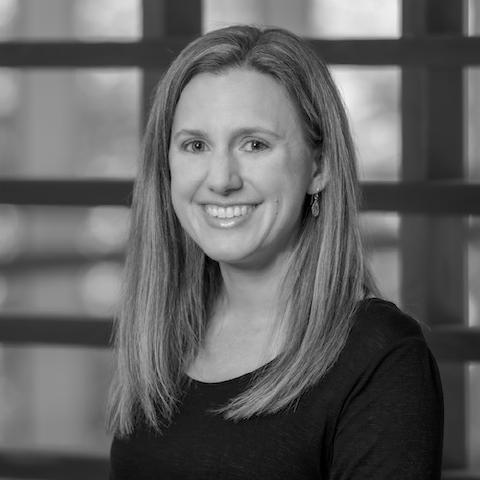
#437 – An Interview with Chrissy Meyer
Download episode · 54 MB
Also on Apple · Spotify · YouTube · RSS
Show Notes
wp:list
Welcome Chrissy Meyer, partner at Root Ventures!
- We previously had talked to Avidan Ross, the founder and partner at Root Ventures.
- 0h 0m 30s
- They try to target talented founders and not the company
- 0h 3m 21s
- Rose Hulman
- 0h 8m 10s
- Lincoln Labs
- 0h 8m 49s
- Went back to school at Stanford for an EE MS/PhD
- 0h 10m 42s
- She started at Apple and the iPhone launched the first week on internship
- 0h 11m 27s
- Started as a PM
- 0h 12m 55s
- Anti-GANTT charts
- 0h 13m 29s
- Baijiu
- 0h 15m 10s
- Chrissy helped ship 3 generations of iPod touch, one nano and the beginning of the Apple Watch.
- 0h 16m 38s
- Apple makes scaling look easy
- 0h 17m 5s
- They have developed the formula over decades
- 0h 17m 28s
- Walking into Foxconn
- 0h 18m 37s
- Dealing with the different layers of manufacturing
- 0h 21m 5s
- Final assembly and PCBA is normally the same location
- 0h 21m 20s
- Vertical integration is more competitive at scale
- 0h 22m 22s
- DJI is a good example
- 0h 22m 30s
- Early stage startups have access to higher levels of integration...but it doesn't always make sense
- 0h 23m 37s
- "Think really long and hard about who you're choosing, make sure [the manufacturer is] a good fit for your size and complexity"
- 0h 24m 41s
- 1 in a million problems are actual problems for high volume production.
- 0h 26m 17s
- Tiger team
- 0h 26m 45s
- The problem is getting a line moving
- 0h 28m 8s
- Glue machines
- 0h 28m 56s
- HDDG talk
- 0h 30m 1s
- DfM
- 0h 33m 25s
- Mechanical parts seem to have less consistency
- 0h 37m 38s
- Electrical is a bit more cut and dried
- 0h 38m 43s
- Big companies are talking to suppliers from day one
- 0h 41m 43s
- With companies like Apple, these discussions are shrouded in secrecy
- 0h 42m 33s
- "You have to be high touch if you want to be fast"
- 0h 43m 47s
- Joined Square with 300 people
- 0h 46m 9s
- Cost was everything
- 0h 46m 46s
- Developing hardware for businesses was different
- 0h 47m 15s
- Sales cycles can take a while
- 0h 48m 24s
- It requires the perfect spacing between iterations
- 0h 49m 24s
- Was a founding member of the startup Pearl Automation
- 0h 50m 41s
- They made wifi based backup camera for users
- 0h 51m 42s
- So much of startup success is timing
- 0h 52m 28s
- Learned about how to be a startup, which was useful for her time now at Root.vc
- 0h 54m 30s
- Different for VCs that write lots of checks
- 0h 56m 41s
- Root invests in 6-8 companies per year
- 0h 57m 25s
- Instrumental.ai
- 0h 59m 18s
- They do final inspection that can automatically flag anomalies
- 1h 1m 0s
- What are you Interested in the hardware space now?
- 1h 3m 24s
- Chrissy is interested in tools for manufacturing, like supplier discovery
- 1h 4m 7s
- We're far away from the promised "dark factories" in the world of automation
- 1h 4m 53s
- Reach out about opportunities, either on LinkedIn or via their site.
- 1h 6m 30s
- The next step is to come in to brainstorm!
- 1h 7m 47s
Transcript
Chris Gammell: This is The Amp Hour Podcast. Released April 7, 2019. Episode 437. An interview with Chrissy Meyer. Welcome to the Amp Hour. I'm Chris Gammell of Contextual Electronics.
Chrissy Meyer: And I'm Chrissy Meyer, partner at Root Ventures.
Chris Gammell: Welcome, Chrissy. How are you doing? Good. How are you? I'm good. I'm good. People may remember Root Ventures. We've had Avidan on in the past. That was one of our first in-person with a person over in Australia at the same time. That was a tough technical interview in that regard, but it was a good interview to hear about Root. What is Root Ventures for people who haven't heard of it before?
Chrissy Meyer: So at Root Ventures, we are a hard tech venture capital firm, and we make investments at the seed stage. So that means we're making investments really, really early into startup companies who are solving hard technical problems. And it turns out that hardware is a very hard technical problem. It is. So hardware very much fits our investment thesis. And over half of our current portfolio companies are building hardware in some form or fashion.
Chris Gammell: So can you define seed as well? I mean, you said very early, but I don't really know what that – I mean, like, where does that usually fall in terms of, like, somebody starts a company, how is it, like, the next day they call you? Or when do you get a call?
Chrissy Meyer: Ideally, we like to get a call before they decide to start a company. Some of our most successful –
Chris Gammell: Chrissy's phone number is.
Chrissy Meyer: Some of our most successful companies have actually been people that we identified early and that we started talking to before they even left their big company corporate jobs. You know, people that were – Really? Rising stars that were really excelling in, like, big company settings but had this, like, entrepreneurial drive and knew that they wanted to start their own thing eventually. So we really like to, you know, bring people into the process early and have it be a brainstorming session, you know? Like, not have them come to us with a formal pitch deck when they've already talked to, like, three or four other VCs and know exactly what their product is and how they're going to get it to market and how much they want to raise. Like, we like to talk to people who are in the early, early stages of, huh, I know I want to start a company and I have a handful of ideas or spaces that I'm excited about but I'm not necessarily 100% sure which direction I'm going to go in. So that's, you know, that's more of the pre-seed and then we do that all the way up to larger, you know, seed investments. We don't come in at Series A so we'll write checks that are between $1 million and $1.5 million into companies that are sometimes raising $2 to $4 million rounds.
Chris Gammell: I assume that, you know, you guys just let me slip through the cracks and that my check is in the mail at some point, you know?
Chrissy Meyer: I'll send it out tomorrow.
Chris Gammell: Rising stars, yeah, okay. It's really interesting that they do that. I mean, like, that seems like a really big bet. So how do you go about recognizing someone like that? So is it just kind of like whispers in the wind? Is it recommendations? What is actually informing those decisions, especially, oh, well, they might make something big?
Chrissy Meyer: Yeah, well, I mean, it's, people say this all the time, but it's, it really is all in the founders. Like, we're making a bet on the people. And the founders that we like to talk to, like the people that really resonate with us are the ones who walk into our office with like, you know, half disassembled prototypes that want to geek out about, you know, the algorithms that they're running on the Cortex M7. Like, it's, you know, people that are, love to geek out on the technical details and that are deeply, deeply technical people. And not people that come in with like business degrees and super polished pitch decks. Because we're, I mean, we're all engineers. Every single one of us is an engineer by education. So it's fun for us to geek out and go really deep on the technical side. And I think, I mean, I think that that's most important at the seed stage. Because at this early stage, it's, it's a couple of people with an idea. Like, business metrics aren't really there. Like, they're not a thing. So it's hard to talk about traction if you don't have a product yet.
Chris Gammell: Well, and so like, so then how, how do you decide which, which industry would be interesting? So someone comes in and they're, you know, they're building a drone or they're talking about a drone. But that's a big step towards, that's a, that's a large step away from actually making a company that is commercially successful in the drone space. Especially these days. I mean, like, I'm sure there's some trend, trend type stuff. But like, how do you, how do you start to form that, that person and that idea into a actual company? Especially with all the rigors of fundraising and making actual product that's commercially successful.
Chrissy Meyer: Yeah. And I think that's actually, I think, I mean, that leads into something that's like, one of the hardest things for me is just that like, we're investing in deeply technical companies. But it doesn't matter. It doesn't matter if you have the coolest technology. If you have a really cool technology and you can't productize it, like you can't build a product around it. It's not something that we can invest in. And you can still build a really compelling product. And that doesn't necessarily mean that you can turn it into a successful business and have like a business model to back it up. So it's, it's the hardest part of being a VC for me, like coming from an engineering background is that I see a cool tech demo or I see a cool product and I just immediately get excited by it. So it's, it's having to take a step back and say, hey, is there really, really a market for this? Right, right. And how, how big is that market? And that's the sort of thing that, that, you know, we spend a lot of time thinking about traditional industries, industries like manufacturing and agriculture and construction and how we can get automation and how we can get sensing technologies and robotics into those industries in a way that makes them much more efficient.
Chris Gammell: So let's, let's dive back into your past. Let's, let's talk about that. And where, you know, see, you have a lot of very large names on your, in your, your, your resume and your LinkedIn page. What, what was that like working in these large scale companies and what were they?
Chrissy Meyer: Yeah. So I spent, you know, I came out of undergrad. I did my undergrad at a, at a tiny engineering school in Terre Haute, Indiana. Have you heard of Rose-Hulman?
Chris Gammell: Of course I have. That is, that is the great, I feel like there's like a couple of schools. I put my school on it, but it's not actually in the same, the same level, I think. So I went to Case Western. I put Rose-Hulman in the same thing. I put Harvey Mudd where Alicia from Embedded went, Alicia Chris went from. And like, there's just like some of these like engineering schools that are, and there's, and there's a ton more, of course, but they're, they're not big schools. And, and it's just like, you keep meeting engineers from there though. And you're like, oh, okay. You know, you kind of have these, you have these interactions with people from there. So of course, yes, Rose-Hulman.
Chrissy Meyer: Yeah. I think, I mean, there just aren't too many people out on the West coast that are familiar with it. But I mean, shout out to any of your listeners who are, who are Rose-Hulman alums. It is a, not a big school by any means. I think it was like a thousand, a thousand-ish people when I was there, but like an undergraduate engineering powerhouse. Just like excellent, excellent undergraduate engineering education.
Chris Gammell: So I think what happens is, so I went to a, I, I got invited to a GE recruiting event, like when I was getting ready to graduate and I didn't get the job obviously, because I didn't go there. But, but like, I can tell you GE snapped up a lot of the talent from, from Rose-Hulman. Like every, every second person I met there was, was from Rose-Hulman. And so I think a lot of the industrial Midwest companies are like, nope, dibs, we, we got them. So they don't make their way out to the Bay until later.
Chrissy Meyer: Yeah. Automotive as well. Like automotive is a huge, huge magnet for Rose-Hulman alums, but yeah, I mean, excellent, excellent people coming out of the school. So I came out of undergrad and made the move from rural Indiana to a big city Boston where, where I got to experience what it meant to like dig your car out from three to four feet of snow.
Chris Gammell: I mean, you could do that in Indiana too. I mean, you know, above the Mason-Dixon line. Yeah. I mean, come on.
Chrissy Meyer: Yeah. I definitely, like, I definitely do not miss those, those Boston winters, but I, I mean, I was there, I did a stint at MIT Lincoln lab working on a military satellite systems.
Chris Gammell: Very cool. Yeah.
Chrissy Meyer: Yeah. So I was a, I was a total lab rat. I just lived, lived in the lab and I used, um, I was using Pearl to write test scripts for hardware. Do people, do people still use Pearl?
Chris Gammell: All in one line.
Chrissy Meyer: Pretty much. I don't, I don't even know if people still use Pearl these days.
Chris Gammell: I think, I think Python has taken over some of the scripting capability stuff, but yeah, of course people still use it in places, especially in like scientific. And I think, and Pearl is really fast, isn't it? Like a really fast programming language.
Chrissy Meyer: It is. It is. When did Python become popular though? I feel like, I feel like this might've even been before Python really took off.
Chris Gammell: Oh, I think, yeah, I think it was. Yeah. I mean, no, I'm saying like in the interim, I'm saying that Python has kind of taken over some more of the scripting and like the ease of use, obviously it's a little bit better, but, um, I'm not sure. I, I, uh, did I use Pearl? I think I used Pearl five, like one or two times. Yeah.
Chrissy Meyer: Yeah. I mean, it was, it was fun for me. I mean, I got to use Pearl. I wrote test scripts for these giant, giant racks of very, very expensive hardware. Yeah. Um, but I mean, eventually the pace of government work started to eat away at me. Um, so I eventually decided to go back to grad school.
Chris Gammell: And where was that?
Chrissy Meyer: Yeah. So I went, so that's when I moved out, that's when I moved out to the West coast. So, um, I did my master's at Stanford.
Chris Gammell: And for some reason you didn't go back to Indiana or Boston or anything like that. I don't get it. What are you doing?
Chrissy Meyer: I would normally say it's too perfect out here, but I'm also staring out the window and it's overcast and, uh, drizzling right now. Okay. So sunny California isn't, isn't quite, isn't quite what it was made out to be.
Chris Gammell: Yeah. But you're, you're now up in San Francisco, right? Instead of, instead of like, uh, Palo Alto or Stanford, is that where it is? Stanford is?
Chrissy Meyer: Yeah. Yeah. They're like different geographies. So they pretty much are. They pretty much are. But yeah, so I, I mean, I started at Stanford and I started in a, I started in a, um, double E PhD program and then, uh, promptly went through like a quarter life crisis and decided that I did not want to be in school for the rest of my life.
Chris Gammell: Yep. Yep. That makes sense.
Chrissy Meyer: That's, that's, I dropped out at that point and, uh, went to work at Apple.
Chris Gammell: Okay. I've heard of this Apple.
Chrissy Meyer: It's a little fruit company. Yeah. It's down in Cupertino. Apple, Apple was an awesome, um, awesome place to join coming out of grad school. I mean, it was a fun time to be there because when I started as an intern, um, I started as an intern when I was still at Stanford. And the first week of my internship was the same week, the very first iPhone launched. And they have like, they have these like crazy parties that they call beer bashes, you know, giant parties, free beer, famous bands that they would bring in. And it was just like, it was the first week of my internship. Yeah.
Chris Gammell: That's a good way to lock, lock, lock, lock a student in and be like, Oh yeah. So this is the thing we do here.
Chrissy Meyer: I mean, it was amazing. It was amazing. And then they, like, they had one of these big like company-wide presentations and Steve gets up there and announces that like every employee was going to be given a free iPhone. And I swear we were just like jumping up and down and screaming. Like we had just like won the lottery.
Chris Gammell: Like being at Oprah, like during the giveaway day kind of thing.
Chrissy Meyer: You get an iPhone and you get an iPhone. Yeah, exactly. Exactly. Like that. Only, only later did we find out that interns don't count as employees. Oh no.
Chris Gammell: Well, if you sign on the dotted line though, you know, then you can, yeah.
Chrissy Meyer: So we did not get our free iPhones. We were absolutely crushed. Absolutely crushed.
Chris Gammell: Well, I mean, it sounds like it worked out okay because you kept working there for what, six more years.
Chris Gammell: Yeah.
Chrissy Meyer: Eventually I got my free iPhone. Eventually. But yeah, I started, so I started my career at Apple as an, um, as an engineering program manager. And I feel like, I feel like I probably shouldn't admit that because to a lot of engineers like PM is a dirty word.
Chris Gammell: Why is it?
Chrissy Meyer: PMs get such a bad rap. Um, they really do. And I think, I think that's in large part because, uh, from company to company, like when people say PM, they use it to refer to like very different roles and very different. Um, yeah.
Chris Gammell: I, I, I think of, uh, Gantt charts, to be honest, that's like my, I mean, like that's when I think of product programming. They're in charge of moving things forward, getting things on schedule. Um, yeah. And they're not, they're not everyone's friend because of that. Right.
Chrissy Meyer: I am very anti Gantt chart. Okay. All right. Take a stand. Don't get me started. I hate, I hate Gantt charts, but I, you know, I feel like, I feel like at Apple and also like later, uh, when I was at square, like PMs were really technical, um, positions. It's like me and my fellow PMs, every single one of us had a graduate degree in engineering. Um, and, and we did help drive projects from like early, early concept definition when we didn't know what features were going to be in it all the way through like prototyping and detailed design and mass production. Yeah.
Chris Gammell: Yeah. There's a lot of, a lot of details there. Right. I mean, like, especially probably clouded in secrecy a lot of the times and, you know, feature, you have to manage not just features and what the marketing people want and what, obviously there's a ton of, uh, consumer interest in these things and consumer feedback, but also then, you know, you're bleeding edge on a lot of the consumer level parts. I'm sure too.
Chrissy Meyer: Yeah, absolutely. And it was, I mean, yeah, part of my job was building schedules and budgets and giving presentations to VPs, but like that wasn't, that wasn't the bulk of the day. Of what I was doing. Um, like I would, I would also like get on the phone with a diecast supplier for three hours in the evenings and like scrub through like a 20 page DFM report.
Chris Gammell: Yeah.
Chrissy Meyer: Or it'd be like in the factory until two in the morning, trying to debug a test station or tour, like I tour five factories over the course of two days, which was insane.
Chris Gammell: Yeah. And do all the dinners and all the, all the stuff that the factory owners want to work, work with you and buy you. Was it by you? Is that the, is that the stuff?
Chrissy Meyer: Yeah. Yeah. Had a little bit too much by you in my day. Yeah. But yeah, but at the bulk of my job and like, I really feel like the part that I enjoy the most centered around, um, centered around being a factoring. It was like everything from picking a CM to work with to setting up a supply chain, um, to like being camped out on assembly lines in Shenzhen for like months and months at a time. Like that is, that is the world that I lived in. And, and that's where I, um, you know, really learned what it meant to develop and ship hardware products and ship hardware at massive, massive scale.
Chris Gammell: Well, and we were talking about this a little bit before the show too. I'm not sure. I mean, like I, we've had a lot of guests on the show, but like at the consumer, obviously Apple level, I'm not sure anyone's been on the show that's talked about it. And I apologize if any of them have, and they're listening, but, uh, have talked about like this level of, you know, setting up large scale factories like this for consumer level product and live the tail of the tail. It just seems like really high stress. And obviously there's a lot of money behind it and there's a lot of consumer focus. Like I said, I mean, like these are, these are well-known, well-loved products. So how did you, how did you deal with all that? Especially on the factory side? Like how did you, how do you even start those conversations?
Chrissy Meyer: Yeah. Well, when it's, when you're Apple, it's easy. Um, when you're an early stage startup, which I learned a little bit later, like it's, it's not as easy to start those conversations. It's like, no, but just getting people to like answer your phone call or email is, is like pulling teeth. But I mean, at Apple, so I, I shipped, I shipped three generations of iPod touch one, um, one nano. And then I was part of the early, early days of the Apple watch development effort. Um, and like the thing about, the thing about Apple is that they, they make scaling look easy and it's really not.
Chris Gammell: Um, so it's really, really, how do they make it look easy though? Is it just because it's because of that name recognition again? Or what, or what is it?
Chrissy Meyer: Well, no, no, no, no, no. I think it's, I think it's more because, um, they've dialed in the formula for, for going from building like a few hundred devices up to building like tens of millions of devices per quarter. Um, but if you, but if you think about it, like they have dialed in this formula over decades. Like it's not something that like happened over that.
Chris Gammell: The Apple one was not that smooth, right?
Chrissy Meyer: No, I'm sure it wasn't. Um, I'm sure it wasn't. I wish I could have been a fly on the wall, uh, to, to see that. But like, I mean, they've had so many generations of products to like really tweak and refine their formula for, for going from, you know, prototype to, to shipping product. And they just have the power to work with any supplier they want, any supplier they want in the world. And, and they can cherry pick the best manufacturing partners, um, in the world. Like not, not, there's no other company out there that can say that. And, and I feel like as a result, they are the exception to every single rule about manufacturing. And they will always have that as their competitive advantage.
Chris Gammell: Yep, definitely. And I mean, what are we talking about in terms of scale of the factories as well? Because you talked about millions of units a month. What is, I'm surprised that you said that there's picking of factory. I would, I always assumed it would be many factories or maybe I'm thinking of the subcontracting piece, but like what are the scales of the factories we've been talking about here?
Chrissy Meyer: Yeah. Well, I mean, it, it depends. It depends on the product. It depends on a lot of things, but I mean, Foxconn is, is, um, walking into Foxconn is insane. It's like, you know, as far as the, I can see line after line after line after line. Um, and there can be dozens and dozens of lines all cranking out the same, same product at the same time. And it's, it's, it's this crazy, um, it's this crazy, uh, you know, optimization and balancing act trying to, uh, not only get the lines set up in a way that like perfectly optimized, not only like assembly of the product, but also like materials flow in and out.
Chris Gammell: And, um, monitoring stuff and all the, all the cells and handling and that kind of thing.
Chrissy Meyer: But it's, I mean, the scale of it is incredible. Um, but to me, the even more impressive piece of it is if you, if you walk out of the main contract manufacturer and go, you know, walk into their subcons and, and you go a little bit further down the supply chain, the scale of those folks is, is like impressive to like the next level. Um, you know, walking into like giant, um, you know, warehouses just full of CNC after CNC and just like row after row after row after row. And like, they're all going all the time, um, because they're not, not just cranking out, you know, one piece for one product. They're cranking out multiple pieces across multiple product lines, um, at the same time. So it's, it's the scale, the scale of the supply chain is almost even more impressive to me than the scale of walking into like the Fox cons of the world.
Chris Gammell: Yeah. I remember, I mean, I've, I've read articles and heard about it. I've, I've actually never been to China, uh, surprisingly. Uh, Oh my gosh. Yeah, I know. Right. Um, but the, I've, I always hear about like, you know, whenever there's a conversation about like, Oh, well repatriating manufacturing, the U S and, or not even, they don't call it that, that reshoring or. Um, uh, yeah, I'm sorry. I'm sorry. That's it. Thank you. Um, the, but like, it's just the similar kind of supply chain type stuff just couldn't compete in that way. There just isn't, there aren't those factories that are ready to CNC gobs and gobs of, of Apple watch bodies and things like that. Um, so maybe could you, could you walk us down some of these layers of, of manufacturing? It seems like the Foxconn layer is the, obviously they're doing a lot of material handling and stuff, but it seems like that's almost like the assembly and the final integration layer and testing.
Chrissy Meyer: Right.
Chris Gammell: But then what are some of the sub layers and how much did you have to deal with that?
Chrissy Meyer: Yeah. Well, so quite a, quite a bit actually. I mean, most, I'd say the way that, um, most folks operate these days or most big companies that are cranking out at scale, um, they're doing final assembly and they're doing SMT of the PCBs and the same place. Um, so the bare boards are fabbed, uh, offsite, but then they're brought onsite and then SMT and final assembly are co-located. Um, and, and I try to do that whenever I, I possibly can, because you're always going to find board level problems on a final assembly line and, uh, being able to run back and forth, I think is, is super critical. Um, but I, I think like there's this, there's this greater trend when it comes to supply chain of, um, people doing more and more vertical integration. So like not, not just will my final assembly and SMT happen at the same place, like the same company or the next building over will be injection molding all of my plastic parts.
Chris Gammell: Right.
Chrissy Meyer: And then one building over, they'll be assembling and testing my camera modules. And then one, one building over, they'll be, you know, uh, building my USB cables or whatever it may be. So it's, it's, um, like you see more and more companies going this way. And I think it's, it's a way to be really competitive. Like I DJI is like the textbook example of like vertical integration. Um, like when I, when I first started traveling to China over a decade ago, like China was the place you'd go to build stuff, like set up a supply chain and build stuff. And like in stop, that's it. And now they're turning into this, this design and engineering powerhouse, um, with like vertically integrated companies who are cranking things out at efficiencies that are really hard, really hard to match, um, manufacturing anywhere else in the world. Like, and they've got like all different shapes and sizes of manufacturing right at their doorstep step. I mean, you, you want a cable or a camera or, you know, a solar panel, or it doesn't matter what it is. You want a popcorn parts, you want a resistor, you want a capacitor. It's like, you can get it in a moment's notice.
Chris Gammell: And so that's actually what it's going to get to as well is like, is this scale available to like a small or medium manufacturing operation in the first place? I mean, like, so thinking about like your startups, I mean, obviously we're gonna get back to your, the startups eventually, but thinking about the startup world, are they, do they have access to some of these supply chain resources that you're talking about? Or is it more the higher S-roll on type stuff?
Chrissy Meyer: They do, they do, but it doesn't always make sense. Um, it doesn't always make sense for them. Like if you're, if you're an early stage startup, or if you're pushing small volumes and building in batches, you know, you're building 1000 or 10,000, you're not building 10 million of something. Um, sometimes you can, you know, especially using relationships that you've already built, you can get access to the Fox cons of the world or some of the tier one or what I like to call like tier one and a half suppliers. Mm-hmm. But it's not always the best idea because you're going to get, um, you're going to get the C team, right? Like you're not going to get the A team. You're going to get, um, whatever. Yeah. Excess capacity. Yep. Exactly. Exactly. Exactly. And then if that excess capacity goes away, like if Apple comes in with a huge order, then you're going to lose your team overnight and you're going to lose, um, like, you know, the, the production run that you had scheduled for tomorrow might all of a sudden be pushed out six months from now. Yikes. Because they got a big order from a big company. Um, so, so it's a dangerous, it's a dangerous, dangerous game to be a small company working with big suppliers. Like that's one of the pieces of advice that I give every single one of our portfolio companies that's building hardware. It's like, think really long and hard about who you're choosing as your major suppliers and make sure that they're a good fit for the size and stage of company that you're at and the complexity of the product that you're trying to build.
Chris Gammell: So obviously we're going to go back to the, the large scale stuff. I mean, some of this stuff is things that I, the size is just unbelievable. Like the, uh, Apple watch and things like that. So what, what was that like working with those, with those volumes and everything? Yeah.
Chrissy Meyer: Yeah. I mean, it was, it was incredible because all of a sudden you're, you know, people talk about like DPBM, like defective parts per million. And, and one in a million, um, fail parts for most companies is not a, not a big deal. It's just like, okay, yeah. You know, one in a million failure, not a, not a big deal. But like if you're building tens of millions of products a year and you have one in a million batteries explode, that that's a huge deal. Right. Right. Right. Um, that's a huge, huge deal. So all of a sudden, all of a sudden problems that, um, you know, most companies wouldn't even think twice about your tiger teaming and you're throwing a ton of resources at trying to find and, you know, identify and analyze and solve these, these problems that are really hard to catch. Really, really hard to catch because they're super, super rare. And, and I mean, we would hit silicon bugs that, that no one had hit before just because we were dealing with volumes that, that, you know, they hadn't, it's like a commercial off the shelf part, but no one had hit this bug before because no one had been shipping and testing in, in this kind of, these kinds of volumes.
Chris Gammell: Yeah. I mean, that's, that's crazy. And I mean, having to, to deal with that is, is bonkers. What, uh, for people who don't know, what is the tiger team?
Chrissy Meyer: Oh, tiger team is just, it's, um, you know, PM slash. Bang for, uh, tight knit group of individuals that like really come together and focus like all of their energy on solving some really, really hard, uh, problem that popped up. So, uh, when we would have, when we would have like ship stop issues, it would, we would tiger team and there would be like one person from each cross-functional team represented and they would all meet for an hour every day and then go off to their own respective labs and, and be working on it all day. And then, and then summarize every, every night.
Chris Gammell: Hmm. I mean, and how often, how often was a line down kind of situation happening? I mean, was it like, I mean, I've read about like TPS, you know, Toyota production system type things where you can pull the cord and stop the whole line. But like, is that something that happened in, in these consumer level million, millions of parts a month kind of thing happening?
Chrissy Meyer: Yeah. Yeah. I mean, when you're actually in mass production, things flow pretty smoothly and yeah, I mean, lines go down, but the factories have, uh, a tremendous amount of like support and infrastructure in place to minimize that. And, and to make sure that, you know, when things do stop, they start again as quickly as possible. So when you're dealing with like super sophisticated manufacturers, um, mass production and scale, like once you get a line moving things, things tend to keep moving pretty smoothly. Um, the problem is getting a line moving like that, the whole process of like, when you're starting to ramp production and you're going from like, okay, we're going to build the first unit today. And then we're going to build 10 tomorrow and then a hundred the next day. And then a thousand the next day. Like when you're going through that process, that is excruciatingly painful. Yeah.
Chris Gammell: Um, any, any worse, any worse stories on this side of things? I mean, that you're allowed to talk about.
Chrissy Meyer: Oh, I wish I could tell some of the stories from, from Apple ramps, but, uh, you know, it's, it's, it's, um, it's just, it's, it's excruciatingly painful because the processes were not designed to be stop, go, stop, go. I, I still to this day swear that like glue machines are the main of my existence.
Chris Gammell: I did see you talking about this in your HDDG talk, which we'll link in here and we'll, I'm sure we'll talk about as well, but glue machines, huh?
Chrissy Meyer: I mean, I will rant. I can rant for like hours on end about how much I hate glue machines. And it's like, it's, it's inevitable that like almost every product I've ever worked on has had, has used glue in some form or fashion, like in some place on the product. And it's like, inevitably you're ready to start the line. The materials are kitted. Everybody's out there. Operators are in their places. Like everyone's ready to go. And then the damn glue machine, the nozzle is clogged again.
Chris Gammell: It's a sticky situation. Yes.
Chrissy Meyer: But I swear, I think I've spent more time with lines down, sitting there waiting for glue machines to be unclogged than any other problem. When it comes to being effective.
Chris Gammell: Yeah, that's crazy. That's crazy.
Chrissy Meyer: The moral of the story is like, don't use glue. If you can get away with it, don't, don't use glue.
Chris Gammell: Well, I think something that's kind of part and parcel of like using or doing consumer level products too. It has to look sleek. It has to have, you know, no screw holes. It has to, I don't even have screws sometimes, you know, that seems like some of it is just based on design.
Chrissy Meyer: Right, right. And there's like, there's different choices. Like people can use screws, but they don't look good. People can use snaps, but they have a tendency to break. Yeah. And then my, one of my favorites, ultrasonic welding is pretty cool, but not all factories have that, that equipment in house. So it's, you know, glue is, glue is one of those like inevitable things that almost everybody ends up using somewhere. But that doesn't, that doesn't change my mind. I still hate it.
Chris Gammell: I hate it. Well, and I mentioned that HDDG talk, that was all about DFM in general. So maybe you can give some, some, some of your insight into, to DFM. Because I remember watching that talk, you said there isn't as much on the electrical side as the mechanical side. And I was a little surprised by that actually.
Chrissy Meyer: Well, so it's not that there's not as much. So, so to back up a step, like DFM is one of those things that I feel like is like potentially one of the most important phases of product development is, is going through design for manufacturing. And if you don't do, if you don't do that process right, and if you don't do a thorough job of DFM, like you can be setting yourself up for some huge headaches in the future. Because it's, I mean, it's so much cheaper. And I'm sure you've experienced this and probably have more stories to tell too. But like, it's so much cheaper to fix a part in design than it is in manufacturing.
Chris Gammell: Yeah, definitely.
Chrissy Meyer: But yeah, I mean, when it comes to plastic parts, it's so much easier to fix it before you've cut a mold. Like before you start cutting steel, like if you're going to change your design, like do it as early as you possibly can. So, I mean, people, I feel like DFM doesn't get a lot of love. A lot of people think that it's a, it's the sort of thing that you just like throw it over the fence to your suppliers. Like you send them, you send them your cat, you send them your Gerbers and then you just like, you're done. You're done. You don't have to worry about it anymore.
Chris Gammell: That's not how it works though. No. What's interesting too is that like the, it feels like one of those things, I mean, depends on where you are as a company, right? Like I think a lot of the startups get in trouble because they're like, they're in these processes where they're like, oh, okay, well we're figuring out our parts. We're getting our product. We're trying to figure out if any of this will even work. And by the time that they get to the point where they need DFM, they run so smack into it because it's just, they didn't think they were going to be having the volume, right? And Apple is, like you said, they have the formula from, you know, decades of experience because of course they're going to sell millions of units. But, you know, some startup, it's like, oh, our Kickstarter took off or we had this big investment or, you know, we got featured somewhere. You know, they're all similar problems.
Chrissy Meyer: Right. And it's always, it's always this balancing act of like, how much do I do up front because it's best practices, like in case, in case my volumes take off versus how much do I just do like fast and dirty and just get, get a board out or get, you know, get a plastic part out. And it's, there's not a cut and dry, like it's not black and white. Like there's not, there's not a straight answer for it. And every, every engineer that's going to, that's going to do a design is going to have a slightly different opinion on where things should land in terms of like just quick and dirty, get it out versus like you could spend endless number of hours doing it, you know, the Apple way. And, you know, protecting, protecting yourself against, you know, manufacturing issues if and when your volumes become huge. So it's, it's a balancing act. And that's some of the most, some of the most interesting discussions and arguments I've gotten into have been on the, on the startup side when different people are coming from different backgrounds and coming from different companies and have very, very strong opinions on where they should fall on that spectrum.
Chris Gammell: Well, I mean, so one of the things, so first off the Apple way, it's like, oh, okay. So first thing I'll become the biggest company in the world, then I'll, you know, go find a provider. I just like, oh, I guess I can't do that. But like the, I mean, it seems like to the, the finding of the factory, it's interesting talking to the people I know in Shenzhen where they're like, yeah, well, you know, I talked to the factory and they're able to tell me what their capabilities are. And I pushed that back into my design process. And like so many times, like having a prototype module, like you're talking about a prototype thing that I'm making, I'm optimizing for myself, you know, hand assembly and 3d printing and whatever I can get locally and to, to piece this thing together. It's almost like you have to, it's almost like a totally different design by the time that you go to a factory. And then like, you know, not every company has the, the wherewithal to do that kind of thing. So it's like, it's where, where do you really pull the trigger and say, okay, no, no, no, no. We're design freezing this prototype idea. And then also the new, you know, the version two of this is the manufactural version of this. How do you, how do you see people dealing with that? Yeah.
Chrissy Meyer: Yeah. You've just got to be aware that, that it's going to be really different, right? Like you, you can't expect that the version that you prototyped is going to be the same version that you go to production with. And you've got to build in time and iteration to go through not only DFM, but like do a couple of runs with your real suppliers and, and, you know, find the issues and fix them. I feel like, you know, I tell people all the time that like DFM is not something that you can do in a vacuum. Like, it's not something that you can sit down as an engineer and just like crank through in the way that you can like, you know, crank out, crank out a board. But it's, it's something that has to be done with your suppliers. Like if you're, if you're building a plastic part, like your DFM, you're not, you're not Googling like best practices for injection molding, you know, you're, you're on the phone with the supplier every night. And they're talking to you about, you know, changes that they suggest that you make to your part, what they're capable of, what they're not capable of. Like, you know, what their mold flow analysis looks like. It's, it's, it's this like long back and forth that if you're building like really complex products, like that can be months, like that can be months of back and forth with suppliers before you're ready to actually kick off a part.
Chris Gammell: I remember there was a, there was a really good example that like kind of snapped us into, into focus for me was someone at my workspace was, you know, talking about 3d printing apart. And then they showed me this, this tool that we have. And it's basically, it's like a piece of nichrome wire. And then you can kind of fold like sheets of plastic. And they, they showed me this piece of plastic that was all folded with different corners and stuff like that. And they're like, imagine 3d printing this. And then imagine folding this on a table. Like the table is obviously the way to do that. If you needed something that looked similar to this, if you went and 3d printed something like this, you're going to have a terrible time with all the undercuts and all the, you know, like just the thin walls and all the other stuff. If you have now think about it as a manufacturer, if you have this table available and someone comes to you and they've been 3d printing the whole time, they don't even know that there's this entire method out there. And so it almost feels like this method. You almost need to have like this, like manufacturing library in your head and you need to sync it with whatever your manufacturer actually has available that you said they don't have ultrasonic welding or whatever else. So like, what did that process look like then? Like, did you, did you often discover new techniques that they had on, on offer for you or how did that work?
Chrissy Meyer: I mean, sometimes, sometimes, and this, going back to your original question, this is, this is why I am, this is why I think, and I feel like I can say this because I come from a doubly background, but like, I feel like, um, on the electrical side, DfM is a little bit more straightforward than on the mechanical side. And that's primarily, you know, I'm, I'm, I'm might get attacked for saying that, but like, that's primarily because I feel like there is more consistency, um, from supplier to metal, stick a thing to a board.
Chris Gammell: It's what's the problem here. It's almost like that. Right.
Chrissy Meyer: But, but it's, it's like when you're coming, when you come to like, um, the mechanical parts, when you're talking about like injection mold and plastic parts or die cast parts or stamped and formed or whatever it may be, like it's, you know, the, the suppliers, um, have dramatically, dramatically different equipment and different technical capabilities and dramatically different like quality processes in place. So even if they technically can make a part, um, they might not have like the skill on the engineering side, or they might not have the quality control in place to, to be able to do it consistently. Um, I feel like on the electrical side, it's like, there's a little bit more, um, kind of standardization. I feel like, like these days, most PCB fab houses that I use can do blind and buried videos, you know? Um, I mean, that wasn't the case a while ago, but like it is, it is today. And I feel like, um, you know, you can either place a one Oh five or you can't, right. Right. It's, it's, you have SPI or you don't.
Chris Gammell: It's like very, it's a, it's almost binary in that way. It's like, yes, yes or no.
Chrissy Meyer: Yeah. It's a little, it's a little bit more cut and dry and like, it definitely suffers. I'm not, I don't want to trivialize it. Like there's still a tremendous amount of work that needs to be done on the, on the electrical DFM side, but you've also got, you've also got some pretty powerful CAD tools that will, will hopefully throw, throw flags. Yeah. If you're like, you know, do it, doing something that's a little too crazy.
Chris Gammell: Yeah. And I think, I mean, I, I think about the DFM problems for electrical stuff. It almost feels like sourcing issues and making sure you're, you know, your, your supply chain on the components is in place. Like that's going to trip, that's often tripped me up more than, you know, Oh, well this part is a little too close to this other part. I mean like, yeah, that does happen and you should check all that stuff, but, and like the capabilities of pick and place machine, but it feels like the, you know, can I get this part? Is it going to go obsolete? Those kinds of things have seemed to be more of a, more of a pitfall on the electrical side than, than other things.
Chrissy Meyer: Yeah, absolutely. Absolutely. And, and the, the sourcing can become a nightmare because if you're, you know, if you're a small, um, small startup and you know, something goes obsolete.
Chris Gammell: Or maybe Apple buys out your entire stock, you know, like they just buy out the entire fabs worth. Those may happen.
Chrissy Meyer: Yeah, no, uh, it's, it's, uh, happened before that hits a little close to home, but, um, yeah, yeah, it's getting allocation of parts can, can be tough if, if you're early stage startup, if you don't have a big name, big name behind you. And there's always, there's always the spot market though. Like if you know, I know you said you've never been to China, but at some point you need to go over to Shenzhen.
Chris Gammell: Oh, I've, I've seen all the videos of the, of the, yeah, the, uh, the markets and stuff, but yeah, I've never, never, never walked through.
Chrissy Meyer: Oh, Hua Chong, Hua Chong Bei to me is like, it's like an electrical engineer's Disneyland. Um, I mean, Hua Chong Bei is just, um, it's absolutely incredible. I haven't seen anything else. Yeah. Anything else like it.
Chris Gammell: Just like, uh, the stands with like all the buttons. That's really the one that gets me is like, there's so many buttons out there. I want to push all the buttons and try them, you know, and, and you can't do that with a catalog or an online thing. So that's the one thing I wish I had connectors and buttons and physical, the physical piece of things. Yeah. Uh, I did want to ask about, so, okay, we're kind of talking about how, you know, moving stuff through these different design stages and like the throwing it over the wall, like you mentioned, how does that, how does that work in a big company like Apple? I mean, like, and again, like, I know there's only so much you could probably say about, you know, details and stuff, but, but generally like they, you know, the design team has early, early inquiries into like how this is going to get manufactured. I'm sure. But then how much back and forth is there? Is it, is it a one way pipe when a design comes through? So the Apple watch comes through, is it like, okay, design team's done with it. Now it's in manufacturing and now we're going to DFM this thing and make it a manufacturable thing. Like how, how does that actually work?
Chrissy Meyer: Yeah. So the reality of the situation, you know, when you're working at that scale and that complexity, like you were talking to your suppliers from day one, like it is not, it's not a one way thing. And it's not, um, you know, it's, it's, you're, you're not, um, you're not designing the product in a vacuum. Like you're designing your product around the latest, the latest capabilities of what, you know, the best, best in the world suppliers can do. Um, and, and it's, it's tough because at that stage, it's so shrouded in secrecy. So the suppliers have no clue, like, right.
Chris Gammell: I'm making a widget that has, uh, electrical energy in it. Yeah.
Chrissy Meyer: It's, it's really funny that, that, you know, the suppliers oftentimes don't know what the product line is that, that their part is going into until it's, until it's announced. So it's, it's, um, you know, it's, it's crazy that, that, that happens, but there's also like, I mean, that's not the only way of doing things. Like I, I, as I'm sure you, you know, like there's a whole spectrum of ways that you can interact with a factory. Like there are the people that just email them design files and then like weeks later or months later, they get a shipment of prototypes.
Chris Gammell: And people in a certain way, but the damn, that's a little scary to think about.
Chrissy Meyer: Yeah. Yeah. I mean, it's, and then like the world that I live in, it's like, you're on the phone with your factory counterparts every single night, like every night. And if you're not on the phone with them, you're like on WeChat or you're on Skype. And like every single night and, and then you're out there on the ground in the factory a week before your build even starts, um, to make sure everything's ready. And it's, it, you know, all companies I've worked for, like big companies and small early stage startups have been, have operated that way. Like have been like really high touch customers. And we had teams there for every single prototype build because that's, I mean, that's the style of how I like to develop products. Like we're, I feel like you have to be high touch if you want to move really, really fast. If you want to compress a development schedule, like you don't have time for miscommunications. Like you, you don't have time. You can't afford the, um, delays that happen when you find out that the factory assembled something wrong or they tested something wrong because it got lost in translation. Like the presence, the presence on the assembly line can make a huge, huge difference. And that, that actually, that, that brings up like another huge pet peeve of mine, which is people who travel all the way to China and then sit in a conference room all day.
Chris Gammell: Right. Why aren't you actually getting your hands dirty, right?
Chrissy Meyer: Yeah, exactly. Like if I'm in China and I'm in the conference room, it's for 30 seconds to scarf down a granola bar. Otherwise, like I'm out on the line. I'm out on the line. That's, that's what I'm there for.
Chris Gammell: Yeah. That's, I mean, and, and so, like I said, I haven't been to China, but I have worked on, you know, production lines in the U S and stuff. And, you know, damn, you will learn a lot from watching someone work or talking to them about, you know, how is that screw going in? Or how is, you know, how is this board you assemble? What parts are getting, you know, tombstone when you're doing reflow, stuff like that. I mean, like, it's just, it's like, it's like downsampling all of your information to a report at the end of the day. It's like, yeah, that, that has some impacts, but you're going to catch other glimpses of things and you're going to have other interactions that are more valuable than you, than a, than a report will ever be.
Chrissy Meyer: Yeah. Oh, absolutely. I mean, you'll report it's failure analysis reports. Like those are great, great things, but they never, ever, ever tell the full picture of what's going on. Yeah.
Chris Gammell: Yeah. Well, Bill had a cold that day. And so he kept sneezing into the enclosure. We had to, you know, wipe him out with alcohol and that, you know, caused all these other problems. Yeah.
Chrissy Meyer: Yeah. I feel like, I feel like everything interesting happens on the assembly line. And like, also if nothing interesting is happening on the assembly line, like that's a problem too. How so? And that's, if the, if the line, the line isn't moving, you want to know about it. Like you want to know it's not moving and you want to know why it's not moving so that you can take steps to fix it. So if, if you're not out there, like why are you, why are you even over in China? That's a good question.
Chris Gammell: That's a good question. Well, let's, let's move on to your next company as well. So you went to Square after that. Was that similarly like, you know, large scale? I don't really have a feeling for, so Square is the little, the card reader for credit card stuff. Is that right?
Chrissy Meyer: Yeah. Yeah. Yeah. Yeah. Yeah. So, so Square was, Square was about 300 people when I joined. So it still felt like a startup. It still felt very like startup-ish. And we were still pretty small and scrappy, but it grew to over 1,200, 1,300 people when I left. Okay. Um, so I mean, we were building, we were building credit card readers and, um, like the challenge at Square was that we wanted to build like really, uh, great looking products like Apple style cosmetics. Yep. Um, but we were giving away these credit card readers for free. Like we were literally giving them away for free. Yeah. Um, so cost was everything. Like it was, it was a really great learning experience for me on how to like cost reduce the heck out of a product. And, um, and how, you know, how to do everything in the most cost effective way while still having it look polished and white shiny plastic. Yeah.
Chris Gammell: Gotta have that class zero shine, whatever they call that for the, the molds.
Chrissy Meyer: Yeah. Yeah. And it was also, it was also a fun experience for me to learn how to build hardware for businesses, um, and not consumers. Cause my, you know, whole Apple career, I was very, very consumer focused. And it's like, it's a little bit of a different beast when you're building hardware for consumer, for businesses instead of consumers.
Chris Gammell: Like how so?
Chrissy Meyer: Um, so, I mean, there's, there's a lot of, um, there's a lot of differences when you're developing, like when you're actually like developing hardware, and then there's a lot of like design decisions and trade-offs that you'd make for a consumer product that you wouldn't, um, on the enterprise side. But like, I feel like on the consumer side, like half the big battle is just like trying to figure out who the heck is going to buy your product and what they want. Like what features do they care about? What, what do they, you know, um, what do they want? And then once you get past that, it's, it's not, um, it's not like you can just deliver it to the end consumer. Like you've got to figure out all your distribution channels. Like, are you going to sell via retail? Are you going to sell via Amazon?
Chris Gammell: Are you going to give it away entirely?
Chrissy Meyer: Yeah. Yeah. Yeah. Um, and, and I think that like on the enterprise side, it's like you're building hardware for businesses. The sales cycles can take a while. Like it can take a really long time to close a customer. Um, but once you close a contract or once you get, you know, a purchase order, um, it's, you don't have to worry about the marketing and the distribution. And then the, you know, uh, your, your, uh, how you're actually like fulfilling it's, it's a lot more straightforward. Yeah.
Chris Gammell: And I think that, that iteration cycle is, I mean, and just generally in hardware too, this iteration cycle has always been so hard because, uh, you know, even if you show someone a prototype and you iterate on that and you keep it, you know, you do four or five iterations. Like, okay, great. We've got this thing. But then there's another iteration cycle of the taking it to manufacturing and bringing it back and like the, the friction between that stuff is, is so much longer as well.
Chrissy Meyer: Right. Right. And I always, I mean, it's, there's, there's this, um, huge debate of like, you know, within the, within, within my, my, uh, PM community, we, we like to argue about like what the perfect spacing is between iterations. And it's like, there's always, uh, it's always a contentious topic of like how much time do you build on the front end of a schedule when you're very much in prototyping phase versus how much, um, time do you build into the back end of a schedule where, uh, tiny little changes can, can be, you know, potentially catastrophic or, or cause like huge, huge delays to your product schedule. So it's, um, yeah, it's always, it's always a trade-off and it, it depends on what your product is, the level of complexity, what your supply chain looks like. Um, you know, I, I know you guys have said this many times before, but like, it depends. There's, there's no magic, you know, schedule. There's no magic schedule or there's no, no magic formula that, that fits every single product in every single company.
Chris Gammell: And I think that it depends. Conversation was more about like the, the business side of things and when that is more known. So, and automating around that. So I think this is a good example of it depends.
Speaker ?: Yeah.
Chris Gammell: So what was after a square?
Chrissy Meyer: So after square, that was, um, I got the chance to join the founding team of a startup with some of my former managers and mentors from Apple. Um, so the startup was called Pearl automation. Um, and I joined in the, in the earliest, earliest days, like before we had a team, before we had any funding or anything like that. So.
Chris Gammell: True startup. So you got to, you got to experience that other side, huh?
Chrissy Meyer: True startup with all, all of the ups and all of the downs. I mean, Pearl shut down after, uh, three years. So it can, it can be hard to talk about. Like it's, it's easy to talk about successes, but it's a lot harder to talk about failures.
Chris Gammell: Sure. Sure.
Chrissy Meyer: Um, but are you familiar with Pearl? Have you heard of it?
Chris Gammell: No, I think maybe, maybe I talked to Avidan about it at one point. Did it, was, was Root one of the investors? No, Root was not, no, Root was not an investor. Maybe it was, there's a different automation company that Root invested in, I think. Maybe that's what, maybe Instrumental is what I'm thinking of.
Chrissy Meyer: Ah, yeah, that would, that would make sense. But so at Pearl we built, um, it was a wireless solar powered backup camera. So we had a, um, we had a stereo camera pair so you could do like obstacle detection and distance, distance calculations. And then we used the, so it went around the license plate of a car. Um, and then we used the user's smartphone as the display. Um, and we were able to get like pretty crazy low latency video over wifi and even over, over Bluetooth, um, to the phone. So, I mean, it was, it was a crazy, um, it was a fun experience, like a really, really fun experience. It was an awesome team. Um, but you know, when it comes to startups, it's in, and I very much, very, very much see this now on the venture side of things. It's not just about how great of a team you can assemble. And it's not just about, um, how amazing your product is and how well it works. Like so much of it is about timing and about catching like the right wave at the right time. Cause I feel like, I feel like when we started Pearl back in 2014, like you would see one article about self-driving cars come out every two or three months. Um, and then, and then by the time we actually like launched our product, there was, I swear there was like a new self-driving car startup being announced every single week. That's right. Yeah. It was, it was crazy, but we had like, we had the, the ultimate vision of bringing autonomous features to existing cars, like the existing car. So like retrofits. Exactly. Like retrofits, but the world had changed, like from the time we started to the time that we shut down. I mean, the hype cycle around self-driving cars being like right around the corner, like that, that hype cycle was at its peak. Um, so it's, you know, it was like break out in a market where it's already flooded with
Chris Gammell: the, the new fancy thing. It's like, Hey, we built this thing. And then some new company is like, we're going to build this thing. And then that's almost as worth as much when it's a, the peak of a hype cycle. Right.
Chrissy Meyer: Exactly. So, I mean, we learned a tremendous amount of the process and I wouldn't trade it for any, anything in the world. Um, but it was, it was a great experience for me because I came from developing products at big companies, like big companies who had all the resources in the world. And I knew that like to grow as an engineer, like I needed to learn what it meant to design products outside of that big company bubble, like what it meant to like operate and in a world outside of Apple where you can't pick the supplier, you know, any supplier you want. And you can't always have cutting edge technology and it doesn't make sense to put a one of all fives in every single design.
Chris Gammell: So, so how does that, so like, so some of the lessons you've learned then, like how, how has that rolled into your role now as, as at root as a, you know, as a partner there?
Chrissy Meyer: Yeah. I mean, so it's, it's fun for me at root because like now, now I'm no longer sleeping in factories, which is, which is kind of nice.
Chris Gammell: I mean, maybe just for fun, right? You mean maybe it's just like a, it's like a once in a while thing, you know,
Chrissy Meyer: every now and then just, just for old time's sake. But like everything that I learned, like everything that I learned at Apple, everything I learned at square, everything that I learned at Pearl, like every single, um, you know, every single bug that I chased, every single test station that I debugged, like it, it sounds crazy, but like it actually helps inform and it helps guide our investment decisions because I feel like any company that comes in and pitches me and shows me a development schedule or like a tooling cost estimate, um, or a bomb roll up. Like it's, it's, it's those companies need to be prepared to just dig in and explain like every assumption that they've made. Um, because I've been there and I've lived it and I've done it again and again and again for big companies, medium sized companies, small companies. So it's, it's fun for me because it's become pattern matching.
Chris Gammell: Right.
Chrissy Meyer: Like I can use the, those things that I learned and you know, all the things that I did wrong, which there were many of them, but like all the things I did right and all the things I did wrong, um, to pattern match and then pick companies and then, and then even take it one step further, which is like after we pick the companies, um, advising them and coaching all of the companies that we've invested in. And I feel like, I feel like that's what's, what really sets root apart from most other VCs is just that we are deeply, deeply technical VCs and we love to back deeply technical founders and we love to dig into the details in a way that most other VCs don't. Like we don't, we don't see our, see ourselves as just like check writers.
Chris Gammell: Yeah. What is, what is the usual interaction? I guess maybe for people that don't know myself included, like what is the usual VC interaction? Would it be like, here's some money. See you later. We'll have a meeting in three months. Is that, is that how it goes? Sometimes. Okay.
Chrissy Meyer: Sometimes there's a lot of VCs that, that write, um, that will write a large number of checks. So it becomes, um, it becomes impossible for them. I mean, it's, it's, it's a matter of like time and resources. Like it becomes impossible for them to, um, spend a considerable amount of time with every single portfolio company that they've ever invested in. And it compounds over time. Like the more companies you put money into, um, that are at different stages and need different, different amounts of support. So the, the thing for us is that like, we want to be, um, we want to be real value add investors. So we don't write a huge number of checks. Like we write, we invest in six to eight companies every year. Um, and by, by doing that, like it gives us the time and it gives us the ability to really roll up our sleeves and get our hands dirty and to do whatever it takes, whatever it takes, um, to help our founders succeed. Like we really are like above no task, below no task. Like we really have, um, we've done everything.
Chris Gammell: Do they let you in the line still? I mean, are you, uh, are you like, uh, camping out now? I'm just imagining you knocking on the factory door. You're like, Hey, I'm here to sleep. You know?
Chrissy Meyer: So I haven't, I haven't, I have not slept on a factory line for any of our portfolio companies, but if they needed me to, I would, I would be there. I'd be there with my pillow and my sleeping bag. So, but I haven't, you know, I have reviewed a contract. Um, I have helped them like review and negotiate contracts from, um, contract manufacturers and like, you know, my partners have dug in and been their first, first salesperson. It's, it's closing deals. So it's, it's, it depends on what they need, but we really, uh, we take a lot of pride in making a smaller number of investments and then just really, really digging in and making sure that we're there when the founders need us and that we can do whatever it takes, um, to help them, to help them through their journey because it's not easy.
Chris Gammell: How, uh, what are, what are some of the companies that maybe have been invested in this this last time that we talked to Abidon?
Chrissy Meyer: Yeah. So I don't, how long ago was it that you talked to him?
Chris Gammell: Uh, it was Christmas time. I remember because I remember the root logo had a bunch of like baubles on it and we took a picture of Abidon in front of it.
Chrissy Meyer: Oh, that's cute.
Chris Gammell: It was, it was good. It was, I'm not sure if you guys are at the same spot.
Chrissy Meyer: Yeah. Well, so I'm sure, I'm, I'm guessing he probably talked about particle. I would assume that a lot of your listeners have probably played around with particle before.
Chris Gammell: Um, so it's, it's 2016 was the 20. So like December of 2016 is last time we talked to him.
Chrissy Meyer: Got it. Got it. So I don't know. I don't know if he would have talked about instrumental instrumental is, is an amazing, amazing company, um, that is taking machine learning and bringing it to the manufacturing line. So when people, when people think of manufacturing, they think of like automated lines. They think of things that are like, um, Tesla style, you know, big robots, clean factories, like highly, highly automated. And, and the reality of the situation is that that is not, not at all, not at all. How like 99.9% of factories operate today. Like there are still humans performing really, really manual tasks. And then, um, the scarier part, like the, the part that's even scarier to me is that there are humans doing visual inspection to confirm that the humans that were doing the manual tasks actually did them correctly. Um, it's just, it's, it's insane to me that with the technology that exists today, that people are still, um, people are still on the lines and people are still inspecting products to make sure that they were assembled.
Chris Gammell: I remember, uh, I remember a story about, about, uh, a friend who was on a, on a line in a, uh, we'll just say a different country. And, uh, and they were literally using an old tree stump as like a fixture. Uh, it was a very, very extreme example, but it was a tree stump. It was like, okay. Oh gosh.
Chrissy Meyer: That's terrible. That's terrifying. I've used some pretty creative things for fixtures before, but never a tree stump. Yeah. But I mean, the, the amazing, the amazing thing about instrumental is that like they will deploy stations on your manufacturing line and their stations will capture images of every single product that you build and then automatically flag anomalies. Yeah, that's great. So like if, if a screw is missing, it'll flag it. Like if there's excess glue around a certain component, like they'll flag it. Um, and like one of the examples that we actually used as instrumental, um, when I was at Pearl, um, to find like weird bubbles in our solar panel lamination stack. Um, and it would, it would capture and flag all of, all of these like crazy bubbles that we saw. And it, and it doesn't require like extensive rules-based training. It's like you feed it in a bunch of images and even if a brand new failure mode pops up that you've never seen before, like it will still pick it out of the bunch and highlight it so that an engineer can come over and review it.
Chris Gammell: Yeah. That's great. And that, yeah, that saves a ton of time and it probably catches weird things. I mean, like humans are very good at pattern matching, like you talked about earlier. Yeah. Uh, but it's, it's, uh, you know, there's what happens when they're tired? What happens when there's, you know, you never know, or it's just, you know, you're not even inspecting that. You can inspect the whole line now instead of having to do like spot checking, like, like a lot of lines switch to.
Chrissy Meyer: Yeah. And the problem is that humans are, are look, are looking for things, um, visual inspection operators on the line are looking for things that they've been trained to look for. Sure. Sure. Like, you know, they're given, they're given a poster board of pictures of, of, you know, things that they've seen before. And that's exactly what they're looking for. And they will look for exactly that and nothing else. So anytime you get, anytime you get, um, a new failure mode pop up, um, it can very, very easily slip through visual inspection. And I've seen that happen like many times over and over again. And, and the scary thing is like when assembly failures get missed, like it can be catastrophic. Like anybody who's ever had to deal with like recalls on batteries understands like exactly how important, um, exactly how important that is.
Chris Gammell: Yeah. We've had, uh, actually one of my old roommates, he was, uh, working as a consultant and had to deal with the Samsung thing. So, oh gosh, I'm sorry. I'm really sorry. It was a great show. If you wouldn't listen to that one, it's Steve cruiser. And, uh, he, he works for, uh, I forget the name of the company, but one of the big consulting firms that does like expert witness stuff. And it's a great, great look at, at how you might go about inspecting a, a big failure like that. So, yeah, that's awesome. Well, uh, what about other, I mean, so what other companies, what, I guess, you know, you said there's an investment thesis of like hardware in general, but are there, I mean, are there things that you're personally interested in the hardware space right now?
Chrissy Meyer: Yeah. So I'm, I mean, this definitely plays into my background for sure, but I am super excited and have been talking to a lot of companies that are building, um, tools for manufacturing. So I feel like, um, I feel like there's a huge portion of the, um, manufacturing base that is just like not accessible, like not accessible at all to people. It's like right now, like, how do you find a supplier if you, if you need like a certain part, like, yeah, yeah. You're probably asking around and talking to people that you, you know, and it's so, so supplier discovery is a real, really, um, huge problem. And then I also feel like as more and more factories trend towards automation, like they're not set up right now in a way that, um, that automation could be like dropped in tomorrow. You know, there's the whole like premise and promise of like industry 4.0. Yeah. Everybody loves those terms. Yeah. Like what, whatever that means, buzzword, buzzword, buzzword.
Chris Gammell: But I think like the, I, the one that dark factories is always the one that like, that's like the ultimate goal of like, Oh, you just turn off the lights and just pops out the widgets at the end. It's like, no, no, no, no. That does, that is very, very limited. Even, you know, like there's, there's always people in there still. And it's like, I understand we're moving towards that method, but there needs to be a lot of tools like you're talking about to get there.
Chrissy Meyer: Yeah. And that's, and that's so far out. It's, it's, it's so far out for, from making sense for the vast majority of products. And, and even if it did, even if it did make sense for the vast majority of products, the problem is that, that the factory infrastructure. And I mean, I'm talking about like the basic, basic shop floor systems that they're using and the, you know, MES, like the manufacturing execution system, like the, the fundamental building blocks are frankly, like still in the stone age for most factories and are not at a place where, um, are just not in a place where like automation could be, could be dropped in.
Chris Gammell: Uh, so how do people, how do people reach out if they are interested? I mean, like, especially that I'm really curious about that, that whole, like, uh, when people you're, you're investing in people, that whole thing. Like if someone raised their hand, they're like, yeah, I'm thinking about this thing. Like how did, how does that conversation get started with root?
Chrissy Meyer: Yeah. So it's, sorry, the, the part has just been popped out now goes into the instrumental
Chris Gammell: and it's been, it's going to be inspected.
Chrissy Meyer: I think I called them off. I think I called them off. No. So, I mean, we're, we are, um, we try to make ourselves as accessible as we possibly can for anyone who's thinking about starting, starting up a company, especially, especially if it's in the hardware, robotics, manufacturing automation space. Um, so it's, it's, I definitely, definitely encourage people to like reach, don't hesitate to reach out to me, um, on LinkedIn, reach out to me via our website. Um, I'm less active on Twitter, but you can find me there too. Um, and it's, it's, I don't want people to hold back and, and hesitate because they don't feel like they have a polished pitch deck or because they don't have a fully baked idea. Like we want to be here for people to help, to help brainstorm. Like we want to be a sounding board early in the process, um, rather than like the VC that you come to when everything is, your idea is fully baked and your business model is, is, you know, worked out in detail. Yeah.
Chris Gammell: It seems like it's for certain, for friends who have done fundraising, they're like, yeah, I got one shot. I have to try and reach this person. It sounds like you, because you and your team at root, it's much more like conversational and it's like, Hey, let's actually talk about this thing. But so I, I'm just, just to, to belabor the point a little bit, like what, what does that interaction actually look like though? So like, okay. So I say I'm interested in making a smart dog food thingier barber, right? Like what, what, what happens next though?
Chrissy Meyer: So a lot of times we'll have people come in and we'll, we'll sit around a table and we'll brainstorm, like, we'll talk about like, what's the market who would want to buy this? What products exist out there? How do they work? What technologies do they use? Like what technologies have you looked at that you think, you know, can be a key differentiator? Like, how are you going to make this so much better that people are willing to pay for it? And then what's your technical mode? Yeah. Like, you know, how, how are you going to prevent, you know, a copycat from coming in six months later and just doing exactly what you, you did. So, and then we'll, we'll also work with people on like the long-term vision. Like you're building a dog, dog food, um, widget today, but what's next and what's after that and what's after that.
Chris Gammell: What happens when dogs start eating, uh, you know, futuristic food pills instead of food, you know?
Chrissy Meyer: And the thing about it, the thing about us is like, even as hardware investors, it's pretty rare. Actually, I don't think we try to think if we ever have invested in hardware for margin. Like typically it's really, really hard to build a venture scale business. If you're selling a hardware product and taking a percentage of that and that's it. And that's it. Yeah. Yeah. So we're looking for, we're looking for platforms. We're looking for, um, hardware that like unlocks a platform or an ecosystem like particle or has like some form of recurring revenue that, you know, we can, can tap into in the future.
Chris Gammell: Definitely. Yeah. That's, that's, uh, that's really good. That's really good. Awesome. Well, um, people should definitely check out it's root.vc, right? Uh, that's the website.
Chrissy Meyer: Uh, yep. And you can also, you can also find me on LinkedIn. Um, Chrissy Meyer, C-H-R-I-S-S-Y.
Chris Gammell: Great. All right. Well, Chrissy, thanks so much for telling us about your experience and all this stuff with, with root. I'm looking forward to seeing all the companies you're going to be investing in in the future.
Chrissy Meyer: Yeah, it was my pleasure. Thanks so much, Chris.
Chrissy Meyer: Bye.
Speaker ?: Bye. Bye. We'll be right back.
AppleApple WatchDFMiPodManufacturingProject ManagementRoot VenturesRose HulmanSeedSquareStartupVenture Capital
Keep current
Every episode, plus the occasional job post, in your inbox.