
#436 – Downward Sloping Trace
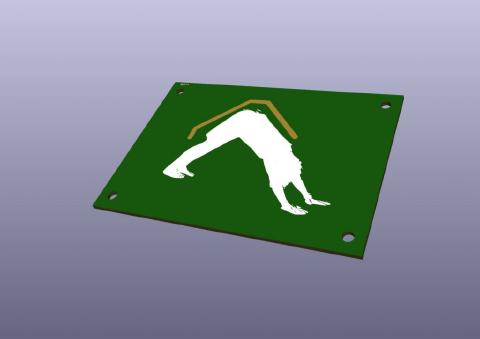
Download episode · 55 MB
Also on Apple · Spotify · YouTube · RSS
Show Notes
wp:image {“id”:5728}
/wp:image wp:list
- Dave is judging the Keysight innovation challenge
- EEs talk tech
- May 1996 issue of Elektor had a very similar project to Dave's later project (which he didn't know about). He has previously reviewed Electronics Australia magazines and their demise.
- ISP1016 CPLD
- Dave made a video about the logic analyzer
- 40 MSPS
- Timing analysis mode vs state analysis mode
- Throwing a scope on it
- Custom heat sinks
- Volumetric efficiency
- The form factor informs the design
- Aluminum extrusion video (how to get the heat out)
- Heat sink design video
- Heat sinks on previous incarnation of uSupply
- Plastic melt story
- DP832 power supply has thermal shutdown problems
- Error stack up inside on a hot sydney day
- Precompliance
- The Practicing Mind
Transcript
Chris Gammell: This is The Amp Hour Podcast. Released March 31st, 2019. Episode 436. Downward Sloping Trace.
Dave Jones: Welcome to the Amp Hour. I'm Dave Jones from the EEV Blog. And I'm Chris Gammell of Contextual Electronics. After countless audio problems caused by your dodgy microwave oven, just like that SETI signal, you know, they thought they got, wasn't it?
Chris Gammell: Right, well, it was the, or what about the white-label goods that are allowed to emit EMI, right? Like ovens and, not microwave ovens, but like ovens and dishwashers and everything else. They're allowed to? What? Yeah, weren't you? I think you were on the show when we talked about that a couple weeks ago. Yeah, there's like, the FCC has like exceptions for white-label goods. No. So like certain... I was not on the show. Oh, okay, I forgot who I was talking to about that. It was like, basically, there's like exception items to FCC regulations. So like, toaster ovens are allowed to emit, they don't have to be tested, basically. Right. So, we made a joke about maybe having like a 1200-watt, like RF toaster oven, you know?
Dave Jones: And most of those ovens don't even have any digital control anyway. They're just like a mechanical timer or something, aren't they? Sure, sure.
Chris Gammell: But, I mean, for, I don't know how much longer, so.
Dave Jones: Right. It just has Bluetooth and Wi-Fi. Yeah, exactly.
Chris Gammell: And that's what's crazy about it. So like, there was a post about that. And in this case, this is actually a microwave oven, which is, you know, near the... I mean, I don't think it actually affects Wi-Fi signals, but it's near the 2.4 gigahertz spectrum, isn't it?
Dave Jones: Yes, it's 2.45.
Chris Gammell: Well, there you go. But if it's leaked too much, then, you know, something's wrong.
Dave Jones: I'd say, you know, it's probably mains conducted mode interference or something like that.
Chris Gammell: Yeah, something like that. Yeah. Anyways, yeah, the microwave in my house may have cut out my signal at the beginning of this, but...
Dave Jones: Yeah.
Chris Gammell: We're not quite there yet, Dave, you know. The wires are still the answer.
Dave Jones: You mean it's not the Internet of Things?
Chris Gammell: It's not, yeah. Speaking of which... We don't live in the future yet.
Dave Jones: Ironically, you know how much, you know, I groan at the Internet of Things. I'm going to be a judge on the Internet of Things contest. So, yeah.
Chris Gammell: Really? Yes. What kind of contest?
Dave Jones: Oh, it's a design contest, you know, save things. Save the Planet. Usual spiel, you know. You know, the world's going to shit. Let's save the planet with the Internet of Things, kind of something to do with that. Who's it for? A big name. I don't think they've...
Chris Gammell: Oh, Mr. Secretive over here. Okay. All right.
Dave Jones: No, all right. It's Keysight.
Chris Gammell: Okay. And everyone is surprised. And everyone's surprised.
Dave Jones: They just emailed me last night and they said, oh, do you want to be judged? And I was like, no. But then they said, like, oh, look, we've, you know, we've really got it down pat. So, you only have to watch, you know, a couple of two-minute videos or whatever. Plus, you only spend a couple of hours here. And they seem to have thought about...
Chris Gammell: That's that, man. You know. You just did your contest. I know. You were watching videos for a while, right?
Dave Jones: I don't know. Here we go. I'll send you the... I don't know if it's public. Let me actually have a look. It might actually be a public video. Let me check here. Yeah, yeah. It's published. There you go. Okay. All right. There you go. Dave's not breaking any rules. No, no, no. I'll send you the link. I'll send you the link. It's like, look at the... It's the Keysight Innovation Challenge. Change the world with your smart innovation. You know, groan.
Chris Gammell: Anyway. It's tough with all those contests. Like, how do you get anyone's... I mean, like, you know, fine. They're doing a contest, whatever. But, like, even any of the contests are out there. It's tough. You know, like, these companies want to have, you know, people pay attention and do some interesting work. They want to reward people. I get it.
Dave Jones: Yeah, it's all marketing. They've got X amount of marketing dollars to spend. And this is one of the ways they use it.
Speaker ?: Yeah, yeah.
Chris Gammell: But I mean, like, I actually feel for them. Like, you know, we know the Keysight people. But, like, it's tough to get attention for that kind of stuff. Because it's not just like, hey, enter your name in this drawing. It's like, you know, go make a thing.
Dave Jones: Keysight are one of the few who actually do corporate videos quite well. You know, they've got Daniel doing the oscilloscope videos. They actually have quite a following on their oscilloscope channel or whatever. Yeah, they actually have a podcast, too. That's very rare.
Chris Gammell: I don't know if we've ever mentioned that on here. They have a podcast. Oh, do they? Okay, right. E's Talk Tech. Yeah. Right. It's not bad. It's a lot of the Keysight engineers.
Dave Jones: Right. Yeah. But that's the exception. That's the exception to the rule. Most companies are clueless. Clueless. It's like, you know, they try and be hip down with the kiddies by, you know, starting up a YouTube channel. And they just suck at it. It's just nobody likes corporate YouTube channels. It's tough. Yeah. It just doesn't work. So, anyway.
Chris Gammell: Anyone making videos that, you know, resonate with people. It's tough.
Dave Jones: But, anyway, so we'll link in the video. Watch it. I think the production value that's gone, I think they've spent more dollars in production value on this promo video than I have for my last 1,000 videos combined. I think. That's almost guaranteed. Production dollars spent. Yep. Yep. Guaranteed. You know, I bought a new camera. You know, I've maybe spent, you know, a couple of grand or something like that. Yeah, they've spent a lot of money. It's very well produced, you know, one minute, 30 second promo video. So, anyway, yeah, they've got prizes. You know, you can win 50 grand in cash and 50 grand in test equipment and stuff like that.
Chris Gammell: So, you know. Easy, Dave. They're not paying us here to advertise. Come on.
Dave Jones: No, anyway. No, but our audience can win shit. So, you know, and people like entering these contests. And as we said, it looks great on your resume and crap like that, you know. So, yeah. Enter. There you go. I'll be a judge. Cool. Which reminds me, I just looked through. I'm almost done. I'm like 95% done. I looked through all the entries to the Keysight Scope video. I gave away one on my forum plus. There was one where you had to submit a video entry.
Chris Gammell: Yeah, that's what I was talking about earlier. Yeah. I saw you tweeting about having to watch a lot of videos.
Dave Jones: Yeah. And I thought, oh, I'll get a couple of dozen videos. Because most people don't want to make videos. You know, most people are just lazy asses. They just want to go, I'm in to the contest. And that's it. You know, they don't want to actually produce a video. So, I thought, oh, I'll only get a couple of dozen, maybe tops. And like there's 130 or something. I don't know, 120. Yeah. Oops.
Chris Gammell: That name draw looks real good now, doesn't it?
Dave Jones: Yeah. The random name draw. So, I watched every single one of them have a spreadsheet. And I got to copy and paste the things and names over and the links and everything. And then comments and sort of trying to rank them. And, oh, God. Yep.
Speaker ?: Yeah.
Dave Jones: You know what it's like preaching to the converted.
Chris Gammell: The hard life of giving away stuff. Yeah, I know. Yeah, yeah.
Dave Jones: Yeah. It's just that. Well, I tried to give away one on the YouTube comments. I can't even. There's three people who have not contacted me. It's like, it's just pointless. Because you cannot contact a YouTube commenter unless they have like a big channel. And they have a means to contact you in their about box or whatever.
Chris Gammell: Oh, interesting. You can't. Yeah.
Dave Jones: Like, yeah.
Chris Gammell: There's no longer like a mail system or anything like that?
Dave Jones: There's no longer a messaging system. No, you can't do it. So, you can't send them a message. All you can do is like leave a comment on their comment and hope they have notifications enabled. And hopefully they go check or something. You know, it's like. Right.
Chris Gammell: It's just, yeah, it's dumb. You should just make another video where you just say their name once. Like a 10-second video. You just say their name. That would freak someone out real bad.
Dave Jones: Most of them won't even watch it. They entered and then they forgot all about it. I had 10,000 entries to that.
Chris Gammell: Damn. Yeah. Wow.
Dave Jones: Exactly. So, it's, you know, a good percentage of those aren't going to watch every one of my videos. Yeah. You're going to forget they entered and. Anyway. Yep.
Chris Gammell: Yep.
Dave Jones: So, I think, yeah, that's open now, but it's like being judged in like September or something like that. I don't know. Okay.
Chris Gammell: Cool. Cool, cool, cool.
Dave Jones: Speaking of September, I have a segue for September, I think.
Chris Gammell: I thought you were going to start singing September by Earth, Wind, and Fire.
Dave Jones: I don't know. What? Is that a song? I don't know.
Chris Gammell: No. Sorry. Yeah. It's a. Do you remember? Oh, yeah. I know that. Oh, I know that. Right.
Dave Jones: Yeah. Yeah. Okay.
Chris Gammell: Yep. Fine. You're welcome. Right. Anyways. Go ahead. What's going on in September?
Dave Jones: Can we talk about. I don't think we've ever discussed this before. Design deja vu. How does this relate to September? I hear you ask. Well. Yeah. I was cleaning out the old office and I did a video on the. I think I put it on the main channel. Right. Where the death of Electronics Australia magazine. Right.
Chris Gammell: Oh, yeah. Yeah. Yeah. Yeah. So.
Dave Jones: Yeah. Anyway. That was quite. Yeah. A lot of people like that. Anyway. I also found a in a copy of the May 1996 issue of Elector Electronics magazine. Right. Which is like a. Is it like. It's a European thing. I don't know which country. Is it Germany or whatever. Yeah. Yeah. Something. Yes. Maybe the Netherlands. I'm not sure. Something like that. Anyway. Yeah. And for some reason I have a copy of this because I never. We never used to get that here. So I acquired this copy somehow. I'm not sure. No. No. And May 1996. Cost. Two dollars. Two sixty five euros or pounds. No euros. I think. Anyway. Cheap as. What does it cost these days? Anyway. Elector Electronics magazine. And the front cover of it. Piqued my interest. You know. I was going to like. I was like tossing out a lot of old magazines and stuff like that. I know that's bad. And I hate doing it. But I looked at this one. And it had a sixty four channel logic analyzer on the front of it. And. Oh. Okay. What's the big deal? You might ask. Well. I'm looking at the photo of it. And it uses the lattice semiconductor ISP 1016 chips. Which are. Okay. And CPLD devices. I don't think they're current anymore. I don't think you can. Oh. No. You might still be able to get them. But. Anyway. They were very popular back in like. Mid nineties. So popular. That I actually designed an almost identical. Project. And had it published. In Electronics Australia magazine. On not quite the same date. Mine was actually technically published after this. Mine was published in September. I believe. Ninety. Ninety six. This one was in May. Ninety six. And. But I. I've actually done a video on this. Which we'll have to link in. Where I. Take you through my old prototype. For that logic analyzer. And I. And I got my own. My old handwritten documentation. For how I did all the time in diagrams. And stuff like that. They're all done by hand. None of this. You know. Simulation rubbish. Right.
Chris Gammell: Actually.
Dave Jones: Actually got my grid paper. And I. I'll send you a link to it. And I. All the. All the time in diagrams. And. Analyzer. Here we go. I'll send it to you. Where is it? There it is. There you go. You can have a look. While I'm off.
Chris Gammell: What's involved in. I've never thought to make a logic analyzer. I mean. They've been pretty cheap. During my career. So. Yeah.
Dave Jones: Exactly. Well. Back in the day. When I was a boy. Right. Sure. I mean. Yeah.
Chris Gammell: It used to be really expensive. Right.
Dave Jones: There was no such thing as a USB logic analyzer. Right. Yeah. Definitely not. Yeah. Right. Actually USB. When was. When did USB get invented? Not long before that. I have no idea. Anyway. Yeah. Right. We just take it for granted these days. That they're. Sure. Simple and easy. But back in the old day. Yeah. So I designed my own logic analyzer. And. It was a 32 channel job. And it used the same lattice semiconductor chips. It used the same latching A7IVAC series input chips. It's almost an identical design.
Chris Gammell: It's practically.
Dave Jones: What is.
Chris Gammell: Like. Like. Give us a. Give us a speed relative too. Like. So.
Dave Jones: What kind of. What kind of. What kind of. Mine was 40. Mine was 40 meg samples per second. Okay. That was in timing analysis mode. In state analysis mode. It could. No. I think it was equivalent in state analysis mode. I'm not sure. Anyway. Biggs. If you don't know. You'll have to watch my tutorial on logic analyzers. Where I explain the difference between. State analysis mode. And timing analysis mode. Which you can go through now. If you want to. But.
Chris Gammell: Sure. Yeah.
Dave Jones: Well. Okay. Timing analysis mode. Is how. You think. How everyone thinks. A logic analyzer works. It works like an oscilloscope. It just samples. At a fixed sample rate. Right. 50 meg samples per second. Or whatever. 100 meg samples per second. And it's.
Chris Gammell: Big blocky square thing. Show up on a screen then.
Dave Jones: Yep. That's it. And it's totally asynchronous. To your system under test. Right. So. If your system. Let's say you have a 50 megahertz clock. In your. Product. And you. Happen to have a 50 megahertz. Sample rate. In your. In. In your.
Dave Jones: In your logic analyzer. Then. Well. You're not. Gonna. Like. See things. Nikos.
Speaker ?: Nikos.
Dave Jones: Nikos. Nikos doesn't like you. Even if you have Nikos. Let's say you have a 200 meg sample rate. And you have a 50 meg. Right. So you've got four times there. So you've got enough. Right. But then. You don't have enough granulation. To start then seeing the timing differences. Between. Two different signals in your particular design. So. Of course. In digital design. Like. Things like set up and hold time. Right. Absolutely critical. Sure. If your input transitions. At the same time as you're clocking. Something. Oops. Metastability. Right. Yeah. I've done a video on metastability. We'll have to link that one in too. What haven't I done a video on? Jeez. Anyway. Tons. An infinite amount of stuff. Is the answer to that. Anyway. So. Metastable. So. So when you're trying to debug your design. Your design could have metastability problems. It could have. Set up and hold. Problems and stuff like that. And to do that with timing. Analysis. You really need a very high oversample rate. And then. And then you've got drifts between the clocks as well. As they slowly drift. So if you're sampling at 200 meg samples per second. And your product is at 50 meg. It's over time. Those two clocks aren't precisely synchronized. Right. So they're going to slowly drift with respect to each other. So it might. So your product might be working. On your logic analyzer. It might look like it's working one minute. And then a minute later. It might drift out. Of the sample window. And boom. It looks like all your signals are suddenly. Doing something weird. Right. So.
Chris Gammell: Yeah. I had a former. Firmware co-worker that I worked with. Who was like really really adept with this old HP. Logic analyzer. Yeah. And a lot of times we're like. He'd be like. Well. You know. He'd be like trying a bunch of different things. And he'd go back and forth. Back and forth. Back and forth. And finally I was just like. Look. Can I just throw a scope on there real fast? And of course. You know. Yeah. The logic analyzer. What he was really used to. Yeah. Exactly. Yeah. It was somewhere. It was somewhere in between. You know. States. Or timing. Or something. And it was really obvious at that point. But. And of course. My answer was always to put a scope on it anyways. But like. No. Not like. It was like really original.
Dave Jones: Check your signal integrity first. Yeah.
Chris Gammell: But. But I mean. I think it. I think it happens a lot. Where. You know. You get lulled into that false sense of security. And. And I think people with like. You know. People with even like a salier. They'll. They'll recognize that too. Where there's like. You know. You have the digital channel. It's like. Oh. Something weird's happening. Yeah. You have to at least recognize. You're. You know. Are you looking at noise? Are you looking at. Some kind of. Actual aberration. Or is it just that. Your samples are way out. And you're. You're. Throwing some other kind of gunk on screen.
Dave Jones: And you can come a gutter with that too. Even if you know about this. And you're very careful. And you set up the correct logic thresholds. Let's say you're working with TTL. And you. Set up the proper TTL logic thresholds. Right. The actual low and high. Voltage levels are precisely what they should be. Well there can be small differences. Between that theoretical logic threshold. And what your actual logic is doing. At that particular temperature. With that particular grade part. Blah blah blah. Right. Right. So even if you're super cautious. You can still have minute differences there. Which can cause you. You know. Weeks of troubleshooting. Trying to find this elusive problem. Because you've got this little runt pulse. That just goes up. And just meets the threshold. Whereas your logic analyzer doesn't see it. So yeah. Yeah. Yeah. That could ruin your day. That's crazy. But anyway. Oh definitely. State. So that's timing analysis mode. That's how almost everyone uses their logic analyzer. But sometimes when you. You know. Especially in computer systems. And stuff like that. Like really high end ones. You know. If you're designing an Intel motherboard. Or something. And you. You know. You're probably going to be using. Like maybe a synchronous system. Where the logic analyzer. Will actually have a clock input. And you put that clock. To your master clock. On your product. So that the logic analyzer. Samples in synchronization. With your product sample clock. Either. It could be. You know. If you're debugging FPGA. It could be your FPGA clock. Or something like that. Or you know. Any other. Any other clock within your system. And then that. And then that. Gets away. Any problems with clock drift. Or clock timing. You can really. Properly see setup. And hold times. And things like that. So you can see. Oh look. This. This input here. Changed at the same time. As this clock. On your product. And oops. There's no setup time there. You know. We don't have enough setup time. Stuff like that. So yeah. That's why logic analyzers. Typically have state. And timing analysis mode. And typically. State analysis mode. Will be a lower. Sampling rate. Spec. Than the timing. Because it's actually using.
Chris Gammell: Some of those. Those samples. That you would have used otherwise. Where you're just. Blasting the data in. That kind of thing.
Dave Jones: Oh it's the. It's an architecture. Thing. We won't go into. Details. But typically. The specs might be different. Sometimes they're the same. I think on my one. It was the same. I don't know. I'd have to go through. My original design. But. Got it. Yeah. Anyway. I found it fascinating. Deja vu. Like. There's no way. We could have copied each other. Right. I didn't copy them. Because I've. Right. I didn't even get. Electore magazine. And all my. Design stuff. Is. Dated back in. November. 95. So a good. Four months. Before this design was published. And you can see that in my videos. Right. And they couldn't have copied me. Because this one came out in May. And therefore. And mine wasn't published until September. Right. So it's just so happens that. Both. Both of us. It's like. Decided to do it. Yeah.
Chris Gammell: And what's his name. And I don't. You know. I'm not giving you that much credit here. It's not like you invent calculus. Right. Yeah. Yeah. You know. Sometimes just like the confluence of. Like if the part was affordable. And it was a good fit. Maybe there were similar projects out in the world. That inspired you and that other author. To do the same thing. Yeah. Totally possible. You know. Probably more common than we think.
Dave Jones: Yeah. Of course. And that's what I want to know. Does anyone have a similar deja vu design. Story. You know. Did you design something. Then something. Somebody published something the same month. Or came up with exactly the same product. Or something like that. But I can tell you how this happened. Right. Because you've got to look at this. Right. The guy would have developed this in 95. Same as me. Right. End of 95. It was published in May. Right. And so we were designing this at virtually the same time. And back then. Okay. You. It starts with the idea. I want a PC based logic analyzer. Right. So obviously. You know. A thousand people can come up with the idea for a PC based logic analyzer. Right. Yeah. No problems whatsoever. But then how do you implement that. And you look around and going. Well. I could do it with all discrete TTL. But holy crap. You know. That's a lot of TTL. Yeah. That would be kind of rough. That's a lot of discrete logic. You can do it. And a lot of old school magazine logic analyzer projects did that. So. You know. Oh. But then. So you get the idea. Oh. Let's use one of these newfangled programmable logic devices. Right. And you can't use a microcontroller. Because microcontrollers aren't. You know. Determined. They're not fast enough. Especially back then. Right. Right. Right. You know. You can't get hundreds of megahertz microcontrollers like you can these days. And they're not deterministic. You're saying.
Chris Gammell: Because you would have had to like oversample it so much. And you wouldn't have had. You wouldn't. And you would have had like.
Speaker ?: Oh.
Chris Gammell: Not oversample it. But because you would have been like.
Speaker ?: Well.
Dave Jones: You couldn't even do that. You couldn't do it with a logic analyzer. Sorry. A microcontroller. It just. It's just silly. Right.
Chris Gammell: Right. I just mean that because you. You don't know how many cycles it'll take going through the ALUs and all that sort of stuff.
Dave Jones: No. It's just silly. So the only sensible solution is to use like hard-coded logic to do it. So you either do use discrete or you use programmable. And when you look at the programmable logic scene back in 1995. How many years. We're talking 24 years ago now. Right. 24 years ago. Right. Yeah. FPGAs were around. But holy crap. Right.
Chris Gammell: If you're in the military and you're. They're expensive. You know. 20 grand to spend. Right.
Dave Jones: Ironically. A now friend of mine. He was developing a logic analyzer at the same time. Once again. For publication in Electronics Australia magazine. But I beat him. My project scooped him. He was. He published it like six months after mine. But his. His one was based on. Um. Altera FPGAs. I think it was. Or. I don't know. It could have been Xilinx. Whatever. Anyway. It was FPGA based. It was really high end. Um. Um. But. That was his day job. Like. He was a certified FPGA professional. For Altera. Oh. Xilinx back then. Right.
Chris Gammell: Yeah. And.
Dave Jones: And. So he had access to the multi-thousand dollar development systems that you needed. Right.
Chris Gammell: Right. Because you also couldn't get dev boards without. Without. Without. Contracts. And. Yeah. Exactly.
Dave Jones: You. You need. Like. They wouldn't talk to you unless you're a. You know. A big deal. Pretty much. So he had access to FPGAs. But your Joe average. Basically. 1995. You did not use FPGAs. So. Um. Even. CPLDs were quite hard.
Dave Jones: Lattice. Actually. Uh. By hard. I mean. You know. The. You couldn't buy cheap tools. You couldn't. You know. The software. Yeah. Cost money. All that. There was. Sort of.
Chris Gammell: There was no open source tool chain. No. In those many words. Yeah. No. No.
Dave Jones: There was no open source anything. Right. And. So I think Lattice came out with their CPLDs. This series. The 1000. Um. And series. 1000. 2000 series. CPLDs. In. Probably a year before that. And they heavily. They were one of the first programmable logic companies. To actually target. Hobbiists. In the hobby magazines. Right. So you'd see the ads in there. You know. A full page ad. Oh. These Lattice. Uh. You know. 10. 16. CPLDs. Here's a development kit. And they give you a couple of sample chips. And they give you the software for free. And. Well. You know. It's. Well. The kit cost 100 bucks or something like that. But it was affordable.
Speaker ?: Sure.
Dave Jones: Sure.
Chris Gammell: But reasonable compared to the thousands.
Dave Jones: It was reasonable cost compared to the thousands for the FPGAs. And. Um. And. Yeah. And you could make up. Uh. A little. Um. Uh. Parallel port interface cable for it. I don't. No. They may. Right. They may have even gave you one. Right.
Chris Gammell: I was wondering about that. Like how you actually got these signals back to the computer. But I guess. Parallel port.
Dave Jones: Exactly. I'm going to answer a lot of the times. These are. Those days. Right. So. Right. So that was pretty much. So those lattice chips in 1995 were pretty much the only choice if you were looking to develop a product like this unless you had access to higher end. You know. Stuff available. And you could buy these lattice chips from like RS components and stuff. Right. You could actually buy them.
Chris Gammell: Yeah.
Dave Jones: Um. Yeah. They weren't particularly cheap. But you could buy them. And you could program them. So you could sell kits with the programmable chips. You know. You didn't need a $5,000 big. You know. Data IO programmer to program or whatever. You could just program with this parallel port interface cable. What was the serial port? Whatever it was. And. So that was cool. So that's how we both ended up choosing that chip. Because it was the obvious choice. And then. Uh. We both went. Well. How do we get data into the PC? And we went. Well. Parallel port. How else would you get. You know. Right.
Speaker ?: Yeah.
Dave Jones: How else would you get your data back into the PC in 1995? When did USB come out? I'm looking at. 94. Yeah. I don't know.
Chris Gammell: Hang on. 90. Yeah. But that took a while to like propagate too. I mean. Yeah. I remember early. It began development in 94. Early PCs had lots of cables that were. Yeah. Yeah.
Dave Jones: So.
Chris Gammell: I think that is the crazy thing too. Like. You know. Like how ubiquitous. I mean. You and I are both talking USB microphones right now. That's not that unusual. I mean.
Dave Jones: Not actually. It's not a USB. But it's a USB. Rode. Interface box though. Sure. Yeah. So.
Chris Gammell: Oh. That's true. Yeah. Okay. So your A to D is connected to a. My A to D is. Yeah. Yeah. USB system. I mean. It is. It's just. It's crazy that that's. It's become so much of a standard. You know. But I guess that's. There it is.
Dave Jones: It was released in 1996. So there you go. It was like. USB had literally just come out. Or when. When we were both developing this project. It had not come out. So we didn't even know about USB. It wasn't a thing. And then it would have been USB one. And then and then what software tools were. And those chips would have been super expensive too. Oh super expensive. Right. Yeah. If you could get them at all. Like who the hell was. You know. Your average hobbyist midnight engineer. Wouldn't be able to get a USB chip in 1996. Yeah. When it first came out. Let alone the software and the libraries to interface to it and all that. And then you would have had to put a smart microcontroller inside your product. Right. So it's like nuts. Right. Up in your cars all around. How do you do that? You take it for granted. You just buy a microcontroller that's got USB built in and all the enumerations done. And you know. Yeah.
Chris Gammell: I mean I was talking to someone that's a lot of chips these days have like just even USB bootloaders. So you basically hook in your D plus D minus into the micro. And it's already got a bootloader preloaded on there.
Dave Jones: Yeah. Damn. That's crazy. Yeah. It's nuts.
Chris Gammell: It's awesome. But it's crazy.
Dave Jones: So in 96 this wasn't available. So we both chose the parallel port and then we both chose the same number of lattice chips and broke them down in the same thing. We had one chip devoted to a mine was a 16. Sorry. Mine was an eight channel sampling front end. I think his was a 16 channel sampling front end. And so that did all the masking logic and all that sort of stuff. So if you look at it if you look at the schematics the internal schematics of the both of our input sampling you know chips input masking and all that they're basically identical. How do you do that? You feed data via a shift register into a mask array and then you have a big number of XOR gates and then you feed each signal in and you can even mask it. You can trigger on high low or don't care conditions for each of your channels. So it turned out to be an almost identical schematic when you look at it and you go these people must have these guys must have copied each other. And it's like no it's just you know it's just a natural progression. Sometimes there's only so many ways to do a thing.
Chris Gammell: Yeah. Yeah.
Dave Jones: There's so many obvious ways. And then we have one control lattice chip. And so the two projects look near identical. I just find it remarkable.
Chris Gammell: Now does it make does you make your skin crawl thinking oh man I wonder if someone's out there making a micro supply right now exactly the same.
Speaker ?: Yeah.
Dave Jones: I think they are isn't there a guy there's probably a Kickstarter or something or an Indiegogo or something. Yeah.
Chris Gammell: I mean at the end of the day it doesn't really you know we're first talking about like hobby projects and things that are published and it's like that's a little bit different. But like at the end of the day most of the time it's the marketing that does that matters the most you know it's like it's the stuff that we don't want to think about but there's usually the truth. It's that a lot of a lot of auxiliary things matter a lot more than than we give credit for. Indeed. Sales channels and all that other crap. So. But you you are. Yes. Moving on with your design. So you wanted to talk about custom heat sinks.
Dave Jones: Yes because the video will be released tomorrow my I think tomorrow my patrons have already seen it and you've I sent you the link so you've at least had a two second poke at it. Yeah. And yeah how to design custom heat sinks because I don't think I don't think anyone's really done a video on that. So it's part of anything like that.
Chris Gammell: It's good though. I mean it's you know like I I've made some content in the past about like just commercially available heat sinks from you know DigiKey and you know Mauser and a lot of the distributors but thinking about like actually you know that next step to make something custom. It's like I usually I never I would never I would never probably suggest that for my students because usually they're they're beginning electronics but I think that makes a lot of sense as you move forward.
Dave Jones: Well that was the point of the video.
Chris Gammell: Yeah. Right.
Dave Jones: Was to encourage people look hey at least consider the idea that yes you can do your own custom heat sink if you have to if you've got a unique product like this micro supply is you know it's a pretty like pretty demanding form factor with pretty demanding thermal requirements and stuff like that. So it's not your average project where you can get away with an off the shelf heat sink really. But yeah.
Chris Gammell: I think the other thing is that the off the shelves they they make make they force you into a certain like form factor as well.
Dave Jones: They do exactly.
Chris Gammell: Yeah.
Dave Jones: But I've often said that can be a good thing like you choose the when you come up with a project idea choose the case and then mold your project around the case that that can often be a quite a valid design you know a way to actually design your product. Some people go oh I never do that. No. Write the specs first. Write you know drawings of what the custom and what it's going to look like and design your custom case blah blah blah blah blah blah. And well yeah. Okay. That's one way. And that's what we're doing with the micro supply. But because everything's custom on this.
Chris Gammell: Sure. Right.
Dave Jones: So.
Chris Gammell: But I think once you start going down that path it's like.
Dave Jones: Oh you go the whole hog. Yeah.
Chris Gammell: Right. One shoe. So like if you if you were going to go all off the shelf right you go off the shelf case you go off the shelf heat sink you go off the shelf whatever else you know.
Dave Jones: Off the shelf connectors standoffs front panels. All that stuff right. Yeah.
Chris Gammell: Then it's like you get a certain look and that's fine but I think one of the things that I think about is like especially in like modern product design is that you you have a lot of air you know what I mean like it's just a lot more your product is a little bit bulkier it's less sleek you don't have as much you know form factor type of stuff.
Dave Jones: I call that volumetric efficiency.
Chris Gammell: Yeah. There you go. Which is.
Dave Jones: Yeah. I don't know if that's an industry term but that's what I call it. It's volumetric efficiency. I used I talk about that in my videos all the time when you're laying out products and things like that and the micro supply has a ton of that a ton of volumetric efficiency. It's very efficient in terms of the volume. Sure. It's not 100 percent. You know we could. Right. But I'm just saying. Make it smaller but you know.
Chris Gammell: Right. But I mean. It's a it's a design choice as well right. You don't have to make it that small like I don't know. No. That's right. You're trying to make a handheld so that that definitely informs some of this stuff of like okay you don't want it to be like you know a half meter wide box you know or something like that because you want to actually make it handheld.
Dave Jones: People are used to people hold things in their hand all the time. They're used to things being a certain. Right. Size weight and form factor right.
Chris Gammell: Yes that's right. Yeah. And I think and then that that then kind of and that's because that's a priority for you. I mean hell even just having micro in the name right. It's you know. Right. It's not going to be too big. Exactly. And that kind of just ripples all the way down the line and it's like well you could have put a different heat sink in but because you favored the you favored the the form factor more than more than other things. Yeah. You you couldn't you couldn't use this stuff off the shelf. So that that's right. Makes sense. Yeah.
Dave Jones: And and we all make these value judgments all the time like you pick up one of those new fangled phablet things and you go oh geez that's too big. You know you pick up like or you get a you know you pick up a later like you pick up a new multimeter and you go oh geez that's just too big or or you pick it up and you might go oh that's small and compact isn't it I really like that. I then you know I find you know you might find it surprisingly small or surprisingly big and you you know you make these sort of calls all the time and yeah and it can be an important marketing thing.
Chris Gammell: But then that's a forcing function on everything else right. It's yeah it either makes you stand out from the marketing side or then you have to go and start buying parts that are necessarily small and you can't put extra you know features in all that other stuff. I think personally I've always been like if I have the space if I have the way to do it at the beginning it's going to I'm going to make it bigger just because you know we should get it later.
Dave Jones: And allow for you know expansion during the design or upgrade phase as well. You know we've got spare room on our PCB you know we didn't make it like so if we have to change some stuff yeah well you know there's some we can shuffle things around and we've got extra room there. And we we we didn't start out with a dimension we didn't go it must be this dimensions and make at that. We just sort of started out like sort of oh look the LCD has to be this big and you know it's got to do X amount of power it's got to have these X converters in it and sort of you know you start mocking up your PCB layout and and a form factor just pops out.
Chris Gammell: Sure sure. And I think the power power envelope is another big one too because like sometimes you're just gonna be like well it's gonna be 100 watts can you even hold it in your hands you know it's gonna be a thousand watts can you hold it you know like it's just like certain certain certain things are things that you've understood from years of design right but like just that intuitive testing of like okay well if it's gonna burn this much heat then what's the temperature rise gonna be and in your case is someone gonna be able to hold it in their hand that kind of thing so.
Dave Jones: And that's the interesting part all the thermal decisions in this thing and why we went with the custom heat sink the original design was actually to use an extruded aluminium case right which are like cheap simple yeah and and you can get those made custom custom made really cheap with hardly any tooling cost all right and and and they're great yeah you can use the case as a heat sink and I've done a whole video on that which another one we can link in which is actually I think that's a really killer video I go into tons of detail about thermal resistance of vias and transfer and seal pads and all sorts of stuff to from surface mount components like surface mount power transistors to external cases right and how to get that heat out of your product and in the end for various reasons we decided the like we were led down the path of why we went away from the extruded aluminium case because it was really hard to you had to slide things in and the screen didn't work and the keypad didn't work like lots of things just weren't working so we went oh then we could maybe use a split design and then well if we go on for a split design this and so we ended up oh bugger it let's just do it's going to be cheaper to do a custom abs case right so we just went we made the decision right we're going to be a completely custom case but now our case is plastic so we can't use the case as a heat sink anymore so we have to put a heat sink inside you can do it once it's not even going to be great once you know I had a fun uh I had a fun lesson in
Chris Gammell: thermal efficiency today um just as a brief side note we'll come back to this um so like I was I was doing I I I I had a bunch of metal standoffs to like get the boards I was doing a reflow and I was getting the boards up off off the deck of this this reflow this reflow oven and um and so I had like four sets of of you know standoffs I get the board up and then the fifth one I didn't have and I just needed to like prop up one side and so it's really stupid um and so I was thinking like oh well I have um the dog the dog here does not like does not like the story I can as you can hear um uh so I have a I have these old connectors and um they're plastic and they serve they survive uh they survive being the reflow oven all the time I'll just use one of these connectors to to prop up to prop up this board and so like I go through the whole reflow process and I'm like what is it what does that smell it turns out that uh the reason that the board the plastic connectors survive in in uh in reflow ovens is because they're not touching anything that actually retains heat they're just touching air and when you have them touching something like fr4 that does retain heat uh yeah uh plastic melts real fast so I have a board that has a uh plastic connector melted to the back of it uh and so there's a little lesson there don't use old connectors as standoffs in the reflow oven well done yeah yeah have to do a golf clap yeah it just it just popped right off of there it was not a big deal but it was right it was a quick little lesson in thermal efficiency and uh and in one-time use of plastic is it is a is a thermal it's a thermal sink right so how do we get heat
Dave Jones: out of a plastic case mr. Gamma with some metal with some metal air yeah exactly what sort of air uh forced air usually but uh also convection yeah well you can't have a fan in a little
Chris Gammell: handheld thing can you right so uh what's the other one so there's radiation there's forced convection and then there's the third one natural convection yes that'd be it so that's what you're gonna be doing
Dave Jones: is natural convection so to get natural convection yes and to and to get convection you need air like a place for the air you need holes in the container you need holes so you know so you put vent holes in the back of your plastic case and you design your heat sink so that the fins on there match the orientation of the uh of the slots on the back of your case because if you put them in the opposite orientation then air can't flow through along your fins because that's how you get heat off your heat sinkers the air increasing surface area and you want to have these you don't have these channels that the air flows down right yep so yeah so we whacked that on the back and bob's your uncle
Chris Gammell: we've got our did you guys do like uh like like that maybe it's too too advanced i don't know but like did you do like uh computational fluid dynamic stuff like i know that people do that no no no we
Dave Jones: actually haven't tested this heat sink yet which is what i mentioned in the video but by sure but you know like like but by rules of thumb and some basic back of the envelope calculations you know it's going to be more than good enough you know it's not right right you're also you're not worried
Chris Gammell: about actually melting the case or anything like that you're probably so like what kind of and i i like you said i didn't get the chance to see the whole video before i was just watching snippets of it but like what kind of like temperature rise are you expecting even even a worst case i didn't actually
Dave Jones: mention that i didn't i didn't go into specific details it's just got it yeah because i mean that stuff
Chris Gammell: like it's like so it's what the the power envelope like how much power you expect to burn on the on the heat sink and then it's also how much surface area you have and then the thermal conductivity of the heat sink which should hopefully be perfect but is never perfect uh and then they couple in air to
Dave Jones: yeah and they have different specs they have different degree c per watt specs for both forced and
Chris Gammell: natural convection and then i was thinking of the uh the junction to to case thing as well but that's that at that point you don't really care as much right so that the junction they're usually
Dave Jones: reasonably low you know so right right yeah it's mainly the efficiency it's mainly the size and the efficiency of your heat sink of the fins and and the bulk of the material and stuff like that matters as well so you can't just make these things you know a lot of people think you can just oh i just put like a large big copper pad on my pcb as a heat sink for my power transistor yeah you can at quite low powers but they're actually very inefficient um because they're so thin like because a one ounce copper board is 35 microns thick right that is really yeah that is really thin right so heat really doesn't get to the outer like the over the surface area very efficiently so it's quite right and uh what
Chris Gammell: if you like did like you know like when solder has no flux left in it and you have like the whiskers that pull off what if you just like put that on and then you just kept like pulling out like all these little spiky whiskers that would probably help a little bit on surface area like on uh well you
Dave Jones: can actually a lot of people solder coat yeah they'll solder coat the things to make it yeah just to make it thicker a bigger thermal mass and a better thermal transfer medium you know that's that's a thing back in the day you used to rely on the fact that your board was wave soldered so you just leave your solder mask off and then you'd get all your wave tin plate on top of your uh big you know your
Chris Gammell: thermal pad yeah so yeah oh i want to ask you about exposed uh exposed thermal area or exposed copper area after after this yeah oh as in private or no no no no as in you made a big video about a
Dave Jones: kai cad with the thing around the edge oh okay yes all right yeah now the what's i have many notes for you my friend all right the last thing about this heating right is that we designed it and i what i recommend in the video is when if you're going to do it do your own heatsink like this or your own case or whatever it is your own little you know widget for your product if it's custom make sure you design it so that it is machinable for in the case of metal right so it's machinable as a prototype or it's 3d printable in terms of like a plastic case or something like that right so even if your final thing is either going to be die cast or it's going to be injection molded case which is the case with both our heatsink and our enclosure for the micro supply the heatsink is going to be die cast so we need a mold for that and our case is going to be injection molded so we need an injection molding
Chris Gammell: for that right and you're saying don't don't wait till the end to to make sure you piece everything
Dave Jones: together is that is that what you're gonna well that's it and you don't want to pay that tool in right because it's expensive to buy molds right so you don't want to do that just for your prototype so that's why we designed it so that it's compatible with either a machining process this heatsink either a machining process or an injection or a die cast uh process as well so we went and got this instead of paying you know a thousand dollars or whatever for a mold and then get die cast one prototypes back we just i went to a machining house and said please machine us four of these you know so we ordered four of them they cost 60 65 dollars each right that's great which is an expensive heatsink one-off but it's dirt cheap compared to the cost of a mold and now we can and there will be virtually zero difference um in both in terms of physical and thermal performance between a die cast version of this heatsink and a machined one so we can do all our proper tests yeah but you can get the die cast and it yeah yeah yeah so you know so there'll be virtually zero difference so we can use a totally different process to get it manufactured and still be virtually 100 confident uh that it's going to be fine when we go and so when we push that when we test our prototype we can go right we need to push the production button now okay let's buy our mold let's you know get our die cast mold and spend our tooling cost and it'd be pretty confident it's
Chris Gammell: going to be fine so yeah that's great that's great yeah it's great what is uh so i was going to ask you about like your rule of thumb as well so like so um what is a decent temperature rise in your opinion so you're not going to have a fan in there yep so what about like the 10 to 20 degrees 10 is probably
Dave Jones: like once again it depends on the product and what uh envelope you're going to be pushing it but a a industry rule of thumb is a 10 degrees c rise so that basically because most operational ranges for products are like zero to 40 or something like that right so if you've got a 10 degrees rise and that puts the heat sink at at 50 or you know even a 20 degrees right or even if you've got a zero to 50 degrees operational range puts your heat sink at 60 you know stuff like that which is just above the borderline of when it's like hot to touch like burning you know kind of yeah you don't want to be running it at 100 degrees if you're running your heat sink at 100 degrees unless you absolutely need to for some particular performance you know versus uh volume thing or something like that right right
Chris Gammell: then you're still you probably can't do that the whole time yeah you're gonna start degrading quality
Dave Jones: rigol got this wrong right i've done a video on this rigol their their power supply their dp832 power supply or whatever it is right i i did a video how and like actually analyzing their thermal design of that thing and they were running their heat sink at like 120 degrees and that was like borderline to the actual yeah that's like the junction problem the junction cutoff temperature where where the
Chris Gammell: thermal protection would kick in and it was like it was insane right it's like so if people don't know too the reason that these temperatures exist is because at certain temperatures you start to have like ion migration and break down inside the actual dye and so like you basically break your parts at a certain temperature that's that's the same thing happens if you short out a part i mean well there's other problems too but if you short out a part if it's dying by magic smoke oftentimes it's because of thermal breakdown it's just it's just going poof you know it it burns up and uh uh and sustain high temperatures like that you start to have like ion migration and all kinds of bad stuff happening
Dave Jones: inside the silicon and then that can ruin your day yeah yeah yeah and as i said like regulators and stuff like that'll have thermal overload protection on the die exactly yep right so they'll simply shut
Chris Gammell: down and go no i can't work anymore well that's that's a good good rule of thumb though 10 to 20 10 to 20 degrees yeah the other thing i always think about too is that like you know so that's like your your your temperature rise stuff i mean the thing i always forget about is it's like you know some people live i mean you live in a freaking hot place i live in a very cold place you live in a very hot place in the summer um but then like ambient ambient temperatures you always have to add that stuff up and then you start to move outside of operating ranges pretty fast too right so like a lot of commercial parts that you're buying are zero to 85 right and so you have a 45 45 degree
Dave Jones: day and i at sydney right you have uh and you got a 40 degree c temperature rise yeah exactly product
Chris Gammell: you're you know right right and i mean in your case you're making test equipment as well which you know there's temperature rise but then you also have to derate as well so like okay so now it's 45 degrees in sydney again for some reason you're outside in the sun in the sydney in the sydney blazing blazing summer using your your micro supply uh you've got a 10 you know you got a 20 degree rise there and i've actually just got heat stroke thinking about this so i've lost my train of thought oh that's what it was you you said you you're um so you start to lose accuracy as well right so you're now you're you've got your your inside your cases at 65 yeah you've got a sense resistor in there that's 0.1 but you got all the temperature problems i was going to mention
Dave Jones: i was going to mention resistors i've done a video on this way back in the garage where uh like yeah i if you go to like a data sheet for a surface mount resistor okay an 0603 or an 085 resistor for example can dissipate a quarter of a watt okay right so people might not think about it oh it can do it's rated quarter of a watt right a standard quarter of a watt resistor axial resistor yeah go look at the freaking data sheet of what temperature it runs at at that quarter watts it's like a hundred degrees right right yeah right it's it's not going to run like cool at that that's its maximum rating so this it can do a quarter of a watt it'll survive a quarter of a watt it'll do it'll survive a quarter of a watt but it'll be running literally at a hundred degrees celsius right or it'll it'll run at a hundred degrees above ambient whatever the current ambient is go and read the data sheet yeah it's crazy no it's like it's nuts right and times your times
Chris Gammell: your temperature coefficient so yeah now what's your your 10k resistor is now a 15k resistor or
Dave Jones: whatever it is another direction probably oh it's not quite that geez how many ppm are you telling you you're not you're not talking about parts per million you're talking about parts per milli or parts parts per parts per or just parts yeah parts per degree c parts per million geez 10k change
Chris Gammell: it to 15 it's called hyperbole dave called hyperbole engineers don't talk in hyperbole yes we do oh i was gonna bring up to you uh yeah you you were not here last time unfortunately but uh the uh with andreas he kept talking about how it depends is a very expensive uh expensive phrase in business and i was thinking about you every time because you always say that i always say it depends well it does everything does it does but but if you you know if you're trying to he was talking about in the context of business practices um because he does you know he's that's his background um how
Dave Jones: yeah when when your designer said you you asked your designer how long is it going to take to develop this thing and they go it depends then you're you know yeah that's when you're screwed yeah right exactly yeah but that's the art of engineering taking the it it depends part through to its through to its conclusion you know and doing what needs to be done to you know so narrowing that down well that's
Chris Gammell: exciting about the uh the custom heat sink though and those machine samples you showed that was good
Dave Jones: too oh they're very sexy yeah they're beautiful machine samples i think they're cheap you're doing it
Chris Gammell: all wrong dave come on man you're you say okay i need a heat sink you go design the heat sink you say okay well i want to make it machinable and then what you do is you stop everything you're doing you take six months and you try and teach yourself how to do machining you're doing it all
Dave Jones: wrong my friend right because technically i do have a milling machine here you know i just have to finish assembling it and get it working and learn how to do it you know yeah don't don't be like me dave don't be like me you're still recovering from your learning to mill experience yeah just like it's like assembling you know it's like having your own pick and place machine it's just like for 99.9 percent of people it's just not going to work it's just going to suck your time and your soul
Chris Gammell: away right well and i think it's a you know so that's like a very very extreme version so like some people are going to go and buy the pick and play or build a big pick and place machine or build the mill or learn the mill or whatever it is i think even from your example take a step back most people who are going to watch this yes they can do a custom heat sink but i would not suggest starting there i'd say go and find a heat sink to start with yeah absolutely but this is a good intermediate to advanced topic uh that i think it's good to showcase yeah i i just want people to
Dave Jones: you know at least have in the back of their mind that hey it's not that expensive or hard to actually do your own custom heat sink and hey that might make my product a lot better yeah in terms of form and function yeah right it could make your product from oh that that looks okay to wow that looks amazing you know and that could drive sales an incredible amount i don't know if i agree with
Chris Gammell: that but uh i think it does make that i think it could it depends on the product i've never heard
Dave Jones: someone say i'm going to buy that for the heat sink no but come on you know what i mean like the form factor right if you if you do a custom heat sink instead of off the shelf one people might go oh this is big thick and chunky that's not really a handheld thing and you show them one that has a custom heat sink and it's half the thickness and it's you know or whatever then they're going to go
Chris Gammell: wow that's i think you're you're almost you're like half right i think you're right about the form the form is definitely a thing that people are gonna be like oh wow that's different and cool and whatever but i don't think most as long as it performs to what you say it's going to perform to i don't think most people care about the the fact that it has custom heat sink in there because if you did it with a off-the-shelf heat sink they wouldn't care as much anyways you know what i mean it's just the the form sells on your market but yes yes i know yes right yeah is it consumer versus
Dave Jones: engineers you know like there's a big difference between consumers and engineers in terms of market right there you go so anyway we've got custom everything on this we've got custom heat sink custom case custom uh screen protector uh custom lcd which you've seen the video on uh custom else what i say um yeah i say custom lcd custom planner transformer we've got a custom we've got custom banana connectors which actually weren't didn't really cost us anymore the manufacturer said oh yeah we can just you know make these little changes for you shouldn't be a problem stay tuned folks for dave complains about sourcing issues in about two months from now and i'm not done yet and then we've got custom uh little um clips to interface the banana plugs to the pcb it's great stuff like that so you
Chris Gammell: know i can't i can't wait this is going to be fodder for the amp hour for months it's great
Dave Jones: it's brilliant it's brilliant years of fodder years of fodder yeah yeah it's nothing if not a marketing exercise yeah anyway yeah it's just yeah it's very cool
Chris Gammell: speaking of design though um uh and i guess custom things oh did i mention a custom keypad too yeah it's got everything yeah everything um is it done yet uh so i saw you using kai kai the other day uh yeah you're back you're back on it man uh yeah because my file happened to be in keypad
Dave Jones: yeah not kai kai kai kai kai kai kai kai kai kai kai kai kai kai kai kai kai kai kai kai kai kai kai
Chris Gammell: you you call it tomato i call it tomato i don't care what you call me yeah yeah it was good it was a good look it was a good look at the uh the latest latest versions and uh uh you missed one button
Dave Jones: long and waffly what which button did i miss there's a via button um i that's what i was kept yes place via no i specifically no i specifically said in the video you know weren't paying attention i specifically said in the video that i didn't want to place a via i wanted to copy and paste for reasons of doing bulk lots right and getting them all lined up see because when you're doing something you're stitching around the outside like this of course just due to engineering perfection you want them all to be nicely evenly spaced right and you can have hundreds and hundreds of vias surrounding your board or stitching your ground plane or whatever right and you don't want to go placing the one by one with the via button or the via shortcut or the via placing tool because then you've got to manually place them so what you want to do is manually place a couple of them and then copy and paste them into bigger bigger arrays yeah there's okay so there's there's
Chris Gammell: another thing there's a the create array uh there's a create array okay so right there's a there's a
Dave Jones: there's a create and that works just on the vias does it yep yep right okay it's like small things
Chris Gammell: that's a different thing right it's no it is but yeah it's because you you were struggling with the uh the the thing that i like about the via button is it's very similar to all i know is that it's uh it grabs the uh it grabs the ground plane that you're on top of or whatever plane you're on top of
Dave Jones: so right yes yeah yep i realized that but i wanted to copy and paste because that is a legitimate design technique with lots of advantages right you don't you're right there's many reasons why you
Chris Gammell: want to do that and i'm not criticizing you man i'm just i was i was just saying what i was talking to
Dave Jones: the screen and i'm just saying this is just why i highlighted it because that's a missing feature i presume it's missing in keycat is that when you paste something it when you paste a via it doesn't take the uh the net from the plane that you're placing it on yeah i'm not sure yeah it won't do like that anymore exactly but you might right it's not like you don't do it anymore it's just that you don't do it for your current project right there might be a project one day where you're doing no
Chris Gammell: i'm saying i don't do it the method the method you're doing so yeah anyways people should go watch that video it was a good it was a good video it was a good video come on there's a very important
Dave Jones: point to be made here and you're brushing it off is that my the technique i was using is is the better technique for some particular designs it's not like so you can't just say oh i'm never going to use that technique because i i use the via right or i use the via button or whatever
Chris Gammell: that's just that's that's wrong um i'm saying that's not how i would do it personally but i'm not saying it's a bad way to do it i'm just saying i do it different then you're going to be doing it the slow painful way congratulations i don't think so but okay yep have you ever done a board where you
Dave Jones: have a whole bunch of via stitches hundreds and hundreds of them and then you want to copy them and then you want to flip them and mirror them on the other side of the board ever done that i have
Chris Gammell: i have not done that because i actually have not been doing uh i don't do you don't do professionally not a professional pcb designer that's right that's right i'm not so boy i've done that one a couple
Dave Jones: times that's it there's tons of things that you know a like a high-end professional pcb designer would do that you would never see a like you was never see a you know a hobbyist or an amateur do or even just your regular engineer do on just a like a generic board you know like a fairly you know not a hugely complex board that takes you months and months to lay out so you know there's all
Chris Gammell: these different things you're a little defensive a little defensive a little defensive no trying to
Dave Jones: teach no you're you're you're dismissing a perfectly useful useful technique i'm not dismissing it i'm
Chris Gammell: just brushing it off anywho um yeah it was it was good video otherwise um what are you going to do uh what are you going to do with that uh so you were going to send that board out that was the one where you were making the uh the emi yes i sent it out it's probably already manufactured
Dave Jones: yeah i should yeah i've got the yeah it's yeah i've got the gold on the edges so that i can put tape on later if i want to seal the edges up i think we mentioned that video though i did like
Chris Gammell: that emi video you did the um with the different probes and stuff that that was comparing the two
Dave Jones: layer and four layer board yeah well this one's a continuation of that yeah right right right i'm just
Chris Gammell: saying the um is that something that you so like so in your pro in your design process would you go and do the same kind of thing um with your so like with the microsupply are you gonna are you gonna do the same kind of like emi detection on that thing before you send it out oh we will probably do some
Dave Jones: uh pre-compliance and stuff like that maybe yeah yeah yeah but i mean like the same method of just
Chris Gammell: like like wanding waving the wand over it or what else are you gonna be doing yeah yeah yeah of course
Dave Jones: yeah i'll be doing all the usual stuff you know i'll be doing the yeah just looking for spurs and things like that anything that comes out of it sure cool haven't haven't done that yet probably yeah yeah yeah but well this is kind of like we're hoping this is like the final prototype before it goes into production so this is the one we have to do it on and we're just in the process of building that up now so we could have done the previous ones but it was like it's not you know
Chris Gammell: yeah things are going to be changing it's like when do you really start to do like you wouldn't build a test fixture until you know your stuff's relatively finished anyway so it's the same kind of thing it's like you start to move from you know uh beginning design to something more production ready yeah yeah you start to do the more manufacturing type stuff anyways but we've done pretty much the
Dave Jones: best we can in there by keeping you know minimizing our loops and stuff like that you know we pay particular attention to that and it was very conscious in the design of it so like so if there are issues it's it's it's hard to make them better apart from shielding the whole damn thing or you know doing something like that right so it's you know it it if it's a problem it won't be because of a poor layout let's
Chris Gammell: let's put it that way so you're saying it'll just be something because some natural process or
Dave Jones: uh some yeah it's it's just a natural requirement yeah yep has a spur at this frequency that then generates harmonics at this frequency and because of the uh you have to your output has to be a certain lead length to get to the other side of your product there's nothing you can do about it you know kind of like short of as i said putting it in a shielded box or whatever so yep yeah that makes
Chris Gammell: sense cool anyway practice makes perfect practice makes perfect uh and that uh brings me to my thing that i want to talk about is the uh this book i've been rereading actually or listening to i guess it's been reading another self-help book folks i don't think this is well maybe it is come on self-help
Dave Jones: yeah i guess i love self-help books yeah but this one actually i i i got into this one this one's
Chris Gammell: different okay no no i got into this one because of um because of teaching stuff and so someone suggested it for that um and so this is called the practicing mind and it's uh you know it's a little it's you know it's got like mindfulness type stuff in there as well but the thing i like about
Dave Jones: it is you know it's kind of talking about mindfulness type stuff so like meditation and you know basically
Chris Gammell: being in the being in the present while you're doing like so like while you're practicing things
Dave Jones: right so sort of like you know i don't know tantric pcb layout or something i'm sitting there with my legs crossed in my on my uh yoga mat you know with my laptop in front of me going um yeah that's it
Chris Gammell: do a downward dog while i'm um laying out my board down downward downward sloping trace
Dave Jones: right um yes sorry i was taking that's okay yeah but yeah actually one of the things that he brings
Chris Gammell: up is he talks about like um you know kind of getting into flow states and stuff like that and and how important that is for beginners versus people who are more advanced flow states or process flow states mental flow states and i was actually thinking about like so like like he talks about like you know how that's your best time for practicing and i was thinking about like you know like when you're doing a layout and you look up and it's like four hours later and it said you know that that same kind of like mental flow state type of thing and so it's just about like the joy of practice and i don't know and like maintaining good expectations as you're learning um so i think about this stuff because you know i'll watch youtube videos of other people uh yourself included and i'll be like oh man i i can't do this or that whatever you know and um and it's tough because then you you focus more on the end goal than the process but it's really like the it's it's about like designing a process and a practice that like you are regular about and and you kind of keep focused on so like if you want to get better at layout you don't look at a advanced you know you'll look at an eight layer pcb layout and say like oh i can never do that you start with focusing on like a two-layer pcb and just like what you need to learn right now and um so i don't know it's you know it's a cheap audiobook i recommend it it's uh it's it's good for people that are getting started it's applicable obviously much more than just electronics um you know the guy talks about like golf and piano learning and a bunch of other stuff um archery and like all these different um things but i think that it actually is applicable to you know the electronics world and the people that are listening to this because it's like if you want to get better electronics you know you have to kind of develop a practice and you know you and i don't even really talk about that because we're well you're obviously much more advanced than i am but i've been doing this a while now too and it's like but you think about when you're getting started like people that are getting started just even soldering right you know like people that want to learn how to solder they sometimes go out and buy like solder practice boards and i think that's a great idea because then it's like a very regular practice of trying to do the same joint getting a good a good looking joint over and over again you know that's like a practice versus just going to solder something and then being frustrated when it looks bad or it doesn't doesn't work you know so it's like developing skills and practicing around around those skills versus just focusing on these end goals a little bit self-helpy but it's a good book i think you might like it so you can get the is it is it spoken by the author it is yep yeah i only like audio books that are spoken by the author oh really ah i know i there there's this um this probably exceptions to that well there's a sci-fi series i'm in the fourth book of the expanse it's actually a right amazon show right now too and the the actor that reads the books oh man he's such a good voice actor he does like 20 voices throughout the book one one actor does all the voices so in that case a little bit different but i agree in general that like i like when the author reads the book because then you like get their their kind of feel to it you know yes exactly cool yeah so you can
Dave Jones: either buy the audio book or you can just go build stuff sure yeah you could just take what i just said
Chris Gammell: right there and use that as i don't think that's quite the same but uh you could um yeah i just want to point out because i know a lot of people are you know like even though we have a lot of people that are listening that are very advanced i think there's a lot of people that are listening that are just getting started as well um and um you know it's everybody's in a different spot agreed um in order to get more people that are just getting started uh i'm going to ask for something that we have not asked for in a really really long time it's like i don't know years if people are listening and you like this show can you go give us an itunes review we haven't had an it like we've had itunes reviews and people do that stuff but we haven't asked for that in a long time and if you're thinking about it and i think it's easier now that like apple podcast is the thing if you could write us a note or is it give us a i think so i think because the apple um i don't have apple anything so i don't know i got right i i don't either but like that's a large portion of the podcast audiences people that are listening via apple podcasts and i think it's easier to do ratings through that now and so um if you can give us a rating that'd be great yes please you know if you if you know another nerd who might uh benefit from listening to us we we love that too so and i
Dave Jones: presume that uh that bumps us up the uh algorithmic index sure but somehow yeah i'm not really sure how it
Chris Gammell: works but um i think it helps but i mean you know people telling their friends as well that'd be great um you know we always appreciate it we're not like looking for you know we don't need to conquer the world with the amp hour but we'd love to teach more people and you know that's that's what we we hope
Dave Jones: for here cool bananas even though you shot me down before for teaching a different technique oh man so
Chris Gammell: butthurt oh my god nine years in nine years in we still got it we still got it oh boy dave yeah you are a valuable contributor to the electronics world and i i i i respect you and i i'm grateful for you dave thank you for helping me practice patience today dave
Dave Jones: oh my god all right you better go now talk to you soon getting pathetic catch you next time
Speaker ?: you
Archived Discussion (1)
Comments are closed. Archived from the original site.
Show archived discussion (1)Hide discussion
ComplianceCPLDEfficiencyHeatHeat SinkLogic AnalyzerMeta Stability
Keep current
Every episode, plus the occasional job post, in your inbox.
regarding the copy/paste of a via in KiCAD I just tried in version 5.0.2 and the function of Copy/Paste or CTRL-C, CTRL-V didn't seem quite right but there is a function called Duplicate CTRL-D that worked nicely.
With duplicate I could copy a via and it's properties and could even window-select a group of them, duplicating the entire region of vias.