
#387 – Microfichery
Download episode · 56 MB
Also on Apple · Spotify · YouTube · RSS
Show Notes
- +0:01
- Sleepy Dave
- +0:03
- +0:04
- Dave's getting final spec sheets for his custom LCD
- +0:05
- Open loop requirements on spec'ing brand new parts for manufacturing
- +0:11
- System problems with LED
- +0:12
- Losing projects in home lab.
- +0:12
- Kickstarter for labeling projects with RFID.
- +0:13
- +0:14
- Reordering lab
- +0:15
- +0:18
- +0:19
- Dave did a bunch of videos with Richard at the Canberra Deep Space Communication Complex.
- +0:20
- +0:21
- +0:22
- +0:23
- +0:25
- +0:27
- +0:30
- +0:33
- +0:34
- +0:35
- +0:38
- +0:39
- +0:43
- +0:47
- +0:51
- +0:55
- Chip printer
- +0:56
- 3H meetups - email me
- +0:57
- +0:58
- +0:59
- +1:00

Transcript
Chris Gammell: This is the Amp Hour Podcast. Released April 8th, 2018. Episode 387. Microfishery.
Dave Jones: Welcome to the Amp Hour. I'm Dave Jones from the AEV blog.
Chris Gammell: And I'm Chris Gammell of Contextual Electronics.
Dave Jones: And I remembered this week. Hey! Well, it's not like I didn't remember. I slept in.
Chris Gammell: You slept in last week. He's well-rested, folks. He's back. He's ready to go. How are you doing, man? Awesome. All right. All right. What's new down, I guess, down under? You guys are moving into the fall, the autumn. Autumn. Yeah, fall. Yeah, right.
Dave Jones: Autumn. Yes. Well into it already. Nice. It's April. Jesus.
Chris Gammell: I know. This is ridiculous. Q2. Yep.
Dave Jones: You're right. He's working on Q2. Still in business mode, folks. Yeah, business. Yeah.
Chris Gammell: Tonight on the podcast, we'll be discussing business.
Dave Jones: And next quarter in the AEV blog. That's right. Right. After my quarterly report.
Chris Gammell: Right. Sign up for the AEV blog quarterly and you will... If you were going to send out a quarterly, what would you send out, Dave? Maybe that's a good question.
Dave Jones: Stats, probably. Yeah? Okay. Yeah.
Chris Gammell: Cool. Cool. Cool. I'm going to try to subscribe to that. I would subscribe to the Amp Hour newsletter, which has yet to go out, but that's how people are getting the show these days. The Lynx newsletter has yet to go out, but the... Right. Yeah.
Dave Jones: Is there much take-up on that?
Chris Gammell: About 800 people. Okay.
Dave Jones: That's what? It'd be a tenth of our audience or something. Yeah. Almost? Almost? Yeah.
Chris Gammell: A little bit less than that. Less than that. Five to 10% of our audience. Yeah.
Dave Jones: Because we're still getting about, what, 12,000 views an episode or something? Something over 10,000, aren't we?
Chris Gammell: 10 to 20, actually. It depends on the show.
Dave Jones: Right.
Chris Gammell: Yes.
Dave Jones: Got it.
Chris Gammell: Yeah. So, good crowd out there. And I gave away the scope last week. You weren't here for that, but I did announce the scope winner last week.
Dave Jones: I have to do that today. I've got another... Well, I've got three, actually.
Speaker ?: Three.
Dave Jones: Oh, look at this guy. The one I gave away on YouTube didn't... Didn't take? Well, they didn't message me. So, they obviously... Oh, yeah, yeah. I've got no way to contact them.
Chris Gammell: Right, right. Yeah. I did notice that, too. I need to do that in the future is no...
Dave Jones: Yeah, no YouTube comments giveaway. It's just too hard.
Chris Gammell: Well, just really, even an email. Like, the fact that I picked someone with an email with their actual name in it. Right. Like, being able to be like, hey, congratulations, you know, name person. So, yeah. Yeah. That helps.
Dave Jones: So, it's easier on Patreon and stuff like that because you have their email address, you know? Yeah, yeah. Yeah, and the forum, yeah. But, yeah, no, I won't make that mistake again.
Chris Gammell: Yep.
Dave Jones: Actually, we've been... There's a secret squirrel YouTubers group and we've been talking about that.
Chris Gammell: Oh, okay.
Dave Jones: Yeah. Talking about giveaways and stuff like that. Yeah, everyone's got the same frustration. Yeah, you can't give away something in the comments. It's just because people just don't contact you and you can't contact... It's just...
Chris Gammell: I mean, that's their loss. That's their loss. How are things in the electronics world for you?
Dave Jones: Excellent. Yeah. Our custom LCDs coming on. We finally got our... Ooh, nice. ...drawering back. Finally got our drawing. So, I'll probably do a video on that today or tomorrow.
Chris Gammell: Very nice. Very nice.
Dave Jones: So, that's... Of course, you've got to sign off on it. You know, they want you to sign off on the PDF. So, if you don't know, you get it in a custom LCD made. You send them the specs of what you want. They go... They route it. They do everything. They go, yep, we can make this. And then they give you a detailed PDF data sheet back, which has all your pin mappings and your comment. You know, it says this segment's connected to this pin. So, there's a big pin mapping table. Yeah. And you've basically got to sign off on that. And it's got the dimension drawings and how it's going to work.
Chris Gammell: You know, so I talked to Andrew, the guest, last week about that, too. Because we were talking about just, like, PCB fab. And, like, these days, it's like everybody's kind of used to the, you know, the online stuff where it's like you've got a select number of options. But it really is open loop. You could be like, well, I want FR-1 and I want it to, you know, have this impedance or this, you know, dielectric constant, blah, blah, blah, blah, blah. You could put in all these different things. Some of them are going to be like, no, I'm not doing that. But is it the same thing in the LCD world where it's, like, pretty open loop?
Dave Jones: Oh, yeah. You specify everything. And they will do your bidding. Got it. Or they will attempt to, especially with the routing. Because, you know, these things, you know, you can't just go, this segment in the top left, I want to route this to a pin in the bottom right. It's like, well, that screws, you know. Well, and that's the thing.
Chris Gammell: But that's what I think about is, like, these general rules of, like, you know, most of the time, the electronics industry, it feels like, excuse me, there are these kind of general rules. But until you're in the thick of it, right? Unless you're a PCB, making PCBs regularly or LCDs regularly or whatever regularly, you don't know because you're not doing it every day. But the manufacturer is. So they have these, you know, there's no, like, de facto standards. There's not usually any standard standards, you know. Yes, yes, that's right.
Dave Jones: Usually they will do whatever you like, but generally they'll charge you for it. And that's the trap we've tried to impart to people before. Yeah, they can make your board 13 layers and some odd number of layers. 26 sunscreen, right. Yeah, yeah, yeah. They will do that. But, yeah, it's, yeah.
Chris Gammell: Here is your itemized list of everything. Yeah, yeah, yeah.
Dave Jones: Right. And your good manufacturers will tell you that the others will just do it and simply charge you and you go, geez, they're expensive. Yeah, it's because you told them to, you know.
Chris Gammell: Right, right. If you would have moved that one thing to the left a couple centimeters, you'd be fine, right? Yeah. I know. And it's too bad there isn't, like, a place to kind of, I mean, obviously it's going to be different no matter which manufacturer you go to. But it would be nice if there was, like, a compendium of, like, well, here's the things to consider. I don't know.
Dave Jones: I think I've done a video on that kind of, sort of. It's probably, you know, but not specifically, like, here's a checklist of video before you get your board manufactured.
Chris Gammell: Yeah, but, well, I'm not sure about checklist. Like, it's almost just.
Dave Jones: Yeah, because sometimes it's designed, you know, you've got to design it in from the start. You've got to be thinking, okay, I need to route this on a four-layer board instead of a six, you know.
Chris Gammell: Right, exactly. And I think that would be the key thing is if you were going to make a video about it, I'd say it'd be, like, how to make the cheapest blank possible, right? Right. Because that's really what we care about most of the time. And it's almost then it's, like, so then, you know, if you're going to make a series of videos, it'd be, like, how to make the cheapest blank possible, and then how to make the best blank possible, and then how to make the most balanced blank possible. Possible. And it's, like, all of these knobs and levers that you have to pull to try and make all these things different.
Dave Jones: And that's what, to make a video about such thing really hard and complicated. Well, it'd just be, like, it'd be a lot of videos, right? Yeah, yeah, yeah, yeah. People would just get overwhelmed with information. Sure. It'd be an hour long. Oh, jeez, do I have to watch this hour-long video to get a board manufactured? Well, if you want to do it properly, yeah.
Chris Gammell: Yeah. You know?
Dave Jones: I mean, this is the kind of stuff that an experienced PCB designer just does without thinking about it, really. Right. I know.
Chris Gammell: I think you're spot on. That is the output of experience, right? Because you've been burned six times in a row, and you're, like, finally, like, oh, I guess I won't have complex curves in my, you know, in my board online unless I really need them. You know? And it's like, okay. Right. Yeah, great. Yeah. Then you learn that stuff. I was struck. I've been shopping for LEDs lately, and I just want, like, a chart that maps, like, cheapest LED for most light output in a certain package. And it's like... Right.
Dave Jones: Well, isn't that the DigiKey parametric search?
Chris Gammell: Not really, though. Like, because... Unless you... Because you have to...
Dave Jones: Well, you're including the Shenzhen market, are you?
Chris Gammell: Like... Well, yeah, that's one thing, is that, like, the DigiKey search will not be the cheapest in the first place, right? No, that's right. But it's also... It's more about, like... It's... And this is why I think a lot of people kind of standardize on brands that they like. They're like, well, most of the time when I go to manufacturer A, they have a decent selection, and I can kind of, you know, play within this constrained space of parts, right? And that works out pretty well. Like, I remember Mike has talked about that. I think Mike Harrison, Mike's electric stuff, he's got favorite LED manufacturers, and he's got favorite chip makers and drivers and stuff like that.
Dave Jones: And once again, that had come down with the experience of doing 20 different LED projects, right? Exactly. You know, that's one of his specialties. So, yeah, you build up that experience of, you know, your favorite LEDs and favorite chips and... Right.
Chris Gammell: And so then when he ventures out, and that's the other thing, too, is he's got that compendium of knowledge in his brain, right? And I think that's the second time I've said compendium. I apologize. He's got that in his head, though. And so then when he goes and he ventures out and he goes to, you know, search online and Shenzhen Market, you know, openairmarket.com, whatever it is, he at least knows what he's looking for, too. Like, that's almost always the hard part is just knowing which are the things you have to care about and which is what you don't. Exactly. I have not figured that out yet.
Dave Jones: When it comes to LEDs, yeah.
Chris Gammell: Well, and yeah, that's the other thing, too, is like, you know, if you're flexible on color, right, then you're probably going to be much better off buying white. Like, this is the thing that I've just been learning in the past couple of days, is that I'm pretty flexible on color. And so, like, white might just be the best because there's just the most options out there because that's feeding into the LED lighting market. Right, of course.
Dave Jones: Yeah, yeah. Where utmost efficiency per dollar matters. Exactly. You know, that's practically the only factor. It's like color rendering index. Yeah, screw that. Right, exactly. You can pay 10 times more if you want that.
Chris Gammell: Yeah, if you want that. And so, Andy, who was on the show last week, we talked to him a little bit about that, too, because he works in lighting design. But the, you know, like, yeah, if you don't care about a bin part, you just want, like, you know, you're scraping the bottom of the barrel and you're just getting LEDs out of there. Yeah. You know, like, LEDs shipped in plastic bags. In bulk. Yeah. It might work. You never know. Good luck with that. Yeah, right, right, yeah. So, yeah. LED shopping. I don't know. If you've got any sources, let me know. I'd like to hear about it. No? You're not doing anything?
Dave Jones: Just, come on, just talk to Mike. I know. I did. I tweeted to him. I was like, yeah. I saw that.
Chris Gammell: Yeah, asking about how to get super, super dense stuff, too.
Dave Jones: Dense as in the absolute smallest package for the smallest pinprick of light possible? Is that?
Chris Gammell: That's what he does. I was actually thinking about density of the drivers, right? So, thinking about, like, needing to drive each individual column or row and then having LED drivers there.
Dave Jones: Oh, okay. Right. That's a system problem, not an individual LED problem.
Chris Gammell: Oh, that's a good point. Yep. Yep.
Dave Jones: Right. That's like, you know, PCB routing topology problem. Yes.
Chris Gammell: Right, right, right.
Dave Jones: That's a very different thing from, you know, look, I want this LED, which is, you know, 0201 package, and it's got, you know, and it'll be a dot and you can, you know.
Chris Gammell: Not solder it ever.
Dave Jones: And you want them individually addressable, you know, then it becomes, you know. Yeah. Yeah. Yeah. It's more than one way to skin that cat.
Chris Gammell: Yeah. I had another frustrating experience here in the old home lab, which I'm sure that you've experienced as well. I, you know, I'm searching through, working on this new idea that I'm working on, and I remembered I have, I've used this chip before, and it's got the function that I know that I want, and I go digging through all of my stuff. Literally, like, I tore my lab apart. Every project bag and every. Yep. Oh, this is actually a dev board, and it was like. Oh, okay. Yeah. So, you know, like, decent size. And you couldn't find your dev board. Yeah. Nope. Not even close. I'm pretty sure I threw it out.
Dave Jones: I have that problem literally a couple of times a week. Oh, really? Like, where is something in the lab? I can't find it.
Chris Gammell: Right. Yeah. Well, your lab is bigger. You know, yeah.
Dave Jones: Occasionally, I do tidy up, and then it just degenerates into chaos again. You know? Yeah.
Speaker ?: Yeah.
Dave Jones: Because all my time, you know, yeah, I've got things in tubs, and they're kind of sort of labeled. But, you know, like, then the tubs just get scattered and put back wherever. It's not, you know, it's just like, I like spent 10 minutes just looking for a tub. That should be like right there.
Chris Gammell: RFID for labeling projects. And then you could just, like, walk around your lab with a little beeper.
Dave Jones: Until it beeps. Until it gets closer.
Chris Gammell: Right. Because you want it to be passive. You want it to be cheap. You want it to just stick it onto things. And then you just, you know. There's a Kickstarter right there. There you go. Yeah. Right. Labeling projects with RFID. Yeah.
Dave Jones: That reminds me. You remember that project? Whatever happened to that component drawer project? You remember the one that had, like, the automated motors that, you know, you're typing your component, went into a database, and then they pushed out the drawer?
Chris Gammell: Oh, yeah. You remember? I do remember. I don't remember what happened to it.
Dave Jones: I wonder if they actually delivered that. It was a Kickstarter, right?
Chris Gammell: I think so. Yeah.
Dave Jones: Yeah. Oh, can we try and find that?
Chris Gammell: Yeah, we'll see. I mean, I don't know right now, but, like, see if I can find it for later.
Dave Jones: Was it a Kickstarter or an Indiegogo? I'm just curious.
Chris Gammell: I do not remember. Yeah, I remember it was very expensive, though. Like, it was like.
Dave Jones: Yeah, yeah. It was like a thousand bucks or something.
Chris Gammell: Was it a motor? Or I thought it was just a lit it up. Was that?
Dave Jones: Oh, it lit it up, did it? It lit it up. Right. Maybe. Maybe.
Chris Gammell: That would have been a lot cheaper, at least.
Dave Jones: That would have been a lot cheaper. Yeah. But we've got a new idea. We can do it better. Yeah.
Chris Gammell: Right. Right. Yeah. Yeah. Alas, I did not. I had. I think I, you know, I won't. I think I did. I actually did reorder the lab as well. And it's all still very computer centric. I think we've talked about that before. Yes. Yes.
Dave Jones: We have talked. Yeah.
Chris Gammell: You know, it's tough with the bench.
Dave Jones: I know. Well, especially in our business, because we've got to capture crap, right? If you've got a real lab, right? Right. Right, right. It's often, the only thing you need the component for really is, you know, is to have your screens to have a look at your data sheet. So they're obviously above your bench usually. And then you, you know, have it nearby to, you know, like, so you can plug in USB projects and stuff. But we've got much more requirements. Video cameras, mics, you know. All that's, you know, I've got USB microscope. You've got two USB microscopes, you know. Multiple screens to distract ourselves from actually getting work done, you know. And it's, you know, yeah. It's a different requirement. Anyway.
Chris Gammell: Yeah.
Dave Jones: Hmm.
Chris Gammell: Problem. Good problems to have. Right. Yeah. Well, I guess we, we, we went by, we raced right by April 1st there, buddy. So, so let's. Oh, well. How did that work out for you? Yeah.
Dave Jones: Well, I'd, I'd never admit it, but Ben did. So. Oh, oh. Yeah. He publicly admitted it.
Chris Gammell: He publicly admitted that it was an April Fool's joke. The thing that was published on April 1st, roughly.
Dave Jones: We, we got 12,000 subscribers for an empty channel.
Chris Gammell: Hey, hey. Nice. Okay.
Dave Jones: Zero content, 12,000 subs.
Chris Gammell: Maybe you should explain what it was for people who have not seen it.
Dave Jones: Oh, Ben was coming to, you know, how he's, we've, we've talked about it, right? He's finishing up his gig at the Ben Heck Show. Yeah, we mentioned that a couple weeks ago. He just decided, look, you know, I've been doing this for too long. I want to. Yep. You know, a change of pace. And yeah. And he was going to come to Australia to join the EEV blog.
Chris Gammell: Yeah.
Dave Jones: Just to hack my dumpster stuff. And that was, that was the plan. And a lot of people went, this is the best thing ever. Not me. Not me. And they, you know. I actually think it'd be really good. But you know, it's, it's not sustainable.
Chris Gammell: I think it would be fun for a while, but I think. It'd be fun for a while. Yeah, exactly. Yeah. Yeah. Right. I'm surprised you're still digging through all the crap and you're, you know, in the dumpster room. But yeah.
Dave Jones: I just did a repair. I saw. Yeah. Yeah. I just, I just released it like five minutes before we started the show.
Chris Gammell: I know. Yeah.
Dave Jones: Oh, there you go.
Chris Gammell: Yeah. You're following. I am.
Dave Jones: Or do you actually get email notified?
Chris Gammell: I do. That's the only way that I can really keep up with YouTube. Did you know?
Dave Jones: I was going to actually do a second channel video rant on this. Did you know that YouTube, someone from YouTube finally admitted that even if you click that bell icon to get notified, the algorithm doesn't notify everyone.
Chris Gammell: I believe that. Yep.
Dave Jones: They, they actually admitted it. Yeah. Like they weren't, I'm sure they weren't supposed to, but it was during like a live Q and A show with one of their engineers and one of their engineers just went, oh yeah, yeah. There's this algorithm that, you know, that determines whether or not we're going to email you, you know? Yeah. Like, holy shit.
Chris Gammell: Yeah. That's unfortunate.
Dave Jones: Anyway.
Chris Gammell: I just like it for, you know, that's the only way I can really keep up with, I don't know, like the email, email is still my, you know, my center of things, you know? So.
Dave Jones: It is here. Like I'm, like I've got three videos in my email at the moment that, you know, this person's released a video that I've subscribed to, you know?
Chris Gammell: Mm-hmm. Yeah.
Dave Jones: And, and, and you can tell from the title, like it's right there. Like I don't even have to open the email. It's just in my list. There it is. Such and such has released a video. There's the title. I can decide whether or not to delete that or go in and watch it. Yeah. You know? And it's just, yeah. Very convenient. Yep. So. Yeah. And if I subscribe to someone, damn it, I want to be notified. You know? It's like, why would you not?
Chris Gammell: So what else is going on? Changing the subject. What?
Dave Jones: What's wrong with YouTube? Oh yeah. We don't want to get into that. Yeah.
Chris Gammell: Yeah. Yeah.
Dave Jones: Voyager 1 fired up its thrusters for the first time in 30 years. That was exciting.
Chris Gammell: I thought you'd like that. What? Damn right. Tell me about that. Because I don't quite, I thought it might've been firing its thrusters. I didn't actually, you know, I'm not a space person.
Dave Jones: Right. You're not a space person. Well, I haven't looked at it in depth, but they, yeah, they haven't used them since 1980. Um, these little, uh, thrusters that can do minor, minor course corrections and stuff like that. And, um, they're going to get some more use out. They decided, yeah, they need to fire them for a, you know, to help align it and do some stuff. And they went, yeah, we can get another five years use out of this baby now. And they, they turned on the thrusters and crossed their fingers and they fired up.
Chris Gammell: Nice. That's brilliant. That is, that is, they don't make them like they used to, huh? No. Right. I mean, that's a lot, that's a long distance, uh, throw for that, uh, signal too, huh?
Dave Jones: Yeah. Well, we've been there.
Chris Gammell: Right. Exactly.
Dave Jones: We know how to, it's actually not that hard. Yeah. It's, you know, it's like, yeah.
Chris Gammell: Wait, what's not that hard?
Dave Jones: What? To actually talk to Voyager.
Chris Gammell: Uh, well, we, we, we, we saw it being done, but yeah, we also, there was a, there was a really big telescope, a really big, uh, satellite dish involved.
Speaker ?: Yeah.
Dave Jones: But yeah, but the fact is, is that like the signal from Voyager was bigger than some of the other probes that they've got out there. The many of the other probes are actually technically harder to communicate with because Voyager's got a big ass gain dish, right? It's, it's got a massive dish. So even though it's further away than any other probe, they actually get a higher level signal than some of the other probes that are just around the nearby planets.
Chris Gammell: I actually did not, I did not remember that. So, okay, that's good.
Dave Jones: See, you weren't paying attention when we were there. I was not, apparently.
Chris Gammell: Whatever, you had to like edit the video with Richard, the guy that you were interviewing there. And I, you know, I was just standing there. Yeah, right. We will relink that video with Richard. That's a, that is good stuff. I'll have to rewatch that. Yeah, it's great.
Dave Jones: It's, it's, you know, it's top quality stuff. That guy was awesome. Yeah, he knows his stuff, Richard. He does. Yeah. Follow him on Twitter. Cause he, he's got his own personal channel, which is NASCOM1. He's actually at NASCOM1. And it's a kind of his personal account, but he tweets only, you know, like what's happening at the facility. And yeah, about work and what probes they're connected to and the signal levels. And he posts, you know, technical screenshots of, of the, you know, of the comms software and stuff. It's great. Yep.
Chris Gammell: All right. What is this thing about the history of Tektronix? You posted this. I don't actually know what this is.
Dave Jones: Oh, yes. Um, Steve Liebson, who we've had on the, um, yeah, yeah. Um, uh, where's, where's the link? Where's the link? Where's the link?
Chris Gammell: It's on Reddit somewhere. I'll, I'll, I will link the, uh, the show. So we've had Steve on. So that was back when he was at Zylen. Is he still at Zylen. Uh, no, maybe. No. He was at Zylen when he talked to us. Am I allowed to say that? I don't know.
Dave Jones: But no, he's not.
Chris Gammell: Okay.
Dave Jones: Yeah. Um, looks like, yeah, he's not on LinkedIn.
Chris Gammell: Yeah. We could see that.
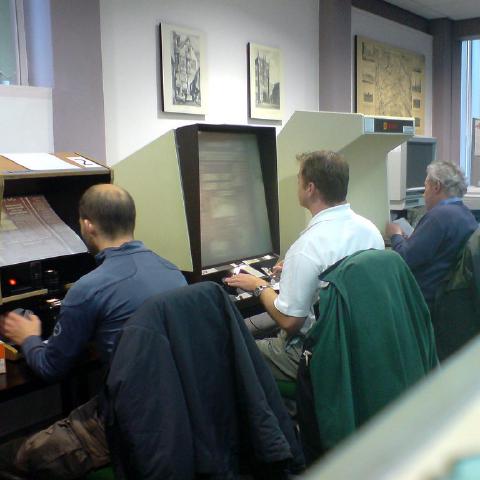
Dave Jones: Yeah. Yeah. He's doing, he's doing these posts on. Yeah. On LinkedIn. So you can follow his, uh, anyway, there's the tech have the microfiche, the microfiche collection. Really? You're probably too young to remember.
Chris Gammell: Oh, I know it is, but I, I never actually did it.
Dave Jones: You know, you never actually went to the library and looked and got a microfiche out and looked under the, on the microfiche machine. Oh, geez. Yeah. You haven't lived.
Chris Gammell: Really?
Dave Jones: I mean, uh, what about it? It was so exciting. Yeah. Things were kept because, you know, storage was a problem back then, you know, like digitizing and mass storage wasn't a thing in the seventies and eighties, you know, yeah, computers existed, but they couldn't, couldn't store Jack. Right. So yeah, the, you know, the, uh, the, well, they could store like a reference. So, you know, they could, they could tell you, you know, if you wanted a old, old, uh, newspaper or something like that, right. Instead of getting the actual newspaper, they, they would like photograph them and put them on these microficheers, which are tiny little microfilms, you know, just like in the spy movies, you know, tiny little, you know, like a, like an inch by an inch or something. So you couldn't read them without the use of, um, you know, a big magnifier machine. Right.
Chris Gammell: And then on that small piece, it would have like a full newspaper page, right?
Dave Jones: It would have the full page of the newspaper because yeah. And so they, because the resolution was killer because it was, it was killer. Yeah. Cause it's analog, right? Yeah. Yep. It was absolutely killer. There, there is a way by the way to map the effective resolution of film in, um, in terms of number of pixels in quote marks. There is a grain size or something as a grain size and, and other analoggy type factors. Yeah. It's not just great. Yeah.
Chris Gammell: I mean, at a certain point you get down to molecules and atoms and stuff, right? Right. Yep. Right.
Dave Jones: Anyway. Yeah. And you would, you know, get the microfiche and then they would not, not just have individual ones, but then they'd put multiple ones. I can't, like it was 10 by 20 or something on like a card. And then these cards would be, you remember the old flip, the card flip boxes at the libraries that would have all the information. Right. Right. Right. The card catalog. Yeah. So they would have the microfiche catalog. And, you know, so the computer often would, would, would have the index. So you can type, you know, cause computers are good at database.
Chris Gammell: This is where the Dewey decimal system comes from, right? No?
Dave Jones: Yeah. Well, duh. It does come from the library. But this is where they list. That's where they're listed. And they would list the thing. Yeah. Yeah. Yeah. Yeah. I can't remember if the microfiche ones use the Dewey decimal system as well, maybe, but I'm not, I'm not sure where, or whether or not that was limited to the physical materials rather than the microfiches. Anyway, they tell you and they give you a reference and you go to the microfiche catalog and you'd take out the actual microfiche and you'd stick it under the machine and you'd move it around like, like, just, just like a microscope. You'd move the stage around.
Chris Gammell: Yeah. Yeah.
Dave Jones: Right. Which is what it's called. The stage under this thing, it shines a light up and just magnify like a big hood. So you'd have, you know, you see all these people sitting there with their heads inside these big hoods, you know?
Chris Gammell: I feel like we're going to have to like call this, this episode, like old guy says old things. I hate to.
Dave Jones: Can we include like a photo of someone with their head inside a microfiche? Head inside a microfiche. Okay. Fish reader box. Microfiche. He's Googling head in microfiche. How do you spell microfiche? F-I-C-H-E?
Chris Gammell: C-H-E, I think. Yeah.
Dave Jones: Yeah. Oh, geez. I can spell. I must not be an engineer anymore.
Chris Gammell: Anyways, back to the story at hand. So there was a bunch of microfiche for Tektronix and Steve's doing this because I didn't actually remember seeing this article, but HP, a bunch of the HP buildings burned down.
Dave Jones: Oh, come on. We talked about that on the show.
Chris Gammell: Did we really? Oops.
Dave Jones: Yes. That was huge news at the time. All of HP's, all their original stuff, which they hadn't digitized and they hadn't put in fireproof safes.
Chris Gammell: I have a bad memory. Yeah.
Dave Jones: There was these huge bushfires. Yeah. Terrible. Huge. It's even worse than mine. Geez. That's saying a lot.
Chris Gammell: Oh, that was part of the, oh, that was when the HP bushfire. Right. Bushfire. The wildfires up in Santa Rosa.
Dave Jones: They're not called bushfires in Yankee land. Right. Right.
Chris Gammell: I didn't even know what you're talking about, Dave. Geez. Right.
Dave Jones: Okay. Anyway. All right.
Chris Gammell: So this is to basically protect this same thing, huh? Same, in the same manner? Yes. Yes. Okay.
Dave Jones: Exactly. Okay. They've started a crowdfunding project to raise $6,000. The vintage tech museum, not techtronics. Why techtronics just don't pony up the six grand? I mean, geez. Come on.
Chris Gammell: It does make sense. Seriously. It does make you wonder.
Speaker ?: Come on.
Chris Gammell: They give away scopes. Yeah. I mean, that's right.
Dave Jones: But they can't donate six grand.
Chris Gammell: I mean, and that's just like free content too. You know, you'd put that shit on the internet. Oh, of course.
Dave Jones: I know. We'll talk about it.
Chris Gammell: I mean, that's something, right? It's not worth much.
Dave Jones: It's not like, anyway, unbelievable. Anyway, we'll link it in. So if you want to donate to the Save Tektronics, they're up to almost four grand of the six grand goal.
Chris Gammell: Yeah. And if you're at Tektronics, tell someone. If you see something, say something. Like saving history.
Dave Jones: Do they have a chief archivist like HP did? HP actually had a chief archivist. Oh, really? Yeah. They had several people. I think maybe several people employed in the archive division and they still lost it. You know, like, yeah. I wonder if they're still employed there.
Chris Gammell: Oh, yeah. That's a good question.
Dave Jones: Anyway, there's three million pages of microfiche that includes service manuals, operator manuals, training manuals, marketing and sales brochures, which are great. I love looking through the old marketing sales brochures. I mean, I like the old ads. For sure. I love them. They're great.
Chris Gammell: Oh, you posted one. What is it? Did I? The Trash 80 Trash Talk? Yes.
Dave Jones: Right. Oh, yes. Yes. There's a podcast dedicated. Oh, really? Yeah. There's a podcast dedicated to the Trash 80.
Chris Gammell: Jeez.
Dave Jones: Niche of the niche podcast.
Chris Gammell: People think that we're niche, huh?
Dave Jones: Yeah. Yeah. Right.
Chris Gammell: All right. I bet some people here will like it, though, if they haven't heard about it.
Dave Jones: Oh, of course. Yeah. If you're into vintage computers, I'm sure you'll love the Trash 80. It's not called the Trash 80, is it? I'll have to. It's TRS 80 Trash Talk, it's called. Yes, Trash Talk, so they do play up on the joke of the trash. Anyway, what was I saying? Yeah, I love the sales and the marketing brochures. To this day, I regret throwing out, not only did I throw out every Tandy flyer slash Radio Shack, I used to collect them. Really? I don't know if you guys, did you get these in the States where Tandy or Radio Shack would actually release these? Were they monthly or twice a month or something? These monthly specials, the flyers.
Chris Gammell: Are you talking about the thing that's taped over the edge and they're just like the really super thin paper? Like phone book paper?
Dave Jones: No, there was regular paper, but they were all color printed and they were left like insert, like you can get them in the store, like you'd pick one up like outside the front of the store or they'd include it in one of the magazines or something like that.
Chris Gammell: So was it like newsprint though or was it like a one pager with a little heavier stock?
Dave Jones: No, no, no. It was like a 10 page brochure of all the specials for the month. Sure, sure, yeah.
Chris Gammell: I mean, yeah, they still have that kind of stuff. Like I know Micro Center, which has kind of taken over the hobby space at least around here. They do that too for computers and stuff.
Dave Jones: So do J-Car here. Yeah, okay. If you're walking to the J-Car store, out the front they have a stand with a five page catalog of the monthly specials.
Chris Gammell: So you would save those things? That sounds kind of quarter-ish. I would collect them. Well, come on.
Dave Jones: Like I was, no, I was like 10 or whatever, you know, come on. Oh, so like they're pretty old. This was my whole life, right? Oh, yeah. No, it's, yeah.
Chris Gammell: So why'd you get rid of them?
Dave Jones: You know, I was eight. I just, I was moving. Like I needed the space and I thought, why would I ever, like, why did I collect these? And like, like stacks and stacks of them. Like hundreds and hundreds of these things.
Dave Jones: Yeah, yeah. Yeah, like I spent 10 years collecting these things, right? Right. And then I just dumped them. And then, and then I had every, every, every, every Dick Smith and Tandy and Jcar and our Tronix catalog, right? Like their yearly catalogs, you know, the yearly ones, like the huge books, you know, the yearly ones. And I'd collect those. And I'd collect the, the, the Farnel catalogs and the RS component catalogs. And, you know, yeah, this was back, this was back when I had literally one whole room, one whole wall of my lab was just bookshelves because there were no PDS back then. Right, exactly. Right. I had hundreds and hundreds of data books.
Chris Gammell: It's been usurped by, you know.
Dave Jones: Yeah.
Chris Gammell: Data.
Dave Jones: And I've got old, old photos somewhere of my old data books. Right, right. Some of my old shelving. Yeah. And it's like, yeah. And yeah, it just got, and I got rid of all those. And I'm like, I am so sad that I did that. Anyway, but what the hell am I going to do? Actually scan them in, you know, like.
Chris Gammell: Well, yeah. I mean, there's no real reason. At least, I mean, at least with historical stuff, there's, there's actual reasons to do that, you know, whereas here, not so much.
Dave Jones: See, I'd love that. I'd love, especially like the old sales brochures, I'd love to be able to go through and like, because I do videos, you know, I do videos on all sorts of retro gear and, and to have access to those kinds of stuff, you know, at the moment, I'm kind of limited to like Google image search, you know.
Chris Gammell: Yeah.
Dave Jones: Although I know there are lots of like online magazines and stuff, you know, all the magazines from the seventies and eighties, they're pretty much all online now. So you can go flick through individual. Yeah. Archive.org has a bunch of that stuff and you can, you can see some of that. I mean, other websites we're pointing to.
Chris Gammell: Yeah. And you know, your library, a lot of times, like they'll, they'll, they actually bound those up and they'll, they'll, you know, have them at the library. So. Right. At least my central library does down here.
Dave Jones: And I, yeah, I think it's great. Anyway, there you go. We have to, we have to do that. Have to save the tech, scanning all that tech stuff. Yes. That's awesome. Otherwise they're just, you know, like when you need some obscure service manual from the 1970s, you know, it's, it's almost certainly in here. Oh yeah. You know, this is tech comprehensive, you know, thing and you've got to, it's all or nothing. You know, you've got to do the whole Blinken lot or, you know, zippity do da.
Chris Gammell: Where do they get the, where do they get the 6,000 from? It seems like that would be a lot more expensive to qualify that stuff. You know what I mean?
Dave Jones: Yeah. I don't know. Maybe they've got some automated rig or something. Yeah. Hopefully. Oh no. They're, they're buying the microfiche scanner. So the microfiche scanner costs $6,000.
Chris Gammell: Oh.
Dave Jones: Right. Got it. Okay. Yeah. And it's probably some automated, you know, you whack it in and then it, as, as I said, there's like multiple ones on the one microfiche.
Chris Gammell: Mm-hmm.
Dave Jones: Right. That's why it's such an expensive machine. Cause it might have 10 by 20 full pages in this tiny little size. And it's like, yeah, it's like, you can't just move, move them around by hand. It's probably got like a motorized stage or something like that. It'd be nice if they included the link to the machine and we could have a look because we're, we're nerds. Right. Right. That's what we do. Right. I have also noticed this. Yes. I am as interested in the machine that scans these as the, as the actual.
Chris Gammell: Yeah.
Dave Jones: Microfeatures themselves. Anyway, it's a you caring, I don't know why they just didn't use, you know, one of the more popular known crowdfunding things, but it's called you caring.
Chris Gammell: Oh, that's the, the name of the, okay. That's the name of the website. Yeah.
Dave Jones: Yeah. It's raising the money. Anyway. Cool bananas. Yes. Excellent work. Yeah. Excellent work. Vintage tech museum.
Chris Gammell: Let's move to the present. How about that? And maybe even the future a little bit.
Dave Jones: Really? Do we have to? It's so depressing.
Chris Gammell: Yes, it is. Maybe you don't care about this one, but Apple, Apple is moving away from Intel and moving towards the, the prophecy that was put in place by, by Chris. Really? Remember? Intel, Intel moving to a, a foundry and a, a foundry model. Right. Okay. That's my, that's my prophecy. Well, they can do that.
Dave Jones: They've got like half a billion, half a trillion dollars in cash or something.
Chris Gammell: Who does? You know? Apple. Oh, I said Intel moving to a foundry model.
Dave Jones: Oh, sorry. Oh, sorry. Yeah.
Chris Gammell: Right. I just think that as they, they keep losing people that are like moving away from, unless Intel starts making arm chips, but I don't think they, they will. You know, it's just a, you know, in terms of the actual like laptop market and then obviously they already lost the iPhone market. It's, it's pretty crazy. So yeah, we'll see what, we'll see what happens there. I mean, I don't really care about the financials, but the, the actual, like pretty much at this point, like the reason people should care that are listening is there, you know, that, that actually could be a benefit is if the Intel switches to a foundry model, because right now the only other foundries, not the only foundries, but the big one is like TSMC. And if Intel opened up and they're like, Hey, you can get some of our sweet foundry action. Right. Then, you know, lead times could go down and stuff like that. Since everybody is, is, uh, what do they call that? Fabulous. So all of the, you know, the individual companies are fabulous. You need more foundries to actually enable fabulous stuff. We'll see. I don't know.
Dave Jones: Anyway, Intel sold Wind River. I didn't even know Wind River was part of Intel, but meh. Yeah.
Chris Gammell: Well, I think that was a, uh, I think that was a, uh, move, you know, they moved into embedded and they moved back out again. Right. So I'm sure they'll try that again. Don't worry about that. Yeah, of course. Yeah.
Dave Jones: It'll come around because, you know, these executives need to be seen to be doing stuff. Gotta do something. You know, whether or not it's, you know, you gotta, you can't just sit there and go, Hey, I'm an executive. You know, you've got to be, you've got to make some decisions to do stuff. Right. And if you're not doing stuff, then obviously people think that.
Chris Gammell: You gotta merge things. You gotta acquire things. You gotta merge them. Yeah, that's right. And merge them. And then de-merge them. Yeah, exactly. Divesting, investing. Divest. That's it. Yeah. Thank you. Right, right, right. Yeah.
Dave Jones: And, um, yeah, in other weekly news, got five thumbs up. Foxconn buys Belkin. Yeah. Who make, you know, like less shittier computer peripherals.
Chris Gammell: I don't know about, yeah, well, I make no judgment on that.
Dave Jones: They make, well, they make okay. You know, like if you buy a Belkin, you know, it's probably going to work and it's going to be reasonable quality.
Chris Gammell: You know? I don't actually know that, but okay.
Dave Jones: Okay. 866 million. Yep. Um, yep. Anyway, um, yeah. But, but that's interesting. Like, like, hang on, going back to the Apple thing for a minute. Yeah. Apple are going to, like, they're using Intel chips at the moment, right?
Chris Gammell: Yeah, mostly in their, uh, in their laptops. So that's the main thing, right? Right. Versus like iPhones are, and iPads are already, you know, their, their own A9, A10, whatever.
Dave Jones: Their own army, army thing. Right. But, but their laptops, right? Their, their, their OS is built around the fact that it runs on an Intel architecture, right? Mm-hmm. So does that mean that they're going to make, they, they have to be making Intel clones, right?
Chris Gammell: Uh, you mean like x86 based chipsets?
Dave Jones: Yeah, they have to, it has to be an x86 clone, right? Am I wrong?
Chris Gammell: I think in theory you could retarget it towards a different, you know, architecture, right? You can target an ARM architecture on the, on the lower end, right?
Dave Jones: But can they just spin an OS like that, that, that easily?
Chris Gammell: Well, let me reach deep into my programming knowledge here.
Speaker ?: Yeah.
Dave Jones: We're just going to use this new 68,000 processor based modern equivalent. We're going to target the 68,000 processor, you know?
Chris Gammell: I think with. It would just be a new compiler. Now that's not obviously.
Dave Jones: Yeah. Very well thought out. I don't know, anyway.
Chris Gammell: Yeah.
Dave Jones: Yeah, but it's an operating system, you know? It doesn't get any bigger.
Chris Gammell: No, I get that. That's huge. But I'm just saying that like, it's, it's still like, still getting compiled down to something, right? So there's still. Yeah, of course. Yeah. I'm trying to think of.
Dave Jones: In theory, if you write your software correct and as high level, it shouldn't matter which thing you target. But because an operating system has to take care of all the hardware variants. It's like, you know, but Apple are better in that respect that they don't have to worry about clones and all that sort of crap. So they're, they're hardware.
Chris Gammell: It's pretty, you know, I'm just thinking of other computer platforms. Like, so like Debian runs, it can run on x86. It can run on AMD stuff. Right. But then it also runs on things like ARM processors, right? Because that's what runs on a BeagleBone. It runs what's runs on a Raspberry Pi.
Dave Jones: Yeah.
Chris Gammell: So that's just targeting different platforms as far as I understand it. Right. So that's just different compilers. I'm trying to think back to the episodes where people have educated me on this stuff and I'm still real shaky on it, but I think that's just at the compiler level. And, uh, and actually there's been really good, um, a lot of actually really helpful comments for people in the past couple weeks and months. Uh, like when Scott was on beep boop beep editor's note, that was Scott Shawcroft in episode 383 beep boop boop. We were, me and him were talking about, uh, compilers and debuggers and all that stuff. And there was a lot of really good, um, a lot of really good comments about, interpreted languages versus compiled languages and stuff like that too. So I'm not going to try and attempt to explain it to you because I, yeah, but, uh, right, exactly. But I, but as far as I understand it, you know, like the, I would think that an OS that's something that's closer to the hardware, right. It would be, it needs to be compiled. So it runs quickly and then stuff also is running interpreted on top of that. Right. That's not right.
Dave Jones: I'm just not going to, I'm not even asking you.
Chris Gammell: I'm asking the audience.
Chris Gammell: Yeah. Don't worry about me. Don't worry about me. I'll, I'll put some links to the, uh, the good explanations from the, uh, should we talk
Dave Jones: about Tesla going down the gurgler?
Chris Gammell: Ah, we could. Uh, what do you know about it?
Dave Jones: Starting to go down the gurgler?
Chris Gammell: I know. What do I know? My car has not been recalled because I can never, uh, yeah.
Dave Jones: Well, yes, they did actually recall the Teslas. Right.
Chris Gammell: But, but not mine. But not mine.
Dave Jones: Right.
Chris Gammell: Yeah.
Dave Jones: And, uh, uh, they, yeah, but that's, you know, only part of their problem. Their problem is, is that they're just not making money. They are not a profitable company. It looks like they're going to have to get a $2 billion investment from someone just to stay afloat, um, and actually deliver the model threes and that they're trying to do. It's like, yeah, this company is, yeah. As sexy as the company is, as good as their products are, if you're not making money, you, you don't last. Like there is no free pass for that.
Chris Gammell: No. Uh-huh. You know?
Dave Jones: Yeah.
Chris Gammell: Are you, are you quoting a story here or is this just from, just from news?
Dave Jones: Yeah. It's not on the list. It's just in general news and stuff. Got it. Okay. There's, it's been going on for like the last six months. Um, like they're, and Moody's, I think Moody's, uh, rating agency downroated Tesla, downrated Tesla stock to, you know, it's just. Oh, the stock. Okay. Crap. You know? Like it's a, well, yeah, they're ratings of it. It's just, yeah. Don't buy it. It's like sell now, you know?
Chris Gammell: I'd never, I mean.
Dave Jones: All right.
Chris Gammell: If you were, if you were invested in Tesla stock, you were already okay with like a lot of speculation, right? So. Oh, true.
Dave Jones: But you know, like it's been a long time now and, and it's, it's, it's actually, it's finally come to the head where this company has to make money or they're going to go under. Got it. Like seriously, in two or three years time, Tesla could literally be out of business.
Chris Gammell: Wouldn't be unheard of. I mean. Oh, no, no, no. They probably would get bought by a, you know. Oh, yeah. No, no.
Dave Jones: It's not like, yeah. Someone would buy them up. Of course. Right.
Chris Gammell: So where did, where did they come from? I was thinking like there was something with, uh, the recall was based on self-driving, but that's not, that was Uber. You made a video about the Uber thing, right?
Dave Jones: The Uber thing, which we, which we should no doubt talk about, I guess.
Chris Gammell: I really didn't follow it. So, um. Right. Yeah. But that's not what the Tesla recall is, right?
Dave Jones: No, no, no, no. The Tesla recall is just for a rusty bolt or something, you know. Oh, okay. In, uh, in, uh, high salt environments or something. Um, like a bolt can rust. Yeah, take that, Californians. Right. You hipsters.
Chris Gammell: You want to, you want to play, you got to, you got to play in the Midwest where we salt everything. Right. Yeah. Yep. Oh, man. Anyway, it's like, it's a voluntary recall. Yeah. I've been looking at the, the, the car stuff too. Like I'm soft working on a pro I'm helping with a project. And like, every time I think of it, like the load dumps and all of that stuff in the car electronics, I'm, it never ceases to amaze me. The stuff that, that cars have to deal with, you know. Oh yeah. No, it's amazing. It's, it's, it's serious engineering.
Dave Jones: The Tesla model three looks to be like a really killer car. Like it looks to be really nice, but yeah, if they can't make them like they're, they're having problems, just the capacity of making these things, you know.
Chris Gammell: Well, this is their, this is their, their shift into consumer more than like high-end consumer. Right. Which is a, a lot of people talk about like, at least with the, the, what it started with the roadster, then it went to model S and now it's going to the model three or model X in between whatever. Right. Yep. Just like so much infrastructure to get from this one point to another, you know, like how long did it take the other car companies, you know, many, many, many years. Yeah. Yeah.
Dave Jones: 50 years, you know. Tons of investment. To optimize their processes. Yeah. You know, so, but they, but the fact, the bottom line is they can churn out cars quicker and more, more cars quicker and cheaper than Tesla can. And, and that's going to be the bottom line of whether or not they stay afloat. Right. Anyway.
Chris Gammell: Yeah.
Dave Jones: Self-driving car technology. Yeah. Should we talk about it? Cause we've talked about it quite a few times on here and I've always said that it's not going to happen anytime soon. Everyone is wrong.
Chris Gammell: That is true. You, you have said that. I've been consistent on that. I thought that was just general pessimism, but yeah.
Dave Jones: No, no, no. Yeah. No, it's not. It's based on my engineering.
Chris Gammell: This plays well into your, yes. Yeah. Okay.
Dave Jones: I, you know, I, I, I don't just, you know, not just pessimists.
Chris Gammell: The LiDAR, the LiDAR failed though, in this case.
Dave Jones: It looks like the LiDAR failed. It, it, it had a LiDAR, which is a laser ranging sensor thing, which maps in front of the car. Yeah. And it had a radar as well as the optical cameras and all three failed to pick up a person walking their bicycle in all practically ideal practical test conditions.
Chris Gammell: Right. It wasn't snowing. It wasn't raining. Cause it's Arizona.
Dave Jones: And the road wasn't curving. There wasn't other traffic. There wasn't other objects swerving in front to distract the algorithms. Right. It was like, it was open road at night. They were the only two objects on the road was the car and the pedestrian walking their bike across the multi-lane highway.
Chris Gammell: I think this is why I avoided it too. Cause they showed the footage, didn't they?
Dave Jones: Oh, they, they, they showed the footage. Yeah. They actually released the footage.
Chris Gammell: That's messed up. That's real messed up.
Dave Jones: Um, and, uh, and it just failed to detect them. And, and they've shut down. They're now banned. Um, all the, uh, were banned from the state. And that was a big thing. Cause, uh, who was it? Um, Texas? No. Oh, Arizona. Arizona. Thank you. Um, yeah. Arizona said, Hey, step right into our state. You can test drive your prototype cars here and there'll be no red tape.
Chris Gammell: Don't worry about that. They are. Well, they're very, uh, against regulations, I suppose. Right. Right. Okay. Yes. Don't want to, don't want to go into political stuff too much. Uh, but they also have huge ass roads. Like, so if you ever, so actually I have this, I have this weird tick where I've, I've been
Dave Jones: to Arizona. Oh, you have. Okay. So you've been to like Phoenix and stuff like that. Yeah. I drove through.
Chris Gammell: Okay. Um, I get really creeped out by really well planned, like really well urban planned cities.
Dave Jones: And why, why, why do you get creeped out? It just feels too artificial.
Chris Gammell: It always feels like it's a, the beginning of a zombie movie, right? There's just, it's always barren. Uh, there's, you know, like downtown areas are always kind of like just empty and quiet. And like, some people really like that for me. It's just this weird tick. I don't know what it is. And, uh, I really don't like it.
Dave Jones: For me, it's the Truman Show suburbs. You know, these new suburbs that spring up and you swear they're straight out of the Truman Show. Yeah. Right. You know, and, and I'm always saying that, oh geez, this is very Truman Show. Yep. You know, driving it like, yeah. Yeah. I know what you're talking about. Yeah. That actually.
Chris Gammell: That happens probably a lot in Australia too, right? Where the, the property values, uh. Yeah. Require perfection. Yes. Right. That's it. Right. Okay. So anyways, the, you're saying that the, the conditions were good. The state allowed it in. They wanted to encourage. They weren't just good.
Dave Jones: They were ideal. Got it. Yeah. The state wanted to encourage investment in there and they, so that's why Uber moved there. Got it. And to actually test their, what are basically prototype cars and they just let them loose on the, on the roads. That's messed up. And also Uber, I linked in to my video, um, that I did two videos on this, that Uber, their autonomous car division was not going well. Um, like a year ago, like 40 engineers left or something.
Chris Gammell: Ah.
Dave Jones: It was like, yeah, they were having troubles. This was a year ago. Got it. Got it. Um, so I'm not sure if that, you know, um, if, if that actually contributed to the incident or not, I, you know, I wouldn't like to speculate. But they're having problems. Right. Um, with the top management of the autonomous car division. Right. Because, because they know, Uber know that's the only thing that's going to save them. That's another company that's going to go down the toilet and vanish in a couple of years.
Chris Gammell: I mean, the valuations are just through the roof. It's insane.
Dave Jones: And, and they've never made money. They're losing money. They're hemorrhaging cash. Right. How do you hemorrhage cash when you're number one in the business and your model is like a software based, like, wow.
Chris Gammell: You gotta, you gotta pay those lobbyists something. You know? Right. Uh.
Dave Jones: Anyway, so they, they know the only future for Uber is to get the drivers out of the loop. Got it. Right. So they want for, that's why they're betting, betting the farm.
Chris Gammell: So tell me more about the, the LiDAR. Cause I will, I will make a call back to the, uh, so when Clifford Wolf was on the show, uh, back in whenever the hell that was, uh, he was, so he used to work on LiDAR and he said that it's very unlikely that LiDAR would be the technology that enables self-driving cars because of interference from one car to the next. And obviously that's not the scenario, but I just think that's relevant.
Dave Jones: And I, I think that is, yeah, I would probably have to agree with that. Like you can't have a spinning laser on the roof of every single car driving on the road.
Chris Gammell: They'd have to communicate with one another. They'd have to, yeah.
Dave Jones: It'd be insane. Yeah. Um, and every, everyone would have to be individually unique pulse coded.
Chris Gammell: You'd have to like frequency hop or something weird. Yeah. Yeah. Yeah. Right. Right.
Dave Jones: So they don't interfere. And then even then the sensors are still going to get swamped with the other stuff. Yes. You can discriminate, but then your update rates probably on a drop. Exactly. Right. From, you know, from 50, um, maps per second down to five maps per second and then bang, you know, you're going to smash, you know, you're going to drive into someone. Right. Right. Because your update rate wasn't quick enough to process.
Chris Gammell: Well, that's the other thing that's interesting about, about the laser stuff too. Like you don't really operate in the frequency, like you can do PWM in with a laser, right? But you can't, and you can, you know, frequency module in that way, but you can't modulate. I mean, I guess you could change the light frequency, like by changing the.
Dave Jones: Well, no, you would, you would have to, I would presume you'd, you'd have to encode it. You would have to put a digital, a unique encrypted code in there that matches your car. Yeah. So that the receiver knows if that, if that code doesn't come through, oh, that light is not from my. Right.
Chris Gammell: But that, that encoding is still from turning on and off. Right.
Dave Jones: On, on and off the laser. Yeah. Right. I'm saying that like in. There's no other. In RF, right? There's no other.
Chris Gammell: You're shifting around, which in this case would be the equivalent of shifting the color of the light, right? To actually change the frequency.
Dave Jones: You would have to do that because you can't do amplitude modulation. Right. Like that, that's just, just, that's just stupid. That's not going to work. Right. I mean, that is amplitude modulation. Amplitude modulation of surface, just the reflection of the surface. Right. Exactly. As the surface moves, it's going to amplitude modulate. Yeah, it is. You know, right?
Chris Gammell: That is the method, huh? Yeah.
Dave Jones: Exactly.
Chris Gammell: Right.
Dave Jones: So, yeah, I, I totally, I totally agree that that's probably not the solution, but hey, that's what they got. That, that's why I believe the Google autonomous cars are moving to a completely optical camera based system.
Chris Gammell: That's interesting. Yeah.
Dave Jones: Yeah. They're moving away from, like they started out with this and they probably realized, yeah, this isn't going to scale. Yeah. I mean, I guess there's just interference.
Chris Gammell: There's always interference events though, right? I mean, like, yeah. Like, so you think about, like, I guess, I guess, you know, I'm thinking about in terms of, in terms of like communication methods and stuff like that, there's always retries and stuff like that. And I guess with a LiDAR rotating type sensor, you get like another go around, right? You get another, you know, another rotation.
Dave Jones: You get so many updates per second. Yeah.
Chris Gammell: Sure. But if you had like, say you had like a blinding light source in that frequency range, wouldn't that be pretty detrimental to all the cars in an area?
Dave Jones: Yeah, probably.
Chris Gammell: Yeah.
Dave Jones: But, you know, I'm sure they have various, you know, filters to filter out just that frequency, just that light frequency. But yeah, it can, sure they can get swamped. Yeah. You know? Okay. And then you'll get people like, you know, just shining torches at cars for the, you know, just to, you know, kids, you know, playing. And hey, let's just like shining, shining a laser pointer at a helicopter, you know? Right. Right. Like just for, yeah, let's stand on the overpass bridge and turn on a floodlight, you know? Yeah. Yeah.
Chris Gammell: Kids are stupid. That's true. All right. Yeah. Anyway, so. If there are people out there listening who are experts in this area, we'd love to talk to you. I mean, I mean. Yeah. Yeah. That'd be great. Ask that you, you know, have some, some bona fides, but you know, if you're, you know, if you're in this space, I will actually make another call back to Tom Lomence as well, who's a past guest. He's in the car space. That was a long time ago. And that must've been in the hundreds. Yeah. I remember. Jeez. Yeah. Hundreds of episodes. But he's, I talked to him recently and he's, he's still doing car stuff. So. Cool. Not sure if he can talk to us about it, but.
Dave Jones: Hmm. Anyway, I'm still at like, they've been saying, oh, in a couple of years, it's going to replace cars. Bullshit. It's not even going to be a decade. No, no, no. You and I have talked about that too. Right.
Chris Gammell: And you said that, right. Cause I, I said that I thought Sagan wouldn't be driving. Right. If, if he, you know, was going to drive a car. No.
Dave Jones: Sagan will be driving an electric car, I believe. Right. I think they will. I agree with that too. Yeah. Right. Probably. Hopefully. Yeah. You know. Yeah. Yeah. Like I can see that happening, but no, a fully autonomous car, not going to happen. Not going to happen. By the time Sagan drives, right. Which is another, let's say another 10 years. Right. Yeah. Yeah. 10, 11, 12 years. Right. It's just not going to happen. Yeah. Not going to happen.
Chris Gammell: That's, uh. Yep. Unfortunately true. I mean, like.
Dave Jones: And it was not going to happen before this Uber thing. Right. Now, after this, like everyone, like some people have to sign off on this. Right. Can you imagine you're a politician and you're going to sign off? Yeah. I'm going to allow autonomous cars on the road. It's your ass on the line.
Chris Gammell: Sure. Sure. You know? Yeah.
Dave Jones: It's like. But I mean, like. Okay.
Chris Gammell: So like, again, like the thing that, that always comes up and I always think about is like, like this is obviously a tragedy. Like it's always a tragedy. Yep. But until, I don't, I don't even know. I don't even know how it's going to translate. Right. Until, until accidents are proven over and over again, that it's not the car's fault. Right. Which is not the case here. Right. Right. Then until we get into that space where it's like, well, we can prove beyond a reasonable doubt that it was not the car's fault, that this was just an incident. And yes, someone still died. Until we're in that space, you know.
Dave Jones: Well, that is the thing. That is the point that all the, um, all the critics of my point of view. Right. Say, and all the pro autonomous cars. But they say, do you know how many accidents there are of regular cars? Yes, I do.
Chris Gammell: Yeah. Right.
Dave Jones: Of humans going fail. Right. But no, no, no.
Chris Gammell: The onus to responsibility is based, is, is on these car makers for sure. Yeah. No, I agree with that.
Dave Jones: We expect, like, we, we, we as humans who drive on the road expect other humans to make mistakes. And that's a price that we're willing to accept. Right?
Chris Gammell: Sure. There's not really a choice at that point. Right. No, there's a lot. Right. Yeah.
Dave Jones: That's why we have registration and training.
Chris Gammell: Things going 100 kilometers an hour are going to cause other things to die. Yes. That's right. Right.
Dave Jones: But we expect, but that's why it doesn't make the news when there's a car crash.
Chris Gammell: Right. Right?
Dave Jones: It's because, like, you know, we, we, we kind of accept that because we're human, but we expect our technology to be better than us. And like it or not, that's what we expect. So we expect these autonomous cars not to make mistakes. And when they do, it's a big deal. And that's why this Uber accident is such a big deal. And you can say, yeah.
Chris Gammell: And it will continue to be until, until they can prove that it's not the car's fault. And at some point, I think that there will be scenarios where, you know, the car does everything that is programmed to do. It was the right move. They're going to prove that. And they're going to be like, well, someone still, there was still a fatality, which is like shitty. No, no, no, no. Of course. Yeah.
Dave Jones: Of course.
Chris Gammell: Right.
Dave Jones: Yeah. But no, if these things are implemented on a mass scale there, it's going to be carnage.
Chris Gammell: Yeah. I'm, you know, it shakes my confidence a little bit. I would get into one, but I'd be like, can we go on a test track? Yeah.
Dave Jones: Yeah, exactly. Exactly. And it's, yeah. So that's why I think like autonomous cars will happen. Right. But it is, it's decades away. Decades.
Chris Gammell: Not years. I have no, I have no measure. Yeah. You know, you know me and future predictions. You know me and future predictions, Dave.
Dave Jones: Ah, yeah. Chip printer. Have we got that yet?
Chris Gammell: Not yet.
Dave Jones: Yeah, exactly. Not even bloody close. Not even bloody close.
Speaker ?: As I called it.
Dave Jones: It won't even be another 20 years before we get it.
Chris Gammell: It's bullshit. Right.
Dave Jones: Right. Come on.
Chris Gammell: Okie dokie.
Dave Jones: Jeez. Anyway. I can't believe you're not willing to use your engineering judgment.
Speaker ?: Anyway, it's other things on the list.
Dave Jones: Anyway.
Chris Gammell: Yep. What else is on there? Oh, we have some more. Well, there's other 3H meetups. I know that this doesn't really affect you because you don't do meetups, but there are now four. There are four 3H meetups in the US.
Dave Jones: Remind people what 3H means.
Chris Gammell: Hardware happy hour. It's where you show up, you drink beer or not, and you talk about hardware. Very simple format. Does not require any, you know, outsized socialization. It's basically show up, nerd out, and yeah.
Dave Jones: Are you supposed to bring stuff? Of course. Oh, it's like requisite.
Chris Gammell: Yeah, you have to. Right. You know, like we talk about all the time.
Dave Jones: Yeah, yeah. Yep. Is that a requirement? It's not a requirement. Before you even get in the door?
Speaker ?: No, you're not going to require it.
Dave Jones: Are there like two big nerds at the door garden? Right. You ain't coming in, buddy. Right, exactly. You know?
Chris Gammell: Yep. You're not on the list. You're not on the list. Yeah, it's... No, but there's four cities now. Austin, Houston, Seattle, and Chicago. If other people are interested in starting one, please give me a shout. I'd love to talk to you. Basically, the way it works is I just set it up on Meetup, and then you do everything else.
Dave Jones: You're in the franchise business. Oh, yeah.
Chris Gammell: Yeah. Franchising those free Meetups. Nothing like it.
Dave Jones: Got to be a way to monetize it. Come on. Yeah.
Chris Gammell: What you do is you sell the merch, Dave. You sell the merch. Right. Sell the merch. Yeah, right. Which I don't know if we... Have we mentioned... We've mentioned, surely, that we have t-shirts for sale again?
Dave Jones: Probably not. I don't recall.
Chris Gammell: Okay.
Dave Jones: We've mentioned not on the show. Okay. But yeah, we're using a new mob. Yep. Printful.
Chris Gammell: Printful. Printful. That's it. Yeah. You can get t-shirts. You can actually get the Wydler poster. And t-shirts fund the show. Wydler poster funds a STEM charity, TBD. And yeah. Basically, you can buy various Amp Hour paraphernalia if you'd like it. So we'll put some links down in the comments below. Do you have your shirt, Dave?
Dave Jones: I got my own shirt. I didn't get an Amp Hour shirt. I'll order one. Because I've only got...
Chris Gammell: You're running low?
Dave Jones: I've got two. I've got one of the old ones. I've got one of the old bone-colored ones. And I've got a black one.
Chris Gammell: That one. Yeah.
Dave Jones: Yeah. I liked that. Okay. That one's really awesome. Maybe we can make another one. Yeah.
Chris Gammell: Actually, I posted a picture of our... Did you see that tweet about the various old prototype logos?
Dave Jones: Yes, I did. Yes. That was excellent. Yeah, yeah.
Chris Gammell: Our wonderful artist, Rachel.
Dave Jones: I can remember when we first got that. You were so excited. You got it back. And you sent them all to me and go, which one? Which one? And secretly, you would already pick one because it was so obvious. And I picked the same one.
Chris Gammell: Yeah.
Dave Jones: And went, yeah. Yeah. Yeah. That's it. It was...
Chris Gammell: That's the way to find consensus is, you know, you load the deck. Yeah, right. Yeah. All right. What else on the list? Anything else?
Dave Jones: Nah.
Chris Gammell: Not really. Dumpster hacking you did. DigiKey returned Clippy.
Dave Jones: Someone put my dentist thing on the list, did they?
Chris Gammell: Was it me? What was that?
Dave Jones: Oh, yeah. It was me. Yeah. That was you.
Chris Gammell: Because that was gross, man. That wasn't gross? What? You put gross stuff on your channels. You're just a wimp. I totally am a wimp. Yeah. I don't like big open cities. And I don't like medical or, you know, human stuff.
Dave Jones: How do you survive in this world? I mean, you know.
Chris Gammell: I'm a sheltered person, Dave.
Dave Jones: All right.
Chris Gammell: I live in my little nerd cave here and I only emerge. And you're too scared to go in an autonomous car. That's right. Exactly. Yeah. I'm not getting out there. I'm not living. I'm not living. Yeah.
Dave Jones: If you're not living life on the edge, you're taking up too much room. What's that from?
Chris Gammell: That's from a movie. That's got to be from a movie, right? No. No? Okay.
Dave Jones: No. It's just a quote of mine.
Chris Gammell: Okay. Let's see. There's a couple tours.
Dave Jones: So you didn't watch my surgery. You didn't watch my knee surgery.
Chris Gammell: No, that's what I was talking about. The initial. Yeah. Yeah.
Dave Jones: What's wrong with the dentist? So you see him come in with a big syringe and stick a needle in my thing and it'll get the drill. Yep. Really? Yeah. It's like, it's nothing.
Chris Gammell: Yeah. Sorry, man. Unbelievable. Let's see. So there was, oh, Mick had a good MQTT based panel video. That's a good one. I'm just kind of going to run through the links here. And I guess this is what I could probably do with that link video, huh? Or that link newsletter thing.
Dave Jones: People will get them in the newsletter. Yes. Oh, historic Intel photos. Yes. Oh, you know I like history. Yep.
Chris Gammell: So we'll have all these in the thing. I actually really like the prepared interview with Danielle from Bantam Tools, formerly Other Mill. That was a really good interview. What else? Oh, a soft bank might sell ARM. I guess that's a piece of thing. We'll see. That's just a rumor.
Dave Jones: Oh, that's just a rumor. Yeah. I mean, that was big when they bought them. It's like, because the guy who owns, I can't remember his name. Is he a Japanese guy who owns SoftBank?
Chris Gammell: It's like a, it's a big investment group. So it's. Yeah. Yeah. Huge. But they all, you know, they also invested in Uber too. So that's the reason. Right. Right. So.
Dave Jones: They're going to lose their coin there.
Chris Gammell: Yeah. Probably. Yep. Yep. Yeah. Yeah. So anyways, I guess the rest of people can just go and sign up for our newsletter. So that's a, that's a good one. Groovy.
Dave Jones: That's it. We're on time for a change.
Chris Gammell: Yeah. We did it. Cool, man.
Dave Jones: We, we, we had to dump for people who, um, we're back on Mumble again.
Chris Gammell: Ah, they don't care about that.
Dave Jones: They don't care about the technical details of recording our show?
Chris Gammell: No. Oh, God, no. No. Okay. In the survey, they're all like, just talk about electronics. That's all we care about.
Dave Jones: Ah, right. Yep. We did though today, like at the beginning. We talked about it and then we got into autonomous cars.
Chris Gammell: We totally talk about electronics today. So like more of that, more of that in the future. Probably. All right, man. Talk to you soon. Catch you next time. Bye.
Speaker ?: Bye. x x x x x x x x x x x x x x x x x x x x x x x x x x x x x x x x x x x x x x x x x x x x x x x x x x x x x x x x x x x x x x x x x x x x x x x x x x x x x x x x x x x x x x x x x x x x x x x x x x x x x x x x x x x x x x x x x x x x x x x x x x x x x x x x x x x x x x x x x x x x x x x x x x x x x x x x x x x x x x x x x x x x x x x x x x x x x x x x x x x x x x x x x x x x x x x x x x x x x x x x x x x x x x x x x x x x x x x x x x x x x x x
Archived Discussion (5)
Comments are closed. Archived from the original site.
Show archived discussion (5)Hide discussion
AppleCompilerFoxconnHPIntelLEDLIDARRFIDself-driving carsTektronixTeslaVoyager
Keep current
Every episode, plus the occasional job post, in your inbox.
http://sam.zeloof.xyz/
I would assume if they changed it would be to some ARM derivative like they use in all the other iDevices.
I would assume there is a LOT of shared code between iOS and Mac OS X. This shared code would mean the transition should be a lot closer to just 'recompile'. They probably have all the 'driver' code to interact with ARM specific devices already.
There are three areas where this could be problematic: Software, Hardware, and hardware-specific-software.
Software: There is a lot existing software for macs that is compiled for x86. Think photoshop, office, .... The vendors would need to recompile their code (and deal with any porting issues) for it to run natively(i.e. optimized/fast) on the new CPU. As a transition Apple could provide an x86/x64 emulator to run the old programs. This is what they did in the PPC->x86 transition. Software engineering has improved over time, so it is easier to make portable software. Also, the culture of 'updates' means getting people to move to newer/recompiled versions might be easier.
Hardware: The main area where Macs use hardware that is not controlled by Apple is video cards. Back in the PPC days you needed to buy special versions of video cards that had firmware that worked on Macs. This might even have been true for a while in the x86 days. Things like EFI are supposed to make this kind of thing a thing of the past. Is it? I am not sure.
hardware-specific-software... aka drivers. Basically following on from the last point, will the vendors (intel/amd/nvidia) be willing to (help?) create drivers for the new architecture?
Also: here's a plausible optimistic take on Tesla finances: https://www.youtube.com/watch?v=BHS0H5AwGjU - Why Tesla won't run out of cash