
#384 – A++++++ Will Buy Again
Download episode · 58 MB
Also on Apple · Spotify · YouTube · RSS
Show Notes
- We're trying out Zencastr
- Bidding jobs vs hours
- More Free Energy
- The Hackaday Prize is back in 2018
- Google NSynth
- New Raspberry Pi
- Broadcom/Qualcomm deal falls through
- Intel might buy them instead
- Lead times are still off the charts
- A+++++++++ Will Buy Again
- "The Silicon Garden" - A way to share parts locally (via an ICO?)
- Dave has been thinking about soldering after his review of irons.
- Louis Rossman had made a response video about it
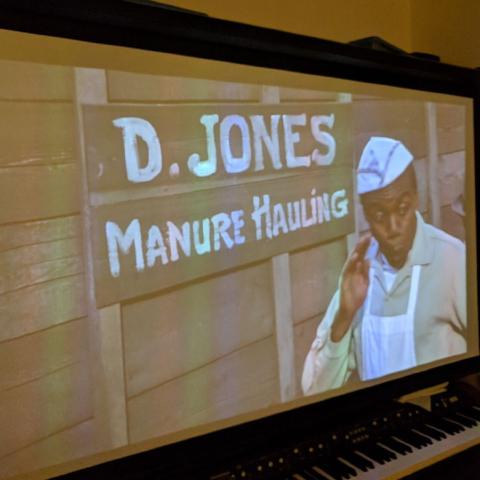
- DJones, Manure Hauler
- Measuring 2 nv/sqrt(hz) noise via LinearTech
- Stephen Hawking has passed away
- Martin Lorton is back from NC
- Microchip will be buying MicroSemi
Transcript
Narrator: This is The Amp Hour Podcast. Release March 18th, 2018. Episode 384. A++++++++ will buy again.
Dave Jones: Welcome to the Amp Hour. I'm Dave Jones from the EEV Blog.
Chris Gammell: And I'm Chris Gammell of Contextual Electronics.
Dave Jones: Coming to you via a new app. Well, I don't know. You call everything an app these days, don't you?
Chris Gammell: Right, right, right. Welcome to web.
Dave Jones: What is it? Web 3.0 or something?
Chris Gammell: I think we're in like 9.0 maybe, yeah.
Dave Jones: 9.0 web or something. For how long have we been using Mumble?
Chris Gammell: Mumble has been our trusty steed for many years. Four or five years at least. Four or five years at least. Maybe more. I don't know. Yeah, it's got to be. Because what did we start? Long-time listeners at least know that we're talking about it, right? Yeah.
Dave Jones: Yeah. Okay, for those who don't know, when we first started the Amp Hour, like eight years ago or something, we started using Skype. Skype was shit. And it was terrible. And it was just, yeah, awful. Then what did we go to?
Chris Gammell: Hangouts for a little bit.
Dave Jones: Oh, Google Hangouts, right? Yeah, just for the audio, really. And there was another package.
Chris Gammell: I'm sure there was. I'm sure there was, too. We've had many iterations and many problems over the years. And Mumble has been great. It's based on VoIP program. It's for gamers.
Dave Jones: And for gamers, yeah, whatever. And yes, but it looks like we're going to ditch it. We've ditched it for this show. So we have ditched it for Zencaster.com. Zencaster without an E. Obviously, they couldn't get the E in there. Of course. No, no, no. They own it. It redirects. Oh, it redirects. Okay. Much worse. Zencaster without an E. And damn, I've been using it for five minutes, and I am thoroughly impressed.
Chris Gammell: It is amazing what people are doing with browsers these days. I think it's just the pervasiveness of JavaScript, Dave. I fear to say it. Right.
Dave Jones: And it's just... Anyway, for those who don't know where, Zencaster is a web-based podcasting system. And hang on. My mic's a bit loud. I'm going to play it and turn it down. There you go.
Chris Gammell: See, there you go, Dave. Instant feedback.
Dave Jones: Right. Anyway, it's a web-based podcasting program that allows us, especially people who run a podcast, to not only talk to each other and record it as well. And there's lots of automation in the recording as well. You said it automatically sends you a Dropbox link. It processes at the end, automatically sends you a Dropbox thing.
Chris Gammell: Yeah. It just drops it in my Dropbox. Yeah.
Dave Jones: With the two separate audio files? Or does it mix them? No, no. Yeah. Separate. Oh, great. Great.
Chris Gammell: And... I mean, Dave, we can't keep telling people how easy podcasting is now. Right. Okay. No, no, no. This is magical. This is magical.
Dave Jones: This is secret squirrel stuff, is it? Yeah. Right. Yeah. Hey, I'll tell you what, though. My waveform on here is displaying a live waveform as we're recording in the browser. It's great. It doesn't seem to match the levels that Audacity is seeing.
Chris Gammell: Yeah.
Dave Jones: So, anyway. I'm impressed. Well, so this is new. Yeah. Yeah. So this is good.
Chris Gammell: Yeah, we should not bore people with it. But we'll try and...
Speaker ?: No, no, no.
Dave Jones: But the idea... Like, this is the thing, right? We want tools, especially when, you know, we have a guest on. That guest knows shit about podcasting, right? And we don't expect them to, right? They know nothing about audio recording. They know nothing about, you know, anything like that. As you'd expect, even a technical person wouldn't know about this sort of stuff generally. So... Even us? Yeah. Yeah. So we have to, you know, give them detailed instructions on how to run this Mumble program, install it, run it, tweak the settings. There's all sorts of technical settings inside there. And it's just, you know, it isn't easy. Whereas this thing, we just give them a link. Go to this URL. It says, do you, you know, can we access your microphone and hard drive, I think. And it just works. It just works. Like, it's magic.
Chris Gammell: I think this is going to be kind of pervasive in the electronics thing, too. Because, like, we're going to... So, like, even with the Beagle... Well, we're seeing that. The Pocket Beagle, right? Like, that's basically you... So we've had Jason Kreidner and Robert Nelson on the show. Yeah. Well done using last names, yeah. Thank you. Thank you. But basically, like, when you boot that thing up, I was very confused at first. But you just go to WebPage. It's not like there's no install. There's no nothing. You just open up a WebPage. You're already interacting with hardware. That same kind of thing.
Dave Jones: Well, isn't that the embed platform?
Chris Gammell: No.
Dave Jones: You know, it's all WebBased?
Chris Gammell: Oh, yes. Yes, the Embed is all WebBased interactive.
Dave Jones: Yeah, so it's got a WebBased compiler, WebBased editor as well, doesn't it? And all sorts of...
Chris Gammell: Yeah, but I think you still have to go... And, like, once it compiles it, you download the file and then drop it onto the hardware, which is, like, mapped as a mass storage, I think. Right. And I think that part's a little bit different. Not saying that it's not possible eventually. I don't think it actually ties in your hardware yet. Right. I think that... But, yeah, that's probably on the way, too. Okay. Yeah, that high-level to low-level tie-in. I mean, not like this is a super low-level tie-in, but, you know, this is, you know, hardware pretty much talking right through the browser. It's, Dave, I fear to say, JavaScript may be in our future. I know. No.
Dave Jones: JavaScript. What? No. Isn't JavaScript ancient?
Chris Gammell: Well, it is.
Dave Jones: All the cool kids are using something else, aren't they?
Chris Gammell: Well, there's, like, all the... Like, JavaScript is still the base. We're already dipping a toe into a thing that we're not... that I'm not in. But, yeah, no, there's a lot of different packages and, what do they call them, frameworks in there, but it's all JavaScript-based still, I think. But, yeah, I guess this shows some of the benefits, so...
Dave Jones: And we were talking about this before the show in that we're happy to pay for tools like this. We're, like, done with trying to, you know, use free tools to get shit done. It's like if the best tool costs, you know, like... Well, there's a limit, of course, you know, like, I've been bitching about, you know, the CAD tools and how expensive they are and stuff like that. Yeah, it is.
Chris Gammell: It's kind of mixed on which ones, you know, we pick and choose where we are willing to do that kind of stuff, right?
Dave Jones: Yeah, but something like, you know, $10, $20 a month or whatever to, you know...
Chris Gammell: I think, yeah, I think that's the key thing is that it kind of sneaks up on you, right? Like, those kind of small things where it's like...
Dave Jones: Yeah, and then you end up with 20 different $10 a month, you know, software plans, right?
Chris Gammell: Right, exactly, yep.
Dave Jones: But if they get the job done, you know, I mean, that's part of doing business, right?
Chris Gammell: Sure, yeah, I guess so. I think some of that, too, is, you know, you and I getting a little bit more mature into the podcasting thing, under the water. You know, obviously, we have our wonderful Patreon sponsors who help us out with stuff as well. So it's like, the resistance isn't there anyways.
Dave Jones: Yeah, and when you do something for so long and you, you know, you find a better way to do it, you get frustrated with the old, you know, way, you know, when something hits, you know, like, this takes care of a lot of stuff that we had to dick around with before, endlessly.
Chris Gammell: Right, right, when you see the value right there. Yeah, and that's an issue, too, of like, when you see the value and it solves that problem right away. I was reading an article, but I forget what it was. But it was, it was talking about, like, you'll, I think it must have been like a consulting type of article where it talked about, you'll never make, you'll never make as much money as a consultant as you will when you're, like, offering a solution to a problem. And I think in the hardware world, that would be like, you know, either bidding, you know, bidding hours, right? Saying like, oh, well, this will be estimated 40 hours at 100 bucks an hour. Or, or you can say, you know, you do the, what do they call it? Like the job bid or the, what do they call that? Yeah.
Dave Jones: Yeah.
Chris Gammell: Right. The spec, like full spec bid, you know?
Dave Jones: That's exactly what it is. You, a job, they're, they're called a job when you bid on the whole thing. Exactly. And so I'm going to pay you.
Chris Gammell: You say, I will deliver this thing with, with the following specifications. $10,000. Exactly. Right. And if you finish in 10 hours, nobody cares, right? Because it's.
Dave Jones: Yeah, exactly.
Chris Gammell: You're done, you know?
Dave Jones: But, but if you go over, you have to eat that, you know?
Chris Gammell: Exactly. Yeah. And that's the, that's the danger when you don't know. That is the risk. What it is. Yeah. Yeah.
Dave Jones: And, and that's probably the most popular form of subcontracting, you know, when you, because most things are job based, you know, most of the, I need this widget actually designed. How much is it going to cost me? And, you know, if you come back and say, well, it's going to cost you a hundred bucks an hour for an indefinite amount of time. Yeah. You know, like. Maybe not. Yeah. Yeah. They're going to go to someone who can give them a firm, you know, a firm job quote. Right. So that's, that's just the way it works.
Chris Gammell: I, I, I, I see my friends, my friends who are consultants who are, you know, getting up there in years to not in, but like in years of experience and they, you know, they've done enough times too, where they, they get better at the estimating piece. Cause that's.
Dave Jones: At estimating. Yeah. It's, you know, what is it, you know, you do your best quote and then you quadruple it or something. Like in, in, in terms of hours, you know. Yeah. Right. Yeah.
Chris Gammell: Yeah. I mean, I guess that all kind of builds into that, that, that job price that you're talking about. Um, and materials and materials and everything else like that, but you better be damn sure you might get it right the first time or hope they, hope they change the spec halfway through so you can re re quote it.
Dave Jones: Well, you do learn pretty quickly. Well, you do learn pretty quickly. You know, if you start as you start as a contractor doing job bidings, you do learn quite fast. You know, how all this works. yep all right so enough of that
Chris Gammell: yeah web stuff yeah
Dave Jones: oh I've got a they just keep coming dude they just keep coming the free energy people I've got another one oh I saw you
Chris Gammell: I saw you yeah
Dave Jones: another one last night wanted me to you know yep and it hits all it hits all the free energy jackpots it uses magnets and motors and springs and gravity and you know like and
Chris Gammell: you know this is a this is a positive feedback loop you have here Dave if you keep if you keep talking about it
Dave Jones: right
Chris Gammell: you know the people are gonna be like oh Dave's always talking about free energy I don't know like the keywords are there so like he must like it
Dave Jones: I'm foolish enough to engage them you know
Chris Gammell: there you go there you go
Dave Jones: well because I I want to help you know like I want to explain to them look you know nobody's gonna take you no credible person is going to take you seriously right and they're not gonna entertain your idea and you know look find a better
Chris Gammell: have you made a video about this yet of like the the checklist of things that you should do to show that it's not free energy
Dave Jones: I yeah I probably should maybe this is good video this is a good
Chris Gammell: this is good video content right here it's like right yeah but the Dave Jones the Dave Jones 10 step 10 point plan to to to getting past my BS filter
Dave Jones: because being the you know the engineers slash science people that we are science is a collective thing even though we're scientists science is a loose
Chris Gammell: loose science
Dave Jones: loose science you know engineers implement practical things they don't do basic research oh yes applied science right
Chris Gammell: yes
Dave Jones: yes so that's the that's the difference and we don't and but like I can like I don't want to discourage people from doing research into things because that's bad but you know you have to mix it with a dose of reality you know when people spend their entire life you know working on this perpetual motion machine you know it's like you know like yeah maybe someone might crack over unity one day I'm not saying it's you know it's it's flat out impossible but it ranks right up there with impossible based on all current evidence you know so the odds of you cracking it are you know nothing basically right right so yeah I mean you're you know it's like winning a lotter you're practically guaranteed to lose your money you know you lose your time money and waste your life working on this thing yeah but if but if that's your hobby and it floats your boat who am I to tell you to stop you know but I do try and so I don't tell them to necessarily stop but I do advise them that hey you know nobody's ever going to take you seriously sorry you know right it's just not going to happen and and and that's their problem they they need somebody credible to validate their invention otherwise it's for zip right otherwise it's just a big circle jerk on on YouTube or a free energy forum right and they all just sit around and pat each other on the back and you know yay look at you know they post a video demonstrating their free energy machine they pat each other on the back and reference each other so it's a big circle jerk reference you know thing and there's even conferences for this stuff where they actually you know publish papers and reference each other you know and it's sort of like yeah unfortunately it's all for naught
Chris Gammell: I wonder how you control that the most you know anyway you should go to one man you should go to one
Dave Jones: I love those websites that you know the free energy websites and people who try to look authentic because they've published these papers at these conferences you know and it's just hilarious yep and it's this free energy conference
Chris Gammell: I'm telling you you should go you should go and you should you should be like I should go man on the street I should have a hidden mic right no not even hidden you should be like you know I should be genuinely
Dave Jones: yep turn up the free energy division
Chris Gammell: of EV blog you know like
Dave Jones: I could yep
Chris Gammell: there you go buddy man on the street oh
Dave Jones: that'd be great but you know it'd be yeah it'd be like you know someone like turning up to these rallies these days and trying to interview people and they're just going berserk you know and it's like and you just sit there grinning you know like as a you know as the interviewer you know you're just like oh yeah yeah interviewing these batshit crazy people you know so
Chris Gammell: yeah it's just not not not in my to-do list I'll tell you that you know right but then again I'm also not indulging them so yeah yeah
Dave Jones: I don't know just being being very searchable I get a lot of this stuff you know it's not it's it's just constant you know most of them you know most of them aren't you know like there are some who are really serious but they're you know few and far between like the guy who offered me you know money to you know money and flights to Canada to you know evaluate his thing and all that sort of you know those you know these people are willing to spend money on this serious but most aren't you know most are just yeah look I've got my lead and I've got my little circuit and it powers the lead from a triple-A battery for a week isn't that magical
Chris Gammell: well if they do get it they should enter it in the Hackaday Prize that's the best I could do Dave sorry that was the best
Dave Jones: is the Hackaday Prize like the patent office who will refuse to accept any over unity things now I don't know I don't know what is that well they haven't probably haven't been approached with it
Chris Gammell: yeah maybe I mean
Dave Jones: they do have a power
Chris Gammell: harvesting challenge so there you go number three
Dave Jones: do you or do you let them submit it and let their idea die in the marketplace of ideas I guess so
Chris Gammell: I think that's a hard thing too like I mean like so I you know people know that I used to be involved with this a little bit and like it's tough it's tough judging things from video in the first place right like unless you're hands-on with stuff it gets really tough to actually evaluate what's a good entry and what's not right because you could show you could show charts for days but a lot of that stuff can be faked yeah but you can get
Dave Jones: a spidey sense I just work on my spidey sense
Chris Gammell: no no I get I get all of that but I'm just saying that like when you've got a lot of you know if you had 50 people put in something about power then you know and then one of them is
Dave Jones: right okay oh right okay and it's all on there they're all on the same subject you know
Chris Gammell: right yep yeah
Dave Jones: so how does it work this year do they have what is it there's an energy harvesting is it all about that or is there a section five different sections
Chris Gammell: five different categories open hardware robotics power harvesting human computer interface and musical instrument and basically each one is hang on
Dave Jones: but why would you have a category as open hardware wouldn't they as part of the contest all kind of be open hardware yeah I think that that might be the open the most open of them that's a category right
Chris Gammell: that's like that's like the one where it's they always have one that's you've contributed
Dave Jones: the most to the community right
Chris Gammell: no no no I think it's like an anything goes type of idea
Dave Jones: right oh okay
Chris Gammell: right so so they've done that in the past where they have specific
Dave Jones: oh maybe it's not open hardware as in open source hardware licensed hardware maybe it's just open project is that like anything goes is that
Chris Gammell: no I'm saying that I mean yes and yes and yes but I'm just saying that like it's if you're gonna have an open anything goes kind of competition or section you can just call it open hardware and as long as you know what I mean then anything anything literally does go as long as you publish the plans
Dave Jones: or you can enter into one of the specific categories if you want
Chris Gammell: that's right yep yep so yeah build hope
Dave Jones: you know like okay you know it's kind of grown when I hear that you know it's just I don't want to use the word new like it's almost like a way you hate hope you're like no yeah no everything's hopeless yeah nihilist you know you believe in nothing
Narrator: Lebowski yeah
Dave Jones: I don't know I just like yeah hope and save the world and yeah okay fine it does
Chris Gammell: I mean I do agree that after you know after seeing this for many years that you know the whole save the world you know idea like it is
Dave Jones: right yeah
Chris Gammell: it starts to lose its efficacy but I
Dave Jones: yes it does yes so but that's
Chris Gammell: the idea is still the same I think so that's that's good and you know money so I don't think they can just be like win cash right money money good luck to them uh what's the prize tell us the prize yeah it's uh 50 grand of the top prize it goes 50 20 15 10 5 so those are the oh yeah
Dave Jones: I see just cash none of this fly to space rubbish
Chris Gammell: right yeah right yeah straight up money so you know and this is tough too so like the things that I've seen in the past too is like so if you're starting from scratch it's it's tougher than someone who's like so say you've been working on a project that already fits into this right so say you've been working on a robot for for five years you know you're allowed to enter that and if you and if and if I'm going to do it from scratch that that becomes kind of difficult in that case but the thing that I've always seen is that the ones the projects that do well and the thing that people don't realize is like if you're going to enter a contest like this usually the beginning is just documenting it really well which again is is tough for some people but like you can get pretty far with you know having a a decent idea documenting it at least you know just the idea getting on camera which is usually the tough part for people like actually talking on camera and like yeah being a little bit like interested in what you're doing and uh if you do all that stuff you'll get pretty far to start with and uh you know and then you know you might be able to win some money to buy parts and stuff like that so so that's the that's my advice as an outsider now
Dave Jones: absolutely yeah I I do like the categories actually like they've got a a musical instrument category so if you're into you know if you make music
Chris Gammell: yeah
Dave Jones: you know projects and stuff like that which is still a huge big field you know oh yeah um
Chris Gammell: I just saw oh I didn't post this
Dave Jones: do it yourself
Chris Gammell: oh man so google uh just did they just released one it was made it was like called the n synth I think but the reason it came up in my in my feed is because it was made with kai cad and someone was was um the the board itself was made with kai cad and I think it works with the raspberry pi let me send you how do I send a link does that work for you that might does that work oh yes I can see you okay yes cool um yeah so uh this is a google project and it's pretty I mean it's pretty uh you know it's it seems like a problem searching for a solution type of thing but it's using like um uh machine learning to basically it analyzes like all of these sound clips looking for a problem right yeah right um so it analyzes all these sound clips of like a flute right and then it analyzes all these sound clips of like a snare drum and what they do is basically they can like use this device that they created the nsynth to basically merge the two together and slide slide between them so you can like hit a key on a midi keyboard and it'll sound like a flute and then you kind of like drag it down between the two and it basically maps this weird new sound and that's kind of cool right
Dave Jones: okay yeah I mean it's like isn't that like isn't that like that that's not new in the industry surely
Chris Gammell: no uh yeah you're right uh but the idea is that basically if you feed enough stuff in you can basically map everything without having to actually write the code right so if you break down so if you look at the the uh you know the sound waveforms for like a flute right there's some characteristic frequencies if you're just blowing right across the top of the flute for like a middle c it's gonna have some frequencies right but the idea is that every time you change your lips or you know you blow differently across it that you introduce all these new frequency components that it would just be very very difficult for human to actually map each one out and that's kind of as you looked at the you know instruments over time they had the things that sounded like flutes but then the timbre was different and and again I'm sure the synth people are probably freaking out while listening to this and hate me but like all of like all of the other things that you can map to it you couldn't make it sound exactly like a flute the idea I think here is that if you analyze enough of these the sound way like the waveforms that are out there that it would kind of back calculate how to then generatively make a flute sound and then you could start to merge it with the same thing happening on a snare drum so the idea being there's a new piece of hardware that's out that looks kind of fun so we'll post a link to that so does
Dave Jones: it do it in the hardware is it like a like an Intel computer in there and it does you know the the stuff I mean can you I presume this would just run on your desktop as well wouldn't it I mean it's just a software thing really I mean it's not the hardware that's doing it
Chris Gammell: is it I thought I saw it was like
Dave Jones: magical hardware
Chris Gammell: analog hardware that looked like that plugged into a Raspberry Pi I thought I saw that
Dave Jones: okay and I think the
Chris Gammell: the hardware that was plugging in was the stuff that was made in KiCat so it's all open source there's a huge there's a huge project on online we'll link people to cool yeah yeah here we go
Dave Jones: so someone at Google was was that their free time project or were they it was was that no this is like I
Chris Gammell: project you know I was talking to some about like what like why why did they even do this right yeah I feel like some of these projects are like well we had these really brilliant AI you know scientists type folks and we don't want them to work for the competition so just let them go whatever the hell they want to do this yep yeah and I think I think that's that's kind of what this feels like here we go so all the in although the instance super isn't available for purchase Google has offered directions to make one from scratch using Raspberry Pi so there you go so you can okay make your own right speaking of Raspberry Pi there and it is Pi Day when we're recording this the Raspberry Pi Foundation announced a new a new Raspberry Pi today what hey I think it's
Dave Jones: actually pretty fun so excited I'm going internally berserk okay
Chris Gammell: so here's the interesting thing our buddy our buddy John's gonna like this John oh crap what's his name the one down in Melbourne Superhouse John what's his last name Oxer there we go Jonathan Oxer sorry brain fart whatever man you get you get to remember one because you're
Dave Jones: in Australia I get to remember one last name for
Chris Gammell: a change yeah yeah there you go don't you feel good but this new this new one is power over Ethernet support so that's
Dave Jones: kind of cool for what so
Chris Gammell: the the new Raspberry Pi supports power over
Dave Jones: oh right oh it's got a built-in right uh well it
Chris Gammell: says a separate hat but like basically it'll work
Dave Jones: oh god separate hat whoop-dee-doo yeah you've already been able to buy those sorry these these announcements are just getting boring all right
Chris Gammell: let's see what else we got three times the wired and wireless network throughput that's good uh more firepower on the uh 1 1.4 gigahertz 64-bit quad-core ARM Cortex-A53 CPU I don't really know what any of this stuff means but
Dave Jones: uh yeah yeah yeah oh okay don't be that guy
Chris Gammell: Dave seriously uh anyways I'm sure this is good uh cool happy Pi Day yay uh so
Dave Jones: hang on it's our weekly takeover thing now into I haven't heard this Intel a bid in for Broadcom now didn't the the Broadcom and what's-his-name merger was just vetoed by Trump right
Chris Gammell: uh that's correct yeah and they there's actually a uh they officially have withdrawn their offer as well so I'll get a link for that um yeah so that's that's not going through there is still the possibility that Intel oh wait no that's what you were asking that's what you were saying right is it Intel might buy yeah we'll
Dave Jones: see considers you know or is just to make the news it's just I think it's probably just to make the news I mean that's a big yeah yeah yeah it's huge but they yeah um but the White House actually vetoed that based well their official reason is based on security concerns you know because right just because
Chris Gammell: of monopoly stuff um yeah well
Dave Jones: and you know it gives it big because and because the bidder was owned by China right it was like well that effectively you know means China buy buy them out you know so yep and there and they've got key technology in in the new 5g segment and that's going to be the new you know thing right the 5g future and all that sort of wank um and yeah they just said nope nope yeah I don't
Chris Gammell: really understand 5g I know I'm not supposed to say that having work you know now that I work in cellular um but uh yeah I don't quite get it yet so oh well I think it's a bit fuzzy I think yeah it doesn't matter I think
Dave Jones: the term's a bit fuzzy no it's
Chris Gammell: just I often quote you I you know I often say until you until you can buy something it doesn't really exist you know so uh I think I think we're solid digi key yeah I think we're solidly in that that realm I mean right yeah uh okay so Intel might buy Broadcom cool uh what else there uh I'll tell you what
Dave Jones: here we go we can talk about soldering which like to talk
Chris Gammell: about soldering oh I was okay we uh we can no you don't seem excited well no no no I was I was gonna bring something else up to with regard to the the Intel Broadcom whatever thingy so so this is kind of something I want to talk about today in general as well because I was just chatting this afternoon with um about lead times right so that's a common thing that we talk about here and and we're we're at like the the 40 40 week lead times these days uh are we that's that's what yeah that's what some of the stuff that's been quoted um so oh we're we're back to
Dave Jones: the 90s are we yeah I mean that's
Chris Gammell: what it kind of feels like yeah and and so it was interesting because the the person I was talking to about this was giving me some perspective is that he basically said you can tell who's using like TSMC as well because it's so clogged up there that like everybody has the same the same lead times and so it's interesting because now um it you know again this is one person's assertion but it seemed to make sense to my ears of like uh you know going with someone like an Intel right so now Intel still owns their fab capabilities right and people have said that's kind of crazy that they still do but that means that now they do yeah right exactly but but like that also means that you know they have a competitive advantage in that way obviously there's there's huge amount of overheads for that but but like competitive advantage so so I was even asking about like so like Altera versus iLinks right is Altera a better choice now because Intel has their own capability right right exactly it's iLinks uses TSMC and so it's possible that like that could end up impacting delivery now no one would ever make that decision you know first off once you're in you're in the ecosystem right you're not gonna be like it's not like you're gonna be like oh oh we're switching that's a huge huge deal right but but at the same time you know there might be there might be advantage for people that are already in that ecosystem that I I just never really considered to be honest um you know so I was asking him about uh just like so like like like you and I have talked about on the show here before right like ST parts are tough to get like STM32 is a very popular part like you know for your your DMM and I was asking like well is there anything I could do to if I was gonna design one in is there anything I could do to like prevent lead time stuff he's like well
Dave Jones: up front that and that's what he said
Chris Gammell: yeah exactly yeah duh I mean but like that's still not non-intuitive to me you know what I mean because like I think I think the other thing might be you're
Dave Jones: probably young enough young whippersnapper to have been brought up in the age of you know the age of availability right yeah whereas you know 40 week lead times where of course it is you know like back in the day yeah for me so they're like there's nothing new there see I guess the
Chris Gammell: difference though is like I feel like in the old days the the 40 week lead time because it was because it was a expectation that buying a custom not a custom part but like a non-standard part there there was no real penalty to that right so if you buy you know the the most obscure of the the package types and the fastest speed grade and you know they're making just one you know they're making it for maybe five customers right it doesn't matter because yeah you're all doing wait for starts and whatever but these days you know there are legitimate sources for quasi you know quasi available parts in distribution you know there are some parts that are more popular than others and if you design around that yes right now we're at the 40 week lead time thing but it still seems like it's disadvantageous to design in a part that is is so obscure that you know first off it might go obsolete you know because they might figure out that oh well now instead of five customers there's four customers or three customers but also that uh you know that you're at the back of the line right and there's no way to fast forward by buying out of distribution
Dave Jones: then you know what I mean right right
Chris Gammell: so tough titties yeah I know well I feel like the ultimate response is kind of what you're saying right so is buy it so that you design it in buy it hold it sit on it whatever right sit on the sit on the stock you have yeah simultaneously put in the order for nine months from now when the parts are order for the yeah which is crazy that's super crazy yeah yeah but you
Dave Jones: can always resell them maybe you know that's and that's what he was saying too might want this ultra he was saying like
Chris Gammell: you could even you know if you have payment terms you don't have to pay until later right so like this is a right this is a distributor person
Dave Jones: right you're gonna get like 30 days you
Chris Gammell: know well he said the payment doesn't fire until uh until you receive them
Dave Jones: again I've never until oh of course I've
Chris Gammell: never done this so I'm gonna say I'm gonna claim ignorance on this one but but he was saying that like yes what you could do is you could put in the order and then you know if you don't need it you don't need it right uh right again that that might contribute to the if everybody did that that might also contribute to the problem uh of like you know false demand so I'm not saying that you should do that but I I just never even considered doing that and uh because I've just never I've never you know bought enough on my own you know like to if I'm buying it's 10 at a time for for my builds and if yeah of course if I'm designing anything that's of significant volume it's my company doing it there's someone else in charge of that so I've
Dave Jones: never done that I had to pay back in the day when you know I was buying things through arrow and stuff like that uh-huh I do I can remember pony up right away yeah I had to I had to pay I had to pony up I
Chris Gammell: think huh so you didn't have you didn't
Dave Jones: have payment terms or was it no no maybe it was just a purchase order yeah maybe they just wanted an official purchase order you know on your company letterhead and all that sort of stuff right right you're on the hook and they put in the order with the fab fab yeah yeah right right okay yeah maybe I'm it's yeah it's been it's been like 20
Chris Gammell: years yeah right but that's the thing like and that's I've never done it so and you've done it but it's been long enough right so I'm sure there's people out there that do this kind of stuff all the time but I this was just a new converse a new conversation for me so um it was it was very enlightening this person was very very helpful and smart
Dave Jones: yeah and thank you unknown helpful enlightened person well I didn't tell
Chris Gammell: him I'd be you know saying his name
Dave Jones: right of course yep it's cool but it
Chris Gammell: was another interesting thing he said is that if you if you were sitting on a store what did he say he's like if you were sitting on a store of capacitors that you bought for less than you know a tenth of a cent each or you know much much less and then you would sold them each for a cent each because you could probably get that price these days you know you could make just a literal bucket of money you know you could just you know this it's just all margin right now it's it's crazy because it is so tight so yeah maybe if you're sitting on some parts maybe they're worth gold you never know folks there's not really any resale markets that I know about though like because it's you know like it's it's kind of shady
Dave Jones: you'd have to sell them on you'd have to sell them on ebay yeah right kind of right I don't think is it if anyone knows is there like a go-to marketplace where you can sell your own semiconductors and other parts like or is it just ebay the thing right but yeah but every anyone with any sense knows oh shit buying parts from ebay fake right exactly right that
Chris Gammell: would get abused immediately right that would yeah I did have an idea but there's
Dave Jones: ways to make your you know there's ways to appear much more genuine than some you know shenzhen market stall on ebay you
Chris Gammell: know like there's but is there a way to
Dave Jones: actually be more genuine it's the art of yeah well there's the art of you know there's the art of selling on ebay oh well
Chris Gammell: here we go now we're in dave's wheelhouse
Dave Jones: it's yeah you've just got to appear genuine genuine ee blog a plus plus plus plus plus
Narrator: plus plus plus plus great experience will buy again yeah yeah no that's just
Dave Jones: you know people can like it's it's a spidey sense thing yeah you know people can tell if you know if if you're a clueless moron or somebody who knows their shit right and and and people who know their shit just like will appear more genuine yeah right so you know it's it's just one of those things right we're like
Chris Gammell: where you have a uh well test equipment type thing right i'm sure we're like where they're like powers on led lights up that's like all they say it's like that does that doesn't really tell me
Dave Jones: much whereas no look so like if i came across if i was looking for parts on ebay and i came across an ad from a seller and they said look you know i'm i i bought these parts for this project and they go into detail about why they have the parts you know where they got them from maybe they could even show a purchase receipt you know and and stuff like that you know and and nice close-up photos of all the things and then you know you're going to be pretty sure that that person's genuine because nobody else on all of ebay would go to that effort right to appear genuine enough to sell those parts you know it's like you can be pretty confident that that person's not full of crap yeah right unless they got diddled by but you know if they publish if you're buying if you're buying the
Chris Gammell: parts about silicon inside of them to initially right yeah yeah yeah that's
Dave Jones: the old case ram chips were back in the day but you know there's so there's ways to appear genuine like that so sure and
Chris Gammell: i'm sure that oh dare i dare i say it dave oh god am i really gonna say this
Dave Jones: well i don't know yes you you are gonna say it i'm gonna go ahead and say it's
Chris Gammell: like it's like it's like on the oh man i don't want to do this you know i'm sure eventually something something blockchain
Narrator: no we went there
Chris Gammell: wank word bingo 2018 or 2017 yeah oh yeah
Dave Jones: oh yeah right yeah no actually so i
Chris Gammell: actually did so like when i was doing supply frame stuff i i was thinking about this like just because you think about down the street right so like you know usually you have like an office park where there's maybe hardware people you know if you if you had some way to know who had who had stock and they were willing to sell you parts it'd be a nice thing to know at least right but but no one wants to really share that information there's no reason to say like oh well i've got a bunch of you know like from a from a security standpoint as well of like oh i'm sitting on you know 150 grand worth of parts you know at some point that actually becomes you know a risk to your company but aside from that you know like and no one wants to give them up either right because it's like it's
Dave Jones: like next week we will be announcing The Amp Hour ico oh god please no the The Amp Hour coin no dave that tracks that tracks inventory no using
Chris Gammell: smart contracts and yeah no yeah yeah yeah come on dave we're gonna go on dave just take it on yourself ev blog coin
Dave Jones: ev coin well it's got to be better than the bloody doji coin you know i mean
Chris Gammell: jeez come on no no no it's got to be
Dave Jones: more credible i don't i don't want to i
Chris Gammell: don't want to go into that i get so upset when i talk about that like all those bitcoin millionaires oh i don't
Dave Jones: want to why because you missed out yeah yeah right it's all jealous pure
Chris Gammell: jealousy not it's not the the broey douchebag nature of it all anywho um so i think i think the real thing though is like if if that was going to work right say say you and i were like down the street from each other like there's no reason like there's a reason that you're holding on to parts yourself as well right you wouldn't want to give me your parts because then what if you have need the next week right
Dave Jones: it's like yeah it's a community um part farm just like you have community gardens yeah right right is that the right silicon garden.com silicon garden there we go yeah that'll be coming next
Chris Gammell: week yeah yeah right yep silicon garden
Dave Jones: jeez we're full of shit ideas we are
Chris Gammell: really bad if only we could yeah now if we if we
Dave Jones: had a .com for every time we've considered you know what oh boy anyway yeah
Chris Gammell: um let's move on to something else
Dave Jones: as i said soldering let's move on soldering yeah of course you said that
Chris Gammell: yes sorry go ahead yes go ahead
Dave Jones: hardware topic yes because i was i might shoot a video today uh because um i did a soldier in iron shootout you know hako versus weller right i have a new you know hundred dollar class soldier in iron you know and then um lewis rossman he just did a response video i haven't watched it all but i've watched parts of it he did a response video to my video saying well they're shit old technology well you know you shouldn't buy them at all kind of thing um and you know uh which he kind of sort of has a point if you're in his business of course height lewis by the way yeah
Chris Gammell: um he's in a very special and people don't know he's the the repair guy if
Dave Jones: you're in if you're in the business like he does he repairs eight layer motherboards you know and plus that sort
Chris Gammell: of stuff
Dave Jones: eight plus yeah yeah no of course you know like yeah he repairs you know phone uh well mostly uh laptops and things isn't it these days i think yeah yeah anyway yeah like that that's his you know that's his thing no if you're in that if you have those requirements no you wouldn't be buying the it's but it's not only class because soldier and irons are divided into two classes for those who don't know which soldier and iron do you own chris uh i'm still
Chris Gammell: on the aoe 937 pretty much a rip-off
Dave Jones: ah rip-off of the haiko yeah right yep
Chris Gammell: right but it's 60 bucks on on amazon but
Dave Jones: the reason i have that that's pricey i
Chris Gammell: mean what what is well you can buy it
Dave Jones: on to you can buy it for 20 bucks on at hobbyking.com you can buy the haiko 936 rip-off on hobbyking for like 20
Chris Gammell: bucks i mean i was just doing on amazon it was for my course i just kind of suggested one for you know getting started and easily accessible so shipping matters
Dave Jones: sometimes day anyway so right so you you have the ancient technology yes ancient um i mean what the hell's in there right
Chris Gammell: it's basically it's a transformer right it's a very variable transformer and then like a resistor at the end right with a
Dave Jones: thermocouple yeah yeah no but it's here therein lies the difference the devil is in the detail right there are two different classes of soldier and irons one is those type which are the indirect heated ones where you have your ceramic heater element in there and the tip fits over or slides into and makes contact with that ceramic element right so there that's and that's where the thermocouple lives in that
Chris Gammell: in that element and and the thermocouple's
Dave Jones: wedged in there somewhere right right the thermocouple's in that depends on the construction every manufacturer has their own way of doing it or there is the modern way in quote marks which is the uh the ceramic uh the the the element the temperature sensor is all integrated into the tip so when you change the tip you change the element and the sensor as well and because it's all engineered all in the one unit you get more direct feedback so you don't have to go through like air like you know a contact thing got it and and and the way you can tell if you're soldering irons one or the other is easy the uh the old school ancient technology ones have just the tip like you know like you you screw your thing off and and there's just the tip itself it's all a bit like there's no contacts on it there's no it's just like a
Chris Gammell: piece of molded metal right i mean that's
Dave Jones: the idea it's just a piece of plated metal you know yeah cast plated metal oh yeah
Chris Gammell: cheap cheap and then the end is tinned
Dave Jones: right yeah right right that's it and the other type actually has they're they're usually long you know really quite long and they've got the contacts on the end on the shaft so that way you can you know so it's obvious that when you take the tip out it's got these contacts on it you know it's got got it the heating element and everything built in so there's there's two different classes and what are the what are
Chris Gammell: the the price differences there because i i've actually i've never used the latter
Dave Jones: generally the price differences in the iron in the stations themselves um they start there's new ones now which start at 250 dollars for the direct heat irons um and the tips are generally more expensive because they've got you know they've got the ceramic heating element and the temperature sensor built in some of them are vastly more expensive tips others are actually quite reasonable like on like you know 10 15 dollars so they're not too bad right but but they're never going to be as cheap as the just the you know the plated tips but that varies by manufacturer so let you know but generally in general yes they're more expensive the tips so um and if you're you know if you've got a lot of diverse soldering requirements you know and you need all these different types of tips then you know it can be an expensive expensive proposition to you know have the have the direct heat irons anyway the direct heat irons yeah are generally more expensive but there are rip-off ones
Chris Gammell: can you give us some uh some example uh names as well is that the weller yep so the we 10 10 is that the one that's
Dave Jones: the direct heat the we 10 10 is the new weller one that is not direct heat not direct that is an ancient that is the ancient technology one of the ones uh is the f the haiko fx uh 961 okay which is the which is a low cost uh direct heat one got it um is it is it hang on is it is it the 961 yeah no there's the 888 999951 is it hang on fx song i have to get right so your video
Chris Gammell: is reviewing the we 10 10 from weller
Dave Jones: it's reviewing the old technology and that's what lewis's response video was is that no you shouldn't buy these because they're ancient technology and his argument was is that you can buy a rip-off of the haiko fx 951 for a hundred bucks for the same price so you can buy a rip-off of the new technology for the same price as a genuine old technology one and that's and and his argument is that he would rather have a rip-off a shenzhen market rip-off of the new technology than a genuine old
Chris Gammell: technology one got it okay got it sure uh what are the benefits for the same price and so the what's this what are the benefits
Dave Jones: well the benefits of the direct heat iron uh and i'll i'll maybe try and do a video uh showing this is that you get faster response time uh so so if you're doing lots of joints in a row like going from joint joint joint joint joint right your your soldering iron dips in temperature right as it makes that joint because it sucks the heat out of the tip right you know and and right so the temperature of your iron drops and then it's got to take time to actually recover and the amount of time to recover is not only related to the power of the soldering iron like oh it's a hundred watt instead of a 50 watt you know kind of thing and and peak power as well but also your drive circuitry and how it does that but it's also related to your temperature sensor and how quick a thermal response based on the design of the tip okay and that sort of stuff so you know it's like feedback loops and all that stuff right it's like it's feedback loop stuff right and of course the integrated tip ones are going to perform better because they've been engineered to all be in the one thing the element the heater and the tip are all in the one purpose design physical thing so the response the thermal response and hence the control loop response to apply more power to keep it at that temperature is going to be faster got it okay so i've always thought about
Chris Gammell: ground plane stuff yeah exactly like that kind of stuff like the heat capacity was one thing that i that always took me a long time to kind of figure out i feel like the the really extreme oh yeah it's the extreme examples are like when you look when you go to like the hardware store and you see like oh this is for soldering copper pipes and it's that copper pipes 150 watt like you know yeah right sword basically huge 10 millimeter right exactly and like but that's because it needs so much heat capacity just to keep dumping heat into the into the copper right same thing goes for
Dave Jones: boards yeah same things goes for pcb right for
Chris Gammell: like a ground plane or something falling off your chair no no i just knocking shit off all of my my my bench is kind of a mess i need to rearrange
Dave Jones: it uh so yeah so you know well the other thing that is
Chris Gammell: the is the control loop as well right so like thinking about overshoot undershoot oh yes so overshoot is bad because then you could if you have too responsive an iron it would get up to a temperature you might you know burn your board
Dave Jones: your components might damage components yeah
Chris Gammell: exactly if it's too if it's too if it's underdamped then it takes forever right you'd be like oh this is just never it takes forever to
Dave Jones: get back and oh i've got to wait 10 seconds between joints to do it yeah and and the higher your thermal the the the better your control it the higher your thermal capacity and the more integrated the tip is to the sensor and the element the not only the faster you can solder but the at you can solder at potentially a lower temperature because there because the temperature drop isn't as much you know have you ever been you know soldered a big thing oh i've got to turn my temperature up that's because you have a low thermal capacity or a lower or your tip's too small or
Chris Gammell: something like that right or your tip's too small
Dave Jones: or something like that you know and and and so that's the thing a soldering at ideally when you're soldering if you want to do it you know by the book proper you want to choose the lowest temperature possible that does the job and you know and if you're using one of the older technology ones you can't potentially go as lower temperature and a nominal temperature as you would with a high thermal capacity iron so because they they're they're able because they will have a lower temperature drop in it um and when when you apply them to a high thermal mass heat sink or ground plane or something like that so anyway that's that's the goal so so they are better definitely no doubt about it right it's just if it is it worth it right that's the it's an interesting argument you know like lewis seems to think no you should never buy these old irons you know um but you can do an awful lot right with these ancient technology irons right well i
Chris Gammell: mean i like lewis a lot but he's doing stuff that i just never will do i'm a terrible solder as well though like that that should be up front right i mean like that's i'm really bad
Dave Jones: at soldering well it well if you're a terrible solder like these irons will help sure that but you know you can but but if you don't learn the techniques properly having a thousand dollar integrated tip you know the ducks guts iron isn't going to help you if you're fundamentally doing stuff wrong right so you know it's one yeah it's one of those interesting arguments sure they're better but you know like i i you know you can do an awful lot with the old one so i wouldn't necessarily dismiss them yep so yeah i think i mean i think that uh maybe yeah
Chris Gammell: learning learning taking like i've always said in the past too right you don't buy the you don't buy the five thousand dollar gibson less paul right at the beginning because you'll never you'll never appreciate it either right so
Dave Jones: yeah and i'm trying to come up with an analogy for it and kind of the lamest the best of the lame ones i could come up with is that if auto ranging multimeters cost two or three times more than manual ranging meters right sure the auto ranging meter is better and the manual ranging meter is slower but you can still do it like most of your work with the manual ranging meter right right so is it worth buying when you get stuck in the corner you'll be like what's going on here i don't understand what's happening what's going on i just need the
Chris Gammell: auto right yeah and but or or you learn that you just hit up on the range switch and then you're like oh okay right
Dave Jones: yeah it's yeah kind of i don't know if that's a it's not really a great analogy but it's not bad it's best i've got at the moment so yeah or yeah so do you buy a a rip-off of the high priced auto ranging meter or do you buy a good quality name brand manual ranging meter for the same price right it's it's that argument right you know so yeah
Chris Gammell: i don't know but i'm sure i'm sure that you don't like to buy a crap yeah you will do the investigation here so people should pay attention to what you're i i i'm still using the machine
Dave Jones: once again like you know yeah like lewis has the has the firm conclusion that um no you should not buy these old technology irons just don't you know and and i'm more my arguments more nuanced than that in my my argument is more it depends you know on your you know on your desires and your requirements you know
Narrator: right
Dave Jones: because because me i i hate crap quality soldering irons so i would personally if i was just for a general bench iron i would rather have the good quality uh cheaper one with the old technology than the new one but then again if i am in a position where i need it to do that particular job where the high thermal capacity and instant heat is going to be advantageous and it well it is advantageous in every circumstance but it's it's sometimes it's more it's you know almost almost essential right it becomes almost essential um and if i'm in that requirement then i would have actually regretted having my you know cheaper higher my name brand you know old technology iron so anyway i thought it's a fascinating argument
Chris Gammell: yeah no it's great one no doubt the fanboys will right exactly i think that's the thing it'll it'll get you in the weeds when most people most people i think you're right most people it doesn't doesn't matter that much so
Dave Jones: hell have no fury like soldier and iron fanboys yeah you know like you know right especially the mecca the met cows are the apples of the world i agree are the apple fanboys you know they're like yeah
Chris Gammell: yep
Dave Jones: uh speaking of fanboys
Chris Gammell: you know you know my favorite brand which is soon to be no more or may already no longer be anymore actually i haven't looked in a while is linear.com still around i guess it is now part of analog devices.com oh no linear.com is moving to analog.com by the end of march oh really? end of an era well anyways there was an app note that was reposted because it's an older app note but man i just every time i look at it i'm just like oh god measuring two nanovolt per root root hertz noise and a 120 db supply rejection on linear regulators like like so some people hear that
Dave Jones: for those who don't know that's that's that's not easy to do
Chris Gammell: that's that's that's crazy yeah and uh so it's it's a good one and uh it's you know so if you're if you're new to the whole thing right it's worth it's worth reading it just to you know kind of get a feel for kind of what's out there uh most people don't even need you know this kind of low noise uh in the first place but like watch watching other people work in this case you know via an app note um it's interesting because
Dave Jones: have you got a link for this?
Chris Gammell: uh it's on it's on the amp hour under measuring two nanovolts
Dave Jones: ah right
Chris Gammell: Dave you getting a phone call? is that what that is?
Dave Jones: yep I'm getting a phone call is it
Chris Gammell: do you have a manure pickup? is that what that is?
Speaker ?: uh
Dave Jones: I have a D. Jones manure hauling pickup
Chris Gammell: yeah so for people that don't know I last night I'm watching I'm watching I'm watching I'm watching Back to the Future because it's it's on uh HBO Now or whatever and I'm watching it and I'm just like what the hell and I had no
Dave Jones: because my my name popped up in the movie
Chris Gammell: right exactly the the manure haulers in Back to the Future is D. Jones I had no idea Dave of course had a video many many years ago already where he he jokes about that but man I was laughing my ass off last night and I will probably use that as the the cover photo of uh right
Dave Jones: well if if you don't know D. Jones is the I'm gonna go with grandson of A. Jones
Chris Gammell: is that the Back to the Future 3 which was the
Dave Jones: manure hauling back in part 3 nice nice yep so yep yes the Jones family are famous manure haulers
Chris Gammell: famously full of shit
Dave Jones: and a lot of people will say that yeah that's all I do on the air powers yep oh man
Chris Gammell: it was made me made me very happy right um anyways where are we going with all this uh yes uh measuring 2 nanovolts per root hertz so that's a measure of like noise right and that alone is a tough a tough thing to kind of visualize for a lot of people right because they think about like well there's like offsets and there's noise and there's uh you know there's power supply rejection ratio like all of these different things that are out there but basically the idea is if you wanted to get the most quiet signal possible you'd want the lowest noise op amps and linear regulators and everything in this circuit and the idea is that this is just randomly injecting stuff into your circuit um so now this app note is about how to actually go and measure that especially when each thing you use to measure is going to introduce its own bit of noise so it's like oh my god yeah so that's where it gets really really crazy and so this is definitely worth checking out this is this is app note 159 from linear uh it yeah it's you know just go check it out and don't be scared about it you can you know you can get through it if you've never read any of this stuff but it's an interesting look at uh how it all works so yeah interesting
Dave Jones: who did that todd todd owen and amit patel yes good on you guys
Chris Gammell: continuing the the jim williams tradition including the uh the christmas tin uh shielding box i like that yeah right yeah
Dave Jones: but there's no uh doodle at the end
Chris Gammell: right exactly gotta have the doodle that is that is key
Dave Jones: gotta have a doodle
Chris Gammell: um what else should we cover on our list here dave uh should we pay our tributes
Dave Jones: well we have to of course i uploaded a video on the second
Chris Gammell: i saw that yeah that was very nice uh so stephen hawking of course has passed away i don't know about your uh experience i've actually i i was lucky enough to see him give a talk at my alma mater back in 03 it was amazing
Dave Jones: no i haven't met him so sorry i didn't yeah i haven't
Chris Gammell: i haven't met him uh yeah but uh yeah it's a big name you know like that's that's uh it's kind of crazy i don't know
Dave Jones: i i don't want to mention but like a lot of people he would not be in their top you know it's probably a bad time to mention because all that you know he's a genius you know he's definitely a genius right he's done some awesome uh research you know hawking radiation's named after him for goodness sake you know but there are people you know serious people out there in the scientific community they he probably wouldn't make their top 10 or 20 list of the last you know 50 years or something like
Chris Gammell: that's interesting mix though too of like uh you know visibility
Dave Jones: because you know because he's the big yeah visibility you know like yeah he's an absolute genius but of course you know it's
Chris Gammell: it's the visibility i think that's always the case though right i mean like there's there's accomplishment visibility that's just the way it is either way i think great loss for the world and uh he will be missed yeah um anything else on our list we're kind of running out of time here aren't we
Dave Jones: uh yes we are where's the new interface there it is oh we've been recording for one hour and four minutes and 26 seconds
Chris Gammell: right we started three minutes in so yeah uh well our buddy martin lorton is back he uh
Dave Jones: yeah he's back yeah
Chris Gammell: he did make a video
Dave Jones: for filthy rich with all that bitcoin lubra like well he was into bitcoin all those years ago oh was he i didn't know that i wonder if he kept it yeah
Chris Gammell: we'll have to see maybe maybe he's maybe he's living large down north carolina yeah so
Dave Jones: right
Chris Gammell: give him a call
Dave Jones: yeah he built a sweet looking heart yeah right personally i would have gone bigger
Chris Gammell: i think uh yeah his if you watch the thing it's it's pretty uh space constrained because of uh elevation reasons yeah right he's on like a hillside yep so
Dave Jones: yeah it's on top of a mountain freaking somewhere so yeah i'm pretty jealous
Chris Gammell: yeah man uh well we don't need to go through all the links i what i will plan to do is actually send out the links we didn't go over in our newsletter so uh i will try that out this week
Dave Jones: oh we have a newsletter woot
Chris Gammell: you didn't we talked about that two weeks ago didn't we
Dave Jones: i didn't no i don't think we talked about it did we
Chris Gammell: oh okay well the idea is that basically all these links that we didn't talk about you can always follow our twitter feed it'll be a lot of the same stuff there but um basically all the the things we talk about here and or don't talk about specifically uh i'll send them out and uh it'll be kind of a summary of what's been going on in the past week or two so that is the idea
Dave Jones: sweet yeah
Chris Gammell: see how it goes all right well uh
Dave Jones: oh there's another buyout in there that we missed
Chris Gammell: yeah was it no we talked about it two weeks ago we talked about the uh
Dave Jones: yeah
Chris Gammell: well we said microchip might buy micro semi they ended up they are they are gonna buy micro semi so that's the idea
Dave Jones: ah right okay so it's an update yeah it's an
Chris Gammell: update right all right man well we'll talk to you next week i guess i guess so okay sounds good i'll see you then that's it no we're done
Dave Jones: bye
Speaker ?: you you
Archived Discussion (3)
Comments are closed. Archived from the original site.
Show archived discussion (3)Hide discussion
BroadcomICOIntelLead TimeMicrochipMicrosemiQualcommRasberry PisolderingSoldering Iron
Keep current
Every episode, plus the occasional job post, in your inbox.
do something to change the world for other electronics engineers? when you rich you can do things.
how about a craigslist for electronics or a eevBay e-commerce for electronics?
now you can sell your surplus electronics to others in the trade. is Chris this ambitious?
why buy a Fluke when you can buy a eevblog multimeter, so why stop there?
why buy a Hakko or a Weller soldering station. how about a eevblog 2020 soldering station!
redesigned to fix known problems, designed by electronics engineers for electronics engineers.
some go's for any electronics test equipment. redesign a chinese no-name brand with your own.
I was told Dick Smith did similar with japanese electronics back in the 1980s redesigned it rebranded it. then sold it
for a profit . with clever marketing like his "the electronic dick" delivery truck van. google it, its true.
video - https://www.youtube.com/watch?v=JbCr15KkBxY
Regarding Zencaster, ramtin-amin uses asciinema.org to record terminal screens.. good quality!
BTW, why exactly do many scientists look down on Hawkings' work? I've heard it a few times now, but can't find the reason why!
Also, not sure if it's been mentioned before, but found this nice Arm assembly site:
https://azeria-labs.com/writing-arm-assembly-part-1/
I have been using a Weller WMP, a little 65w "old technology" but much refined design iron for ~10 yrs. It makes the $100 Wellers feel like Chris' clumsy dull sword from the hardware store. Light, agile, short tip to grip, and though it is lower power, it will deliver more heat faster.
Recently I got a JBC T210 iron powered by an open source "Unisolder" controller from Dangerous Prototypes. It's tiny. ~25mm tip to grip. Super lightweight. 40w. Power-on to full temperature in 3 seconds. It makes the WMP feel like the dull heavy sword. A fine tip cartridge and soldering 0.5mm pitch SMD is so fast and easy. Switch to a bigger cartridge and it'll solder big things to heavy ground planes the WMP won't.
I imagine the Metcals everyone raves about perform much the same as the JBC.
Also, bent and curved tips are great!