
#310 – Mergers and Acquiescence
Download episode · 42 MB
Also on Apple · Spotify · YouTube · RSS
Show Notes
- Dave's knee is gross. You can see all the videos and updates about it on his secondary channel.
- A research lab claims to have made PV cells that mimic photosynthesis.
- Hyperloop busted by thunderf00t?
- A reader asked about non-fiction books. Chris was more excited to talk about the fiction book he's reading, Seveneves.
- What would happen if the sun vanished?
- Former guest Chuck Peddle
- Avnet is the top bid for Premier Farnell
- ADI is buying LT.
- We love LTSpice and had the chance to chat with the head of it, Mike Engelhardt.
- ARM was bought by SoftBank. In an article about why SB is paying 32B, they talk about the possibility that ARM starts mfg their own chips.
- Bunnie/Snowden
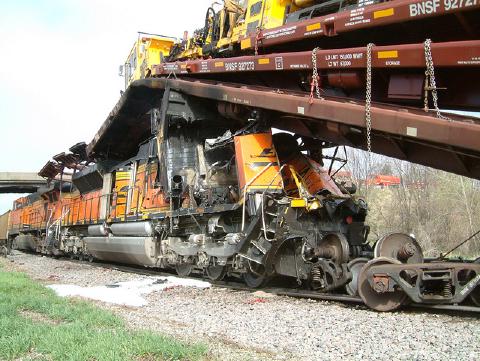
Thanks to Ruin Raider for the picture of the collision.
Transcript
Chris Gammell: This is The Amp Hour Podcast. Recorded August 3rd, 2016. Episode 310. Mergers and Acquiescence.
Dave Jones: Welcome to the Amp Hour. I'm Dave Jones from the EEV blog.
Chris Gammell: And I'm Chris Gammell of Contextual Electronics.
Dave Jones: I'm still alive. Hello, Gimpy. Gimpy?
Chris Gammell: Yeah, Gimpy. I'm going to refer to you as Gimpy.
Dave Jones: What's Gimpy?
Chris Gammell: Gimpy, like you have a gimp. You have a lame leg. I don't know.
Dave Jones: No, Gimpy. Maybe I've kind of heard of that term in the past. But I don't know. You speak in American again.
Chris Gammell: Yeah, yeah. How are you feeling? How's the old knee? How's the leg?
Dave Jones: It's doing splendidly.
Chris Gammell: Alright. I've been watching all your disgusting updates. You've been disgusted and you're disgusting. And you should never publish that stuff on YouTube. That's what I'm trying to say. Didn't you read my warning intro? I totally did. Actually, I don't think you read... You were asking me about this before you actually posted it. And you were asking me, I believe, on chat which channel you should push it to, EEVblog or EEVblog2. And I said you should push it to EEVnope. Ah, yes. EEVnope. I don't want to ever, ever, ever see that stuff.
Dave Jones: Really? Are you that squeamish?
Chris Gammell: Oh, yeah. I meant to tell you the story. So, okay. Here's my story.
Dave Jones: Okay.
Chris Gammell: I did mention that. Yeah, I had mentioned this to you. So, the time where I knew I would never be a doctor, right? Because I had like, you know, everybody goes through that phase. Like, oh, maybe I want to be a doctor someday. Well, not everybody. But, you know, a lot of people talk about that. Right. And I remember the exact time it was the first day of biology class. And so, they're like, all right, we're going to dissect a worm today. And I'm like, okay, I can do this. I can do this. I can do this. And then the first thing that happens is I'm the odd man out. I don't have a partner, right? So, I'm just sitting around, you know, like I'm already looking like the loser, right? And then Mrs. Poehler, she says, okay, everybody, it's time to start the first cut. So, take out your scalpel and do that. And what I do is I grab the scalpel and then I grab with my index finger. I wrap my index finger around the edge of the protective case. And then I pull the scalpel out and I immediately slice through my finger.
Dave Jones: Nice work. And you fainted? What happened?
Chris Gammell: I did not faint, but I had to go get a tetanus shot. And because I was just out of the window of my tetanus shot being good. And that was when I knew I was never going to be a doctor.
Dave Jones: Because you were, not because you were scared of it, because you were clumsy. Or did this scar you?
Chris Gammell: Oh, that totally scarred me. Yeah.
Dave Jones: Right. Okay. So, your clumsiness scarred you psychologically.
Chris Gammell: Yeah. I mean, at least with electronics, you know, you get shocked a little bit. You're fine, whatever.
Dave Jones: I don't know. It can kill you. Sure. Whereas, you know, if you have a blade.
Chris Gammell: Scalpel can kill you too, you know.
Dave Jones: Yeah. But only if you go across the throat or across your wrist or something.
Chris Gammell: Technically, that's true for electricity too, you know. It's only if it's across the heart or across the temples. Yeah. Okay. Right. Yeah. True. If you're sticking electricity across your temples, you're doing it wrong. Okay. So, yeah. No, I knew. And I've, I don't know. Like, over time, I've just gotten worse and worse. So, I'm pretty squeamish these days. I'm going to be honest. And your knee's gross. So, there's that.
Dave Jones: It's like there was no blood at all. There's no blood in it.
Chris Gammell: I wouldn't know because I didn't look. And I never would.
Dave Jones: Like, people ask me that. How did I edit that video and do the commentary over the, you know, top of it for half an hour and watch my own knee being hacked a bit? It's just, it's just science, you know. I mean, it's like.
Chris Gammell: Science, yeah. Oh, yeah. Sure.
Dave Jones: Right?
Chris Gammell: Gross. All right. Back to electronics. All right. Unless you had an electrode implanted in there, we're going to stop talking about it because, yeah.
Dave Jones: No. I have a biodegradable screw.
Chris Gammell: That's kind of cool. I didn't know that.
Dave Jones: Yeah. Yeah. Yeah. They, yeah. Like, some people said, oh, you've got to watch out for metal detectors now. No. There are no metal screws. They put a biodegradable. I actually put a data sheet on the video.
Chris Gammell: Oh, that's pretty cool.
Dave Jones: And, yeah. It's like 30% calcium something or other and 50% some other acronym. And, well, that's not 100%, is it? Anyway. Yeah.
Chris Gammell: And, like everything with Dave, 10% BS.
Dave Jones: Yeah. Right. And then they screw it. Yeah. They screw it into your bone. And it biodegrades into your bone. And your bone actually dissolves it or, you know, yeah, dissolves it and then eats around and reforms. So, your bone actually, you know.
Chris Gammell: That's awesome. Yeah. It's great. I mean, like, that's the thing that's really a disappointment, too. Because, like, honestly, I was talking to a friend about some bio stuff earlier today, too. And, you know, when you really look at, like, where interesting science is going towards, you know, kind of the futurism type stuff. I think it's all that interesting things, like, you know, and we've even talked about on here, you know, self-assembling circuits based on, like, DNA profiles, stuff like that. Oh, yeah. There are very interesting things happening in the biospace. I don't understand any of them. I don't understand why they always are using pipettes. I don't understand. Like, every time I hear something about a DNA computer, they show someone a pipette. And I'm just like, now what? I know that I've talked to a friend since, and they're like, oh, well, you know, like, there's the RNA chain, blah, blah, blah, strips off this and that and does this and CTAG and PT. I don't even know what the number of letters are. Yeah. And pass. Hard pass.
Dave Jones: If there was one field that I would recommend that Sagan and Huxley go into when it's some form of biomedical research, engineering, something like that, you know, the brain we know nothing about. Sure. Yeah, right. We've talked about that on here before, and there's huge opportunities there.
Chris Gammell: Yeah, I mean, like, electronic bio-interfaces type things. Oh, yeah, of course. Yeah. There's tons of great stuff there.
Dave Jones: Tons of it. So, you know.
Chris Gammell: How about the number one thing we have on our separate it this week? We have, basically, I didn't get too much into this, but I did read about it, but basically, it's a electricity carbon, what would it be? What are they called? Hydrocarbon conversion method, basically. It's basically photosynthesis, right? Right. So, it's a new process that has been announced out of University of Illinois, Champaign, I think, UIC. Is that right? Is that Champaign or Banna?
Dave Jones: Oh, I don't. No, I don't have the link in front of me.
Chris Gammell: Yeah.
Dave Jones: How do you sort Reddit by the number of upvotes?
Chris Gammell: So, you'd do top, and then you'd search in the last week or last month or whatever. Yeah. Yeah. And so, this is actually University of Illinois, Chicago. So, but the idea is, you know, so one of the big problems is right now, you can get solar cells, and then you can charge batteries. And a lot of those battery banks are like things like the Tesla home charge home bank or whatever they call it. Yep. That's a great solution, right? I mean, it's based on existing technology. It's very real. It happens right now. But the main problem being that you can't, like, batteries are still not a great, they're definitely not even close to, you know, gasoline or other hydrocarbons.
Dave Jones: In terms of energy density per square.
Chris Gammell: Exactly. Yep. You know, centimeter. Yeah. Making small explosions is still a better conversion method. But there was no reverse. And it's, at least based on this article, says they're starting to move towards that. And that could be pretty big. Yeah. So, we'll see. Definitely. I mean, like, I mean, to be honest, I was talking to someone about this at dinner last night, and I was like, yeah, okay, sure. As you do. Yeah. No, no, no. I mean, like, we were just talking about articles and stuff like that we just heard about. And, but honestly, like, what I told this person, I was like, I'll believe it, but I'll believe it after I see it four times in a row. And then add 10 years onto that, and that's when it actually gets implemented. You know, like, there's a big difference between, like, fusion exists, obviously, right? We have the sun. Yes. But, you know, it's always been, and in 20 years, fusion will be the next, you know, it's been like that for 20 years. Yeah, yeah, yeah. And it's that 20 years later, that'll come. So, there is a big difference between in the lab science.
Dave Jones: But sometimes they don't come. Sometimes they just peter out and go, well, that's not really practical in the real world. And we couldn't figure out how to make it practical. Give up, you know? Yeah. Yeah.
Chris Gammell: Yeah. It's very common. But if this was, I think, if this was actually one, this would be huge, you know?
Dave Jones: I've got a segue. Like Elon Musk's Hyperloop.
Chris Gammell: Hyperloop, yeah. What about it?
Dave Jones: There's lots of controversy about that at the moment. What about it? I haven't seen this. Oh, okay. Well, Thunderfoot, fellow video blogger who does science videos, awesome science videos. Anyway, he did a Hyperloop busted video where he basically says it's, you know, not a practical, it's never going to be a practical thing. There's just too many engineering issues with it. He didn't, you know. And anyway, there was a big to-do on the EV blog forum, as there always is, over that. And others are saying, well, it's not busted.
Chris Gammell: That could be like the subtitle of, like, there's always a big to-do. Welcome to the EV blog forum.
Dave Jones: Yeah, blog forum.
Speaker ?: Yeah.
Chris Gammell: Do you have a shortage of to-dos? We have to-dos for you. Big to-dos, even.
Dave Jones: And, yeah, actually, I was, you know, I was surprised there wasn't more people going, oh, yeah, it's obviously, you know, really impractical. A lot of people were defending it. But very solar roadways-like defense, actually, which I was quite surprised at. Well, was there any science and not emotion?
Chris Gammell: I mean, emotion is one thing, but science is another.
Dave Jones: Well, they were saying, oh, they're engineering challenges, and, you know, you can't say it's busted. And, well, okay, fair enough. You know, like, you know, they're trying to overcome all these challenges. But, like, as an engineer, it's just, like, I immediately see the concept, and I go, like, 600-kilometer-long tunnel that's under, you know, a 99%, 99.9% vacuum. And it has to maintain that for the 600 kilometers. Like, it's just, it's insane. And you would have to, and to prevent, you know, some redneck coming along with their gun and just shooting a hole in the bloody, you know, tube, which is running along the highway, right? Then, yeah, and it'd implode and do, you know, the pressure wave would go through and kill everyone and everything else. And, well, everyone says, oh, just have interlocks every couple of kilometers. And it's like, jeez, I can do the math in my head. Those interlocks have to separate vacuum, and then they've got to open and close within a second or two of a capsule arriving at the speed of sound. It's like, it's just insane.
Chris Gammell: Yeah.
Dave Jones: To me, it's an insane engineering solution. And I've been on a maglev train at 430 kilometers an hour. Yeah, yeah. And it's real. And it works. Yes, it's half the speed, right? It's half the speed of the Hyperloop, but it's a real engineering solution that works and doesn't have all the drawbacks.
Chris Gammell: Well, and I think that's ultimately what it comes down to with a lot of those things. It's like, when you're starting from, okay, so first off, I don't really care.
Dave Jones: Right, fair enough. Okay.
Chris Gammell: But, like, ultimately, that's an improvement to an existing system, right? That's taking trains and making them go faster. Where Hyperloop is like, well, let's start from scratch, because there are no bullet trains in the U.S., really.
Dave Jones: No, no. But the ones that you were on were... Hyperloop is not a new idea. It's 100 years old.
Chris Gammell: I know. Right? But I'm just saying that, like, in terms of infrastructure... And there's a reason why people would have a run with it, I think. There's existing infrastructure, right? So, ultimately, if you're going to analyze this from an engineering perspective, it comes down to cost. And I think that is really where it could fall apart.
Dave Jones: Yeah, but it's not just cost. It's the fragility of the system as well. It's the robustness.
Dave Jones: I mean, like... I do. See, I'm a practical engineer. That matters to me.
Chris Gammell: No, that's not true at all, though, because it ultimately comes down to cost.
Dave Jones: No, no, no, no, no, no, no.
Chris Gammell: What about sending things to space? Like, that's impossible, right? Yes, but we don't... But we did it with lots and lots and lots of money.
Dave Jones: We did, bad analogy, because we're not doing it, you know, like, every day. That was overcome because of cost. We're not going to the moon 24 hours a day, seven days a week, transporting millions of people. Okay? Yeah. Yes, we'll eventually do that.
Chris Gammell: Yeah, sure. Okay. Right?
Dave Jones: But it's like... No, there are...
Chris Gammell: The scourge of the rocket equation.
Dave Jones: Right? But, see, and the space thing, right? Okay, you go into the moon. Fine. And you're in a vacuum. Yep, you can deal with that solution and everything. Right? But there's nothing... Some redneck can't come along with their gun and shoot potholes in it. Into your space, seriously.
Chris Gammell: Not with that attitude, they can. Come on.
Dave Jones: I mean, it's just... Like, it's not going to happen. And Elon's not actually putting his own money into it. Everyone thinks it's Elon's thing. He just renamed it. He just gave it a name. I mean, somebody, I don't know who, actually, who runs the Hyperloop company. Elon's got nothing to do with it. His money's not in it. He isn't involved in the company in any way, shape, or form. But because of the hype surrounding it, because it's Elon's, you know... Because Elon supported the idea, you know, raised the idea. Then, you know, somehow, somebody's got money and they're working big time on it. They've got like 60 or 100 engineers or something working on it. And I think it's not going to happen. Mark my words. It's not going to happen.
Chris Gammell: Okay, Dave. You love saying that.
Dave Jones: It's impractical. And I'm usually right.
Chris Gammell: Yeah, but you always say it in the negative. You never like... You never bet... You never bet on the house. Or you never bet on the... You're always the guy that bets against the dice rolling. You know, what's it called? You're a don't pass better in craps. You always bet on craps. You never bet on the fun piece. I've never played craps, so I don't... Right. No?
Dave Jones: Okay. You want me to make a bet on something?
Chris Gammell: Yes, I would love for you. Yeah. Let's go, man. Let's do this.
Dave Jones: All right. Mars. We can do that. We can have humans on Mars in 20 years.
Chris Gammell: Of course we can do that. Okay.
Dave Jones: What?
Chris Gammell: All right. Well...
Dave Jones: No. Well, you're saying I'm a doomsayer for everything. Okay. You're right. You're right. Okay. So Mars.
Chris Gammell: So 20 years. We're going to be on Mars. Well, no.
Dave Jones: No, we could. It's highly political. No. Like, I wouldn't say... Highly political.
Chris Gammell: Yeah. Right.
Dave Jones: You know, like, no. We could do it right... We could do it right now.
Chris Gammell: Do it right now. Let's go.
Dave Jones: In fact, we could do it within... I believe we could do it within eight years if we really had to. But... Eight to ten. But I know that's not going to happen for political and funding reasons. Yes, I know. Yeah. I've...
Chris Gammell: We had someone post on the Reddit, the subreddit about favorite books. And it was actually about favorite professional books. And I read that after the fact. And I was like, aw. And... Because I was like... I was so excited to talk about Seven Eves. Have you heard about Seven Eves? It's a Neil Stevenson novel. Nope. Oh, it's really good. Right. It's not a spoiler. But the first line of the book, The Moon Blows Up. Okay. That's cool. That's cool. It's crazy. It's just really... Like... Yeah. So I read The Diamond Age from him, too. That was... These are all recommendations to me. I never found these books.
Dave Jones: Is it like science faction?
Chris Gammell: Yeah, kind of. Yeah. Fact fiction? And actually...
Dave Jones: Like, as in Andy Weir's Martian? Is it like... Yeah, exactly. Right. Okay. Yeah. Right. Yeah. Okay. So the book starts with... It's a little bit more futurism.
Chris Gammell: It's a little bit more futurism than The Martian, I think. Right.
Dave Jones: But the moon blows up and what... Everyone on Earth has to deal with the physics of that... Of what happens.
Chris Gammell: I don't want to talk about the rest. But they're... Actually, one of the main characters, I'm pretty sure, is based on Neil deGrasse Tyson. Right. Like, you read the description, you're like, that's Neil deGrasse Tyson. But it is really good.
Dave Jones: Somebody... One of the science channels did a real interesting video. What would happen if the sun just vanished?
Chris Gammell: Oh, really?
Dave Jones: Yeah. It was fascinating. People would go... Like, the Earth would still... We'd still survive for, like, a couple of years. But, you know, all our crops would die. And, you know, people would eventually die of starvation and all that. But we would have enough oxygen and stuff like that. Like, there's enough oxygen, actually, in the atmosphere to last us, like, 50 years or something. I don't know. Some incredible figure you'd think wouldn't be real, you know? But, like, yeah. It's, like... Yep.
Chris Gammell: It'd be really dark, though, too, huh? Ah, it'd be. Yep. I guess it's like that at night, so... That's right. Yeah. I would think the gravitational effects, stuff like that, too.
Dave Jones: No, the main thing would be the number of people we have to feed. That would be the problem, you know?
Chris Gammell: Eventually, you just eat other people. That's fine. Yeah.
Dave Jones: Well, you know.
Chris Gammell: Eventually. You know, I'm going to stop. I'm going to stop. I'm going to stop. I'm going to stop.
Dave Jones: Next thing will be... Anyways, that is a good book. We'll be invoking Godwin's law next, you know? Yeah, right. Like, we'll get there. All right. Come on. What else do we have on our list?
Chris Gammell: Some of the non-fiction books that... There were some other good ones that I posted.
Dave Jones: Where's this post?
Chris Gammell: It's on... It's non-fiction, non-EE books read by EEs. Oh, right. The poster, Mike Ailes wrote about black box thinking, thinking facts, facts. I thought this was your post. No, no, no. Because we had talked about outliers at one point, I think. And so that was the question. Scale.
Dave Jones: I'm reading scale at the... Well, I kind of started reading scale. It's not that great.
Chris Gammell: No, it's kind of business-y.
Dave Jones: Yeah, it's a bit like... Yeah, no, I don't...
Chris Gammell: That was one of my recommendations, you're saying? Yeah.
Dave Jones: That was one of your recommendations, and I got it. I downloaded it to my Kindle, and I... Yeah. Now it's like, get to the point, you know? Yeah. And...
Chris Gammell: Disrupted is fantastic. It's like all of... Basically, if you like the show Silicon Valley, one of the writers is the guy that wrote Disrupted. Oh, okay. All right. And basically, at 53 years old, he went and worked for HubSpot, which is like this marketing internet company, and it's just like...
Dave Jones: But you make it as if 53 is like, oh, man, like he's near death, and he's going back to work.
Chris Gammell: No, but he talks about that. He talks about how he's literally 20 years senior to most people there, including his management. Oh, right. Okay. Yeah. Of course. It was... I liked it. Some people, I know, said it slowed down, but I thought it was pretty good. So...
Dave Jones: Right.
Chris Gammell: Yeah. Let's see. SD Trent also posted, The Power of Habit. That book...
Dave Jones: So, you don't have... Hang on. You don't have the innovator's dilemma on there. You have the innovator's solution.
Chris Gammell: Yeah. I was really just looking at what was on my Kindle at the time.
Dave Jones: Because I downloaded... I bought the innovator's dilemma because of your recommendation. It was crap.
Chris Gammell: You didn't like it at all?
Dave Jones: No, I didn't like it. No. Once again, it just didn't get to the point. I had business case studies, which I didn't care about, and it was like... No, don't you... When I talk about tractors and bullshit and like... What do you mean?
Chris Gammell: They were talking about tractors, but they were also talking... Actually, they were talking about like backhoes.
Dave Jones: Yeah, backhoes or whatever.
Chris Gammell: Yeah. Well, it was construction... Tractors are like farming. Yeah, yeah. Backhoes are like construction.
Dave Jones: And I... Okay, I like a good business analogy kind of thing, but I just... It just wasn't working for me. Well, okay. So, there was... Yeah.
Chris Gammell: There was... Maybe you're reading an older version, too, because they also talk about hard drives and stuff, too. And that's what Bob Davidson was on. They did talk about the hard drives. I was... Yeah.
Dave Jones: That sort of got me interested, back interested. Because I think tractors were first and then hard, and then I flicked through and like hard drives were next or something. But yeah, so I got... You know, and then it started going downhill.
Chris Gammell: Honestly, I just think it's super relevant to our stuff, though, too. I mean, like basically, it is the story of Regal, dude. I mean, like you are part of it. Like this is the same story you see over and over again, right? Yeah, I know. Yeah, I just couldn't... It is the... You don't want to pay $4,000 for a tech scope. I know. You're buying a $400 Regal scope, right? Yeah. It's the same thing with the ESP8266. Honestly, the only thing that's got going for it is the price. Yeah, of course. And yet, that's what... You know, the ESP32 is coming out, right? And there's going to be other ones, and it just... The low-end stuff moves you up the marketplace.
Dave Jones: I just couldn't get into the book, that's all. Sorry.
Chris Gammell: Oh, okay. That's fine. Yeah. And it's... I mean, Clay Christensen is a Harvard professor. I mean, like, yeah, it's... Well, he became a Harvard professor. Yeah, no, it was...
Dave Jones: That's why it was a hard read for me, I think. And... Yeah. Yeah.
Chris Gammell: I think it's worth reading. It is... Yeah, it might be a little bit of a struggle, but it is worth reading. And... But you know what? You just see it over and over and over again. And that's when I saw the ESP8266, man. That is... You look at that, and you say, that's the future, right? You got huge, huge companies. You got the broad comms of the world. You got all the people doing, you know, like, these big chip companies, and that's fine. But the thing is, they're... You know, they'll swat at the fly for a little bit, but they're never going to... They don't... If they don't squash it right off, they ignore it for a little while, and then eventually it sneaks up on them, and then it eats them. Like, it's just... It's how it goes, because that nimbleness in the marketplace is what matters. And I think it's actually really interesting from our current perspective in that, you know, like, all we hear about and all we're going to talk about today is big companies swallowing up other big companies, right? Oh, that's...
Dave Jones: Yeah, we're going to get into that.
Chris Gammell: Well, of course we will. And it's like... But, like, the thing is, like, the big companies for a long time are going to say, oh, well, we... You know, we don't really worry about, you know, Shenzhen Semiconductor No. 5 or whatever. I forget who always talks about that. But, like, but honestly, like, that's, you know, you and me and all the people listening that are doing hobby projects and everything else, you're going to find a part, and eventually it's just going to get bigger and bigger and bigger. Like, how about the WS-2812, right? Nobody... I still don't know. What is it? World Products or something like that? It's like something like that. Yep. You know? And it's just... It doesn't matter. They're everywhere now, right? And it's just... They build a brand around it.
Dave Jones: But, well, are they? Like, it might be everywhere in our little world, but does that matter in the big world? Like, the big... I'm talking the 100 million shipments world. Like, you know, yes, it might be... Yeah, it might be on every hobby blog. Yeah, Artifruit are using in every project. There's SparkFun, everyone else, every man is... But does that matter?
Chris Gammell: Well, okay, so here's where I think that matters, is you're going to get...
Dave Jones: It's flow on effect. That's what you're going to say. I can read your mind. It's like, yes, then these people go on to form bigger companies, and then they'll use the same chip that they used to use. Yeah, exactly.
Chris Gammell: It's the kids that are in college that are just doing these little projects that eventually... Yeah, it just sneaks up on you, you know? Like, and I've said for a long time, like, Atmel fell into the biggest score they ever had, and you and I know that they ignored the shit out of it at the beginning. And now it's like, basically, that could have saved them if they wouldn't have gotten bought by microchip, and if they would...
Dave Jones: Yeah, yeah, but... But... There's always a but. Like, would it have? Would it actually... You can try and extrapolate that it might, but did it ultimately... I think the fact that they did a pretty good job... In Arduino, yes, they sold millions of them, but does that matter to their bottom line? They need to sell hundreds of millions, not millions, or tens of millions. Sure, sure, sure. Right?
Chris Gammell: I think maybe there wasn't enough time. Yeah. Okay, I'll give you that. Right. But, like, I think they did a pretty decent job. Like, the SAM21D stuff that they came out with, like, you know, that transitioned a lot of people that were, you know, looking for more power, stuff like that. Like, it was good enough. But... But...
Dave Jones: But... But... I know, as a design engineer, that, yeah, I... For prototypes, or, you know, when, okay, management comes to me and go, okay, we're going to design this. Yeah, I'm going to use the chip that I'm used to. Right?
Chris Gammell: Uh-huh.
Dave Jones: But that doesn't necessarily... Well, I'm going to try to, but that doesn't necessarily mean that's the actual one that's going to be used, because there might be other deciding factors that influence it. Like, what is the company doing? Oh, 100%. What is the company's standard? Do they use it in other products? Like, you know, like, you can't just arbitrarily assume that, you know, kids of today, because they're using the Atmel, or they're using the WS chipset, or whatever it is, are going to go then use that in their $100 million consumer winning idea. Right? That's...
Chris Gammell: I think it only happens in aggregate. Yeah. No, no, you're right. You're spot on with that, I think. But it happens in aggregate where, okay, so now you normally would have a sales force where you're pounding on the pavement, trying to get people to use new chips, stuff like that. It's more about the, you know, it's won in these small battles where, okay, now there's an undecided project. You do get to decide. Someone gets to decide, and they choose this one, you know, option A that they've used since college kind of thing. Right. And then the next time comes along, and then, oh, option A again. You know, and like, that's the thing, like, it's these small battles over time, and that can have a multiplicative effect. You're right, that, you know, pricing and scale.
Dave Jones: It can, but I've never seen any evidence that that is the case. I know there's evidence, say... Well, you haven't been in college in a long time, because you were old, man. Well, yeah. I mean, you know, there's evidence of that in the CAD market, for example, because I come from Altium, you know, there's this huge evidence that...
Chris Gammell: And it comes in the MCAD too, right?
Dave Jones: Oh, yeah, yeah. You know, the companies that flood the universities with, you know, all free or low-cost CAD tools are the ones that will win 20 years down the track, you know.
Chris Gammell: Yeah, you got to play the long game. Yeah. Sure.
Dave Jones: Yep. But I've yet to actual... I think I've yet to see evidence of that in the semiconductor. Well, no, you could argue that... No, you could argue that there's evidence there in the 6502, for example, because it was 20 bucks. Chuck, ah, pedal, was selling them out of the barrel at the whatever trade show it was for 20 bucks. It was one-tenth the price of every other microprocessor. And then the Woz came along and went, handed over his 20 bucks and got a 6502. That's why it was used in the Apple. Okay. And there's... And many other computers at the time.
Chris Gammell: I don't know if you can use that as a modern-day example, but yes.
Dave Jones: No, but yeah, that's an example from, what, 40 years ago, right?
Chris Gammell: That was a low-cost, coming-from-the-bottom-up kind of thing. Yeah, sure. Right.
Dave Jones: And it got in the hands of the enthusiasts. And that's what mattered...
Chris Gammell: And we should remind people that, you know, we had Chuck in the show and he told that story, so we can go and listen to that and I'll link that in. Yes.
Dave Jones: Those enthusiasts went on to form some of the biggest corporations on the planet, right? Right. Right. And yeah. And so there's, yeah. So there's evidence there. Yeah.
Chris Gammell: And maybe we're at an era where scale matters more, too. You know, like where, okay, you know, there's some smaller kind of company that's doing that kind of thing, but it's the big, it's the large semiconductor company that's going to offer the best pricing every time and pricing is all that matters for a certain type of market. Okay, fine. Yeah. But what I'm saying is those guys would have won anyways. And it's all of the indecision that, you know, gets won by those small battles.
Dave Jones: Oh, yeah. No, I wouldn't disagree at all.
Chris Gammell: Okay.
Dave Jones: Okay.
Chris Gammell: There's a first. Yeah.
Dave Jones: I agree on something. Anyway. We should talk about big companies buying big companies. Hey, hang on. This one I've just seen because I've been laid up for a while. I haven't really been following. Oh, my knee. I, um, what's this about? Avnet have offered more for Farnell. I thought the Farnell buyout was a done, by Dite.
Chris Gammell: Dettweiler. Yeah.
Dave Jones: Dettweiler. I thought that was a done deal.
Chris Gammell: Apparently not, Dave. Apparently not. Okay.
Dave Jones: So what? So Avnet are now the front runner?
Chris Gammell: Yeah. And it's not even done yet. I mean, like the Dettweiler might come back. It's.
Dave Jones: Right.
Chris Gammell: I think what it really comes down to is that Farnell is not coming back anytime soon. They ain't bouncing back from this. They are getting absorbed by someone.
Dave Jones: But curiously, but they already spun off the, uh, they definitely spun off the, uh, Cad, um, the, uh, Eagle thing.
Chris Gammell: Yeah. They sold the Eagle. Right.
Dave Jones: Right. Okay. And it's not just that either. I mean, like, I don't know if you knew, but like. But I thought that was, uh, that was the call. I thought that necessarily wasn't the call of Farnell. I thought that was the call of their new owner.
Chris Gammell: No, no, no, no, no, no. Okay. No, they were, they were shedding, uh, segments and engineers. Like I knew some engineers that got laid off there too. Um. What?
Dave Jones: At, uh, where? Farnell's? Farnell. Yeah. Oh, okay. Right. Okay. So they're going through it. So they're already going through.
Chris Gammell: They were slimming down for sale.
Dave Jones: They were slimming down for sale. Right. They were making themselves look all pretty.
Chris Gammell: Yeah, exactly. Right. Oh, look at all this free cash flow we have. Blah, blah, blah, blah, blah.
Dave Jones: Look, I'm a pig, but I've got lipstick on. Look.
Chris Gammell: Look at my delicious bacon ready for the, uh, harvesting. Yes. Yeah. Okay. Bacon is money in this case. People bring it home.
Dave Jones: I, I, I feel better about this now because, hey, Avnet's, you know.
Chris Gammell: I don't. This is stupid.
Dave Jones: What? Okay. Why? I, I, I have not thought about it. I literally just seen it, but like, I don't know anything about debt. Here's the thing.
Chris Gammell: Here's the thing that bugs me about all this stuff. This is the same thing about Atmel and Microchip. Atmel was supposed to be bought by, uh, whatever that German automotive company was. I forget it now. Dialog. Dialog Semiconductor.
Dave Jones: Dialog had a go. That's right.
Chris Gammell: Right. And then Microchip came in and said, we'll give you more money. The board of course said, yeah, why not? Yeah. Okay. Great. Great. Well, here's the thing. Dialog would have operated, you know, at least, in theory, this is in my head, so it's not proven out, but I, I, you know, Dialog was not a microchip company. Atmel is a microchip, sorry, a microcontroller company. Right. Atmel is a microcontroller company. They would have probably left them at least somewhat intact, right?
Dave Jones: Correct. I agree. Yes. Microchip comes in. They are a microcontroller. Yeah. They're going to eat them alive. Yeah. Exactly. It removes options for us. Yes. Yes. And it does for us and for the employees as well. They would be more, they would be scared now that they've, atmel employees would be scared now that they've been bought by microchip.
Chris Gammell: I mean, they've already started laying people off. I mean, like, it's, there is no reason, like, once that goes through, right, I don't see why they would keep everyone around.
Dave Jones: Oh, no. Totally. Totally.
Chris Gammell: Of course. Right. That just doesn't make sense. And that's the reason they want to buy, like, there's efficiencies to be had, blah, blah, blah. NBA playbook. Yep. Fine. Right. However, the fact that there was these other companies that were ready to buy them, it's like, okay, well, then me personally, me, guy who never buys microcontrollers, but has to talk about them and friends, I know, right. Maybe other podcasts that talk about microcontrollers a lot, friends that build projects with microcontrollers. That's great. They have now lost a good chunk of available options. And you know what? I don't want to sound like, you know, a crazy capitalist, but I sort of am sometimes. And you know what? Competition is frigging good. That's what matters for us, right? I want to be able to talk to an applications engineer and a sales engineer and be like, you're screwing me on price. I'm going over there. And every time that someone shuts down the over there, I am hurt. And I hate that. Yeah. And this is what we see over and over again. And honestly, this is the same problem. Avnet now. Detweiler is a holding company, effectively, as far as I could tell. Like, they're, you know, they're not a holding company, but you know, they're not venture capital. They're a private equity, right? They're not going to, they don't know what the hell they're doing. They just want money. They just want the top line money to come to them. Exactly. That means me, me engineer wants to buy stuff. Like, okay, now Avnet's price is stupid. I go to Premier Farnell. Great. I can go buy it there, right? I want a comparison shop. I don't, I want an extra, like, I don't go to Kmart, but I want a Kmart around so it keeps Walmart on their toes and Target on their toes, you know? And these are retailers in the US. You know?
Dave Jones: You are totally right. Yeah. It just dawned on me. Yes. It's like, this is like the microchip Atmel merger. It's exactly the same thing.
Chris Gammell: Oh, and there's a worse one coming. This is what I'm going to really bitch about. Oh, right.
Dave Jones: Okay.
Chris Gammell: I was so pissed when I saw this. So the other one that obviously we were going to talk about, we talked about, I talked about with Stefan.
Dave Jones: Let's keep, have we finished the Avnet Farnell one?
Chris Gammell: I don't know what else to say other than, until it goes through, it's not guaranteed, but the thing that is guaranteed and ultimately what's, again, this is quasi-political. I'm really pissed off, at least in the US, that the SEC doesn't block anything anymore, right? Right. Basically, there is no, there is no monopolistic assessment anymore.
Dave Jones: I think I asked this on Twitter or something or on the forum. You know, are there any laws in the US that can stop these sort of acquisitions?
Chris Gammell: The SEC is supposed to do that kind of thing and that's fine, but they've been toothless for a long time and the thing is like, this is small beans to them, like all of this stuff. And some of these companies aren't US-based. That's the other thing. It's like, we're in a global world. There is no, once you get outside that, it's like a certain point, there's almost no stopping it. And it's like, look, I get it. I'm fine with it. Like, what the hell am I going to do?
Dave Jones: They would only care if Apple merges with Samsung or something like that, you know? I guess so. Or Ford merges with, you know, whoever, Toyota or something, you know? Like, right.
Chris Gammell: And certain countries have issues too, right? I mean, there's like a lot of anti-competition stuff that goes on with like Google in France. Like France has a big beef with Google, blah, blah, blah. But like, ultimately what it comes down to, I don't want to get political about it, but like ultimately what it comes down to is that me as a consumer of buying electronic components, this is bad for me. And that's what I know.
Dave Jones: Oh, I totally agree.
Chris Gammell: And I keep getting upset by this because like, I understand why they're doing it, but like, it just, it just upsets me personally.
Dave Jones: Well, how many companies have Avnet bought over the years? Is there some way we can go through our what? How long we've been doing the show? Six years plus? Yeah, six years. Six years in August.
Chris Gammell: Oh my God, six years. We missed our frigging anniversary. Oh, wait, no, we haven't missed it yet. Do we have an anniversary? No, it's like next week. Next week's our anniversary. Dave, you forgot our anniversary. I can't believe you.
Dave Jones: I forget my own wedding anniversary.
Chris Gammell: Yeah, right, right. Don't you know, Dave, the sixth year anniversary is, oh shit, I thought I'd be able to find this. You know, there's like all the ones you're supposed to get for a list of. Oh, right. Is it? Yeah.
Dave Jones: Please, please tell me it's like copper or something like that. That'd be great actually. Yeah. Electrical.
Chris Gammell: Yeah.
Dave Jones: Usage material.
Chris Gammell: Oh, hold on. I know there's a Wikipedia article.
Dave Jones: You know.
Chris Gammell: So the ninth is pottery. It's our ninth.
Dave Jones: All right. What's sixth? Does sixth have any?
Chris Gammell: Oh, sixth is sugar.
Dave Jones: Sugar. No. Sugar.
Chris Gammell: You're going to mail some candy. Seventh is copper. Copper and wool. Eighth is bronze.
Dave Jones: So copper is our big one.
Chris Gammell: Ninth is pottery. Tenth is tin. Eleventh is steel. Wait. Where the hell is the lead? Come on, man. I know. It's all this lead free bullshit. Yeah, right? On the 15th, apparently we'll buy each other, you know, crystals, right? So like time pieces, right? Right. I assume that's what they mean by crystal. Right. Screw what they mean.
Dave Jones: It's what we mean. It's what it means to us.
Chris Gammell: Right. Exactly. Exactly. Where are we going there? So in the six years that we've been having the show, what are we doing?
Dave Jones: How many people are like, because Avnet, sorry, over the last, what, 15, 20, 15 years or so? I don't know. Whatever. Have bought so many companies. Like there used to be so many distributors. I'm sure we talked about this early in our, like our early years, our formative years on the Amp Hour. You know, like, oh, Avnet have bought another, you know, like. I mean, we follow the news basically. Yeah. All of these, all these distributors. We were talking about it for years. It was one of our running gigs.
Chris Gammell: I mean, honestly, how about this? How about this? We were reading the articles on E.E. Times. And since then, E.E. Times has been bought by a distributor. So, yeah, I mean, yes, we've been doing that for a long time. And there are practicalities behind this stuff, right? The reason that Avnet grows by an arrow and these big ones grow by acquisitions because their margins are getting squeezed. And it's like, all right, I get that. Like, that's, you know, this is part of the industry we're in.
Dave Jones: So, somebody, somebody needs to do like a huge map, like a huge graphical map of how all of these companies have been eaten up in our industry over the years. And it'll look like a map that's sort of gravitating towards this black hole in the center.
Chris Gammell: What if it was like an animation of like little fishies? Yeah, yeah, yeah. And then like one fish eats another fish and then it's bigger. Yeah, yeah.
Dave Jones: Yeah. Something like that. We need to, like, there needs to be some, somebody's got to do it. Come on. Somebody, yeah. That's how it always works.
Chris Gammell: We say somebody's got to do it and they just go do it.
Dave Jones: All right. Because it'd be fascinating to actually see in our industry how many distributors and, you know, semiconductor companies have been bought out by who and things like that.
Chris Gammell: That's crazy. I mean, it's crazy. I mean, because like in the 80s, the margins were so high.
Dave Jones: Yeah, maybe there's something for the semiconductor industry. I'd be surprised if somebody hasn't mapped the semiconductor industry takeovers over time. So if anyone knows of any infographic out there or something that shows that, at least, let us know.
Chris Gammell: Well, there's a Wikipedia article, List of Mergers and Acquisitions by Apple. I'm sure that that exists for other companies, but yeah.
Dave Jones: How many on the list?
Chris Gammell: 79.
Dave Jones: 70. Is that all? I expected hundreds.
Chris Gammell: Wait, no. That can't be right. I expected hundreds. What did this turn into? Acquisitions turned into...
Dave Jones: It's got to be more than that.
Chris Gammell: That it was... The last one on the list is Carpool Karaoke with James Corden. What? Which is... That doesn't make any sense. That might be a... Maybe it got sponsored by them or something, but...
Dave Jones: Is the amp hour for sale? If Apple want to come along?
Chris Gammell: If the price is right, buddy.
Dave Jones: You betcha. I would sell you. I would sell you. You sell me in a heartbeat. Yeah.
Chris Gammell: Yeah, exactly. Oh, come on, man. Apple comes along with $3 billion and they're like, we want to buy Dave. I'm like, take all of Australia. I don't care. You know? I ain't using it. Yep. Next. Well, anyways, on to the thing that really pissed me off. Basically, the thing that Stefan mentioned last week when I interviewed him. And he sent his wishes, his best wishes. I know you didn't listen. Thank you very much. Like I told him that you wouldn't listen, but he did wish you well. And I did too. Thank you very much.
Dave Jones: I shall now go back and listen.
Chris Gammell: Oh, sure. Yeah, right.
Dave Jones: Well, the intro anyway, so that we're sure you did.
Chris Gammell: Yeah, it wasn't in the intro. It was about an hour and a half deep. Right.
Dave Jones: Because I was probably under the knife when you recorded that, maybe.
Chris Gammell: Right. Yeah, I did actually. Me and Dave actually talked about how we would handle the whole surgery thing. And I had proposed that Dave hopped up on meds, do a show with me.
Dave Jones: Right.
Chris Gammell: But he wasn't going for it. So, I don't know.
Dave Jones: Because I don't do meds. Like, no.
Chris Gammell: You went under, though. That's what I mean. Like, you were probably a little loopy when you came up, right?
Dave Jones: No. No.
Chris Gammell: You didn't have to go under? Really?
Dave Jones: Oh, yeah. No, I went under. But I was a sort of word quickly got around. I mentioned this word quickly got around in the recovery ward that, geez, this guy talks a lot. You know? But no, I was completely. Well, as I remember it, I was completely coherent.
Chris Gammell: Yeah, of course. Right.
Dave Jones: Apparently, an interesting thing about.
Chris Gammell: You don't drink like I do, so you don't really have the self-awareness of when you're saying stupid shit. No. You know? You're right. I'm well-trained. Yep. Anytime I'm talking to someone else.
Dave Jones: No, the only other time people have tried to get me drunk on my Bucks night, it just didn't work. You know? How many beers and crap I had, it just did nothing.
Chris Gammell: Damn metabolism, huh?
Dave Jones: I was, that was my massive metabolism years. Yeah. Now it's like, you know, nah, it goes to the waistline a bit. Right, right, right. Yeah. That's not as good as it is to me. Don't worry. Anyway, the interesting thing about general anesthetic, I've only had it twice in my life. The other was like 20 years ago for getting my teeth out, getting some wisdom teeth out. Yeah, which I'm still suffering from. Lack of wisdom. Yeah. The effects of that surgery and lack of wisdom. Yep. So they ripped it off. I've got one, I've got one left. So I've got a quarter of my original wisdom.
Chris Gammell: Wow.
Dave Jones: Anyway, I remember being wheeled in by, oh, a great nurse and anesthesist. The anesthesist was an associate professor, Greybeard. He was like, he was the coolest Greybeard. Like, yep. I wish we could have him on the show. It'd be great. Anyway, awesome character. And the nurse, she was a super nerd who was into XKCD. So we're like.
Chris Gammell: This is the current one or before? This was the current one, right? It must be. What do you mean? This wasn't 20 years ago. Oh, no, no, no, no.
Dave Jones: No, the 20 years ago was horrible. No, the one now. Gotcha. Yes. Yes. She was into it. As if XKCD existed 20 years ago. Right. Well, that's what I was wondering.
Chris Gammell: I was like, oh, maybe they're time traveler. Right. Yeah.
Dave Jones: Yeah. She was a time traveling nerd nurse. Yep.
Chris Gammell: Mm-hmm. Yeah. So. Pretty common.
Dave Jones: Yep. Anyway. Yes, she was awesome. Anyway. So I'm told, you know, we're being wheeled in the theater and we're talking about XKCD. You know, that was cool. Anyway, I remember them taking me from the anesthesis trolley, putting me onto the operating bed. And then I'm staring at all. Look, look at those big lead operating lights. You know, I'm like, you know, having to have a look at the tech surrounding me. And that's the last thing I remember.
Chris Gammell: Mm-hmm. That's how it goes.
Dave Jones: When they, yeah. But when they, when, when, when I came back to, they actually told me, oh yeah, we were talking to you for like 10 minutes before the op. Um, and I don't remember any of it. And they say, yes, that is common. You get am, am, amnesia before the operation of the events before the operation. Weird. I do not remember it.
Chris Gammell: There's actually a really good podcast about, I have to remember which one it was, but they were talking about how they actually measure brainwaves now to actually know when you're actually out. Right. Because they actually never used to do that. They would just do it based on, you know, are your eyes closed? You know, can they pinch you? Whatever, whatever they used to do to test that stuff. Right. Now they actually measure brainwaves for that stuff. But it was just talking about the history of, uh, uh, anesthesiology as well. And I will definitely link that in. It's, it's very interesting. I would find that fascinating.
Dave Jones: Yes, please link it in. I'll have a listen.
Chris Gammell: How do you spell anesthesiology?
Dave Jones: Oh, I can't even bloody well pronounce it. Yeah.
Chris Gammell: I don't know how to spell it. All right. Well, speaking of things that put me into pain or hopefully retrieve me from pain, uh, we should talk about the big story, which is that analog devices is buying linear.
Dave Jones: Oh yes. I completely forgot. Yes.
Chris Gammell: Yeah. Which is the big, that's the other merger.
Dave Jones: In a big radio voice. Go.
Chris Gammell: Analog devices is buying linear technology.
Dave Jones: I'm really pissed about it. I'm really bummed. I know.
Chris Gammell: I mean, I've just been so bummed.
Dave Jones: Yeah. Like, these were the last two stalwarts, right? No.
Chris Gammell: These were the, you know, like. No, I mean, TI is a great company, honestly. And this is the reason, that is the reason that they bought them, basically. That's, I know that LT put themselves up for sale, blah, blah, blah, blah, blah, blah. It's just, it's just the shitty world we're living in now. Okay.
Dave Jones: So, LT. Right. So, that's how it went down. I haven't looked into the details. So, LT, we're going, well, we need an exit strategy here after all these decades. And anyone want to buy us? Is that how it went down?
Chris Gammell: Yeah. I stopped reading, to be honest. I was so, I'm just, I just, I'm so upset about it. You know, like, it's just, and it, I'm sure that, okay, I should also, full disclosure, I am a linear technology shareholder. I profited from this. Like, I'm, I'm doing fine. Like, you know what I mean? Like, there's always that silver lining, but at the same time, you know, it's another one that kind of bites the dust. So.
Dave Jones: Your shares instantly went up 24%.
Chris Gammell: Uh-huh. Sure.
Dave Jones: Yeah.
Chris Gammell: So, but I'd rather have the company, you know what I mean? Like. Totally. So. Yeah. And there's been some, you know, there's been talk about the culture, blah, blah, blah. Someone posted to us about how it actually is going to change, and I don't know. You never know until it's all sussed out. And of course, a lot of the companies that say they're going to, you know, they're going to maintain the culture. And, and yet, I still drive by the Keithley facility, which now happens to be branded techtronics. Oh, what a surprise. No one saw that one coming. And, and it's just like, okay, well, I, I, you know.
Dave Jones: Weren't they selling off tech?
Chris Gammell: Uh, no, no. The techtronics is, uh, got re, they basically split out of, um, the main Danaher group.
Dave Jones: Oh, they split out. So they didn't sell them, but they split out.
Chris Gammell: Techtronics and Fluke and Keithley are all called Fortiv now, which is. What? Fortiv. F-O-R-T-I-V-E. Really?
Dave Jones: I didn't know this. When did this happen?
Chris Gammell: We actually talked about it on the show a couple months ago. Did we? Yeah. Really? I must have an amnesia about that. It just, it just, it just switched over, it just switched over, but it's, yeah, they, they, they announced it a while ago.
Dave Jones: Right. What? So you'll be buying Fortiv scopes?
Chris Gammell: No. I mean, that's just their, that's like the main company that's about.
Dave Jones: Oh, that's like the holding company, but they'll continue to sell under their own brands.
Chris Gammell: Yeah, it's like they're split out from all the other Danaher crap, so.
Dave Jones: Right. Right. So they didn't, so Danaher didn't sell them. So what was the purpose of Danaher splitting them out? No, no, no, no.
Chris Gammell: Yes, so they, basically, if you look at the, how fast a test equipment company is going to grow versus how fast other companies they have are going to grow, it's, it's going to be very different.
Dave Jones: It's a shareholder appeasement. Yeah, I think so. Right. Yeah. Yep. Yep. Got it.
Chris Gammell: Got it. Got it. Got it. It's a bunch of NBA playbook bullshit. That's what it comes to. I don't, I know I swear a lot more than I used to, but like this stuff gets me so upset. Like, I understand that like, I don't know. It's just, it's, it's a shame. And, and it's not like, I can't really blame them either. Like, that's what really pisses me off. Like, a lot of this stuff, it's like, it's, it's responsive to the global economy. And it's just like, you know, it's, it's a more competitive place, you know, bigger companies are going to have more advantages. Like, fine. But man, it doesn't make me want, it doesn't make me accept change any easier, you know?
Dave Jones: No, no, of course not. Here is an interesting thing, which I didn't know. Quoting from the EE Times article, most of ADI's $2.6 billion revenue, yearly revenue, came from data converters, most of it. That was a quote from the, I don't know, someone called Orr, is that the CEO or somebody? Anyway, I don't know. Only $150 million to $200 million comes from power management ICs. This is from analog devices. So analog devices are almost essentially a data converter company.
Chris Gammell: I'm surprised there's not a bigger piece that's like op amps and stuff, but I guess, I mean, like, data converters are definitely a big piece. I knew that.
Dave Jones: Yeah. Well, especially like the high-end ones that, you know, are worth like hundreds of dollars each there, you know.
Chris Gammell: Oh, true.
Dave Jones: Like the real leading-edge expensive ones, yeah, where they probably really make the margins. And, of course, LT are strong in power. You know, LT are the power management company. You know, like if you want a primo quality power management part, you're probably going to LT. Right.
Chris Gammell: And, I mean, like this is to take on TI, right? I mean, TI has both. They have converters. They have op amps. Oh, TI have got bloody everything. They have power. Yeah, of course.
Dave Jones: They've got micros. They've got supervisors.
Chris Gammell: Their micro stuff is not doing great these days, I don't think. I mean, like, that's not as big a piece, right?
Dave Jones: I don't know. Are you just pulling that fact out of your ass or are you?
Chris Gammell: No, I'm basing that on like arms success. I mean, like, you want to buy an MSP430 over, you know, a Cortex M0 these days? Which one are you going to bet on more?
Dave Jones: Right.
Chris Gammell: You know what I mean? Anyway.
Dave Jones: Yeah, but you don't have figures to hand, do you?
Chris Gammell: Like, TI also has Cortex parts, but no, I do not have numbers.
Dave Jones: Right. So it was pulled out of your ass.
Chris Gammell: Oh, yes. Well, I'm the first one to do that on this show.
Dave Jones: All right. Point taken. Anyway, so I guess from like a product portfolio point of view, it's not a bad merger, I guess, if you take it at the top level like that. But once again, it's, you know, there's going to be duplicate parts and they're going to less choice. Yeah, maybe.
Chris Gammell: I don't know. Well, here's the thing that I actually think about is, so one of the things that whenever the LT guys would come in, the sales guys would come in and they'd talk about it, is they'd talk about the part bank thing. And basically, any part, you know, everybody talks about this, right? But one of the things I actually did like about LT is they would store their excess wafers untouched in a vault. I don't know. It's probably not actually a vault. Oh, I did not know about this. It's a storage facility. Yeah, the part bank. I think they talk about it on their site and stuff like that.
Dave Jones: Oh, do they? Okay.
Chris Gammell: And like basically, again, this is marketing stuff. I get that there's marketing. Maybe I was just susceptible to it. I was a sucker, whatever. But you know what? I've never, ever had a problem with it. I never had a problem with that LT part in terms of accessibility, of getting parts, stuff like that. And it might be because they were so damn expensive too. But you know what? I don't care. And I will, I will, I will, let's see.
Dave Jones: Sometimes you don't care. It depends on the product you're developing. And sometimes you just want availability at, and performance at all cost.
Chris Gammell: Yeah. And I will, I will, I will disclose another thing that's a little embarrassing, but you know what? It works. I don't care. One time I was in a pinch. One time. And I designed.
Dave Jones: Yep.
Chris Gammell: One time I was in a pinch and I was in a rush and I simulated a power converter circuit in LT Spice and I didn't have time to prototype it. And I just put it into production.
Dave Jones: You did it.
Chris Gammell: And it frigging worked. And look, I know that's super risky and I know it's bad, bad Chris. And you know what? I don't care because the, the coupling between LT Spice and the actual parts, because like we had Mike on the show.
Dave Jones: It's good. Yeah. Right.
Chris Gammell: I mean like it's what their designers used. And like, I just.
Dave Jones: It would, it would come down to a layout issue at that point.
Chris Gammell: Sure. Right. Yeah. And I wasn't doing that anyways. Right. I'm in good shape. I had great layout engineers, you know? Like, um, and I know, like, I know, but like that, like we've talked about on the show before, LT Spice was their biggest marketing tool and I just don't, you know, I compare, I literally compared it to the ADI tools and they had that shit ball. Oh. What was that thing called? It was, it was, uh, not multi, it wasn't multi-SIM, was it?
Dave Jones: Oh, I don't know.
Chris Gammell: It might've been multi-SIM. I know someone else used it too. The ADI. Yeah.
Dave Jones: Uh, it's not coming to mind.
Chris Gammell: Yeah. But anyways, it, uh, it was, it was not great. I mean, it had like, it had, um, what are those called? IBIS models and stuff like that at one point, but yeah, it was multi-SIM. Yeah. It was multi-SIM. That's right.
Dave Jones: Oh, it was multi-SIM, was it? Yeah.
Chris Gammell: Yeah. 20, 2011. Here's an article from 2011. It said, ADI's collaborated with National Instruments on a new release of NI's multi-SIM. And, uh, but no, there was another one too. But anyways.
Dave Jones: There, there's ADI-SIM.
Chris Gammell: Yeah. I think that was a newer one, right?
Dave Jones: Right. Right. Hmm. Yeah. Anyway. It's powered by Symmetrix Simplus.
Chris Gammell: Yeah. Basically, they, they weren't bringing it in house and they didn't, they didn't do it in the same way. And, uh, you know, okay. Okay. So I should say as well, I, there's a lot of ADI parts that I've used and I like. And, uh, but you know what? The things that scare me, right? So here's another thing. LT still operates their own fabs. As far as I know, ADI does joint. They do part of, um, you know, part, they still operate their own fabs and part, they are TSMC foundry model. Great. But you do recall, I'm sure me complaining about how ADI stopped saying they're going to develop analog technology and instead let TSMC keep all of the technology.
Dave Jones: I think I remember that. Yep. And it's just like, man. I know. That's just, yeah. That's cut.
Chris Gammell: Well, here's what it comes down to. Let's, let's loop it back. Right. Here's, here we go. If you do that and TSMC or some other foundry owns your process, guess what? Here comes the young upstart that happens to have a bunch of plucky analog layout engineers on their chip design team. And you know what? Bam. Bam. They have the same technology at their, at their disposal as ADI does. That's right. And it's like, great. They get financing and suddenly ADI is looking at a hole in their foot that they shot themselves. Yep. You know, like. Totally. And, and I don't care at that point. I, I am getting parts that I want. I, I. I, here's, here's what it really comes down to. Because I, I, I have obviously expressed my, my discontent with this move. I am a very big fan of linear tech. I am very brand loyal. I, you know, ADI converters are good. I would totally go to them for converters, stuff like that. Both of those things. I am brand loyal on both those things. Now, eh, whatever. You know, you want to play the price game? Great. I'll play that game. I'll play you against TI. I'll play you against other big players that might happen to be out there. But like.
Dave Jones: Might happen to be out there.
Chris Gammell: They might be lurking in the shadows. There's not many. What, Maxim? Maxim.
Dave Jones: Maxim. Whatever happened to Maxim?
Chris Gammell: They're still out there. Yeah.
Dave Jones: Oh, damn. What? Oh. Also, I'm always. They've got a shitty ordering service. Maxim. Oh. Oh, they're, uh. Oh, so. Oh, no. It's like actually buying parts on their website. Oh, it's horrific. It's horrific. Anyway, let's not go there.
Chris Gammell: Well, here's what I will say, because I know it's going to come up again. Well, Dave, the reason we were talking earlier in the show as well about predictions of the future, and you made one, and I'm sure that yours is closer than mine, but you know what? One of the reasons that I started talking about a chip printer in the future is that eventually you run out of differentiation. Now, I know that you don't believe in it, and I don't really believe in it either, but.
Dave Jones: Oh, he admits it. He doesn't actually believe in the chip printer.
Chris Gammell: I didn't say it won't happen, but I don't, I don't, whatever. Don't, don't, don't focus on the wrong things here. What I'm saying is, at a certain point, this is what, this is what we're coming down to, is like, what do we do? You know, like, what do we, what do we do when there's no, when there is the chip company, right? Or, when it becomes Coke and Pepsi. It's like, all right, maybe you have Coke and Pepsi to play off against each other, but you don't really have that much choice.
Dave Jones: Coke and Pepsi is the illusion of choice.
Chris Gammell: Yeah. Right. It's a duopoly, right? I mean, like, that's what it, I mean, like, it really is that, and that's fine. It operates in a lot of systems like that, Apple, Microsoft, you know, like, a lot of things like that, you know, great.
Dave Jones: Unfortunately, that's, that is due to technology. The advancement of technology is just massively expensive. As you said, with the, you know, like, to build a new fab costs, you know, 10, 15 billion dollars minimum, or something. It's like, you know, new players can't do it. It's, it's, it's physically impossible these days for them to do it. So, they have to have access to the fab. So, you know, it's like, so it's like the fabless model is going to happen.
Chris Gammell: Well, it is. Well, it is. It's there. Right? It's there, right? We're, we're almost there. Welcome to the fabless model, right? Right?
Dave Jones: But it's, it's, you know. But, the startup, but the good thing, well.
Chris Gammell: No, there's no startup.
Dave Jones: No, there's a good side to that, right? The good side, and you just said it five minutes ago, is that the, you know, some plucky little startup with some smart ass analog layout engineer can, has access to the same tools as, you know, a 10 billion dollar fab company. Yeah, absolutely. A 10 billion dollar company that's been in the market for 40 years. Right? They have access to exactly the same tools in fab.
Chris Gammell: It's true. Yeah. Right? So. Yeah, well, we'll see. I mean, we'll see. Honestly, that's what it comes down to, is we'll see what, what falls out. But, in the meantime, I'm just sad, Dave. I'm just sad.
Dave Jones: I, well. There, there.
Chris Gammell: Thanks. Oh, that was so comforting. You're such a nurturer, Dave. You know? I am. Yeah. Oh, boy. You know, we didn't even mention, yeah, this is, yeah, two weeks ago. So, that's another big one, obviously. It's not that big for, I mean, it doesn't really matter that much. But, Arm got bought, too. I mean, that was huge.
Dave Jones: Oh, that was, didn't we talk about that? No? We haven't talked about that? No, it was two weeks ago. So, we never. Okay. Yeah. Right? Yeah, that was huge. SoftBank. Japan's SoftBank. And, um, if you don't know, the head of, you know, the head of, the founder of SoftBank, who I believe is still the head, I forget his name, sorry, I will, uh, May, oh, God, Masayoshi Son, Masayoshi Son, I think.
Chris Gammell: Son or Son? S-A-N? Son?
Dave Jones: Son. S-O-N.
Chris Gammell: Yeah, that's like Mr. S-O-N? Yes. S-O-N? No.
Dave Jones: Oh, sorry, I've got an autoplay bloody video here. Pain in the ass. Hate autoplay videos. Anyway. Anyways, okay. Yeah, he's, he's the original founder and still, um, head in some way of, of SoftBank. He used to, uh, him and, um, he was instrumental in the, uh, computer industry back in the day. Like him and Bill Gates were like, you know, like. Oh, really? Yeah, two of the biggest, um, computer innovators back in the day.
Chris Gammell: So, this would be like the equivalent of like Bill Gates buying like, uh.
Dave Jones: Yeah.
Chris Gammell: Like a Japanese company, like Japanese holding company or Japanese, uh, chip company.
Dave Jones: Maybe. Anyway, um, yeah, like a lot of people haven't heard of SoftBank and I hadn't heard of them for like a long, long, like, like I, I had to go back and oh yeah, vague memory of having heard of them. Um, but no, they, they're huge. So, um. Oh yeah. And the founder's huge. Yes. Masayoshi-san. Masayoshi-san. Um, he's the founder of lots of companies, um, that you're probably familiar with in the computer industry. So, yeah. He is not, he is not a Johnny-come. Like, like people go, SoftBank, who's that? What do they have to do with, um, and process? This guy knows all about them. He was instrumental in the birth of the computer industry as we know it. You know, the, the, the personal computer.
Chris Gammell: By 20, he had graduated and sold his plans for a pocket language translator to Sharp for $1 million. Yeah. Holy shit. That's awesome. Yeah. This, this, this dude is a real deal. All right, Dave, you try and get this guy in the show. Get him on the show. We'll try and get him on the show. We'll try and get him on the show. Yep. Yep. Yep. Oh man, that's cool.
Dave Jones: Yeah, yeah, no, he, he is a real deal and he's a, like a, a tech guy. Like, you know, he will talk your ass off tech until the cows come home, apparently. So. Oh, that's badass. Yeah, yeah, yeah. All right, that's a little bit better. He, he's still hands on. I feel better about that. Yeah, yeah. Oh, cool. No, totally. Totally, yes. No, you think SoftBank's just some.
Chris Gammell: I figured it was just some, yeah, finance year kind of thing, you know?
Dave Jones: Yeah, some, you know, soulless conglomerate. Well, it still can be, just because they have a, you know. Okay, right, true.
Chris Gammell: You know. A cool CEO. Nice forward-facing guy, yeah. Yeah, that's, yeah. Yeah, but. Anyway. Damn.
Dave Jones: Yep. And anyway, there was an interesting article on buying out ARM by my favorite computer blogger, Cringely. Cringely SoftBank. Anyway, he, he, he had an interesting theory. Sorry, I should have had this, why SoftBank is paying $32 million. I'll send you for ARM. I'll send you the link. There you go. And he's got an interesting theory in why they're buying it. And, sorry, I'd have to quickly scan through here to get to the middle. You'd have to read to learn more. We'll just leave it at that. That's fine. Um, yes, anyway, it's, yeah, it's a very interesting theory. So, there you go. Um. Oh, that's right. Dave, the electronics broken. No, I think, sorry, is it, what?
Chris Gammell: The electronics broken.
Dave Jones: What?
Chris Gammell: I don't know. I read all these stupid articles. I'm getting so sad about all this stuff.
Dave Jones: I know, it's pretty depressing.
Chris Gammell: But it's like, I don't know, like, people are still doing interesting things, right? It's not like it's going away, but, I don't know.
Dave Jones: Anyway, no, sorry, here it is. Um, the only way it makes sense for Mr. Son to buy Son? Son?
Chris Gammell: Son.
Dave Jones: Son. To buy, um, Arm is if he completely changes their business model, i.e. they actually start making their own chips.
Chris Gammell: That's interesting.
Dave Jones: So, yes, they actually make Arm branded processors. And, yeah, hey, this is the only way he can say that this, see that this makes business sense, is for them to change their model. But, of course, that then undermines all their customers, right? Who actually, like, it's. Right, right, who they sold their licensing to. Huge can, yeah, huge can of worms. Maybe. So, anyway. Well, that's all just speculation at this point. Hmm.
Chris Gammell: It would be interesting only because if someone, you know, voluntarily got into, into foundry business. I guess it wouldn't even be foundry. It would just be financing chip production and testing and everything. So. Right. Yeah, it could be interesting. Hmm.
Dave Jones: I predict that he will make it a winner. A financial winner. Not necessarily a, like, you know, what's good for the market. But I think financially he will come out of this a big winner. So.
Chris Gammell: Well, I do know this. I started, the reason I started doing the embedded piece of contextual electronics is because, and the reason I chose ARM specifically, like, a lot of people ask, well, why don't you use, you know, this process or that process or whatever? I was like, look, I don't care what you think, ARM isn't going away for a little bit. Right. Ten years at least. Oh. It's important to learn that stuff. Yes. And, you know, learn some of the internal structures and how the registers often look. You know, there's going to be different peripherals for every chip.
Dave Jones: By the way, yeah, but which ARM did you use?
Chris Gammell: Which? The STM32 F030. Yep. Yeah. So it's a Cortex M0.
Dave Jones: Oh, I have done a video on that. Yep.
Chris Gammell: Yeah. I think I saw that.
Dave Jones: Yep.
Chris Gammell: I have done a lot of videos.
Dave Jones: My new product. My new product uses that.
Chris Gammell: Yeah. I mean, that's the thing. It's everywhere. Right. And that's why it's good to learn that stuff now. And like, at a certain point, you know, I was talking to someone last night too. They were asking, we were talking about, well, actually, we were talking about that same chip that says Tim32. And he had background in 8-bit controllers and stuff like that. And he was interested in it. And he's like, oh, well, so that means like registers are 32 bits. And, you know, asking all these different questions. I'm like, you know what? At a certain point. You don't care. It doesn't matter too much because that's what compilers are there for. But at the same time, you know, understanding some of that underlying stuff is helpful. You know, you don't need to. No. Also, I should distance myself from that.
Dave Jones: Because yours is contextual electronics. You should definitely not care about that. Your whole idea is top down.
Speaker ?: Yes.
Dave Jones: All right. So, no. You shouldn't even mention registers. Like.
Chris Gammell: Yeah. Good luck with that, Dave. Yeah. Well, you know what I mean. Welcome to electronics. Try not to look at the resistors, registers, capacitors, LEDs, or any other components or internals of any part anywhere. All I'm going to do is say the word electronics and hope it works out well.
Dave Jones: You know what I'm talking about.
Chris Gammell: No, no. I have a new business model now. It's going to be great. It's all just. It's just branding.
Dave Jones: All right. IO registers. Peripheral registers. Yes. Processor registers. No.
Chris Gammell: Oh, sure. Okay. Yeah. I see. Yeah. That's good. That's good. Anyway. Yeah. Yeah.
Dave Jones: Yeah. So, that's huge. They're like. Like. Arm got bought. LT got bought. Atmel got bought. I mean.
Chris Gammell: The amp hours for sale. Apparently. Yeah. Yeah. We'll sell out. Why not? Oh, sure. Why not? You know. For the right money. You know. Like I said. If anyone wants to offer me billions of dollars for Dave. Venture servitude. I am willing. I'm willing to discuss. I will let him go for maybe just a billion and a half. So. And. Surely. Surely I could find a co-host for that much. Right. You can hire a trained monkey. That's. At least the monkey's got a good knee.
Dave Jones: Mine is now stronger than. A couple of times stronger than the original. Thank you very much.
Chris Gammell: Mm-hmm. Yeah. Well. I don't see you leaping from limb to limb. I'm just saying. You know. You might be stronger than old Dave. You're not stronger than new monkey though. Bastard. I'll take new monkey any day.
Dave Jones: In final news.
Chris Gammell: I've got a couple of things I'd like to mention actually. But. Yeah. Go ahead.
Dave Jones: Well. Okay. In. Our good friend of the Amp Hour. Andrew Bunny Huang. He's.
Chris Gammell: Yes.
Dave Jones: Teamed up with Edward Snowden. How kick ass is that?
Chris Gammell: And. And the EFF. Yeah.
Dave Jones: Yeah. That's pretty sweet.
Chris Gammell: Anyway. We'll link that one in. So Bunny's doing the US government. Yep. And. For DRM stuff. And the. Yep. What's it called? The DMCA. The Digital Millennium Copyrights Act.
Dave Jones: Yep. And he's written an article. With Snowden. They've co-written an article together. Which we'll link in.
Chris Gammell: Yeah. And it's good too. I mean like. It's a lot of stuff like. Do you have the right to change the firmware. On the devices you buy. That's. I think that's an easy way to say it. I could be a little bit off the mark there. But I know it's about. The copyright around firmware. In the devices that you own. Do you actually own it?
Dave Jones: Like. Yeah. It's bullshit. If you hand over money. You freaking own it. Like. It's just like. Ah. Man.
Chris Gammell: Well. I mean. There's a lot of stuff. There's a lot of legal stuff. To be talked about with that. So.
Dave Jones: No. Screw it. I will predict that ultimately. We will win this.
Chris Gammell: I hope so. Yeah. Yeah. Like.
Dave Jones: That. That. That is my. It is.
Speaker ?: It is.
Dave Jones: It is so fundamentally right. That it must happen. For the future of.
Chris Gammell: Often the argument against it is like. Well. What if. What if you change the. The firmware in your car. And then you went and crashed into something. Like. That's often an argument against. Against this stuff.
Dave Jones: Then you're personally liable. Then you're personally liable for that. I think. I think it's even. I think it's even simpler than that. It doesn't mean you can't do it.
Chris Gammell: Right. Most people won't do it. That's the main thing.
Dave Jones: Exactly. Two separate arguments entirely. You buy your car. You should be able to do anything. You damn well like with it. You bought it. You own it. Right. I mean. You know. This. Like. Surely this law. This has been covered by us before. Must. Must.
Speaker ?: Must.
Dave Jones: Must. Date back to the Babylonians. You know. Like. Like. It must be so old.
Chris Gammell: But the argument is that. Also that the. You know. That they own. The copyright on that code. Right. Or whatever it is. The. But screw it.
Dave Jones: Then they shouldn't have sold it to you. Screw them.
Chris Gammell: I. Hey man. I. I'm. I'm on board. Like. I. I. I agree that this should not be covered under that stuff.
Dave Jones: You can't modify it and then resell it and make a commercial business out of it. Fine. Then you violate a copyright. But. In the privacy of your own home. For something you bought. You should be able to do anything your damn will like. And I predict this will be won and must be won. I agree with that. For the future of humanity. Like. For the future. Oh yeah. You know. It's like.
Chris Gammell: Right. Right. When. When. When. Sagan and Huxley. Are biohacking. You know. Right. They need to be able to biohack whatever the hell they want to. Exactly. Whatever. Whatever genetically. Transformed dinosaur that they buy off the shelf.
Dave Jones: Right.
Chris Gammell: They have the right to modify that damn thing back into a bird. Okay. Right. Yeah. Damn it. Uh. Yes. Okay. Uh. The other one I wanted to mention actually is about the particle. Uh. Which I've been playing with a little bit. But. I got an email from them. Sorry. What? The particle. So. Is this. The spark. It used to be spark. They're now particle at the company. It's like the wifi. And 3g.
Speaker ?: I don't know.
Chris Gammell: I don't know.
Dave Jones: There's so many freaking company changes. I know. I know. That's fine. How am I supposed to keep up?
Chris Gammell: That's fine. But actually. I really. I think this is really interesting. Uh. Because. Uh. What it shows is basically how. It kind of. Is an insight into the business model. Of these kind of companies. So you. You see a lot of these like.
Dave Jones: This is internet of things crap.
Chris Gammell: IOT. Yeah. Uh. But like. Okay. Honestly. Like. They. They make a decent product. And. Uh. That's fine. But like. Now. How do you deploy. How do you deploy firmware changes for all that stuff. Right. Same thing with like electric camp. And all these things. Like all of these centrally. Located clouds and stuff. Basically. These guys will. They have a console. Where you can. Like. You can look at all of the. Activated devices. So if you have. A hundred units in the field. That are all based on their little module. It'll talk back to the server. And say. A hundred. Are out there. Ninety are active. Whatever. Uh. You know. Eighty of them have this. Certain firmware revision. And then you can. You can manage migrations. And stuff as well. Right. So if you need to push. A firmware update. It actually handles some of that. Firmware update stuff as well.
Dave Jones: And that's cool in an Orwellian way. I don't know. I don't think it's actually negative. As a user. Sometimes it's like. I just want to flip them the finger. Right. And go. Screw you. I don't want you to push anything to me. This is. No no. This is not.
Chris Gammell: This is not for you Dave. This is for like. Industrial type. Right. You know what I mean. Like. This is not for you.
Dave Jones: But it can be abused by consumer products. Surely.
Chris Gammell: Okay. Here's the thing. You're still in Snowden mode right now. You have to turn off Snowden mode. Like. I understand what you're saying. I'm talking about. Interesting business stuff. Right. I think this is interesting. Because this is kind of. What I think.
Dave Jones: Okay. I get it.
Chris Gammell: Like. This is. Fine. To the point where they would even sell the hardware at a loss. Because this is where they make the real money. Right. Right. This is. This is the giveaway. The hardware charge for the software thing.
Dave Jones: So you would pay per update per product. So every time you push out. It costs you five cents per. To push the firmware out to each product. In the field. Maybe that.
Chris Gammell: Or maybe it's like. Like MailChimp. Where like if you. You know. The first. Yeah. Yeah. That's what I'm talking about. The first hundred devices are free. And then the next tier. You're paying like.
Speaker ?: Yeah.
Chris Gammell: Yeah. Yeah. Of course. 80 bucks a month kind of thing.
Dave Jones: Oh right. It could be a month.
Chris Gammell: I think that's even what they say. In this email. They said 50 bucks. What did they say? 50. The first 50 are free. But after that.
Dave Jones: And then after that. Then you pay per item. Then you pay per email. You know. You pay like two cents per email. Or something.
Chris Gammell: That's not how it works. That's not how MailChimp works either. Yeah. You pay tiers. It's all tiers. Yeah. So it's like. When you get over this threshold. Then you pay the next tier. And it's fine. I mean like. It's effectively. Yeah. You can work out the math as well. But it's just interesting. Because this is. This is the first. I mean. I know this exists a lot of other places as well. But this is the one that I've been closest to. Where it's like. Okay. This is. This is a legit software model. A SAS model. Right. Software as a service. Like being applied to hardware. And like this. Like I know that. You know. You and I talk about this a lot. We scoff at IoT a lot. And yet at the same time.
Dave Jones: You are. You are. Traveling down the dark path. Be very careful. My Padawan learner.
Chris Gammell: I'm not your Padawan. I can. I can be your. I can be your Jedi opponent. Or whatever the. I can be. I can be the Sith to your Jedi. Fine. But. I'm not your Padawan. Come on man. Anyway. Yeah. I. You're right. But at the same time. Look. It's coming either way. And I think that the companies that do it right. Are going to be. You know what I mean. Like. Like we've talked about the dumpster. I. I mean. We didn't. Oh. There was another article about the dumpster fire. About security. Right. If you need to push the security. Update to all your devices. Like. Look. That's a big deal. And you're not going to get most consumers. To plug in a wire. Right. You have to do that remotely. Usually. And. Yes. There are. Snowden-esque. Worries about that stuff. And I understand that. And like. There are. Legitimate concerns all around. But what I'm saying is. From seeing a software model. Applied to hardware. I haven't seen it too much. And I think this is interesting. So. It's just. It's just a. Fine. It's just a line. Line in the sand. And we're just. Jumping over another one. So. Because. Lord knows. We're not going to have any more. Goddamn chip companies. To talk about. Yeah. You'll notice. That I did put on the explicit tag. For all of our episodes. So. I don't feel bad about swearing anymore either. Excellent. Sounds good to me. But. Is that a swear word? But. No.
Dave Jones: There's some people who complain that. Oh. Ass is a swear word. You know.
Chris Gammell: Yeah. I know. People. Blow it out your ass. You know. Yeah. Exactly. Yeah.
Dave Jones: America. Yeah. Offended by everything. Yeah.
Chris Gammell: Yeah. Yeah. Exactly. Let's not get. Let's not get me started on America. Good lord. There's lots of other great links. People should check it out. Our subreddit is reddit.com slash r slash the amp hour. You can subscribe to that. And check out our stories throughout the week. Or you can follow our twitter account. Which might be even easier. Twitter.com slash the amp hour. And it auto posts all the stories there.
Dave Jones: And. You can listen to this on YouTube.
Chris Gammell: That's right. Yeah.
Dave Jones: You can subscribe to our YouTube channel. And. Our. Every episode gets auto posted. So we won't forget. Gets auto posted to YouTube. So if you prefer YouTube. Exactly. Go for it.
Chris Gammell: And of course we should thank. The people that make all this possible. Our Patreon sponsors. Thank you to all of them. I did just. Push through a bunch of. Updates at the end of the month. Because I forgot to. So sorry about that. But you know. It was July. So. Yeah. And we appreciate it. That is what allows us to. Send microphones to. Our guests. And pay for servers. And everything else. And I did actually set a goal. That if we hit. Right now we're at about 120 per episode. If we hit 200 per episode. On Patreon. We'll start doing. Transcripts again. So if you're interested. In that kind of thing. You can. That is our next goal. So. Awesome. If you're not. That's fine. But we appreciate the support. Either way.
Dave Jones: All right. That's it for this week.
Chris Gammell: That's it. Yep. Done. Good talking to you buddy. Hope your knee continues to heal quickly.
Dave Jones: Thank you very much. I hope America. Heals quickly.
Chris Gammell: Nope. Nope. Not touching that one with a 10 foot pole. 10 meter pole. How about that? Talk to you next week. Got to you next time. nope nope nope nope nope talk about dumpster fire
Archived Discussion (4)
Comments are closed. Archived from the original site.
Show archived discussion (4)Hide discussion
ADCADIARMAvnetBunnieHyperloopLinear TechLTspiceOp AmpPremier FarnellSnowdensolar
Keep current
Every episode, plus the occasional job post, in your inbox.
because of claustrophobia and safety considerations like we need to exit this pod now ,their is smoke or fire!. So have maglev trains for passengers, and leave the vacuum tube Hyperloop for parcel express only.
Also in my opinion high energy density fossil fuels and Low efficiency internal combustion engines still have the highest power to weight ratio. compared to high efficiency electric motors powered by Low energy density batteries and charged by even lower efficiency solar photo-voltaic technology. ust as the heavier-than-air "Solar Impulse" is not much better than the "The Wright Flyer" of 1905 So in my opinion electric motors ,batteries & photo-voltaic technology would be better off in a commercial 20+ passenger carrying rigid airship. with helium as the lifting gas. in my opinion the large surface area of a rigid airship will work for a solar photo-voltaic skin.as an aerial cruise liner for rich Treehuggers.
As for Mergers & acquisitions of semiconductor companies, is like the biological cellular division activity going in reverse. eventually we will have just one big fat global company -the New World Order, & its big cell like EYE spying on all of us, with its mark of the beast! this is the ultimate Merger of all time, & yes it has its own semiconductor a RFI 666 Chip. YyyyeeeeKK!
in my opinion this is company Mergers & acquisitions going too far.
http://www.radiolab.org/story/anesthesia/
Fellow Cringely blogger, charbax, had a good video on the whole arm buyout from softbank
http://armdevices.net/2016/07/18/arm-ceo-simon-segars-about-softbank-acquisition/
BTW, how is hacking your car's firmware and then getting into an accident, different than swapping engine parts with high performance ones and getting into an accident?