
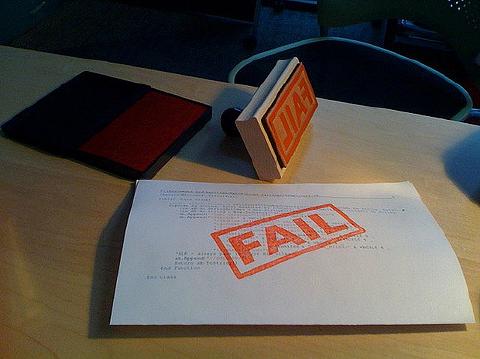
#289 – Documentation Is A Waste Of Time
Download episode · 55 MB
Also on Apple · Spotify · YouTube · RSS
Show Notes
- Travel and potential meetups!
- Chris will be traveling in April to Europe.
- Berlin for 2 days
- London for 2 days
- If you can help set up a meetup for The Amp Hour, please email chris@theamphour.com
- Chris will be giving a talk at Hackaday Belgrade and attending Resonate.io
- There may be an Australia trip and subsequent road trip with Dave in August. Maybe we could see the telescope in Canberra and listen to Voyager.
- Chris will also be in Austin at SXSW next week at the Hardware House.
- Chris will be traveling in April to Europe.
- Bunnie was on embedded.fm talking about design culture in China. You can still preorder the book here.
- There is fidelity loss in documentation, especially if you're relying on key designers. Dave has once been told "Documentation is a waste of time".
- Cut and paste in documentation used to be just that. It was all stored in A3 folders (in Australia).
- The Rasberry Pi 3 was just released! They are still focused on education (as Matt Richardson told us about on the show), but are continuing to integrate more features like wifi and bluetooth.
- Dave just got a high speed camera (1000 fps) and is looking for things to film. He did a test shoot looking at a VFD (that Chris used to work on!).
- The Gates foundation put out their letter about energy and time. Energy stuff does't usually square with super heroes.
- Chris thinks photosynthesis (or general biological conversion) is an interesting way to eventually harvest energy.
Transcript
Chris Gammell: This is The Amp Hour Podcast. Recorded March 2nd, 2016. Episode 289. Documentation is a waste of time.
Dave Jones: Welcome to the Amp Hour. I'm Dave Jones from the EEV blog.
Chris Gammell: And I'm Chris Gammell of Contextual Electronics.
Dave Jones: What's up, nerd?
Chris Gammell: Well, as you know, I have been traveling more, but I wanted to start off the show asking for help. Excellent. I finally got my travel all booked, and I will be in Berlin and London in April. And I want to meet Amp Hour listeners. So I was hoping for some help for some locals to find a pub or whatever.
Dave Jones: And speak the language and help him order stuff.
Chris Gammell: Well, I speak English most of the time. But yeah, so London's probably not a problem. But just, you know, finding a place where it's good for that kind of stuff. But yeah, I'm just looking to kind of check out the scenes in both places. Yep. I don't know. I don't really... I mean, I know a lot about the U.S. different cities and stuff, but I don't know much about Europe scene. I know that Berlin has a bunch of that. European, yes. Yeah. Germany has a bunch of the CCCs out there, and I talked to Great Scott about that stuff as well.
Dave Jones: Are there any events on while you're over there? Have you checked?
Chris Gammell: No, I haven't checked yet, actually. That's a good idea. I'm actually... So the real reason I'm going over is actually I'm going to be part of the Hackaday Belgrade. I'm going to be giving a talk there. And giving a talk is different for me, but I'll be out in Belgrade as well. I know Mike Harrison...
Dave Jones: I thought you've given quite a few talks now.
Chris Gammell: Nah. I don't like doing it still. It's not... Ah, right. Okay. Right. Anyway, so Mike, yes? Yeah, so Mike will be out there too. Are you? Yeah. Oh, okay.
Dave Jones: Oh, yeah, because it's just a jump across the puddle for him. It's a pretty significant...
Chris Gammell: It's more like a... It's like flying from, like, here to Florida. I mean, it's pretty significant. I mean, it's not small.
Dave Jones: Ah, right. So it's like five hours or something. Oh, no. No, it's like a two and a half, three hour flight, yeah. Oh, two... You know.
Chris Gammell: Right. It's like Sydney to Melbourne, right?
Dave Jones: No, no. That's an hour. It's like Sydney to Adelaide or something. Oh, okay, okay.
Chris Gammell: But still, you know, like some distance. It's more than... Yep. You wouldn't want to drive it or take a train, so...
Dave Jones: No, no, no. Right.
Chris Gammell: And then there's another thing. There's also Resonate, which is the next weekend, which I... It's kind of an art and tech kind of conference, and it's also in Belgrade, so I'm checking that out, and that'll be...
Dave Jones: Oh, I assume Mike's going to that one, because it's all the arty LED people, which is his thing.
Chris Gammell: Yep. Right. And so, you know, so I'm looking to set up my own stuff, and I'm also going to conferences, and I'm also always looking for... I'm interested to hear about other conferences, because, you know, for a long time I heard about the, you know, the E-Times type ones, you know, the, like ESC is coming up in Boston, but there's also, you know, just kind of entering into conference season. It's just hard to hear about new ones, though, you know? It's... So, I'd love to hear suggestions from listeners and stuff.
Dave Jones: And you were telling me the other day that you might eventually make it down under.
Chris Gammell: I was, yeah. You're thinking about it. I was looking at flights, yeah, man. So, and then you told me that you might be able to go on a road trip, so it is now in the records. This will be published.
Dave Jones: I reckon I can probably get a leave pass to go on a local road trip.
Chris Gammell: Nice.
Dave Jones: If it's overseas, you know, she'll whinge, but I think if it's...
Chris Gammell: I think the main thing is we need, like, just a road trip theme song. We can't just have... You can't just listen to the Empire theme the whole time. We've got to have, like, a... You know, something, so...
Dave Jones: And we probably need, like, a business destination in mind. Like, oh, we've got to go visit this facility, but it's all the way across the country. Oh, sorry. Yes, right, right, right. You know, I've got to... Where's the telescope stuff? Where was that again? That's down in Canberra, yes. Yes, I've been meaning to, yep, set that one up. So that could be kind of cool. What I want to do, because I think we mentioned it on here before, is, you know, they're getting now, you can publicly see... Well, you can't actually see the actual data, but you can see the telemetry and stuff coming from, like, the Voyager probe. Oh, really? And stuff like that. And, yeah, and, yeah, it's like, it's the furthest probe ever. And they get, you know, it's down in one half a B-stick watt or something, you know?
Chris Gammell: Yeah, not a lot of civilization, but lots of data, right?
Dave Jones: So, you know, at, like, 200, 100 bits per second or something, you know, some ridiculously low data rate, some ridiculously infinitesimal power level. And that's being picked up down there. So I thought maybe that'd be cool to actually, you know, watch them actually connect to, like, the Voyager probe. Yeah. You know, that would be, like, oh, that'd be sweet. That would be really sweet. It'd probably be, like, incredibly boring. Yeah. It'd be, well, they can't send a ping. They just, you know, actually hiss into it. So they just, you know, it'd probably be incredibly boring. Somebody pushes a button or, you know, there's a few mouse clicks and, you know, the antenna moves a fraction and, you know. Yeah, right. Yeah, you know.
Chris Gammell: Wait, so there's no, there's no, there's no transmit capability to that thing? It's only, it only sends?
Dave Jones: No, they can, they can transmit, but the distances are like days, you know? Oh, right, right, right. So it's not like we can just talk to it and get, you know, I just film a few minutes later and there comes the reply, you know? Right. Have you seen any Platonians? No, I think they're rarely talking to it. I think they're, they're mainly, they've, like, set it up and it's just transmitting stuff back and that's basically, and they're, and they're happy with that, you know? So. That's still pretty cool, though. That's still pretty cool. Yeah. It's awesome.
Chris Gammell: Yeah, I'm sure down there, there's not a lot of stuff going on, so it probably clears up the spectrum, like, less noise type stuff, maybe? I don't know.
Dave Jones: Yeah, that's the idea, why they put it in the middle of nowhere. Yep.
Chris Gammell: Interesting. Yeah, so that might be late summer, my time. What would it be, like, early fall?
Dave Jones: Ah, spring.
Chris Gammell: Spring? Early spring, yeah.
Dave Jones: No, it's actually fall now here. Oh, right, so yeah, I'd be moving into spring. We don't call it fall here, it's autumn, you know?
Chris Gammell: Autumn, right, yeah. Well, it's also called that here, so. Right. Yeah, so maybe. I was looking at August, my time, so let's see August, my time. August, my time, Dave, not your time. So lots of travel plans. We'll see. And yeah, so one more thing. I will also be at South by Southwest next weekend, and that's going to be interesting. Because I have not been back to Austin since I lived there, so. Right. I'm very much looking forward to that. Not so much the crowds, but definitely the, you know, my old stomping grounds kind of stuff, so that should be fun. Got it. Yeah.
Dave Jones: Excellent.
Chris Gammell: Yeah, man. Lots of stuff.
Dave Jones: Guess what I did the other night.
Chris Gammell: What did you do the other night?
Dave Jones: I actually went to a pub and met some people. No frigging way. Well, not new people. I was just hanging out with some old colleagues, my mate Doug and a couple of others that I used to work with. Oh, that's fun, though. But it's fascinating. Like, you know, you sit down and it's so, the industry, you know, of course, everything's, you know, it's all industry and nerdy. Talk, right? And the companies we've all worked at and, you know. And we've all worked together in the same group. But, you know, like, but like a guy I've worked with, we've worked at three companies together. You know, it's like. Wow. And, but all the talk, it's just the industry is so incestuous.
Chris Gammell: Oh, yeah. Yeah, man. Especially if you stay in an area, for sure. Yeah.
Dave Jones: Yeah. Well, my mate, right, he, you know, comes in, as you do, right, you bring stuff along, right? So he actually whipped this cable out. I can't tell you anything about it, but he whipped this cable out. And it's real special, right? Right, right. Like a super, super duper special schmick, you know, rocket science cable. And he whipped it out and he goes, you know, and talks to my other mate, would you know anything about this? Because he knew he used to work at a company that maybe, you know, used some stuff like this. And he went, I designed that. And it's like, yeah, that's, I can tell you all about it. Blah, blah, blah, blah, blah, blah, blah, blah, blah. And, you know, 10 minutes of technical talk later. You know, it's just, yeah, amazing.
Chris Gammell: A little bit of a tangent. I don't know if, did you listen to Bunny on Embedded a couple weeks ago? No, sorry. It was last week. And he was talking about that too, where he talks about, in China, if you want to like, so he was talking about like the whole, it was first off, great episode. Definitely go listen to it. And it's, he was talking about like, oh, well, there, you know, people would optimize for buying low cost components because you might be able to, you know, maybe like he talks about remanufactured or reacquired phone cameras. And basically, it might be a lot of a thousand for like sold by the pound. But you basically, he said like in China, you can just go and buy the test fixture from the factory, which was originally testing them. Oh, really? Yeah. I mean, that's what he's talking about. And it's like, that's a great example of like, you know, there is that like, it's like so insider.
Dave Jones: Where do you get that from? Do you get it from the market or do you, or do you just know people? Cause everyone's so, as we said, the industry's so incestuous.
Chris Gammell: I mean, yeah. If you just look up where the thing was made and then you just go set up a tour, want to talk to someone, that kind of thing, you know, it's just part of the.
Dave Jones: Oh, okay. Right. Right.
Chris Gammell: Yeah.
Dave Jones: And, and, and you sort of go on tour with, with cash and you go, Hey, can I buy that over that test jig over there? Right. Exactly. Yeah.
Chris Gammell: It might not work. It might not happen. But yeah, it was very eyeopening. And Bunny talks about a lot of cultural stuff too. Like that was kind of in the discussion of cultural stuff, but that whole, you know, we could talk to Bunny all day long and at least and Chris as well. You know, it's just like, so that was, that was a really good episode. I really liked that. I mean. Cool. There are enemies. That's what I'm supposed to say. Our, our rivals, embedded.fm. Rawr, rawr, rawr. Yeah. So it's a, did you end up ordering his book or no?
Dave Jones: No, I don't think I did. I was going to. What the hell happened?
Chris Gammell: I think you still can. I think you can after the fact too, but I, I already went. Right. So yeah, it's, uh, looks good.
Dave Jones: Excellent.
Chris Gammell: Uh, so you were saying though, uh, you were meeting up with some pub people and, uh, so you had that same kind of like insider. I designed that. That's kind of thing. Like it is like that extreme insider stuff, right?
Dave Jones: Yeah. But I bet, but the, the, the, the coincidence of the person that you whipped the cable is at the table with you. And yeah, I designed that, you know.
Chris Gammell: I don't know if it's coincidence though. I mean, like it's, it's, it's small industry.
Dave Jones: No, it's not because he, he actually knew that the, that he worked at, he used to work at a company that may have been involved with this in some way, shape or form. Or may know what it is, but yeah, no, the fact that, that guy, you know, actually spec'd it and everything else.
Chris Gammell: So yeah. What trips me, it trips me out is like sometimes like, okay, so maybe that guy moves to a whole nother area, doesn't know anyone anymore. Like the knowledge just goes with that guy, you know, it's just gone, you know, like there is no documentation. Like it's, I mean, not necessarily. I mean, some companies are better than others, but you know, there's always a fidelity loss in, in, you know, writing something down on paper versus being able to sit down and talk with someone. About, well, why'd you do this? Why'd you do that? That kind of thing. Yep. Exactly. And it's, it's, you know, you got to wonder how much like residual knowledge, you know, you look at any piece of electronics, especially stuff that maybe, you know, it was quasi popular, but not super popular. Like, so I'm like looking at my HP printer here. Right. So, you know, consumer tech, not a big deal. There's probably something interesting in there and it's probably in someone's head. You know, like, it's just like why they just made this decision or even like the small manufacturing decisions between. You know, oh, well, we had this initial design, but then to cost reduce it or to, you know, make it faster or blah, blah, blah. Whatever reason you actually decide to change something in manufacturing. Those kind of decisions, like it's just a, who's got time to actually document all that stuff? You know, it's, it's pretty crazy.
Dave Jones: No, it's, and even if you're talking, like I've gone to the nth degree to document stuff. Like I've worked at big companies where that's all you do. Right. You know, that's your thing. That's what you're expected to do. And still, you know, I, I leave the company and you know, I, I get phone calls. Dave, how the hell does this, how did you make this work? How does this work? It's all documented, but well, I don't know. We can't find it, blah, blah, blah. Like, oh, for goodness sake, you know.
Chris Gammell: Yeah. No, no, no, no. That happens. That happens way more than people know. And yeah. And like in big companies too, you know, it's just, and sometimes it's, well, that's the old rev and we can't do it like that anymore and just figure it out. I remember at a past company, there was, you know, it's, and it's even worse when you have really, you know, top notch designers. Like they're doing, you know, it seems like magic. They're, you know, they're, they're, they're, what do you do? You put the tongue onto one side and, you know, you kind of hold not the thumb kind of thing. Like, you know, they're, they're figuring stuff out by feel or touch, or they're just kind of trying a lot of different things. And it's almost even worse when it's like, it feels like they're working miracles with, you know, like a couple of capacitors at a time. And then you're like, how'd you do that? And then they don't even know, you know, it's like, or, or when that person leaves, I've seen, I've seen exit interviews that involve cameras while they're explaining what they did. Oh, really? Okay. Yeah. It was like pretty insane. So it's amazing how much products can actually hinge on, you know, a couple key designers. Right. I mean, that's kind of what we talk about a lot, but it's, it's reality. It happens.
Dave Jones: When, when I left, um, SirCell at the time, um, I was working at SirCell, you know, and, um, I, uh, gave them, you know, a week's notice or something, or I don't know, a week and a half or something. I was supposed to, you know, in the contract or something, you're supposed to give them, you know, four weeks or some crap like that, you know? So I give them like a week and a half. You can't, you can't do that. We can't do that. You have to transfer all the tech. Sorry, dude. Contracts are there for a reason. Yes. Well, no, it's not a contract. It just means you don't get paid for those extra. Wait, like, and, and it's like, well, I don't care.
Chris Gammell: Right.
Dave Jones: Like, you know, see ya, I'm going. Remember folks? That's what Dave's talking about here. So then they had to fly out, um, guys from France to, you know, like on the plane, like they had to make a, you know, phone call, get on the plane now, come here, Dave's leaving, you know, you have to extract and document all the knowledge in his head, you know, even though most of it was already down, you know, on paper. Right, but yeah, there are all those small things, right?
Chris Gammell: I mean, it's just a couple of small things once in a while, so.
Dave Jones: And I so bugger the exit interview. I spent the next week just, uh, yep. Hanging out with those dudes. Locked in a room.
Chris Gammell: Yep.
Dave Jones: Yeah. Yeah. Whew.
Chris Gammell: Man, that's, uh, that's pretty crazy. Yep.
Dave Jones: But it wasn't videotaped. Well, this was, you know, nobody videotaped things back in those days, I guess. Yeah. Oh, well, yeah. Jeez, it wasn't that long ago.
Chris Gammell: No, no, but like, you're right. I mean, it's not like everyone had, uh, you know, nice, nice, you know, cameras on their phone type of thing. No, no, exactly. It was a separate piece of equipment.
Dave Jones: Nobody had a phone camera that took video, you know, that was unheard of.
Chris Gammell: Right, right, exactly.
Dave Jones: So, hmm.
Chris Gammell: Yeah, so, man, that's, you know, I've been out of, I've been out of the hardware as a job thing for a while, right? And I've, I still know the importance of documentation and all that stuff. And, um, but it feels like it's, I don't know, how are people doing that these days? I guess that would be another question for the audience, because I don't know if you know that either anymore.
Dave Jones: Well, probably a lot of people aren't. I mean, I've worked at companies where, no, documentation is a waste of time. Don't do that. Really? No. No. They said that? Yes. Yeah. Whoa. I'm serious. I can remember my first day at a company who shall remain nameless. Or the first couple of days, you know, I started, you know, I wanted to impress, you know, so I'm, you know, they gave me a little project and I, you know, and I came from a big military, you know, company where documentation is, you know, everything.
Speaker ?: Yeah, of course, of course.
Chris Gammell: Where it's like part of the culture, right?
Dave Jones: Yeah, exactly. It's part of the culture. So I did this massive, you know, 10-page document of the project I was working on, explain everything. You know, I took it in, proudly showed it to them and they're just looking at me like, what the hell is that? Why did, we didn't ask you to what? Like, don't waste your time doing that. Seriously. Yes. Wow. And yeah, I went, okay, right. I just learned lesson number one.
Chris Gammell: Yeah, right, right, right. This company, you know. What do we really care about here? It's apparently not long-term support of.
Dave Jones: No, no. Well, you know, because like everything's gun-ho, right? It's like get the job done as quickly as possible. And, you know, anything else that wastes your time is just, you know. And some companies thrive and operate like that. I mean, there's, you know, you can say it's not good. But, you know. Yeah. Yeah. But I don't know. I thought it was important enough to document. So I documented it.
Chris Gammell: Yeah.
Dave Jones: Obviously, nobody else agreed.
Chris Gammell: Yeah. So, I mean, I think there still is, you know, the standard Word doc kind of stuff. I mean, there is just the straight long-form text type stuff. I know that you are going to rebel against what I'm about to say. But I actually think. What? I think that if, you know, when people finally give in and start doing revision control from the command line. I think that actually is pretty, you know, depending on how you actually comment things and stuff too. But like because it's usually, you know, as you're going along, I change this because I change this because that kind of stuff. Like I think there's some value in that too. I mean, that takes a lot of discipline as well.
Chris Gammell: But, um.
Dave Jones: Well, on the stuff I've always worked on, it's no. It's like you just keep the document up to date. You know, it'll be a Word document or whatever. Before that, it was actually physical paper. You would cut and paste. And you would, if you wanted to make a new one, you'd take a photocopy of it. Cut and paste.
Chris Gammell: Like physically cut and paste.
Dave Jones: Physically cut and paste. You print that. You paint. Glue. Right? You put glue on the back of that. Seriously.
Chris Gammell: Where's the control V? David, do you mean the glue stick?
Dave Jones: Yeah, I know. The glue stick. Stick. That's it.
Chris Gammell: Yeah, man.
Dave Jones: I'm serious. That's how. You know, these huge A3 folders. There was a whole room full of every project. And they had like a Dewey number, decimal, Dewey decimal number system or whatever for all these A3 folders. And you had these big, every, when you first start the job, right, here's your stack of A3 graph pads. Jeez. Yep. And this is what you use to document everything. And yeah.
Chris Gammell: Yikes.
Dave Jones: Cut and paste. Yeah. No, no, no. Anyway, so you'd take a photocopy of that. Anyway, no, I was saying like you just keep one master Word document up to date. And yeah, you might sort of keep maybe some archive copies of it, but generally you don't remove information from it. You know, if you're documenting a design, you want the latest.
Chris Gammell: Right, right. You just move the relevant stuff to the front.
Dave Jones: Yeah, you want all the photos in there. You want all the graphs of how things work. You want the flow charts. You want the, you know, all sorts of jazz in there. And it's, you know.
Chris Gammell: Yeah, because ultimately it's the design decision stuff that actually is probably the most critical. You know, it's not the what or the how, it's the why. Not. Yes. Because if you need to re-engineer it later, you know, I can't find, you know, why one? Why did he use this really weird fancy crystal? Yeah. Oh, it's because of this property and this property. And it's like, oh, okay, I can go find that. Versus I have one part number. Please, is this part number anywhere in the rest of the world? It's, uh, no. I guess I'll buy it from Alibaba. This might go badly. Yeah.
Dave Jones: Oh, goodness.
Chris Gammell: Yeah, no, no. I was talking more about like the in situ, like the, uh, more, more like, I mean, it really was more like the, um, like the schematic changes, stuff like that. Oh, well, I moved this resistor, that resistor because of A, B, and C, that kind of stuff. So, uh, but even that, that's usually, you'd really have to do it on like a per change basis. So like, it would be like move R1, document it. Move R2, document it. That kind of thing. And most people won't.
Dave Jones: So you need a revision change document, you know, not only I changed this, but a big why. And that why could include three pages, 10 pages of graphs and data and photos. And all sorts of things. Totally could.
Chris Gammell: Yeah, yeah. If you were really rigorous about it, it could totally do that. And, you know, like, again, like we've talked about, uh, I think we've talked, I mean, we, well, yeah, we, of course we have. But like, you know, the whole software world kind of influencing the hardware world more. And I think that's actually one of the benefits is that kind of stuff, because it is more like the incremental changes. But actually, I think that, you know, if you get in that mode of, you know, changing, changing and documenting as you go, if you get into that mode, it's, it can, it can be pretty powerful. But it's really all about practice. And that's what the hard thing is. So like, like you said, I think two episodes ago, you were talking about, well, I don't want to be forced to do it. And I, I pretty much agree with that. You know, like, it's just more of a cultural thing. It's like, if, you know, understanding the benefit of it and then doing it, that kind of thing. So. Got it. Yeah. So, yeah. Uh, documentation is a waste of time, apparently. Until it's not. Yeah, right.
Dave Jones: All right, let's go on to the next topic. All right, really, I'm here on it now.
Chris Gammell: No, I am too.
Dave Jones: Hang on. Oh, yeah. And in other news, um, Sharp.
Chris Gammell: Yes.
Dave Jones: Got bought.
Chris Gammell: This is interesting because of who bought them. Not, not that they got bought. I mean, everyone's been bought, but yeah, they were bought by Foxconn, which is, uh. Yeah.
Dave Jones: Quite. And they're an assembler, basically.
Chris Gammell: It makes you wonder, I don't know if you, have you had this happen where you have an obsolete part and sometimes it's like, well, we should just buy the company. Like, you think maybe that's what it was?
Dave Jones: Ah, right. It's, um, it has been discussed at a company I worked at, yes. Yeah. Yeah, man. Yes. Like, cause I worked at a company that was so big, like I'm talking, you know, $50 billion or whatever. Yeah. Yeah. Yeah. They can afford to buy somebody. So, yeah, it has seriously been talked about.
Chris Gammell: Well, and we've talked about that on here before too, not, not from buying a whole company, but, uh, you know, like Apple talking about buying out an entire, an entire fab's worth of DRAM type of thing, right? Like, just like the economies of scale getting so, and the demand getting so high that it's like, yeah, you almost are willing to do that based on, you know, it's just, it's just a, it's a business decision at that point. You know, you have to secure your supply chain.
Dave Jones: Well, well, it's not only that, but the thing with Apple is they get a much better return on it because Apple is sitting on like $50 billion of cash, right? And, and, and cash doesn't earn anything, right? It earns no interest. In fact, it could be, you know, it's a liability, right?
Chris Gammell: Right. Cause of depreciation, whatever. Yeah.
Dave Jones: So what do you do? You buy, you plunk down a billion dollars, we'll buy every DRAM for the next 10 years, you know, and, and like you plunk down that cash and you get the biggest discount in the industry, right? Cause you're willing to plunk down that cash that, you know, nobody else can touch you on, on price for those DRAMs or whatever, those displays or whatever it is, you know? Yep. So they actually put their cash into inventory, which, which is often not a good business practice. But once you get so huge like that, it actually becomes good business practice. Yeah.
Chris Gammell: I mean, that's, that is a whole segment of the supply chain that I'll just never, I mean, like there are people that are like, they're probably legions of people that are dedicated to that kind of thing. And I just, I don't, I don't understand that. I was, I was, uh, so I was, so I'm going to be on a panel at South by Southwest and, uh, it'll be with me and Scott Miller, who's been on the show before. And I was emailing him. I'm like, look, I mean, I could talk about sourcing and stuff and I will be, but like, I'm like at like a thousand, I'm kind of like out of the game. You know, I was industrial. Like that just is my thing. And there are just totally different considerations where when you get to 10, I mean, 10 million or, you know, a billion units or something like that for an Apple, obviously it's just, yeah, it's a whole other, you, you have gravitational pull at that point. You know, you are, you are the sun.
Dave Jones: You are the sun, which is bending the light, you know, like sending gravitational waves,
Chris Gammell: right?
Speaker ?: Yeah.
Dave Jones: Yeah. It's serious business.
Chris Gammell: Yeah. Yeah.
Dave Jones: And so speaking of panels, I was on a panel once and that was, it was a dismal fire.
Speaker ?: Really?
Chris Gammell: What was that like?
Dave Jones: I, I went to the U S right at, at the design con, um, uh, thing. And, um, yeah, I was supposed to, you know, host a panel, you know, I was supposed to be the host and of this, uh, panel. I can't remember what we're going to talk about. Anyway. Um, they foolishly booked it during the big dinner. Like, you know how these conferences like, you often have like a huge dinner at night.
Chris Gammell: Like a banquet almost. Yeah.
Dave Jones: Yeah. Like a, yeah. Like a huge big banquet thing. And it was like, they held it during, they thought it'd be good. Yeah. It's a good idea. Let's hold it during dinner. And it's like, so we're sitting there on the panel and like, nobody could hear us. Like I've, I've got the mic, you know, we're turning up and like, and, and I'm, I actually at one point standing on the table with the mic go in, can anybody, you know, hear it? Like, and nobody's paying attention. So there's food in front of them. Yeah. So I, I, yeah, I just got the official, uh, uh, you know, cut it, but you know, the, uh, the guy in charge just gave me the, uh, throat cut, you know, right, right, right. Sign.
Chris Gammell: You know, at least you didn't get the hook like in, uh, the Apollo theater or something. Right. Right. Yeah.
Dave Jones: And yeah. So that was a dismal fire. So yeah, they flew me all the way from Australia. This was one of the big things.
Chris Gammell: And I hope that's not, uh, yeah. I hope that's not me.
Dave Jones: So if you run on a panel, yeah, don't do it during dinner because people don't pay attention.
Chris Gammell: Okay. I will, I'll keep that in mind if I have no control over this, but yeah. All right. Uh, yeah. So that's pretty crazy though, about that, uh, that supply chain stuff though. Like the, I, I, I would love to hear, like we need to check back in on this in a couple, um, a couple months to see if it actually was more, more towards like supply, securing the supply chain versus just a business decision, you know? So.
Dave Jones: Will we ever know? Like what's the, how would we judge that?
Chris Gammell: I think it would be if, if they, if, if we hear reports in a like six months or whatever the deal goes through that like someone else wanted to buy sharp stuff and Foxconn is like, well, there's not available because we get it, you know, like that would probably be. Yeah.
Dave Jones: Yeah. So we have to rely on third party report or something. Of course. Of course. Yeah. Find out what's going on.
Chris Gammell: I think that's true for a lot of this stuff, you know, I'm in Cleveland, so I'm, everything I do is third party. Right. Yeah. Chris Gammell reporting here from the basement in Cleveland.
Speaker ?: Yeah.
Dave Jones: And from his basement, he can see everything, all the action.
Chris Gammell: That's right. And I saw recent news about Raspberry Pi 3. Did you see that?
Dave Jones: Oh, I yawn. Yeah. Like, like, yeah, like there's so many of these freaking boards. I'm just going, oh, like, who cares? Sorry for all you Raspberry Pi aficionados, but like, I don't know. Tell me, okay, what's different? Whoop-dee-doo.
Chris Gammell: I mean, it's the integration of Bluetooth and Wi-Fi. I think it's just more of a...
Dave Jones: Right. Okay.
Chris Gammell: Consolidation thing more than anything else. I mean, really what it comes down to is that...
Dave Jones: Does it cost more? Is it the same price? It's the same cost, yeah.
Chris Gammell: So basically it's just, you know, same cost enabling more, you know, fewer external components. So, yeah, I mean, like that's something.
Dave Jones: Is it using the same processor or is the processor, they're using some Whizbang new processor that has all this built in?
Chris Gammell: I'm pretty sure it's a new processor that actually has the stack.
Speaker ?: Ah, right.
Dave Jones: It has a built in. Otherwise, yeah, it's just another bomb part and I can't see how they can make it cheaper. So, yeah.
Chris Gammell: Well, there is always the dive of part cost over time, but...
Dave Jones: Oh, yeah, yeah, there is. But, you know, yeah. I would have put my money on that fact that they got a new Whizbang processor that's... Yeah.
Chris Gammell: Yeah, that makes sense.
Dave Jones: Got it all built in and sure enough, yep. So, yeah, I don't know.
Chris Gammell: I think that actually does make a difference though because, you know, any kind of level of integration usually ends up benefiting in products, right? Because like think about... Oh, of course. Think about even... Like did you ever used to use those external Ethernet PHY chips with like stacks? Of course. You know, those kind of things? Like, yeah, I mean like those were a solid business for people. Of course. And now like there's still the PHY elements usually separate and stuff like that. But, you know, like all of the... Where's the PHY? What is it? Like the... The Mac. Yeah, sorry. The Mac is internal to the chip now. The PHY is still... The transformer is external. But, yeah, I mean like it's all integrated now and there is power to that. I mean ultimately every electronic component or every chip especially is going to have higher and higher levels of integration because that's how all these companies see their margins improving, right? Oh, well, you don't have to buy that chip so now you can buy our super integrated one and pay less overall, you know? Solution cost.
Dave Jones: So, yes, don't get me wrong. I do like this. It's just that, you know, I'm sick of hearing about new Raspberry Pi or bloody... Oh, yes, of course.
Chris Gammell: Of course. Another board. Right, another board.
Dave Jones: Yeah, another board. Another development board, you know? Yeah. Yep. No, it's just... It's not... You know, it was big when it first came out because, oh, look at the cost of it, you know? Like it was a big thing. Now it's like, well, who cares? Okay, so what?
Chris Gammell: I think... Well, I think ultimately... So, like the platform had a lot of promise at the beginning because I think, you know, they were going for education and that was the right move. Yep. And I think that they're delivering on that. I know Matt, who's been on the show, has been expanding their U.S. side of education. They've been doing a lot in the U.K. as well. And I think that that stuff's really good.
Dave Jones: But the big thing was the price, though. The big thing was the price. You can talk about education until the cows come in. And the big thing everyone went wow about is that it was 30 bucks or something. Right.
Chris Gammell: And the idea that you could integrate it into everything. And really, that was the thing that didn't really come through. And it was because, oh, well, to connect it, you need this and this chip and this... You need this and this and this. Right.
Dave Jones: Now it's all built in. Okay, fine. But it's kind of like, yeah, it's not... I expected that.
Chris Gammell: Sure. Yeah. But I think that just moving towards that future of higher and higher levels of integration, right? We see that everywhere else. And so seeing that now as an accessible, low-cost thing, sure. I mean, that's going to be actually pretty good, I think. I think that'll... Every product... So now what you can imagine is every product that was designed for that same header now basically gets a free upgrade. So that's kind of interesting, I think. Mm-hmm.
Dave Jones: So that's all. Fine. Yes. It is so noted as being interesting. That's right. That's right.
Chris Gammell: We basically exist as a bookmark in audio history now. That's all we... Right. That's all we're good for anymore, Dave.
Dave Jones: In 2016, Chris Gemmel and Dave Jones noted that it was interesting. That's right. Someone hit Wikipedia with a... Yes. A timeline. It appears on some official timeline somewhere.
Chris Gammell: We are a first... Are we a first source or a second source? I don't know. We're probably a second source. I don't know. Yeah.
Dave Jones: Whatever.
Chris Gammell: I don't know.
Dave Jones: I don't understand all that Wikipedia stuff.
Chris Gammell: Wikipedia.
Dave Jones: Right. Have you seen my Wikipedia page?
Chris Gammell: You know, I check it every week, but I haven't seen it recently. Right. No, actually, I don't. Actually, I...
Dave Jones: It is not the page. The page is about as unremarkable as you could get. Mm-hmm. It's the talk page. Have we mentioned this on here before? Oh, yeah.
Chris Gammell: You've posted on that. Yeah, that's right. Yeah, you talked about that a little bit.
Dave Jones: Oh, jeez. It's like... It's like got three... It's like three or five times the size of Donald Trump's one. And he's like one of the most controversial guys on the planet.
Chris Gammell: Not anymore.
Dave Jones: And yet, there's... Dave Jones for president.
Chris Gammell: I would vote for him over Donald Trump. I don't know.
Dave Jones: It's crazy. So, I... I don't know what's going on there. That's just madness. Yeah. Anyway. Oh, well.
Chris Gammell: Next. What have you been doing? What's up with you, man?
Dave Jones: What have I been doing? I've got a new camera after this. I'm going to go shoot some high-speed video.
Chris Gammell: Ooh. So, what's the plan for that?
Dave Jones: I don't know. I asked on Twitter. And I'll just get some random stuff and shoot them at 1,000 frames per second and see what happens.
Chris Gammell: Mm. Well, I think the obvious one is things blowing up. I mean, I think that's... Oh, of course. ...done a little bit.
Dave Jones: And arcing and stuff. Those were my two first thoughts, of course. I just shot... Just a couple of minutes before this, I just shot a vacuum fluorescent display. Mm. Okay. And at 1,000 frames... You actually need 1,000 frames per second, which is really interesting. And I thought, oh, you might be able to see it at, you know, like a couple of hundred or something. But no, no, you need 1,000 frames per second. And even then, I've got to slow it down so that you can see the cyclic nature of the refresh and the multiplexing of the vacuum fluorescent display. How they've only got X number of drive lines, right? Yeah, so what is it?
Chris Gammell: Like, they drive the entire character, like, at the top and then it kind of propagates down?
Dave Jones: Well, they drive, like, 10 characters at a time. So it's like a two-line vacuum fluorescent display on a bit of Keithley gear, right? And... Oh, yeah. I used to work on that. Yeah, right. Yeah, exactly. Boyd or oscillators. Yeah. And the source measure unit, you know, the 2400 source measure unit. I just shot that. Nice. There's a bit of test footage. And, yeah, and you can see it, like, scanning around where they drive, like, 10 characters at a time, but there's, like, 40 characters. So you'll see it, like, in banks. You'll see these banks just go... Gotcha. One bank, two, three.
Chris Gammell: Yeah.
Dave Jones: And, well, it's more than that. It's, like, 10 banks as it scans around the screen. But you've got to do it at 1,000 frames per second.
Chris Gammell: So it's that fast. It's just...
Dave Jones: It's that fast, yeah. So they're scanning it at kilohertz, not, you know, hundreds of hertz or, you know...
Chris Gammell: Right, right, right. Just for the persistence and everything else to get that smooth look.
Dave Jones: Yeah, yeah. Yeah, because you can catch...
Chris Gammell: Like, you can catch that... It looks weird, but it's not really discernible if you just put it on a regular camera normally as well, right?
Dave Jones: Yes, yeah, yeah. The shutter speed will show it up. Yeah, I have that problem a lot. If I'm taking... Or if you're taking a photo, you'll see, like, eBay photos, right? Oh, yeah. If you're taking a photo for eBay, if you don't have enough light in the room, when you're taking the photo, it'll, you know, your camera's on auto, it'll choose a low shutter speed of, you know, I don't know, 1 50th of a second, which sounds like enough, but it's not. It actually captures, you know, half of the display. Right. And then you get emails from people saying, the display doesn't work. What's wrong with the display? Right, right, right. Well, understand how cameras work, you know. Right, exactly. And, yeah.
Chris Gammell: Yeah, that's interesting. Interesting. So, why'd you get this? I mean, was it given to you or was it a...
Dave Jones: No, no, no. I just wanted to shoot some high-speed footage because my thousandth video, my next video is my 1,000th upload.
Chris Gammell: Seriously? Wow. Yeah.
Dave Jones: Yep. Why did I think you were lower than that? So, I thought, oh, I thought I would just do something fun. Yeah, I'm not talking official videos. Oh, okay, not numbered videos. Yeah, no, there's 850-something official. Okay.
Chris Gammell: Well, you can use it again when you hit 1,000 official too, right?
Dave Jones: Yeah, yeah, of course. But, no, I just thought I'd do something fun for the 1,000th upload.
Chris Gammell: The way that I understand it, so I've watched some of those high-speed camera guys. There's a bunch of YouTube channels about this kind of thing. But the way I understand it... Slow-mo guys, yeah. Yeah, yeah, yeah. You need tons of light, though. Is that right? You need flooded with light? Light is everything.
Dave Jones: Yeah, light is everything. But this camera is pretty good. Yeah, I shot just with half my studio lights off here, or most of them off. And, yeah, it's kind of grainy at 1,000 frames per second. But, yeah, light is everything. So, the best thing you do is just shoot outdoors. That's it. Like, solved. Problem solved. Shoot outdoors.
Chris Gammell: Except for the whole, you know, viewing VFDs were not made for outdoors. That's the main thing.
Dave Jones: No, they're not made for outdoors. So, I'll just, you know, I don't care if it's grainy. I just want to show the fact that it multiplexes, you know, and scans around.
Chris Gammell: Right, yeah.
Dave Jones: Yeah, yeah.
Chris Gammell: Yeah, I think that... So, I saw some of those suggestions on Twitter. I think, yeah, things blowing up, things heating up, that kind of thing. Sure.
Dave Jones: Arking over, yeah. So, I'll do all those. I'll do all those. Okay. So, otherwise, though, I mean, not a lot is visible.
Chris Gammell: You know, like, there isn't a lot of...
Dave Jones: I know. There's not a lot.
Chris Gammell: Yeah.
Dave Jones: You know, yeah, it's obvious to blow stuff up. But in the electronics realm, like, what, you know, like, yeah, I'll probably, like, try and do a fuse explode. Right? You know, like, the fuse actually burst in. But I don't know how good the macro is on this. I haven't, like, tested, you know, the macro. So, maybe I can whack my macro lens on the... Tape my macro lens on the front, and maybe I can try and, you know...
Chris Gammell: Yeah, that's a good idea.
Dave Jones: ...do that. But, yeah, so I need to experiment with that a bit before I go all gung-ho with that. But, yeah, that'd be nice. Yeah, but, yeah, you're right. There's not much in the electronics. It's electronics. It's solid state, you know? Right. Gone are the days of filaments, you know, glowing and...
Chris Gammell: Yeah, I guess, yeah, maybe you could get, like, a tube... Yeah, a set of tubes heating up or something, but...
Dave Jones: But, whoop-dee-doo, it's not that exciting. Yeah, it's a resistor, effectively. It's that boring.
Chris Gammell: Yeah, right, right.
Dave Jones: Yeah. I don't know. We work in a boring field that you can't see anything happen.
Chris Gammell: Yeah, so I deal with this stuff from, like, the... You know, so, like, I deal with this for websites, right? So, like, McMaster.com, McMaster Cars, like, visual website. Like, that is, like, one of the best... I just love it. I mean, like, from a... If you needed to find, like, a screw or whatever else like that, like, it's just really nice visually and stuff like that. And I've been trying to make a website that's... Oh, well, you know, let's show all the different chips. And it's like, man, you can't tell one chip from another in a SOIC8 package. It's like, you know, it's... The beauty is all in the graphs, you know? Like, that's... Right. Yeah, that's... I know, it's... Yeah, that's... You don't differentiate on the physical. We're more... We're more cognitive. Take that, mechanical engineers. You and your valves and your...
Dave Jones: Things you can physically... Faults. Yeah. Yep.
Chris Gammell: Yeah. So, yeah. It's sad. Yep.
Dave Jones: Anyway. And, like, there's a lot of people, you know, a lot of beginners. Oh, do I need an oscilloscope? Why should I get an oscilloscope? That question, yeah. This is the exact reason. Because you can't see what your circuits are doing. That's right. You know, the oscilloscope is your window into what's going on, you know, to be able to see things.
Chris Gammell: Also important is understanding what that window, how that window might tint things. Of course. Yeah.
Dave Jones: Right. But, yeah, beyond that, I mean, for sure. Yeah. Yeah. Yeah.
Chris Gammell: Yeah. It's... That is important. We talk about oscilloscopes a lot here, so...
Dave Jones: Ah, electronics.
Chris Gammell: Another thing we should talk about...
Dave Jones: It makes me depressed. It makes me just want to go and get another career now.
Chris Gammell: Oh, yeah? Yeah. It might be a little late for that, buddy. Yeah. You're a little invested on this one. Yeah, I know. That's right. Damn it. Yeah. Speaking of other things we talk about, though, often, how about...
Dave Jones: Robots.
Chris Gammell: Did you see the new...
Dave Jones: Why don't we...
Chris Gammell: Boston Dynamics one?
Dave Jones: Ah, yeah. They're trying to push it over with a broomstick or whatever. Yeah. Seen it. That's not what I wanted to say. And it's stacking boxes.
Chris Gammell: Yeah, that's not what I wanted to say. I wanted to say how quiet that damn thing is. That thing's going to come up to you and slit your neck when you're... You know, for...
Dave Jones: Oh, I didn't really get a sense of that.
Chris Gammell: Oh, it's so much quieter. So, like... So, I have been to the Boston Dynamics facility. You have, yes. And I got to see a couple demos, and it was awesome. But, man, hydraulics are not quiet. And that thing was super quiet and creepy. Anything that's that quiet just creeps me out. It's like a...
Dave Jones: But are you sure it's that quiet? I mean, like, it could have just been the mic. Like, you don't know what getting the mic was at, where the mic was. Because that could be very deceptive. That's true. I wouldn't put much stock in that.
Chris Gammell: Yeah, no, that's true. I'm just trying to say that the creepy factor is the quiet factor. I think that... Right. As they... You know, there's a whole Uncanny Valley thing, but it's actually more just... As it gets less and less mechanical and more natural, I think it'll actually just, in general, get creepier. I don't know why. I just think... I think that the unnatural noises as well, you know, also creep me out, right? But, like, not for robots, for drones. Drones creep me out. I think I mentioned that on the show before. Just because of the sound.
Dave Jones: Well, there's nothing... Yeah, I know. There's nothing more annoying than the sound of a drone.
Chris Gammell: I think it's... I have a long-time fear of bees, and I think it triggers that.
Dave Jones: It's in their name, actually, a drone, you know, like a drone sound. Oh, yeah, yeah, yeah. When drones came along, it was like, that was the word you used, you know, like a really annoying...
Chris Gammell: Yeah.
Dave Jones: ...like low-pitched... You know, like...
Speaker ?: Right.
Dave Jones: ...like loud sort of sound. And sure enough, they live up to their reputation.
Chris Gammell: Does that mean The Amp Hour is a drone as well? We drone on? We just drone on. Yes, we do. Yeah. Yeah, so, I don't know. I think it's just something about the sign that... But, I mean, obviously, you know, they keep getting better and better. I'm more curious about what... What the hell is Google doing with these things? Like, I don't get it. I don't get why they bought them, but... Whatever. I suppose it keeps it out of the military for now, so that's fine with me, too. So it doesn't actually slit in my neck. Whatever. Oh. Yeah.
Dave Jones: Not.
Chris Gammell: Hmm. So, yeah.
Dave Jones: It reminds me of the episode of the Thunderbirds with the robots where they're at the nuclear power facility. Have you seen that one?
Chris Gammell: I never watch the Thunderbirds, actually. Tell me about it. Oh. Dude. I'm younger than you.
Dave Jones: Okay. I'll try and find you a video of the robots from the Thunderbirds. I've just seen it a lot recently because Sagan is a huge fan of the Thunderbirds now. And he's got this one DVD he puts on and he likes that one with the robot. Yeah. So, yeah. Anyway, they're these like humanoid, you know, biped, you know, humanoid robot things. And they, you know, grab and they, you know, and he sneaks up to him from behind and grabs the guy and, you know, and locks him. Right.
Chris Gammell: It was kind of like a, I remember, I remember hearing that it was like a precursor to Voltron. Is that right?
Dave Jones: Voltron? What's Voltron?
Chris Gammell: Oh, Dave, you're so old. What? It was like, it was like from the late 80s, like a, it was a cartoon version of, of robots that were humanoid and came together to form a bigger robot. Anyway. Yeah.
Dave Jones: I tweeted this the other day. I swear at least half of the cartoons, modern cartoons out there are ripoffs of the, are a direct ripoff of the Thunderbirds.
Chris Gammell: That's very possible. Yeah. I mean, it was a formative type of cartoon, right?
Dave Jones: Man, it was. Yep. So, no, sorry. I can't do a Thunderbirds robot. It doesn't, um, it doesn't give me what I'm after. It doesn't resolve to what you're not.
Chris Gammell: Yeah. No.
Dave Jones: Yeah. No. Anyway. Hmm. You've, I, I guess if you put in the exact episode, it might be in there. So.
Chris Gammell: Yeah.
Dave Jones: I don't know. Maybe I could go to, um, Google images. Google just rules our life. How do we not, how do we survive?
Chris Gammell: That's how I, I still, uh, you know, whenever I'm confused, I go, I go find circuits there, stuff like that. I think that's.
Dave Jones: Right. Oh yeah. I just Google images, you know, because like I'm a visual engineer. Here's a visual people, right? They want to, you know, if you're searching for a connector or searching for a schematic. Yep. Right. You will, you will go to Google images and then you just quickly, even though you can't really read the schematic, you can look at the topology of it. Even if it's a little thumbnail. It has an R-BAMP. It has a FAT. It has a whatever, right? Yeah. And that looks like what I'm after. And you'll expand that image and, um, and go for it. So here we go. Here's the Thunderbirds robot. This is from like 1965 or something.
Chris Gammell: I like the, the single like alarm clock display face.
Dave Jones: Yeah. Yeah. It's. Wow, dude. Yep. Yep. That's the Thunderbirds robot. So.
Chris Gammell: That's, uh, that is underwhelming to say the least. I think Thunderbirds is what, uh, Team America World Police was based on, wasn't it?
Dave Jones: Yes. Yeah. Yeah. Yeah. It was. Yeah.
Chris Gammell: They were like marionettes, right?
Dave Jones: Yes. Super marionettes.
Chris Gammell: Super. Oh, of course. Of course.
Dave Jones: Super marionettes. It's super marionettes. It's super marionation. They are not puppets.
Chris Gammell: I don't know. They're marionettes. What is super marionation? Why is it super?
Dave Jones: Because it synchronized the mouth movements with the, uh, audio.
Chris Gammell: Uh-huh.
Dave Jones: And that was a big deal at the time.
Chris Gammell: Gotcha.
Dave Jones: So the super marionettes, huge difference. So yes, do not argue with the fan, with the, uh, Thunderbirds fanboys. You will lose.
Chris Gammell: Yep. Okay.
Dave Jones: You will, in, in, how to insult a, um, a Thunderbirds fanboy and call them puppets. Trust me. Yep. You'll get chewed out. Yep. Anyway.
Chris Gammell: So what else do we want to talk about, man? We're, we're, this is a, this is a long time coming. We're running out of stuff to talk about.
Dave Jones: Well, we could actually go early for once because we're both super busy today and we have to get on with stuff.
Chris Gammell: No, no, no. There is, there is some stuff. Actually, so the things we didn't talk about last week that I was interested, but then we had the call-in show. Did you read the Gates energy letter or the, the energy thing? I don't know what we'd actually say about it though. That's the main thing. No.
Dave Jones: Gates energy. Yeah. So the Gates Foundation. Bill Gates. Yeah.
Chris Gammell: Bill Gates, Bill and Melinda Gates put out like their, their letter and they were talking about, they were asked, um, what, what is a superpower you wish you could have? Right. And so, uh, Melinda talked about the superpowers was, I wish I could grant people more time, specifically women, because, uh, you know, especially in third world countries that affects, you know, income inequalities and stuff like that. And just a lot of, uh, you know, domestic type issues are caused by lack of time based on childcare and stuff like that. Yep. Uh, Bill talked about energy, right? And this is actually something I think about a lot.
Dave Jones: Smart guy. That, that'd be my thing. It'd, that'd be one of my things if I could do it, you know, like free, cheap.
Chris Gammell: Free energy.
Dave Jones: Plentiful energy. Right. You know, free energy. Yeah. Right. Yeah. Yeah, exactly.
Chris Gammell: Right. And, and so this is going to sound really stupid. I, I, I'm going to repeat myself. This is going to sound really stupid, but when you analyze actual superhero movies, energy is always the, the thing that doesn't jive with the movie or doesn't jive with reality rather. And, uh, that also enables the, the superhero, right? So prime example is Iron Man, right? Iron Man has a, what is real superpower? Iron Man is the, the energy source.
Dave Jones: The arc, the arc reactor, right?
Chris Gammell: Right.
Dave Jones: That, that, that's it. Big, everything else is just biomechanical robot material technology. Sure.
Chris Gammell: And there's just, there's some, there's some stuff there, but yeah.
Dave Jones: And then, and then stuff, but it's basically the energy. He's got the energy to the localized, you know, megawatt reactor on his chest, you know?
Chris Gammell: Right. And then also the, uh, there is the, the whole, you know, we've got to put it through wires and that's where all the, the stuff doesn't really make sense, but same thing with like, uh, bad guys, right? Magneto, right? Where is he getting the energy for all those magnetic fields? Again, if people that are listening that don't understand this stuff is going to make not much sense, but you know, whatever.
Dave Jones: That's the superpower you've got. Right. It's some kind of energy manipulation. You're violating the laws of physics, you know, fine. Right.
Chris Gammell: It's like. And so obviously Bill was talking about it from a perspective of, well, there's a billion people on the planet that don't even have basic electricity, even like LEDs to light up their, you know, for educational stuff like that. Uh, but you know, really when you think about, okay, so now let's move into reality, right? So industrial evolution, stuff like that, the things that actually enable us very often, right? Obviously you and I are talking across many, many, many thousands of miles because, uh, you know, there's large amounts of power being generated to power system, servers, blah, blah, blah. You know, like all of these things are enabled by energy. And, uh, and it's, it's a really key piece that we kind of forget about and, and ultimately moving forwards, you know, obviously there's a environmental aspect as well, but you know, if you can lower the cost of energy, you, you know, like, so like a big economic piece right now was when the whole fracking thing happened, which however people take that, the cost, the lower cost of energy, like that ramps manufacturing like crazy. You know, you think about making steel or even, I mean, hell running a pick and place machine, you know, like that is a significant running reflow oven, right? There is a significant cost adder that is just turning them damn coils on, you know, like that is not easy. And, uh, and, and so it just, you lower the cost there. It's a raw, it's a raw input to any manufacturing process. And so you can enable more stuff when you have more energy. So, yeah, absolutely.
Dave Jones: No, it's one of the big, you know, energy is probably our biggest thing that the human race needs. Well, in, yeah, actually it is. Right. Energy is it.
Chris Gammell: Right. And yeah, I mean, so, so, okay. I go out in California a lot, right. And, uh, I, I, in LA, which is hot and doesn't have much water. Right. But, or, you know, you take that to an extreme, like a Dubai or something like that. The way that people are even able to live there is air conditioning, which takes energy and, you know, goes through all the compression cycles.
Dave Jones: They, they go, they have desalination plants, which take massive amounts of energy.
Chris Gammell: Right. Exactly. Right. And then also growing.
Dave Jones: To actually produce drinking water from seawater, if you don't know what that is. Right.
Chris Gammell: And then, uh, you know, growing food, that all takes energy. And like all of these inputs there, you know, you can turn basically oil into energy. That's one way. Or, you know, any kind of hydrocarbons turned into energy. That's fine. But, uh, ultimately that's one of the big challenges because if you had unlimited energy, then water is no longer an issue. Great. You know. Yeah.
Dave Jones: No, of course. We've got plenty of seawater, you know, like.
Chris Gammell: And it's not like the, like, like transportation is no longer an issue. Pollution is no longer an issue. Again, assuming that, uh, you know, a perfectly clean energy, um, perspective. That's not realistic right now. But, you know, if you work towards that, then it starts to get, things get really, really interesting, especially from a, you know, okay. Again, going back into the fiction world, going towards like a, okay, let's talk about Star Trek now. Right. Right. Right. What enables the, uh, Enterprise to go across the galaxy? It's, it's those damn dilithium crystals. You know, it's not anything else. Right. It's, well, you know, bending physics a little bit. Uh, but like energy really enables everything. And, uh, and finding a low cost way of producing clean energy has a big impact. So I thought it was great that, that letter was really good. Yep. And, and the Gates Foundation is funding a lot of that stuff. They're, they're working on like slow wave reactors and all that other stuff and a lot of clean energy projects. But, um, man, it's, it's some big stuff too. Uh, so it's, I'm glad they're doing it because I sure don't, I sure can't bankroll it. Yeah.
Dave Jones: The guy has a few bucks to his day. He does.
Chris Gammell: Yeah. They, they can spare, they can spare some nickels. Yeah, for sure. Yeah. But yeah, I imagine, uh, you know, all we need to do is figure out, uh, plentiful, clean energy and then we can, you know, then me coming down there to visit you would not be a big deal. Yeah.
Dave Jones: We'll just brainstorm it after this. We'll just, you know, I don't know, hour or two should do it.
Chris Gammell: Yeah. Right.
Dave Jones: Yeah. Yeah.
Chris Gammell: Fusion. Blah, blah, blah. Yeah. I was always interested that like, you know, like one natural process that's never really been replicated in a chemical way is like photosynthesis is like a huge collection and then transfer of energy. Right. But there's really nothing. I'm sure there's research into it. I, I, I, I'm guaranteed that there's research into this, but there's no like, uh, you know, sunlight to chemical energy. There's sunlight to, um, uh, obviously PV cells, stuff like that.
Dave Jones: Biochemical energy.
Chris Gammell: Yeah. Whatever that kind of, uh, you know, direct, direct generation.
Dave Jones: All that photosynthesis, you know.
Chris Gammell: Yeah. Right. Yeah. But like, yeah, the bioenergy, it feels like that would be a interesting path forward. I don't know. Maybe if people know of links about that, I'd love to hear about it. We don't really talk about bio here, but it does seem like in terms of things that are going to get better in the next 20 years, bio is poised to be one of those very, very huge things for sure. So.
Dave Jones: Won't disagree at all.
Chris Gammell: So we should. All right.
Dave Jones: We've got a couple of minutes left.
Chris Gammell: Yeah. Uh.
Dave Jones: I'm going to have a new crowdfunding thing, hopefully very shortly because my, the last item I needed came in. Nice. Yesterday. Yeah. And, um, so, yep. Yep. Um, and my supporters have already seen a photo of my new product. So.
Chris Gammell: I am one of them. Although I'm not a supporter. I'm a supporter in spirit.
Dave Jones: Right. Yes. Okay. So anyway, I have, um, yeah. Good. Good. Good. Good. Good. Hopefully do it. Yeah. I just got to find time to, you know, like, cause it takes time to shoot a video and set up a crowdfunding thing, you know. Of course. Of course. You know, it, it won't be really highly spit and polished.
Chris Gammell: What, uh, what, what service are you doing? Kickstarter or something else?
Dave Jones: Probably do the Australian possible one again. Cool.
Chris Gammell: Yeah. That'd be good. Good experiment again. Yeah.
Dave Jones: Yep.
Chris Gammell: Okay. Uh. Just because I can. So since we have.
Dave Jones: And I, I'm doing it more from a logistical point of view because like, um, you know, if like a thousand people order, for example, and if I do it through my new shopping cart, for example, well, you know, this is not a high cost item, right? So the chances of volume being quite high are quite significant. Right. So, you know, um, if I do it through the shopping cart, yeah, the shopping cart works. It's reasonably efficient, but it's not as efficient as simply getting a, an entire spreadsheet of everyone's email, everyone's address details, loading it and then loading that, you know, CSV file into my label printer and just going bam. And, you know, printing them out because there's no customs. More direct. So like these things don't. Yeah. So when I'm sending these anywhere in the world, it's so small, I can send it as a letter. Right. So I don't, there's no customs forms. There's no nothing. Right. So, um, yeah. So going through my shopping cart system doesn't make a huge amount of sense because my shopping cart system is designed to print invoices and print official labels and upload to the e-parcel website. No, no, that's bullshit. I just want to print out a label with someone's address on it, smack it on an envelope, whack a stamp on, um, which is a $7.80 stamp. But anyway, you know, whack a stamp on and that's it. Bob's your uncle. Done.
Chris Gammell: Nice. All right. So we have three minutes left max, right? I like this. This is time boxing. I think we should start a new segment where I just named in my head called the Kickstarter kicker because, uh, we often. A segment that we'll never do again. No, you never. Go. What? You think we'll never have another Kickstarter scam or things that fall apart? Yeah.
Dave Jones: No. Okay. Go. Go. Oh, okay. Oh, it's just a failed Kickstarter. That's right. Yeah. You can explain it. Yeah. You posted it. Yeah. Oh, wait.
Chris Gammell: Yeah. Did I? You did. Two days ago.
Dave Jones: Which one's this?
Chris Gammell: The cooler, coolest cooler.
Dave Jones: Oh, the coolest cooler. Yes. Of course I did. Yeah. Yeah. It was, it wasn't the biggest Kickstarter of all time at one point.
Chris Gammell: It was. Uh, yeah. I think it, is it still the biggest? How many? Yeah.
Dave Jones: I don't know. How many millions?
Chris Gammell: 13 million. 13 million. So the idea was it was a cooler that had everything in it. So it had a charger, it had a Bluetooth speaker, it had a built-in blender. Yeah. The blender was the coolest part. Um, and, and otherwise that was just a cooler, right? It was, so it was $300 cooler and, and blah, blah, blah. Um, but yes. Uh, well, the thing is, uh, they ran out of money.
Dave Jones: Things cost money. Oh, who would have thought that products actually cost money to put into production? Well, we should, well, okay. Yeah. But that was, yeah. But yeah, I mean, 13 million bucks. 49,000 coolers.
Chris Gammell: That's the main thing. Right. And then, so they have to ship that out, get that kind of, like that is a. The shitty. Yeah.
Dave Jones: The one, no, what the shitty thing is, you can actually buy it in stock on Amazon. Really? And they have not. Yes. I can provide the, and you can buy it on Amazon. Amazon Prime have stock of this thing. You can go buy it. They actually went, so they didn't fulfill the backers first.
Chris Gammell: Uh-huh.
Dave Jones: And, um, they actually went and put it on bloody Amazon. And ship stocked Amazon. Like some, some backers, by the way, they didn't just fail and not deliver at all. Some people, some backers, I'm not sure how many have actually received their cooler. Right. But there's a lot of people who, who have not received anything and probably never will. But you can go buy it on Amazon.
Chris Gammell: Yeah. That's.
Dave Jones: It's, like.
Chris Gammell: Well, I guess they need, they need cash infusions, right? Man.
Dave Jones: Well, they're, yeah, they're basically, yes. If they don't get somebody to come in and bail them out, um, they will fold. So that's pretty much the. I was telling someone about this.
Chris Gammell: I was like, well, I guess people could just wait for China to rip it off at some point, you know? Right. Yeah. But, uh, yeah, that's crazy. I mean, I, we should, when we knew, we knew that the Kickstarter funds in the, quote, we knew the Kickstarter funds in the end would not cover the actual cost of fulfilling all backer orders. Backer orders. Man. That, uh.
Dave Jones: That, that's just, yeah. No. And it doesn't matter how big or small your project. The same thing can happen. Yeah. Yeah. If you don't know what the frig you're doing.
Chris Gammell: Yeah.
Dave Jones: Then, you know, like.
Chris Gammell: What if Kickstarter implemented like a, you need to have sold a hundred of these and showed us your BOM. You know, like.
Dave Jones: Right. Like. That'd be nice.
Chris Gammell: No more prototype bullshit. Like, we're just straight, like, show us the bomb. You have. Yeah. You have to have done a proto run. Right. Exactly. Right. Because, like.
Dave Jones: Have some reality to your costs. Yeah.
Chris Gammell: You know, like.
Dave Jones: Yeah. Right. That's fine.
Chris Gammell: Sell a hundred. Show you can sell a hundred. Yeah.
Dave Jones: You could have like a, a, uh. This has been pre-production certified, you know, stamp on your Kickstarter thing. Right. It's not going to matter.
Chris Gammell: Some people are still going to buy just based on the video. Right. Of course. And that's going to happen. And I'm sure. I mean, I watched that video. It was a brilliantly made video and everything.
Dave Jones: It was a well-made video. Makes me want to get one. And then I went, nah, that's just stupid. Give me a regular. I'm a nerd.
Chris Gammell: When do I go to the beach? Well, this is what I say. You're in Australia. You have to go to the beach.
Dave Jones: Exactly.
Chris Gammell: Yes. Speaking of, you should go to the beach because we are done recording. So.
Dave Jones: We are done.
Chris Gammell: Yeah. All right. Well, we'll see you next week. Yeah. Catch you next time. All right. Bye.
Speaker ?: Outro Music
Archived Discussion (7)
Comments are closed. Archived from the original site.
Show archived discussion (7)Hide discussion
A3 folderAustraliaBelgradeBerlindocumentationenergyGatesLondonRasberry Pi 3Resonate.ioSXSWVFDVoyager
Keep current
Every episode, plus the occasional job post, in your inbox.
Have a great weekend, fellows.
There should be enouhg space to sit.
Which date are you in Berlin?
But you should totally visit c-base, if you want i can give you a tour on Tuesday or Wednesday evening.