
#277 – Interconnectorama
Download episode · 40 MB
Also on Apple · Spotify · YouTube · RSS
Show Notes
- We will be having another call in show on December 16th around 8 pm EST (not 6:30 pm as stated). Keep an eye out for a post about it!
- Dave gets grief from his wife about how he pronounces "math"
- No, your town is not the new silicon valley. Sydney is trying this with the busted "ideas boom"
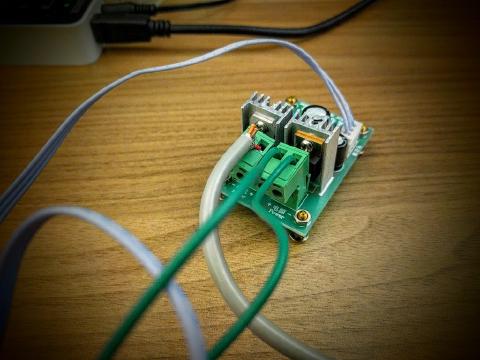
- Dave has been playing around with a new linear power supply. Chris wonders about a switched cap output supply (to reduce noise) with a SMPS base.
- The Steorn power scam is back. As is a new scam claiming to power your home with a bike.
- The KiCad 4.0.0 release came out recently. It's time to update!
- Saar from Boldport made some beautiful PCBs that made it into a fashion magazine.
- A couple months back former guest Voja posted on Hackaday about PCB enclosures.
- More mergers, this time Microsemi and PMC-Sierra.
- There was a discussion about FPGA bitstreams on Hacker News. The Icestorm has been out for a while, as well as Yosys, enabling non-vendor based tools.
- Thimble.io is doing a subscription kit based business. This is similar to Pirate Electronics and TronClub. Dave mentions this used to happen often in the 70s out of the back of magazines.
- Dave is dealing with bulk order shipping for a product. Chris likes watching ship traffic.
- Chris is struggling with finding interconnects for various PCBs. He is targeting pre-fabbed solutions and ended up landing on the Seeed grove system (because of the simple connectors and fabbed cables)
- Dave will use SamTec for high speed connections, but those can be pricey.
- Instead of working with cabling or battery holders, David2 is molding custom cases and putting retention and header features into the design.
- Car harnesses can be huge and insanely complicated -- Here's a picture of a modest one.... That makes cable manufacturers love them ($$$).
- Check out this gate level simulation/visualization of an ARM1 processor.
- Dave talked with the president of Sigilent and Eric mentioned he's starting to have trouble getting labor (skilled and unskilled) in China.
Transcript
Chris Gammell: This is the App Hour Podcast. Recorded December 9th, 2015. Episode 277. Interconnect-a-rama.
Dave Jones: Welcome to the App Hour. I'm Dave Jones from the EEV blog.
Chris Gammell: And I'm Chris Gammell of Contextual Electronics. We're back. Yeah. We were just checking it out. It's been almost a month because of holidays and life.
Dave Jones: And various life. And I think I was sick one day. I don't know. Something.
Chris Gammell: Yes. I think we should announce at the top, though, that we are planning to do a call-in show next time. Yeah?
Dave Jones: Oh, next week. Yeah. Sounds right to me.
Chris Gammell: I'll be. Let's do some math here. Today is the 9th. So we normally record on Wednesdays. So that's kind of a different thing. Usually we record on Wednesdays, release on Thursdays. So we will be doing a show on the 16th starting at... Normally we do 6.30 p.m. start time.
Dave Jones: 16th Australian date. That's Wednesday the 16th.
Chris Gammell: No, no, sorry. For you, it'll be Thursday.
Dave Jones: Oh, it'll be Thursday. Okay.
Chris Gammell: Just like it is now. Okay.
Dave Jones: Are we always recording on Thursdays now?
Chris Gammell: Right. So if you'd like to call in...
Dave Jones: I don't know.
Chris Gammell: If you'd like to call in... Well, it's been a while. If you'd like to call in, it's going to be Wednesday the 16th at 6.30 or so Eastern time. That's 3.30 or so p.m. Pacific time. That's Yankee time. Yeah. In Sydney, it's Thursday, December 17th at about 10.30 a.m. Everyone else, you can do math yourself and GMT, you know, whatever. I think it'll be, you know, it'll be a little... It's not really math. It's conversion. Yeah, it's conversion. I think in the UK, it'll probably be about 11.30 p.m. Germany will be 12.30 a.m. So, you know, there's... It's tough scheduling this stuff, but we're going to try our best here. So just wanted to say that up front because people said last time, oh, well, we didn't give enough notice. This is... You got a whole week to listen to this show and then call in for the next one. So...
Dave Jones: Right.
Chris Gammell: All right.
Dave Jones: Can I say something about math? Sure.
Chris Gammell: Is it something nice? The term, actually. Is it something...
Dave Jones: No, it's just... This is one of the ones where I use the... And I cop flack from the wife for this, for using the American, in quote marks, pronunciation of math. I call it math. Right?
Chris Gammell: Does she call it maths with an S on the end?
Dave Jones: Math. Mass. Yeah. Like, it's almost like mass. Like the T-H is just gone. It's like M-A-S-S. You know, it's like... Oh, I've heard it.
Chris Gammell: I've heard British people call it maths with like the T-H-S.
Dave Jones: Maths with the T-H. But in Australia, yeah, that's how we're supposed to, in quote marks, pronounce it here in Australia. But because like Australians love to eventually slur their words together. You know, it just comes out, mass. Mass. You know, like... And it's a very...
Chris Gammell: Yeah, like you're out in the bush and you're talking to your mate about mass. Yeah.
Dave Jones: Yeah, yeah, yeah. Mass. Okay, now this is a dilemma. I just hate it because it's so tongue twistery and close to the word mass. That I just go, no, I'm going to go math.
Chris Gammell: And you need to do math, son.
Dave Jones: And no S on the F. So, you know... Maths, maths.
Speaker ?: It's...
Dave Jones: Yeah. Hello, McFly. We lost him. He's Gonski. He's in a hotel room. And he was just bragging about the internet connection. He was just bragging how fantastic it was. Like 20 megbits upload and 10 megbits. Here we go. Is he back? He's back. I'm back.
Chris Gammell: Yep.
Dave Jones: I'm back. There's no need to edit that. I kept it going. All right. Like the true professional that I am.
Chris Gammell: Yes, yes. I'm in a hotel. I thought it was good internet.
Dave Jones: I mentioned that, yes.
Chris Gammell: Guess not.
Dave Jones: And you were just bragging about the connection before the show, you know.
Chris Gammell: Yeah. Can't win them all, man. Can't win them all. Nah.
Dave Jones: Nah. There is no such thing as a good hotel internet connection. It just does not exist.
Chris Gammell: Yeah.
Dave Jones: In your extensive travels, because you're in, what, California again?
Chris Gammell: Yep. I'm in San Francisco.
Dave Jones: Why don't you just move there? I mean, you're there every month. How many times are you there? Yeah, once a month. At least every second month. Yeah. Once a month. A week per month, usually. A week per month. Wow.
Chris Gammell: Yeah. Jeez. Yeah. Travel, man. Travel. That's good. There's people I'm getting to know out here, and that's really nice. And, you know, so I do this meetup out here, too, in San Francisco. Yep. Right. And that's great. I mean, so...
Dave Jones: So you aren't getting sick of it? You're going to, oh, I've got to fly back, because it's a fair hike.
Chris Gammell: You know, it's pretty exciting in Cleveland, but yeah, it's not bad to actually see people once in a while. Oh, okay. Especially, like, I mean, like, I don't know. It's, I feel like there's people doing hardware everywhere. Like, a lot of people, like, obviously, there's you, and I know, you know, like, there's people spread all over. It's not like it's actually only here. However... Well, no, and that, because that's what a lot of people, or that's what a lot of media kind of leads you to believe. However, I think it's just the kind of general tech nature of the area. That part's kind of nice. I don't know. Some of it's way overdone, but just...
Dave Jones: Well, there's no denying that California is a massive hub, if not the hub. I mean, it's one of the hubs, one of the major hubs. It's the next Silicon Valley.
Chris Gammell: That's right. Yeah, right. Oh, I hate when they do that. Is Cleveland the next Silicon Valley? No, it's not.
Dave Jones: Oh, can I have a rant, please?
Chris Gammell: Sure.
Dave Jones: Bloody government. Bloody Australian government. Right? They just released some new ideas boom initiative, right? Ew. Which I haven't looked into it, right? But a lot of people are saying, yeah, you know, it's really, you know, it's not bad, right? And I admit, yeah, there's, you know, funding for all this, and, you know...
Chris Gammell: Well, the name's bad, but okay. We'll do that.
Dave Jones: It's going to be the idea. We can see, because we've had the mining boom here, right? That's what's kept Australia afloat for the last decade or two, right? And the mining boom's over, so now it's like, oh, yeah, that's the ideas boom will save Australia, right? Yeah, exactly. And anyway, so they've got some new initiative.
Chris Gammell: The mining boom is the ideas boom.
Dave Jones: Oh, man.
Chris Gammell: Anyway.
Dave Jones: I haven't looked into the details, so I shouldn't say too much about the details, but there's like funding, like there's tax exemptions for investing in startups and stuff like that. So for startups, it's apparently not bad, right? This new thing. But they've taken away all the research funding from our CSIRO main research organization in Australia. They've taken all the R&D funding from it, and they've given them funding back, but they're not allowed to spend it on basic research. That makes sense. Anyway, that's just a side rant. I'm off on a tangent there. My main rant is that, what is my main rant?
Chris Gammell: I don't know, but before you do it, I want to point out how ironic it is that you don't know the ideas behind the ideas boom.
Dave Jones: No, I haven't. Sorry, I haven't. Yeah, I haven't looked in it. It's all about startups, right? It's all about the whole startup culture. Everybody's into that stuff. It's really tiresome. Sometimes. Yeah, I know. So anyway, the government's now jumped on the bandwagon, and yeah, ideas boom, hashtag. Yeah, great. Whoop-dee-doo. I'm doing the finger twirl. Yep. Anyway, right, the software company- Atlassian, yeah? Atlassian.
Chris Gammell: Yeah, the big one.
Dave Jones: Atlassian. Yes, yes, the big one. Huge. They're about to float, or have they floated?
Chris Gammell: I don't know.
Dave Jones: I don't know. Anyway, they're a huge Australian company. My mate works for them. Yep. And they were going to set up, turn the Australian Technology Park, which has always been a bit of a joke, into the next Silicon, you know, like a Silicon Valley here in Sydney, right? And they had all this proposal, right? Yeah. You know, they were going to move their headquarters there, their new billion-dollar headquarters there. They were going to get all these other companies to join them and move in, right? It was going to be this huge technology hub, right? And so they put in their request to get this site, you know, the government were leasing this site or whatever, and nope, government went, no, we'll just give it to the bank. We'll just give it to the Commonwealth Bank, and they'll move in there. It's like, oh, and then the whole thing just collapsed. Everyone went, well, there goes Silicon Valley, you know?
Chris Gammell: Yeah, right, like that was the step that was really going to, that was really the pivotal point there.
Dave Jones: Yeah, and this was just a couple of weeks. They just made this decision a week or two back before this ideas, just before this ideas boom thing that they just did. And it's like, well, you just destroyed Silicon Valley, and now you want to make an ideas boom?
Chris Gammell: The ideas boom went boom? Like, it went bust. Yeah. Oh, man. It's just... Booms and busts. Yeah, I like that. You know, I don't... Ultimately, what it comes down to is you need a lot of people. Like, the money part's important, and that stuff is not what we should talk about on this show, but it's important. But really, what it comes down to is you just need to be able to bring people around, a lot of people, talented people in an area, ultimately. And a lot of time...
Dave Jones: And you need big anchor companies like that to, you know...
Chris Gammell: Yeah, sure. Yeah.
Dave Jones: Okay. To start it off. I mean, you know, there's got to be some sort of anchor. It's like for any shopping center, right? Or malls, you guys. You know, you've got to have, like, the big anchor tenant. You know, you've got to have the Walmart. You've got to have the, you know, the Kmart or whatever. Or here, it's like, you know, Coles or Woolworths, right? Sure. If you don't have that, if you don't have the anchor company in there, well, nobody else wants to go there. You know, nobody else wants to open a shop there because there's not... You know? Sure. If you know what I mean. Yeah, I know what you mean.
Chris Gammell: Yeah. You know, that's like...
Dave Jones: Right.
Chris Gammell: It's just about... Yeah, that's about critical mass type stuff, right?
Dave Jones: Yes. Exactly. Yeah.
Chris Gammell: And if someone has to take a leap, and oftentimes that is kind of good stuff when there's, like, investment programs that are around that kind of thing, that's a good thing. But, yeah, if you don't get it, you're screwed.
Dave Jones: Anyway, so we're screwed.
Chris Gammell: Yeah. Yeah. The idea is boom. Oh, wow.
Dave Jones: Oh, God.
Chris Gammell: Anyway. Anyway. So, I was watching your teardown of that power supply. That was kind of interesting. Oh, right. Okay. Well, this latest one I just uploaded. Yeah, yeah, yeah. You just put that out this morning, right? I think it showed up. Yeah, last night or something. Yep. Yeah. I was wondering about that, because you even mentioned, like, none of the stinking SMPS or the, you know, switch mode power supplies. Yeah. Have you seen a lot of those on bench supplies, though?
Dave Jones: There are quite a few out there, like the ones, like the high current ones, of course. Yeah, yeah. Because to get, you know, like 40 amps and, you know, like stuff, like you can't get that from a linear supply and it weighs, like, 20 kilos.
Chris Gammell: Right, right. Yeah.
Dave Jones: Like, yeah. Yeah. So, yeah, it's not that uncommon, because a lot of the one, a lot of the cheap-ass ones on eBay in these tiny form factors, you know, like tiny bench supply and it's 30 volt, 3 amp, yet it's, you know, like it's tiny. It's the size of a house brick, you know? Yeah. Well, yeah.
Chris Gammell: Right, right, right, right, right. And it's, yeah, and it's noisy as hell and that kind of stuff. But what I was thinking about with that stuff is like, and I'm sure people have tried it, but like, you know, almost like a bucket brigade type of thing for, you know, having like capacitor banks. So, you do switch cap between, you know, so you have the, you have the really high power stuff. You charge up a cap bank and then you have like that, a quieter capacitor bank type thing. And I'm just wondering about how big that, I'm guessing the capacitor bank would have to be really, really big.
Dave Jones: That's like my, that's like my micro supply concept. It's essentially a rechargeable power supply.
Chris Gammell: Right, right. In your case, the bank would be the battery effectively, right?
Dave Jones: It would be the battery. It wouldn't be a super cap.
Chris Gammell: Yeah. No. And is, what's the status on that? Is that still in process?
Dave Jones: Oh, it's an ongoing project that's been kind of sort of worked on. So, yeah.
Chris Gammell: No, I think that's a good call too because the, you know, as batteries keep dropping, I think that one's just about power delivery. If you can actually get the power back out of the battery fast enough, you know? Yeah. But even then, battery voltages being what they are, you can't really, you don't want to just deliver 3.7 volts or whatever. So, you got to kind of.
Dave Jones: Yeah. Well, you've got to step it up. Yeah. There's got to be, you know, there's got to be a DC to DC converter in there. If you want your 20 to 30 volts output, you know, you can't put 20 to 30 volts worth of batteries in there and run everything linear. Right, right.
Chris Gammell: But then that just introduces noise again. That's kind of the problem. So.
Dave Jones: Yeah, yeah. No. Yeah. Yeah, exactly. It's back.
Chris Gammell: Yeah.
Dave Jones: So, meh.
Chris Gammell: Yeah, I don't know.
Dave Jones: But those compromises, you just have to. You know, like it's. Yeah.
Chris Gammell: You can't physically have them. I love my, I mean, I love my linear supply because like even the cheaper ones, you know, they're not very well controlled, but they're really quiet, you know? It's just like. They're really quiet. Yeah, exactly. They're quiet because you're burning a bunch of power in the heat sink. It's great. Yeah. I shouldn't say that. It's not environmentally friendly, but, you know, sometimes you just need clean power, you know? Yeah.
Dave Jones: One of the things about that supply, just see right at the, if you watch right to the end of the half hour video, whatever it is, you see that the damn thing had a screensaver. By default, it switched on.
Chris Gammell: Like, why? Yeah. Well, probably because they burned a couple screens in, let me be honest.
Dave Jones: Oh, yeah. Oh.
Chris Gammell: Yeah.
Dave Jones: Oh. But. It's a power supply. It does one thing. It displays your voltage. You know, you don't want it to switch off. It's just stupid.
Chris Gammell: Well, yeah, especially if you can't control that part. Yep. It goes off like right as you're looking up at your meter. Oh. Or your power supply, rather. Yeah, that's too bad.
Dave Jones: Insane. Yep.
Chris Gammell: Yeah. I don't know. I've been thinking about doing a retrofit on mine. I've got, like I said, I've got the cheapo, I think it was like 130 bucks shipped, you know, and it could do like, I think similar specs to that one. It could do like three amps, 30 volts, you know, triple output. Super cheap, you know.
Dave Jones: Oh, you can buy them for under 100 bucks on eBay, yeah. So. Speaking of batteries and shit like this, can we get into a. Sure. A shonky product of the day? Oh, yeah, you just uploaded this, right? Well, actually, no, no, no, there's two of them. There's two of them. Okay. So this will be the first one. I didn't put this on the list. Okay. But I probably should, so you know what I'm talking about. The Stern, is that how you pronounce it? I tweeted it. I tweeted it the other day and there's a forum thread on it. Okay. Stern is a company. Hang on. I better get it. I better get it. Emergency charger. Come on. It's on Twitter somewhere. Anyway, they're one of these like free energy, you know, over unity companies. Yeah. They've been around for like more than a decade and they've been like the poster child for the over unity crowd. And they've gotten some massive funding, like tens of millions of dollars or something.
Chris Gammell: Yeah.
Dave Jones: And they've never actually released a product, of course, you know, because then the game's up, right?
Chris Gammell: Right.
Dave Jones: Oh, yeah.
Chris Gammell: I saw this thing. It's like a red. It looks like.
Dave Jones: They're back. It's like a red brick. It's like charging your phone, but they claim it can charge your phone forever, like once or twice a day forever. Right. Like, you know, like, and it's like, it's.
Chris Gammell: It harvests the energy as it delivers the energy.
Dave Jones: Right. Well, it doesn't tell you how it works at all. Of course. You know, it's just based on the Stern technology or whatever. And this company is like the whack-a-mole of the, of the over unity crowd. Right. It just keeps coming back. Every time you think this company's dead, wham, they come up again. Now they're crowdfunding this thing apparently. Or no, no, no. They're taking pre-sales. That's right. And some, some university in Europe or something is, is starting a crowdfunding campaign to actually buy one because it's like 1500 bucks or something to buy one of these things. And, and they want to raise money to buy one so that, so that they can debunk it. You know, it's yeah, it's great. So, yeah, we know exactly what's inside this thing. You know, it's a battery. And yeah. So anyway, check it out. It's hilarious. The Stern something or other. Mac the Chris is gone again. He's gone. Anyway, we should actually try to link in some, they tried to demo this company and his guy's name, Sean McCarthy or something. I'm not sure of the guy's exact name, but he demoed their technology there, you know, over unity technology, like quite a few years ago. And the video's up on YouTube and they like hired this, you know, technical museum hall or something to do this big flashy smoke and mirrors demo. And apparently like it didn't work and they made all excuses and the video's up on YouTube somewhere. And it just, yeah, it just died out. But it's funny to watch. I real, if you want to watch a classic smoke and mirrors, uh, uh, technical demo of an over unity thing, this thing's ticks all the boxes. So I have to link that in.
Chris Gammell: Nice.
Dave Jones: And while we're on the topic, can we have a second shonky product of the week?
Chris Gammell: Sure. Yeah.
Dave Jones: This is a, um, uh, is it a crowdfunding campaign? I'm not sure. Anyway, um, there is some dude who has developed a bike, like it's a generator, a power generator hooked up to it, like a, a seated recumbent bike or whatever. And the claim is that you can, you pedal on it for one hour and you can power your house for 24 hours.
Chris Gammell: What's in your house?
Dave Jones: It's like a couple of lead light bulbs, obviously that's it. Right. You know, because like, like if all you've got to know is one figure that the, an average fit cyclist can generate 500 Watts peak. Yeah. Peak. And that's flat out. And that's like flat out for a couple of minutes. Right. So even if you were able to do that for an hour, you're only looking at 5.5 kilowatt hours. Right. How much your average house takes like eight kilowatt hours. So it's just like right off the bat, you don't even need to throw a single compressor in there
Chris Gammell: and you're, and you're done for it. Right.
Dave Jones: It's yeah. No, it's just, it's bullshit. Right. So you don't even need to investigate it apart from the, um, apart from the title and knowing that one fact, that 500 Watts peak, although I've linked in, I have tweeted and we'll have to link it in. It's really, it's really quite funny. They, I don't know the reasoning behind it, but they got this professional cyclist with these massive legs. Like, you know, the world's biggest legs. And he, you know, rode this bike for a couple of minutes. Oh, yeah. We've talked about this one before, I think. Yeah. Oh, yeah. I think so. Yeah. Yeah. To see if he can power toast, to see if he can actually cook a toast in a toaster. Right. And he managed to do it.
Chris Gammell: Right. It was like a light toasting, right?
Dave Jones: Yeah. It was a very light toasting of this, uh, you know, 700 and he was, he was able to generate like 700 Watts peak cause he's like the world's best cyclist. Right. Yeah. That guy was huge legs. Yeah. Oh man. He was like tree shrugs. And, and he was dead after a couple of minutes. He was just on the floor, flat out on his back, but he managed to cook his toast. So yeah. Right. Good luck powering your house for 24 hours and cooking your breakfast. Right. Oh, that's just like, how does this even make like headlines anywhere?
Chris Gammell: Dude, come on, man. Read the headlines these days. There's a lot of, a lot of silliness out there.
Dave Jones: Oh, that's two shonky products of the week.
Chris Gammell: Super shonky.
Dave Jones: Yep.
Chris Gammell: Uh, what else is going on?
Dave Jones: I don't know. I thought you were going to leap into something. I thought so too. I don't know.
Chris Gammell: I wanted to talk about KiCad with you for a while. Uh, the KiCad's out.
Dave Jones: Yeah. Yeah. I've heard.
Chris Gammell: Yeah.
Dave Jones: No, I still need to download the latest version.
Chris Gammell: I actually, so it's up and running on my Mac. Um, okay. So that's interesting. Um, right. I mean, there's been built for Mac for a while, but this is actually. Right. So people don't know this, the, the 4.0 release is out. So that's kind of got everything in there. And.
Dave Jones: So this is like official rock solid. This is what everyone should use. Yes. Don't use anything else. Yes.
Chris Gammell: This is the one to download and use going forward. There's.
Dave Jones: Right.
Chris Gammell: Yeah.
Dave Jones: So are there, so what's the, what's the plan from here? Are they going to continue to like, is there going to be like a big release every six months, every couple of months? What?
Chris Gammell: I'm not sure about the release schedule, but the, uh, the, but basically up until this point, they had done like a feature freeze and now it's kind of free for all and the developers diving back in and actually. Right.
Dave Jones: Fixing bugs and stuff.
Chris Gammell: Well, fixing bugs, but then also putting new stuff in. And that's the main thing. Um, for, for a while they weren't, you know, because it would, it was going on for a long time. It was just kind of like, as things came up, they were put in there, but there was never any kind of like stability testing. Yeah. Testing, uh, just to make sure that it, they all work together. So then one thing can affect another.
Dave Jones: That's the key. Like even professional companies like Altium have that huge problem.
Chris Gammell: Yeah.
Dave Jones: Right. You know, every time they release a new version and it breaks something, you know, and it's like, yeah, there's something to be said for a buggy version that, that you know, you know, the devil, you know, you know, it's yeah.
Chris Gammell: Yeah. And the, the forum has been going well. We're pushing 800 members on the Kaiket forum and that's been really good. Cool. Really good troubleshooting people over there. So that's been, that's been really nice actually. So if people are thinking about jumping in, I know a lot of people are like, oh, wait till something, you know, more solid comes out. This is kind of the one I would, I would say this is, this is it.
Dave Jones: This is it. I mean, well, that was the whole idea, right? Yeah, exactly.
Chris Gammell: That was the whole push behind this. And it was a little behind schedule, but it's okay. Right. I mean, it's now. It's fine.
Dave Jones: You know, nothing off that.
Chris Gammell: Yeah. And I think the, you know, there's going to be some new, some things are going to change in the future for like the schematic program, but again.
Dave Jones: What in terms of operation?
Speaker ?: How.
Dave Jones: Yeah. Just like user. User. Yeah.
Chris Gammell: User stuff. So.
Dave Jones: Right. Yeah. So has, so is that, is that rendered all your video tutorials obsolete?
Chris Gammell: That's right. Yes. Yeah. I'm going to start recording. Start recording. And not all of them, but you know, some of them. Right. Yeah. Right. Okay. And I'll start. Yeah. I always note which one, which, uh, which version I'm recording with. So I'll start again.
Dave Jones: That's, I get that all the time. People. Oh, can you do an Altium how to, or an Eagle how to, you know, how to use the package? And like, no.
Chris Gammell: Did you, did you, did you go up to the newest Altium? The 16 or something? That just came out?
Dave Jones: No, I've never used it. No, I'm, I'm still using Altium 10.
Chris Gammell: Okay. Yeah.
Dave Jones: Yeah. Like seriously, I'm way behind. I'm like five years behind.
Speaker ?: Yeah.
Chris Gammell: But I mean, like, again, it's that same devil, you know, kind of thing. Yeah. Yeah. No, no.
Dave Jones: It's the one I, and well, I have the license for it. Right. Exactly. I'm not going to go out and pay five, six grand for Altium. Yeah. You know, screw that. Right. Exactly. So I'm going to stick with the one I have a license for, you know, and it does the job. Yeah. I mean, you know, it does more than what I need.
Chris Gammell: Right. Exactly.
Dave Jones: A thousand times more than what I need, you know?
Chris Gammell: Yeah.
Dave Jones: Yeah.
Chris Gammell: You know, so another thing that, I don't think, well, I guess we talked about it when the Supercon was over, but I had done the badge for that. And that was actually all SVG stuff. Did we talk about that? Maybe we did.
Dave Jones: SVG?
Chris Gammell: Yeah. So basically, I actually drew the majority of that badge in like Inkscape-like program. So like a vector graphics kind of thing. Right. So I drew everything to scale. So I knew how big I wanted the badge to be. So I drew that just doing 300 DPI. So I basically drew, you know, I think it was 900 by 1600 tall badge.
Dave Jones: Why is this not done in the PCB package? Why? I don't understand.
Chris Gammell: Because I was putting artwork onto it and it needed to be to scale. Right.
Dave Jones: Ah, right. Yes. That's a unique requirement. Yes, very much so.
Chris Gammell: And so, yeah, I was just kind of playing around with that. And then I just basically created each layer and kind of did an overlay. And that's ultimately, you know, basically I can create an entire graphical layer there. And then I just convert the whole thing to copper or solder mask or whatever I needed. And I could just do overlays like that. And the reason I say as much so is because Sar from Boldport, he's the one who created PCB mode, which is another similar SVG-based. I mean, that's the basis of PCB mode is that it's SVG-based. And, you know, you have to be a little bit more careful with the overlays and stuff. But the net result of it is that you can make some, like, Sar makes some beautiful designs. And so beautiful that he got published in, I'm not sure of the connection. I didn't get that part. But they were published in, like, a fashion magazine.
Chris Gammell: What?
Chris Gammell: Yeah, it's the Haute Circuits. Okay. That's the link on our subreddit. But, like, these circuits are just gorgeous. You know, like, they really are, like, very, very artistic. And just, like, I, again, I don't, I'm sure the story's in here. But, yeah, it's just really cool. And he mentioned the tool as well. But just checking out the pictures because the circuits are just, they're artwork, you know. It's really neat. So, and that's good. I can dig it. That's kind of the thing is, like, I've been playing with that a lot for, you know, because I like putting custom logos on boards and stuff like that. I mean, you do that for your boards too, right? You do the little. Oh, yeah, yeah.
Dave Jones: What's the flow like for yours? But they're not vector artwork. They're just converted bitmaps. And they're pretty crusty, you know. Oh, yeah, yeah. You know, images that I use a script to convert it into, like, a bitmap, you know, traces and stuff. So, yeah.
Chris Gammell: Yeah. Well, no, that's ultimately what I do too. I mean, so I did SVG to start with to do all the layers and get all that kind of stuff because then it scales. That's what SVG is, scalar vector graphics. Yeah, yeah. Yeah. And so then everything scales around to whatever size you need. And then, yeah, I converted to a PNG. And then that could get imported into KiCad in a similar way. And then that gets put into whatever the format is. I think it's like a G-code almost, right? A lot of CAD programs do G-code where they describe the lines and that kind of thing.
Dave Jones: Oh, yeah, right.
Chris Gammell: Yeah.
Dave Jones: I'm looking at these images now and, yeah, very artistic. They're completely impractical. They don't do anything.
Chris Gammell: Yeah, I wouldn't know what they do. I don't think...
Dave Jones: They don't do anything.
Chris Gammell: But it doesn't matter, you know. Like, they're just really neat.
Dave Jones: But it's funny. They've got these things in the fashion magazine. Yeah.
Chris Gammell: And it looks like... I mean, it's like jewelry overlays too. That's the other thing that's really neat about it.
Dave Jones: Yeah.
Chris Gammell: Yeah, just really neat.
Dave Jones: And your average person probably thinks, oh, that's how circuits look like. Yeah. Not that they even know what a circuit is, you know. Maybe. Yeah. Yeah.
Chris Gammell: But, yeah, looking over at PCB mode as well. So, it says Python, PyParsing, Inkscape, which is an SVG program as well, and LXML. And so, that's kind of the stack that creates that stuff as well. Got it. So, if you want to do art, you can do it with circuit boards. It's... Woo-hoo! Yeah. There was an article about that. Voya, the guy who I interviewed when I was in Serbia, he started writing for Hackaday. And he did an article about... He was actually more about the containers. Like, the... Sorry, the enclosures. He made a bunch of PCB enclosures. Oh, okay. That were really neat. Right, yes. Yeah. And, I mean, those are kind of art as well. You know, it's just like how... Totally, yeah. Super clean lines and...
Dave Jones: Yeah, and making front panels or enclosures from boards, yeah. Right, and you've done that a bunch too, right? It's a great way to do it. Yeah. I've done that a lot, yep.
Chris Gammell: Yeah, it's...
Dave Jones: I can dig it. All right. Another week. Another merger.
Chris Gammell: Who? Really? Did I miss one?
Dave Jones: Yeah, yeah. I think you missed one. Apparently, Micro Semi bought PMC Sierra. Oh, okay. They outbid Skyworks, whoever the hell Skyworks are. You know what I mean?
Chris Gammell: Okay.
Dave Jones: Anyway. Yeah. And apparently, the total number of semiconductor acquisitions in 2015, considering that it's almost over, 2015, geez, that's scary, has eclipsed $100 billion. $100 billion. So, just this year alone, there's been $100 billion worth of acquisitions in the semiconductor business.
Chris Gammell: Right.
Dave Jones: Right.
Chris Gammell: Yep. And if people don't know, Micro Semi is kind of a known name, but they're the ones who bought Actel, Actel being the FPGA vendor.
Dave Jones: And they've bought PMC Sierra, who you might not know, but they do like networking chips, I think, and stuff like that. You know, RAID controllers and, you know, like real specific drivers and controllers. Right.
Chris Gammell: Very computationally focused kind of stuff where it's, yeah. Commercial-level hardware. So, yeah.
Dave Jones: If you're not in the networking business, you probably don't use their chips. Yeah. Like, yeah.
Chris Gammell: Hmm.
Dave Jones: You probably can't even get them on mouse or a digi-key, you know. Right.
Chris Gammell: Speaking of FPGAs, there was a discussion over on Hacker News about the FPGA bitstreams and stuff like that. There's been a couple people, I think it's with the ICE 40 that's been going on. I believe. But there's been a lot of push for that. Push for what? For like, for like hacking, like reverse, not hacking, but reverse engineering the bitstream for like the ICE 40. I've seen this mentioned a bunch of times.
Dave Jones: But the bitstream's documented, isn't it?
Chris Gammell: No, but like being able to actually generate one then, right? So like if you wanted to run your own stack. Right. Normally you'd have to, you'd have to still use all their tools.
Dave Jones: To generate all their tools to generate the bitstreams. Right. Yeah. But I thought it was documented. I thought you always could if you wanted to.
Chris Gammell: Yeah.
Dave Jones: You know, if you're keen enough.
Chris Gammell: You know, I've never ever operated that level. No, no. I barely understand it, to be honest. The things that I understand about the bitstream level is basically you're serially programming around the edge of the chip, right? And then you're telling, and then that ends up flipping gates that ends up.
Dave Jones: Yeah, it sets cells with inside the FPGA, both IO around plus the FPGA fabric itself and all the hardcore peripherals, you know, the hard peripherals and everything. It's, each chip is unique. Yeah. Let alone each vendor. You know, each chip has its own bitstream format. And that's why the tools are so complicated.
Chris Gammell: Well, I think that the interesting question would be, okay, say, so say it got to the point where it was actually like something that affected FPGA company's business. Would they go for broke and just like change future bitstreams? You know what I mean? Like, because then it would end up affecting their older parts as well.
Dave Jones: Oh, no, no. That'd break their tools. Right, right. That'd, ooh, no, no, no. That's bad. No. I think they'd touch, they wouldn't, they wouldn't, they don't touch that at any cost.
Chris Gammell: Yeah. Well, and I wonder though, like, I'm sure a lot of it's, you know, not fear-based, but just, you know, business model-based for a long time. I mean, one of the things that keeps FPGA makers, you know, differentiated is that they have their own tool chains and it's very tied to the hardware and stuff like that. You get the tools for free because you have to buy the hardware from them. But I do wonder.
Dave Jones: Well, you don't get the highest high of the high-end tools for free.
Chris Gammell: Oh, true. Yeah, that's true. That's true. Generally. Yeah. But what I wonder though, is if it did so happen that, you know, that started to drive, you know, like, Lattice is usually not listed at the top of the FPGA, the big four. No, they're down, you know, they're like, I own 1% of the market. Yeah, I usually list them at number four. But like, if that started to drive adoption, that would be really interesting because then-
Dave Jones: I don't think it's going to drive adoption. It's going to drive nothing. Like, yeah, it's a nice, yeah, it's a nice hack. Okay, great. Okay, if the information is not out there, then, you know, it's fantastic that people are reverse engineering and putting it out there. But it's going to amount to hiller beans. I'm sorry. Okay. Well, I- You know. I think you've done a lot more stuff for this. Oh, look, look, the stream is open. I can write my own thing. Oh, I'm going to use those chips because of that. No, rubbish.
Chris Gammell: No, I think some people will. I mean, no, I-
Dave Jones: Of course, but 0.0001%.
Chris Gammell: Oh, like actually driving adoption in the industry, you mean?
Dave Jones: And like- It's not going to drive adoption in the industry. It's not. Right. If you think that, you've got no clue. Right.
Chris Gammell: And well, we should also mention, I think we've brought this up before though. And Clifford.at is a site that I've seen before. But this is Yosis. Yosis is like one of the flows. And so there's videos about this stuff. We can add links. And so, I mean, this isn't- This has been a project that's going on for a while. And people always mention in the comments, it's one of those things where it's like, oh, yeah, I mean, I mean, to get to that, but I don't even touch FPGAs anymore. So, yeah. But yeah, I mean, that's another thing is just like general adoption in the first place, right? Because the cost it adds to a project, you know, it's not quite- It's not like micros are getting more expensive. They're going the other direction. So, adoption is, you know. Actually, there was a talk at the Supercon about that. Crud, I forgot his name. But he showed there was like a cycle where FPGAs and micros kind of keep inverting. It was like a sine wave pattern of like inversion.
Dave Jones: In what sense?
Chris Gammell: In terms of what people were- No, it wasn't, sorry. It wasn't micros. It was FPGAs versus ASICs and what people are investing in. Oh, okay, right. I was going to say. No, no, no. That's true. And it was a really interesting take on it because, I mean, it kind of followed, I think, fab technologies as well. Those videos are coming out soon. So, I'm sure we'll be able to link to it later. But it was interesting because there is a- I mean, you know, you do kind of see these trends as well of like kind of focuses on flexible logic versus hard logic versus flexible logic. And a lot of it is it's based on when you can get cheap fab time and, you know- Oh, of course. Yeah, availability and stuff like that. Right.
Dave Jones: Okay.
Chris Gammell: Yeah.
Dave Jones: I guess the market could cycle.
Chris Gammell: Yeah. No, I mean, he had an interesting chart about that. I think that he-
Dave Jones: Okay. Yep. No, that would not surprise me at all. Yeah.
Chris Gammell: So, yeah. FPGAs. That's it? FPGAs. Yay! For the win. They're the future. Yay! The future and the past and everything else. FPGAs. Oh, B. Yeah. Goodness. Speaking of the past, not that long ago, I was in last week when Michael and Dan were on the show. We were kind of talking about getting started in electronics. And there was some really interesting feedback from listeners, stuff like that. Because, and the reason I asked those guys on, not just because I knew them, but also because, you know, we have new people listening all the time. And a lot of people are getting started. A couple of guys that I've been mentoring, though, they, you know, they're not the only ones, but they've basically moved forward, moved up another level in abstraction levels. And that's something we were talking about last time, where, like, when people are getting started, you can run into a roadblock really quickly in terms of, like, being frustrated and saying, screw this. So, this is like a kit now where it's more like it's just integration pieces even more so than Arduino. You know, it's like plugging blocks together. And, you know, that's like a little bits as well. But this one being like an ongoing educational thing.
Dave Jones: So, is this something you're doing?
Chris Gammell: This is, no, not me. These are some guys that I've been mentoring and working with. It's Oscar and David. So, yeah.
Dave Jones: Oh, so they're working on something, are they?
Chris Gammell: Yeah, yeah, yeah. It's a new thing coming out. And there's other people that are doing this, too. So, this is like a subscription base. So, there's other guys. Actually, there's some Aussie guys, Pirate Electronics. There's Tron Club. And those are kind of like it shows up at your door every month, kind of with tutorials attached, that kind of thing.
Speaker ?: Oh, okay.
Chris Gammell: Yeah, right. I got it. So, yeah, it's really good. I mean, old school. Yeah. What do you mean old school?
Dave Jones: Oh, it's just, you know, when I was a boy in the back of the magazines, you'd have, you know, join this club and we'll send you a thing per month, you know. Oh, really? Send us, you know, 20. Yeah. Yeah. That was all the rage, you know.
Chris Gammell: Yeah. That's interesting.
Dave Jones: Yeah. Yeah. I'm talking like 70s, you know.
Chris Gammell: Well, yeah. That's, you're old, man.
Dave Jones: Yeah. Everything was mail order. Yeah, that's true. Yeah, it makes sense. And, you know, every month we'll send you a, you know, a thing. They still kind of do it even today. Like, you know, at the newsagent, they'll have these magazines, you know, like, you know, build a car, you know, build a model car. And each month you buy the magazine and it gives you two parts, you know. And then, you know. Right, right. So, you've got to buy like 100 copies of the magazine to get all the parts. Right, right, right. Yeah, yeah, to build your car. Oh, okay.
Chris Gammell: So, you don't mean with electronics. So, you mean with other stuff or with electronics too?
Dave Jones: Oh, no, no. Also with electronics. Oh, cool. Back in the day. Yeah.
Chris Gammell: Yeah. Neat. Neat. Yeah. So, it's interesting going forward. I mean, like, I don't know. It was an interesting discussion last time just because we do get a lot of struggles. I mean, you probably get these questions a lot too just about people getting started. Just how overwhelming it can be for people. So, and you and I often skip around on the show here about what we, how deep we actually go on stuff. So, yeah, it's different stuff.
Dave Jones: Although I don't find that, you know, I don't hear at all really that people have so, like, get frustrated and fed up and just give up. Well, you wouldn't hear from them. Well, I guess I was going to say you wouldn't. So, I guess it's a selective bias. You know, the people I hear from, you know, oh, I built this and it was so fantastic. I followed your video. Yeah, right. Exactly. Oh, I built this and, you know, it didn't work, but I had so much fun and I'm building another one and, you know, like.
Chris Gammell: Yeah. It's, it's, you probably wouldn't hear from the ones that.
Dave Jones: No, the ones that just gave it up. Yeah. No, they just, yeah. Would just give it up and wouldn't bother contacting anyone.
Chris Gammell: Yeah.
Dave Jones: Or telling anyone about it. So, there you go.
Chris Gammell: So, what have you been building these days? Anything? Building, building, building? Hmm?
Dave Jones: I'm building, I'm getting, I've got my new product here. I'm trying to order it.
Chris Gammell: Oh, fancy.
Dave Jones: Although, I'm trying, yeah. Although, the shipping, it's like, you know.
Chris Gammell: What, like overseas shipping, like bulk order stuff?
Dave Jones: Overseas, yeah. Yeah. Like, we're talking $2,500 shipping. Oh, my God. You know.
Chris Gammell: Yeah. Yikes. Yeah. And, like, is there anything you can do about that kind of thing or no?
Dave Jones: Well, even the slow boat, right? Even the slow boat from China is, like, still $1,500. It's like, well, do you spend two and a half grand? Do you spend $1,500? You know, like, which, well.
Chris Gammell: That's really weird. I thought I remember someone telling me, like, some ridiculously low rates for, like, containers. Like, for an entire container.
Dave Jones: Oh, if you fill a container and stuff like that, yeah. But this is not, you know, this is like a couple of hundred kilos. You know, this is not container worthy, you know.
Chris Gammell: Well, what I mean, like, what if it was low enough cost? Wouldn't it be that it would be the container? I mean, like, that's the thing. I don't understand how that stuff works.
Dave Jones: You can fit a lot of stuff in a container.
Chris Gammell: Oh, I know. Yeah, they're huge. But what I'm saying is, like, if someone, I think someone told me it was, like, $300 or $500 for a container, which seems ridiculously low.
Dave Jones: No, no.
Chris Gammell: Okay, so then maybe that was just a bad number then.
Dave Jones: That's maybe space in a container. That wouldn't be a container. That's just nuts.
Chris Gammell: Okay. Yeah, I mean, just thinking about the amount of fuel that it requires. I mean, I know that you're getting it shipped with everything else, but then all, like, the handling and stuff like that. Yeah, I don't understand how that stuff works, so. Yep. Anyway. Is it? Well, I wonder if it's more because it's going to Australia, too, just because you guys have kind of higher costs around it.
Dave Jones: Oh, well, we're, you know. You're closer. It's a long way to come, you know. Yeah, but still, no, if I want to send it airmail FedEx, you know, which is still a cheap rate for FedEx. If I wanted to send this, it would cost $20,000, not $2,000, you know, like, because, you know, in China, they get really excellent FedEx rates. Yeah, right. I think you pay, like, I think it's, like, $4 a kilo. Yeah. Or something for FedEx rates, you know, and to me, that is cheap.
Chris Gammell: Yeah.
Dave Jones: That's, like, dirt cheap, you know. Holy crap, I would love to be able to send stuff FedEx $4 a kilo.
Chris Gammell: With no, like, regard to volume? Is that?
Dave Jones: Yeah, because they, you know, these companies already have contracts with, you know, FedEx, and that's their rate, so they just, you know. Interesting. Yeah. Yeah. So.
Chris Gammell: Yeah, I don't know. That logistic stuff, it's just such a mess, though. I did, I don't think I've mentioned that here, but I'd somewhat sent, or I think I saw a link on Twitter at one point. You can actually go to marinetraffic.com and actually watch ships, like, so I'm looking at the Sydney Harbor right now, and all the different ships that are in there.
Dave Jones: So that's a boring version of Flight Radar 24. Yeah, right, FlightAware, or whatever that's called. Yeah. At least you can watch them land, you know. Yeah, right. Like, they're actually moving pretty quick, you know.
Chris Gammell: Well, if you, like, if you time lapse this thing, right, but it's cool, because you can just kind of see where they're coming from, too. How many ships are, yeah, yeah. You know, like, there's, and there's some big stuff. Not all of them.
Dave Jones: That's if you even know what ship you're on. I don't even know that you can track what stuff your ship's on. Maybe. I don't know. I just nommed on that experience with surface shipping, you know.
Chris Gammell: Yeah.
Dave Jones: Like, we're so used to, like, you know, FedEx tracking. Right, right.
Chris Gammell: It's been received in this port or this airport, right?
Dave Jones: Yeah, it's gone through Kansas Airport. It's, you know, gone through the hub, and it's now on the next flight, you know. Right. You can track it. But ships, can you do that? I don't know. Anyone out there with experience? Maybe. I don't know. Or you just don't bother, because it's by ship, and it takes so long, so you don't really care about, you know. Right, right. It'll get there eventually. So, I think what I'll do is I'll end up getting some shipped via airmail, you know, so I've got some stock, and then the rest will just be shipped via, you know, slow boat. Gotcha, gotcha. So, yeah, just to save, you know, because, hey, it is cost in the end.
Chris Gammell: Yeah, yeah, man, and that ends up getting passed on, so that's definitely a product thing you got to think about.
Dave Jones: But even per piece cost, it's still, you know, it sounds like a lot, I've got to pay a couple of thousand bucks to get this shipped? Are you kidding me? But when you look at it as a per piece cost, it's, you know, you go, oh, is that all? You know, like nothing. Right. So, if they told you a per piece cost for shipping, you wouldn't bat an eyelid. You wouldn't even think about it. Yeah. You know, it's, you know, cents per unit, right? Yeah. So, yeah, but when, you know, when the bill comes in for, you know, for a couple of grand, you go, oh, crap.
Chris Gammell: Yeah, right, right. Well, you just got to divide by products, Dave. Yeah, yeah, I know. That'll help you swallow it, you know. Yeah, yeah, exactly. But then you got to ship it back out and that gets down to whoever's buying it. Yeah, yeah, exactly. Yeah, it's crazy. I've been, I've been designing, actually, I forgot I put this as a proposed topic on the subreddit, but I've been trying to, you know, I've been making all these little boards and I know we've talked about it before, but just like the hassles of cabling, like board to board connections. Oh, my God. And what do you, what I was just going to ask you is like, what do you normally do for board to board connections? Do you, do you assume you're going to have to go custom for cabling or do you?
Dave Jones: Oh, I try and avoid cabling at all costs. I try and do direct pin header connections.
Chris Gammell: Ah, so like stacked boards, that kind of thing.
Dave Jones: Yes. I see. Yes, stacked boards, you know, door to boards on top of motherboards, you know, that plug in with 0.1 inch headers and, you know, or if it's, you know, high speed and I'm designing something high speed, I'm going to use like a high speed, you know, Samtech board to board interconnect. Oh, man. And those are pricey too then. You know, or something like that. But yeah. Oh, no, I'm a bit of a Samtech fanboy. They're not too bad, you know. Generally, if you're doing something high speed. Yeah, no, no. I like their stuff too. Generally, you know, generally by definition, almost the product is going to be expensive high end. So you don't really worry about, you know.
Chris Gammell: Oh, so you're just saying it's, you're not saying that it's not expensive. You're saying you're just prepared for it.
Dave Jones: I'm just prepared for it. You know, yes, it's a $2, $4 connector, but in the scheme of things, you know.
Chris Gammell: Right. Well, that's the thing. Like, so that's the struggle I've been having is like, you know, when you really start to add it up, it's like, okay, first off, I know better. I'm like, I'm not going to be doing custom cables. Like, I'm just baddest.
Dave Jones: Even though they're cheap, like you go to China, you want to get a custom cable made. It's cheap, but it's just extra hassle. It's extra, you've got to do diagrams for it. You've got to, you know, it's an extra bomb item. You just don't want it. You know, like.
Chris Gammell: Right.
Dave Jones: Yeah, you just, I try to avoid it at all costs. Right, I know.
Chris Gammell: And that's, you know, actually, so I was talking to another friend about the cabling thing too. And I was, I actually mentioned, I was like, that is probably one of the smartest things about little bits, the little plug together platform. Right, yeah, yeah. It's like, they've got that, I mean, it's not a cheap solution with little magnets and the molded plastic and stuff. No, that's right. But they, you know, that's effectively, you know, a proprietary board to board connector. And it's really nice. I mean, like, and that's what, there's other magnetic connectors out there, but.
Dave Jones: Well, that's what makes their product. Yeah, right. Otherwise, their product is nothing.
Chris Gammell: Right, that's true. Yeah, well, there's little boards then, right? Yeah, so that.
Dave Jones: Yeah, right. No, it's all about the interconnect. And I'll often, these types of decisions will often totally drive the look and feel of my final product.
Chris Gammell: That's true, right? You might try and squeeze more stuff onto a single board because it'll be cheaper.
Dave Jones: David too, and I are working on a little product at the moment, when we shouldn't be. We should be working on the micro supply, but I don't know, we just got a bit infatuated by this, you know. But, so we're doing our own custom case and everything, and it's like, well, how do we do the batteries? And the battery was like driving this whole thing, you know, and we'll go, oh, no, we can get, you know, we're going to use a nine volt battery now, we've decided. So we're going to actually mold the case around the nine volt battery. Yeah. And then, you know, so it's like.
Chris Gammell: Yeah, because you can get just the metal connectors, the through hole connectors for nine volts.
Dave Jones: Yes, yeah, yeah, for the board. So we're getting those, but we're actually building the mold, the, you know, like we could just buy a PCB mount nine volt battery slap that snap that holds it in place, right? Oh, yeah, right, right. You know, like one of those, one of those keystone ones or whatever. You know, you can just buy those, whack it on, you know, job done, solution done. But then we're going, oh, we still need like sponge in the back, on the back of the case to like hold the battery in place to stop it, you know, falling out.
Chris Gammell: Oh, so your molded plastic is going to have like a, like a retention feature in the plastic?
Dave Jones: It's going to have a retention feature all molded into the case. So we're actually getting, we're buying off the shelf nine volt contacts that just solar into the board. The metal ones, right, yeah. Yeah, just, just the metal bits, even though we could actually, Dave's going, oh, we can make those on our own, you know, we can get those custom manufactured too. No, no, son. Let me tell you. And I'm going, no, no, no, calm down, calm down, son. Yeah, that's good though. And, you know, and yeah, so the whole look and feel of the product is driven around how we're going to connect this battery into the damn thing.
Chris Gammell: Well, I mean, what you're really doing is you're front loading into the mold. Like the mold will be a little bit more expensive. It might have different slides and draws and all that crap that mechanical people do. But ultimately, yeah, shooting plastic, a little extra plastic is a drop of the bucket.
Dave Jones: Well, this is going to be a die cast alloy. This is like a, yeah.
Chris Gammell: Die cast. Die cast alloy case. Oh, oh, interesting. Okay.
Dave Jones: Yeah, yeah. No, this is not a plastic case. It needs shielding. Oh, it needs, yeah.
Chris Gammell: Cool. Yeah. Yeah. So, I mean, that kind of stuff, yeah. Then, you know, if it's, if it's, that's like a nominal cost difference and yeah, you really could save. It's like more upfront stuff, but. Yep. Yeah.
Dave Jones: And then it's elegant and it solves, you know, and then once we decide to do the custom case that molds the battery in, then we can start molding in the connectors because this has got connectors coming in and out. Yeah. Right. So, well, how do they get mounted on the case? Because traditionally you physically mount them, you know, you screw them onto their panel mount. Right. Right. But hey, we don't need to do that. We can right angle mount them on the PCB and we can mold our case directly around the connectors. That's dangerous. Right. So that they're not, you know.
Chris Gammell: I would be less. I don't know. Like when you, cause now the connectors like a mating connection with something else, right? I don't know what you're connecting with, but now you have to conform to someone else's. So the only reason I say as much is that I've made a custom molded like a terminal block connector before. And that was just really dangerous to be honest.
Dave Jones: Right. But we're going, we're doing the custom case anyway. So it's like, once you're doing the custom case, you can solve multiple problems.
Chris Gammell: Yes. I do agree with that.
Dave Jones: In the one hit. Yeah. Right. So this becomes then more elegant. So then you don't have to panel mount, screw the, screw the connectors on there and then have flying wires going over or whatever.
Dave Jones: Well, and that's true. And usually panel mounts are just connectors in general.
Chris Gammell: That's, you know, that's huge. That's another thing I think that a lot of people don't realize is just like the cost associated with cabling and connectors and all that other stuff.
Dave Jones: And then you're going to have to do the custom assembly time and everything fiddling around. Oh yeah, sure.
Chris Gammell: You need, you need to, yeah, you can't, you can't do a through hole or you can't do SMT. You can't just do singular SMT assembly. You need a through hole component now too.
Dave Jones: And, and it's, it's, it's not as robust. I've got to admit, it's not necessarily as robust, you know, but as mounting the big B and C on the side of the die cast case with a big, you know, screw and bolts and, you know, like. Yeah. Right. Right. But, you know, it's, it's an acceptable compromise that you're, you know, you're lowering your assembly cost and time and everything can be. Right.
Chris Gammell: And then hopefully over time you can also start to, you know, you can revise that as, you know, as, as you learn things about, you know, oh, well this wiggles so I can, you know, you tighten up those towers. Yeah, yeah. That kind of thing. Right. So. Yep. No, that's, that's really interesting. Yeah. So.
Dave Jones: And we can think we can, we think we can, uh, it's cost effective at a few hundred units, you know, getting this custom die cast case, you know, so.
Chris Gammell: That's cool. Yeah. Yeah. Yeah. Yeah. Once you go into the custom stuff, it, it, it can be addicting though. You know what I mean? Like, it's like, it's like, oh, I could throw a custom thing, a solution at this. And it's like, sometimes you got to scale it back then, you know, you'd be like, oh, no, no, no.
Dave Jones: That's what David too is all gun ho about. Like, cause he's a, he's a custom China fan boy, you know, oh, I can get everything custom made in China, you know? So he'll do up a 3d model and just go send it out. Like, you know, like, and, and give no thought to it, you know, whereas, you know, sometimes I've got to bring you back down to earth that it's not necessarily the most practical thing
Chris Gammell: to have a custom part for absolutely everything. Right. Cause then you think about the sourcing issues. One of the nice things about not doing custom is drop in replacements or just even any semblance of replacements is, yeah.
Dave Jones: Sometimes there's, you know, a lot to be said for having your bomb all from DigiKey.
Chris Gammell: Yeah.
Dave Jones: And it's in the bomb tool in DigiKey. My microcurrent's almost like that. I can just hit a button in DigiKey and order a thousand boards worth of parts, right? It's all in there.
Chris Gammell: Or at least a lower, lower accuracy version of yours, right? Cause you, you've got the accurate component. Don't you have that really fancy one?
Dave Jones: No, even that's available from DigiKey, but it's a matter of lead time and stuff like that. Oh, gotcha. It's a matter of availability. But no, technically almost everything I can order at the push of a button. Nice. You know? So yeah, yeah.
Chris Gammell: Nice.
Dave Jones: Can be done.
Chris Gammell: Well, my solution so far has been, uh, I'm basically chasing other, so back to the cabling thing. I'm chasing existing cables that are out there. Uh, not necessarily, you know, they're not, you know, when you think about every cable is, you know, it's...
Dave Jones: What existing cables are out there? I mean, you're talking 0.1 inch headers or bust.
Chris Gammell: No.
Dave Jones: Right?
Chris Gammell: Well, yeah, you can do 0.1 inch cables as well, but I'm actually doing 2 millimeter... Actually, I'm borrowing the Grove system. The, uh... So Seed Studio has this little 4-pin... They use a 4-pin JST header. Right. Um, and then they, they prefab, they, you know, prefab, they, they fabricate and sell cables.
Dave Jones: Oh, so you're using an off-the-shelf cable in that respect. Yes.
Chris Gammell: And it's, you know, it's still hand-assembled, but basically it's like, I don't have to, I can just buy it. It's a bomb item. Right. Yeah, yeah. No, you can just buy it. And that's, that's been kind of my, my compromise there. You know, I was looking at other ones too. You know, you could, when you think about it, like you could, in theory, if you wanted to, you could co-opt a USB cable. Right. And I've seen that before, uh, not USB, but I've seen that for, uh, Ethernet, you know, people co-opting Ethernet or just RJ45 in general with, you know, some kind of custom cable plugged into that. And they're just, you know, it seems like a good idea at the time because you see, oh, well, there's all these RJ45s or RJ22s or, you know, what, DB9s, right? DB9s and DB15s, like people using those all the time. And, you know, I've even done that before. However, then you have to be super explicit in like, this is not a serial port or this is not a, you know, like this is not a, uh, DB25 is not always a parallel port, right? Kind of thing, you know?
Dave Jones: Well, it depends on how much space you've got in your product. Like I've, you know, developed lots of custom production test gear where I'm making 10 of something, right? So I'm not going to get a custom cable or I'm not going to personally build up the custom cable to do it, right? But if I'm building something into say a 19 inch rack, which I've done countless things on, right? When you've got like a big 19 inch rack, you know, you might have five boards in there. Okay. How do I interconnect all these boards? Well, as you said, you know, if it's not high frequency stuff, you might just use like a PCB mount D connector, right? Right, right, right. It's like a slide together, right? You know, you just use a D9. Okay. Right angle D9. I've got plenty of room inside this case. I can just go to the local computer store and order a D9 to D9 cable. Yeah. It's a meter long. I'll just curl it up. There's plenty of room inside the 19 inch rack case, you know, and I'll just connect the two boards together, you know, horribly inefficient and ugly, you know, like, you know, but I've like, I've gone into low volume production, you know, 10, 20, 30 units with stuff like that. Yeah.
Chris Gammell: Right. And it's just, and there's nothing wrong with it. And that's, and that's the thing. The better thing would be to make it all on one board, but maybe that's, you know, sometimes you start getting outside.
Dave Jones: Sometimes no.
Chris Gammell: Sometimes you get outside the size that a PCB can be, right? That's another problem where it's like.
Dave Jones: Well, sometimes, but often, you know, I've got milestones to meet. So I'm going to do, oh, the front end board. Okay. I've got to show that at next week's design review meeting. So I'm just going to design and build the front end board. Tick. Task done. I can show actual progress, right? So that's going to be one board. I'll mount that in the case. Then I'll go work on the processor board. Or I'll go work on something else. And then I'll just join them all together with D9s or something. Right. Right. You know, like that's. Yeah. And.
Chris Gammell: Depends on what you're working on. It would be really nice. You know, so here's, here's, here's a job for someone. Work on a, I mean, these exist, but like work on a commercial cabling robot. Like just make cabling. I won't say better because it's never going to be good. If you're going board to board with a cable, it's, or even board to, you know, divide, you know, just board to wire in general. You know, if you're just wiring into something in general, like power or whatever. Um, it's never good. Uh, but just make it, I don't know, like make automated machines more accessible, you know, because those are, it's tough, man. Like, and if people don't know, I mean like the way that a lot of cables are made is there's still people crimping individual. And, you know, there's, there's stripping machines, there's tinning machines or, you know, there's tinning pots and stuff like that. It's.
Dave Jones: Oh yeah. Even at the level of the penultimate example, I've highly automated, uh, consumer technology, which is your smartphone.
Chris Gammell: Oh yeah. Right.
Dave Jones: Open up a smartphone. You'll still find cable assemblies in there joining the, you know, the, uh, LCD over to the thing.
Dave Jones: A little orange.
Chris Gammell: Yeah. Flex. Yeah.
Dave Jones: Often you'll find little. Yeah.
Chris Gammell: And that's actually, there's a lot of, um.
Dave Jones: Tablets and things like that, you'll open those up and you'll find these wiring harnesses in there. And you're going, well, couldn't they find a better solution? Can't they have some press-fit board-to-board contact that eliminates the cable? Well, no, obviously not. These people know what they're doing. And if they could have optimized it, they would have.
Chris Gammell: How about open up a camera? I mean, I'm sure you've torn one down or multiples down before, right?
Dave Jones: I did one recently. I tore down a 1980 vintage. Yeah, but that was an older one.
Chris Gammell: I'm just saying, even the new cameras, you think about how they're getting around some of those angles. That's just like...
Dave Jones: Yeah, yeah. Flat flex and everything else. Yeah, exactly. But sometimes, sometimes a cable bundle with physical wires and like a Molex-type header, a tiny pitch Molex header connector is the way to go. And it sucks.
Chris Gammell: As someone who started his career modifying in AutoCAD the cabling drawings. Right. That was my engineering job, my first internship.
Dave Jones: Open up monitors and huge big consumer LCD TVs and stuff like that. And there's custom cable assemblies everywhere up to the wazoo. Right. You know?
Chris Gammell: Right. And actually, if people want to really see or just look up car harnesses, that's like on the extreme end. Ah, ah, ah. Yeah, yeah. Because they'll have a single harness assembly. And it's got, you know, it's got the LIN bus and the CAN bus and all the stuff that's in there. Yeah. And power and whatever. But it's a single thing. And then they just snake that son of a bitch right through the center of the car. You know? Like, it's nuts. Just look... They don't think anything about... Look for pictures.
Dave Jones: ...about designing a custom cable. No, it has to be cable. ...for whatever solution they know. Well, it's got to be. Yeah. Right? Yeah. Right. Because they're so far apart. Right. Right? Yeah. You can't have, you know, some press-fit boardable... Right.
Chris Gammell: And you'll... You'll... If you ever talk to a cabling manufacturer and you say, car harness, they kind of get this starry look in their eye because, you know, it's... Cha-ching. Just like all the things you have to put onto it. It's just that that's where a lot of money is.
Dave Jones: Oh, your modern car would have hundreds. Yeah. Like, it wouldn't be dozens. It would have hundreds of cabling harnesses. Yeah.
Chris Gammell: Yeah. It's custom. Fantastic. Each one. But, yeah. I'll try and post a picture or two. But, yeah. Just look up on Google Image Search. It's crazy. Seed sign. So, yeah. That's my thing for now. I was a little actually surprised at the Grove one itself. You know, I don't... I haven't done much stuff with Seed. Obviously, Seed's been doing tons of stuff lately. But it was surprising to me because it was like... It's a four-pin connector and they say it's just like standard. But then it's like power, ground, and then other. It's like sometimes it's two digital, you know, parallel pins. Sometimes it's, you know, I2C. Sometimes it's analog pins. Because I'm like, I guess you should just need to plug the right thing into the right thing or else. So, yeah. That's what I'm doing. Yeah. And I won't be plugging into any of their stuff. So, they had a board that I posted the... I didn't get a chance to look into it too much. But it was called the... The Wyo, I think it's called. It's a little IOT. Yeah. The Wyo Link IOT. Oh, God.
Dave Jones: Yeah.
Chris Gammell: So, yeah. And it's got those connectors that I'm talking about, the Grove connectors on there. Right. Yeah, you check it out. I mean, it's a lot of these. It's just a, you know, another... But it's, again, like we talked about with the, you know, the getting started. People just having an app and having a circuit board in the hand. You know, there's some power to that, right? So, this is a neat little platform for that kind of thing. And it ties into if this, then that. So, that's kind of cool too. Got it. One thing we have to mention. Sorry. I have to mention it. Did you see the ARM1 gate level simulation thing? I don't know when this came out. No. But it is so frigging cool.
Dave Jones: Is this on the list? Yeah.
Chris Gammell: It's ARM1 gate level simulation.
Dave Jones: Oh, yeah. It's way down the list. Yeah.
Chris Gammell: So, visual6502.org, that URL looks really familiar. Like, we've seen that before. Yes, we have. But this, like, it's like, it's visually showing, like, all of the gates in an ARM1.
Dave Jones: Oh, yeah. That's insane. That's insane.
Chris Gammell: That is so cool. I mean, people just got to...
Dave Jones: And it's accurate, right? It's 100% reverse engineered accurate. I don't know.
Speaker ?: Isn't it?
Dave Jones: I think it is.
Chris Gammell: Sure. Yes. Sure. Yeah.
Dave Jones: Yeah. They got... It's right on the front page. They got the ARM1 geometry provided under the end user license agreement from ARM Limited. So, it's going to be...
Chris Gammell: Oh, yeah.
Dave Jones: It's going to be the real deal. Yeah.
Chris Gammell: Why would they... Why would they... I mean, this is ARM1. Like, we're on ARM7 now, right? So, like, this is not, like, this is new. No, yeah, yeah. No. This is the original ARM1. This is early Acorn.
Dave Jones: I've torn down a computer... Yeah. I've torn down an Acorn computer which used the ARM1. Yeah.
Chris Gammell: But it doesn't matter. Anything visual like this. I mean, so you can, like, zoom in and see the ALU and click around and drag and stuff like that. And it's just really...
Dave Jones: Oh, it's even three-dimensional. You can pan...
Chris Gammell: Yes.
Dave Jones: Holy crap. And you can use your mouse wheel to zoom in. Yep. Oh, goodness. Yeah.
Chris Gammell: Or ZX. So, yeah. And, like...
Dave Jones: It doesn't really, like, show you much. It's just super cool. Yeah.
Chris Gammell: It's like you'd want to have this running in the background. But it also is showing, like, all the registers and stuff like that. But it'd be cool if you could, like... Well, no. I'm not saying that because it's not like I'm going to write assembly for this thing. But it's running some kind of code, right? Right. But I think the really interesting thing about this stuff is, like, what I always forget about is just, like, the... Like, just the size difference between pads and the actual transistors. Obviously, this is when transistors were a lot larger as well. Yeah. But, like, it's really just interesting seeing how, you know, they're driving all the way out to the edge. Mm-hmm. And that's what you and I ever see, right? We never see any of these guts. It's just, you know... It's always just pins. And, man, there's a lot of stuff going on in there. So... Yep. Yeah. Magic. Really neat. So, whoever did that, it's awesome.
Dave Jones: I know. This is, like, as nerdy as it gets. I mean, really. Yeah.
Chris Gammell: And there's a donation page, so people can do that, too.
Dave Jones: Oh, yeah. Donate. That's... That's insane. Yeah. Unbelievable.
Chris Gammell: Actually, yeah. There are other pages, too. So, they apparently have a 6502, 6800, and then just die shots of other stuff as well, so...
Dave Jones: And I'm pretty sure they're all gate-level accurate. These are all gate-level accurate simulations. Yeah. So, just crazy.
Chris Gammell: I mean, I wouldn't know you otherwise, you know?
Dave Jones: Oh, no. No, you wouldn't know. Like, you just... No. Like, you just have to take their word for it that it's gate-level accurate, you know? God, that's really cool. So, yeah.
Chris Gammell: People should check that out. That might make one or two people be like, hmm, making chips. I can go for that.
Dave Jones: Or you can just buy your $5 Raspberry Pi computer. Let's not go there.
Chris Gammell: Oh. Yeah. You could.
Dave Jones: No.
Chris Gammell: I mean, we mentioned that last week a little bit. It's not news. Oh, did you? I mean, just from an education standpoint. So, yeah.
Dave Jones: They've got to be making a loss on that.
Chris Gammell: I don't know. Sure.
Dave Jones: Come on. Sure. I mean... I don't know. Yeah.
Chris Gammell: What else is here? We're running low on time, although I have to cut out some of the...
Dave Jones: We're over time.
Chris Gammell: What are you talking about? Well, I'll have to cut out...
Chris Gammell: No, you don't have to cut out anything.
Chris Gammell: I'll cut out some of this stuff. Come on. Let's be honest here.
Chris Gammell: No. Come on. Jesus. What are you... Like, you don't... You're such a Fanny Fusspot when it comes to editing the show.
Chris Gammell: Yeah, that's me. You know, that was my nickname at home.
Dave Jones: Right. Unbelievable.
Chris Gammell: What else is here? So, there was this... The workforce scrambling for alternatives thing. There was something I wanted to mention to you about that. There was about China, basically, running out of cheap labor.
Dave Jones: Oh, I saw that running out. Yes, because I was speaking to the CEO of Siglent the other day. Yeah, right, right, right. Which is a video up there.
Speaker ?: I saw that video.
Dave Jones: Right, yeah. Yeah, he was... Yeah, he confirmed that, yes, in the last five years, labor in China has more than doubled.
Chris Gammell: Oh, well, we knew that.
Dave Jones: In cost. Yeah, I know. Yeah. And there's nothing... You know, but this is like the CEO of a test and measurement company, you know, confirming. Yeah. There's not only, like, you know, assembly-type workers, but engineers, you know, more than double and stuff like that. It's just... And he went, like, holy crap, yeah, you know, this is like, it's not cheap anymore.
Chris Gammell: Right. Well, and, yeah, I mean, to tie it back to the cabling discussion, like, the reason so many cables can be made, the reason we can, you know, I can buy those Grove cables, it's like, those are... It's done by hand. It's people, you know, like, and... Right, yeah, yeah. The only way you keep that cost down is labor costs, so, yeah, it's... Yeah. And it's just keep chasing cheap labor. It's... I don't fault anyone for wanting higher wages, you know, that's... They should...
Dave Jones: No, no, no, no, no. They deserve it, you know?
Chris Gammell: So, ultimately, what's going to happen, though, is just more and more robotics, and I thought that's what the... There must have been a different article, though, you know, like, the... Just robots, man. It's really... Like, and it's automation as well, and it's, you know, that kind of stuff, but, like...
Dave Jones: Well, and there's consolidation as well. Like, in this case, you know, they're trying to consolidate, like, Seed Studio are trying to consolidate on this type of connector, right? And these cables, which is great, because then it allows you to get the volume... Right. ...required, right? Well, and then, yeah, and then eventually... When you standardize on something, they can...
Chris Gammell: Yeah, that's true. And then, eventually, if the volume got up enough, then someone would build a robot to, you know, get the cost down on that thing, and, you know, yeah.
Dave Jones: Right.
Chris Gammell: Yeah.
Dave Jones: Here it is. They're selling a five-pack of these cables for 95 cents. Yes.
Speaker ?: Right.
Dave Jones: Right? Exactly. A five-pack of five-centimeter cables for 95 cents. Yeah. You know, why... If you're designing a product and you just, you know, you could wire it, you could choose pretty much any connector, why wouldn't you choose this? You know? Like... Yeah. It's just bare. Right. Thank you very much.
Chris Gammell: Yeah.
Dave Jones: Crazy.
Chris Gammell: Yeah. Yeah. Yeah. Yeah. So... But someone's got to make that, and so there's not a lot of margin in there, obviously. Right. And so...
Dave Jones: Oh, sorry. That's a 50% off sale. They got 50% off.
Chris Gammell: Still, that means they're making less. Regularly $1.90. Sure. Whatever. You know, like...
Dave Jones: And they're still making a profit on that. Yeah. Right. Exactly. Somebody's making those.
Chris Gammell: You wouldn't sell it if you weren't making... Well, over time, you wouldn't sell it if you weren't making money. So even $2 for five cables is, you know, cheap. So... Yeah. Yeah. And so... I mean, you're just going to see this more and more. I was talking to an automation person the other day. It's just like there's such a focus on it, you know, in terms of machine design. And then eventually, right now, a lot of machine design is super custom as well. But then over time, you'll start to get... You know, we've seen this with, like, Baxter the robot and other, you know, more human-like, you know, dexterous robots. You start to generalize around those kind of robots. Or more like, you know, an ABB arm or, you know, one of those KUKA robots. You start to generalize around that so that it can be multipurpose. Right now, they're all custom. But eventually, they'll move to a more multipurpose. The cost on those will drop. And then those will get integrated a lot more places, too.
Dave Jones: You can't beat custom machines to do stuff.
Speaker ?: No, no.
Dave Jones: Of course you can't. Yeah.
Chris Gammell: No, I totally agree. But eventually, if the volume gets up enough, then the cost of a, you know, making a low-cost robotic arm that you could buy more of than, you know, than an engineer making a custom thing, it might be worthwhile. There's a balance point there, right?
Dave Jones: Perhaps.
Chris Gammell: It's just... It's the same argument we were talking about with cabling and anything else. Like, custom versus standard. Eventually, there's a crossover point because the custom has... You know, like, David 2 is the custom piece right now. He's designing that stuff for you. He's the expensive piece. Yes. Yeah, exactly. Right? I mean, it could be... If the material cost of that 9-volt connector you were talking about was cheap enough, you'd probably say, David, maybe we shouldn't do this, you know?
Chris Gammell: But... Oh, yeah, yeah. Of course.
Chris Gammell: So, there's always that balance point. And so, even if it's a better solution to make a custom robot for, you know, moving something around, you might not do it. You might not care. And, yeah. So, it's going to be interesting going forward. For sure.
Dave Jones: The future's always interesting. What are you talking about? This is somehow news to you? Yeah. I don't get it. Anyway, that's our show.
Chris Gammell: In the future, we'll have amazing hotel Wi-Fi. No. Probably not. It's never going to happen. All right, man. Just like the chip printer. Next week, we will have our call-in show. So, please. We will. Think of your questions. Bring your problems. And we'll have a call-in show. Catch you next time. See ya. See ya.
Speaker ?: See ya. See ya.
Dave Jones: I originally wanted to do the Amp Hour show on my own. That was my original concept for the Amp Hour, actually, before I got Chris to join me and do this thing. I thought, oh, yeah, I'll do this radio show. This was before the blog. This was before I did the video blog. I thought, oh, yeah, I'll do my own podcast show.
Chris Gammell: But who the hell wants to live? Yeah, you would have just kept making small talk with yourself. Yeah, exactly, and it would have been pointless.
Dave Jones: So, yeah, that's when I roped you in. That's right. There you go.
Archived Discussion (6)
Comments are closed. Archived from the original site.
Show archived discussion (6)Hide discussion
ARM1CableConnectorFPGAHarnessLittleBitsMergersMicrosemiRobotSamTec
Keep current
Every episode, plus the occasional job post, in your inbox.
Incredible what boldport has done with pcbmode!
Whenever I order from china via ebay, it alays shows a 1 month window for delivery, yet seems to always arrive in a week! It'd be nice to track it with marinetraffic/flightaware
Also, at the end of show when Dave mentions his early podcast idea... how did he know to contact Chris? Wasn't that time frame way before Contexual Electronics?
https://www.flexport.com/blog/why-are-ocean-freight-rates-so-low/
http://www.engadget.com/2016/01/14/amazon-is-getting-into-the-oceanic-freight-shipping-game/