
#245 – An interview with Akiba from Freaklabs - Dimissory Diagraphical Debt
Download episode · 72 MB
Also on Apple · Spotify · YouTube · RSS
Show Notes
- Akiba currently lives on the Hackerfarm, which is 1.5 hours outside Tokyo. It's an alternative to the more expensive and hectic Tokyo.
- When not on the farm he is a researcher at Osaka University (working on a DNA Sequencer design) and a staff member at MIT Media Lab.
- Manufacturing tour in Shenzhen with Bunnie and MIT media lab folks, which we've talked about in the past.
- Chris overdubbed the intro to a video of Ian from Dangerous Prototypes doing a tour of Akiba's smaller Tokyo workshop. https://www.youtube.com/watch?v=OoiIup5gnno
- Akiba still has a lot of gear in that smaller space: PCB Milling (capable of 8 mil trace/width) and a desktop pick and place made by MDC in Tokyo.
- Prior to starting FreakLabs, Akiba was an ASIC designer, prototyping on FPGAs. It was 10+ years ago, so this was with Xilinx 4000 series parts using ABEL. This became designing IP cores with verilog, including a USB core.
- From the technical role, he transitioned into a technical support/sales role. This brought lots of money but little fulfillment.
- A professor asked if he wanted to participate in the Zigbee 802.15.4 standard back in 2005. This included working with the Zigbee Alliance which was very political (as many standards committees apparently are).
- After getting out of the sales/support game, he got back into sensor networks and in 2007 started Freaklabs.
- One of the first projects was attempting to write an open source zigbee stack, which was blocked when licensing issues came to light.
- Akiba was also on the USBIF standards committee and worked with Smartgrid standardization, all with the same political problems.
- The future will not be Zigbee or Bluetooth, but probably WiFi with the ESP8266 now in the market. If not that chip, MediaTek will likely come in and offer a super low cost wifi chip (makers of the chip that powers the Gongkai phones).
- Regardless, Akiba wrote a book about BLE with past guest Bob Davidson, Kevin Townsend (@microbuilder, who now works at adafruit) and Carles Cufí.
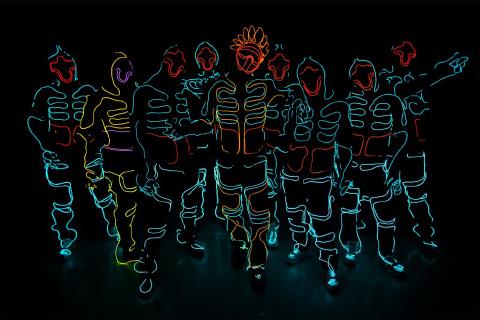
- Another FreakLabs area of project interest is stage control. This is centered around (but not limited to) Wrecking Crew Orchestra, who were recently signed by Sony music. https://www.youtube.com/watch?v=6ydeY0tTtF4
- The communication for the suits (and other projects) is built around openFrameworks for timeline and sequencing.
- Hackerspaces are changing and have never just been about the tools. FabLabs in Tokyo flounder if there isn't sufficient community involvement. "Interesting projects draw in people who make interesting projects"
- When looking for a new building, the Hackerfarm got rid of negative energy at a property they're renting with the help of a Shinto priest who is a php programmer.
- Overall, Akiba feels there is lower computer literacy in Japan. It can be hard to find programmers. Some are versed in older languages like Delphi, which is actually what Altium is written in.
- Chris asked if they are working with any of the open village construction set, which they are not yet. They are monitoring water levels in the rice paddy with wireless sensors.
- Dave asked about the impact of the earthquake/tsunami that caused the plant failure at Fukushima Daichi. Chris saw that there was a "robot that died after 3 hours" there the other day.
- One fab that was impacted during that time was Renesas, as well as some of the hard drive manufacturers, due to logistical interrupts.
- Akiba helped with the Safecast project, which did open monitoring of radiation levels. It turned out that most places on the coast have a higher level of radiation due to past nuclear testing in the pacific.
- A bunch of folks pitched in to buy a scanning electron microscope, which now resides at the Hackerfarm. In the future this could turn into a time-shared, connected, cheap scanning service.
- Between the SEM and the sputtering machine they might get, they are one tenth the way to a fab (Akiba says 'maybe'!).
- Akiba bought Bunnie a set of silver (not platinum) grills.
- The low current transimpedance amplifiers that Akiba showed on twitter are part of the DNA sequencing project. They actually measure the conductivity across a single gold atom while forcing a DNA strand through it.
- FreakLabs is always on the move: Akiba did 40 designs last year. These included a charger for 60+ batteries simultaneously charging, lights for flair bartenders (think the movie "Cocktail") and a lot more.
Transcript
Akiba: This is the Amphour Podcast, recorded April 14th, 2015, Episode 245, with guest Akiba, Dismissory Diographical Debt.
Dave Jones: Welcome to the Amphour. I'm Dave Jones from the EEV blog.
Chris Gammell: And I'm Chris Gammell of Contextual Electronics.
Akiba: And I'm Akiba from Freak Labs.
Chris Gammell: Our savior.
Dave Jones: Hey, Akiba, thanks for joining us. He saved us, Dave. Last minute.
Chris Gammell: He did. Under the wire. Last minute. Yep.
Dave Jones: Like, literally the last, well, maybe five minutes or something. He stepped in, Chris tweeted, oh no, all our guests fell through.
Chris Gammell: Yeah, yeah. Well, Akiba was supposed to be on in two weeks from now, but I'm going to be in Serbia, so that's not going to work out anyway. So it worked out really well. So, yeah. Thanks so much for that.
Dave Jones: And we got some fantastic water pouring noises.
Akiba: Oh, sorry. That was my coffee. So, like, my morning coffee. It was like nine something a.m. here. Yeah.
Dave Jones: And tell us where you are.
Akiba: I am living in, like, the countryside about an hour and a half outside of Tokyo. Me and some friends, we started kind of a co-living and co-working space, like, a space called Hacker Farm. And, yeah, we just kind of hang out here and we work on random projects.
Chris Gammell: Nice. Nice. So what was it? Did this big city living? Is that the problem, the Tokyo got to you, or what was the deal?
Akiba: There's a lot of issues. Like, so, I lived in Tokyo for, like, 12 years. And then there's a lot of issues. Like, first of all, it's like, it's very, you know, living in any city is really expensive. Yeah. And then, so, I think that was the big thing is originally me and my friend, we started this farm so that I could just have access to dairy cows. So I could do cheese making. Nice. Oh. And then, because it was so cheap. It was like, it's $400 a month for three buildings. And then, so. Nice. Wow. Yeah, that's really good. Oh, yeah. So we just kept it on the back burner. And then we were just, I was just using it as, like, kind of, like, oh, we're going to have, like, kind of a hackerspace in the countryside. But then, finally, I got sick of, like, you know, like, in Tokyo, you have to hustle all the time to, like, pay rent, pay everything, all that stuff. So I think my rent was, it was pretty up there. I think it was, in Tokyo, I was paying, like, around $3,000 a month. And then I. Wow. And then finally, I just got sick of it. And I moved out here and then it went down to, like, $400 a month. And then, so, I'm just like, oh.
Dave Jones: Yeah. That's awesome. All this extra money for toys. Yay.
Akiba: Yeah, yeah. Actually, you know, like, it's weird because I have, like, I bought, like, I bought so many things after that that, like, now it's hard for me to think of, like, what I want to spend my money on. Right.
Dave Jones: Yep, yep. So is this your full-time job or do you have a real day job for a living?
Akiba: I do. I do various. So, like, I'm a researcher at Osaka University. And so I'm working on, like, DNA sequencer design. Nice. And then I'm, like, I'm an affiliate researcher at MIT Media Lab. So I, like, kind of assist on various things. So I'll be teaching a manufacturing workshop in Shenzhen with Bunny in June for MIT Media Lab. That's awesome. There's something people should go to. Yeah. Yeah? Oh, yeah, yeah. So we'll be doing factory tours. And then, you know, it's, I want to do, like, factory tours that are kind of, like, outside of the MIT Media Lab pool just for, like, you know, just for, you know, just for people that want, that are into, like, industrial porn. And so I want to try and figure that out, too.
Chris Gammell: Right. Like, the biggest machinery you can possibly tour around and that kind of thing. Like, just.
Akiba: They have, I mean, like, because, like, most of the places, they'll just let you tour. And then, like, my friend is out there and she's, like, kind of, she's a factory owner. And all the factory owners kind of, like, they're in Dongguan. They all kind of hang out together. And so she's, like, oh, you want to tour a factory? Just let me know. I'll, like, talk to my friends. And she's, like, she's a socialite. So she knows all the factory owners' wives. And so, like, that's, like, the most important connection right there. Yeah.
Chris Gammell: First a cocktail party and then you go and tour a factory and another cocktail party.
Dave Jones: And then you whack on an anesthetic lab coat and booties. Oh, yeah. And then you go.
Akiba: That's awesome. But, I mean, it's crazy because they're all, like, American and Taiwanese expats. So, like, yeah, it's, like, it's possible to get into Foxconn or, you know, like, a lot of the big factories, too. Oh, wow.
Chris Gammell: Yeah. I remember the pictures from, I mean, I'm guessing you were at that tour last time, too, at the Media Lab. Is that right?
Akiba: Yeah, yeah. So that was when, actually, Bunny and I were drunk at a bar in Tokyo. And he said, you know what would be cool is if we did, like, a month in Shenzhen and we just toured a bunch of factories. I was, like, if you do that, I'm totally in. And then it actually happened. Yeah, awesome. So that's kind of how, like, I think that materialized. That's awesome. Right. Actually, a lot of the stuff that, like, we kind of do is, like, a lot of, just from being drunk. Wait, Bunny drinks?
Akiba: You drink? What? Are you? Oh.
Chris Gammell: I've never voiced over an intro to a video with you and Ian drinking, either. So.
Akiba: Oh, my God. Ian is, like, I can't hang out with that guy because he's, like, I need, like, a week to recover after every time I hang out with him. This is Ian from Dangerous Prototypes.
Chris Gammell: We should mention it if you want to know as well. So, yeah. Oh, yeah. Sorry. I like a fish. Yeah. And that was the, so that tour is, I was re-watching that before, right before we started talking. And so is that, is that the apartment you were talking about where you crammed all that equipment in there and everything in Tokyo?
Akiba: Yes, yes. There was, I mean, so there's, there's a couple of apartments, like, out there that are, like, easy, like, that have easy access to, like, Wachong Bay. And, like, it's, it's, like, and so, like, yeah, that was, and so, I forgot the actual name of it. But anyways, but, yeah, it's, like, they're, they're rental apartments and then you just rent them. They're, like, $15 a night. And so, like, we just rented a bunch of them for, like, I think one month. So, we just got, like, so actually, Bunny, so Bunny organized the whole thing. So, I have to give, I have to give him all the credit because he, he was just, like, he pulled off, like, some huge miracle in, like, logistically organizing all of that with all the millions of other things he has to do.
Chris Gammell: Well, actually, I was talking, I was talking about the tour around your, your Tokyo workshop, though. The, that's what, that's what I was asking about the, when, when Ian came and did a tour. Oh, Ian's thing. Yeah, right.
Akiba: Oh, yeah, actually, yeah, he came over, like, we were, he came over to do the tour. Actually, he was already drunk and then, and then we were about to head out to, like, a fetish club in Tokyo. And so, like, he's like, oh, and by the way, I'd like to. Well, it's like, it's mostly, like, it's mostly, I mean, it's not like a bad fetish club. It's like kind of just. Yeah, right.
Dave Jones: It's like PCB porn fetishes. Yeah. No, it's like. You've got these dancing PCBs up on, twirling around poles, do you?
Akiba: Yeah, it's definitely not a, but it's, it's mostly, like, kind of, like, a lot of, like, because there's this, there's, like, the alternative scene in Tokyo. And then there's, like, a lot of, like, kind of drag queens and, like, kind of, like, people that want to be known as, like, asexual or, you know, or androgynous and stuff like that. And so, like, they, they have a monthly party called Department H, which is, like, kind of, like, I think in the US they have, like, the fetish ball or something like that in San Francisco or something. But anyways, yeah, it's kind of like a big monthly Burning Man in Tokyo. Oh, wow. That's crazy. So, yeah. And so, like, Ian would come to Tokyo and then he'd, like, attend that. And so, before we went, then he just came over, oh, you know, maybe we should tour your place. Yeah.
Chris Gammell: Well, yeah, I was just, I was marveling at, like, just how much, how much stuff you got. I mean, it was a small, I don't know how, I don't remember the dimensions of the apartment, but you had, you had a ton of, like, prototyping equipment in there for.
Akiba: Oh, yeah, yeah. But, I mean, it was, I'm shocked that I was able to cram it all in. So, now it's, like, it's much nicer because I have, like, more space. But, yeah, because, like, you know, they have, like, my CNC PCB mill, which, like, I think, I've heard you guys, like, go on and on about, like, kind of PCB printing and stuff. Yeah. I completely agree that a lot of it is a bunch of BS. But, yeah. But my CNC PCB mill has actually served me quite well.
Chris Gammell: So, what kind of, I mean, what kind of tolerances do you get on yours?
Akiba: It's, like, let's see. I normally, like, for PCB milling, I normally use, like, 8 mil, trace width, 8 mil spacing just because it's, it has, like, enough margin that I can guarantee, like, around, like, almost, like, a 90, 95% success rate or something.
Dave Jones: Yeah. Okay.
Akiba: And then if I go lower, then there's a chance that, like, if something happens, then, like, it might break a trace or something. It just gets irritating because you have to, like, do a lot of repair.
Chris Gammell: Yeah. Yeah. Your flow is just to the point where it just kind of works now, huh?
Akiba: Yeah. I think, well, most of the stuff, like, I don't do, like, a lot of hardcore design. It's a lot of my, kind of, PCB milling is mainly to test out ICs. And so, like, just so I can get a feel for what they behave like. Like, and then once I understand, you know, or once I have, like, a working driver for, like, the ICs and then I just, like, crank out a PCB. Like, PCBs these days are just so cheap to have.
Chris Gammell: Oh, yeah. Exactly. Yeah. No, I think that's, like, the perfect use case, too. You know, like, that's what it's for. Exactly.
Dave Jones: And you've got your own pick and place machine. Tell us the details, the model and how useful it is.
Akiba: I have, like, a, it's like a MDC. So, well, there was this company. So, actually, I got a pick and place machine, like, many years back. And then, and actually, I posted the details on my website. And then that's when, so, the Moore emailed me and said she was looking for a pick and place for Adafruit. This was, like, way back in the day. And so, like, yeah. And so, she ended up getting the same pick and place, too. It's from a company called MDC in Tokyo. And they had, like, I guess, one of the first, like, kind of desktop pick and places. And it's really designed for proto. It's not really designed for, like, manufacturing. Like, for manufacturing, you'd want, like, a Juki or, like, you know, Panasonic Samsung.
Chris Gammell: Yeah.
Akiba: Sure. But, yeah. I mean, like, for, like, kind of a small compact pick and place that I could have in Tokyo, it was, like, it was really good.
Dave Jones: So, are these things cheap and easy to get over there?
Akiba: They're not that cheap. So, mine was, when I bought it, this was, like, a long time ago, too. So, they were, I mean, it was either, like, you get, like, the big expensive ones. And then, so, I found this place. And it was, like, they were, I think, originally, like, $25,000. But then, but there was, like, a used. Yeah, yeah, U.S. And there was a floor model. Yeah, yeah.
Dave Jones: Oh, that was used, right, yeah.
Akiba: Yeah, there was a floor model that they had. And he said, oh, well, I'll give you the floor model for, like, $15,000. And then, at that time, I was, like, you know, I was, like, kind of a fairly, like, a fairly, you know, a well-paid corporate engineer. Actually, I was, at that time, I was actually doing a lot of sales and marketing, too. And so, like, you get, like, quite a bit of money when you do that. And so, I was, like, okay, yeah. Yeah.
Chris Gammell: Bonus time means pick and place.
Akiba: Oh, yeah, yeah. So, I think, I've heard you guys talking about, like, kind of the difference between, like, a development engineer and, like, an FAE and people that are, belong into, like, sales and marketing. And, yeah. Like, that kind of work, like, FAE work and kind of applications work totally sucks. But you just get paid like crazy. Right. And so, I was just like, all right, yeah, let's, like, 15 grand, let's do it. No, no.
Chris Gammell: So, what were you FAE for, though? I mean, I guess I don't know your corporate history before that. I guess I always just saw your stuff online. So, were you doing, like, for a chip company or something else?
Akiba: Yeah, I was originally, so, I was originally an IC designer. Like, I had started my career off doing FPGA design, like, video processing. Cool. So, I was doing, like, a lot of, like, I was using Xilinx FPGAs back when they were, like, the 4000 series and, like, kind of. Oh, yeah. The tool chain was just, like, this horrible mess. Yep. It still is. Yeah, it's just there's more of it now. Yeah, exactly. They just built on it. Yeah, that's right. So, yeah, yeah. And then, like, yeah, I would be, like, I was, so, yeah, I was doing a lot of FPGA stuff. And then that was back when, I guess, like, yeah, even CPLDs, like, you had, like, gals, gals and pals. Oh, yeah. Yep.
Dave Jones: 16 V8s, you know. Yeah, yeah.
Akiba: Oh, geez. That's, like, it's, like, oh, you're, like, bad memories coming back now. Oh, yeah.
Dave Jones: Yep, yep, yep.
Akiba: Trying to stuff your LED logic just so you could blink LEDs and then you'd have, like, you'd use, like, a 16 V8 and, like, and key. Blah, blah, blah.
Dave Jones: Exactly. And you wouldn't design those using VHDL or Verilog. None of that rubbish. This was all, you know. No, this was Able. I think there was. Yeah, Able and there was other. Or you'd just hand do it or you'd do it in schematic or whatever. Yes, yes. It was, like, yeah.
Akiba: Schematics. That was when Carnot maps were actually useful. Oh, yeah, exactly.
Chris Gammell: So, you kids these days not learning your Carnot maps. You've got to reduce the tables. That's right. Reduce the tables.
Akiba: Get off my lawn. You kids and your JavaScript. Yeah.
Chris Gammell: So, what made you bounce out of that? I mean, was it just kind of gradual because you shifted into that sales role that you got sick of it or was it something else?
Akiba: Well, so, like, yeah, I was doing FPGA design and then I kind of moved into, like, ASIC design. And I was ASIC design using Verilog. Yeah. But, and then, yeah, I was doing a lot of IP core stuff. And so, I was at a startup doing, like, kind of a USB, like, IC design and IP cores. And I had moved to Japan. And originally, I had quit to move to Japan. But then it happened that that startup had customers in Japan. So, like, I told them, oh, okay, we'll do some, like, freelancing. So, I went to the customer to help them out with one of their designs. And then, I think, yeah, they were surprised that, like, you know, like, an IC designer would actually go out to their on-site. And it's, like, so I just helped them, like, kind of synthesize their design and all that stuff. And then just got it working. And then they became, like, a good customer for that company. And that company was, like, oh, you know, you should be in sales. I was, like, what? It's so natural. You've talked to a customer once. Yeah, yeah, yeah. It was weird. I really hated sales and marketing because, like, you have to travel so much. And it burned me out. Yeah. But that's, so that's the, the career path of an engineer is pretty dangerous. Because, like, if you fall for that sales and marketing trap, like, so you, like, you hone your skills. Hey, man.
Akiba: I built more hardware than you in the last month. Boston. Oh, okay. It's like, snap. Yeah.
Dave Jones: Too shy.
Akiba: But, yeah, if you, I think if you, because you, because as engineers, like, you're always trying to hone your skills. And if you get, in a corporate scenario, if you get good enough to a certain point, then, like, basically, I think, like, management just tries and get you to manage other people. And then that's when, like, your engineering career is over. So, like, you're right.
Chris Gammell: Especially if you have, like, lifestyle inflation that goes with it. Because, you know, like, if you have a family, you're like, you're like, oh, I want to give my family more stuff. And then, you know, the sales and management jobs that support that, it's like, well, now I can't go back to being just an engineer or, you know, or start over somewhere. You know, like, so you get trapped there. And so that's dangerous. So. Yeah.
Akiba: No, I, I totally agree. And so, like, that was, you know, so I actually, like, when I got moved into that role, then it was just, like, I was getting, like, a lot of money. But then I didn't really get to work on my own design. So I was always, like, you know, helping other people out on their designs. And it was, like, actually, I felt, like, a depression because I had, like, you know, like, I just go to bars and, like, I'd buy people drinks because I didn't have, like, you know. Yeah. And it was stupid. Yeah.
Chris Gammell: No, I mean, that makes sense. I hear that from a lot of FAE friends, actually, that they're, I mean, they're bummed about it. You know, like, an engineer, like, it's part of our identity, right? It's, like, I build things. I fix things. And then you take, you take that away from them. That, that, that hurts, you know? Like, that's, you feel less useful.
Akiba: No, it was, yeah, it's really, because, yeah, because, like, I think from, from the beginning, I was always just interested in, like, kind of designing stuff and, like, kind of creating, creating things.
Chris Gammell: So, yeah. So, out of pain, this is where Freak Labs is born? Is that, is that where it started?
Akiba: Yeah. Well, actually, so, an old professor, a friend of mine, he started a company in Sensor Networks, like, with this new protocol called Zigbee. And he was on the IEEE for, like, the 802.15.4 committee. Oh, wow. And he was asking me if I wanted to help out. So, then I started working on that. And then Sensor Networks was really interesting. Because at that time, there was absolutely, like, no money involved in it. So, like, the only people that were doing it were just, like, like, crazy people, like, kind of hippies and academics. That's right.
Chris Gammell: And so, people who wanted to build things that could actually transmit to people's brains and then people that thought things that were transmitted to their brains.
Akiba: I think it's kind of, I mean, it's like, well, because, like, for Sensor Networks, you had to, like, you had to go all the way from, like, the hardware level and the RF. And then you'd have to do the protocol stack and then the server back in and then finally, like, the presentation and all that. It's like, I mean, there's a huge amount of domain knowledge that's required. And then, so, like, you know, it was just, like, you'd have to be crazy and spend all your time on it. And so, that was, like, the most fun I ever had. And then, so, I was, like, so, for my corporate job, finally, I was just, like, you know, fuck this shit. I'm, like, I'm out of here. No, sorry. I'm not allowed to say that. Take your money and stuff it. Who needs you? Yeah.
Chris Gammell: Yeah, yeah. Sorry about that. That's okay. What, like, time frame? Don't worry. You'll get the explicit tag this week. Ooh. What time frame was this? Like, what year was this?
Akiba: What was it? I think around 2005, 2006, then I just decided to work on, like, this is when I was in the Zigbee Alliance. And I decided to try and write an open source Zigbee stack. So, around, yeah. So, 2005, 2006-ish, after the Zigbee spec came out. And then, 2007, I established Freak Labs as, like, kind of an open source company. And then, yeah, I was just doing a lot of sensor networks. So, that was when it was called sensor networks and not the Internet of Things. So, now it's, like, oh, God. The good old days, right?
Chris Gammell: So, what happened with that stack? I mean, did that end up, did that take hold? Or what happened?
Akiba: No, what happened was there was incompatibilities. Like, with open source licensing. So, like, the Zigbee Alliance required that if you use any part of the Zigbee specification, they actually become a member of the Alliance. And it's, like, I think it was, like, $5,000 a year or something.
Dave Jones: Oh.
Akiba: Yeah, it's stupid.
Dave Jones: That sucks.
Akiba: And they'd have their meetings in, like, at, like, the Four Seasons Hotel. Right. Like, some, you know, whatever, blah, blah, blah.
Dave Jones: Right. That's where your money's going. Yeah. That's right.
Chris Gammell: I mean, I guess I don't know anything about the standards committee. Maybe Dave does. I don't know. Oh, geez.
Akiba: It's like being on, like, Congress in the U.S.
Chris Gammell: So, like, who starts that, though? Is that straight through IEEE? Like, who actually does that? Why is it so money-heavy kind of stuff?
Akiba: Well, because you have, like, so, you have the IEEE, which has, like, kind of, you know, they do more of, like, kind of, you know, the widely accepted. There's, like, IEEE, ITU, and all those that do, like, the widely accepted standards.
Akiba: Mm-hmm.
Akiba: So, so, so, the IEEE for sensor networks did 802.15.4, which is the kind of the lower layer, like, Mac-level wireless protocols. And then above that, they have, like, the networking protocols. And then, so, the ZigBee lines kind of stepped in and said, we're going to create this wonderful sensor network protocol that, like, does mesh routing, blah, blah, blah, blah, you know?
Chris Gammell: So, so, is it companies, though? Or is it still, like, non-profit institutions acting in profitable ways?
Dave Jones: I mean, yeah. It's called a junket, Chris. This is why they're so expensive. Everybody goes to these things, you know? That's just how it's done, you know? Somebody else is paying, right?
Akiba: I mean, like, technically, I think you could call them, like, non-profits. But the thing is, they're extremely profit-motivated. So, like, if you, like, I used to also be on the USBIF standards committee. And then, and basically, there's a lot of infighting because all the semiconductor companies are trying to get their, like, proprietary features integrated into the standards. And then, so, that would kind of lock in, like, say, their chip. And so, there's, like, millions of dollars at stake in all these things. And there's a huge amount of political infighting. So, when I was, for the smart grid, like, I was also involved in, like, a lot of smart grid standardization in Japan and the U.S. And then, like, I was consulting for a company, like, Maxim, Maxim Semiconductor. And, Jesus, they would, like, I mean, there was, like, pre-meetings before the conference to discuss the strategy. And, you know, and they would, like, they would be doing, like, stacking. Like, some companies, like TI or, you know, whoever, would do things like stacking the committee votes. So, basically, whenever there's, like, a voting day, they would just have a lot of members come for that particular day. And, like, so, they'd all count for the votes.
Chris Gammell: Yeah. Yeah. I mean, that's just, like, this is the, I mean, this is just politics in general, right? I mean, like, it's just, like, yeah.
Akiba: Yeah, totally. Yeah. It's like Congress. I mean, so, like, actually, I stopped, you know, like, my stance on standardization is that, you know, like, just create your own, like, standard, like, an open standard. And then throw it out there and get something working. And then people will adopt it, have that de facto, and then have it as a, you know, like, because no matter what, like, it's just going to end up politicized. So, what really matters is just get something out there that works. Right.
Dave Jones: Got it.
Akiba: Wow.
Dave Jones: And that's what people can do. People can actually take it by the horns and develop a de facto standard if it gets popular enough, and it's easy to get stuff spread in today's, you know, internet-connected community, right? Yeah. So, you know, blogs and everything else, right? If, you know, a couple of key players start using it, then it just snowballs and bingo, you can, you know, everyone has the opportunity to produce the de facto standard and avoid all that sort of, you know, crap.
Akiba: Yeah. I think, like, my, no, I totally agree. I, you know, like, that's why the whole internet of things right now, I think, is, like, bound to fail, is because they're trying to create some standard that works for everything, whereas I think they should just have, like, a specific standard for, like, temperature sensing or, you know, a specific standard just for home automation, right? And only works for home automation. And then...
Dave Jones: I guess one of the hard things is RF, right? Because that's FCC regulated and all the rest, right? There are laws against, you know, you can't just go transmit anything, right? So, that's hard, you know? Yeah.
Akiba: You can, because you would just normally use, like, a license-free thing.
Dave Jones: You could use a license-free band, yeah. Yeah.
Akiba: Like, I mean, it's generally, like, 2.4 gigahertz, or right now, like, the sub-gigahertz, so 900 megahertz is really popular, too. So, that's, like, all the, like, the home automation companies were using 900 megahertz because they get good coverage. And then, so, the RF isn't really the hard part. The hard part, really, is the networking aspect because people already have a hard enough time working on their, like, home networks. And then, if you ask them, like, to network their light bulbs, it's like, what are you talking about?
Dave Jones: Right. So, yeah. So, is there anything up and coming in that mesh sort of Internet of Things networking area that you like? Is it, do you think it's going to be a formal standard that emerges or it will be a de facto someone out of their back lab is going to do it?
Akiba: I kind of, yeah. I kind of stopped, like, following because, like, it was all just Protocol Wars forever. And, like, I mean, it's still Protocol Wars. And it's just, it's all, like, stupid.
Chris Gammell: The most boring Star Wars sequel ever. Protocol Wars. It is. It's horrible.
Akiba: Attack of the junket. Yeah, yeah. It's, like, politics. And, like, you know, there's, like, there's Intel and their faction. I think Samsung is trying to do their own. There's Qualcomm, you know.
Dave Jones: Right.
Chris Gammell: And that just leads to more incentivizing, not privatization, but just not being open, right? Because if you're trying to make sure you capture the market, you just say, I'm the big guy. I own everything. You have to come to me and then use my standards, right?
Akiba: That's what they all want to do. And it's all, like, run by, like, you know, like, all the people on standards committees are actually the morons of the company. They can't provide any other value. So, then, like.
Dave Jones: Tell us what you're really thinking. Oh, sorry. Am I being harsh?
Akiba: No.
Chris Gammell: I mean, I think it's truthful. Like, yeah, of course. Any engineer listening who's like, oh, yeah, I've had to deal with that. I'm sure they would agree, right?
Akiba: Yeah. I mean, because they're, like, you have the professional people. Like, there are people, like, when I was at Maxim, like, or consulting for Maxim, at least, there were people that were specifically hired just to be on the standards committees. And basically, they're, like, politicians.
Chris Gammell: Oh, wow. That's going to be so boring.
Akiba: Yeah, yeah. And they're, well, they're, they're basically, they're non-technical, too. Yeah. And they're, they're just to kind of organize the, you know, like, the strategic management of, like, the standards of the nation.
Chris Gammell: They're, like, undercover lawyers.
Akiba: Pretty much. I mean, basically, they have, like, like, they have people that are, like, standards police, where they just know the standard inside and out, although they don't understand the technical aspects of it.
Chris Gammell: Yeah.
Dave Jones: All right.
Chris Gammell: Got it. Jeez. But, yeah. So, you're outside that now. That's good. Whatever, I mean, like, Zigbee's still around, but I don't really hear about it too much. Am I just missing it, or is it falling out of favor?
Akiba: I think, I kind of think Zigbee's going to, like, die out. It's, like, so basically what they tried to do is reproduce, like, what, like, kind of TCP IP already does really well. And so, like, you know, and so I think actually Wi-Fi is really just going to, you know, kill the market. So, already you have the ESP8266s that are just, like, you know.
Dave Jones: But I thought it was Bluetooth low energy that was killing off Zigbee, not Wi-Fi, because Wi-Fi is too high power.
Akiba: Oh, actually, Bluetooth low energy is really only for mobile connectivity. And I think, you know, and, you know, although, like, I wrote a book on it with, like, Bob and, like, and Kevin, and it's, like, I really don't like the protocol. It's, like, it's really, it's only for, like, kind of mobile connectivity. And actually, you know, a lot of the BLE startups that are coming out right now are just, like, just creating horrible products. I mean, just, like, these horrible things that just should not exist.
Chris Gammell: Just a sensor connected to a smartphone, right?
Akiba: Yeah, yeah. Just, like, you know, it's, like, yet another proximity sensor or, you know.
Chris Gammell: Yeah. Yeah.
Akiba: Or a device to. Fitness tracker. Yeah, find your lost keys or something like that. Yeah. Yeah. No, I mean, you're right.
Chris Gammell: There is limited. I mean, it's usually just point to point, too, isn't it? I mean, like, so that doesn't really imply networking. It's just, so that's why Wi-Fi could, would be more likely for that.
Akiba: Yeah, well, I think Wi-Fi. So, there's, like, a lot of reasons why, you know, like, the only problem with Wi-Fi is that it's power hungry. But if you're in, like, a home scenario, then you don't really care that much about power. Yeah. So then, but then you already have, like, kind of the inbuilt Wi-Fi network. And now you have, like, these $2 Wi-Fi modules. And they're going to get cheaper, too. Yeah, it's scary. Because now MediaTek is going to start competing with, like, was it Espresso or something, or, you know, the people that are doing the ESPs. Yeah. So, I mean, and, like, MediaTek are the people that make the chips for those, like, $10 Shanzai cell phones.
Chris Gammell: Yep. Yeah. Yeah. And that's, yeah, you keep seeing those pop up, too. Those are still pretty closed off on the register set and everything, right? But it's, they are, at least, they're able to be purchased.
Akiba: Well, I mean, yeah, technically they're closed off on the register set. But, like, I think, like, a lot of people say that it's not open source. But actually, the interesting thing about China is that it's, like, kind of default open source. It's just not officially that way. Yeah. It's, like, everything is reverse engineered.
Chris Gammell: Yeah, like that Gankai post that Bunny wrote, right? Yeah.
Akiba: Oh, I don't know. I haven't. Is that the one where he talks about the cheap cell phones or the?
Chris Gammell: Yeah, him and Zobz were reverse engineering, I think, one of the MediaTek chips. And then someone else did it.
Akiba: I didn't read the post, but I saw his talk on it at CCC.
Chris Gammell: Yep, yep, yep.
Akiba: That's the one. Yep. So, but, yeah, yeah. I mean, it's, like, it's basically that way. So, there's, I mean, like, they don't publish the register set. But then if you go to Shenzhen and you pay, like, you know, $10 for, like, a book on mobile phones. And then it has all the schematics and all the register sets for just about every, like, say, Qualcomm or whatever chip. That's very much. I love it. That's nuts. You can actually go to the library and borrow the books and just Xerox them, too, over there.
Chris Gammell: That's even better.
Dave Jones: I love it.
Chris Gammell: So, I don't know. So, what are you using these days, then? So, I mean, so we see that, you know, obviously you do wireless networks and you're interested in this stuff. What is your go-to? Are you still using Zigbee?
Akiba: Oh, no, no. I just use 802.15.4. But, I mean, like, kind of, I'm, yeah, like, I have, like, various projects that I'm interested in. So, like, my personal projects, then, I really like stage technology. And I'm trying to adapt a lot of the sensor network stuff to stage control, like, technology control. And so, like, I work with a dance crew called Wrecking Crew. And then we just order. Well, I'm seeing the video.
Dave Jones: Very impressive.
Akiba: Yeah.
Chris Gammell: If people haven't watched it, go watch it right now. It's amazing. We'll post it.
Akiba: Oh, yeah. Well, it's really interesting. Because, so, basically, well, the technology behind it is actually just 802.15.4. And it's like a sensor network in reverse. So, rather than collecting data, I'm actually just sending, like, or we're just sending data out to each of the dancers, which is, which acts as, like, a control node.
Dave Jones: Oh, you see, I thought, watching that video, I thought, like, they all would have been synchronized at the start. And then they'd be sort of like an autonomous thing so that you go through the routine. And each dancer has their own little controller in that is all timed. I didn't know you actually sent anything to it wirelessly.
Akiba: Oh, no. It's sent from, there's a main control computer. And then we send the triggers. Basically, so we use a program called Open Frameworks, which is, like, kind of, it's like a platform for, like, just, a lot of people use it for, like, projection mapping or, like, the creative coding type stuff. And then, so, yeah, we just have a timeline with the audio. And then we have a CSV file with the time codes and the device address and the value you send to it. And then they just, like, yeah, it's pretty much, I mean, it's like, you can actually do it in a couple lines of code because you just loop through it. And then if the audio time code is greater than, like, the time code you have in your CSV file, then you just send the data.
Chris Gammell: That's awesome. And it's just, like, each note on the body, then, is just numbered as well. So, like, the arm or the leg or the chest piece or whatever, each one has its own individual address, then, or what?
Akiba: No, no. So, each, like, dancer has their own individual address. And then they have multiple channels for, like, say, their arm, their face, their, you know, et cetera.
Chris Gammell: Okay. Those are the channels that you're saying. Okay.
Akiba: Yeah, yeah. Yeah. So, that's pretty impressive. But, actually, the most interesting thing right now is, like, the dancers are, like, because there's a lot of maintenance that's required in order to, like, kind of keep up, like, that kind of show. Like, they have to repair their own yellow wire. So, now they're soldering their own yellow wire. They developed their own way to exchange.
Dave Jones: You've got the dancers repairing their own stuff.
Akiba: You know, like, the part that I was, like, the most proud of is, like, we were at a TV station and did a performance. And one of the TV station technicians came out and, like, was saying, oh, you can't use wireless in here because you might interfere with the wireless microphones. So, they pulled out their spectrum analyzer, showed that the wireless microphones were at, like, 850 megahertz and that they were transmitting at 920. And then, it's, like, these dancers just, like, totally, you know. Oh. Yeah. Yeah. Totally own the freaking TV tech guy. You're probably going to stop with. And the other technicians were, like, kind of, like, laughing in the background.
Chris Gammell: Yeah. I'm probably going to stop with. I've gotten a bunch of dancers to carry around spectrum analyzers because that's awesome.
Akiba: Yeah, yeah. So, I was just, like, I saw that. I was, like, oh, that's, see, that is just, that's classic. That's awesome. Love it.
Chris Gammell: And so, that's still going on, right? Because you said that you're kind of twirling around with them a little bit or what's the deal there?
Akiba: Yeah, yeah. Actually, so, they got signed by Sony Music. And so, they're actually managed by Sony Music now. And then, so, we just got done with, like, a two-week theater run at the Blue Man Theater in Tokyo. That's awesome. Yeah, that was crazy. That's why I couldn't do the interview earlier. But, uh. That's okay. Yeah, so, it's getting more. Actually, so, the interesting thing about stage technology is, like, it's extremely intense. And, and I think, like, for Wrecking, in Wrecking Crew's case, they're, like, they're becoming more, like, like, they're becoming more technology intensive. So, right now, it's, it's going to be me and there's two other guys that are, like, helping me out on the, like, we formed a stage technology group, actually.
Akiba: Yeah.
Akiba: And then, so, it's one guy, like, Markan, who's, he used to be, like, ex-Google Ops. And, and another guy named Masa, who, he hangs out at a hacker farm, but he's, like, a hard, he's, like, 30 years doing, like, kind of, low-level and OS, OS stuff.
Chris Gammell: That's, like, the, the coolest crew of, like, just, like, yeah, we just tour the world, like, hacking together stuff when we're needed. And, it's, like, it's, like, nerd superheroes.
Akiba: Yeah, I don't, I don't think, I don't think that'd be, like, like, I, like, the, the nerd superheroes are actually, yeah, I know who they are. They're the ones that do all the disaster relief stuff.
Dave Jones: But, um, but it is interesting. Thunderbird hackers. Thunderbirds. Thunderbirds. Thunderbirds. Dave, sorry, I've got to jump my head. Dave, your age is showing. Shh, Dave, your age is showing. It's, like, the bat signal. Quick, guys.
Akiba: We're needed to play some firmware.
Chris Gammell: We're not, I do. So, and so, I mean, for this system, too, like, you, you were commissioned by them, or you came up with, like, what was the story behind it, too? Did you, did you come up with the concept, or did they, because I thought I remember seeing that someone else, another dance crew used this, or I'm not sure if.
Akiba: Yeah, I mean, it's definitely not, like, there's, there's other groups that are, like, you know, it's, you know, I don't, I don't think it's right. It's rocket science, but, you know, there are challenges, but I don't think it's rocket science. But, yeah, so, wrecking crew, like, about four years ago, they were actually using EL wire, and they just had, like, manual switches. And so, they would, like, kind of jump and then turn off the EL wire. Yeah, right. Yeah, yeah, yeah. So, and then, like, when you see them dance, their hands were always, like, at their waist, so. And then, they met this guy, his name was B-Boy Popeye. And he was at, studying at Kobe University in the media arts, in media arts, and he was also a dancer, too. And he helped them automate their first show, and then that was the one that got popular on YouTube, which is, um. And so, at that time, they were using, they were just using an Arduino and an XP. Like, an Arduino and XP, and, like, kind of, um, uh, like, just, yeah, transmitting the, transmitting the triggers. But then, when I had met them, then, basically, because it was, like, a hand-soldered proto board that they were touring with. It was just, like, all their devices were falling apart. They had, like, random signal drops that they couldn't explain. And, you know, there were all these other issues. So, I had to, first of all, explain to them that 2.4 gigahertz is not a good band to be in. You know, if they have, like, mission-critical, you know, control signals. Why is that? Um, because, like, everybody, like, a lot of people use, like, Wi-Fi or, you know, like, uh, you know, especially, like, at venues where they perform, like, concert venues or club venues. Yep. Then everybody's on the Wi-Fi.
Dave Jones: Everyone's got their cell phone turned on and their Wi-Fi switched on, right? So.
Akiba: Yeah, and they're also using it, too. And so, there's this huge amount of traffic. And then, you basically create a denial of service if you're on 2.4 gigahertz. Yep. Yeah, especially if you have, like, low latency kind of requirements. So, that's why I moved them to, um, 900 megahertz.
Chris Gammell: What are the latency, like, like for that kind of thing? I mean, it's, like, it's, like, human level. So, it's, like, visual, like, 30 milliseconds type of timing? Or how deterministic does it need to be?
Akiba: I'd say, like, probably around 10 milliseconds is, like, the minimum resolution. Yeah, that's pretty demanding, yeah. Yeah. So, because, like, because people are very sensitive. Like, if the visual doesn't sync with the, well, you guys probably know it, right? If the visual doesn't sync with the audio perfectly, then you kind of lose that sense of illusion.
Chris Gammell: Yeah. Yeah, that's some tough timing, though. I mean, like, especially because if you're doing it across devices, right?
Akiba: Oh, actually, Nadia's here. So, Nadia is, hi, Nadia. Oh, she's the French chef that's staying at Acro Farm. She's cooking every day, too. Oh, do you want to say hello? The French chef at the...
Chris Gammell: I just saw a tweet about this, yeah.
Akiba: She's staying here. Oh, hi, Nadia. Please say hello. Who is it? So, they do a popular podcast. Nerds. Yeah.
Chris Gammell: I just say it's a load of questions.
Akiba: Heya. Hi. Hi. Thanks for cooking for Akiba. Yeah, that's me.
Akiba: That's awesome. Oh, my goodness. Okay. Oh, all right. So, that was pretty quick. So, she's actually staying here for three months, and then, yeah. But she's, like, cooking every night, and so it's amazing. Yeah. And then when she first started cooking, it was, like, two or three people. And then it's been two weeks now, and last night, there was, like, eight or nine people. It just keeps on growing.
Chris Gammell: Yeah.
Akiba: Yeah, man. Word spreads. So, yeah. She just... I mean, she cooks meals, and she only charges for the groceries, and they're just, like, delicious French meals. Like, last night was, I think, like, beef in a French wine sauce and a strawberry tart for dessert.
Chris Gammell: Good Lord. And so, how much are tickets out to the Hacker Farm? How can we get an invite?
Akiba: Yeah, yeah. Oh, you guys are always welcome. So, I think we haven't created a website yet, just because we're still trying to, like, renovate everything. But then... Yeah. But you guys are always welcome to just come hang out. Thanks, man. Thank you very much. Well, I mean, yeah. Actually, well, almost anyone is welcome to hang out. Just, like, just tell us in advance that we prepare. Just show up.
Akiba: Yeah, exactly.
Chris Gammell: There's a line now at the door, so this is kind of weird. Oh, no. It's not that. I think it's...
Dave Jones: Now, we should... I was going to say, we should probably get back to electronics, because we have been... Oh, yeah. Sorry. ...dissed before for not... That's all right. Sorry. Yeah, yeah. Tell us about Akihabara.
Akiba: Oh, Akihabara.
Dave Jones: If I'm pronouncing it correctly. Am I?
Akiba: Oh, it's pretty close. It's Akihabara. It's the pronunciation. But, yeah. It's like... It's... I don't know how to explain it. Actually, I used to think Akihabara was awesome, and then I went to Shenzhen, and then I just like... Oh, right. Okay. Right. Like, in terms of electronics, like, worldwide, in terms of electronics, I'd have to say Shenzhen is just the place to be. Like, Shenzhen is what Akihabara was, like, maybe 30 years ago. So...
Dave Jones: When Japan was the center of the electronics universe in the 80s.
Akiba: Oh, gee. Yeah. You don't want to get me even started on that. It's like...
Dave Jones: It's like... No. Yes, we do.
Akiba: Yeah, we do. Tell us. Sorry.
Chris Gammell: We do. We do want to get you started on that.
Akiba: So, what happened? No. No. Just, like... Also, like, I think... Like, the way that Japan does love technology, I think, you know, like... Actually, a lot of Asian countries kind of just... You know, they just understand manufacturing, and Japan is, like, really like that. Like, Japan, like, a lot of Japanese companies are just extremely anal, and so they only put value on manufacturing and hardware, hardware sales. Whereas, like, you know, the big shift that happened was that, like, actually software became, like, more important. Like, hardware is kind of generic, and then the software is the differentiation. And then that just killed most of the Japanese technology companies. Like, when I was consulting on the IP core stuff to... I think it was, like, I think Panasonic. And then I remember distinctly, at that time, they said, oh, you know, like, Apple would never make it in Japan because the iPhone... The iPhone doesn't cater to Japanese tastes. And then the iPhone is just, like, killing everybody right now. That was, like, famous last words. I mean, it should be in, like, some... It should be in, like, the Harvard Business Review, like... Right. Who needs more than 64K of memory type of statement. Yeah. Yeah. So, I mean, like, yeah, I can go on for that for a long time, but I think you'd have to get me more drunk. And then, like... And you'd need, like, a three-hour podcast or something.
Chris Gammell: We've done those, so I'm just saying. You know, if you've got an open day... It's probably a little early start drinking there, though. So, that's...
Dave Jones: But it's still pretty awesome, right? You can still turn up to this... Is it, like, a big... Is it, like, just one building? Or is it, like, a whole street or complex or what?
Akiba: Yeah, no. It's, like, an area. And it's still awesome. Area, yeah. And I talk to a lot of people about it. Like, so, like, Shinzen would be awesome in terms of just, like, raw parts that are available. But Akihabara is, like... So, there's a huge difference. So, Shinzen is catered towards business. So, if you're going to do, like, an electronics business, that's where you want to be. And Akihabara is where you just have, like, kind of... They're called maniac otaku, which is, like, kind of just, like, the crazy hardcore nerds. And then, so, if you're...
Dave Jones: That sounds good.
Akiba: If you're, like, just interested in just doing, like, really crazy things, like, they have... Right. Like, then they just have, like, just, like, the weird parts that you would never even find in Shenzhen. Like, these transducers, like piezoelectric transducers or magnetoresistive, blah, blah, blah. And so... And then, along with that, they would have, like, kind of manga on how to use them. So, it's, like, kind of...
Dave Jones: Right.
Speaker ?: Right.
Akiba: So... Interesting. Yeah, so...
Dave Jones: It's still streets ahead than what we've got here, which is nothing. Well, yeah. We have, like, a catalogue company who doesn't stock anything. So, that's basically... Yeah.
Akiba: I heard the radio track closed. Oh, so you're talking about Australia, because... In the US... Oh, I'm talking about Australia. Yep. Australia actually has a lot of stuff. I mean, I used to, like, Silicon... I think Silicon Chip was the magazine, and they had just, like, crazy... Like, crazy...
Dave Jones: Silicon Chip is the magazine. It's still going, but we don't have any... We've got our local Jaycar electronics store, but that's, like, it. Oh, really? You know? I see. Like, yeah.
Akiba: My image of Australia is just, you have, like, a lot of hardcore kind of engineer... Like, home engineers and stuff that are just, like, doing these crazy projects. It's, like... That's...
Dave Jones: Well, I'm sure we have no shortage of them, but we don't... Because most people don't live, like, in the smack centre of the Sydney... Like, in the middle of the city here, right? That's not our culture, right? Everyone lives out in the suburbs, so it's not like everyone sort of gets together... You know, we don't have, you know, 50 hackerspaces and all that sort of stuff. You know? We've got, like, one. You know, like, I think there's maybe four in the whole country or something, you know?
Akiba: Actually, there's quite a few. Oh, by the way, sorry. Shout-outs to Sydney Hackerspace and Perth Hackerspace. So, it was awesome hanging out with you guys at the hacker camp last year. So, anyways, sorry about that.
Dave Jones: Right. Okay. Wait, did we tell...
Chris Gammell: Dave, did we mention to Akiba we have listeners? I don't know if he knew. I don't think he knows we don't have listeners. We have listeners. Yeah, it's awkward.
Dave Jones: Anyway, no, like, it's just different culture here. We just don't have the same sort of tight-knit community that you get in the U.S. and Europe and, you know, and Asia and places like that. It's just, you know, it's just a different spread-out culture here. So, unfortunately...
Akiba: Yeah, I think everywhere is different. There's, like... I think hackerspaces are actually kind of fragmenting. It's kind of... It's an interesting thing because, like... Like, I remember when they were, like... There was, like, character spaces and then makerspaces were coming out. And then now there's a lot of... Even makerspaces are kind of... There's, like... There's, like, the commercial ones that are turned into, like, kind of pseudo-accelerators. Oh, yeah.
Dave Jones: Right, yeah, yeah.
Akiba: But, yeah.
Dave Jones: And then it's so easy for anyone to set up their own kick-ass home lab these days, right? Yes, yes. It's, like, almost as if, well, if you're not into the social side of it, why do you need a hackerspace? You know? You can buy your own, you know, pick-and-place machine for a couple of grand. You can buy your own laser cutter. You can buy your own 3D printer. You can, you know, buy your own desoldering tools. All that sort of jazz.
Akiba: Actually, so, like, I've started a few hackerspaces, and I think one of my... One of the interesting things I've discovered is I used to believe that, like, hackerspaces were all about tools, and then... But I've seen a lot of fab labs kind of pop up in Tokyo, and they're just, like... And they're not very active. And I really think that the tools don't really matter that much. What I really believe is that... Oh, no, it's the... It's, like, interesting projects. So, as long as you have interesting projects, that attracts interesting people, which attracts more interesting projects. And so, that's really the feedback loop that you want.
Dave Jones: And it's the social... So, it's the social side of things.
Akiba: Yeah, yeah.
Dave Jones: Well, it's the... You get to hang out with other like-minded people.
Akiba: Yeah. I mean, like, I think hackerspaces and the hacker community generally is really just all about the people. And then, you know... Yeah, totally. And then the fact that, like, everyone's open makes it a lot easier. Like, that's why I can't hang out in Silicon Valley is because you just... You end up just kind of conversing with douchebags. And, uh...
Dave Jones: Right. Who just want to form an internet of things startup, you know?
Akiba: Yeah, yeah. Or just, like, kind of, you go... Like... I mean, so... Actually, I met a lot of cool people in Silicon Valley. So, I refer to Silicon Valley the same way I refer to, like, the Hollywood scene. It's like the Silicon Valley scene. But, um...
Dave Jones: Right, right.
Akiba: But, yeah, it's just... You know, I don't like, kind of, that whole... The whole... I was actually just discussing that. Or I was chatting with, like, my friend in Berlin. And she's, like, kind of... She had just wrote a review of Peter Thiel's book. You know? And, like, kind of, like... And there's... And she was, like, discussing, like, you know, his lessons on entrepreneurship. And I was, like, just commenting that, oh, that's all bullshit. And that he's, like, a douchebag. Like, like... Blah, blah, blah.
Dave Jones: Yeah, it's all about being an entrepreneur and all that sort of jazz, you know? Well, I think, yeah. And rather than doing it for the love of doing it.
Akiba: Yeah. Well, yeah, there's... There's the Silicon Valley ethos, which is, like, kind of... I mean, there's, like, kind of the geek culture, but it's, like... It's kind of corrupted. And so, you know, they have, like, this weird admiration for, like, you know, creating billion-dollar startups and exploiting people. And, like, you know, and, like, ruthlessness. And, like, even, like, Steve Jobs is, like, kind of idolized. Yeah. And he was, like, a huge... Oh, yeah.
Dave Jones: Of course. Yeah, yeah. So, you know...
Akiba: So, I...
Akiba: Oh, love it.
Akiba: Yeah. It's this weird thing. I mean, like, what you guys are doing is awesome. Because you guys are kind of sharing, like, disseminating knowledge. And then, you know... And it's, like... It's obviously a labor of love. Because I can't see you guys creating, like, a billion-dollar startup off of the app.
Dave Jones: No, it's a labor of love. And if we can make a living doing it, well, great. You know? It's one of those things, you know? If we can make a living, awesome. You know?
Chris Gammell: Well, I mean, money always changes things, including in tech projects, right? I mean, like, when it starts out as an open-source project... I mean, we've heard this story a couple times. It starts out as an open-source project. And then, eventually, oh, well, we have to make money. We have to, you know... You know, we have investors now. We have to... Blah, blah, blah, blah, blah, blah, blah. So, it just changes things.
Dave Jones: No, you don't have to make money. You can just do it. Yeah. No, I'm saying, though. But if you...
Akiba: At some point, there is, like... Like, money needs to be made. But then, yeah, there's some issues. Like, I... Actually, I was listening to your whole thing on the Arduino... On the Arduino situation. And then, that's sad. But it's also kind of understandable that, like, that break kind of happened. Like, it's just, you know, like... That's what happens when, like... You know, especially when you have a group and all the intentions are the best. But then, somebody gets greedy. And then, like, just... And then, it just creates, like, a bad situation. So... Yeah.
Chris Gammell: I have to say, like... Like, the whole, like, money changes things kind of thing. Like, so, one of my family members started a business with her best friend. And I was just, like... Oh, jeez. You know, like... It's, like... Yeah, you can do that. And it sounds like a great idea. But, like... Have the knowledge that, like... You might lose your best friend. You know, like... That's just... That's the thing. It just changes how things operate between, like, human relationships. Because it's, like... People switch into survival mode. And they become... You know, it just... It just changes things. No matter what. So...
Akiba: Oh, yeah. Actually, I think... You know... I think it... So, like... Going into business with someone is, like... Is also, like, getting married to them, too. And so, like... There's, like... Weird... Weird things pop up that... That... A lot of times, like, weird things pop up that really should be dealt with in therapy. But, um... Like... So, have you had business partners?
Chris Gammell: I mean, what is your... Are you, like, a registered business now or everything? Or is it more kind of, like, as work comes along?
Akiba: Oh, I'm a corporation. But, like, I... Like... But, yeah. I'm just, like... I just run it by myself. I'm the only... I'm the only person inside my corporation. It just makes sense... And honcho. Yeah, yeah. Well, you know... Same here. And also... The bathroom cleaner, too, so... But, yeah. It's, like... I've... I've seen a lot of bad, like, you know... Business breakups. And, uh... I mean, they're just... I mean... There's so many horror stories out there. Yeah. But, um...
Dave Jones: Yeah, I mean... And Akiba's just been run over by a truck, folks. He's podcasting from the middle of the road. And, well, that's... The show's over. Oh, sorry. I got... That's all right.
Akiba: I also... I also... Go on.
Chris Gammell: Well, I was just going to ask... Does... Does that mean that, like, now that you're living on the farm and everything, you have lower expenses, does that end up, like, just giving you more room to run on, like, needing, like, operating capital then for your business and for living and everything? Is that kind of part of the idea out there for not just you but other people now?
Akiba: Um, yeah, I think... Well, I think the point... The point really is just to do what you want to do. And, like, you know... So, like, the issue is, like, in Tokyo, me and, like, a bunch of other people, especially, like, you know, like, in hackerspaces, people working on open source projects, is, like, um... Like, there's a lot of financial stress, right? Because you constantly have to, like, kind of make money to, like, even just live in Tokyo. And, like, for me, it reached a point where, you know, I was hustling so much that I was barely even... I was either not in the city or, um... Or, like, I was always in my lab working on stuff that I couldn't really even enjoy the city. And so it turned into, like, a bad...
Dave Jones: What's hustling mean for those who don't...
Akiba: Oh, you're just, like, just getting, like... Especially if you're freelance or, like, consulting, then you just need to get, like, you know, gigs or, you know, there's, like... So, like, there's a lot of projects that I normally would... Probably would not have taken except I needed, like, money to...
Speaker ?: You're right.
Akiba: Right. You basically whore yourself out is pretty much what you... Yeah. Right. So, um... Yeah. So, I think... Like, right now, I'm at a point, at least, where I just... I think it's important to try and at least, you know, to... To give myself, like, the space I need to do what I want, you know? And so... And the rest of the projects, I just have the option to say, like, you know, F you. You know, like, screw that. I don't want to take that on.
Chris Gammell: Yeah. No, that's... Yeah. That's the freedom, right? Dave talks about that all the time. F you money is, like, that's... Totally.
Chris Gammell: Like, having reserves and being able to take the work you want, that's freedom, man. Like, that's...
Akiba: Yeah, yeah. I think it's quite interesting. So, there's, like... So, there's another guy that moved out here from Tokyo. He specializes... He's, like, a Python programmer... Oh, Python and various other programmers, C++. But he specializes in, like, say, AI and computer vision. And he's, you know... And he just moved out here so he could work on, like, weird augmented reality projects. And then there's... And then another guy, Masa, he's, like, kind of... Like, he's the guy, like, 30 years of just, like, low-level... I mean, he was, like... He was, like, way back in the day. He was programming Zylogs as a hobby. Nice. And then he rented a place out here for, like, 50 bucks a month. And it was just... I mean, it was... It was basically, like, a hole in the ground with, like, four deteriorating walls. But, like, you know...
Chris Gammell: Right. And gigabit and ethernet, though, I bet, right? Yeah, yeah. Right.
Akiba: So, we have, like... So, we have Hacker Farm. And then we ended up renting the cafe that, like, went out of business. So, now we have the cafe, too. And then we have a building that was... Somebody had committed suicide in it. So, nobody wanted to use it. And so, the owner just said... We're not superstitious. If you maintain it.
Dave Jones: Yeah, exactly.
Akiba: Well, we actually... We had it cleansed by a Shinto priest who was also a PHP programmer. No. And so, like...
Dave Jones: I'm a Shinto. He's pouring himself out on the side as a Shinto priest to make money for his...
Akiba: Well, his family background is, like, they're, like, from a temple family. And so, he's a Shinto priest. But, actually, he wanted to... He was working as a PHP programmer to make ends meet. And so, he was our friend. And so, like... So, he came and cleansed the house. And then, you know... So, like... But, one of the guys that's, like, a member of Hacker Forum, he's actually... He runs the local ISP. So, he just... He messaged us one time, one day, and said, Oh, did you know that, like, NTT is starting a trial of gigabit fiber in your area? Are you guys interested? I was like, sign us up! All three places sign up! Go, go, go! Now, now! And how much does this cost? Uh, it's, I think, 50 US dollars per month per line. So, we have to start.
Dave Jones: Dude, I'm paying 400 bucks a month for 20 meg. Oh, really? For 20 meg, 20 meg business line. That's how expensive internet here is in Australia. 400 bucks Australian. Which is about 300 US, or 350 US or something.
Akiba: Well, Japan... Yeah. Japan has, like, disgustingly fast internet. But I think the problem is the PC literacy is so low. So, it's, like, really... There's, like, this weird... Uh, yeah.
Dave Jones: I wouldn't have thought so.
Chris Gammell: Yeah, I wouldn't have guessed that. Oh, I mean... Is it mostly in the remote areas you're saying that that's where it's low, or, like, country-wise?
Akiba: I think even in Tokyo. Like, um, like, there's not a lot of people that, like, would properly know how to use, like, a computer to, you know... Like, there's...
Dave Jones: Wow, I picture Japanese people as the... Would have been one of the leading societies in that regard. No, no. I mean, I just picture Japanese society as a high-tech, highly educated society. No?
Akiba: Don't get me wrong. There are, like, hardcore, you know, users. But, uh, there's... The general, like, the people that I meet, you know, especially, you know, like, they're just not... They're just not literate. Wow.
Chris Gammell: Maybe Dave and I are giving too much credit to the normals around the US and Australia, though. Maybe that's the real problem. Because, I mean... Right. I mean, it depends on which demographics you're talking about, too, right? It's like, if you're...
Akiba: No, totally.
Chris Gammell: Yeah. I don't know.
Akiba: Well, I think... Well, in the US, like, I don't have... I don't know much about Australia, but in the US, I think there's more of a culture of using a PC. Like, uh, actually, they started teaching it in schools, like, at quite early ages. Whereas, I think... The fact that it's, like, used in schools, um, like, or when it got used in schools in Japan was, like, kind of, like, just fairly recent, I think. And I think, like, the normal kids... Jeez. ...even today are still not very exposed to, like, computers and computer science.
Dave Jones: Wow. We were using computers... We had computers in schools back in the 1980s. Yeah, yeah. Like, early. So, that's...
Akiba: Well, that was, like, purely... That's kind of... That's, like, purely, like, a Western phenomenon. Because, like, in Japan, they were using word processors up until, I think, like, 1996 or 1997. And then they had their proprietary NEC OS. And then I think...
Dave Jones: Right.
Akiba: And then Windows NT was kind of, like, the big one that kind of broke through and, like... And businesses started switching over to Windows. So, that was, like... But that was, like, around the 19... Like, the late 1990s. And so, that was kind of, you know... Whereas the US was, like, you know... From the 80s, we were using, like, our Apple PCs and, like, using Logo and, like, all that stuff. So...
Dave Jones: Logo.
Chris Gammell: Yeah, yeah.
Dave Jones: Oh, goodness.
Chris Gammell: I mean, I can say on the corporate level... I've worked with a couple Japanese companies before. And, like, usually software interfaces are very... So, like, on the power level when I was at ABB, I had... We had some Japanese coworkers in ABB, even. And it was, like, the whole system was just different. Right? And then... Yeah. They're right. And that was just because it was just, like, there was big regulations there, especially around the power stuff. But, like... But then, like, when I was doing semiconductor stuff, too, like, I remember the Tokyo Electron, which is, like, one of the big processing companies, Tel, they always had very different... Just, like, how everything... Software and interfaces always was very different to me. You know, like, just from what I expected from all the other companies. Yeah. Maybe that's part of it.
Akiba: Well, I think, yeah, like, it's... I think it's hard to find, like, good programmers with a lot of experience out here. And then, yeah. So, actually, it's interesting because, you know, like, being, like, a technical area in the countryside, it's, like, you actually attract a lot of programmers.
Speaker ?: Kind of.
Akiba: But, yeah, so... P.B. In Osaka, for, like, the DNA sequencing stuff, I'm working with, like... I had to work with a company that was, like, a contract company that had built the original system for the DNA sequencers that were being made. And they were, like, a very... They were considered a very high-tech company. They were, like, Agilent, or I guess Keysight affiliate and all that, you know, blah, blah, blah, like, instrumentation. And their GUI interface was written in Delphi, which is, you know, I had to open up my, like, my Pascal books to understand, like, what was going on. Just like Altium, though, right?
Dave Jones: You do realize that Altium PCB software is written in Delphi. Oh, really? I didn't even know people still use that.
Chris Gammell: Yeah, the world's crumbling around Akiba right now. Everything he knows is a lie.
Akiba: I was like... I was complaining, like, my friend had actually recruited me. me to that, to, I guess, consult or contract for that company. And then I was complaining to him that, like, you know, like, Delphi and Pascal isn't going to be, like, a big kind of CV booster for me.
Chris Gammell: Yeah, exactly. Right. Well, it's harder to get programmers these days, too, in general, right? You have to train them, basically, so that becomes... Yeah, yeah.
Dave Jones: Oh, yeah. Altium, when they were hiring programmers, it was like, you know, you could not find a single person that had Delphi on their resume. So, you just didn't make it a requirement. Yeah, yeah. You just went, are you a good programmer? Right, you can learn. Yeah, yeah, yeah. You know, that was basically it.
Akiba: It's just, yeah, it's just sad. Like, you know, to see, like, especially hanging out, like, in the hacker community, everyone's, like, kind of up to date on, you know, like, what's, you know, like, the shiny new programming languages or the high performance ones or whatever. Or, you know, like, the people I talk to, they're like, oh, you know, I'm using OpenCL or something like that, right? And then, yeah, and then you hang out with that company and they're like, yeah, we're using Delphi. And the guy's, like, super proud of it. And I'm just like, oh. You're right. And then, like, and then, of course, and then there's the other guy, the firmware guy who programs in, like, PLC ladder logic. And it's like, oh, God. Oh, yeah.
Dave Jones: Yeah, yeah, of course. You'd fit in in the Midwest.
Chris Gammell: There's a lot of those out here. Yeah. Yeah.
Dave Jones: I used to work with a company that, in Germany, that did Forth. Oh, geez. They were using Forth. Yep. They were, like, all their products used Forth. Oh, yeah. And a custom German written, you know, this German written Forth compiler. Yeah. Oh, wow. It was like, that was their love, you know. So, all their products. Yep.
Akiba: Yeah, that's, like.
Dave Jones: Scary. It's just. Yeah.
Akiba: That's kind of, like, inherited.
Dave Jones: So, there they do. So, there they had their, you know, Texas Instruments TMS 320 DSP processor running Forth. Uh-huh. You know. And quickly. Scary. Oh, man. Yeah. Yeah.
Akiba: That's, like, the technology horror story.
Dave Jones: Yeah.
Akiba: I know. The, what is it? Technical debt. Technical debt. Like, they inherited. And then nobody, nobody has the balls to, like, say, oh, we should probably use a commercial off-the-shelf compiler, like, GCC or something.
Akiba: Yeah, yeah. Yeah, yeah. Let's see.
Chris Gammell: Yeah, yeah. I mean, there's a lot of built-up. Oh, goodness. A lot of built-up stuff over time. Uh-huh. So, that affects it. So, I was wondering about the farm as well. So, are you guys doing any of the stuff with that open source? I forget the name of it now. Like, the open source toolkit?
Akiba: The open village construction set?
Chris Gammell: Yeah, that one. Yep, yep, yep, yep. Are you guys doing that at all?
Akiba: Well, I think one of the guys here, so, like, he's a rice farmer, and he was communicating with the guys from that group. But we haven't really done much. And actually, like, so we have one agriculture project. It was, actually, it just got into the newspaper because, yeah, it was, I guess it was kind of interesting, but we're monitoring the rice, the water levels in rice paddies. And then having them go to, like, what is it? It goes to a 3G modem, and then it goes to a back-end server. And that server is hosted on, like, the Hiroku cloud platform. And then it's just so people can check it on their smartphones. That's awesome. But the idea is, yeah. The idea is that there's a lot of older people that, and then that is hard. Like, they have to drive out and check the water levels every day to make sure that the water doesn't, like, kind of, that there's no holes in the rice paddy, or else, like, the rice crop is going to suffer. And so I think, so we're trying to automate that. But I think there's a small logic mistake in that, like, so we're collaborating with a company, and they did, like, a mobile platform, and a lot of the rice farmers are older. They don't have smartphones. So you have to make some adjustments in that assumption.
Dave Jones: Got it. Yeah. Now, we can't finish up the show without having our, I'm pretty sure you're our first Japanese guest. Oh, actually, I'm Chinese.
Akiba: Well, Chinese-American, but yeah.
Dave Jones: Oh, yeah, but, yeah, but you live in Japan. You've lived there for, like, ever. Right, 12 years, I think.
Akiba: Yeah, yeah, 13, 13 around.
Dave Jones: Well, there you go, 13 years. That's good enough for us. We have to talk about the tsunami and Fukushima and all that jazz and what that's had. Oh. What impact that's had on the tech industry, because all I saw at the time was, like, you know, these semiconductor fab companies, you know, that make all the hard drives and everything. I think 30% of the hard drives in the world came out of Japan or something, and all these, you know, pristine fab, you know, plants were just underwater, like a meter of water across their entire factory floor. Oh, yeah. What impact did it have, and what impact is it still having?
Akiba: I don't think, the tsunami, I don't believe, really affected many, many, like, I guess, fabs, other than, like, I think it hit, it might have hit Hitachi, which is, like, kind of on the coast, or it might have affected that area. Actually, Hitachi probably wasn't affected by the tsunami as much as, like, the city of Hitachi is near Fukushima Daiichi. Right. So, I think that was in the evacuation zone. I think the earthquake probably had more to do with, like, the stoppage, the earthquake and all the infrastructure issues that occurred after that.
Chris Gammell: Oh, yeah. Shipping kind of slows down at that point. Yeah, yeah.
Akiba: So, there was, I think it was the hard drive, and then there was, like, Renesas had to close down their fabs for a while.
Dave Jones: Oh, that's right. Their fabs all were, yeah, because they're a Japanese company, right? Yeah. And they, and most of their fabs are in Japan.
Akiba: Yeah, yeah. And so, they're, like, so, they're, like, I think the number one supplier for, like, kind of automotive ICs. They are. Yep. And so, they shut down their thing, and then that caused, like, the whole backlog on the automotive stuff, then. It was, like, it was, you know, you get the whole chain reaction. Yeah.
Dave Jones: I can remember we, our car had to go in, like, it, you know, got smashed up, and we needed a new door or something. It had to come from Japan, and they went, well, the whole factory's underwater. You know, you're going to have to wait six months, and I go, yep, I understand. It's okay. Oh, okay. It's, like, you know. Yeah, so, we waited six months for our new door for our car.
Akiba: Oh, that's, that's interesting. Yeah, I mean, I'm sure, like, a lot of areas, a lot of areas suffered. I think there's still, like, a lot of areas are still, like, recovering, too, which is kind of sad. Oh, yeah.
Dave Jones: I can imagine. But you didn't see much in the tech industry change? Would that be?
Akiba: No. So, the interesting thing was, when all of that was happening, the internet was perfectly fine. Like, the cell phone networks went down, like, the train, the train networks went down, and then, but, like, the internet was just, like, it was amazingly fast internet.
Dave Jones: That's what it's designed to do. That's what it's designed to do. That's why the DO, Department of Defense, developed the internet, so that during times of war and all the infrastructure gets destroyed, it still works. So, that's, you know. Well, it was amazing.
Akiba: And then, like, so, that's why, like, I think a lot of, there were all these pictures that were coming out of Japan when all that was happening. And then there was kind of, you know, I, yeah, there were, there were, like, a lot of logistical problems. Like, at Tokyo Hackerspace, we were handling a lot of the logistics to, for, like, like, Red Cross and stuff to interface with, like, areas that needed it. And, but yeah, it was, it was awesome because, like, the internet just held up really well. It was, but yeah. The really, the really damaging thing to Japan was actually when Fukushima was blowing up because that really, like, just freaked people out.
Dave Jones: So, you're right. I can't imagine.
Chris Gammell: Well, I saw even just the other day that, or said it, maybe it was today or yesterday, there was, there was a thing that said there was a, actually, the, the title of the article was, A Robot Dies After Three Hours Inside Fukushima, the reactor. Oh, what? And I was just like, that is a freaky thought of, like, a robot dying. You know, like, I don't know what about that, like, that phrase that gets me, but it's like, that means it's bad.
Akiba: Yeah, yeah.
Akiba: I mean, like, probably. I mean, well, I don't know. Like, I don't know if they properly shield, because I guess you'd have to do, like, a rad, you'd have to have, like, rad-hard robots. Maybe they're just not using rad-hard robots. Yeah.
Dave Jones: Yeah, exactly. I, I don't think it's as bad as everyone makes out. I'm, I've done some research into it, and it seems to be, you know, it's, it's not the huge deal. You know, they got people, you know, yanks in the US, oh, the radiation's on our beaches, you know, it's all bullshit.
Akiba: Yeah.
Dave Jones: It's, you know, it's just crazy.
Akiba: Well, we started a group called Safecast, which was doing radiation monitoring, and then, um. I was gonna ask you about that. Yeah. Oh, yeah. And then, so, I had actually measured, um, like, uh, cause, like, the background radiation in Tokyo, like, the dosage was around 0.1 microsieverts per hour. And then I went, like, I went to LA, and this was after Fukushima, and then, uh, you know, like, almost immediately after the whole Fukushima thing. And I went to LA, and then everybody was, like, freaking out about all that stuff. And I was measuring, um, the ground with my Geiger counter, and it was, like, 0.2 microsieverts per hour, which is, like, double Tokyo. And because, like, because there was so much, um, uh, nuclear testing in the Pacific Ocean that, like, just any, any place on the Pacific Ocean is just gonna get a lot of, you know, like, it still gets a lot of fallout, or there's, like, fallout there. And so, like, yeah. And then, so, all these people in California were, like, like, freaking out about, like, Japan. I'm just, like, oh, you know, actually.
Dave Jones: You're a bunch of ignorance. Yeah, yeah, yeah.
Akiba: Here, look. Can prove it. Nope, that was, so, sorry. I guess I'm being long-winded. But, um, that, that reminded me of, like, when we were doing, like, the smart, the smart grid stuff, and the people were complaining about, like, the, uh, the Zigbee in the smart meters. You know, like, the, they were allergic to, like, Wi-Fi and stuff. Oh, yeah, those people. There was this protester of PG&E, and then they have a picture of her on her cell phone, on her iPhone. And I'm just, like, I was, like, oh, my God, you are, like, it was, like, that's one of those things that I, I just feel, like, hitting my head against the wall.
Chris Gammell: I'm allergic to radiation. I also sleep in a satellite dish, so, you know, whatever. Yeah.
Akiba: Ah, yes. Yeah, that just, I mean, what is it? Because, like, Wi-Fi routers are, like, like, 200 milliwatts, like, around, you know.
Dave Jones: Exactly.
Akiba: Whereas, like, the iPhones are, like, one watt of power, like, transmitting, and it's, like, right on your ear. So. Yep. But anyways, yeah. Sorry, I was, I was ranting. That was, like, kind of my pet peeve.
Chris Gammell: That's all right. Yeah. Those people are nuts. So, we also saw on Twitter, you guys got a scanning electron microscope. What was the, is this just, like, a, well, we have space?
Akiba: Oh, it was, it was, um, let's see. Oh, so, Bunny had come down to Tokyo for his, like, 40th birthday, and then we were, like, so I got him fitted for, like, a pair of grills. So, like, uh, the grills are, like, uh, like, teeth, tooth caps, like, silver tooth caps.
Chris Gammell: Like, platinum grills, like, like, like a, like a wrapper?
Akiba: I couldn't afford the gold grills, so I got him, like, a set of six, uh, silver, like, uh, sterling silver grills, so that, like, and I'm gonna try and get, like, the V monogram so that when he, like, so later on when he interviews people or when he, like, kind of does stuff, he can just, like, kind of show up with, with, with silver tooth caps. Like, what's up? You interested in, uh, ASICs? But, um.
Chris Gammell: That would be kind of freaky. You should, you should somehow get, like, you should embed, uh, LEDs or blinkies or something, right? I mean, like.
Akiba: Well, that's why I originally, like, I was testing out, like, there's a grill shop in Akihabara, and I, I wanted to test it out just so that I could get fitted for grills and then, um, try and see if there's, like, any, anything that can be done with, like, just, like, weird illumination stuff, like, as a stage, as a stage prop. But, uh. But, um, yeah. So, he was here for his 40th birthday, and then, like, uh, my friend Nava, who's also kind of, like, he's, like, bioinformatics guy, but he's in the hacker scene. He, he's, he's, like, heavily into, like, used equipment, and then he's, like, oh, by the way, there's, like, a scanning electron microscope available in the area for, like, $10,000. And then, um, and then I think Bunny, Bunny and Markan. So, Markan, Markan is, like, another guy who's, he, he was, like, he's, like, a Python programmer. He's, like, a reverse engineer, and he's the one that reverse engineered the Connect API. Oh, right. So, like, Hector. So, he won the Adafruit prize for reversing the Connect API. And then, um. Yeah. So, like, they had wanted a scanning electron microscope for a long time, you know. And for me, like, I'm just, like, I'm not, you know, I'm on the fence about it. But then, uh, but then they needed a place to store it. So, I was, like, oh, you guys can just keep it here. And so, uh, yeah. So, we all kind of pitched in, and then, uh, and then, yeah, the scanning electron microscope is just, like, actually sitting right next to me. And it's, uh, so Bunny is coming here, Bunny is coming here, I think, uh, next week to, like, start playing around with it. And then Markhan will be here. He's going to try and reverse the, the video protocol so that it can remotely be, it can be remotely operated from the internet.
Chris Gammell: Oh, nice. Okay. Sweet. Yeah.
Akiba: So, but yeah, we're, we're thinking about doing some kind of, like, just, uh, like, uh, like a cheap scanning electron service for people that want, like, their, like, weird
Dave Jones: I was going to say that, that begs the, yep. Oh, yeah. Yep. That automatically begs that question. Yeah. Yeah. Yeah.
Akiba: So, I think, um, we probably just need to, uh, just, I need to train some of the people on how to use it. The only thing is, I guess we'd have to set some guidelines because I think some people would just send in, like, like weird random stuff. So, like, we don't want, like, biohazard material being sent to the mail, you know, things like that.
Chris Gammell: Right. Right. And if anything, if it's organic and it ships for long enough, anything could be biohazard to a, to a SEM, right? Yeah.
Akiba: We don't want, like, like nasty stuff either. Like, oh.
Chris Gammell: Don't you usually need pretty, pretty thin profile things as well to actually get, get through it and, like, load up? I mean, you can get surface profile stuff, but if you actually want to see, like, the layer of my thinking of something else.
Akiba: You have to prepare it. So, basically, the scanning electron microscope requires, uh, the material to be conductive. So, if you want to do organic materials, then you actually have to get, um, you have to, uh, get a, a thin film coating machine. So, we're also kind of considering getting a sputtering machine to, uh, to coat, uh, other things too. So, actually, there.
Chris Gammell: That's like, that's like a tenth of a, that's like a tenth of a fab right there. I mean, you might as well go whole hog. I mean, like, you just need some litho and some etching, some dry etch and some diffusion and you're set. I mean, you could, you could be making chips by Christmas, you know?
Akiba: Like, well, we actually, we actually had discussed the possibility of getting like a, like a one micron fab out here because the equipment is so cheap. It's like 1980s technology. And then, uh, yeah. Yeah, of course. But yeah, sputtering machines are pretty cheap. They're like, like 800 to a thousand dollars approximately for the used ones. So, they're not too bad.
Chris Gammell: Is it just like the, uh, the containers with the actual sputter material are the expensive part? Is that the idea?
Akiba: Um, like, so the sputtering machine, the, I think, well, yeah, just the, let's see, I think it has the magnetron. And then I guess the whole, the whole thing is a bit expensive, but probably the most expensive part in my opinion is probably just the, the vacuum, uh, the vacuum pumps.
Chris Gammell: Yeah.
Akiba: Yep. I don't know if it uses a turbo pump. I think it just uses a roughing pump, but.
Chris Gammell: Oh, it does? Okay.
Akiba: I'm not sure. But the, the SEM has like a roughing pump and then an integrated turbo, turbo molecular pump, which is pretty nice. Yeah.
Chris Gammell: Unless something gets in it, which is why you have to make sure that people don't send you bagels or stuff that's crumbly. Yeah. Yeah.
Akiba: There's, well, I think, so we have to set policies on that.
Chris Gammell: Yeah.
Akiba: But anyways, yeah, it's pretty interesting.
Chris Gammell: That would be very useful, I think. I mean, like as a service, that would be very useful. Is, is logistics, I mean, like obviously you have very strong internet now. What about like, I mean, I don't know how, how the logistics are out there. I assume pretty good with shipping and stuff like that. Oh yeah.
Akiba: Yeah. Oh geez. Amazon prime. Like proud member. It's a like same day delivery, like four in the morning by evening. But yeah, like actually the delivery, the delivery man normally comes like two or three times a day. So like by now it's like, Oh, how's your wife doing? It's like, she, yeah. Does your kid still say, I hope it gets better soon.
Chris Gammell: Right. Right. See, now you're going to have the same problem that most of us, I'm going to, I'm going to consider you a suburbanite now, even though you're, you're a rural, a rural. Eventually you're going to have to buy more buildings or stop buying stuff, man. You know, like the, the space doesn't last. Dave knows this one too. The space doesn't last forever. Eventually you run out of room.
Akiba: It's already going. Like when I first came, I thought we had like space, you know, forever. And then it just, it's already like, um, some of the other guys were, were saying that like, we have to kind of slow down.
Chris Gammell: Yeah. Yeah. I mean, yeah, it's the same thing. Like, I mean, Dave mentioned that, you know, people can have their own labs and like that stuff, it can just get away from you. You know, you just have, oh, well, I've got the junk pile and I've got the second junk pile and then the maybe pile, then all the gear and all the stuff around the gear. And it's just like, oh, you can get bad real quick.
Akiba: Well, there's, there's an abandoned, there's a, there's two abandoned houses in the area that we have our eye on. So, and then there's also an abandoned school. So I think if things get good enough out here, then, uh, yeah, we want to hopefully try and get, get some of the classrooms from that school.
Chris Gammell: What's the climate like? Is it like, is it pretty temperate like year round or?
Akiba: It's, it's about the same as Tokyo. So it has, it has a definite four seasons. Like, yeah. So there's like a winter is cold, summer is hot, but like spring and autumn are actually just amazingly beautiful out here.
Chris Gammell: Yeah. That's awesome. Yeah. I mean, that's the only downside to renting more. That's what I was getting at with space is like when you need to heat, heat a lot, a lot of that space, then that's when it starts to get kind of dicey too. Like, yeah, rent's cheap. He's expensive kind of thing, you know?
Akiba: Oh yeah. Oh, we, we use kerosene heaters and then, uh, but yeah, it's like we, yeah, I try, I try not, I only heat like what's needed because it does, it does get expensive. Like the associated costs can get, can get pretty high actually.
Chris Gammell: So one last thing I wanted to ask you about, I'm looking at a picture that you posted back in February, uh, uh, of a, uh, a multi-channel nanoamp, picoamp, quad transimpedance. What the hell is this for? Oh yeah. Because it's in a nice little project box too.
Akiba: Uh, it's for a DNA, uh, sequencing. So right now it's, uh, like, uh, this, there, there's different methods of DNA sequencing, but like, I think the one that I'm working on with like Osaka university is, uh, is based on nanopore technology. And so basically, yeah, you dislodge a single mold atom and then you, and then you, you, you kind of, you force the DNA strands through it. And then, so the conductivity, the conductivity, uh, between the electrodes, like, uh, cause you create a small hole with two electrodes on it and then the conductivity inside that hole changes based on the base pair of the DNA.
Dave Jones: And so like, it always comes down to conductivity, don't you? You can analyze anything in blood with just conductivity. It's all about the chemistry and the atomic level stuff that's going on underneath. Right.
Akiba: Yeah. So there's, I mean, like, uh, there you can actually kind of stratify like, uh, like, um, conductivity and current measurement. And so like, I think in general electronics, you really don't have to go too far below like microamp and rarely into it. It was not. That's right. Yeah. Nanoamp. So actually your, your, uh, your, is it the microcurrent? Yep. Microcurrent. Yeah. Cause it does a nanoamp, nanoamp measurement. Yep. And then, so I think that's probably the lower limit of what you really need for like practical electronics. But then when you get to electrophysiology, then, uh, you know, which is like the boundary between like, I guess, uh, biology and electronics, then that gets into like picotamp measurements. And so that's where you start needing like.
Dave Jones: Femto amps. Yeah. I've got, I've, I've, I've got the ability in the lab here to generate femto amps. Oh, really?
Chris Gammell: With a piece of test gear from Cleveland.
Dave Jones: Do you have a Keithley? Yeah. Yeah. With the old, uh, Keithley test gear. Yeah. I can generate anywhere from femto amps up to amps. Yeah. Yeah. Keithleys.
Akiba: Keithleys, uh, they, they, they come up with some pretty good stuff, especially now that I'm involved in a lot of like low current stuff, but wait. So Chris, you were part of Keithley before, right?
Chris Gammell: I live about three miles from Keithley right now. Yeah. I used to work there for four years, four or five years.
Akiba: Did you, did you, did you do a lot of the low current stuff or like, I guess they have like. Yeah.
Chris Gammell: I worked on the, the 6517B for a little while, the electrometer and. Oh, okay. Yeah. Yeah. Yeah. Actually, that's another time I worked with the, uh, actually the, just the Japanese customers. That was, that's another thing I wanted to say is that about, uh, the Japanese culture, especially like, my God, if you get, if you get customers or even like coworkers that are like on that stuff, like they are so thorough with testing and like, they don't let anything drop, but like from a testing perspective, if you're doing that stuff, it's, it's really useful because it's just like, it's like having a second audit or QA team basically. Yeah. So yeah. They're, they're extremely annoying and awesome. Yeah.
Akiba: Yeah. Right. Amazingly anal about testing, but yeah, yeah. It's really good.
Chris Gammell: It's, it's really good when you, when you want to make sure something works. It's really bad when it's like Friday at five 30 and you're like, well, we found these
Akiba: problems and we want them fixed immediately.
Akiba: It's like, ah, right. Exactly. Yeah.
Chris Gammell: So how's, how is this board working out? I mean, what, uh, did you, looks like ADI parts on board. I mean.
Akiba: Oh yeah. Yeah. I'm using, I've actually, I'm using, um, right now I'm using an old school op amp, which is the OPA one 11, which is like, it's a really classic kind of J fat op amp, like a low, like very low noise, low current. Like the op amp itself is like 50 bucks a piece. Whoa. Yeah. It's like one of those. Yeah. Yeah. And so, um, but it's like, it's designed for like, kind of, uh, like trans impedance and we like, I run a high trans impedance. So basically we, with that op amp, I think we were able to get like, like in the tens, like 10 tens of pico amp resolution. And we have like 0.5 pico amps of noise. So it's pretty nice.
Akiba: Yeah.
Chris Gammell: Yeah. That's nice. Yeah. But yeah, that comes down to getting that, getting that big feedback resistor too. That's always a really important thing, you know?
Akiba: Yeah. Actually, uh, I had to test like a lot of feedback resistors, like a lot of like, uh, giga ohm feedback resistors that would just, you know, but, um, yeah, it's, that's interesting too. So like, I'm actually, sorry, but, uh, yeah, I, I am actually, so in electronics, I'm not really interested in pure electronics these days or even pure technology. So I'm interested in like kind of that interface, like, so like by biology and electronics or like performing arts and electronics and things like that. Like, but cause right now there's like so many people that are just like, Oh, you know, I can write blah, blah, blah in five lines of code or something like that. And then that's, that feels kind of boring to me. Right.
Chris Gammell: Yeah. No, no, no. I, that, so like last week I was actually talking, I was talking about my dismay at the electronics industry and actually one person suggested, I thought it was really good advice. It's like when you're dismayed with just electronics, you need to go find that end application. And it seems like that's what you're doing. You know, you're finding these interesting uses and then there's a lot of technical problems that crop up around that either manufacturing or low current or whatever, whatever it might be. And then you can solve those as they come along. Yeah. Yeah.
Akiba: I think so. It, it keeps things a lot more interesting and especially, um, yeah, like I think it's important to collaborate with, uh, with people that aren't in the electronics, especially like dancers, they have no idea of the limitations. So they ask for the impossible. And then although it's not possible to deliver on it though, you know, you still kind of stretch yourself. So, yeah.
Chris Gammell: Yeah. You, yeah, you would, you wouldn't ask that question yourself normally.
Akiba: So you'd, yeah, yeah, they would, I mean, they would, it was, they would just ask just like amazingly, like, like questions like, oh, can this run, can we run like this, you know, like five meters of the WS 2812 LEDs off of one AA battery or something like that?
Chris Gammell: And it's just like, no, for how long? Yeah.
Akiba: It's like, yeah. So, but I mean, it's, it's interesting. Like the stuff that they ask is like really, you know, so like it, so that's why I think like, uh, a lot of people like involved in technology and engineering and especially people starting out should really like look for collaborations and, you know, that's, I think the fastest way to really learn and improve yourself.
Chris Gammell: Yeah. Yeah, definitely. Yeah. And that's another thing that Dave and I talked about too, is that we're, you know, we're both of us aren't really, we don't have those end products that we're working towards and it's probably because of the collaboration aspect.
Akiba: Yeah. Well, I think cause yeah, the contextual electronics is like really good. Cause actually one way that you really learn something inside and out is by teaching it. So you actually, as a teacher, you probably learn more than the students. Yeah.
Chris Gammell: Oh yeah. Definitely. Definitely. Definitely.
Chris Gammell: Yeah. I, uh, but I mean even that like, but that's where I, I define the end project, right? If we, if we had someone else coming to us and like being like, can you build me X for X amount, for why dollars, that's a different thing. I don't know how, how, yeah, I don't know. I don't know how the, the dollar amounts work out for your, for the project you're working on, but, um, that's just a constraint that ends up defining, you know, a lot of the design decisions, right?
Akiba: Yeah. Yeah. Yeah. Yeah. I mean, that, that's like, in my opinion, all that stuff is just logistics. And so like, but the, the most important thing is coming up with like the interesting idea. And then after that, then the logistics are all like, they can be taken care of. Like, I mean, you can just go to a contract manufacturer in Shenzhen and then just provide them. If you provide the design and the specs, then, you know, and they'll just like source it and get all that stuff done. You'll have to handle it, but you know.
Chris Gammell: Right. No, I know. But if you design in a hundred to $10 op amp, right?
Akiba: Yeah. Yeah. Like $50 op amp and you want to sell it for $40 or something like that.
Chris Gammell: Right. Yeah, exactly. Yeah. So yeah, yeah.
Akiba: That's so, but that's all logistics. I mean, you know, like how much, how much noise can you tolerate? And then that'll determine your price. Yeah.
Chris Gammell: Yeah. No, that's a good point. I mean, sometimes the specs are what, what are ultimately going to, you have to kind of make that trade off.
Akiba: Yeah. Yeah. I mean, that's all engineering. Engineering is just all trade offs. And so, but yeah, I just, I get like, I get, you know, I actually, I like, I really like the original kind of open hardware scene when it was like, when hardware was kind of more underground and people didn't care. And then like, and then, and then that's when like all the crazy projects would be coming out, you know, like, and then now that like, there's all these, like the hardware accelerators, blah, blah, blah, you know, like the mature funds that are interested in hardware. And so you get all like the, the jobs that are coming into hardware. And so, so they get like all these like kind of like copycat projects and stuff and it's not, it's not as fun.
Chris Gammell: Yeah. Well, you know, but we know exactly what's going to happen, right? In a couple more years, it'll fall out of favor and people will be like, oh my God, there's something new. Software will, I don't know, something else will come along and.
Akiba: Yeah. Yeah. I think, well, I think it's already like people are discovering that, you know, like, like hardware is like, oh my God, this is, this is actually like manufacturing. And it's like, so. Right. So it's already like, I think people are discovering that it's not that easy.
Chris Gammell: Yeah. And you, and you guys are manufacturing a, but I mean, you had mentioned to us that you, you've been manufacturing a lot of stuff on site. Is that, is that kind of another mission of the hacker farm?
Akiba: Oh, no. Well, I just, I, I do it. Cause since I have a pick and place machine and then like, I don't do like huge volumes. Like, so like I just sell like kind of my wireless Arduino clones. And then like, I, I sell like three, three products. And then, so I just manufacture them as needed. So I do batches of like 20, 20 devices or 40 devices or stuff.
Chris Gammell: And then. Oh, okay. So this is just like the, the through, through the Freak Lab shop, basically. Like you're just selling the, selling the stuff that you have been selling for a while.
Akiba: So yeah. Yeah. Actually, I need to get better about publishing. Like, uh, not publishing, but like putting my designs into the shop. I think last year I had like 40 designs and of that, like none of them made it into the shop. Cause I just. 40. Yeah. Yeah. I just. That's awesome. Wow. Well, I mean, you know, it's just, just, uh, yeah, it's.
Chris Gammell: Yeah. Yeah. There's iterations in there, but still like that, dude, that's really impressive. Like just like that iterate, like that much stuff is that's, that's really impressive.
Akiba: Oh yeah. Yeah. I think, you know, I think it's, uh, yeah, I, I, I like to just stay busy. So, you know, and I think every kind of design gives me more experience. So I just try and stay, like do a lot of different designs, but, uh, yeah, I need to start putting them in the shop. So it's just like, like my designs in the shop are like four years old now. I think.
Chris Gammell: Yeah. Yeah.
Dave Jones: Yeah. I don't know, man. Where can people, where can people, um, see your stuff?
Akiba: Um, like a lot of it is like wrecking, the wrecking crew stuff. Actually. Oh, that had, there's like 10 different designs in there. Cause they have like the original EL wire, the original like six channel EL wire controller. There's a three channel. And then the battery management was horrible with the lithium ion, like lithium ion batteries because they had like, we had like 30 dancers. And so we had to maintain 60 batteries because we had to switch them out. And then, so like charging, charging them all was crazy. So I had to build like, kind of like, like gang, gang chargers for lithium ion batteries. And then, uh, and just like, yeah. So that alone was like, you know, I mean, it's like already just a lot of designs. And then I started working with flare bartenders. And so they wanted like, so they wanted like LEDs.
Chris Gammell: Wait, like flare, like, uh, office space? Like you're required to wear 37 pieces of flare. They work at TJ on Fridays. No, it's all right.
Akiba: No, they're, uh, they're like basically like trick bartenders, like the movie cocktail.
Chris Gammell: Oh yeah, yeah, yeah. Okay.
Akiba: So, but yeah. So they requested like special things like, uh, the, the standard bottle for flare bartending is the Malibu bottle because it's like, it's perfectly balanced and it ha it just happened to turn out to be like white. So it's a perfect led diffuser. So we ended up putting, uh, uh, art, like RGB power LEDs inside and then, um, having them wirelessly controlled so that while they're juggling, then it can, they can control like the color and like kind of the, uh, the switching sequence to the music. So it's like really just, that's pretty cool. No, I don't know. Yeah. Yeah. It's like, like random stuff. Like, like I, I like stuff that like actually has no, no potential to really make money and just like kind of, and possibly you shouldn't exist in a, in a, if, if you just based everything on perfect financial sense. And so, oh yeah. Yeah.
Chris Gammell: No market, no market study. No, no MBA in the case. Yeah. Like that. Right. Yeah.
Akiba: I kind of like, I like silly projects or like kind of weird projects is like, like my thing.
Chris Gammell: So, that's awesome. Whatever did, did, uh, did that balloon, I remember in the, again, in that video that when Ian was interviewing you, you showed a balloon that you were working on to that end up going up?
Akiba: Oh, like, no, no, that didn't end up going up, but that was an interesting, um, that was an interesting experience because like in order to get a PCB inside the neck of a balloon, I actually had to purchase an anal speculum. So, uh, I had to go to the adult shop and first of all, I had to figure out how to say speculum in Japanese. And then finally when he understood, he's like, oh, you want these and you want the vaginal speculum or the anal speculum? And then I was like, uh, probably the anal speculum. Why not both?
Chris Gammell: Let's just be safe. Right? Yeah. Yeah. Yeah. So, see, and that's when you, you just order online, man. I don't know. I don't know why you went in, but.
Akiba: No, I don't think you can, I don't think you can order the thing online because you'd have to see and you'd have to like kind of compare it with the neck of the balloon, like the width of the balloon and how much you need to stretch it to fit the PCB. Yeah. And so, yeah, like actually, yeah. So I actually pulled out a balloon and like, I was like kind of inserting it in, like opening it and seeing if I could fit the PCB inside. So it's, it's very handy that way. So, but yeah, that was, that was, that was one of the more interesting experiences I've had. So, but yeah.
Dave Jones: Oh, good.
Akiba: Are you, are you fluent in Japanese though? Do you, I mean, do you have to be around there? Um, no, I'm not. My, for living here 13 years, my Japanese is pretty bad.
Chris Gammell: Yeah. So it's, uh. Well, if you surround yourself with people that you know, I mean, it doesn't really matter that much, I suppose, but.
Akiba: Uh, yeah, I mean, look, I have a work, like working, I have working Japanese, but then I, like, I, the people around here mostly speak English or I can speak, I can converse in Japanese, but it's not like, you know, I can't, I can't like communicate fully in Japanese.
Chris Gammell: Yeah. Yeah. Yeah. That's a, yeah. If you don't need to, I guess that's usually what ends up doing it. Yeah. Come on.
Dave Jones: Yeah.
Chris Gammell: Oh, goodness. Dave still can't speak English, so I don't know. Don't figure it out. No.
Dave Jones: No.
Akiba: You guys, like, yeah. Speak it strong. Yeah, strong. The whole, because like, yeah, when I hang out with British people and then like, and then we talk about speaking English, they're like, oh, you don't speak English. Cause I, you know, like American English. Like we're British, we speak the proper English. I was like, uh, all right, whatever. Yeah.
Chris Gammell: Yeah. All right. So, uh, people can find your stuff on freak labs. Dot. Is it. Dot org? Yeah. Dot org.
Akiba: Uh, the website, the website's old. Like I haven't updated it in a while. So yeah, please, please stay tuned. And then I'm going to start, I'm going to redo my website in WordPress, which makes things easily maintainable.
Chris Gammell: And then, and I'll probably start updating it. Totally. Technical debt, Akiba. Yeah. Yeah.
Akiba: I have, I have, I have accumulated quite a bit of technical debt. Sorry. Let me tell you. Let me tell you. I'm, yeah. In fact, you can call me technically broke. So, so, so. Oh, nice. I like it. Yeah.
Dave Jones: That could be the title of today's show. Oh, okay. Technically. Technically broke. Technically broke. Technically broke.
Akiba: Yeah. On many levels. That's, that's, that's been true in many points of my life. So.
Dave Jones: Oh, dear Eddie. Well, we appreciate you stepping at the last minute. No problem. It's been great. It was like literally the last minute. Yeah.
Akiba: I feel bad. Cause like I was, you know, I kept on telling Chris that I would do it. And then like just all these different things popped up. Well, serendipitously we're here. So that's good. Yeah. It's great. Well, yeah. So, and plus, yeah, I, I enjoy listening to the show. So I'm looking forward to, you know, many, many, many future shows. Like with many interesting people. Yeah.
Dave Jones: Yeah. We'll just hang around. Cause.
Akiba: Well, it's interesting. I, I like, I like, yeah, I liked the show with, with Jeff Kaiser. So Mighty On.
Chris Gammell: Oh yeah.
Akiba: And then, yeah. Yeah. So he's, he's, he's very interesting and very clear about things. And then who, there's, who's the guy that lives in the UK and does the crazy projects? Mike. Mike. Yeah. Yeah. Yeah. What is it? Electronics Mike or?
Chris Gammell: Mike's electric stuff.
Akiba: Mike's electric stuff. That's it. Mike's electric stuff. Yeah. Yeah. Yeah. He's pretty awesome too. I like listening to him about like his, his, his, his junk, his junk dives. Cool.
Dave Jones: All right. Thank you very much, Akiba. Thank you. Thank you for having me. It's been awesome.
Chris Gammell: And transmitting from the hacker farm.
Dave Jones: Oh yeah. Yeah. And please, if you have a chance, if you're in Tokyo, then come on down.
Chris Gammell: Oh yeah.
Dave Jones: I don't believe he's on a farm. There's just, no, he's, he's in the middle of a road. I swear he's, he's transmitting from the middle of a, of a five lane highway. Okay.
Akiba: Okay. You got to be. You caught me. I actually ran a secret stand on the side of the road, but actually. That's it. All right. Thanks. Okay.
Dave Jones: Well, take care.
Akiba: Thanks for joining us. Take care. And yeah. Thanks for having me.
Chris Gammell: All right. See ya. Thanks.
Akiba: Talk to you guys on Twitter.
Speaker ?: Bye. x x x x x x x x x x x x x x x x x x x x x x x x x x x x x x x x x x x x x x x x x x x x x x x x x x x x x x x x x x x x x x x x x x x x x x x x x x x x x x x x x x x x x x x x x x x x x x x x x x x x x x x x x x x x x x x x x x x x x x x x x x x x x x x x x x x x x x x x x x x x x x x x x x x x x x x x x x x x x x x x x x x x x x x x x x x x x x x x x x x x x x x x x x x x x x x x x x x x x x x x x x x x x x x x x x x x x x x x x x x x x x x
Archived Discussion (11)
Comments are closed. Archived from the original site.
Show archived discussion (11)Hide discussion
802.15.4BLEBunnieHackerfarmIanMIT Media LabOsaka UniversityScanning Electron MicroscopeVerilogWi-FiWrecking CrewZigbee
Keep current
Every episode, plus the occasional job post, in your inbox.
Priest to cleanse the building that was also a PHP programmer. LOL
For example, I've seen some rf kits (HackRF, Nordic nRFGo, CC2650/SimpliciTI), but are these all the same, just the band and logical protocol different?
Personally, I'd love to be able to capture any rf signals (car keyfob, garage opener, a ceiling fan remote, tv remote, etc ) and be able to decode / record it and play it back on a universal transmitter. Is this viable or does the hardware need to custom for the frequency/standard? Any suggestions where to start in terms of hardware and learning resources?
Akiba you are my hero. I had so many great mental images whilst listening to this.
The small deviations from the subject of electronics were hilariously entertaining. If I'm ever over your way, I'm going to look you up.
I still support many clients with Delphi, super-advanced for its day, but fell out of favour for some reason so but not much call for it now, shame really as it still whips most other compilers arses.
Now we have Gyroscopes & Accelerometers on a Chip, so why not use them in a-
outdoors Sports 3D motion chapter with WiFi body, foot, leg & hand Sensor pods,
add more Sensor pods to your football or skateboard. GPS to you ramp/skate-park or play zone, then map it with multi-channel WiFi,
then upload the data to a video game engine for a 3D map of your Sport,
like your skateboarding tricks in 3D, 4 ALL 2 see!