
#230 – Prepping For Hoverboards - Gallionic GitHub Gabble
Download episode · 37 MB
Also on Apple · Spotify · YouTube · RSS
Show Notes
- Dave is mentally preparing himself for buying a hoverboard. Getting one of those is more likely than being able to go out NYE when you have a kid.
- In Austin, the Alamo Draft House is showing a 20 hour marathon of Hobbit and LOTR movies (with food).
- Dave has been having issues rendering high frame rate videos.
- The 80386 also used the 80387 Math co-processor. This was required for some CAD programs. Other ones like Protel came with Hercules mode (using the expensive Hercules video card)
- Chris will be demoing during a trade show in January (DesignCon)
- Contextual Electronics will be starting up again January 19th. The format has changed in order to match reality, with more iterative design and with less linear paths to learning.
- Chris also made a video detailing things that are good to check out before starting CE:" https://www.youtube.com/watch?v=obKwQXlr_b4
- Writing (or planning) your firmware up front can help you make hardware decisions. Dave did this for the uCalc watch because it was a design contest entry.
- The Gantt chart is a ridiculous tool of managers, yet we have all had to deal with it.
- Chris was recently on The Engineering Commons (his old podcast) once again, discussing how much of design has moved onto silicon. He said it could be irresponsible to design with discrete parts because the low cost and better specs of some newer parts so far outstrip most discrete solutions.
- Dave talked about a similar situation (designing a VGA to HDMI conveter) on a mailbag video recently: https://www.youtube.com/watch?v=CQgJmmn-eSE
- Chris referenced Jim William's app note (AN28) about temperature measurement...a classic! LT has a recent product that blows some of those specs out of the water though! The LTC2983 is pricey but looks awesome.
- LT jumped on the bandwagon and now offers Arduino sketches to exercise chips. They have a derivative platform called the Linduino.
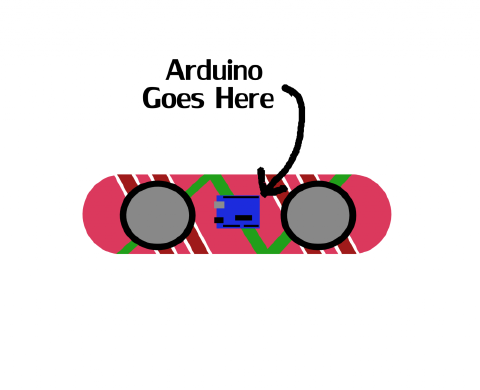
- Dave has a t-shirt idea: It's 2015: Instead of hoverboards, we got was the Arduino.
- Chris was intrigued by a question posed on /r/ECE: What are some important topics that aren't taught in EE/CE school?
- Dave still hasn't tried out Git/GitHub. Chris recommends running from the command line and explains why the repos online look so confusing.
- Chris recommends at least using Dropbox for revision control. You can go in and find older versions of files.
- Altium has a version control system build on top of Subversion (SVN). It's really meant for collaborative design (which Dave and Chris don't think is necessary unless you're a huge company).
- If you want a friendly way to view Git repos, check out SourceTree from Atlassian. It helps to visualize revisions/branches/merges/etc.
- Dave had to deal with a lot of this stuff when his Makerbot was bricked.
- When Dave finally hires an intern next year, he'll have to decide which PCB package he'll purchase/use with them. Altium is planning to release a mid range version called CircuitStudio alongside CircuitMaker. Chris still picks KiCad, which Dave says is a possibility. Chris didn't like going back to EAGLE after all these years.
- Dave released an eevBLAB video about spelling errors. It's really more about how you present yourself than how many typos you might have. https://www.youtube.com/watch?v=h2sOEN_TVT4
- There are tons of great videos that have been posted from Chaos Communication Congress. Check out some great talks (among many more!):
- Thanks to everyone who made 2014 great! Also thanks to Paul Stevenson for donating The Amp Hour theme! We still love it!
Transcript
Chris Gammell: This is The Amp Hour Podcast. Recorded December 30th, 2014. Episode 230. Galeonic. GitHub. Gavel.
Dave Jones: Welcome to the Amp Hour. I'm Dave Jones from the EEV blog.
Chris Gammell: And I'm Chris Gammell of Contextual Electronics.
Dave Jones: Dude, tomorrow I'm going to be able to buy a hoverboard.
Chris Gammell: No, I don't think that's how it works, Dave.
Dave Jones: Why? It's 2015 tomorrow.
Chris Gammell: Well, yes. You know, that's like later though, right? So that was like...
Dave Jones: Oh, yeah, but in the timeline, like, you know, they kind of developed it in, you know, six months or something, right?
Chris Gammell: Yeah. Did you ever think watching that the first time that 2015 would ever get here?
Dave Jones: No, that's like, yeah. Like, because, you know, I was so young, right? I was so young, like 1985 and holy crap, no. Like, I couldn't even imagine like the, oh, what will I be doing when the year 2000 comes around? Because that was the big thing, you know? Yeah. Like, you know, everyone started, like they started talking about that in the late 80s. Oh, it'll be 2000, you know? And then they had the TV show Beyond 2000, you know, like a science-y type show, you know? And it just seems so long away. And here we are, 2015.
Chris Gammell: Wow. I heard Party Leggits 1999 the other day on the radio. Yeah, Prince, yeah. And I'm like, holy crap, that was 15 years ago.
Dave Jones: Exactly. And then when was that recorded? Was that the 80s or 90s?
Chris Gammell: I think it was 80s. I mean, it sounds 80s.
Dave Jones: Yeah, it's 80s. Yeah. So that was the anthem of New Year's Eve. Yep. 1999. Yeah, man.
Chris Gammell: That was, my 99 was very boring. You know, I was in high school.
Dave Jones: Right. Yep.
Chris Gammell: Playing video games. Like, oh, hey, it's a new millennium.
Dave Jones: Yeah, who cares, you know? What's up, 2000? I just care about growing my hair long, you know? Yeah. Yeah, I tried that once. It didn't work. It didn't work for me. No, sorry, I'm thinking of the 80s.
Chris Gammell: Yeah, oh, right, right. Right. So it is New Year's Eve there now. I've got another day yet. Any big plans for the New Year's Eve or the New Year's Day?
Dave Jones: I have a child. Child must be in bed by 7.30. Right. You know, so. So no then. So the care factor to even stay up to watch the fireworks on TV is borderline zero. Yeah. I'll be staying up anyway. I've done that. I'm just surfing the forum or I'm doing whatever, you know? I'm just nearing out, right? I just couldn't give a toss about watching the bloody fireworks on the TV.
Chris Gammell: Yeah.
Dave Jones: Yeah.
Chris Gammell: No, I agree. Yeah.
Dave Jones: Because they put some wanky music set to it. No, I don't know.
Chris Gammell: Yeah, around here it's always Ryan Seacrest too.
Dave Jones: Right. Yeah. Wouldn't know I'm from Bar of Soap.
Chris Gammell: Yeah. Yeah. So, and you guys don't get the, at least for us, we could always, if I wanted to, if I had to go to bed at 8 o'clock, I'd be like, no, I'll just watch the Aussie fireworks. Right. You can't do that too close to the daylight.
Dave Jones: Somebody sent around a fake press thing yesterday, right? It was like, Sydney Harbour Bridge has been shut down. They've detected bombs all over, explosives all over the bridge, you know? And of course, it's New Year's Eve. We like deck our harbour bridge out with like 100,000 fireworks, you know? I got you. And so, yeah, it's true, the bridge has been shut down and there's explosives on me. Yeah. Right. And some people believed it, so it got all passed around social media, you know? Yeah. Yeah. Don't. Goodness.
Chris Gammell: Well, I always look at the, I don't know about you, but like, and maybe it's different now, but I still, I always just look at the holidays as like, you know, I just kind of plan out projects I want to be doing. Because that's usually what, if I don't have family stuff going on, like, you know, for New Year's Day, it's like, it's going to, everything's shut down. It's not like anything's going on. Yeah, yeah, that's right. So it's just about what I can play around with in the basement and everything. So, got anything.
Dave Jones: Well, New Year's Day for me, tomorrow is Hobbit Day. Phil, my...
Chris Gammell: Hobbit Day.
Dave Jones: Patent attorney brother-in-law is coming over. We're going to watch the two Hobbits, which I haven't seen before, movies. And then we go into the cinema to watch the new Hobbit in 3D in full high, you know, in the full high frame rate. Yeah, the 4K, whatever the heck it is. Yep, the 4K, 48 frames per second. Yeah. Because I haven't seen a movie in the cinema at 48 frames per second before. So I'm quite, you know, with me...
Chris Gammell: Well, enjoy getting sick to your stomach.
Dave Jones: Well, with me being in... Well, with me being in the high frame rate business now.
Chris Gammell: Ah, right, right.
Dave Jones: You know, I... Yeah, I want to go see what all the fuss is about, so...
Chris Gammell: Yeah, there's a thing... So, I used to live in Austin. There's a place down there called Alamo Draft House. And it's kind of like this artsy house and they serve food and beer and everything in the theater. They do a thing where they have... They're showing all three Hobbits in a row and then all three Lord of the Rings in a row. Oh! And then they do... Since they have like a full kitchen, it's like they do like, you know, breakfast, second breakfast, 11 Z's, you know, everything from that. And they actually serve you food throughout the day. It's a 20-plus hour event. Oh! And it's like $250, you know, because you're getting all this food and drink. Yeah, yeah, yeah.
Dave Jones: Well, we... Actually, come to think of it, Phil and I have been... This is Phil's idea and I think it's not a bad one. We hire out an entire Gold Class Cinema, right, which is one of our smallest cinemas here. But like they have plush, luxurious chairs which actually recline back and, you know... Yeah, and you pay like, you know, $40 a ticket or whatever, you know, instead of the usual $25, you know.
Chris Gammell: Yeah.
Dave Jones: And yeah, but they'll actually, you know, they'll actually serve you food in there and all sorts of, you know, jazz. Anyway, we'll think about like hiring out an entire cinema and then seeing if I can get enough nerds like from my show to actually book it out, to actually book out an entire... Oh, that'd be fun. Yeah. ...for the Star Wars that comes out in what, December? I think it's a December release next year, the new Star Wars?
Chris Gammell: Uh, yeah. I don't know.
Dave Jones: Yeah. Anyway, yeah. I think it's December. Anyway, well, yeah, he thought about doing that and he got a price for it or something. I phoned him and said, yeah, it was a similar sort of thing. It was like $300 or something, you know, because you're booking out the whole cinema for the whole day and you're watching, you know, six movies back to back or whatever. Yeah. So...
Chris Gammell: Yeah, yeah, yeah, yeah.
Dave Jones: Yeah. And he was thinking about doing the same thing. Well, we would watch all seven Star Wars. I'm going...
Chris Gammell: Seven, yeah.
Dave Jones: And I just... I thought, yeah, that'd be great. And then I thought, you wouldn't... You know, you just wouldn't be coherent. You could stuck to the chair. Yeah. You wouldn't be coherent for the seventh one. You know, you're here to enjoy the seventh movie, which is the new one, and you're going to be like, just like totally out of it by the time you get there. Yeah. Or would the adrenaline kick in? Oh, it's a new Star Wars, you know?
Chris Gammell: Yeah, I couldn't do that stuff. I don't know. That's a lot. I don't know. I get antsy after, you know, a couple hours of movies or TV.
Dave Jones: I've watched three movie marathons back to back, but that, you know, and I was... Yeah.
Chris Gammell: That's a little much.
Dave Jones: Wasn't the best by the end of it. So maybe I'm thinking, well, let's just ditch the first three shit movies, right? And then we'll just watch four, five, and six, and seven. Yeah, that's right. I think that's better.
Chris Gammell: If you're going to do it, that's definitely the way to do it. Yeah.
Dave Jones: Right. So you don't get annoyed by Zsa Zsa Binks. Yeah.
Chris Gammell: Yep.
Dave Jones: Yep.
Chris Gammell: Well, good luck with that, man. I don't know. I wouldn't... Sorry. Anyway, yeah.
Dave Jones: Like, I'd have to make sure I get people to commit to it and then put money down. Like, we could do a Kickstarter or something so that the money actually comes in so that we could pay, you know?
Chris Gammell: Yeah. You might have a hard time getting a copy of that new movie too, but...
Dave Jones: What?
Chris Gammell: Like, playing the new Star Wars? No.
Dave Jones: They would play it. They would play it. That's the thing. You actually go there on the day that it comes out, and they will play it for you in your own cinema. Oh. See?
Chris Gammell: Oh, interesting.
Dave Jones: Yeah, of course they will. They're... Well, we're going to show it anyway, right? So... Ah, right, right. But if you book six months ahead or whatever, you know, and book out the whole cinema, then well, it's yours, you know? And they'll play anything you want. So, yeah. Cool. Anyway, that was a thought. So... Ah, speaking of...
Chris Gammell: Well, you don't have enough other stuff going on, right? I mean... Right.
Dave Jones: Speaking of high frame rate, my computer here is currently sitting nude.
Chris Gammell: Nude.
Dave Jones: Nude, like, you know, the side panels are all off and everything. Because I've been... I'm about to release a video on this. I thought, you know, like, my... Ever since I've moved to this high frame rate thing, right? I've had to change my codec that I'm using to render the thing. I've had to up my recording bit rate from 17 meg bit to 35 meg bit, right? To the full camera bit rate and everything. And all my rendering is now six times slower, right? It's six times slower than it was before. So if it was a one-hour video before, it'd take me 30 minutes to render it. If it's a one-hour video now, it takes me like three-plus hours to render it. Right? So, yeah. It's crazy. Anyway. Yeah. So I went, right, I'm bloody well going to solve this once and for all. I'm going to go out and buy the best, highest-end gamer video card I can get. Or pretty close to it. You know, one that's sensibly priced at, like, 500 bucks. But it's, like, the fourth fastest video card in the world, according to the benchmark list, right? So I went out and bought this yesterday. You know, I thought, oh, yeah, I'll do a video before and after. So I screen captions and stuff before, put it in, and wah, wah, wah, wah.
Chris Gammell: Nothing.
Dave Jones: Doesn't work. Nothing.
Chris Gammell: Not a bloody thing.
Dave Jones: Because it's so bleeding edge, this card, that now I read online that, oh, yeah, a lot of people, most video editors don't support it, don't support this chipset, use this implementation of the CUDA driver from NVIDIA. You know, and sure enough, you know, Sony Movie Studio doesn't support it and bloody, you know, Adobe Premiere doesn't support it. And, you know, nobody can get this thing working for its intended purpose of GPU acceleration, except the video games. You know, it's just.
Chris Gammell: Yeah, right, which are designed probably alongside of those. You know, I remember those days, too, when, like, it used to be, like, everything was kind of, not, like, everything was that bleeding edge, but it was just, like, everything was that didn't quite have the firmware synced up with the hardware. You had to have, like, a very specific, you know, set of total hardware in order to get it working.
Dave Jones: And drivers and everything else. I don't miss those days at all. No.
Chris Gammell: I don't, like, no.
Dave Jones: And they're here again. Like, you know, everyone raves, oh, just get a big graphics card and it'll be 10 times quicker you're rendering. It's bullshit. It's bullshit.
Chris Gammell: That's, like, one of those tasks that's just, you know, it's just pure math of how many things can you do per second. You know, it's just a matter of time.
Dave Jones: And there's so many variables. And I've already got a good CPU, right? I've got an Intel i7, 377 OK, clocked at three and a half gig, right? Overclocked and everything. So my CPU is faster than, so I've put in a, so I've put in a second GPU, I've put in a second video card and not an NVIDIA AMD one, right? That's, you know, pretty good. It's, like, half the speed of the one I bought, but it's still, you know, it's not bad. And that one actually works. The driver's in that works because it uses OpenCL, which is a different system than the NVIDIA CUDA. And it's still not faster than my CPU at rendering my particular video in my particular case with my particular codec, with my particular source files, blah, blah, blah, blah, blah, right? And so, oh, it's just what a waste of time and money. It's just far out. Unbelievable. Unbelievable. Anyway, give up.
Chris Gammell: Yeah, well, you know, I think it's one of those, what I wonder about is in the future is that hardware, you know, because Intel is kind of not running out of steam, but kind of running out of market. It's not like more and more people are looking to do what you're doing. It's because everything gets so spread with mobile and everything else. So I wonder how that's going to change over the years if they will keep going further and further up market, if you'll have to, like, buy a server type of setup. Right, absolutely. Because that's where the money is.
Dave Jones: That server farm thing or something. Yeah, right. Everyone's –
Chris Gammell: Yeah, because ultimately it's where the money is that that's where you're – that's where the development is going to go too, right? I mean, that's why quadcopters are doing well right now is because there's all that money in mobile chipsets. Right. And, you know, low-cost processors are more and more and more abundant because that's – you know, there's money just in the volume. Yep. And so that's what we normally benefit from. I think that the – that situation is going to be interesting because there will be – you know, there will still be money up there for sure because there's going to be gamers and more graphics needs and stuff like that. Yeah. I think that the – that market will get more and more constrained. I don't know. Maybe not.
Dave Jones: Anyway, it's a pain in the ass. And then, of course, right, I come out and, you know, tweet a few things about it and people – and then, you know, more people come out of the woodwork and go, well, you should have bought a Macintosh. Or they come out of the woodwork and go, well, no, you're wasting your time using the GPU. GPUs are shit and they produce crap quality video. Just don't – you touch them. And so, you know, you've got one camp saying, yeah, they're the greatest things you slice bread and they'll change your life. Another camp saying, no, they're absolutely shit, worthless and, you know, and produce inferior quality video because they use different compression algorithms, blah, blah, blah. And then you've got a third camp saying, you know, of your Mac, you know, we are not worthy of a Macintosh, you know. Oh, man. It's just fanboys.
Chris Gammell: Yep.
Dave Jones: Yep. Every camp has their fanboys. And then, of course, there's the Adobe fanboys. Use Adobe. Use Adobe Premiere. You're not using a real video editor. And that's exactly how they sound. Bloody dickheads. Anyway. Oh, God. So, yeah, I'm just going back to using my CPU and just, well, if I want to do 50, 60 frames per second, eh, I've got to cop it. Six times slower. There you go, folks. Price I pay.
Chris Gammell: So, you know, you run into, do you ever run into other types of programs that need that? I mean, obviously video, I understand that that's going to be a big thing, but like CAD software never really runs into that, right? I mean, you're not doing like.
Dave Jones: No, no. Way back in the old day. No, it was always games, you know, like you had to have a math coprocessor for some of the games back in the 80s. Right, right, right. You had to have an 80387 math coprocessor, right? That was the big thing.
Chris Gammell: What is that one? 80387? Can you tell me?
Dave Jones: It's an 80387. It's an 80386 was the processor, right? And 80387 was the coprocessor, just like in all the Intel line up until that point. Like the, you had the 8086 and then you had the 8087 coprocessor and blah, blah, blah. Yeah. Yeah. So the 80387 math coprocessor and then of course you wouldn't buy the Intel one, as I've shown in a video, you've seen it, you would buy a third party math coprocessor, which was 80 bit and it was, oh, you know, and it was, you know, twice as quick as the Intel one and et cetera, et cetera. So, yeah. Anyway, those were the days. But no, no, it's always been like games have always been a huge driver. The CAD kind of was, but CAD was always like, you know, we didn't have CAD like you think of these days, like, you know, 3D and shaded effects and all that sort of stuff. It was, you know, it was all, you know, wire model stuff. So it wasn't a huge amount of processes. It was more about your video card in terms of, you know, what sort of res could it do? Right. You know, that was, that was all the rage, you know, oh, you get a Hercules video card. That's before your time, Sonny boy. And yeah, Hercules video card, which is about 720 by, oh, 720 by 480 or something like that. If memory serves me correctly. Anyway, that was huge resolution for the day. Monochrome only, of course. So hands up, everyone else doesn't work on radio, but, you know, hands up, everyone who remembers the Hercules video card. Woohoo. That was a duck's gut.
Chris Gammell: Yeah. Yep. Right. And it's always super expensive for that stuff too, right?
Dave Jones: Oh yeah. I'm not sure what its original price was, but yeah, it's a, yeah. So if you wonder, if you were using high end CAD, so like Altium, right. I was using, well, Altium wasn't called Altium back then. It was, you know, ProTel Auto Tracks or ProTel Easy Tracks, right. And that'd support the Hercules video card, you know. So you would use it in the Hercules mode. You know, if you had one of those combo video cards that do, you know, your CGA, EGA, VGA and Hercules, you'd get four in one video cards back in the day. And of course you'd run, you know, you'd run Altium or ProTel in, you know, Hercules because you got the greatest resolution out of it. And yep. Ah, fun times. Fun times.
Chris Gammell: No, that sounds terrible.
Dave Jones: Yeah, I know. It's pretty awful. It's pretty awful. Yeah. But back in the day, you know, you didn't know any different, right. So you thought it was the Ducks Cards. Right. Yeah. Well, yeah.
Chris Gammell: You're always going to do it with what, you know, the best you can at the time. So that, that's fine.
Dave Jones: But, you know, you, you didn't think that there could be anything such as, you know, full HD. Like that was like, you know, that wasn't even in anyone's wildest imaginations back then. You know? So. Yeah. Yeah. Anyway. Ah. Video cards. Pain in the ass. High frame rate. Pain in the ass. So how's your life going? Mine's shit at the moment. You know, it's been pretty good.
Chris Gammell: I don't know.
Dave Jones: It's, um.
Chris Gammell: I'm glad to not be, I'm not traveling again until the end of the month or the end of January. So that's nice. Oh, wow. Uh.
Dave Jones: And let me guess you're on about California.
Chris Gammell: It's weird. Yeah. You guessed right. Yeah. I will be out there. I'll be out there at Design Con if anyone's out there. Um. Right. Actually, that's a little weird. Uh. Getting ready for like a trade show. I don't know. I've never had to do that before. Like other than like hiring fairs and all that stuff. It's just.
Dave Jones: Oh, okay. So you're going to be on the stand.
Chris Gammell: Yeah. Yeah.
Dave Jones: Look everyone. It's Chris Gammell. Step right up. No. But I mean, just like all of the. Win a prize. They could have you in a dunking booth. That would be one way to do it. Yeah. Dunking booth. I'll tell you what. That'd have people lining up if I was in a dunking booth.
Speaker ?: Yeah.
Chris Gammell: I'd probably give a couple bucks. Yeah. You're right. I mean, yeah. Make a fortune. Yeah.
Dave Jones: Yeah. Yeah.
Chris Gammell: But yeah, it's just. It's just weird. I mean, it's just like all of these. You know, it's a whole world that I've never had to deal with before. It's different from the other side where. Yeah. So. That's. Yeah. But that's. You know. Design Con. It's boring. What is it? You know, like that's something.
Dave Jones: It's a three day. I think if I recall correctly, it's a three day.
Chris Gammell: Yeah. Two days with the show floor. I think three days if you go to the conference stuff. Yeah. If you go to the conference.
Dave Jones: That's right. Yep.
Chris Gammell: Yeah. And I think that it's a lot of the high speed designers type folks. So. I think there'll be probably some. Some good test gear around. So if I get the chance to walk around, that'll be. That'll be good. Yeah.
Dave Jones: I can remember when I was there, I saw Howard Johnson wandering around. You know, I was walking past. You know, and he had the badge. Oh, yeah. And I thought, that face is film mirror. And I look at the badge, Howard Johnson. Yeah. And I didn't think to go up and say hi. You know, I couldn't be bothered. Back at. Yeah. Back in the time. But oh, yeah. There he is. You know.
Chris Gammell: Yep. There he is. Yep. If people do see me, say hi, please. Yep. So, yeah. That'll be interesting.
Dave Jones: But it's good to be. As I said, there will be a prize for the most forlorn looking photo of Chris on the stand.
Chris Gammell: Aw.
Dave Jones: Just that, oh, shit. I've had enough. Look. You know. Two days in kind of thing. Just staring at his watch, you know. Staring his watch on an empty stand. That's what I want, folks.
Chris Gammell: Oh. You got to put some money behind it, though, man. You got to see what the prize is. That's the key, you know.
Dave Jones: All right. I'll find something around here. Find something around here to give away. Multimeter or something.
Chris Gammell: Yep. So, yeah. It's pretty good otherwise, though. I'm planning on... So, Contextual Electronics is coming back, actually. Yeah.
Dave Jones: You're doing it? You're filming a whole new series?
Chris Gammell: No. Oh. Ah. It's actually going to be changing quite a bit. Do tell. So, one of the big problems, and I'm sure you've seen this as well, one of the big problems with the way we did it the first time is it was all really linear. So, like, super, super linear. Mm-hmm. And the real problem was, like, not only did I record all of it beforehand, but then it was also all... If there was... So, basically, the logistics were really constrained as well. Mm-hmm. So, we got to the, you know, the first session where we were actually designing the board and stuff like that in KiCad. And at the end, it was like the end of the first session was design files, and then there was a break in the middle. And then I shipped everyone a PCB, or more accurately, Lane shipped everyone a PCB. Osh Park did. And then we all started working on it once they all arrived. Well, the problem with that is that no one actually ended up sending out their own boards to get manufactured.
Dave Jones: Oh, right.
Chris Gammell: Which really sucks, right? I mean, like, a lot of them designed them, but... Yeah, yeah.
Dave Jones: They didn't probably get them made.
Chris Gammell: Right. Exactly. Yeah. Because the main problem is there is we wanted to have everyone on the same, you know, have the same hardware to be on the same level, basically. Right. And the other problem was that it was also like, you know, there was a lot of different modules that were included with, you know, it was a modular design, stuff like that. That was important. But it was all, you know, everything was done at once. And it was super, super linear, right? It was like, okay, design this thermocouple circuit. And then design this power supply circuit. And then design this relay circuit. And then ka-chunk, ka-chunk, ka-chunk. And then here's the layout and we're ready to go. And it's like, that's just never how it works. That's the real problem is that that's never... Maybe some people do it like that, but if you do it like that, you're usually going to end up having mistakes in the board. You're going to have, you know, you're not going to necessarily have the right part. Usually there's a, you know, there's a lot of iterative testing and stuff like that, right? So you'll do a dev board, you'll do a breakout, you'll test it, you'll revise it, you'll go work on something else, you'll test it, you'll revise it. And then at the end, you'll have, you know, three or four or five modules, and then you'll integrate everything together because now you've kind of put things through their paces.
Dave Jones: Right.
Chris Gammell: And we didn't do that because of the time constraints. And so the new model is doing away with just like a set course. And it's just a ongoing thing where we'll be working on just a switcher, right? Just a switcher. Yep. Search them out, design them, test them, actually have people send out their own boards, right? Because that's another important thing about learning is learning how to send out your own Gerbers and get everything manufactured. And then basically piecing everything together and then finally having a final design at the end.
Dave Jones: Right.
Chris Gammell: So that's the new thing. Cool. I don't know. When can people join? How to work. What's that?
Dave Jones: When can people join?
Chris Gammell: Oh, so we're going to start on the same day as last year. So January 20th is going to be the first day. 20th? No, 19th. Sorry. It's the day before last time. So that's Monday the 19th. And then it'll be just going from there. So that's one year. It'll be one year since Contextual Electronics started.
Dave Jones: Wow. That's scary. I know.
Chris Gammell: Yeah. I've been saying Contextual Electronics after my name during the announcement for like a year now.
Dave Jones: You'll have to start designing add-ons for your hoverboard.
Chris Gammell: Yeah. Well, yeah. Yeah. That's the other thing is that. So, you know, like, and this is, again, it's just kind of trying to replicate the process of being like a, you know, a design engineer. You're never working on one thing.
Dave Jones: No, no. That's right.
Chris Gammell: Because if you're sitting, you're just sitting on your hands then, right? Yeah, yeah. You'd be sitting around all the time. You have to be working on lots and lots of little things. So while I work on the switcher design and then I get that all ready to go and I ship that out to go get manufactured or, you know, just the board made, then I go work on the hoverboard add-on and I manufacture that or start working on that and work on that. And then as that first board shows up, I go and assemble it and test it. And then while, you know, if I need to wait for a part because there's always delays with shipping, then you got to go, you know, work on something else. It's basically having lots and lots of little modules so that I can design the hoverboard add-on while I wait for my switcher to show up.
Dave Jones: Well, it's not even multiple projects. Like, even if you're just working on one project, you're, you know, you're often not working in that linear fashion. You think you might ultimately, you know, you think you might be, but a lot of the time you're jumping around. Like, yeah, you're laying out your board, but then you go, but then you're still searching for parts or you might decide, or you're still searching for, you know, a better case. You know, you're always looking for something, you know, and you're always doing various things and you're always thinking about, or, you know, working on little tweaks you can possibly do during the design process or something like that. So it's not like you go idea, you know, research. Step one, two, three, four. The waterfall method. Yeah, no, it's just, you know, it doesn't happen like that, you know?
Chris Gammell: Well, there's other good things about that too, is because like thinking about like, thinking about like, like firmware development and stuff like that. If you're not thinking about your firmware while you're designing your hardware, you're kind of screwed, right? Yeah. I mean, like you need to have test programs where you, even if you just have an LED, that is your, you know, that is your output, right? That's fine, right? You need to have some of that stuff started at the beginning so that you know what you really need. I mean, that kind of gets into the whole unit testing thing as well, but I don't, I'm not good enough with that, that, so.
Dave Jones: Right, yeah, yeah.
Chris Gammell: But it's a struggle and every company deals with this too, right? Because it's even worse when it's not just one person. I remember, you know, you're all, especially like when you're in a company, I remember the software guys would be just like hammering the hardware people, just like, just give us anything. Just, you know, a dev board, I don't care, just let us get anything started because if you don't, because all of them had sat there and they had to deal with like, oh, six months later, the hardware's ready, where's the software? You know, like, ugh.
Dave Jones: I can remember doing that for my scientific calculator watch, right? Because I entered it into the Circuit Cellar Design Contest. This was, oh God, I don't know, 2007 or something? I don't know. Something like that. Anyway, yeah, so I had a real deadline to meet, you know, I only came up with the idea at the last minute, you know, so like, oh, you know, so I'm rushing the damn thing through, doing all sorts of things at once. And then, yeah, I sent my board away to get manufactured. Even before I started sending the board away, I'm still, you know, working on the firmware and doing stuff like that. And I had the firmware actually ready to go, complete, sort of like tested and tested within itself, even though I had no hardware to work on before I got my board back and built up my prototype. So I built my own test routines that would, you know, take the output from my, because I had to, you know, I wrote my own module for the LCD and my own code for the LCD. Yeah. So I wrote, you know, code to simulate that and give me a response back, like, and simulate the keyboard as well, you know, and things like that. So, yeah, it was, and yeah, and it all worked when my hardware came in, you know, because I'd written these little modules to actually test things. And it was nice. I'm glad I did that, rather than just sit on my hands and wait for the hardware to come in and then try and, you know, get it going. Yeah.
Chris Gammell: Did you ever, do you ever see the, I mean, there's always, there's always like those stupid Gantt charts. Do you remember those? Like, obviously neither of us have to do those anymore. But like, it seems like every time there's like a project manager involved, they're always like, well, we need a schedule. And there's, so we must have a Gantt chart. And it's always the same thing as like four weeks for research, four weeks for design, four weeks for coding, four weeks for testing and project.
Dave Jones: And a really, and yeah, but a really, you know, a really clever in quote marks project manager, right? Somebody who thinks they're really clever will of course overlap things. So they'll know, you know, that's, oh yeah, I'm such a good manager. I know that we can overlay these two tasks. You know, that, that's an advanced Gantt chart. So it's not a linear thing. It's, you know, it's overlaid a couple of things. So yeah, during the research phase, yeah, we'll also be doing some prototyping, you know, and stuff like that. And, oh yes, I'm a real manager. I know how to manage projects. I can overlap and get that final milestone down, you know?
Chris Gammell: Yeah. Yeah. When in reality, it's like, take the Gantt chart, print it on a piece of paper, crumple up the piece of paper. Use it to wipe your ass. That's what your schedule is going to look like. Or that, yeah.
Dave Jones: Oh man. Yeah. I've worked on so many projects where, yeah, we had to, you know, update our Gantt chart where we're at, you know, and it was just so painful. And trying to explain to them, this is not how we're doing the development. And then, and then they go, what might, if they've, if they're flexible, they might go, well, okay, change the Gantt chart to show us what you're doing. And then you, you know, you change it to show them what you're doing. And they go, that can't, you can't be doing all those things at once. That's no, that's inefficient use of your time. No, go back to doing it the way we told you, you know?
Chris Gammell: Johnson, he might be possibly working more than 40 hours this week. How is this possible? I don't know, sir.
Dave Jones: Yeah, can I just have your, I can't do the, I can't do the voice, but can you just hand in those TPS reports on time next time, you know? Right, right. If you haven't seen The Office, yeah, do yourself a favor.
Chris Gammell: Office Space. Office Space. Sorry, Office Space.
Dave Jones: The Office is a TV show, right? Right. Yep. Office Space. Also good. Also good. Yes, yes. But the movie's great. TPS reports. Oh, man. Yeah. Yeah, I don't know.
Chris Gammell: I don't know what that would look like if you, if you actually had like a realistic, I mean, I, this is obviously there's, there's, you know, probably more management books have been written about this than, than, you know, days I've been alive. Yeah. Yeah. Yeah. But, you know, I don't, I don't know, like there is no way to predict that, right? I mean, like, I think one of the problems is that they don't trust that the engineers are doing everything they can. You know what I mean?
Dave Jones: Yeah, yeah, yeah, exactly. No, it's, that's right. No, you've got to trust your good engineers. Don't trust all engineers because some engineers are crap, right? And have no idea how to finish a project, right? Yeah. But, you know, yeah, but, you know, if you've got a good design engineer with a proven track record, you know, trust them to manage, you know, to do the project and manage it. Don't necessarily, you know, don't try and tell them what not, what to do and what not to do because, yeah, you're likely a dickhead and you're wrong.
Speaker ?: Yeah.
Chris Gammell: Well, I think the biggest thing too is like, it's always the, it's the, because I mean, I know that I've run into situations where I was the new guy and it was just like, you know, you get to that point where it's like, oh man, I didn't think about that. And that ends up messing up a bunch of things. Yeah. And so it's just like, you have to try and get as many people that have done it before and be like, yeah, what messed up last time?
Dave Jones: Exactly.
Chris Gammell: Please tell us what messed up last time.
Dave Jones: Because this will happen again, you know, and yeah.
Chris Gammell: I think a big problem there too is like, if you're trying to do, so I don't know, I think a lot of electronics is changing, at least how I see electronics is changing. You know, I don't, I don't think, you know, I, I talked about this, I was on the engineering commons again a while back and I was talking about, you know, how a lot of stuff's moving on silicon. I've talked about that on here before as well, but just like comparing it to like, like a Jim Williams app note, right? Jim Williams, brilliant, right? I don't think that I could even design what he did, even if I needed to, you know what I mean? But, but some of that was necessary in order to get certain specs, right? He was doing interesting things with, with building blocks in order to get certain specs. Yeah. And, and these days though, electronics has changed so much where it is, it's just more about kind of picking modules, you know, finding stuff that's totally existing. And so many, you know, so many of the technologies that, that, you know, Jim and all those great engineers back then were writing about have been integrated now. And now it's just about higher and higher levels of abstraction. And, and so I think that that ends up changing the nature of design. Not that it's easy, but it's more of, it's just different tasks now. It changes.
Dave Jones: Yep. Yeah. No, that's, yeah, that is progress. I talked about this on, not the latest mailbag, but the one before, and we had a, like a HDMI video, you know, it converted the regular analog VGA signal, right? The analog VGA video signal to HDMI, digital HDMI, right? And I, you know, I worked on a project at Keycorp back in 1994 to do exactly this, right? But not at the high resolution we have these days, right? This was like 640 by 480, right? So, you know, but to do that, to convert that analog VGA into, well, it wasn't HDMI at the time, but it was the signal to drive the flat panel screen, right? So we would, we were designing flat panel monitors, right? Which you take for granted, you can buy them for, you know, next to nothing these days, right? Yeah. And, and, but, you know, back then that was a big deal to actually drive an LCD, a desktop LCD display from an analog VGA port, right? Back in the day, like, you know, like just a year before that, or at the same time we were doing this, you went, if you wanted an external LCD monitor, which were rare for your desktop, right? People were still using CRTs, you had to buy a custom plug-in board, right? That would then have a custom connector on it, custom cable, which would then drive your flat screen monitor, right? That, that's how it was done. And to, to, you know, it was rocket science to plug in an LCD monitor into an analog VGA port back then. And we, we had this box and it was the size of a pizza box, right? In fact, it was called the, it was called the pizza box, right? That was the name of the project, right? Because it was the size of a pizza box, right? And, and unbelievable. It was, you know, just to do this required, I can't remember how many chips it was. It was like, you know, 50 chips, chock a block. And it had, you know, I think it had an FPGA in it and all sorts of custom stuff and analog to digital converters because you had to convert analog to digital, you know, and, and you had to resynchronize all the time in, you know, you had to regenerate all the clocks and do all that sort of jazz. And it was, it was rocket science. And then we had to build these into the monitors as well eventually, right? So we built these. So we, we, we had monitors that you could plug a VGA, you know, cable into them. And it was a huge deal. And now I take one of these things apart in the mailbag, right? You can go buy it for, I don't know, five or 10 bucks on eBay. And it's a single chip solution. Oh no, no, sorry. It's two chips because it's got one for, uh, driving the, um, one, one chip for the audio or something, you know, for taking the audio in as well. It's like single chip bang done. You know, buy it on DigiKey. Any, any hobbyist can lay this thing out and do exactly what we did in 1994 that required a whole team of people and, you know, a huge pizza size board. Exactly the same thing. And, and, and, and it five times the spec, you know, five times higher spec than what we were doing it back in the day. Unbelievable. Oh yeah. Exactly.
Chris Gammell: And that's, that's another thing I talked about on that, uh, on that show is like, it's gotten to the point where it's like, you know, even if you wanted to do it the way you used to do it in 94, even if I wanted to copy, uh, application note 28, I just found online, uh, it's the Jim Williams thermocouple one where he's using like transformers and stuff. It's actually irresponsible to do that these days because you're not going to have as good as specs and irresponsible from a business perspective from a academic trying it out. It's, it's worth it to do this, but it's irresponsible as a, as a design engineer to do that these days because you're, you're going to use it more board space. Yeah. You're going to waste time. You're going to waste the money. It's probably going to end up being more expensive because, because you have more parts on board and you're just going to end up doing that. And risk is a huge one as well, because then you have more components that can go obsolete, even if they are commoditized.
Dave Jones: And, uh, and time risk, I was really alluding to there.
Chris Gammell: Oh, okay.
Dave Jones: You know, because yeah, like, you know, you've got to design the thing and you know, you're going to have, you know, you're going to troubleshoot and everything. It's going to take longer and you know, yeah. Right.
Chris Gammell: Yeah. And, and, and these days there's an even, there's a, um, there's a chip that LT just put out. It was like, and now it's like, you're just, you don't even, I think you can just program the, the registers directly and it's just all, everything linearizes right on the chip. Maybe it wasn't them. There's someone where it's, you know, there's a lot of thermocouple type chips out there. You need to do linearization usually, but you know, it used to be like this huge deal, you know, there's a lot of weird exponential math.
Dave Jones: Yeah, but they now have the tables filled in, right? They got all the, yeah. Exactly. Exactly.
Chris Gammell: If you need something different. Yeah. Yeah, exactly. The K types just programmed right in. Or if you want to program others and you can do that as well. And it's just like, yeah, that's crazy. You know, like this is just a, uh, a product of the times because everybody moves up market, right? All of these silicon companies want to, want to, want to do more and more.
Dave Jones: Speaking of which, it's a chip of the week. If I could actually remember the part number, but I was reading a press release for a new chip the other week. And it was exactly this, right? It was one of these thermocouple chips, right? It was one of the big chip makers that came out with this new thermocouple chip that did everything. It was the world's most accurate. It was like point, uh, 0.1 degree accurate or something. It had built in, uh, you know, cold junction temperature compensation and it could work with any type of thermocouple or any type of sensor or whatever. It was just.
Chris Gammell: Was it the LTC 2983?
Dave Jones: That's the one I was thinking of.
Chris Gammell: It does RTDs, thermocouples, thermistors and diodes.
Dave Jones: Right. Yes. Yes. Yes. That's one. Yeah. I saw the, saw the product release for this and it just does everything.
Chris Gammell: Yeah, exactly.
Dave Jones: It's just, you know, it's got a, it's got a 10 PPM reference built in, you know, it's got, oh man.
Chris Gammell: Right. And they're doing it all just on standard CMOS process probably too. Or no, I guess these guys do more than that. They do buy CMOS stuff and.
Dave Jones: Who cares? Like, yeah, right. As a designer, we don't give a toss. I don't care about process technology. I don't care. It's a chip I can buy from DigiKey and it's got a kick-ass data sheet that tells me how to use it with all the specs, you know? Yeah. And it does, you know, yeah. You can use silicon diodes. You can use thermistors, thermocouples, RTDs. Wow. Right. You know?
Chris Gammell: And there's a reference point here for people. This is, this is important as well. This used to be like, this was my job and my last job I was doing. I did a card where, I mean, obviously I need to balance, need to balance price and everything else. But like, yeah, this is what I was doing.
Dave Jones: Yeah. And now it's all in a chip, right?
Chris Gammell: Yeah. I mean, a lot of what I was doing was still in a chip, but I, you know, I needed to do stuff around it and, you know, you need to do the supply chain stuff. But yeah, this is kind of like.
Dave Jones: A similar thing to what happened to me in 94, right? To now. It's like you would just buy, if, you know, if money wasn't an object, right? You would just buy this chip.
Chris Gammell: Well, that's yeah.
Dave Jones: Right? And it doesn't look at the spec. It's like, it's even for, it's within 0.1 degree error for a 3904 junction diode. Right?
Chris Gammell: Yeah.
Dave Jones: Bloody hell. Yeah.
Chris Gammell: That's, that's, that's pretty crazy. Yeah.
Dave Jones: Right? That's, that's ridiculous. Cause it has all these tables built in and it's got a kick-ass reference built in and it just can compensate for all these different sensors. Just look at the graph. It's pornographic.
Chris Gammell: Yeah.
Dave Jones: The typical error.
Chris Gammell: But we benefit from this stuff. I know. Ultimately, that's what happens is, is we benefit from this stuff. So.
Dave Jones: Yep.
Chris Gammell: Yeah.
Dave Jones: How, how much is this chip, by the way? Is it like 10 bucks or something? It's gotta be.
Chris Gammell: It was, it was pretty pricey. Yeah.
Dave Jones: Yep. But geez, you know. Yeah. Yeah. Yeah.
Dave Jones: Yeah.
Speaker ?: Yeah.
Chris Gammell: Yeah. Oh, usually they have the price on here, don't they? Uh, I don't know.
Dave Jones: No. Uh, buy. Here we go. I can buy it. Order now. There's a buy button. 27 bucks. And that's Yankee dollars. Oh my God. That's Yankee dollars.
Dave Jones: Right. Right? Up to 32 dollars. Even at, at, at a hundred quantity, 23 dollars.
Chris Gammell: Don't, don't, don't believe those prices. If you're paying that much, you're paying too much. You're right.
Dave Jones: Yeah. Yeah. Yeah. No. But if you're developing, you know, that's what you've got to pay. Unless you're building a million of them. Right? Yeah. If you're buying a thousand of them, well, you've got to pay that price. Yeah. Right? I mean.
Chris Gammell: Yeah.
Dave Jones: Yeah.
Chris Gammell: Well, hey, uh, I don't know if, if you go back a page, actually, it's, it's interesting. I don't know if, if you've seen this before, but, uh, I'm obviously a very big linear tech fan. I've said that in the past. Uh, but I was really interested, uh, about two years ago, they started this Linduino thing. They started an Arduino clone. I see it. So basically they have, they have sketches for everything as well. I forget the other name. There was a product manager.
Dave Jones: They've got one here for 75 bucks. You can buy the Arduino compatible demo board for this chip.
Chris Gammell: Oh yeah. Yeah.
Dave Jones: But Linduino.
Chris Gammell: Right. But basically they just standardized on that and they just have test programs for that. I mean, and it's like that, why not? Right. I mean like, especially with people coming up through the ranks, it's, it's smart, but, uh, it's, I, again, I think, you know, I think of Jim Williams and it's like, I wonder what he would think. It's funny because in that app note 28, he writes about at the end, he writes about microcontrollers. If you go to the last couple of pages, he puts in the code, it's all an assembly. Yeah. Um, and he writes about, yeah, well, I guess there are a place for microcontrollers after all, or something along those lines. Yeah. Yeah. Yeah. And grungy. Yeah. So.
Dave Jones: Yes.
Chris Gammell: Ah, boy. Crazy world we're living in. It is.
Dave Jones: But you know, you can see why they do it. You've got to standardize on some platform. Otherwise you have a different demo board for everything. Right. Which is the way the manufacturers have always done it. But you know, if you can sort of, you know, especially something that has a digital interface like this. Right. It's like, you know, how do you do it? How do you, you know, how do you demo this thing? You know, well, okay, let's just plug it into an Arduino. That's sort of, you know, a standard platform. Why not? You know? Yeah. I think it makes sense. It looks silly from a professional standpoint. Like it looks silly to us.
Chris Gammell: No, I mean, this is how, this is how I, I exercise chips when I was testing chips. This is what I did too. I mean, because it's, you know, it's the same as like a bus pirate as well. Right. You can write single, single spy commands on a bus pirate as well. Yep. Yep. And whatever works basically, you know, I have nothing against it. I just think it's interesting from, you know, linear tech, man. You know?
Dave Jones: Yeah, exactly. The last person you would have expected to embrace the Arduino platform, linear technology. Right. Right. Yeah. Love it. Strange world. Yep.
Chris Gammell: It's actually, so all of these things are, I was reading a thread on Reddit, not on our Reddit.
Dave Jones: Oh, hang on. Hang on. Sorry. Yep. I just got a t-shirt idea. Okay. Oh, yes. It's 2015. And instead of hoverboards, we got the bloody Arduino. Or we got Arduino, you know, big font, 2015. We got Arduinos instead of hoverboards.
Chris Gammell: I was promised hoverboards. I got Arduinos. Yeah. I got Arduinos.
Dave Jones: Yeah. Something like that. I don't know. It's just, yeah. Would anyone buy it?
Chris Gammell: Dave will be sketching for the rest of the day. Yeah. Yeah. Yeah.
Dave Jones: I'll be reading all my death threats from all the Arduino fanboys. Yeah. Right. Yeah. Right.
Chris Gammell: So there was a thread on Reddit, though, about, it's a list of things that people wish that, or, you know, like, the person asking about it was, what are some of the things that you wish you would have learned in school? It's kind of the, you know, obviously, I'm the, I'm trying to teach people things that are outside of that school anyways. But I thought it was a good list to kind of fit in with what we're talking about here, right? Like, you know, be modular in design. Your schedules are always going to suck. You know, purchasing of your parts. How do you source control? Exactly. Yeah. That was one on there, right? Have you ever used that yet or no? Have you not gotten that? Git.
Dave Jones: No, I still haven't used Git. I don't, I just, ah. Dude. I just, everyone points to their GitHub repository and I hate it. I know. I hate, just hate the look of the way it works. I just hate, I know it's the duck's guts for you software people, right? And it does version control and breath forking and all the rest of the wank wank, right? Which is great.
Chris Gammell: Yeah.
Dave Jones: For you, but yeah, I don't.
Chris Gammell: Actually, there's, so another one on here, another person talks about. I'm probably going to be forced to. About using, using, uh, command line, right? Because they're actually doing ASIC design. Everything's command line based for running reports and stuff like that. And actually, that's what I've come around to on Git is that you have to run it with the command line stuff. Like I've tried the graphical stuff. But once you get a hang of it, I think it's kind of, I think it's, I think it's, it is the duck's guts as, as you say.
Dave Jones: Right. Yeah. Maybe. But I don't, it just, you know, cause all my projects are so relatively simple. Like I just don't need it. You know, I just, well, just stick a zip of all your files up on the, up on your website. You know what I mean?
Chris Gammell: I mean, well, do you ever revise those though? Do you have a second version or anything like that? I mean like, so like this is basically.
Dave Jones: Yeah, I will put up another version.
Chris Gammell: Right. So like, so I always think of the. When I'm damn well good and ready, you know. So I used to work on an FPGA project and I would get files, uh, and it would be like, uh, you know, version 46. And then the next day, version 47. And then the next day, version 47 revision, or, uh, you know, fix one, fix two. And I'd be like all these files and it was just like, it was, I mean, FPGAs are weird because they have weird binaries, but like, but like, it's just not necessary. You know, like so much of that stuff is like, it's just click and go. And then, and then especially if you start getting into branching and everything, it, it.
Dave Jones: Oh yeah. Yeah. It sounds weird. We, we, we used to use, we didn't use GitHub at Altium, but Altium we used, uh, Tortoise, Tortoise, which was the graphical interface to the SVN. Yeah. Subversion. Versioning control system. Yeah. Right. Yeah. Subversion is another very popular one. Subversion. Yep. Yep. And I, you know, I came to like that, you know, I thought it was all right.
Chris Gammell: Yeah.
Dave Jones: Um, you know.
Chris Gammell: Well, I think especially on the, on the project stuff, it's like when you're doing stuff on your own, it's just about, it's the same thing as before the experience, right? It's like you get burned a couple of times. You're going to be like, okay, I need, I need to do something here. You know, there's, there's, there was one on the, uh, the KaiKat info forums where it was like someone wrote in there like my, I'm going on Christmas break and, and I, I tried adding a sheet, a hierarchical sheet and it broke everything. And now I don't know what to do. Ah, and of course the first thing you ask is like the worst question to ask because everybody, you know, when the answer's no, they hate you. But did you back anything up? Did you put it in a Dropbox folder? Did you, you know, like my, my butt's been saved by Dropbox a couple of times as well, but. Yep. Same here.
Dave Jones: Same here. Yeah. I'm, I'm using Dropbox for all of my projects now so that I can sync them, um, between here and home.
Chris Gammell: Yeah, exactly. And I mean, that's, honestly, that's, that is a ad hoc version of, uh, revision control, I think as well. And it's like, if, if it even, it's just that.
Dave Jones: It's not really revision. It's, it's just backup. Really? It's not. No, no, no, no.
Chris Gammell: If you go into the web interface, this is what happened to me. Really? I, I ended up messing something up. If you go to the web interface, you'll see the last changed because they actually track and they actually keep all of the versions going backwards.
Dave Jones: Oh, do they? Yeah. Okay. That's really helpful. I've never had to use that. Okay.
Chris Gammell: If you do, you, you, you won't be a happy person.
Dave Jones: I've accidentally deleted something from the Dropbox and of course it propagates to all your machines.
Chris Gammell: Yep.
Dave Jones: Right.
Chris Gammell: Yep.
Dave Jones: So I've actually deleted something. Oh, no. Oh, so I went into the windows version and said, um, you know, do you wish to, here's all the files that you've actually deleted. They're still here. Would you like to recover them? Right. Bet your ass I would.
Chris Gammell: Yep.
Dave Jones: And thank you very much. And the bingo, they're back.
Chris Gammell: Right.
Dave Jones: And I thought that was really nice. Right.
Chris Gammell: Well, and if you look at like the actual, the guts of Git, the guts of Git, uh, it's, it's doing that same thing. I mean, it's just saving all of these, it's just saving all these different files locally, uh, and then syncing everything together. And then it's doing, you know, diffs if you need to. I think the only key is, is the same thing that's true about any hardware project is if you're using, if you're using revision control like that, merging is really, really hard in hardware. That's ultimately what it comes down to. If you have, you know, if you and I are working in the same project and I go off and do one thing and you go off and do another thing, if it's not like I add a page and everything's different on that page and you add a page and everything's different on that page. If it's like you and I change something on the same page, we're screwed. It's over. There's just, it's just, it doesn't work. It might be possible.
Dave Jones: Altium thought that was, that would be the next big thing. Collaborative design.
Chris Gammell: Yeah.
Dave Jones: Right. And they came out with these collaborative design tools and they released them, you know, and they gave it to us to look at the hardware team, you know, tell us what you really think about this. Is it useful? And we came back and went, no. Well, and it could be. But, but, but yeah, that, well, that's exactly what we said. Yeah. It could be, but there's just so many intricacies involved and they went, well, tell us how to solve these problems. And we're going. I think they're the biggest problem. There's so many use. There's so many scenarios.
Chris Gammell: Well, I think the biggest problem is that is like, there's such a vanishingly small set of, of people where, you know, where you're actually all doing lots and lots of work on the same schematic, right? It might be different boards. It might be different, you know, pages even, but like once you're all on the same page of a schematic, you're, oh man, that's bad. Right. I mean, like, and that's only huge companies anyways. So that's, that's the tough part.
Dave Jones: I can, I can actually remember doing collaborative design back in 90, stretching it 93. No, no, no, no. 95, 95. 95. 95. If you write the card webs. I would, yeah, I would work on one half of the PCB layout and somebody else at a different company would work on the other half of the PCB layout.
Chris Gammell: Oh, interesting.
Dave Jones: No. And, and then they'd, and then we, then of course one person had to then merge them together at the end, you know, like, cause we had, we were teaming up with the switching power supply company, right. Who were dedicated to doing switches. So they would do the switching power supply side. They wanted their designer to do the switching, you know, they didn't trust me. So they wanted their designer to do the switching power supply half of the board. Right. And then I would do the rest of it. You know, I do the, all the digital and the analog and the whole, you know, the rest of the real circuitry, right. Real circuitry in quote, Mike. Sorry to all you power supply aficionados out there. Right.
Chris Gammell: You power supply unicorns. You don't exist.
Dave Jones: And, you know, it worked. We, of course you could. Right. Because, you know, like switching power supply is its own block. Right. Heck, heck. It even has its own ground plane. Right. It's even got its own, you know, everything's just isolated. And so you could do that.
Chris Gammell: Right.
Dave Jones: You know, and it kind of worked. Yeah. Kind of. I mean, basically you're doing modular. It did work. Right. You're doing modular design.
Chris Gammell: It's effectively like you have two things. You're just getting rid of the connector. Right. That's. Yep. And that's the way to do it, especially with high speed stuff like that. Right. Yeah, it's, so there are cases for it, but I think that ultimately the case that a lot of us and a lot of our listeners, us, us being you and I and our listeners, I think a lot of the times it is going to be, especially for the smaller stuff where you're doing testing, if you're doing your own board design anyways, you're probably doing smaller stuff.
Dave Jones: Right.
Chris Gammell: So, yeah, I think that the revision control where it's just you, you're in pretty good shape. But I think even if you just communicate well, where you have, you know, like, okay, I just pushed a revision. I'm not going to touch anything for the next week while you work on stuff. I think that works too. Actually, another thing. It does. I've started using for others, for my job stuff, for software, I've been using Atlassian. That's actually the Aussie company that you got. Oh, that's where Roger. Yes, my mate, Roger. Yeah.
Dave Jones: My mate, Roger works there. Yeah. Yeah, right. I've had a tour of their facility. Dude, they have beer on tap.
Chris Gammell: Yeah. Yeah. They're like a Silicon Valley startup in Australia. Yeah, yeah. Yeah. Yep. But yeah, they're a great software company. They have a free tool called, oh, crap. I can't remember the name of it now. But they have a tool used for revision control using Git. And there, I can pull it up. And I love it because it actually helps you to visualize. This is actually what kind of like, you know, I kind of understood it, but ultimately it got to the point where if you see it, once you see like a couple of changes and everything with like this tree, it's called source tree, actually. If you see it, then it kind of starts to come together. Like all of the different why things are merging. Like it is tough. You know, people always point you to this book about Git. I think it's git-scm.com or something like that. I'll put a link into that too. But that doesn't really help. You know, that's written for software people. For hardware people, it just doesn't help at all. But seeing things like source tree, that really helped a lot. And then, you know, actually using it a couple times, breaking it a couple times, that helps a lot. So as a hardware person, you know, I still consider myself a hardware person. It can be helpful, especially for personal stuff. And it's nice too because with like a GitHub type thing, you know, Git is the original. It's from Linux. You know, it's actually the backbone of it all. But GitHub is the social online part of it. And that's nice for sharing designs. I mean, that's kind of becoming the ad hoc place to share a lot of that stuff.
Dave Jones: It is. It's a de facto standard place to share, which is why I'm probably going to have to eventually use it, you know. Right. Because people, you know, expect, oh, where's your GitHub repository?
Chris Gammell: Right. And the web interface is clunky too, right? That's another thing where I was super confused by it. Horrible. Because you can't even – like you click down through the hierarchy of a set of files, right? You're like, well, here's the file. How do I download it?
Dave Jones: Well, see, that's the thing. I did a video on this, right? I was looking – my MakerBot, right? I actually bricked my MakerBot. Have we talked about this?
Chris Gammell: I don't know.
Dave Jones: Maybe. I don't know. Back when it happened, perhaps. But anyway, I bricked my – I bricked the firmware in my MakerBot, right? It's got a famous bug where, you know, if you try to update the firmware, it just nukes it. That's nice. Yeah, great. Thanks very much. Right. So, yeah. So, I had to get my programmer out and, you know, disassemble it and get in there, find the header to, you know, to program the Atmel chip directly, right? And, yeah. And, you know, they said it's easy. Yeah. Here's the image file, right? The, you know, the image file for the chip on the GitHub repository, right? So, I go in there and I – oh, there's the – here's the list of all the files. Here's the firmware file. So, I right-click and I go save as – Yep. Like I do on every other bloody website, right? And I'm wondering – exactly.
Chris Gammell: Yep.
Dave Jones: Bloody hell, because it downloaded like a HTML file. That's the worst, right? And, you know, and, of course, that led me down the path of, you know, like thinking, oh, because I haven't used this programmer in a long time. The drivers, I've had issues with the Atmel, you know, drivers, the USB drivers before. Oh, I've seen this problem before, you know, so I know what the problem is, you know. It's going to be, you know, the Atmel drivers or whatever. And I'm spending all day trying to get this work, whereas the problem –
Chris Gammell: It's an HTML file.
Dave Jones: Yeah, all sorts of different – it was – yeah. Yeah. I hadn't actually – and it didn't – it didn't dawn on me to actually open that file and check whether or not it was actually an Intel hex file.
Chris Gammell: Yep. Right? Yeah. One zero, one zero. Exactly.
Dave Jones: Oh, my God. I felt so dumb, you know. And I'm –
Chris Gammell: No, I know. But that's where it's confusing, right? And until you've learned that secret – Yeah, totally. I know. Not even – it shouldn't be a secret, but it's just like this is just part of – Yeah, that's right. So if people are listening and you're still like, well, what am I supposed to do? What you do is you go to the top of the repository and you download the entire thing. That's how you have to do it. So you download – It's ridiculous. I know. Well, here's the thing. Okay, so once you get used to it, though, right? And once you start using the command line, right, you say git clone and then the file name, it just does it. And then it's in your file system on your computer.
Dave Jones: No, the command line bullshit. I don't use command line for anything anymore.
Chris Gammell: I know. But that's what I'm saying. Like that's – it's basically like you're not used to it. But once you start doing it, it's just so frictionless once you do it.
Dave Jones: Yeah, but why should I have to do it? Why should I have to use the command line? You don't have to. There's some easy tool that allows you to do it.
Chris Gammell: Well, I think if you want an easy tool, I think SourceTree is it. I think SourceTree is beautiful. It's really, really nice. It's made for software people, but it's friendly enough for hardware people. So Chris approved. And it's really nice, right? But then it's – then that's just about learning what commits are and everything like that. But it's a little bit of a struggle. It's totally worth it when you get there. Just like KiCad.
Dave Jones: Right. Yeah, I mean, I think – You tweeted – Uh-huh. Yeah, enough of that.
Chris Gammell: Okay. No more git. We'll talk about git in the new year.
Dave Jones: No more git. You tweeted the other day about, oh, you know, you mumbled something. I can see you mumbling. Oh, yeah. Get off my lawn, you know. On Twitter about how, yeah, why do people still like Eagle? You know, it's such a piece of shit.
Chris Gammell: I didn't say it like that, but it was just like I opened it up. I –
Dave Jones: That's what you meant, right? That's what you meant. That's what Dave interpreted my saying.
Chris Gammell: No, what it was is I – so I was looking for – I was on Git, right? Or GitHub, rather. Right. And I downloaded a SparkFun set of files. I was looking for a bomb for something, and then I realized that, oh, SparkFun does everything in Eagle, which is fine, right? And then I opened up Eagle because I –
Dave Jones: They didn't – didn't they provide a PDF schematic?
Chris Gammell: They had a schematic. I was looking for a BOM, like an actual Excel file. Oh, a bomb. Yeah. Right. Okay. And –
Dave Jones: Well, didn't they have that?
Chris Gammell: They did not, actually.
Dave Jones: Is there an Eagle bomb format? They only had what some sort of Eagle bomb format, did they?
Chris Gammell: They had the schematic, so there's just .sch was the schematic, then the .brd, and then the PDF. From Eagle, there's a script you can run that'll run the –
Dave Jones: Right, that do BOMs.
Chris Gammell: Yeah, that do BOMs. But basically, I was just back in Eagle again, and I've used it before, right? I've used it for years.
Dave Jones: But doesn't it save it in like a text format? Doesn't it save it in plain text, BOM? Or a CVS or something?
Chris Gammell: It can, yeah, but it just wasn't included in the repository. That's the thing. Ah, right. So when I downloaded it, it wasn't there. And that's just the choice of using the actual – so this is – I've talked about this stuff before, but using like the actual – the CSV or Excel file as the control document, like that is the word of God kind of thing, or if you use the schematic as the control document. I actually like the schematic as a control document. The thing I don't like –
Dave Jones: And then push out the BOM as needed, yeah.
Chris Gammell: Yeah, exactly. And then, yeah, because then you only change it one place because when you start decoupling the two – I used to have problems with this where I would change the Excel file. I still do. And then you don't push it back right in time, and then you can get lots of trouble. I used to get yelled at about that a lot actually. So I actually – I do like the schematic as a control document, but then the problem is that you need to open up the program itself, and you need to do the conversion. Of course. Yep. And you can actually spit it out. So that is the downside.
Dave Jones: And bottom line is you thought Eagle was horrible just like every time you've tried to use it.
Chris Gammell: Yeah, not Eagle. It's just kind of switching back, right? I mean, when I'm confused, it's kind of like – you know when you're on a subway and you understand a subway, right?
Dave Jones: Yeah, I've been on subways.
Chris Gammell: Right, and you get to a new station. You know you need to be at this station, and then you get there, and you get off, and you're just looking around. You're like, where am I right now? You know what I mean? Like it's just like this – Right, yeah, yeah. Oh, God. There's so many exits, and there's – Yeah, yeah, yeah. And it's just – you just don't know where you're going. You don't know what you're looking at, and it's just like – Uh-huh. Ugh. That's what it felt like. I mean, that's what it was. And the same thing happens when I open up Altium or Orcat or any other pads. Like you just don't know where things are, and that's tough. I know.
Dave Jones: It's painful. Yeah.
Chris Gammell: But I'm still not a huge fan of Eagle. I mean, I don't hate it. I don't have the hatred in my heart or anything. But yeah, it was just – it's just kind of looking – I've been in KiCat for a while now. It's been what? At least the – probably three years, four years. Yeah, since I've –
Dave Jones: The interesting thing about Eagle I've found is that even the people who use it say it sucks. It's like a good lot. I'm not going to say the majority, but I'm saying probably people with PCB design experience in other packages. Yeah. Right? I found, yeah, they use Eagle. It's their daily tool, but they hate it. There's lots of quirks.
Chris Gammell: But I mean, Altium has quirks too, right? I mean, KiCat definitely has quirks. It's just – yeah. And someone wrote to me about that.
Dave Jones: Yeah, but this seems to go beyond that. This seems to go beyond that. Yeah. That's the impression I get. Yeah, people actually truly know that it's an archaic, horrible interface. It is. And, you know, that – yeah.
Chris Gammell: Yeah, I don't have too many legs to stand on because KiCat's a lot of awkward keystrokes and everything. But, you know, ultimately what it comes down to, it's kind of what you're used to and what you have to work in, right? A lot of the times, you know, like I used to use DX Designer. That was, ugh, terrible. Yeah. That was schematic capture. And it's just like, you know, like that – you do what you have to do, right? That's ultimately what it comes down to. So I'm guessing the ones that are complaining about Eagle or complaining about KiCat or the ones that are – or complaining about whatever, it's usually because they're forced to do it or they feel forced by, you know, there being enough libraries and stuff like that.
Dave Jones: Right. Hmm.
Chris Gammell: Hey. Interesting. I think that, you know, people learning – I have tons of – I keep making new videos. Learn KiCat in 2015. It's a good time to jump in, right? If you're looking for a project.
Dave Jones: Well, I'm probably going to have to do it because, you know, if I hire this person, there'll be more boards being designed. Oh, yeah.
Chris Gammell: That's an interesting point.
Dave Jones: You know, we can't be using different packages, right? So we've got to settle on something.
Chris Gammell: Yeah, that's true.
Dave Jones: Well, I'm definitely not going to buy them an Altium license.
Chris Gammell: Right, yeah.
Dave Jones: Right?
Chris Gammell: Right. Well, you can't put out products that you don't want to get caught up with not having a, you know, a legit license if you're actually putting out real products too. That's another thing.
Dave Jones: Yeah.
Chris Gammell: You know, it's like –
Dave Jones: Exactly. So, you know, I mean, it might come down to what package they're experienced in.
Chris Gammell: Yeah, that's true.
Dave Jones: Perhaps. Or maybe I can go, well, no, look, we're both in the same boat. Let's just all switch to – let's just both, all, all two of us. Let's switch to KiCat, right? Or, you know, yeah. Because I can't – kind of can't see myself switching to Eagle because, A, for the boards I want to do, it is not a cheap package. It's a $1,000 package.
Chris Gammell: Yeah.
Dave Jones: Right?
Chris Gammell: Yeah, exactly. You're going to be commercial, right? So you're going to be making stuff. Exactly.
Dave Jones: Well, commercial, but I'm going to be making stuff bigger than 150 millimeters.
Chris Gammell: Right.
Dave Jones: Or whatever the bloody limitation is, which means you've got to buy the $1,000 package. Yeah. And then we've got two people here, right? So, you know, we're going to have to buy two licenses. Right?
Chris Gammell: Right.
Dave Jones: It's serious money. So why would we choose that when everyone says it's crap, right? Just because, you know, a majority in the maker movement might happen to use it because there's a free version available doesn't make it the best choice. Well, I don't think that's why a lot of people use it, though.
Chris Gammell: And I think that a lot of people use it because there's –
Dave Jones: Oh, no, no, no, totally. No.
Chris Gammell: There's a lot of libraries out there. You know, like the Adafruits and Sparklines of the world have tons of good libraries.
Dave Jones: But that's why the ones who've produced these libraries used it in the first place is because there was a free version available. If there wasn't that free version available, it wouldn't have gained the traction it did, I guarantee you.
Chris Gammell: Oh, interesting. I guarantee you. Yeah.
Dave Jones: Yep. Yep. Yeah. It's because, you know, Adafruit and SparkFun and, you know, a couple of other major, you know, players in this new hacker maker movement, right? They decided to use it, so it became a de facto standard. But why did they use it? In fact, I've read a, you know, lady artist said it herself, you know, why did I choose it back in the day? Well, it was free. Yeah. You know, it had a free version and I just wanted to design a small board. So that's what I used, you know? I didn't use it because I evaluated all the tools and it was the best, you know? They used it because it was free and now everyone else uses it because everyone else uses it, you know?
Chris Gammell: Yeah. Right. It just adds up. Yeah.
Dave Jones: That's it. Yeah. That's it. And I tried to convince Altium of that fact, you know, why they need a free version and well, you know. Yeah.
Chris Gammell: I haven't heard much on CircuitMaker lately. Hopefully, maybe that'll come out.
Dave Jones: Well, yeah. They're going to have, yeah, they wanted me to evaluate it again and I said, oh, I don't have time.
Chris Gammell: Yeah.
Dave Jones: You know, I truly don't have time to, you know, beta test your software for you.
Chris Gammell: Maybe that's an option though for your potential hire.
Dave Jones: It could be. It could be. Yeah. So, yeah, it looks like they are going to have the two versions. They're going to have the, you know, the Circuit Studio and Circuit Maker. So they're going ahead with two. Two and then the big one too. One is like a free hacker, you know, the online thing, which everyone's seen, right? And then there's a Circuit Studio apparently, which nobody's seen yet, which is going to have, you know, which is going to be a paid model. You know, so, yeah, I don't know. So they're probably jumping in with. All that. Yeah, exactly. Yeah, boy. Yeah. So, yeah, I could, you could see me switch to KeyCad.
Chris Gammell: You've been saying it. I don't know, man. That's going to be.
Dave Jones: Yeah, but because I haven't had time to work on any design. So I haven't, you know, been pushed. But now I want to work on new designs. And if I get an employee, they will be working on stuff as well, you know. So, yeah. So there you go.
Chris Gammell: How goes the hunt for a Dave Jones 2?
Dave Jones: Mini me. I shall call him. Mini me. Mini me. Yeah, it's going good. I haven't, I still haven't read all the resumes properly. You know, I've just, yeah. Yeah, that gets old real quick. Yeah, it does. And I've got to not only read the resumes, but I've got to look at their, because a lot of people send in, you know, websites and videos. Oh, good. That's good. That means they're listening, right? Oh, yeah, exactly. You know, links to their YouTube channels and things like that, you know. So, anyway, I've got 29 local applicants. And, yeah. Oh, geez. Didn't my video cause, oh, I think it's one of my most thumbs down videos ever. Oh, I saw it. You're about the spelling. Apart from pouring the beer down the drain. That was, yeah, the spelling and grammar.
Chris Gammell: Please don't remind me of the beer incident. Don't tell me about that. So, season of celebrations, Dave, you shouldn't bring up tragic memories about beer getting needlessly wasted.
Dave Jones: Oh, God. So, yeah. Yeah, like, it was my fault, because I didn't explain what I was trying to get at clearly enough. And I can see why a lot of people maybe got a bit irated out there.
Chris Gammell: I didn't see what was going on there.
Dave Jones: Anyway, it's, yeah. You know, I didn't explain well enough why spelling and grammar is important. It's not actually about the spelling. No, no, no. It's about what it shows. It's about presenting yourself. It's about presenting yourself, because a resume is your product. Yeah. If you're going for a design job, a resume is the product you're showing the company that you've designed.
Chris Gammell: Yep. Yep, exactly.
Dave Jones: Think of it that way. You know, and if, you know, and if it just looks sloppy, and like there's no care or pride in it, well, you know, you're not going to look. They're not going to discount, you know, they're not going to just, you know, well, some people might just instantly toss out your resume, because there's one spell mistake. I'm not one of those people, right? Right. No, I wouldn't do that. But usually it all counts towards the overall impression you get of that person. Yep. And it shows that they're sloppy, and they don't take care. They don't care enough to go spell check it, or they don't care enough to format it properly. Yeah. So, well, you know, hey, if I've got somebody else with the same qualifications and experience of their, you know, and they really took pride in their, you know, pride in actually making their resume and their application and everything else, then, well, who are you going to pick, right?
Chris Gammell: Yeah. Who are you going to pick to interview? Yeah.
Dave Jones: Because a resume has one goal, I'll say the final thing on that, is to get you to the interview. That's it.
Chris Gammell: Right.
Dave Jones: That's the sole purpose of a resume.
Chris Gammell: Right.
Dave Jones: That's it.
Chris Gammell: And the interview is a good example, too, right? Because it's like, people always ask about, oh, well, do I need to wear a suit to an interview and stuff like that? I think, no, you don't need to, right? You don't need to do anything, right? But- Exactly. Ultimately, unless you have other things that, you know, like, certain things you want to normalize on, certain things you want to stand out from the pack. You know, if you stand out from the pack on things you should have normalized on, like something stupid like a suit or spelling errors or anything else like that, then you got to work even harder later to prove how much more awesome you are, right? And why they're making up on the stupid things, when in fact, you should just normalize on the stupid things like the suit and the well-spell-checked resume and stuff like that. And then you shine on the technical stuff. Because once you have all that, you know, once you've crossed off all the checkboxes that you need to, right, for the suit and the spelling and the, you know, the formatting and all that other silly stuff, and then you show them your awesome project, you're already 95% of the way there, right? Everything else is just, you know, personality matching, yeah.
Dave Jones: Yep. I am less, totally less about the suit. I couldn't care less about what you wear.
Chris Gammell: Well, yeah, I know for your thing. But I'm just saying in general, that question always comes up. It's like, oh, do I need to wear... Oh, yeah, yeah.
Dave Jones: No, totally. Totally, it does. Yeah.
Chris Gammell: It's whatever is normal, right? You know, like...
Dave Jones: Yes, you should err on the side of presenting yourself well. Yeah, exactly. You know, I think, yeah, you know, having a good looking resume is, you know, and a nicely prepared resume and application is better, is much more valuable than turned up in the suit. Because, see, the thing is, once you've... As I said, the goal is to get to the interview, right? If you have to wear a suit, you've already passed, right? That's true. You're already at the interview. That's why it's not going to matter as much. Whereas your resume, you could get totally rejected, right? Exactly. Because there is no way...
Chris Gammell: You have, like, three seconds, maybe, with most readers of resumes.
Dave Jones: Well, I read a bit more than that. But anyway, yes, it's true, right? At jobs I've worked at, I have gotten a hundred resumes to look through. They slam it on my desk. It's like half a foot high, right? And they go, find somebody, you know? Great. Yeah, thanks a lot, right? And yeah. And it's the same thing here. I've got 29 local applicants. I am... I can't... You know, I would love to give everyone a fair go in quote marks, right? As in say, okay, your resume doesn't care. You know, like, I'm going to interview everyone and everyone gets a fair go. But I'm sorry, the world doesn't work like that. I can't... It'd take me a couple of weeks full-time to interview, to give a fair interview, fair time, to all 29 local applicants.
Chris Gammell: Yep.
Dave Jones: I can't. I've got to pick a handful. I've got to pick five or six that I want to interview, you know? So I'm sorry, the resume is the only thing I've got to go on.
Chris Gammell: Yep.
Dave Jones: And if you... It looks like, you know... I mean, if you've got really good stuff in there, it looks like you're the ideal candidate. You know, if you've got spelling mistakes in there, I'm not going to really care, right? I'm going to get you in for an interview if I think you're the right person. But if you're, like, borderline where, well, I've only got, like, say, five or six slots available, and you're, like, on the... Oh, I don't know. I might... This guy sounds like he has a bit of promise. You know, I might give him a go. Yep. Right? If you're, like, on that border, whether you're going to make the cut or not for those interviews, then if you've got a crappy-looking resume and somebody else who I might give the same, you know, have the same inkling for, then I'm sorry, but you're going to miss out. And the guy with the better resume is probably going to get the cut, right? Or the slot. They're going to get the interview slot. That's just the reality. And if you don't like that, tough. I'm sorry. That's how the real world works.
Chris Gammell: Yeah. You might have a tough time going on with the reality thing, then. Yeah. Yeah.
Dave Jones: And it's not just me, right? No. I completely agree with you. Almost anyone. Yeah. This is how the world works. Yep.
Chris Gammell: Yeah. Life ain't fair. That's what I always hear.
Dave Jones: I mean, I know. But, hey, if I only got five applicants, hey, I would have just interviewed all of them anyway, right? Yeah. Unless you sounded absolutely, you know, totally not what I'm after. Then that's fine. But, yeah, I would have given everyone a go. But, sorry, I can't. So, yeah. I had a surprise. I just didn't give this a thought, right? That I would have so many applicants from overseas.
Chris Gammell: Yeah. We talked about that last week.
Dave Jones: Like, oh, did we? Okay. Yeah. Yeah. There you go.
Chris Gammell: All right. There you go.
Dave Jones: Anyway. Did we talk about the resume last week? No, because I hadn't shot that video.
Chris Gammell: No. You hadn't yet. Yeah.
Dave Jones: Right. Yeah. So, anyway, I was thinking about doing a follow-up video to that. I wouldn't even touch it.
Chris Gammell: Just let it go, man.
Dave Jones: Let it go. Let it go.
Chris Gammell: Just let it lie. So, how soon are you talking about here, though?
Dave Jones: Yeah. Yeah. Hang on.
Chris Gammell: It's important.
Dave Jones: I think it's an important skill for people to know. It's an important thing for people to know. So, I'd like to think I'm teaching people something.
Chris Gammell: Yeah. Well, you will pay a price for that, but yes. Yeah, I know. You are teaching people.
Dave Jones: I'll pay a price for that. Yeah. Right. I'm teaching them. Yeah. Yeah. All right. Anyway, I'm glad that the majority agree with me, though. So, it's not like the majority disagree. The majority did agree. Go read the comments.
Chris Gammell: No.
Dave Jones: Yeah, of course. They did. I did get more thumbs up than thumbs down, by the way. I got like three times more thumbs up than... So, I did ultimately win the battle, but I... Sorry, I won the war but lost the battle. Right. You know. Yeah.
Chris Gammell: So, how soon are we looking at here? How soon until... Until...
Dave Jones: Oh, I don't know. Christmas and New Year's has just screwed everything up. Yeah. And then I'm taking a short break, you know, early in the New Year.
Speaker ?: That's right.
Dave Jones: Yeah.
Chris Gammell: Yeah. Yeah.
Dave Jones: But, you know, it's a bit... No, I'd like to interview some people like in the first couple of weeks of January. Cool. That's great, man. So, in the next week or two. Yeah. But like there's some good sounding applicants like that can't start until like February or March or something like that. Yeah. You know. Yeah. So, yeah. Anyway. That will be fun. We'll see how that all goes. Yep. Yep.
Chris Gammell: Cool.
Dave Jones: Hmm.
Chris Gammell: So, any other big plans for 2015 other than the hoverboard and the employee?
Dave Jones: Don't go bankrupt. Don't go bankrupt.
Chris Gammell: That's good. Yep. Yep. Yep. Keep on keeping on.
Dave Jones: Yeah. Oh, don't join a multi-channel network. I'm... Oh, I saw your tweet about that. I'm going to go shoot a Blab video.
Chris Gammell: Yeah.
Dave Jones: Ten people from this full screen company have now contacted me. Oh, no. No, no, no, no. No. Oh. Sick of it. Sick of it.
Chris Gammell: You'll be all right.
Dave Jones: YouTubers out there, do not join a multi-channel network. They're just... They're a cancer. They really are. Anyway, enough said.
Chris Gammell: So, the last thing I wanted to say... Well, I guess... No, not the last thing. But the last item I wanted to mention was the... So, the Chaos Communication Congress or camp or congress? CCC.de. That's all going on now. There's lots of great videos. Some of them are linked on the... Sweet. On our subreddit.
Dave Jones: Why do they have it just after Christmas? That just kills people coming from overseas.
Chris Gammell: No, a lot of people go over, man. I mean, like...
Dave Jones: Yeah, but they're probably all young and single, right? And, you know... Probably. Don't have families and commitments. Maybe, maybe. I don't know.
Chris Gammell: But I think it's just about... Would you go... You wouldn't go anyways. What are you talking about?
Dave Jones: No. If I was near, I would go, right? Right, but you're not. But if it's over New Year's... Well, right? If it was over New Year's and Christmas... You know, Christmas break. No, I probably... You know...
Chris Gammell: I don't know. A lot of people have off then. Even if that's close. Makes sense. I mean, like... And I hear Berlin has a great party scene for, like, New Year's and stuff, so...
Dave Jones: Right. Yeah, well, you know.
Chris Gammell: Yep. I mean, I agree with the family stuff, for sure. I mean, like, that makes it a lot more difficult if you're just... You know, but... Yeah. Anyways, yeah, so that's going... That's over now, I believe. But there's lots of great talks coming out of there. They have a bunch of the talks recorded, so you can go and re-watch them and stuff like that. Uh...
Dave Jones: What is the... What is the most common language of talks there? Is it German or is it English?
Chris Gammell: I think English.
Dave Jones: Right. Okay.
Chris Gammell: I think. I haven't watched enough to say German or English, but... So when I was in Electronica, actually, the really useful thing there... I don't know. I might have mentioned this on the show. When the talk listing was in German, you knew the talk was in German, so... That makes it easier. Ah, right.
Dave Jones: Okay. I got it. Yeah, yeah. That's a dead giveaway, right? Yeah. I'm sure it's the same thing there. If the description's in German, then... Yeah.
Chris Gammell: Yeah, and that's the way to do it, so... I'm guessing probably you're going to get a wider swath of visitors if it's in English, but...
Dave Jones: Yep.
Chris Gammell: I wouldn't fault someone for doing it in German. It is Germany.
Dave Jones: Hardware is a universal language, right?
Chris Gammell: That and love and music.
Dave Jones: Yep.
Chris Gammell: Yeah. So, yeah, I think the last thing I want to say is just thank you to all our listeners again. 2014. Indeed. Good year. We've had a lot of good guests. We'll have a lot more good guests in 2015.
Dave Jones: We will, and this is our fifth year, is it? Or getting close? Getting not far off it. We have our fifth anniversary this year.
Chris Gammell: Yeah, we're about four and a half years in. Yeah, so...
Dave Jones: Yeah. Man. You get less for murder.
Chris Gammell: Yeah. Also, we don't thank him enough, but thanks to Paul Stevenson, he wrote our theme that continues to hold up, I think. So, it's a lot better than the original one that I wrote. So, wrote. Quote, unquote. Yeah.
Dave Jones: Press a few random keys, monkey style.
Chris Gammell: Yep. That's about right. Right. Yeah.
Dave Jones: Oh, boy. All right, man.
Chris Gammell: Well, hey, I'll talk to you in 2015.
Dave Jones: Thanks, everyone. Yeah, we'll be back.
Chris Gammell: See you then.
Dave Jones: Hopefully. Bye. Show 300 and... 200... Oh! Shit. I wet myself.
Chris Gammell: You wet?
Dave Jones: Oh, dear. My cup just went everywhere. Oh. All over my pants. I'm going to have to tweet a photo of that. Hang on. That's hilarious. Just my whole cup.
Chris Gammell: Do we need to get you a sippy cup for 2015?
Dave Jones: A sippy cup. Yep. Yep. Yep. Yep.
Archived Discussion (8)
Comments are closed. Archived from the original site.
Show archived discussion (8)Hide discussion
AltiumarduinoAtlassianChaos Communication CongressContextual ElectronicsGitHubHoverboardJim WilliamsNew YearThe Engineering Commons
Keep current
Every episode, plus the occasional job post, in your inbox.
...wasting your resources on pointless BS.
https://github.com/multitheftauto/multitheftauto/wiki/How-to-use-TortoiseGit
https://code.google.com/p/tortoisegit/
Raw gives you access to the file itself, in its currently selected version.
Yeah it kind of sucks if you want more than one file and not the whole repository.
or you could just click "Download ZIP" button on the right hand side and download whole thing
http://git-scm.com/book/en/v2
BTW, Codeschool has a free git intro course. There's also plenty of paid options as well (udemy,udacity,codeacademy, coursera,edx, alison)
Finally I was trying to remember an AmpHour episode, where the guest talked about a kickstarter project that had planned to use a 3d printer to fulfill the orders. They quickly realized however, that it was much too slow and they could not ship using 3d printed parts.
Does anyone happen to remember the show, or the project they were talking about? I believe the guest was filling in as a co-host, but I could be wrong about that. Also I don't recall if it was the guest's project or if he was relating a story. Darn this memory of mine!
I think for the 3D printed cases we were talking about NinjaBlocks (started by Marcus Schappi, guest on show 189: https://theamphour.com/189-an-interview-with-marcus-schappi-kit-ketch-kenophobia/) If that wasn't the one you were thinking of, they did try to 3D print everything (though they may have succeeded, that one I'm not too sure about)