
#225 – Worktrips and Workspaces - Junket Jactation Jiltedness
Download episode · 37 MB
Also on Apple · Spotify · YouTube · RSS
Show Notes
Chris is back from his European adventure and Dave is buying a new space!
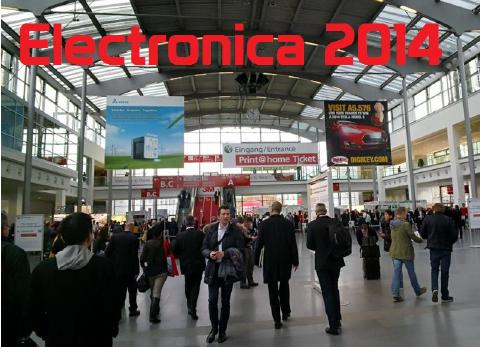
- Chris was at Electronica in Munich two weeks ago.
- The winner of the Hackaday Prize was announced at an event on the Thursday of that week. SatNOGS won the grand prize (a trip to space).
- Dave was up on the big screen because he announced his judging winners https://www.youtube.com/watch?v=mFAVUcrltpg
- There are also videos for each prize entry: SatNOGS, RamanPi, PortableSDR, ChipWhisperer, Open Source Tricorder.
- The last day the show is a bit more deserted (compared to above).
- An example booth size from Maxim.
- Dave is buying a new space (hopefully). It will be a storage/workshop space.
- Chris met the people making the RasPi CommPlus who are from Austria (not Australia). It is in an interesting hard spot between industrial hardware, medium price and a crowded marketplace.
- The Mu Thermal team has finally said they will not be meeting their production target. Companies like Seek and Flir are doing sensor innovation, whereas Mu was dependent upon 3rd party sensor tech.
- The Planet Labs team is putting up their next set of "Doves" on a SpaceX rocket. Shaun was on the show previously and will be speaking at a TBA event in SF.
- The site that Chris has been working on (Parts.io) is now open to the public.
- Dave found a cache of popular electronics PDFs.
- We now have a Patreon account! Please support the show if you can.
Transcript
Chris Gammell: This is The Amp Hour Podcast. Recorded November 25th, 2014. Episode 225. Junket, Jactation, Jiltedness.
Dave Jones: Welcome to the Amp Hour. I'm Dave Jones from the EEV blog.
Chris Gammell: And I'm Chris Gammell of Contextual Electronics. Guten Tag.
Dave Jones: I expected that to be in German. Yeah, there we go. There we go. I expected German. Yes. Guten Tag. Ich bin Dave Jones. Ein Bierbitte.
Chris Gammell: Ein Bierbitte.
Dave Jones: That's the only German you know. Give me a beer.
Chris Gammell: That's it, man. One beer, please. And boy, let me tell you. How was the German beer? I practiced that so much when I was over there. Right. What I learned as well is that it's dangerous to... So I was in Germany and then Austria. And it's dangerous to start with German, right? Because if you start with German, they respond with German. If you start looking apologetic and speaking English, they say, Oh, okay. Another stupid American. That's fine with me.
Dave Jones: Especially if it's decent German. Like, especially if you're sort of unlike my crappy German, right? Which it's instant to them, you know, if I say Guten Tag, you know. It's instant to them that, yeah, I'm just a dickhead who knows one word. Yeah. Yeah. Oh, goodness. Yeah. Like, I remember being in Germany and, like, I thought, you know, I had the phrase book, right? You know, back then, you know, there was none of this internet bullshit on your smartphone and translation and all that sort of rubbish, right? You know, you had to actually take a phrase book with you. You know, paper on that, you know, dead tree stuff, right? And so, yeah, I was carrying this around. I thought, yeah, I'm going to make an effort. You know, so, you know, like I'm, I was going to the model train, you know, the Wonderland, miniature Wonderland thing, right? And I thought, damn it, I'm going to order this, I'm going to walk up and order this ticket in fluent German. And, you know, I was in this huge line to get there and I'm practicing, I'm practicing, I walk up confidently and I can't remember how I said it. And, you know, I was going to say, yeah, I'd like one ticket, one adult ticket, please, you know. And they just looked at me and went, huh? Like, and just, you know, shrugged their shoulders and went, you know, and probably said, I don't understand in German. And I tried to say it again. I'm holding my phrase book and I tried it like five times. And in the end, I just went, just held up my finger one ticket, you know, and said ticket. And they just rolled their eyes. It was embarrassing. Yeah.
Chris Gammell: Yeah.
Dave Jones: So that's how shitty I am is that I can't even read through a phrase book.
Chris Gammell: That's a big part of anywhere where you travel, though. It's just like getting over that embarrassment. Like, yeah, it's, it's tough.
Dave Jones: So if you use one of these apps that like automatically can read things and translate and speak it.
Chris Gammell: Well, let me tell you about getting internet in a foreign country. Right. So that's, that's actually the big problem. Right. So. Yeah. I mean, I went and I find, so I got there on like a Sunday where I started looking around for a SIM card on a Sunday. And I found out that a lot of stores are closed on Sundays. Right. So I didn't.
Dave Jones: All right.
Chris Gammell: And then the Monday.
Dave Jones: So you didn't think about pre booking this before you went somehow, like pre setting it up.
Chris Gammell: Yeah. And I probably should have done that. But you couldn't be bothered. But I didn't, I didn't do that. I thought you had to buy it there. Um, and then, uh, when I did get there, then I didn't bring my passport, like all this stupid stuff, like just stupid.
Dave Jones: Oh, tourist crap.
Chris Gammell: And, you know, like, and then basically my.
Dave Jones: You've got to take your passport everywhere you go. I know. In a foreign country.
Chris Gammell: Yeah.
Dave Jones: Yeah.
Chris Gammell: And so I ended up being like, my friend ended up registering the SIM card under his name. And I had to borrow cash from another friend. It was just, uh, it's just, it was stupid all around. And then the other problem is that like, so basically, um, you know, I was carrying around a MiFi with a, with a SIM card in it to try and get internet. And then my phone works over Wi-Fi as well. And. Right. Oh, it was just so dumb.
Dave Jones: What's this MiFi? It's just one of those wireless dongle. Yeah. Yeah. Yeah.
Chris Gammell: It's got a wireless modem in it. And then it has a Wi-Fi. A hotspot. Yep. And, uh, yeah, I think MiFi was some generic name for it.
Dave Jones: Right.
Chris Gammell: Anyways, uh, all of that stuff doesn't like, like that. And that's the reason I thought I was going to be so smart and do this stuff. Right. I was going to outsmart the system, but no, Chris, you're not going to outsmart the system. You know?
Dave Jones: Because the system is stupid. The system's retarded.
Chris Gammell: Yeah.
Dave Jones: Why does it, you know, like here, I've got to, you know, yeah. To buy a SIM card. Right. I've got to like the guy who delivers it, like the courier guy, you know, it has to go by courier. They, that they have to cite my driver's license and sign off some stupid form as that. Yeah. Identify. Like what's this bullshit?
Chris Gammell: Yeah.
Dave Jones: Right. It's just, ah, why? It's, why? It's going to stop terrorists getting SIM cards or something. Right.
Chris Gammell: Peace off. I mean, yeah, I, I don't know the reason, the political reason for all that stuff, but I think the main thing, the system I was trying to beat was, oh, well, I have the internet, you know, like, oh, the internet cures all, but it, it became its own, its own impediment kind of thing. And that's like a phrase book is just as good if you, you know, if you actually learn some stuff. So, anyways, long story short, I, I didn't use any dApp.
Dave Jones: Well, you don't need an internet, oh, no, you probably do need an internet connection. That's always the problem. To do that, to use those apps, right? Yeah, it's always. No, no, no, no, well, you're sure you can like type something in on your phone, have an app that runs locally and, you know, type it in and then it speaks the phrase.
Chris Gammell: I guess so. But I mean, like, okay, so like phrase, like, like voice recognition and stuff like that, right? I mean, like, think about the, like all that stuff's online these days, but like that's
Dave Jones: because there's processing power on the back end, right?
Chris Gammell: Like a phone, otherwise you need to have, I mean, phones are very powerful and they can do it, but it's, there's a lot of processing involved.
Dave Jones: And it probably requires a large app, you know, like a huge app if you're going to do it locally, whereas it could, the app could be much smaller if all the processing is offline.
Chris Gammell: Yeah, it's just shipping, it's shipping an audio file to a central server and then it's decoding it and yada, yada, yada.
Dave Jones: Right. But, hmm.
Chris Gammell: So yeah, that was one piece of it. Anyways, Germany is great. Austria is great. I mean, everybody there was nice and they all spoke English anyways. So all that stuff didn't really matter. And it was my first European experience.
Dave Jones: Yeah, I found English is pretty common in Germany. Yeah, it is.
Chris Gammell: Yep. And, and like they, you know, so it was, it was great. I mean, like it was mostly the cultural stuff that was different, you know, like the, um, everybody smokes there. That was weird to me. Oh, really? Yeah. Okay, right.
Dave Jones: Because I haven't, I haven't been there since like 14 years ago. I went there.
Chris Gammell: Yeah, I mean like, I was really surprised by that actually. I know that like, I explained like in Asia, like everybody smokes in Asia. Like I know that, that's fine. But like, but like I figured like, you know, Germany, Austria, like, but yeah, man, everybody smokes there. It's, it was crazy. Yeah, I hate that. Yeah. So whatever. Um, yeah. I, what else do you want to know about it? I mean, like, uh, do you want to know? Electronica? Electronica was interesting, I guess. Well, that's. Electronica show. We should talk about Electronica. And it was huge, right? It was huge. Um, I don't really have a scale for it because I've never been to anything that big, but big, big is the adjective I kept using. Electronica is big.
Dave Jones: Uh, we were able to see a good majority of it in what you were there for two days.
Chris Gammell: No, four.
Dave Jones: Or was it on for two days?
Chris Gammell: No, it's a four day thing.
Dave Jones: Four day event. But you tweeted that it was like dead on the third day or something, didn't you?
Chris Gammell: On the last, yeah. On the last day. On last day. It was, uh, basically everybody bugs out on the, so it's like Tuesday through Friday. By Friday, it was like a ghost town. I mean, there was still like a lot of people, don't get me wrong.
Dave Jones: Ah, right. Friday, everyone's taken a long weekend because they've all traveled to get there. Exactly. Right, right. Yeah, right.
Chris Gammell: And like, and so really it's all about scale too. Like, so, okay, so there's some interesting things about Electronica. I've been thinking about this, right? And we talked about it while we were there and everything. Electronica is kind of like a pissing contest for companies, right? Right. Yeah. And, and, and maybe this is other shows as well, but I've never really experienced this before.
Dave Jones: No, it is.
Chris Gammell: Is it? Okay. So like, so the way.
Dave Jones: Oh yeah. Who's got the biggest, baddest stand in the most central location and yeah, exactly.
Chris Gammell: And like, and like for better or worse, right? So there are some interesting things in there, right? So, you know, in the electronics industry, you know, there are companies, there's, there's a small group of people that are making very, very big decisions, right? So it's unlikely that Apple is there, but maybe one of the engineers is, or maybe a manager is or whatever, you know, but these big companies, and it's not just Apple, it's also their CMs and everything else. And really it's about the high, the high level people there, right? It's really about the decision makers being there.
Dave Jones: Right.
Chris Gammell: And so it's like, so you have like a CM or contract manufacturer and they know that they want, so their CEO is there and he's like, well, I'm going to cut a deal with insert semiconductor company here. Are, is, is that semiconductor company at this show? And am I meeting with their CEO? And is it, does it look like they're spending enough ridiculous amounts of dollars? Right. Right.
Chris Gammell: Showing that they, you know, like, and it's, and it's weird. It's like this. Showing that they actually have money. Right.
Chris Gammell: And it's like, it's like, it's like, are you there? Are you showing your stuff? I mean, there's, there's, there's some practical stuff, which we can talk about as well, but, but that's the thing that really ended up striking me about it. It's like, it's so much about the business aspect and that's not what I expected at all. I expected like a trade show, like where it's like, come here, we'll give you our pitch.
Dave Jones: No, that's just a facade. No.
Chris Gammell: And, well, it depends though. And that's the other thing is like, it's such a big show. You can have both. Right. I mean, like, so, so like you have these booths that are like, and like, I don't even know what the size would be, but something like distributor booths and some of the big, the big semiconductor manufacturers. I mean, like they would have like, you know, they'd have bars and coffee bars and like seating areas and there are two levels. And like, like what was, what was the one that was really like Vichay? Yes.
Dave Jones: If you're invited upstairs. Oh, of course. Right.
Chris Gammell: Right. Like Vichay was a, you know, they're a big component manufacturer. Right. Yeah. Yeah. But like, you know, they sell things that are like 0201 resistors. Right. And I'm like. Yeah.
Dave Jones: And that cost point double triple. Exactly.
Chris Gammell: It's like, what are they really showing off here? And it's like.
Dave Jones: Yeah. That's right.
Chris Gammell: But it's not about that. That's the, that's the main thing. It's not about the actual components for a lot of these. It's more about the, yes, we're big. Yes, we're here. Yes, we can service all of your needs. And we have tons of people to wait on you kind of thing. And I mean that in a sales capacity, of course, they have baristas as well. And so that's what is what it is. Now, other ones there, there were people showing off like, you know, like a lot of the semi manufacturers, they were showing off stuff like the Maxims and the TIs and the ADIs and stuff like that. Yep. They had demos. Of course. And that was kind of the standard fare. And there's some interesting demos there. And a lot of that stuff, if people search for it on YouTube and they all talked about themselves on PR web and stuff like that.
Dave Jones: Right.
Chris Gammell: You know, but that's like, it's like development kits. That's like stuff that you could get on the internet as well. So. Yep. That's not the reason to go.
Dave Jones: The reason to go is because your company's paying and it's a junket. That is the reason to go.
Chris Gammell: Right. And. Totally. I mean.
Dave Jones: I mean, well, you know, some people like if you live locally, you're going to go on your own. Like, but if you're like, you know, like if you have to travel to get to this thing, you're probably going to think twice about paying your own money to go. Right.
Chris Gammell: Yeah. Yeah. I definitely agree about that. Yeah. Now, the interesting thing to me is now we had talked about this, I think two years ago when the last show happened because someone wrote in about it. I was really surprised by the amount of like suit wearing.
Dave Jones: Oh.
Chris Gammell: Everybody was wearing suits. And now maybe that's a German thing. I was not wearing a suit.
Dave Jones: Everybody on the stands or. Everybody.
Chris Gammell: All the actual visitors. It was just like every. Really? It seemed like there was just so many suits and all I could figure and that and here's the real indication. None of them were on Friday. Right. So like all of the F.A.E.s and all the F.A.E.s were wearing like polos and stuff like that. And I'm not saying that judge people's clothing or anything like that. I'm just saying that I basically in my mind, I was basically associating suits with people that are making deals and, you know, you know, salespeople and reps and everything else.
Dave Jones: So you're saying it was a majority of those people because engineers aren't going to turn up wearing a suit. Right. Engineers like us. We're going to turn up in jeans and a who farted T-shirt.
Chris Gammell: Exactly. I'm with stupid. Yeah. You and I go to a show ever together, Dave. I'm wearing I'm with stupid. Fine. So what ended up happening is I kind of made this association in my mind and all I could think and honestly, this happened throughout the entire show. No offense to anybody who's doing this. Obviously, I talked to a lot of people and I made a lot of friends and there's a lot of important people who might be listening to this at some point in the future.
Dave Jones: But you're all a bunch of douches for wearing suits.
Chris Gammell: No, it's not that. It's just all I could think over and over and over again is, God damn it, I'm paying too much for components. Like, honestly, that is the phrase that just kept going through my head over and over and over again. I get it. I get what's going on here. But I couldn't help but think, if you're spending this much on this stuff, I'm paying too much. You know, even if it's a fraction of a fraction of a cent that out of my specific component, I want that taken off.
Dave Jones: Oh, yeah. These stands aren't cheap. Companies can spend millions. You know, like at a minimum, you know, is a couple of hundred thousand dollars for an average stand, right? And that's probably doesn't include the labor demand and everything else.
Chris Gammell: Yeah. Yeah.
Dave Jones: Right? It's just, yeah. Yeah. It's crazy.
Chris Gammell: Exactly. And all the travel expenses and everything else like that.
Dave Jones: But like, um, the stand at Altium, we went to the ESC show. That was a big launch for our new industrial range of embedded hardware that I've worked on. And it was, yeah, we had like, I think, was it 30 or 50 people where, I think it was 50 in the end, 50 employees went and you couldn't move on the stand for the sheer number of Altium employees on the stand. If you have a look at photos, there's no people on the stand except Altium employees. Everybody went. And it must have cost a fortune. Everyone had their own, you know, five-star hotel room. Everyone had their plane, you know, granted it wasn't business class, but still.
Chris Gammell: Yeah. Right, right, right, right.
Dave Jones: Like, just the expense of the, just the, you know, the manpower alone. Yeah. Incredible.
Chris Gammell: That's crazy. And it, you know, I got past that eventually. It is what it is. You know, that's a marketing budget. You're right. Yeah. People are going to spend that stuff. But yeah. Yep. So anyways, the suits people though, like, and that's the other thing I kind of looked at and I'm like, well, there's still like, and the thing that that told me is that so much of the art industry, right? And this is important for our listeners. The other stuff we've said so far isn't as important, but this is important. Right. So much of our industry is still people talking to people and making deals at a very high level. Right. And that's what kind of is still shocking to me. You know, you think, you know, I, obviously I work on a search engine now. I, you know, I, and we all, you know, all, everybody listening here is listening to the internet, blah, blah, blah, blah, blah. It doesn't matter though. Like there's still so much, you know, personal interaction stuff that exists and, and needs to exist. Right. And this kind of highlighted it for me because it's like, well, when you're trying to get through a crowd of, you know, thousands of people, it's very, very apparent. You know, this is, this industry is, is, you know, creating lots of jobs and, and there's just lots of people involved. You can't get around it. So I guess that, that's my, that was the main takeaway from the suits thing, you know? So, so.
Dave Jones: Right.
Chris Gammell: Yeah.
Dave Jones: Got to be a suit to be in the business.
Chris Gammell: No, you don't have to though. That's the thing though. It's not about being a suit, but it's just like they're there and, and you don't notice them until they're all in one place. And so. Yep. It's.
Dave Jones: And, and that's interesting because you go at the, to the smaller shows like the Embedded System Conference and, and I probably the majority are going to be like working engineers going there. So you see mostly, probably almost majority jeans and t-shirts walking around, you know? Yeah. Or it might be half, half, you know, but you're saying it was like 90, 10 or something.
Chris Gammell: Yeah. At certain, yeah. Certain days. I mean, like, and maybe, I mean, maybe it's just, maybe it was just a Tresco difference, but yeah, that was very different for me. For better or worse, whatever. Right. You know, and the other interesting thing is that in Germany, the, the sector, right? So it, I didn't realize that it would be targeting, obviously, right? I should have thought this. Obviously it's targeting the German sector because the engineers that do show up are going to be engineers that are working in Germany, which is industrial and automotive, right? So like an Infineon was there and they were huge, right? Infineon though, most people, most engineers, right? Just searching on like a DigiKey or a Mauser or anything else like that, you know, they're, they might not use Infineon parts because they're automotive qualified. They make tons of parts, but most people outside automotive. They're expensive. You don't, can't afford them and yeah, and they don't do low quantity.
Dave Jones: For your regular, yeah.
Chris Gammell: Right. Yeah, that's right. And that's the other thing. It's like, you don't really see that stuff. Obviously I was in the industrial sector at ABB and Keithley as well. And it's like, so I saw a lot of those parts and like those targeted kind of things, but I've never done automotive stuff. And so I was seeing people that I had never seen before, you know, so that was interesting as well. So seeing a lot of local distributors and manufacturers, that was interesting because, and it was nice because you could tell very quickly that they were a local manufacturer if all their signs were in German. Yeah. It's like, okay, I can skip this one. Exactly.
Dave Jones: So there was lots of English signs. Oh yeah.
Chris Gammell: I mean like, yeah.
Dave Jones: So that was the default, that was the de facto language on the stands, was it? Yeah. English? Signage?
Chris Gammell: For the big manufacturers and all the, a lot of the signage stuff. Like if you saw something all in German, it usually was, you know, someone at least European based, right? So they serviced a lot of the, that marketplace. Right. Cause it wasn't just Germany, but I mean, there's tons of manufacturing there as well. So, so that was, that was interesting as well. Seeing the, the localized distributors and stuff like that. Um, a lot of names I had never really recognized before because, you know, honestly, if you go on search engines, you know, like, like a fine chips or something, you're not going to see, they're going to restrict you by where you can actually buy from. And a lot of the one German ones I couldn't even buy from most of the time. Um, and so I saw that when I was over there. Um, so that was interesting as well. Um, and of course the distributor stands like, again, what are they really selling there? You know, they're selling their image. So, because they're not going to show it. They're basically, all the distributors are just kind of reselling all the stuff of the manufacturers who were also there. So, uh, that was interesting as well. And they try and draw you in with silly, silliness. Oh yeah.
Dave Jones: Yeah. What about the booth babes? Were there many booth babes?
Chris Gammell: There weren't as many as you'd think. Um.
Dave Jones: Right. Okay.
Chris Gammell: Yeah. I, I keep. It's been phased out. Yeah. I keep hoping that gets better. That's really, I don't, I am not a big fan of that. Yeah. Um.
Dave Jones: They should get big, hunky, half-naked guys too. You know, like, even it out.
Chris Gammell: Yeah. Well, yeah, yeah, exactly. Like, at least equal opportunity, right? Uh, if you're gonna, if you're gonna have beautiful people, have beautiful people of both sexes. Um. Yes. Exactly. Yeah. Uh. And there was some cool demos and stuff like that, but. Actually, so, the interesting thing to me was I didn't care as much. So, like, and it's all kind of clustered. Like, so there's like a, there's like one or two halls that are kind of like semiconductor based, another hall kind of PCB based. Hall one was like test equipment based. Um. Hall six was kind of a smorgasbord. Uh. But then like. Right. All of the B halls were passives. And I actually was much more interested in that than I ever thought. Like, I actually skipped that the first day. But then the second, or like the second time I was there, which was the third day, uh, I loved it. It was great. Um. Cool. Going through the passive stuff because you get like, like all the stuff you never get on the online catalogs. So like. Right. Like button manufacturers brought all of their buttons. Right.
Dave Jones: Yeah, yeah. Awesome.
Chris Gammell: Enclosures. Right. There was just like. Yeah, yeah, yeah. Tons of, like the Hammond manufacturing booth and like all of these other, like, ah, enclosure heaven. It was awesome. There was entire, like, uh, all of these fan manufacturers and just like, you know, things you could pick up and play with and the button manufacturers specifically. Have you seen the OLED buttons yet?
Dave Jones: Oh, yeah, yeah. The ones with the little displays on them.
Chris Gammell: Oh, those are so cool. I mean, like. I know. Especially the button manufacturers because you could press all the buttons. Like, it was like heaven for me. You know, it was like kid in a candy store kind of thing. Um. So that, that was great. Uh. Uh.
Dave Jones: Very cool.
Chris Gammell: Yeah.
Dave Jones: And you know, like. What's even cooler is that it's all bought and paid for.
Chris Gammell: Yeah, right. Exactly.
Dave Jones: Junket, dude. Junket. Yeah. It's nothing better.
Chris Gammell: What does junket mean? I don't know what junket means.
Dave Jones: Junket is, uh, like a free trip. You know, somebody like a, just, uh, you know, all expenses paid trip to basically do nothing. It's just a perk. I don't know. I don't know what the exact definition of junket is.
Chris Gammell: Okay.
Dave Jones: Um. I can look it up. Junket. A journey taken for pleasure. A trip taken by an official at public expense. Huh. So. Interesting. Okay. Yeah. So the term comes from, you know, like, oh yeah, this, you know, senator took a junket, had a junket to bloody Germany to talk to the foreign minister or something, you know. So yeah. I don't know, man. That's where the term comes from.
Chris Gammell: I was, uh, I was doing work when I was there. I, I.
Chris Gammell: Why? You fool. I helped an out. You obviously have no clue of how these things work.
Chris Gammell: I was on stage, uh, representing you and all the other judges from the Hackaday Prize.
Dave Jones: Yeah, you didn't even have a bloody amp hour t-shirt on.
Chris Gammell: I know. I was wearing my parts I owe shoes. Oh, goodness. I can only wear one shirt at a time, Dave. Uh, but yeah. So that was, uh, that was fun as well. So we were at the, the Hackaday Prize did, uh, so the Hackaday had an event and then, uh, we announced the Hackaday Prize and.
Dave Jones: Were there, yeah. And I saw, I was up there on the big screen. You were.
Chris Gammell: Yeah. That was a good video you did.
Dave Jones: Oh, three big screens or something.
Chris Gammell: Yep. Yep. Yeah. It was a cool, it was a cool facility. It was kind of like a concert venue and then, uh. Right. Repurposed for nerds and. Excellent. Yeah.
Dave Jones: So did they fly in all the finalists or they just, or the Satnogs people?
Chris Gammell: Satnogs just happened to be there. I think because. Happened to be there. Yeah. The one guy's from Greece. I'm not sure. I think the other guy was from the UK maybe. Those guys are from all over, but it was just, it just so happened that they, they were there and that worked out well.
Dave Jones: I think they should have flown in the finalists. I think that, you know, there's only five of them. I think that would have been, you know.
Chris Gammell: Well, maybe next year because apparently there's a next year. So. Oh, is there? Yeah.
Dave Jones: Okay. Right. Have they announced that? Have they?
Chris Gammell: Uh, there's been, there's been, well, I, yeah, I know there is, there actually is a next year. So yes, there is a 2015, uh, no, no official announcement on what it will be yet, but I know that one too.
Dave Jones: Well, there is. You're an employee. That's right. Yeah. No, I, I've already, I've already started. Supply fame and you've announced it.
Chris Gammell: I've already started. There you go, folks. Uh, holding, holding my head thinking about doing this again, but yes, there, we will be doing it again and, uh, and it will be bigger.
Dave Jones: And it won't, obviously won't be in Electronica because that's only every two years.
Chris Gammell: That's right. Yeah. We're going to find a different location. Hopefully stateside for my, for my benefit.
Dave Jones: That's the other thing. Like. What is the next, what is the next biggest show? Uh. Uh. After Electronica.
Chris Gammell: You know, I found out that actually, uh, every other, so the opposite years they do Productronica. Have you ever heard of that one?
Dave Jones: Yes. Yes, I have. I was invited to that one. Oh, you were. Okay. I was invited to Productronica by somebody. Yeah. I can't remember.
Chris Gammell: It's like a, it's like a CES of Europe kind of thing. I think it's like the, all of the stuff being used at Electronica. Then they showcase those things. Um. Yep. I've never, I had never heard of it. Yeah.
Dave Jones: Which isn't as interesting for us, you know. So.
Chris Gammell: Right. Yeah, I mean like CES.
Dave Jones: But still, you know, if it's junket, if you get a chance to go, hey, you can go back to, go back to Germany. Hey, anyway, besides that. Yeah. Besides that.
Chris Gammell: I don't know. I don't know, uh, I don't know what the plans are.
Dave Jones: What do you hate? You hated the flight, did you? No? Were you about to say that?
Chris Gammell: No, it's just logistically. I mean, logistically being in a different country is always tough, right? I mean like.
Dave Jones: Yeah, yeah. Yeah, it's a pain in the ass. Yeah.
Chris Gammell: So, um.
Dave Jones: Yep.
Chris Gammell: I don't know what the actual details are.
Dave Jones: Although you did take my advice and took a holiday afterwards.
Chris Gammell: I did. You're welcome. That was good. That was good advice. Although, man, two weeks away, that's a long. Like, like I got back. I know. I got back to my lab on. Sorry. And then after I got home, I got home on Friday and then I drove to my folks house and spent two days there. Yep. And so I got home yesterday and I got back to my lab and I sat in my chair and kind of looked around and I'm just like. Ah. Jeez, my life sucks, doesn't it? No, I mean. No, I know. It's not. No, I have nothing to complain about at all. But I'm just saying, like, there's something about being in your home lab. You know what I mean? Like, it's just. It's. Yeah, yeah, right. It's that comfort of home plus nerd cave plus everything else. It's.
Dave Jones: And everything you're familiar with. All your internet there works exactly as you expect. Exactly. Yep. All your stuff works exactly as you expect. Exactly. Everything's, you know. Yeah. It's hard doing stuff when you're on the road. Yeah, yeah.
Chris Gammell: It really is. Yeah. No. So, yeah, I just appreciate the feeling of home more. That's like a side benefit of travel, I guess. I don't travel much, but I do like coming home. It's good. It's nice.
Dave Jones: I'm maybe getting an additional home.
Chris Gammell: You are getting an additional home. Let's hear about it.
Dave Jones: Yeah. Hopefully. Well, I'll hear about it today, but I have made an offer on another space. I am not moving from here. This is a dungeon. Yes. It's a dungeon space. I love it. Yes. Which IE means cheap. Much cheaper than the commercial office space I'm in now. But it's almost the same size as what I've got here, but it feels bigger because you walk in and, you know, it's like, you know, it literally is a dungeon in a basement buried in the ground.
Chris Gammell: The working name is the EEV bunker. EEV bunker. Yes.
Dave Jones: I'm going to have to get a sign. Yep. The EEV bunker. Yep. And that would draw attention to it. I want it to be nondescript.
Chris Gammell: No, no. You put the sign on the inside. It'll be closed most of the time.
Dave Jones: Oh, on the inside. Right. Yeah. Of course. Right, right, right. Yep.
Chris Gammell: Yeah.
Dave Jones: And, yeah, but it feels bigger because it's like, you know, the ceilings are much higher and it is like literally like concrete walls all around, like, you know, brick walls all around and concrete roofs. Yeah, no windows. There are no windows. Right, yeah. There's no nothing. There's no ventilation. I don't think there's any ventilation.
Chris Gammell: That is how electronics is meant to be done. Yeah, exactly. And inhaling solder smoke and fumes and, you know, no escape when there's fire. So, I don't know.
Dave Jones: Yeah. Maybe I can vent. Maybe I can have a fan that vents out into the car park, into the underground car park. Nice, nice. There you go.
Chris Gammell: Just like drill a hole in the garage door or whatever.
Dave Jones: In the brickwork. Yeah. In the brickwork. And, yeah. Anyway. Yeah, but it's got, it's already got benches in there, which I'm hoping they'll keep. I might actually put it in the contract. Please keep the benches. Yeah. Because I don't know why they'd want them. You know, they seem like permanently installed and attached. It's got some shelving above that. And just the rest of the space is just like empty concrete, you know. So, it just feels really big. It's got lighting and it's got power, which is not common for these type of storage units.
Chris Gammell: Yeah, I mean, this is going to be like, this is like a rentable, like a, I was trying to think like what we have here. Like, I used to rent a garage, like a storage space, but it was just like unheated. Someone's garage. It was in Texas. It was just a garage door roll up. Yeah.
Dave Jones: Totally unheated. Yep.
Chris Gammell: Yeah. But if you can survive it, like you said, it's underground. So, it's, the temperature's not swing too much.
Dave Jones: It should be pretty temperature stable. Yeah. Like, I went in there yesterday. It was warm outside and it was just, as you'd expect. Like, it is buried underground. So, you know, surrounded by concrete. So, the temperature should be pretty darn stable. Yeah. So, as opposed to the storage unit I'm renting at the moment, which is like in a hot tin shed on the upper floor. Right. You know, and it's like. Yeah. That's a big difference. Well, it's good. And it's tiny. Yeah. So, this one can actually be used as a workshop. You know. Yeah, man. Milling machine. The only issue might be, yeah, milling machine. The only issue might be ventilation and possibly internet. I didn't check the internet in there. But anyway, these things are so rare and I was so excited that I just, I went, yep, I'll take it. Yep. I'll take it.
Chris Gammell: I'll take two.
Speaker ?: Yeah.
Dave Jones: Anyway. Yeah. It's like one third, less than a third of the cost of what an equivalent commercial office space would cost. Oh, that's great. So, you know. And it's within walking distance.
Chris Gammell: So, what are you going to do with this though? That's what I, I mean, it's a workshop. I don't know. No? It doesn't matter?
Dave Jones: It was just too good to pass up. It doesn't matter.
Speaker ?: Okay.
Dave Jones: It's sort of like another strategic investment kind of thing. That, you know. That's true.
Chris Gammell: If you ever hire an intern, then you can stick them in there as well. You'd be like. Yep. Intern.
Dave Jones: Well, it's just that, you know, it gives me most of what I want, right? I'm paying big dollars at the moment for this hot storage room that I'm storing all the overflow stuff from home and the business here in. So, you know, like, so I don't have to hire that anymore, right? Don't have to rent that. I can move everything into there. It's a ton of space. I mean, you know, it's more space. My storage unit I'm renting at the moment is already full. Yeah. You know, like, I'd have to start installing shelving to go up to the top.
Chris Gammell: God forbid if you sold some of your stuff, Dave. I'm just saying, you know what I mean?
Dave Jones: I know. I know. Yeah, but, eh. Anyway, well, it's half filled with stuff from home. Yeah. You know, our house isn't big, so we're using it to. Anyway, so, yeah. Like, and I can do, you know how I was talking about, you know, finding another space. Yeah, right. So that I can have, like, a workshop, like a mechanical workshop. Yeah, I can have a mechanical workshop, you know. It's got power. It's got benches, you know. Yeah, man. It's got a ton of room. I can put drill presses and lays. Yeah, and the noise isn't a problem either. That was another thing you talked about in the past. No, noise isn't an issue. Yeah. That's great. Yeah, that's great. So, yeah. And I could probably shoot, you know, there's no reason why I can't shoot video in there. Yeah.
Chris Gammell: Especially if there's no video or if there's no internet, you can definitely get work done.
Dave Jones: Yeah, there's no distractions. We were talking about that before the show, yeah. It's, you know, that could be a good thing if there's no internet down there. So, yep. I won't spend all day on the bloody forum.
Chris Gammell: Yeah, yep. It's good to get a break once in a while. So that's good, man. No, that's great. I hope you get it. I think that'll be really exciting. I mean, that's...
Dave Jones: Yeah.
Chris Gammell: I can't imagine working in Sydney.
Dave Jones: I could get something big, you know, yeah. Like, I could get something bigger for an equivalent price with... That'd have, like, roller door, you know, and ventilation. But I'd have to drive, you know, half an hour to get there, right? You know, it's just...
Chris Gammell: Yeah.
Dave Jones: You know, and then if it's that case, I would never use it. Whereas this is within walking distance, you know. So I'm going to go, oh, yeah, I can just head down to the bunker, you know.
Chris Gammell: Yeah, man.
Dave Jones: And easy. Easy, right?
Chris Gammell: Perfect.
Dave Jones: Yeah, yeah. So if I does something that needs... You could have, like, an air horn that goes off once a day. I need...
Chris Gammell: You know, like an alarm system.
Dave Jones: Yeah, right. One of those air raid sirens. And, yeah, and, like, you know, I can do all... You know, I can do drilling down... Like, here, I can't do it in the lab. You know, this is a commercial office space. I can't... You know, like, every time I get the Dremel out and, like, it just makes a mess. It's just awful. Well, yeah, even, like... You know, there is this.
Chris Gammell: Even if you did, like, an acid etch type of board, right? I mean, like, obviously, you said you don't do that. Right, yeah, yeah. But, like, even an acid etch type of board, you need to do vias. You need to get a drill press and drill those out. And that's noisy. Yeah, exactly. Right. I mean, there's an actual process there.
Dave Jones: Yeah, and it takes space and it's messy. And, you know, it's just... Yeah. And, like, I've got carpet here. Last thing I want is all, you know, little burrs, you know, to go in the carpet. Oh, yeah. FR4 is not friendly. No. No, no, it's not. It's fiberglass, folks.
Chris Gammell: That's nasty stuff.
Dave Jones: Yep. So, you know... And if I want to do... Like, I've seen these at auction places. Now I can get one, right? I thought, oh, you know, I'd love to get one of those. It's like, if I want to do chemical stuff, I can have, like, a fume cupboard, right? Like a hood? You know, you can buy these big fume... Yeah, these big fume cupboard things. Assuming you can vent out to the car park area. Assuming I can vent out to the car park. Well, there's no reason why I can't... Yeah, get out of drilling. You know. Maybe after hours I'll get in there. Yeah, right, right, right. We heard blasting downstairs last night.
Chris Gammell: We're not sure what's going on, but that Jones fella. Yep, yep.
Dave Jones: Anyway. Anyway, so I hope I get that. It's definitely not a done deal. I'm waiting to hear back to see if they'll accept. And then, of course, all the paperwork. Of course, yeah. Blah, blah, blah, real estate. Everything else, but... But anyway, yeah, I'm quite excited by that. So it just adds, you know, a bit of... Yeah, extra. And it means I can get literally everything out of here. You know. Oh, all of your story stuff, yeah. Everything, yeah. Yeah. Right? And just leave, you know, the shelves with the equipment and that's, you know, but... Yeah. So...
Chris Gammell: Definitely.
Dave Jones: It's really good. No? It's great.
Chris Gammell: So what did I miss...
Dave Jones: Anyway, we'll see.
Chris Gammell: What did I miss while I was gone? I mean, so you and Mike had a good show. That was...
Dave Jones: Yeah, we had a good show. Yes, it was excellent. So thanks for Mike for coming on and filling in. Yeah. It was... Excellent technical field show as opposed to our shows.
Chris Gammell: Well, yeah, of course, of course. But he was... He was on fire, man. He was... Yep. He was talking over you and...
Chris Gammell: ... ... ... ... ...
Dave Jones: ...
Chris Gammell: ... !
Dave Jones: ... ... !
Chris Gammell: ...
Chris Gammell: ! !
Chris Gammell: ... !
Chris Gammell: He was limiting, but then... But then they did... They did flexible funding as well, but they did flexible funding for a reason. Yeah, they...
Dave Jones: Yes, once again, the choice of scammers worldwide. Flexible funding.
Chris Gammell: That is the choice of scammers normally. So... But it was interesting talking about them. So I ended up getting beers with them when we went to Austria as well. And great guys. Really, really smart. And really nice guys. And so, but... Oh, sorry. What's the...
Dave Jones: What's the product? What's the thing?
Chris Gammell: The product is the... The RPi... It's the Raspberry Pi Com Plus, it's called. Right. And so... What's just an add-on thing? Or what? Actually, no. I think I did post about it here somewhere. But basically... Yeah, here it is. It's the new Raspberry Pi module generates code automatically to abstract out plugged-in modules. Right? So actually, I did post about it on the forum here. And I'll send you a link, Dave. But basically, though, they basically built an add-on board. And it's got like a CPLD. And it's got a STM32. And then it basically interfaces... Oh, yeah. It isolated interfaces with a bunch of plug-in modules that they make. Right? And so they're raising money for that stuff. Right. And it's very, very apparent that they're probably not going to make their goal. They made it like a $50,000 goal and stuff like that. $50,000 goal. Like looking at this, this is interesting because it's kind of a crossover of a couple different interest points. So one is crowdfunding. Obviously, we talked about the Indiegogo thing. Another is using commercially available hardware. Right? And so they're building on top of the Raspberry Pi. You know, it's got a... I think the RPi's got like a single SPI output. And so they're actually taking that and then kind of multiplexing the signal out using a CPLD.
Dave Jones: So they're using the Raspberry Pi plus their board as a generic module platform, which is kind of strange because, well, you can already plug these things into the Raspberry Pi directly. But they're abstracting it out to a higher level, are they, of development.
Chris Gammell: Right. And the reason to do that is because there's so few...
Dave Jones: How? How are they doing that? Like a flow chart? They do it like... How are they interfacing with it? In a flow chart? Yeah. Like, because if it's just C, if it's just regular C, well, why not just plug the boards directly into the Raspberry Pi? Why go through their board? That's my first question.
Chris Gammell: Basically, and that's the idea. Sorry, I haven't watched the video. So this is like a modularity type question. No, it's okay. And so it's like a modularity type thing, right? So it all comes down to where you put the smarts and where you put the... Right. And any modularity platform, you have to go... You have to kind of cover the two bases. One is the simplest base, which is like a digital output. And then the other is the most complex thing you can think of, which might be like... So these guys are industrial. So I think they had like a... Yeah. I can't remember the standard. Some industrial communications standard. No, it wasn't RS stuff. It was...
Dave Jones: RS-485. RS-485. Profibus.
Chris Gammell: Profibus is what I was thinking about.
Dave Jones: Oh, Profibus as well. Yeah. Okay. Right. It's similar, but it's basically... And they've got GPS modules and... Right. Yeah.
Chris Gammell: It's got like... It's got like packet shaping on top of that and all this other crap I don't understand.
Dave Jones: Yep. But basically... One wire and... Yeah. What's a nine axis sensor?
Chris Gammell: Probably like an accelerometer.
Dave Jones: Is that a nine or a four? It's got like nine. Anyway.
Chris Gammell: Yeah. Yep. So basically though, it's like... And it's basically covering all these bases. And so in a modularity type case where you have this, you have to kind of... So like the problem is you either have to keep your system completely simple where everything's like a digital input-output. Right. Or you have to then kind of make it flexible enough and you have to impose the cost of that flexibility on the digital input-output, right? So if you have something that can handle these high-speed traffic type things, you also then have to impose that same interface cost to the digital input-output type stuff. Does that make sense? I don't know if that sounded right.
Dave Jones: It would be... It kind of makes sense.
Chris Gammell: Yeah. So in modularity, like in a modular system like this though, that is part of the problem is that cost is always going to be a problem because your simplest thing needs to be able to communicate with your most complex thing. And the real problem here is that... So like I'm looking at this system as someone being in industrial... from an industrial background, right? And I think it's awesome, right? So they basically abstract out the Raspberry Pi, right? So it becomes a co-processor system where the Raspberry Pi is your graphical interface and it can do all your high-level Linux stuff.
Dave Jones: All that really heavy-duty, high-level stuff, yep.
Chris Gammell: Right. And then the low-level stuff is they actually have self-generating code for CPLD and STM32 and that is self-generating so you don't even have to deal with that but it's still pretty complex there. And so I look at this and I think, wow, that's awesome. But then you think... So then this is where the crowdfunding stuff comes back in. In the crowdfunding case, most people look at this and it's like from an industrial standpoint, it's awesome. But from a home automation, which is kind of the closest approximation to an industrial setting, people really, really focus on cost. And so it's all about...
Dave Jones: And there's so many options out there already.
Chris Gammell: Exactly. There's so many options. And you think about how many drops there are. So you think about a home automation system, right? It's all about cost. What you really want to do is you want to try and simplify for the simplest case you can and lower the cost as much as you can. And if you're covering for these really expensive industrial cases like a... I've already forgotten the name of it again. A profibus or something like that or a GPS module. Uh-huh. You basically kind of price yourself out of the low-end market like that. And so I just... I mean, I met these guys. They're really smart. They're really nice. And I like this project. But it was interesting kind of like talking to them about where all of this stuff fits in together and I was kind of at a loss. You know what I mean? Like it's just like, oh, I don't know.
Dave Jones: Well, yeah. I was just thinking about this last night actually because I was installing my new alarm system, right? You know, my panel blew up and everything. And they gave me a new one. So I'm installing that. And it's got all these... You know, it also... Not only does it do home alarm, but it also does like automation stuff, you know? So you can get all these expander boards and you can get wireless boards and you can get, you know, things that'll control your lights and everything else. And I'm going, this, you know, yeah, it can do all that, but it's not really the right platform for it. You know, it's expensive. It's sort of not, you know, tailored, you know, it's not really that specific. It can do it, but it's not kind of, you know... It's not friendly.
Chris Gammell: It's not made to fit. It's not the right tool for that job, right?
Dave Jones: Yeah. It's not the right tool for the right job at the right price. And, you know, yeah. So I thought, well, no, if I need something to control my lights, I'm going to get something specific for that application. I'm not going to tie it in my home alarm system. Okay. I can use my little graphical home alarm system panel to maybe control my lights, but the interface isn't as good as what a dedicated, you know, system would be, et cetera. And the cost is higher and, you know.
Chris Gammell: Right. And then there's other considerations there, too. Like when you start thinking about remote... So, like, the Com Plus type thing, that's all wired and that's good. But then a lot of these systems are wireless and then you have to start thinking about power and everything else. And then communication standards and everything else. Like the, you know, you see a lot of these, like, smart things type of home platforms. It's just really not solved yet. I mean, it's... I don't know how this stuff will be solved. And, um... Yep. So, yeah, it's kind of a rock and a hard place there. I don't...
Dave Jones: I know. So, yeah. Anyway, we will link to them down below if you want to check it out. It might fit your niche application. They certainly do need the money because they're only raised $1,700 of their $50,000 goal. Yeah, I think like... But as you said, it is flexible funding. Yeah, it is. And I think the real thing is like...
Chris Gammell: And then that's the other side of it too is like the, um... You know, the high-end industrial customers as well, right? So then those folks are kind of like the ones who are less like... They're the ones who go to electronic and want to see big shows of power and might kind of thing. You know what I mean? And it's like... Right. If you have just a smaller startup type of thing, it's harder to try and break into that market because they expect services and big brand names on top of things and blah, blah, blah. So...
Dave Jones: Yep.
Chris Gammell: That's why I thought that was really interesting. So it's an interesting space to be in, but I don't envy them.
Dave Jones: No, me neither. It's hard.
Chris Gammell: Yeah.
Dave Jones: And speaking of crowdfunding, we probably can't let it go. No, I don't think we can. Everyone's favorite crowd... Oh, come on. Least favorite. Everyone's favorite... Least favorite. ...comedy project is the Mu Thermal Camera. Yes, it's finally come to an end. So, yeah, golf clap.
Chris Gammell: Yes.
Dave Jones: Yes, it's finally failed. And, yep, they've run out of money and...
Chris Gammell: They've run out of $282,221 that were raised as their goal.
Dave Jones: And anyway, I'm probably going to do a blog post on it, a text. Okay. Blog post on it. Yeah. And it's just, you know... They should at least... You know, they promised it would be open source, right? They promised it would be as open source as possible. Just release whatever you got. Your company's folded. Apparently, the guy's sold his house. He's, like, destitute and, you know, blah, blah, blah. Something like that. And, yeah, well, just release the info. So, like, his name is Mud, right? Like, their reputation is absolutely ruined because of the way they ran this project and didn't, you know, and lied in various places about various things. And, you know, and, like... And you'd think you'd at least want to salvage your reputation out of it, right? And to do that, well, just... If you weren't bullshitting, just release... Yeah. ...all your information. Or, you know, this stuff you can, okay? They always claimed NDA, NDA, NDA. We can't tell you a damn thing. Go away. Piss off, even though you gave us money. And at least, come on. At least, you know, show us what you got. You must have something you can release to the public to make it worthwhile for all this money that went down the toilet. Yeah, it's quite a bit of money, too. Give something back. You know, yeah, it's $282,000, right?
Chris Gammell: Yeah.
Dave Jones: And, yeah, it's just gone down the toilet. They're shutting up shop. The company's closed. And everything's going to be buried with them. And it's just, you know, not only is it a shame, but it also means that, you know, their reputation's ruined even further because people are going to think, oh, well, you've got something to hide. It must have been bullshit all along. Well, you know, prove it wasn't by releasing something.
Chris Gammell: Yeah, that's a great idea. You know? Right.
Dave Jones: And, yeah, anyway...
Chris Gammell: Seed the next open source one so it can be improved upon.
Dave Jones: Exactly. Yeah, they claim they do it to help, you know, they did this whole project to help the industry, you know, give a low-cost thermal tool. Well, okay, prove it, you know, by sharing the info. It is interesting to me.
Chris Gammell: So they quoted, or they cited the Seek Thermal, which I've talked about, and Mike did a teardown on, and the FLIR one, which you've covered, I think.
Dave Jones: Oh, but they failed way before. Oh, I know.
Chris Gammell: The Seek Thermal is not the reason they failed. Of course, right. They cited that. But I'm just saying, it's interesting how all this stuff popped up. It feels like it popped up at the same time. I don't think it did, but, like... No, it didn't. I'm curious just about what actually caused, like... Is it the sensors that all dropped at the same time, or was it just more interest in that kind of thing? No, no.
Dave Jones: It's... No, no. The commercial sensors didn't drop. Like, the ones you just go out there and buy and are available commercially, they didn't really drop. It's that Seek had such massive backing, right? And FLIR, right? FLIR, of course, did their own sensors. And Seek actually had all this huge backing, right? And they were actually developing their own real sensors. And that's how they got this cost down. These two companies, Seek and FLIR, they developed these new low-cost sensors from scratch, which, you know... Oh, I didn't realize they actually make the sensors.
Chris Gammell: Okay.
Dave Jones: Oh, yeah. Yeah, they actually... Oh, they're getting somebody, you know... I don't think Seek actually make them. They partner or something. Yeah, but they were researching the technology, all that sort of jazz. Yeah, they're partnering with somebody, I think. I don't know the exact details anyway. But, yeah, so they're involved deeply in the core sensor technology. Whereas, you know, companies like Mew, they never had... That's the difference, right? All these people come out in... You know, some people still come out in defense of Mew, just like people come out in defense of the solar roadways rubbish, right? But this is the... Whoa. This is the excuse they use. Yeah. Right? No, come on.
Chris Gammell: First episode back together, man. I don't know if I can handle more solar roadways.
Dave Jones: Yeah. All right, here we go. People love it when I do this. No. Anyway, some people do. What?
Chris Gammell: I've had enough. You rant about stuff,
Dave Jones: I'm going to have a rant too. No, here we go. I'm going to finish my rant, damn it. This is the excuse they come out with. Oh, you're hindering the development of this new technology. And it's like bullshit, you know, by slagging off these companies and these concepts, right? And that is just utter bullshit. Solar roadways didn't do anything innovative, neither did Mew Thermal. All they did is took existing off-the-shelf technology and tried to repackage it in, you know, in not even a... Well, in solar roadways, it's slightly novel. The fact that it's fundamentally brain-dead stupid is beside the point. But yeah, and Mew didn't... They didn't... They weren't spending a cent of that on researching and developing fundamental technology. All they were doing is taking an existing off-the-shelf sensor, this is admitted by them, and then just whacking it in a case and writing some bloody software to interface to a smartphone. There's nothing innovative about that at all. So anyone who claims that, you know, we're not supporting, you know, innovation in the industry is just... Just doesn't get it. They really don't. The end. Slash end rant.
Chris Gammell: Are you sure? Nothing more? Yep. Okay.
Dave Jones: No. That'll do it.
Chris Gammell: Yep.
Dave Jones: Which is great, too. Like, no. I understand that, you know, developing, as we all do, that developing products is hard, right? It's not easy, right? Hardware is hard. But please don't call it innovative and, you know, and research, you know, as if they're doing some fundamental research. They're not. Seek were doing that sort of thing. FLIR are doing that sort of thing. Companies like MuOptics and Solar Roadways are not.
Chris Gammell: Big difference. Right. Definitely.
Dave Jones: So, yep. Although, to be fair to Solar Roadways, eh, they're doing some decent research in terms of glass and, you know, packaging and using glass as road services.
Chris Gammell: So, they're actually, like, material science type of things?
Dave Jones: They're doing, well, not directly, but they're hiring people to do, sort of, like, you know, researching the best materials. They're at least going to universities, you know, and going to professors, material science researchers, and going, well, what is the best type of material for this purpose? And then getting companies to, sort of, manufacture them special for them and doing tests on them and things like that. So, that's, you know, there's some innovation happening there, but, yeah, certainly not in the concept. People think that they're, oh, they're innovating solar technology. They're not. Not even close. Right. All they're doing is taking existing solar panels and whacking them under some glass on the road. Right. Yeah. Right. Which is stupid. Yeah. So, there's no innovation from the solar side. Just like in the Mu thermal camera case, there's no innovation in terms of the thermal camera technology. At all. Yep. End of rant. Now.
Chris Gammell: It's good to be back, man. It's good to be back.
Dave Jones: Yep. Yep. Next. What's next on the list?
Chris Gammell: So, we had talked to, or I had talked to Sean a while back, and last time you and I talked, we talked about the Antares blowing up, which was very sad. But they recently announced that their next launch will be on the SpaceX, the next SpaceX rocket. I thought that was awesome, just because, you know, obviously they've got that new contract going up there. And so, they had a post about how they basically kind of buckled down and recreated real fast hardware. And so, yeah.
Dave Jones: And they're going back. They're going back, right.
Chris Gammell: Suck of the SAV. Can't keep them down, right? You know?
Dave Jones: Let's try it again. The rocket blew up. Yeah, let's try another one.
Chris Gammell: Right. And when Sean was on the show, too, he talked about the, you know, the rapid development, stuff like that, rapid manufacturing type of things. So, that's definitely something that shows here because they basically turn around and put it right back under the rocket. Yep. There's an event coming up in December that I'll be at that Sean will probably be speaking at about rapid prototyping and rapid manufacturing. And what's that?
Dave Jones: Event? Or you can't say?
Chris Gammell: No, I can say. I mean, it's the next, it's a supply frame event, but it's out. Oh, right. It's out. You know, every, usually monthly we, or I'm out in San Francisco. Usually whenever I'm there, we have an event.
Dave Jones: Yeah, I know. You're traveling every month. You're a big, yeah.
Chris Gammell: No, it's nothing special. I'm just saying.
Dave Jones: You're a big highfalutin.
Chris Gammell: I'm not highfalutin. I'm just saying that when I'm there, that's usually when it syncs up. I'm usually there to sync up with that event, so.
Dave Jones: All right. You're like, yeah, you're almost going every month to San Francisco, aren't you?
Chris Gammell: I am, yeah, yeah.
Dave Jones: Wow.
Chris Gammell: San Francisco.
Dave Jones: Should just move there, dude. Cleveland. Doesn't cut it anymore.
Chris Gammell: These days, yeah. Dude, it's so cold here now. It's crazy.
Dave Jones: It hit 41 degrees here the other day. Did it?
Chris Gammell: Oh, man.
Dave Jones: 41 degrees Celsius. I should move to Sydney is what I should do.
Chris Gammell: I should move to Sydney. Oh, 41 degrees is probably like close to like 100 F, I think. Yep. So.
Dave Jones: 105.8.
Chris Gammell: Yeah.
Dave Jones: 105.8. And it's not even summer here yet.
Chris Gammell: It's pretty toasty.
Dave Jones: It's not even summer.
Chris Gammell: Start collecting water for putting out all the fires again. You guys keep having those hot years.
Chris Gammell: Anyway.
Chris Gammell: I think what I should do is move to Sydney for six months out of the year. You know.
Dave Jones: Absolutely.
Chris Gammell: San Francisco, the other six. Or. Yep. Cleveland and San Francisco.
Dave Jones: Even our winter times are warmer than your summers, I think. Probably. In Cleveland.
Chris Gammell: Yeah. Yeah. Wait, how warm?
Dave Jones: Anyway, I'll be able to cool off in some mud soon. Oh, yeah? I'm going to, uh, yeah, I'm going to, uh, jump in some mud and it's going to be covered on the Discovery Channel.
Chris Gammell: Ooh. Wait, so this is like another race you're doing or what?
Dave Jones: It's another race. It's another mud obstacle event. Yes. And I'm doing it for charity. So thank you everyone who's donated. If you haven't, um, I'll provide a link down below. I am doing this charity event, raising money for, uh, cancer research. And, um, uh, yeah, I've raised like over $4,000 so far. So I'm going to be doing this event. All the money's going to charity. A few, uh, RIGOL have approached me saying, hey, what can we do? Can we help out? And, uh, yeah, yeah. So, uh, got to figure out what to do. Um, at the moment, yeah, I plan to like sort of, you know, drag something around the course, be it a multimeter, oscilloscope or something else, you know, maybe do a torture test or something like that. Haven't quite nailed down the details. I bet who it's on the 6th of December. Yeah. Yeah. So. It's coming up, huh? I've got to do some work on that today. Yeah. And, uh, yes, I will be, uh, yes. And anyway, the Daily Planet show, um, if you're a Canadian listener, you will probably have watched that. Um, they're actually coming out here. They want to do a feature on me. So they'll probably be coming to the lab and they want to cover this event as well. So. Nice. Yep. So they'll, they'll come out here and probably spend two days filming to get like two minutes worth of footage, footage in a segment on the, on the show, you know. Nice.
Chris Gammell: Yeah.
Dave Jones: Yep. Yep. Speaking of footage. I don't know how they make money with that. Like, you know, the effort that goes into actually recording, getting traveling and recording all that, just to get a couple of minutes, a segment, you know, one episode of one show is just crazy.
Chris Gammell: But it's probably an aggregate, right? Cause they're coming to Australia.
Dave Jones: Right. Yeah. Oh yeah. They're not coming here just for me. They're coming here for other stuff as well. Right.
Chris Gammell: Yeah. Yep. You're just a, you're just a lunch break in there and there, in their shooting schedule. Two day lunch break. That's great though, man. Look at that. You're going to be like a Canadian TV star.
Dave Jones: I'll be on Canadian TV.
Chris Gammell: You'll be big in Japan someday. Yep.
Dave Jones: Right. I'm already big on YouTube. I need one of those t-shirts. I'm famous on YouTube.
Chris Gammell: Famous on YouTube. Yep.
Dave Jones: Yeah.
Speaker ?: Yeah.
Dave Jones: Do you know who the number one, well, according to Social Blade, do you know who the number one YouTube channel is now?
Chris Gammell: I know this one cause I saw you tweet about it too. It's unboxing videos for Fisher Price toys or something like that, right?
Dave Jones: Something like that. Yeah. For kids toys. Yeah. It's this chick who runs this channel and I, yeah, her production values are, you know, pretty low. Um, as you'd expect with just unboxing, um, like she, she isn't as far as I know, never on camera, right? You just see her hands and she unboxes these, um, you know, kids toys and Kinder Surprise eggs and Play-Doh and all the, you know, all that. And yeah, like she's like number one in the world. And it's probably earning about 5 million bucks a year from doing that.
Chris Gammell: Good for her.
Dave Jones: Um, I know it's like, holy shit. You know, I'm in the wrong market.
Chris Gammell: Maybe.
Dave Jones: Yep. I'm going to give it all up. Yep. Well, I have.
Chris Gammell: Oh yeah. You tweeted about it. You, you sneaky bastard.
Dave Jones: I tweeted that I've given it up. Yeah. I've given it all up. And so many people took that seriously.
Chris Gammell: Yep.
Dave Jones: I couldn't, couldn't believe it.
Chris Gammell: Well, Hey man, you can't deprive people of their occasional mailbag videos.
Dave Jones: Oh goodness. Anyway.
Chris Gammell: Yeah.
Dave Jones: Hmm. I wish I could get 3 billion views.
Chris Gammell: That many? Really? Jesus.
Dave Jones: Yeah. 3 billion views. And like, yeah, it's like 3 million a day or something. 5 million views a day or something. I mean,
Chris Gammell: like, that's the thing. Like, eh, for what though? I mean, like, yeah, sure. You can, you know, have people looking at your hands and boxing toys, but.
Dave Jones: Yeah. But the thing is, the people who watch your videos don't really care. Cause you want to know who they are?
Chris Gammell: Kids.
Dave Jones: They, they're Sagan. Yes. They're like three, four, five year olds. That's the market. And they watch them over and over and over. And that's how they get so many views. Like Sagan will watch the same Play-Doh video 10 times.
Chris Gammell: Really?
Dave Jones: You know, so imagine every, yeah. So imagine every kid doing that. Right? Yeah. You know, we get up in the morning. I want to go to the unit. I want to watch Play-Doh video. I want to watch Thomas, the tank engine videos. And there's this guy up the mountains here in Sydney who makes a full time living, just making, you know, Thomas, the tank engine videos and stuff like that. He does a similar sort of thing. Unboxing of, you know, things, except he's much better at it. And this chick is number one, in my opinion. Anyway. So, yeah. And that's, that's how they get these views is because the kids telling you, if I start up another channel, it's going to be a kid's channel.
Chris Gammell: Yeah. Kids learning electronics, right?
Dave Jones: Targeting five-year-olds. There you go. Screw that. Screw electronics. I want the big bucks. Play-Doh is where it's at, man.
Chris Gammell: Play-Doh. Yeah. Conductive Play-Doh, right?
Dave Jones: Right. Yeah. Oh, goodness. Yep. Anyway.
Chris Gammell: Hey, so, I have a new, I have a new website.
Dave Jones: What? Well,
Chris Gammell: it's my, not really my website, but, uh,
Dave Jones: supply frame again. Yes. You're corporate overlords.
Chris Gammell: It's corporate overlords, but it's actually, okay, come on, man. I actually, okay, I get it.
Chris Gammell: well, you have to pay the bill. I work for someone else, right, but this is not a product placement, but this is actually something we've been working on. I mean, like, this is important to me. Like, this is a search tool. I mean, I don't know. You haven't tried it yet, but, whatever. No. Uh, but it's finally open. So it was blocked before. It was blocked by like, you needed a password before, but now it's open. Um, parts.io. Parts.io. It's now open. People can try it out. You can, uh, register. There's a form if you need to as well. Yeah, for now.
Dave Jones: No, fail. Oh, come on.
Chris Gammell: For now.
Dave Jones: Fail. You have to register for your forum, don't you? You're going to lose people. Yeah, but that's because I need to keep out spammers. I'm not providing.
Chris Gammell: I need to keep out like component spammers.
Dave Jones: Ah, no, it's a search tool.
Chris Gammell: Yeah. All your data is protected. You know, if that's your problem, then fine. Wait a couple months, it'll be open.
Dave Jones: If you just want to search, if you just want to search and use it, you shouldn't have to register. It's fail.
Speaker ?: And that'll be,
Chris Gammell: that'll be like that eventually. But it's, if, if people want.
Dave Jones: It doesn't know. Eventually, no, you've missed the boat. The boat has sailed. Oh, you're right,
Chris Gammell: you're right. Things will change so much.
Dave Jones: People are going to look at this and go, no, I'm never going back to parts.io because I had to register.
Chris Gammell: Maybe, but.
Dave Jones: Surely you knew this and tried to communicate this to them.
Chris Gammell: No, I think this is actually good. I mean.
Dave Jones: Nah, nah, nah.
Chris Gammell: Fine.
Dave Jones: Nah, mark my words. You know what?
Chris Gammell: I don't even watch, I don't even watch you go there, Dave. That's fine.
Speaker ?: Okay,
Dave Jones: fine. I don't want to register. Why should I register? I can, I can, I don't have to register on DigiKey to go search their parts.
Chris Gammell: That's true.
Dave Jones: I don't have to register on Findchips to go.
Chris Gammell: That's true.
Dave Jones: To search their parts.
Chris Gammell: And eventually.
Dave Jones: Then what's the deal?
Chris Gammell: Oh man, you really are contesting me on this one. So what's the deal? Totally. It's the data for right now and also that it's a new site. So that's the deal. So first it was a. Yeah,
Dave Jones: a deal is you're trying to suck in people, right? You're trying to, that's the number one rule of these sites is to get people's contact details.
Chris Gammell: Dude, it's an email. It's a, it can be a fake email address. You can put in a fake email address. Then what's the point? Then what's the point? Then, uh, you need, you need to register.
Chris Gammell: Man,
Chris Gammell: there's a lot of people that say that too. And you're right, you're right. No, I know what you're saying too. And it's just like, yeah, a lot of people like balk at that. I don't get it. I don't understand. And obviously I have Google glass. I don't understand like, like, uh, privacy. Uh, but then my contestation is for, for Google glass is always like, like I've literally been in a room where someone asked me to remove it before. And then I'm like, okay, no problem. Right. I take it right off. I wasn't even recording them. And then I'm like, but did you know there's a drop cam literally in the corner filming you since you walked in the room? Right. It's just like, I don't know. Yep. That stuff's always so.
Dave Jones: And they didn't care. Yeah, I know. That's an interesting, yeah, I know. it's a total psychology.
Chris Gammell: It totally is. And you're, and you know what? And you're totally right about the registration thing. But if people are willing to put in a email address, uh, uh, they can access what I've been working on. So that's what I really wanted to say. The reason I've, uh, you know, been talking about this software crap. Um, it's been interesting talking about, or learning about software as well. Cause I always thought like, oh, software's so easy. And, uh, it's a, it's a different game. I didn't, I didn't quite realize.
Dave Jones: And, and not necessarily just software. It's more like server side stuff.
Chris Gammell: Yeah.
Dave Jones: You know, which is sort of, I sort of put, maybe software people just think of it as, yet more software. I think of it as a different level of software. Like to, to me, software is something that I write, write code. It runs on a processor and it runs, you know, a, a program that does something either on a PC or something or, or, or, or, yeah, or something, right. Or it runs on a micro. Whereas, you know, that webby kind of stuff, which runs on server and talks to the internet and databases, that's all higher level stuff to me. Although I did write my own database. Um, system and high level stuff once. No,
Chris Gammell: I agree. No, I agree. I totally put web software on a different, a different level. And they, I mean, they'll have their challenges. I don't anyone, no one should be confused that I have not written a lick of code for this. So, um, I am the, I am basically the engineer advocate. That's all I am. So if there's a, anything engineers don't like, that's, that's usually my problem. Right. So anyways, I don't need to shill too hard, but, uh, I'm proud of it. And, uh, and cool.
Dave Jones: No, that's cool.
Chris Gammell: I've been talking about it. So thought I should mention it.
Dave Jones: I could be entirely wrong and it could be a wonderful success.
Chris Gammell: Hopefully so.
Dave Jones: It pisses me off that you have to register for a search engine.
Chris Gammell: Well then, you know what? If you don't want to do it, just wait a couple of months and you'll see it in a couple of months.
Dave Jones: I did register way back when you told me about it. I did register. So I do have an account there. So I'm probably a hypocrite, right?
Chris Gammell: Probably. But like I said, if you don't want to do it now, it's no big deal at all. Uh, I wanted to call out the thing that you tweeted about the other day. Um, the popular electronics, you, you had found like some cash.
Chris Gammell: right.
Dave Jones: Some, well, somebody tweeted it to me or it was in the forum. Maybe, I don't know. Somebody mentioned it somewhere. Yep. So I didn't find that. So thank you. I don't know how long it's been there. It's probably been there for years. Yeah.
Chris Gammell: I mean, it looks like an old site that it's on, but who cares? Right. It's basically like something like 30 plus years of, of, uh, of popular electronics and all in PDF format.
Dave Jones: All as instantly downloadable. Each individual one is a PDF. Yeah. Nice. Or you go, you go to the front page, you just choose your month, click, bang, there it is. And tons of like, tons of old ads. And you don't have to register to get them.
Chris Gammell: Oh, come on. Turning that knife, huh, Dave? He's an expert in this, folks. That's my job. He is.
Dave Jones: My job is to take you and everyone else to task. Yes.
Chris Gammell: Anyways, I like the old ads and everything too. I think that's great seeing that throughout the years.
Dave Jones: they're great. They're great. Yep. I actually, I'm probably going to use this in a future video because as I may have mentioned before, I was halfway through a video. I won't tell you what it was about, but looking through old, my old magazine collection here, looking for something in particular, um, historical in these old, uh, engineering magazines. And I was looking through my own personal dead paper collection here. And, um, which I can use, move to my new storage space. Hey, it's controlled. Yay. Um, and that's the first thing the wife said. She said, you can finally move those magazines in there. It's, it's, it's not in your lab. What do you care? Well, she cares that my lab's messy anyway. Um, yeah, so I was looking through, so this is an excellent resource for me. I can use this as well to look through and find the specific thing I was after at a specific date. So, yep. But it does mean looking through for me, it does mean looking through like literally every one of them for maybe 10 years.
Chris Gammell: Oh darn. I think every page of everyone. That'll be good. That's a, that's a fun thing.
Dave Jones: I think that pissed me off is I, I had actually finished this video, right? It took me like two days to shoot it or something or more. Right. Cause I was looking through every magazine. I flipped through every page. I had the camera set up with the down looking view. And I was, you know, filming everything. And that's when my camera failed and it failed to record half my footage. I remember that.
Chris Gammell: I remember you talking about that. Yeah.
Dave Jones: Yeah. Yeah. And, and I forgot, and I didn't, I thought, Oh yeah, it's all captured on camera. I don't need to remember and flag where the, I found this stuff. So I just closed the magazine and away it went. And now I've forgotten where all that stuff was. So for me to find it again, I'd have to go back and systematically look through every one again because I lost that footage, you know? And because the camera, the, you know, the formatting of the card and all sorts of shit like that. And, ah, it pissed me off so much. So it scarred me for months. And, um, yeah. So all the, all these boxes are still sitting, this was months ago. And these boxes are sitting there still half open. Yeah, I know. I feel like I want to do that. Oh, it was just horrific. Yep. A couple of days work just down the toilet, you know, really painful. That sucks. Yep. Yeah. Anyway.
Chris Gammell: Uh.
Dave Jones: Is that it for today's show?
Chris Gammell: I think so.
Dave Jones: We're over time.
Chris Gammell: Yeah. Uh.
Dave Jones: There was a lot of yapping,
Chris Gammell: very little electronics. There, there were some in there. Probably none. I mean, it was kind of soft stuff, but it was.
Dave Jones: That's all we do. Soft, limptic stuff. Yeah.
Chris Gammell: Yeah.
Dave Jones: Sorry.
Chris Gammell: You know, all of the stuff surrounding electronics that you never knew you wanted to know about. the industry, the lifestyle, the lifestyle business that is electronics design.
Dave Jones: we've never talked about, we've never talked about the industry stuff before. That's new.
Chris Gammell: No. Yeah. Yeah. Oh, goodness. I will say.
Dave Jones: It's a wonder this show still is, it's a wonder this show is still going. Oh, oh, I forgot. I forgot. Um, we have, you can now support The Amp Hour through our Patreon page. I, sorry, I haven't like, because, uh, I set this up. Well, you're away. And, um, I said I would anyway, set it up and, uh, you can now donate. I'm not sure where it's actually at. I haven't checked. I think a couple of people donated. So it might be at a few, might be a few dollars, but yeah, as you might know, we don't make a cent from this. We've been doing this for five years and we've had the odd sponsor here and there, but, um, we basically know this is a labor of love. Really? Mostly it's me and Dave wanting to yell at each other. Just to make sure we're still famous and relevant. Yeah. I was just, yeah. And we're, yeah, we're still famous. We, we have the world's best electronics radio show. Really? You know? And, uh, yeah, that's the only thing we get out of it at the moment is a warm fuzzy. Um, and it does cost us money to maintain the server and we send microphones to guests and we actually buy them a mic and all that sort of stuff. So it does cost money and time is money for us as well. You know? So,
Speaker ?: yeah.
Dave Jones: yeah. Um, every hour we spend doing this, we, that's an hour when we're not making a living, you know, and feeding our families. So anyway, if you do want to support. real sob story there dude yeah yeah real sob story yeah sagan's a real expensive yep and the wife too of course yeah anyway anyway we uh do have an app our patreon feed where you can sign up and no we don't have any plans for any premium content for people but uh um that is a possibility in the future you know we could have outtakes or maybe something else i don't know offers only available to people who support us yep or something perhaps we don't know yet haven't thought about it anyway we set it up it's in place and thank you to the two people who've already donated um and it's per episode so yeah it's not a monthly thing it's per episode so yeah once no we don't make four per month mostly once a week there's four per month yep yep at most so yeah we don't do that so there you go and i think we actually have to release i forgot to tell you about this chris it doesn't happen auto magically um i think we have to actually release the episode through there so it knows to charge people as well so we have to copy and paste yeah so we have to otherwise it doesn't
Chris Gammell: laziness means less money for for everything else right yeah anyway oh yeah i can do that we can copy
Dave Jones: and paste each episode onto there and when we do you can actually listen through there and get announcements through there if you want if that's your preferred method cool or you can use the
Chris Gammell: ampower.com that's cool too well we have talked about patreon before and we're we we do like that so that's uh yeah right thank you to all the supporters we do have supporters from the past as well we we don't thank them enough but thank you to everyone who has supported and uh and hopefully we have
Dave Jones: supporters into the future and we don't think any less of you if you don't donate right i was going to say viewership listenership listenership yeah is enough speaking of listenership who do want to
Chris Gammell: support us we should uh mention our guest for next week will be colin carping for carp finger from uh punch through design you sure i had mentioned the uh the late blue bean in the past uh the rf certified uh bluetooth module uh so he's going to be on next week and we'll talk to him there uh wishing many happy uh food babies and food comas uh for the upcoming for all of our uh yank listeners such as myself for thanksgiving which is on thursday anything else dave no all right i don't understand this thanksgiving thing but yeah that's okay i'll explain it to you after the show have fun lots of turkey involved right cool all right man talk to you next week all right see you you see dave turkey is a popular bird and it kind of tastes like chicken a bit taste like chicken that's right uh and then what we do is we shove a bunch of bread up the turkey's ass and this somehow signifies uh you know the discovery of the united states of america
Chris Gammell: you know
Archived Discussion (24)
Comments are closed. Archived from the original site.
Show archived discussion (24)Hide discussion
AustriaElectronicaGermanyMaximMu ThermalParts.ioPatreonPlanet LabsPopular ElectronicsRasPi CommPlusSatNOGSSpaceXStorage spaceThe Hackaday Prize
Keep current
Every episode, plus the occasional job post, in your inbox.
Solution = Amp Hour hoodie!
Front "I'm going to finish my rant, damnit!"
Back "
You seem puzzled about suits! Actually there were probably a lot of engineers in the lot.
Engineers here are cool too but they still wear suits when they represent their company at trade shows... It's rarely the case at work, and it's not even a dress code per say, but when we go meet (potential)° clients we feel we ought to look our best...
It felt weird to me too when I went to a trade show in the US and saw everyone in jeans and Tshirts!!!
I have one question Chris, and that is were was your mysterious wife during your junket?
For the true 'junket' the wife (partner) should have been able to go with you, all expenses paid. :-)
I prefer a monthly Patreon option - and where is the IGG campaing to fly Chris to Australia?
Hang shit on your collegues at the first opportunity; it's the fair dinkum, Aussie-country-footy-team way. Talking over them is expected. It's not too late to grow up, you uncouth, little convict-heritage bastard.
Also what was the unboxing youtube channel mentioned? Is that fore most subscribers? According to vidstatsx/statsheep still shows PewDiePie as #1.. although DC Toys Collector is up there!
BTW, as usual Chris makes snide passive-aggressive remarks and then laughs Dr.Hibbert style.. I liked last week's show better.
parts. register? LOL NO, fail. Chris do you really register for some random junk shit sites without checking them out? You open a site and all you see is a screenshot + REGISTER banner and you actually register? Well, I heard Google is coming out with second generation of Glass, you should preorder and send them money now :)
oh well.
number 10
Requiring registration has been a popular topic on hackernews, and the conclusion (with stats to back it up) is always the same - you make >90% of incoming traffic close your page immediately. Last 10% are sheep and people willing to pay for something :). This makes registration a great filter for paid services, but really bad one for free/ad supported ones.
I'm going to write a post about our motivations, just for you ;-) I doubt it will quell the unrest (because you're obviously not alone on this), but at least it will be public and not spoken in a flustered tone when I'm chatting with Dave :-)
Thanks for sharing! BTW, regarding the RPi CommPlus, the hackaday article has some great clarifying comments by the (one of the) creators, who admits to having not explained it quite well enough. I found his explanation in the comments to describe the design as being quite interesting, but that's just my opinion.
Thank you Chris and thank you Dave. Keep doing what you do and most importantly, Stay Fluxy!
Skully Helmets have done pretty well on Indiegogo - https://www.indiegogo.com/projects/skully-ar-1-the-world-s-smartest-motorcycle-helmet $2.6M - this is a very real product.
I've been in the Valley for a month now - heading back to Australia tomorrow - I see lots of people using Indiegogo, kickstarter and all sorts of crowd-funding mechanisms.... there are great successes and also scams everywhere..