
#200 – SolidCon and Traveling Tech - Joined Junk Jocularity
Download episode · 34 MB
Also on Apple · Spotify · YouTube · RSS
Show Notes
Chris is back in his lab after a week and a half of travel; Dave continues to trick out his lab to take advantage of his high speed internet.
- Chris has road-tested the portalab! There isn't enough lighting, nor time in the day to work on it.
My hotel room based electronics lab pic.twitter.com/f3AXExoZIB
— Chris Gammell (@Chris_Gammell) May 20, 2014- Does solder have an expiration date?
- Dave is going lead-free in his lab.
- Flux pens can be nice, but pricey. No clean flux isn't worth it.
- In the late 80s, there was a push to use citrus cleaning solvents for boards (PDF).
- The TSA also went through Chris's Portalab case. They were met with this note:
Packing the portalab for the journey home. This is my note to the TSA, should they decided to mess with my stuff. pic.twitter.com/cltEIXmUeC
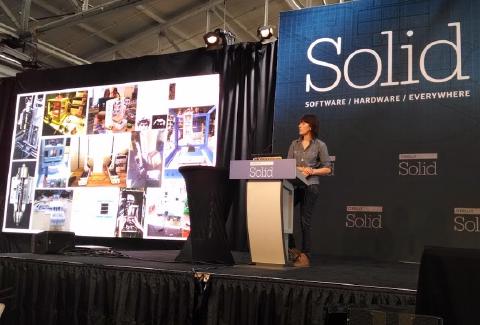
— Chris Gammell (@Chris_Gammell) May 24, 2014- Chris was still in San Francisco for SolidCon (you can see the schedule here). It's meant to be a conference for the crossover of hardware and software.
- Videos should be online eventually. Dave doesn't understand why people would speak at conferences without someone taping it.
- On interesting protocol that Chris learned about was MQTT, a lightweight way for machines to interact. This is what Facebook uses for their notification.
- A similar topic was covered by Peter Semmelhack and Stacey Higgenbothom on the Internet of Things Podcast. The new platform (vs protocol like MQTT) is called dweet.io.
- The "hard" part of hardware is the manufacturing and distribution side of things. Brady Forrest of PCH Int'l and Highway1 gave a talk about how there is "No China Button".
- During the meetups on non-conference days it was crazy to see how much ferver there is over hardware (and really tech in general). Quirky is opening a new SF office and hiring up to 60 hw engineers.
- Outside of SF, Tony Hsieh (the Zappos guy) has invested $10M in US manufacturing (specifically in Las Vegas).
- Another investor, Renee DiResta of OATV, gave a presentation about the state of hardware startups and revealed the cost of labor in Mexico are falling past those in China. https://www.youtube.com/watch?v=YICzDD9O1PU
- Dave was impressed by the growth of hackerspaces/makerspaces (where do they go when a big city has them?).
- Chris's favorite presentation was by Nadya Peek, a PhD candidate in the MIT Center For Bits and Atoms (Neil Gershenfeld's group). The talk focused on modular machines building reconfigurable tools for manufacturing.
- If you're interested in the building your own Portalab, there is a lower cost case offered by Digikey.
- Mentor and Digikey are pairing up for a low cost CAD tool. At first glance we didn't realize the $300 price tag only gets you schematic capture. Boo.
- We ARE excited for the new feature from the CERN folks, working on KiCad. The push and shove router is now released (whatever that means for KiCad) https://www.youtube.com/watch?v=CCG4daPvuVI
- The "Never trust the autorouter" t-shirt is now available for sale on teespring.
- Can solar roadways work? There is a crowdfunding project raising money for further research. Chris and Dave agree that feasibility on a large scale road would take a long time to implement.
- Another group at SolidCon was the Makani wind turbines/kites.
- Chris made a comparison between the derision that smokers receive and people wearing Google Glass. There are a wide range of reactions.
- NASA is giving amateurs the chance to recover a long lost satellite out in orbit.
- TI is auctioning off the first microchip that Jack Kilby made. It is expected to sell for $1M+.
- Chris has been doing field research and hardware people are still cheapskates. Are any of our listeners a counter point?
Transcript
SPEAKER_02: This is The Amp Hour Podcast. Recorded May 26th, 2014. Episode 200. Joined. Junk. Jocularity.
Dave Jones: Welcome to The Amp Hour. I'm Dave Jones from the EEV Blog.
Chris Gammell: And I'm Chris Gammell of Contextual Electronics.
Dave Jones: Back home in Cleveland.
Chris Gammell: You know, there is no place like home lab, home basement lab.
Dave Jones: Right, so your lab wasn't that great? It was probably usable, right? It was usable, yeah.
Chris Gammell: You know, so hopefully this will be the last... We've talked about this, what, three weeks straight now? But actually, it did get put to use. But the interesting thing about it was actually not... You know, it's always the things you never expect. The tough part was that I didn't have time for it. Right, of course. I think that that would be really useful if it was like... I actually don't even know a lot of things. Like if it was like a very fixed schedule type of job, you know, it's like 9 to 5 every day, and then you have this big chunk of time you're in a hotel room, that's what it would be really good for. But, you know, because I was out there, I was like, well, I want to maximize my time out here and meet people and, you know, meet up for dinner and talk about their work and stuff like that. And so it was kind of a... That was kind of a struggle, to be honest.
Dave Jones: Welcome to my world. I've got time to do everything else but electronics, you know?
Chris Gammell: Right, of course, right.
Dave Jones: Yeah.
Chris Gammell: Past that, the lighting was actually really shitty. I should have known better. So I was dependent on hotel room playing.
Dave Jones: In terms of soldering or recording video? Because you've got specific requirements to record video, whereas other people wouldn't, right? That's true.
Chris Gammell: Actually, soldering as well. Really, I should have... I had like a little LED one that I could plug into my laptop, one of those like little gooseneck mics. But really, if I'm going to keep using this thing, I needed to design it in. And to be honest, I mean, the BenchBuddy that I'm working on has that, but since it's not done yet, I don't have anything to plug into it yet. So kind of just making all these little... Having like little modules. I think we talked last week about having separate power modules and stuff like that. Basically, I just need to trick out the rest of this if I really want to do it. So lighting was one thing. And then, like you said, I mean, cameras actually... The camera stuff was difficult simply because now I've built my own like flying camera rig. It's hard to go back to having something right there.
Speaker ?: Yeah, it's hard to go back.
Chris Gammell: Right. But that's, you know, most people don't care about that probably.
Dave Jones: Yeah. I've got to do that today actually. I've got to move my overhead lights back because they're too far forward and the angle reflects down off the product I'm reviewing and onto the camera, you know. So I've got to move the lights like behind the camera. So that...
Chris Gammell: Are they still functional for actually like soldering and stuff like that?
Dave Jones: Oh, yeah, yeah, yeah. It's fine. But yeah, and I've got other overhead lights for that which I specifically turn on if I really need a lot of light directly down. Right. I'm actually doing real work, you know, as opposed to videos.
Chris Gammell: That's a tough thing. I mean, like I think that's a hard lesson learned as well, you know, like especially when you're starting out, you're younger, you probably have better eyes as well. Oh, yeah. Not that my eyes are going bad. It's just, you know... No, and mine are fine. Especially as parts get smaller, you know. It's just you really do need a lot of light to do it well. Because I don't know about you, but I'll do a lot of times, I'll be like, oh, the soldering joint, the solder joint's great. And then I'll like pick up the board and catch it at another angle and be like...
Dave Jones: Yep, that's it. Yeah, exactly. No, it wasn't. You need at least like a thousand lux. I mean, if we're talking lux, you need a thousand lux on the bench, you know, at minimum to sort of get decent light. I don't know what that measure is. Right. Nothing beats taking something and putting it under your Mantis microscope, which has the LED light right on it. You've got the 3D optics, you know. It's just like that's... Like there's so many stuff I miss. I'm sitting there on the bench. Yeah, I've got my thousand lux of light, and I've got my super-duper eyesight.
Chris Gammell: You know, folks, nothing's better than taking your first edition leather-bound art of electronics and going to sit on your golden toilet. That's what you sound like right now, Dave.
Dave Jones: No, but any sort of, you know, microscope with... You can get a hundred-buck optical microscope on eBay, you know. It doesn't have to be a multi-thousand-dollar Mantis, right?
Chris Gammell: You're just saying having the close view and the direct light.
Dave Jones: Having the close view and the light like right on it, right there. You know, there's so much stuff I miss on the bench, even though I think I've got pretty darn good eyesight and I've got that thousand lux, I just miss a lot of stuff. But you take it over to the microscope and, you know, hey, there it is.
Chris Gammell: Yeah, right. I was shown around my board that I've been working on on the road and someone picked it up. They go, wow, you're not very good at soldering. And I'm like, well, that's actually pretty true. But also, I was in a hotel room. I mean, come on, give me... You know, so it's... Yeah. That's not a good excuse. So I do need to put in new lighting and stuff. Yeah, yeah.
Dave Jones: Yeah, I use excuses all the time. Like, you know, I've got 30-year-old solder, you know. So I...
SPEAKER_00: Yeah, right. Yeah, exactly. The preservatives stuff.
Dave Jones: I actually, for the first time ever, I think, I went and bought new rolls of solder. I got brand new rolls of solder. I've got lead and lead-free. It's not cheap, man.
Chris Gammell: It's expensive.
Dave Jones: No, no, no. It's not cheap, you know. But like a 500-gram, half-kilo reel of these things, which will last forever, you know, unless you're doing full-on production soldering. You know, one reel of solder will last for like 20 years, you know. It's a long time.
Chris Gammell: Is there actually an expiration date on like the core? Like the Rossum core?
Dave Jones: I always... I wondered that. And I was actually... I thought about doing some tests on some old stuff I had because I swear my soldering gets worse every year and it's not me. I reckon it's that crusty old solder I've got.
Chris Gammell: That's like a course, right, you know?
Dave Jones: That's right. And the new one, of course, is finer. I've got 0.35 millimetre solder. So it's really thin stuff. And I've got the lead and the lead-free. I think I'm going to transition to lead-free. Really?
Chris Gammell: That's interesting.
Dave Jones: You know? Why not? I think I... I don't know. I just feel like I should.
Chris Gammell: Just like the environmental kind of thing? I feel like I should, you know?
Dave Jones: Yeah, well... Well, yeah. I don't know. Maybe from a health point of view.
Chris Gammell: Lead makes things so smooth, though, man. I know. I love it.
Dave Jones: Lead solder is so nice. It is so nice. But I figure, you know, look, the whole world's moving to lead-free. I should probably do it, too. Yeah. Actually, I mean, that sounds realistic. I might do some videos on it, showing the differences. And it's not that bad. It works, you know? It just doesn't look as good. You have to take a bit more care, you know? I'm pretty terrible to start with, man. I don't know.
Chris Gammell: I've worked with lead-free a bunch. I just, you know... I think what it is, it's like if you have that crutch to lean on, you know, you kind of go back to it. It's like, oh, this is nice. Of course. Yeah, yeah. This is silky smooth. Yeah.
Dave Jones: I shouldn't have bought a new roll of lead-ed solder. I should have just got the lead-free. Oh, cold turkey. Yeah, exactly. See, my problem is... I don't know.
Chris Gammell: So, I've been using these flux pens, right? And I like flux pens. They're all right. I mean, I'd probably rather have the syringe type, but I think the pens are a little bit more available if you're looking on commercial sites like Amazon and stuff.
Dave Jones: Yeah, yeah. And they're convenient, you know? They're not messy. They're, you know...
Chris Gammell: Yeah.
Dave Jones: I like them. And they aren't cheap either. You know, you can pay 10, 15 bucks for them. Yeah. Yeah.
Chris Gammell: Yeah, I think 9 or 10 bucks for the ones I got. But I always get drawn to the no-clean, like the alcohol-based no-clean. Man, that is just... You know, I think it was Jeff Kaiser I talked to about it. He said he's taken to just the most caustic, terrible material ever. But it was... But that's, you know, it's like lead and...
Dave Jones: Yeah, it works, right? The caustic... It's like a... You know, my wife's into, you know, these cleaning, natural cleaning products and stuff. And they do.
SPEAKER_00: You know, they're shit.
Dave Jones: Like, you'll often hear me say, just give me a real chemical, you know? Right, right. And actually get the job done, you know?
Chris Gammell: Yeah. She goes through and cleans and the next day you're just scrubbing there with just like a drop of bleach. You're like, yeah. And now it works. Exactly. Yeah, so I think I gotta switch back to just...
Dave Jones: Well, it's... You can get those... A big rage back in... All the rage back in the... Oh, geez, it would have been the late 80s, early 90s, was these citrus-based cleaning solvents for boards, right? Oh, yeah? You know, flux removal. These citrus ones, and they were crap, you know? They're like, you know, oranges. They're, you know, they're a natural... Just based on acid, basically? Yeah, it's like a natural acid or something. And it's like... And they're a natural product. You could probably drink the stuff, right? So, completely safe, but that was just garbage.
Chris Gammell: Minus all the residue of flux and lead solder that's in there, right?
Dave Jones: So, it kind of, sort of... If you scrubbed hard enough with the brush, it got rid of the flux residue, but then it left behind all this citrus crap. It was just awful.
SPEAKER_00: Wow.
Dave Jones: Oh, that's... I think they're better now. You can still buy these citrus-based board flux removers, but, gee, back when I first used them, they were awful. Yeah.
Chris Gammell: Give me some... Man. What are those called? The hex or something? Actually, it was... Yeah.
Dave Jones: Oh, the hexachromo valent. Yeah. Or whatever.
Chris Gammell: Give me the good stuff, man. If my head isn't ringing by the time I'm on my fifth board, I'm not doing it right.
Dave Jones: Actually, it was the late 80s. Yeah. It was the late 80s. Yep. There you go. Anyway.
Chris Gammell: So, my case actually was busted into by the TSA as well.
Dave Jones: It was? Okay. Yeah. So, did they find your happy note?
Chris Gammell: They did, yeah. So, I posted a note online that I wrote to the TSA, basically thanking them for opening my case. Oh, thank you so much, TSA. And then basically telling them where everything is, what it is, and not to freak out. And, you know, everything was still in there when I opened it at home. Right. Yeah. Including the note from them, you know, saying we've opened this. Right. They took, they unplugged my soldering iron and they unplugged my ATX power supply and they didn't unplug the oscilloscope. And it's just like connected to an extension cord. It's like, what? Right.
SPEAKER_00: Yeah, yeah.
Dave Jones: I don't know.
Chris Gammell: What was I doing, you know? Like, yeah. Not plugged into anything except a extension cord.
Dave Jones: And how many, just think of the sheer number of people who fly in the US every year. And how many people, how many times are they doing this? How many people do they employ to do this?
Chris Gammell: It's just, wow. Yep.
Dave Jones: It's just stunning. It really is.
Chris Gammell: I agree. I think it's the biggest.
Dave Jones: No wonder you guys are going broke. Yeah.
Chris Gammell: No joke. Yeah. This is crazy. Yeah, yeah. You guys are doing great over there. I've read about you guys. Right. Well. No, the current government. It's not starting on Abbott. No, no, no.
Dave Jones: Let's not go there. Yeah. Oh, you actually know his name, I'm surprised.
Chris Gammell: Oh, yeah, yeah, yeah. Well, also, so on Monday night after we, I think after you and I talked, I had, I went and had a dinner with a bunch of Aussies. I was hanging out with Aussies all weekend. Oh, right. Yeah. All weekend.
Dave Jones: And that's all you heard is bitching about Abbott, wasn't it?
Chris Gammell: Yeah. You know. But.
Dave Jones: Right.
Chris Gammell: Yeah, so then I was at, I don't know if you care, I was at SolidCon. That was fun.
Dave Jones: See, I had never heard of SolidCon before you brought it up and raved about it.
Chris Gammell: Well, it was the first year, so that helps.
Dave Jones: Ah, right. This was. Okay.
Chris Gammell: Yeah, so this is O'Reilly was doing SolidCon this year, and I had applied, back when I heard about it, I applied to give a talk, and that's what I ended up giving a talk about open hardware tools. Sorry, open hardware design tools. Yeah. Open source design tools for making open hardware. That's what it was. You could tell I was really well prepared for my talk. And.
Dave Jones: So, how'd it go? How many people were there? You know?
Chris Gammell: You know, it's, I don't really know the official numbers. It looked like the hall had about anywhere from 500 to 1,000 chairs, like for the keynotes and stuff like that. Right.
Dave Jones: How many turned up for your?
Chris Gammell: Oh, for my thing. Probably about 50 people.
Dave Jones: Okay.
Chris Gammell: It was the, you know, the only gripe I had about the whole conference was that they, they, everything was so rushed that like, there was like two 20 minute back to back talks all the time. And the only downside to that is that there was no time for questions unless the person finished early.
Dave Jones: Oh, yeah, that kind of sucks.
Chris Gammell: Yeah. And then the, if you, they, the, because of the space, it was at, it was at the end of the peninsula in San Francisco. So, they had these different buildings. It was on the old Fort Mason base. And so, if you wanted to get to the next talk at someone, at some other place, you basically missed the first five minutes of other talks because you were racing from spot to spot. But I think that was more just a.
Dave Jones: Ah, that's poor organization.
Chris Gammell: Well, I think it was like they got what they got because Cisco Live was in town, which
Dave Jones: was like this huge, huge conference.
Chris Gammell: Yep. So, yeah. I mean, it was, it was overall done very well, I thought. I mean, but the, the guy that went before me though actually was really interesting. You know, the whole conference was about like hardware and software interacting. Internet of things was brought up a lot. I mean, obviously that was a big, a big focus there. O'Reilly is very interested in that stuff. You know, but I've never really dug into the, that side of things like how, you know, you think about the electronic side of that. We talk about that stuff a lot, internet connectivity and, and things. Mm-hmm. Uh, but the guy before me was actually talking about a protocol that a lot of the machines can use as like a publishing of information. Uh, it's called MQTT. Have you ever heard of that?
Dave Jones: No.
Chris Gammell: So, it's kind of like, like the, the, the good analogy he used, uh, and I'll try and find his, I think his name is like Andy Simon or something like that. I don't, I don't remember his name actually, but, uh, he, he basically, it's kind of like Twitter for machines, right? So, so it's like you have a device sitting on your bench, right? And it's just measuring temperature on your bench, right? Yep. And instead of, instead of, uh, connecting to that, you know, point to point, right? So, so your, uh, you know, your computer, your desktop actually connects directly to that. Now instead it, it connects through a point, through a, uh, like a hub basically, you know, basically it gets on the internet and goes to, it connects to a publishing hub and then basically it just starts tweeting out information. You know, that's the best way to think about it.
Dave Jones: Right. Okay. Right. And then anyone or anything can tap into that.
Chris Gammell: That's right. Yeah. So basically then it's like you follow a device. So, you know, you know that this temperature probes out there, you say, I'm going to follow it. And so he did a demo even where he was, it was just Python based and he was basically just pulling up information on his house because his house is just basically sending out information about that. Uh, and you can do public private type stuff as well. Uh, and it's really neat. And apparently that's actually, you know, like, uh, you like the little messages that pop up on Facebook, like when you get a notification.
Dave Jones: Yep.
Chris Gammell: That's actually the protocol that they, that they use. I'm not a big Facebook fan myself, but, um, that's actually the protocol that they use. I'm not sure why they chose it, but, uh, basically it's really just memory lightweight and everything. And, uh, I thought, I thought it was really cool. There's a couple of different talks about it. So I never really thought about how all that stuff would talk, you know, that that's kind of a.
Dave Jones: No, well, that's a, that's a huge thing. That's a huge deal.
Chris Gammell: Yeah.
Dave Jones: It's got to talk somehow. I mean, I've got a lab temperature sensor here. I'm actually going to plug it back in now that I've got my setting up my lab for all my, you know, real still time streaming and all that sort of stuff. I'm going to hook it back up. And yeah, it, it goes to some website, which acts as a sort of like a third party host for data. And then you can extract the data out and stuff like that. I'm not sure how equivalent it is to this. I think it's more proprietary. Yeah.
Chris Gammell: So, so that's, that's another interesting thing too, because so I listened to a podcast. There's actually, I don't know if it's, I don't think it's a new podcast, but it's, uh, it's from, uh, it's called the internet of things podcast by, uh, GigaOM and it's Stacy Higginbotham who, uh, actually hosts it. Um, and, and there's some good backup. So there's another cohost as well, but, but they had, uh, Peter Semelhack on, do you remember Bug Labs? Do you remember that, uh, that company? So they were the ones who were doing like modular devices and then they started working with Ford. Uh, they started a new one called dweet.io, D-W-E-E-T.io. And, uh, that's kind of the same idea that it's supposed to be like Twitter. Um, but it was different somehow. He explained it to me on Twitter, like saying that it's a protocol versus like a platform. And I don't know what the hell the difference is. Right. Um, but you know, it's, it kind of brings up this interesting question of like who really controls this stuff. Right. So like we think even about Twitter, Twitter's still a, you know, a company, they still, you know, own the platform and everything like that. Yeah, of course. If they shut down tomorrow, there would be clones and something similar, but it would pretty much fall apart because there's so much collective buy-in to that platform. And, uh, so I don't, I don't really know the difference, but I think both are probably decent ways to go forward. You know, basically they're just like low overhead ways to get devices crapping their data onto the internet. Right. And because I never really thought about it before, you know, I just never really looked at, uh, what, what it took to do that kind of, you know, I, I always think about the, the difficult side of, you know, getting things on the internet and, and as, you know, as these platforms come up, you know, SparkCore and, and, uh, uh, electric.
Dave Jones: It's gotten a lot easier since, you know, in the last four or five years.
Chris Gammell: Right. And, uh, you know, once you get all those pathways figured out, you know, thinking even just like, uh, a, uh, you know, a phone connected Bluetooth to a device, you know, then something written on the phone has to still connect up to the internet and push all that data. So it's a, it's a really, it's a big problem. And a lot of people talked about that stuff at the, at the conference. I think that's probably why they were, you know, there's a lot of interest in that, but I won't be doing much.
Dave Jones: That probably has to be the biggest problem, right? With the whole internet of things. I mean, anyone can make a bit of hardware that physically connects to the internet. Yeah. But then what do you do with it? How do you, you know, I mean, yeah, I mean, hardware's easy, right? Getting it to physically connect up.
Chris Gammell: Yeah. Well. It's a piece of cake. I don't know. Maybe this is a good discussion point too, because it kind of vacillated back and forth. It's like, you know, some people would say hardware's easy. And then, you know, that's usually when they're talking about the platform type of stuff. And then when they're talking about the manufacturing side of things, of course, hardware's hard, right? Right. And it went back and forth and back and forth. And of course, you know, you and I and all our listeners know that, yes, hardware is hard. But then you ask us to hook it all up to, you know, to network it all together. And then, of course, yeah, it's the same kind of thing. It's, I don't know. I don't know where to start. So.
Dave Jones: Yeah. Yeah, no, that's where guys like, I just throw our hands up in the air.
SPEAKER_00: Right.
Chris Gammell: I think with the hardware is hard thing, it's not hard to make a piece of hardware anymore, right? It's, you know, with Arduino and everything else. That's right. It's getting simpler to start like that. It's hard to make interesting hardware, and it's hard to actually manufacture hardware. Those are the two big things that are still looming large. And I don't see the manufacturing getting any easier anytime soon. Obviously, we have friends like Circuit Hub and everything else. But even that, you know, logistics and just the whole supply chain.
Dave Jones: Yeah, there's no magic bullet there. There's just not. Anyone who thinks there is just doesn't know the full picture.
Chris Gammell: Yeah. Yeah, Brady, one of the guys. So Brady Forrest is a guy at PCH International. And he's given a talk before. I think he did it at another conference. But I like the name of the talk. It is, there is no China button.
Dave Jones: Yeah, right. And it's true, right? I mean, like, there is no any country button, right?
Chris Gammell: There's no local produced hardware button either. But it was good because, I mean, that's obviously what a lot of PCH focuses on. They're the guys who make a lot of Beats by Dre hardware, like the headphones, and they make Apple hardware. They have Highway 1. So that was good talk as well.
Dave Jones: Now, we've mentioned this. I think we may have mentioned this, but it's a good place to talk about it again. You gave a talk, right? But what is the advantage of giving a talk like that to 50 people? Whereas you could have, you know, put that information on the net and it would be available to everyone.
Chris Gammell: Oh, actually, that's a good question.
Dave Jones: Did you actually videotape it?
Chris Gammell: I did not. They did. Oh, right.
Dave Jones: Yeah, because if that doesn't happen, I, you know, I used to think that would be a cool thing to do, right? Go and give a talk. And then I'm thinking, no, it's, you know, it's not. Because I was going to give a talk at the local maker fair, right? You know, they have, you know, sessions and all that sort of stuff. And I was going to give a talk. And then I was a little excited about it. And then I just sat down and thought about it and go, no, that's a very poor use of my time. Did you go? To reach, you know. No, no, I didn't end up doing it.
Chris Gammell: See, that's what it is right there. There's no skin in the game. I think, honestly, for someone like you and maybe increasingly someone like me, like there's no skin in the game, right? So it's like, oh, well, I'm not talking. And, oh, something came up. I'm not going, right? And I know that's not a great reason, but that is definitely a reason.
Dave Jones: Well, because we're not getting paid? No, it's not that. No, no, not that.
Chris Gammell: No, I'm saying that you wouldn't go at all. It's all about the, you know, it's the. So I think the value of giving a talk is the people that come up afterwards and want to. Of course. You know, it's like they're self-selecting, right? So first off, they're self-selecting that they want to go to your talk in the first place. Of course. And then they want to talk afterwards. It's like in terms of the entire world population of people.
SPEAKER_00: You have filtered them all out.
Chris Gammell: That's right. Yeah. Yeah. You are down to the people that really want to, you know, discuss what you're discussing. And that's actually a good way to, you know, form your talks probably as well. Talk about something that you don't think other people might want to talk about that might push the limits. Then if you find someone, holy crap, right? I mean, that's great.
Dave Jones: Yeah, exactly. That's, yep.
Chris Gammell: I do agree about the videotaping thing.
Dave Jones: It's like, well, yeah, it's like, well, that's my, was going to be my whole point. Like, unless I videotape it and then upload it, I think, you know, because I would have had to have put a lot of work into preparing that and transporting all stuff there and, you know, setting up and doing everything and wasting the whole day. I wouldn't get to see the show just to give this 30-minute talk, right? And all that effort.
Chris Gammell: What are you doing in the back? I was all my going. You're like running around, like hyping yourself up. What kind of equipment do you need to give a talk? You talk on camera every single day.
Dave Jones: I know. No, I was going to do hardware stuff, right? Oh, okay. So, you know, demonstrate. Like I was going to have, you know, do live stuff and things like that. And then, yeah, it's all that effort. Whereas when I produce a video, you know, 20,000, 30,000 people watch it and it's up there for every infinite number of people to potentially find and watch. It's very true. There's just so much more value in doing that than giving a local talk. It doesn't mean I won't do it, but I probably wouldn't give like a, you know, a really full-on demo. Yeah. Like a, you know, like a hands-on kind of thing where I have to, you know, spend all day setting it up or something like that.
Chris Gammell: Well, if you want to get into the psychological, you know, squishy side of things, I think that the idea of social proof as well. So, like the difference between you talking to a camera and you talking to a group of people on camera, you know, there's a social proof aspect there as well, right? So, you know, it gives a different feeling for sure, right? Yep. It means you were asked by someone to go talk there. So, I think that that makes a difference as well. I am kicking myself for not, I didn't record my Maker Faire talk just because I was lazy. And, you know, some people showed up and got to meet them all afterwards and that was great. But, yeah, that talks in the ether now.
Dave Jones: Yeah, yeah, it's gone. It's lost in the annals of time, right?
Chris Gammell: Yeah. It wasn't that good.
Dave Jones: Which is a shame. I just hate things being lost in the annals of time now that we live in this age of everything being recorded. That's true, yeah.
Chris Gammell: Yeah, and even if 10 people watch it, right, that one out of those 10 might be the one that goes and prompts you with, you know, another great idea for something in the future for sure.
Dave Jones: Yeah. It's not just this industry, right? I belong to other groups and things like that and I get, you know, information. I go to, you know, talks and meetings and stuff like that and I'm going, look, somebody's, you know, and I read, oh, somebody's coming in. They're the world's greatest Kenyaner and they're giving this talk on how they explored the Kenyans, you know, and all this sort of stuff. And it's like, I, you know, send a thing to the group, is anyone going to record this? And they go, oh, no, we didn't think of that.
SPEAKER_00: Right.
Dave Jones: And it's like, oh, man, are you kidding me?
Chris Gammell: Right.
Dave Jones: Like, oh, it's just a shame, you know?
Chris Gammell: Right. No, I agree. And we have talked about that before because I think we talked about the value of going at all because, like, the whole solid, it was all online. Like, I think all of the keynotes you could stream and I think the Maker College was the week before.
Dave Jones: No, I can appreciate going. No, I can certainly appreciate going.
Chris Gammell: Yeah. I mean, really, it's really all about, like, meeting people and stuff. Like, so another thing while I was out there, right, so this is San Francisco and hardware might be hard, but good Lord, is it hot right now? I mean, like, I think it was Quirky was there, you know, the company that does that social, like, developing of products. You know what I'm talking about? No.
SPEAKER_00: No.
Chris Gammell: So they have, like, a community. It's kind of, it's the same as, like, local motors where they have, like, a community and then, like, one person puts an idea forward. Everybody votes on it and then it kind of progresses through the stages.
Speaker ?: Oh, right, okay.
Chris Gammell: Yeah, yeah. Which is a cool idea. But then at the end, it's like they develop stuff. Well, Quirky was, like, hiring, they're like, oh, yeah, we're out here. We're hiring, like, we're opening a new office. We're hiring, like, 40 or 50 hardware people.
SPEAKER_00: Okay. Wow. Jesus. Jesus. And, I mean, yeah.
Chris Gammell: Okay. And it's not just them. I mean, it's everyone, right? And so, like, you know, I was going to meetups throughout the week, too. There was a, I missed a sensor meetup. But, you know, it's just like, I don't want to call it a gold rush, but it's, yeah, there's some jobs out there.
Dave Jones: So they're hiring hardware people to do what? To develop this hardware, the ideas that people come up with.
Chris Gammell: Yeah.
Dave Jones: So they'll have their own in-house group to.
Chris Gammell: Yep.
Dave Jones: Yep. Wow. 40 is a lot. That's a lot. Like, you know, I've worked on $20 million projects that only have five people working on it, right?
Chris Gammell: Well, they raised $170 million, so that probably helps. Oh. Jeez. Yeah.
Dave Jones: Right. Yeah. So you just hire like crazy, of course. If you had $170 million and it's someone else's money, of course you're going to, you know.
Chris Gammell: Right. Yep. Yep. Yep. Yeah.
Dave Jones: Hey, I'll have 50 hardware engineers, please. Thank you very much.
Chris Gammell: You know. I actually wonder what you could do with it. I mean, like, you know, you think about all the prototyping machines and like, I don't know. It's just, it's cool. It's very cool.
SPEAKER_00: Man.
Chris Gammell: So, yeah, it is, you know, I still don't know what the feeling, you know, like it's, like I said, it's weird because it feels like hardware's easy and then it feels like hardware's hard and it's just. Well, you've got a couple. It's weird.
Dave Jones: You've got a couple of articles on the Reddit thread about how, you know, there's another company that is a Vegas tech fund. They're putting $10 million into a hardware startup.
Chris Gammell: Actually, that's the manufacturing in the States for hardware startups. So that's what's interesting about that is basically it's Tony Hsieh. That's how you say it. I learned that the other day. I didn't realize. Yeah, right. Yeah. Tony Hsieh is the Zappos guy, I think. He's the guy that started Zappos. Thank you. But yeah, man, $10 million for manufacturing. That's pretty killer too. And actually, so there's another one on here. It was, where was it? Basically, it was talking about hardware. So it was Renee DiResta. She's actually at O'Reilly in their tech fund, right? The OATV, the tech ventures or whatever. Yes. But she did actually a really good talk. And she's done stuff in the past kind of just showing numbers and stuff like that. She does a lot of surveys of manufacturing and stuff like that. And she showed a really interesting graph with the crossover in labor prices between China and Mexico. And Mexico is currently cheaper, I believe, which is kind of crazy.
Dave Jones: Yeah, well, that doesn't surprise me.
Chris Gammell: That doesn't surprise you?
Dave Jones: China, China. No. Look, China used to be cheap. We've talked about this many, many times on the show. China is no longer cheap, right? Yeah. It can have the appearance of still being cheap. But when you get down to it, especially if you're based in the US, I can understand Mexico. Well, it's only a short flight. Yeah.
Chris Gammell: Oh, yeah. Right, right, right.
Dave Jones: Heck, if you're down in San Diego or something, just drive across the border.
Chris Gammell: Right, yeah. That's what 3D Robotics does. And I know GE's got big plants down there now as well. Yep.
Dave Jones: Yep.
Chris Gammell: Yeah. So it's interesting seeing the stuff. And she writes good stuff. So I'll be able to embed this, I think. I can embed this presentation in our notes. Yes, you can. I'll do that. The only other... I'll stop talking about solid now because it was... I mean, it was good. And there will be a lot of stuff online about it. But the talk that blew me away was actually Nadia from the Center for Bits and Atoms, which is... That's the one that Neil Gershenfeld started, the lab at MIT. And... See, you're throwing all these names out and I have no idea, dude. So how about Fab Labs? You know the term Fab Labs? Yes. Like, so that's what I colloquially call the Gershenfeld starter kit, right? When there's a shop bot and, you know, a Modelo and whatever else is in the kit, usually an epilogue laser cutter. You know, there's like the standard set that the Fab Labs are set up for the, you know, throughout the world, basically. So I call that the Gershenfeld starter kit. And Neil Gershenfeld is the one who wrote this book called Fab. And he started this thing called Center for Bits and Atoms. And so he's referred to a lot anytime there's any kind of crossover software hardware. Mm-hmm. So Nadia is one of his protégés, I think. And her and James, I don't remember James' last name, but basically they're doing these modular machines that basically allow you to, like, with different, there's like a rotation platform and there's like a linear actuation platform. But basically it was like the electronics to control all this stuff, all written in Python. And then basically all of them are modular so you can plug them together. So she, like, basically constructed a three-axis CNC, like, without much issue, right? You just kind of map it out. Right. And so for me that was like this crazy blurring of, you know, electronics and mechanical stuff. You know, it was just, it was really neat. And so there's a bunch of videos that they have online and stuff. So I hope she'll come on the show at some point. We'll see. But I was very impressed by that. And she definitely knew her stuff. She did all of custom hardware and stuff like that as well. All right.
Dave Jones: So one graph I really like from the same page that you got the Mexico-China one is the number of hackerspaces started each year.
Chris Gammell: Each year? Which page is that on?
Dave Jones: Yep. Oh. Hacking hardware. Anyway, like, we're talking 250.
Chris Gammell: That's crazy.
Dave Jones: Per year.
Chris Gammell: Yeah.
Dave Jones: It's like one every couple of days is opening up. Somewhere, I assume it's worldwide, you know. Yeah. Yeah, probably, yeah. It has to be worldwide. But that's just, that's just nuts. That's nuts.
Chris Gammell: That is nuts.
Dave Jones: And where are they all going? Because Sydney only has a couple.
Chris Gammell: Yeah, you know, they keep going to smaller towns, I think. I mean.
Dave Jones: Right. Right. Okay.
Chris Gammell: I guess, I don't think it, I mean, but like, I think, especially when you go overseas, right, there's so many, you know, you think about these old, like, old world countries, right? I mean, like, how many major commerce centers are there in, like, Germany, right? I mean, like, every.
Dave Jones: Right. Of course. Of course. Every town's a major commerce center. Yeah. Right. Exactly.
Chris Gammell: And there's tech people all over the place. I think when you start going to China, you start opening up makerspaces in China, that starts to get pretty insane, too, you know, just in terms of population. So. Yeah. Exactly. And one of the main things. Unbelievable. With hackerspace makerspaces as well, I think, I think you know this, the further away you are, the less likely you are to go. And so. Of course. You know, if you see that there's a space and it's 20 miles away and you can start one a mile away with people that are interested also a mile away. Right.
Dave Jones: Then you'll do it. Yeah.
Chris Gammell: Yeah. Exactly. Right. The costs are coming down in the house. That makes sense.
Dave Jones: That's what happens when you, it's also a lifestyle thing. That's what happens when you live close to that. I mean, you and me, right? Both married, live in the suburbs, right? Yeah. Are we going to, and we have our own home labs. Are we going to go to a hackerspace? No. Right. Unless we need something specifically, right? Unless we need to do something specific. Or for mentoring or something else, right? Yeah. That makes sense. We aren't just going to, you know, but if you're a young student living in a dorm, what are you going to do, right? You're going to go to the hackerspace and you're going to hang out, right?
Chris Gammell: Build a portal lab, of course. I mean.
Dave Jones: Exactly.
Chris Gammell: But you can take your portal lab to the hackerspace. That's right. Yeah.
Dave Jones: And, you know, that's, yeah, it's a total lifestyle thing.
Chris Gammell: Someone asked if I'm going to be designing and selling hardware portal labs. The answer is a resounding no. No interest in that at all. Sorry.
SPEAKER_00: Oh, goodness. Yep.
Dave Jones: No, because you would have to add on so much margin to make it worthwhile. People would go, oh, but I can buy all this shit off the shelf. Exactly. You know, I just do it myself. And yeah, well, that's the whole point. Right.
Chris Gammell: Yeah. Especially for me cutting out foam. Yeah.
Dave Jones: And it's not cheap, right? Because this is like a top of the line case. This is a top of the line Pelican case.
Chris Gammell: It is. But I found a lower cost version. I'll still be buying Pelican probably. It's American made in Massachusetts. Right. But there is a low cost China version for like roughly half, a little bit more than half. Oh, really? And it's fully compatible? The drawings look compatible. I don't know about the quality. So that's ultimately what it comes down to.
Dave Jones: No, of course. But yeah. But like physically inside. So if you design something to fit in a Pelican, will it fit in this?
Chris Gammell: I believe so. Yeah. I think it's a direct cross. Right.
Dave Jones: With the mounting holes and the standoffs you were talking about and everything else.
Chris Gammell: Yeah. So maybe you should go for that. It might be a shorter trip for you. Although it is shipping. It's on DigiKey. So I don't know. But maybe the brand is. Oh, okay. It's on DigiKey? Yeah. That was what's weird about it. I think I posted it to the. Yeah. Yeah. Nope. Nope. On the list, it's a lower cost case for the portal lab. So.
Dave Jones: Oh, it's. I was. Like, you know how you had never heard of these Pelican cases before?
Chris Gammell: I mean, I'd heard of them, but I. Oh, yeah. I didn't know about the specifics.
Dave Jones: You didn't know how extensively they were used in the electronics industry. And, you know, packing test gear and other equipment in. Okay. And stuff like that.
Chris Gammell: What a fact gives that a marginally true. Okay. Go ahead.
Dave Jones: Anyway, I went to Fluke the other day. They're just down the road. Right. And, yeah, I walked in and the place is just covered with Pelican gear in freaking Pelican cases. Because they're all, you know, all the, all the salespeople are always going to trade shows and they're going out to visit clients and everything else. And everything is packed in Pelican cases. They were. Oh, man. As far as the eye can see.
Chris Gammell: Yep.
Dave Jones: Fantastic. Yeah. Because they just. Yeah. Because when you pay cheap and you skimp, you get that cheaper quality and it just doesn't last. Right.
Chris Gammell: Well, yeah, that'll be the really interesting thing is if this, this, this one on Digikey is. I don't know. Maybe I should get one just for comparison's sake, but. I should get one. Yeah. Yeah.
Dave Jones: Yeah. Will they, will they do their fixed $30 postage to Australia for that Pelican case? I wonder.
Chris Gammell: Oh, if so, that's a steal then. Because, yeah, you were looking at that. I know. Getting you that one. It was like $130 for shipping, wasn't it?
Dave Jones: Oh, it was like, yeah, shipping. Yeah. Very expensive here. Yeah. So, yeah, to buy a Pelican case here, we're paying the Australia tax, right? Yeah. So, you know, they're marked up. It's like for the case you got is like if you bought it in a store here, it's like $400, $500. No, you can get it off Amazon in Australia.
Chris Gammell: You could import it. It's eligible for export. I checked that. Oh, right. Okay. It's like $350 for the Pelican I got in Australia.
Dave Jones: In Australia, yeah, but it's still $350, right? Right, right, right.
Chris Gammell: That's a lot, yeah.
Dave Jones: Jeez, that costs more than a Rigol scope that goes in it.
Chris Gammell: That's true. Yeah, good point.
Dave Jones: Right? It's just crazy.
Chris Gammell: Yeah.
Dave Jones: Even here in Australia, I can buy a Rigol scope for $330.
Chris Gammell: Oh, really? Wow, that's pretty good.
Dave Jones: Yeah. Yeah, exactly. Finally, they got the price down here. Backwater of the world. It took five years. You guys are far away. Yeah, I know. I know. It's one of, yeah, it's one of the problems.
SPEAKER_00: Yeah.
Dave Jones: Well, it's the only problem. Right, yeah. We don't have any other problems except Tony Abbott. Yeah, right, of course not. Of course not. But he'll just get booted out before the next election anyway.
Chris Gammell: Yes. Speaking of Digi-Key, did you see their new offering?
Dave Jones: They have, yeah, this is Mentor Graphics. I don't, like, at first I was very excited.
Chris Gammell: Yeah, I was too. Yeah. Right?
Dave Jones: And then I read that, anyway, tell the people what they've done.
Chris Gammell: So basically they paired up with Mentor, and I don't actually know which product it is, because Mentor has a couple. I think it is pads that they're actually doing. They're actually going to give out pads.
Dave Jones: Yeah, yeah, yeah, it's pads.
Chris Gammell: Yeah. And so they're going to give out pads, some version of pads, not really sure what. And then basically they're going to price it at less than 300 bucks, right? So it should be on par with Eagle, if I'm remembering my Eagle prices correctly. And then basically the idea...
Dave Jones: See, I hadn't seen the prices.
Chris Gammell: Oh, okay. But the interesting thing is that they're going to be tied directly into DigiKey, right? So I'm guessing either DigiKey is...
Dave Jones: They'll have every DigiKey footprint, every DigiKey part, which is, that's massively attractive.
Chris Gammell: That is, yeah.
Dave Jones: Because I pretty much use them as a standard basis for all my parts and, you know, stuff. They've just got the biggest range, I think.
Chris Gammell: Yeah, yeah, in terms of, like, all-inclusive, yeah. I mean, as I've been finding more and more, you can get burned on some stuff, and definitely pricing is not as good as you would get directly. Here's the catch, dude. Yeah.
Dave Jones: Here's the catch. Only the schematic tool is 300 bucks.
Chris Gammell: Oh, is that what I missed? Jeez.
Dave Jones: Yeah, yeah, yeah. And see, this is the thing I was suddenly massively disappointed about, right? They announced this thing. Oh, great. They've got an EDA tool, right? And then they go, oh, no, sorry, we're only releasing the schematic now. The PCB might follow later.
Speaker ?: It's like, what?
Dave Jones: That is useless.
Chris Gammell: Yeah.
Dave Jones: Useless as tits on a bull, really. Unbelievable.
Chris Gammell: Yeah, I mean, well, they're starting from the right place, right? I mean, they're trying to capture more of the, probably, the obvious market and stuff like that. But they're doing it wrong. But the thing, the problem is that they, no one's like clamoring like, oh, Mentor products, yeah. I really want to use their workflow. That is just, like, of course, they have good tools. Yeah, right, yeah, yeah. No one's ultimately useful, but it's like, clunky.
Dave Jones: It wouldn't be the same thing if Altium, you know, if they teamed up with Altium. Right. Oh, everyone, you know, because everyone knows Altium is sort of, you know, the sort of, you know, de facto mid-level PCB standard there. And it's, you know, it's not some thing that was ported from some mainframe.
Chris Gammell: That would be, yeah, that would definitely be a different thing. Yeah, not as much text or line or command line input, right? I mean, like, that's, people might think, oh, I love command line. But no, you wouldn't, you don't, don't think that. Like, this is, like, like AutoCAD style command line where, like, you got to do.
Dave Jones: Well, granted, I haven't used pads for a long, long time. So I don't know what its current state is. But still, yeah, they're just releasing the schematic because they've got some stupid wet fantasy that we don't need. Like, this is what Altium thought at one stage, right? PCB is optional extra. When they did that marketing campaign and made PCB optional extra, right, they had this wet dream that no one would need to actually design hardware anymore. Like, you know, you wouldn't need to do it yourself because there'd always be somebody else to do it or you could use off-the-shelf modules or you could do whatever. And it was just ridiculous.
Chris Gammell: So the idea would be that you put together a schematic and then you send it some person in China. And you send it to someone else.
Dave Jones: That is what DigiKey's getting at, right? Is that, oh, you don't need the PCB module, yeah, you only need the schematic. And then, oh, well, somebody else will lay out the board for you. Piss off.
Chris Gammell: If you believe that, I have an autorider I'd like to sell you. And a T-shirt to boot.
Dave Jones: You do have the T-shirt. I bought one.
Chris Gammell: Yeah, yeah, I saw that. I saw that. So the T-shirt is now available on Teespring for a couple more weeks. And everybody can get their own. Yeah, it's ridiculous that no one's going to be doing layout, right? I mean...
Dave Jones: No, it's a joke. No, sorry. They should have waited. If they plan on releasing the PCB, they should have waited, right? Now it's just like you've wasted all of that publicity, right? Everyone got briefly excited. Then they went, oh, there's no PCB.
Chris Gammell: Piss off. Exactly.
Dave Jones: No, gone, right? Everyone's forgotten about that now. And then in six months' time, we've now released our PCB. No one's going to give a toss.
Chris Gammell: Yeah, I agree. I agree.
Dave Jones: You've just blown it.
Chris Gammell: I think the other funny thing is that the people they're pricing it for are probably like small businesses, hobbyists, stuff like that.
Dave Jones: Yeah.
Chris Gammell: But that's the group that would be likely to send a design off to someone else. Like when I was working at big companies, big companies have layout groups, and that's where it makes sense. Right. But those companies are not the ones that want to pay $300, right? I mean like... No, no, that's right. They're willing to pay for support contracts and all the premium features anyways because they're...
Dave Jones: It's a total fail. It's a total fail all around. Sorry.
Chris Gammell: Did you see the official release of the new KiCad tool? Huh? Huh?
Dave Jones: Oh, yeah.
Chris Gammell: Oh, my God.
Dave Jones: Well, no. See, I'm still going to bitch about this official release in quote marks. Well, yes. Okay. Right? Come on.
Chris Gammell: That's a...
Dave Jones: Somebody... Damn it. I'm thinking about bloody doing it to myself. Stepping up to the plate and setting up a website going, this is the official release of KiCad. Here it is. Everybody use this. Damn. And if you want to... Sanctioned. ...support in the community. Yeah. Right? If you want to go jump on the forums and say, I'm having a problem with KiCad. Well, which version are you using? Oh, I don't know. I compiled it myself. You know? Like, it's bloody ridiculous. Right? You know... Somebody needs to step up and go, this is the official release. And then, right, here's the official patch or whatever. Or, you know... Like, it's just...
Chris Gammell: You know, I...
Dave Jones: Until they do that, it is not going to be the success it should... It deserves to be.
Chris Gammell: I agree. I agree.
Dave Jones: Anyway, the new interactive router kicks ass. Yeah. It looks nice. Yeah.
Chris Gammell: So, it's from CERN. Looks nice. CERN published this video, at least. I think they did a bunch of the work on this. But there's a couple different modes of stuff. You know, there's the push and shove, but then also, like, the... Mm-hmm. Like, the point-to-point. I mean, it's, like, super... He was doing, like, a BGA 900 pin... Right. ...layout really quickly. It was insane. It was awesome. So, to go back for a second, though, you had mentioned before, you know, why do people give speeches? Actually, the guy... So, I mentioned the whole tinfoil hat thing in my speech at SolidCon. And a guy came up to me afterwards, and he started talking about Red Hat, and if Red Hat was actually successful. And I kind of, like... I don't know. I didn't look up that much. But apparently, maybe that's not a good model to go with, but... I think because they had a lot of venture funding and stuff, too, that they got kind of screwed.
SPEAKER_00: Right.
Chris Gammell: But, you know, it's still out there, folks. That idea's still out there, and I sure as hell ain't taken. I got other stuff to do. Right. Yeah, so have I.
Dave Jones: But, geez, someone has to.
Chris Gammell: Surely, anyone in our 7,000 listener base that is like, you know, I'm really looking for a good idea.
Dave Jones: I don't think you can make a buck out of it, but everyone will thank you.
Chris Gammell: It depends. I don't know. It would take a while, but you could, I think.
Dave Jones: What? Yeah, it'd be like ad supported on the website, because everyone's visiting the website. Or maybe you can have the official forum there, you know? Yeah, there's that.
Chris Gammell: But I think the real thing would be this, you know, eventually support contracts and stuff like that, when people get fed up with pads or whatever else, you know, over time.
Dave Jones: Yeah, maybe. Maybe. It depends how big time you wanted to try and make it. Right. But, no, you could make a living from it full time. If you, you know, had a community forum or you had, you know, ads and everyone was visiting, you could possibly make a living from it. Yeah, maybe. So, just saying, you know.
Chris Gammell: Maybe there is something to that, Dave. Maybe there is.
Dave Jones: Maybe I should just do it.
Chris Gammell: Yeah. Maybe. I have to start learning KiCad first. Yeah, you probably should do that first. What was the thing? There's something else I wanted to talk about, KiCad. KiCad, KiCad, KiCad, KiCad. No, that's it. Did you see... So, this is an interesting thing, and I thought this would be an interesting discussion for us. The solar roadways, have you seen...
Dave Jones: Oh, I looked at this. Yeah, yeah. Now, do you want me to give my opinion? Yeah, yeah. Having briefly skipped through the video. I didn't watch the whole... Like, I skipped through the video just before the thing. And I went... It's... I'm really excited by it, right? It's a really exciting idea, and I love the build that this... Like, it's a family. They've done it. I believe so, yeah. Like, husband and wife or something.
Chris Gammell: I think they're starting to get more help with stuff.
Dave Jones: Yeah, and... Like, the amount of effort they've put into this is really kick-ass, right? But... But... But... I have the feeling that it is just a too complicated solution to be practical.
Chris Gammell: Yeah.
Dave Jones: Especially for roads. Like, I can picture it being like, you know, you could have, I don't know, service stations or something. Like, you could have, you know, solar cells embedded into the pavement or something. But for roads, no. It's just too complicated and expensive. It's not going to work.
Chris Gammell: So, we should go back a step. So, basically, the idea is basically there's hexagonal tiles, and the idea is basically they fit into roadways. They're supposed to be some kind of super unbreakable glass with, like, texturing on top of it.
Dave Jones: There's your other problem, right? No, no, no. We'll get to that. Super unbreakable tempered glass or whatever it is is expensive to manufacture. It's just...
Chris Gammell: I know. Yeah, there's... I mean, honestly, Dave, of course they're up against a million issues, but let's get through the rest of it first. So, the other idea is that there's solar cells embedded. Basically, these things tie together as a microcontroller. There's LEDs embedded. There's LEDs embedded.
Dave Jones: There's microcontrollers. There's LEDs so that you can light up the lane markers and every... Like, you know, it's a really exciting project.
Chris Gammell: Yeah, it's very, very cool. Now, I think we should probably talk about what could make it work because I think basically everyone else in the world will talk about what can't make it work. And I think probably our listening audience right now could already think of a million things that can't make it work. It's just like the chip printer, dude. Just like the chip... You know, I went to... You know, the Xerox PARC guys were there talking about chip printers. By the way, Ed's solid. I went to that. So?
Dave Jones: It was great. So? Is that supposed to impress me? No. It's still not going to do it, dude. It's not going to happen.
Chris Gammell: It's on the way, man. It's on the way. Anywho. So I think the things that... Obviously, there's a lot of difficulties here, right? So logistics being the biggest one, you know, how do you get crews across the entire, you know, countryside? I think you're right. You know, like having isolated rollouts would definitely be good.
Dave Jones: It's actually cost is the biggest thing. These things are bloody expensive no matter how you look at it. There's a reason roads are made out of, you know, tar and, you know, the asphalt stuff. Yeah, right, right, right. It's the cheapest solution to maintain a road.
Chris Gammell: That is, yeah. That's a good point. Yep. For sure. And...
Dave Jones: It's... Yeah. So it's just not going to work. The amount of raw materials that would have to go in to produce even, you know, one little town's worth of roads with this solution is just mind-boggling.
Chris Gammell: I was thinking about that because... It's just mind-boggling. Their entire backplane is actually all FR-4, it looked like. It looked like...
Dave Jones: It's all... It's a PCB embedded under this, you know, really... Almost certainly ridiculously expensive, you know, hardened glass. It's... No.
Chris Gammell: So we're not going to go positive on this? We're not going to talk about the good things? No.
Dave Jones: Well, no. As much as... No, I think you should contribute to the campaign. Well, it's already reached its goal. They're after a million bucks, which is a big goal, but they've already gotten 1.3 million because when you watch the video, you go, wow, these people have their shit together, you know? And they're... It looks really good. Yeah. They've been working on it for a long time. The solution is not roadways. The solution is not roadways. The solution is somewhere else.
Chris Gammell: Well, I was thinking about... I think that the idea that really benefits it is that, you know, it's scale, right? So the idea is that, you know, because you'd be covering so much area that it would have this benefit. But then I... Oh, maybe we do have to go negative on this. The tough things are not just the logistics of, you know, getting governments to buy in and getting all of the other stuff to buy in, you know, like all of the utilities. They want it to all have utilities underneath it so you can have drainage and runoff and electricity and yada, yada, yada. But yeah, definitely the... The thing I think about is just the, you know, the realities...
Dave Jones: And it's got a heater built in. That melts snow and stuff like that. I mean, it's just a solution. It's trying to be a solution for everything.
Chris Gammell: Right. And that's probably the way to go forward is to find a way just to have it just as solar to start with, right? So you just have, you know, dead simple, you know. But even that, I don't know, man. I think about the interconnects on that stuff, right? So like, you know, if you're really pumping serious current, right? And then you have to set up these major series and yada, yada, yada. Yeah.
Dave Jones: And you've... Yeah. No, there's just so many issues with it. But it's a cool idea and it deserves to be funded and it deserves to find a niche application somewhere. Yeah. Totally.
Chris Gammell: I was thinking, you know, like the scale, you wouldn't get the scale, but maybe even just for, you know, like, you know, starting at the high end, right? So like a high end driveway, right? That would be a really good place to start, right? Because then you'd get like the fancy LEDs going up that. You could get the snow melting.
Dave Jones: And it looks fancy, rather, whereas solar panels on your roof, they're not very attractive. You don't think so? You know.
Chris Gammell: I guess, I mean, you have them, so I...
Dave Jones: Well, no. I personally do, but I know as a general society, people don't think they're very attractive.
Chris Gammell: I never understood that. People say that about like wind turbines too. I'm like, I look at it and I'm like, dude, it's... Oh, I love wind turbines. I love wind turbines. I love wind turbines right now. That is awesome.
Dave Jones: They're majestic. I know. I know, exactly. Yeah, I know. But your average Joe blogs out there, I think, finds them relatively ugly.
Chris Gammell: Not to go back to solid again, but the Makani guys, the ones that Google bought, you know, that solar, or the wind-powered kite thing that like circles up and down. Do you remember that thing? Oh, yeah. They had one there. It was awesome. And that was like the baby. They're going to make like one like 10 times larger than that. Oh, it was awesome. Sorry. I was very excited about that.
Dave Jones: I think Chris needs some quiet time, folks.
Chris Gammell: You know, I need some downtime. You know, so I was telling some of this. The second day, or maybe I mentioned it to you last week even, but just the second day, it was just so hard to like get back out there and talk to people. You know, just that much time trying to be an extrovert is difficult, you know? I talk a lot behind a microphone, but it's like, that's behind a microphone when you're, you know, in front of people, you know, trying to meet people.
Dave Jones: Yeah, no, I'm totally like that. Like I turn up to a show, you know, meaning to blog the show and I'm like, you know, hesitant to walk up to people, you know, just be that sort of, you know, person that I need to be. Yeah, right. Exactly. To do that sort of gig. Yeah. Right. Yep.
Chris Gammell: I did have an interesting experience, a couple of experiences with Google Glass while I was out there. Obviously, I was wearing them while I was at the show and stuff like that. I didn't get punched in the face like some people have been, nor have my glasses been snatched and smashed in front of me like other people have had.
SPEAKER_00: Right.
Chris Gammell: But I've come up with an interesting analogy. It's kind of like smoking, right? So like...
Dave Jones: Right. Right. You'll go hang out in a shady corner of the...
Chris Gammell: Yeah, that fits outside the building. That fits too, but... Dude, dude, look at mine. What I was thinking about was some people are just like, you know, like it's obviously like smoking is a personal choice, right? It might not be healthy for everyone around you, right? There are areas where it's much more looked upon. You know, it's better in some areas than others. And some people are just like violent about their reaction to it. And I had someone just like... Like, you know, some people are like, oh, I hate smokers, right? And it's like, okay, you hate the act of smoking. That's me. You don't necessarily hate the person who's smoking, right?
Dave Jones: No, no, no. Of course. No, that's taking it the wrong way. Yeah, of course. Right.
Chris Gammell: And that's kind of the same kind of thing where it's like people just project like, oh, I hate Google Glass. I hate it. Yeah. You know, take them off. Right. Oh, okay. Right. Like, I'm just like, they're not even on right now. Like, I get it. Like, I know the feelings. And man, like, yeah, so that's my closest... Oh, and then the other thing was like, like someone who's like, oh, I can't stand smokers. It's so unhealthy, right? And then they walk over and they start chugging a beer or something. You know, like that same kind of hypocrisy as well. You know, because people will say, oh, I hate Google Glass. Then they'll get their phone out and take pictures of everything. So...
Dave Jones: Yeah, exactly. So, yeah, that I don't understand. I can understand the hatred of smoking if it affects you because smoking... Like, you know... I mean, both affect you, right? I can smell a cigarette smoke a mile away, right? No, I know. And if I smell someone's cigarette smoke, they're polluting my right to fresh air. And it's like, no, that's when I say, well, piss off, right? But if you want to go smoke in your own head... Well, you go up to them and say, I hate you, though.
Chris Gammell: I mean, like, you can ask them... I mean, like, that's the thing. Like, I was okay. Like, I've had people ask me before, please, you know, can you please take those off? And that's fine, right? That's what I'd expect. And that's...
Dave Jones: Oh, you've actually had people... Can you ask you that? Yeah, I've had people say, yeah, can you...
Chris Gammell: Where? Can you not... Where? This is at the EE Live. Someone asked me that. And it's fine. You know, like, they told me about it. And I'm like, yeah, that makes a lot of sense. But then, like, the difference...
Dave Jones: Because they didn't want to be recorded?
Chris Gammell: Because they were just uncomfortable about it. And, you know, if people are uncomfortable, that's fine. But the difference is... Yeah, yeah. Someone asking me like that, which was very, you know, it was very rational and calm, and someone saying, I hate that. And by extension... Yeah, you're right. Acting like I hate you, right? That's the difference. And, uh... Yeah. So that's why I thought it was like smoking, right? Because it's...
Dave Jones: Right.
Chris Gammell: I don't know.
Dave Jones: But it's... Well, see, you could say it's doing no harm, but you are being recorded. Like, if you walked around with a huge, you know, camcorder, right? Walking around, like, you know, even, like, stuck on your forehead, like, you know, stuck on your forehead or something, right? People would be, you know, not too happy with that, because they know that they're being recorded.
Chris Gammell: Right. Yeah.
Dave Jones: Right? And if you sort of walked up to someone and started talking, and you were holding your mobile phone, actually recording them... Of course, yeah. Right? You were... They would do the same way. So, yeah, I don't necessarily...
Chris Gammell: Right, but would they project hatred out of you? Blame them? Would you... I mean, like...
Dave Jones: Oh, well, no, that's wrong. Right. That's what I'm saying.
Chris Gammell: That it inspires this virulent, like, reaction that it's just like, oh, okay, well, you know, like I said, when people are kind about it, that's fine. I'm the rational person. I don't care.
Dave Jones: So, what do you do if somebody gets violent about it?
Chris Gammell: Walk away. Do you... Like a rational person, I walk away.
Dave Jones: Right. You don't flip the burden. No. I mean, I'm a... It's fine. Yeah. Make me nerd. No, Dave.
SPEAKER_00: Oh, boy.
Dave Jones: Yep. The best thing to do in that situation is just laugh at them. Yeah. You know? Right. Just like... Just... Just don't engage them at all. Just laugh. Yeah. Well, you know... That can piss them off even more, but... Of course, right. ...that's their problem. All right.
Chris Gammell: Just human beings being human beings. Right? Yep.
Dave Jones: Yep. Oh, goodness.
Chris Gammell: There's some other cool... Yeah, so that's a... Cool stories we should cover this week. We'll leave that alone. Yeah, we should... Yeah. Let's do it. Uh... So... There's some other interesting stuff going on. Uh... One is... You see this thing about NASA and the... The satellite thingy? The, uh...
Dave Jones: No, I haven't, but I'm pulling it up. So, basically... They're letting people commandeer old satellites? What?
Chris Gammell: Yeah, so basically, this... This, uh... Satellite was lost in orbit. And... And basically, uh... There's very limited power. And basically, uh... NASA couldn't get at it. And they're... Basically, the computer that was able to talk to it is long gone. And so... Right. These scientists approached them and said, hey, can we give it a shot? And they said, yeah, that's fine. And basically, it's... Their... Their, uh... Their window is coming up now. And so there's been a couple stories about this. And... Like, that's awesome. Can you imagine if... I mean, so they did some, uh... Some fundraising. Yeah. Some crowdfunding and stuff like that. But if they do that, uh... That would be killer. Yeah, I know. I mean, talk about citizen science.
Dave Jones: What if they raise this money and they can't talk to it? And it's not operational? How do they know it's still talking and stuff?
Chris Gammell: I assume it'll send a selfie in front of whatever planet's in front of. You know? I don't know. Probably a ping or something, you know?
Dave Jones: Yeah, but they would have had to have tried at first. They would have had to have, like, been getting the ping from the thing or something.
Chris Gammell: Yeah, I think the other thing is that it needs to actually come back. I think they actually need to direct, like, direct it back into orbit. I don't know the exact details of that. But I think it's... It's also that it needs to, like, fire some retro rockets or something like that. So not only does it have to connect and it has to communicate, but then it also has to, you know, do some gravitational mumbo-jumbo. So, which I... I mean, I don't know. But, I mean, that's awesome, right? I mean, like, that's kind of a cognitive surplus kind of thing, right? Where there's people that are going home at night. You know, that's the topic that's talked about a lot for, like, Wikipedia. Like, why do people edit Wikipedia? Well, because they're experts and they want to. Why do people retrieve satellites from space that are long lost? Well, because they're nerds and they want to, right? They want to get this done. Exactly. And it's awesome. So, I think the campaign's over. But we should probably be seeing more about this as updates come out and stuff like that. Yeah.
Dave Jones: I'm surprised that the suits didn't... That the lawyers didn't take over here and go, No, we can't let unqualified civilians do a space... You know, operate a spacecraft with a motor. Because why? Turns into, like, a Bond movie. It's a freaking projectile, right? It's a freaking projectile. If you project the thing back to the Earth, right? If you shoot it back towards the Earth...
Chris Gammell: No, come on, man. What's going to make it through the atmosphere, right?
Dave Jones: Well, would it? I don't know. I don't think so. Skylab did.
Chris Gammell: Yeah, but that thing was huge. And wasn't that in the lower orbit to start with?
Dave Jones: Right.
Chris Gammell: Yeah.
Dave Jones: Yeah, so it wasn't going as fast, you're saying.
Chris Gammell: Right. Yeah, exactly.
Dave Jones: Right. I'm sure... I don't know. Well, first off, I'm sure that, you know...
Chris Gammell: It's not like NASA's a bunch of adults, right? I'm sure they did the calculations, too. Right. It's like, well, we don't have money for this, and might as well. Plus, that's good PR for them, so...
Dave Jones: Yeah, yeah, right. That's... Yeah.
Chris Gammell: I don't know. That's just a cool project, though. It's pretty awesome. Yeah. So that's good. That's great. We're happy to see stuff like that around here. Big space fans around here. What was the other thing I wanted to bring up? Oh, historical stuff. In terms of bringing old stuff home. TI is auctioning off... Oh, God. ...the Jack Kilby's microchip prototype, so...
Dave Jones: What?
Chris Gammell: Yeah.
Dave Jones: Are they desperate for cash?
Chris Gammell: I know, right? Well, and we should also bring up here... So this is the much-talked-about... What... You know, who did the first microchip, right? So Bell Labs did the first transistor, correct? Or the first silicon... Yeah. ...germanium transistor? I don't even remember which one it was, but that was Bell Labs that did the discrete one. And then it's between, like, TI and maybe Fairchild. I forget who the other ones... They always fight over who actually did the microchip. You know, it was like how you actually defined it and stuff like that. But yeah, so Christie's Auction House will be auctioning off this $1 to $2 million prototype.
Dave Jones: Uh-huh. Yeah. That's the estimate of what they'll get for it.
Chris Gammell: Yeah. Wow. I can't wait to see... I mean, like, who buys that, right? I mean, like, is it going to be, like, Elon Musk throwing some weight around here? Or is this going to be, like, the Computer History Museum? I don't know. I don't know.
Dave Jones: Yeah. Jeez.
Chris Gammell: The other weird thing is it's part of the lot.
Dave Jones: Should we start a crowdfunding campaign to buy it?
Chris Gammell: Yeah, we should be able to buy that. We can make t-shirts, you know. Right.
SPEAKER_00: Oh, boy.
Chris Gammell: I don't even know. What would you do with it then? It's like, all right, well, now we've got it. Paperweight.
SPEAKER_00: Yep.
Chris Gammell: Yeah. Really light, light paperweight.
SPEAKER_00: Oh, boy.
Dave Jones: Yeah. I don't know. Why? Do they... Is there any hint of why they're selling it?
Chris Gammell: No. Well, I was joking that, yeah, that it must be, you know, they must be running out of money. Right there. I don't think TI's running out of money, so.
Dave Jones: But somebody in the company, like, presumably, like, that'd be, like, you know, the CEO making it. I'd have to sign off on that. Oh, yeah. Yeah, probably. Unless it's a private collector. Or did somebody sitting down in archives go, huh, what's this? I don't know. We should auction it off. And shit is currently hitting the fan. Right, right. What? Showing up on eBay. That just baffles me why they would sell it. Yeah. Strange. Anyway. Yep. Hmm.
Chris Gammell: Well, I don't know, man. What else do you got going on? You got anything else going on?
Dave Jones: No. No, not really. I got to...
Chris Gammell: Labs almost set up?
Dave Jones: Finish sort of... Well, no, I've got to build shells for my streaming PC. I've got to wire everything in permanently. I've got to move my lights, as I said. I should have moved my lights when I moved in, and I realized it was a problem.
SPEAKER_00: Yeah.
Dave Jones: You know? Lights bouncing off products I'm actually reviewing. But, yeah, it's still going to be an issue. It's just, at the moment, I can't use my Tegano microscope, because the lights are directly above it. You know? They're directly... So, even though it's got its own light built in, I get the reflection of anything I'm viewing under that microscope from the overhead lights.
SPEAKER_00: Right, right.
Dave Jones: So, yeah, I just have to move it if I want to use that expensive microscope I've got. So, yep. Hmm.
SPEAKER_00: Bummer. Definitely.
Dave Jones: It's pain in the ass. You've got to get up there. You've got to do messy stuff, you know? I've got my ladder. I had to bring my ladder into the lab, and I'm going to get my head up there, and I've got to saw, you know? I've got to saw the acoustic tiles up in there. You're right. Yeah. Yeah. I've got to get my hands dirty. Yeah.
SPEAKER_00: Oh, boy. Yep.
Chris Gammell: Well, cool, man. I know how it feels to be at home in a lab now. That's an important feeling.
Dave Jones: That's properly set up and optimized to your use. You know, the more I optimize and do things properly rather than just getting by, you know, the ultimately the happier I am. You know, I've got like real shelving now, and that's made a difference. It's like, well, why didn't I do that when I first moved into the lab two and a half years ago?
SPEAKER_00: Right. Yeah.
Dave Jones: You know? It's just, no, because I'm a tight ass, and I just thought, oh, yeah, I can get by. Yep. You know, by shoving stuff under the bench or on the floor or whatever, you know? And it's just, no, it's just ridiculous, you know? So, sometimes it pays to do things properly, even though it's expensive and you may not be able to justify it, you know? It might be hard to justify in actual return on investment terms.
Chris Gammell: Right. Yeah.
Dave Jones: You know, it's practically impossible for me to justify, you know, like when I bought my $1,500 camera, how could I justify this? People are still going to watch regardless of, you know, the quality of my video. Right. And like, yeah, you know, like I've got my new acoustic tiles around here. Right. And it makes jackal difference to people who are going to my income. Right. So, I spent all this money for acoustic tiles and everything else. No one's going to care. I spent money on lights. No one's going to care. Yeah. It's just really subtle stuff.
Chris Gammell: Well, it's like an R&D budget, right? You know, you have to kind of just have faith that it'll come back someday.
Speaker ?: Right.
Chris Gammell: I always chuckle when I hear like executives getting hold of R&D budgets and they're like, well, we need to see results here, right? Right.
Dave Jones: Right. For each instrument, you know?
Chris Gammell: I think you're missing the point. You know, like research, you know, yes, you can try and keep people on track and that's important and keep people moving forwards. But like, if you expect a specific return on research, you're no longer doing research. Right. Yep.
Dave Jones: All basic stuff. If I had one, you know, tight ass penny pinching manager at one point, you know, running the production facility and we, you know, if we wanted a second multimeter, right? You know, we had to do a thorough justification for why we, you know, wanted the extra $100 multimeter. Yeah.
SPEAKER_00: Right.
Dave Jones: Oh, for goodness sake, just buy 10 of them and just scatter them around everywhere so that we've got one available everywhere.
SPEAKER_00: Right.
Dave Jones: You know, it just, it's hard to justify, you know, you wanted us to do a full case study of why we wanted the, you know.
Chris Gammell: And then your $100 multimeter ends up costing, you know, $1,500 just for all the people that have to put time into that report, right?
Dave Jones: $1,500, that'd be cheap by the time we got through with it, right? And it's just, it's just ridiculous.
Chris Gammell: You pay for typing classes to let you type up faster, you know. But that's another $300. Yeah.
Dave Jones: Oh, yeah. I don't miss those days at all.
Chris Gammell: Yeah. Yeah. I'm getting there too. But, you know, now you're your own manager, so you gotta, you gotta make those decisions on your own. Yeah. Now it's...
Dave Jones: Yeah. And I'm slowly realizing that, yeah, I need to do things properly, you know. Yeah.
Chris Gammell: Not half-assed. Yeah, it only took you 20 years or so, right? 20 years in the business to figure out. Yeah, yeah, yeah.
Dave Jones: To figure that out, yeah.
Chris Gammell: Yep.
Dave Jones: But even then, I'm still doing it half-assed, you know. It's still my engineering tendency to sort of not go overboard.
Chris Gammell: Yeah, right. Right?
Dave Jones: You know, I'm not going to go out and buy a $10,000 camera. Right. Right? I'm not going to go out and buy studio lights. I'm not going to go out and hire someone to edit my videos and work on site. You know, I'm not going overboard like that.
Chris Gammell: But, you know... I still, usually when I meet hardware people, if the topic of money comes up, I almost always ask if they're cheapskate, and I'm like 10 for 10. Like, it's scary. Yeah, yeah.
Dave Jones: Every time. Every time.
Chris Gammell: And it's, you know, it's because we spend so much time shopping for parts, you know, like, and optimizing for that crap. And it's like, you know...
Dave Jones: And it follows over into every other aspect of your life, you know. Oh, it's a sickness. Yeah.
Chris Gammell: It's a sickness.
Dave Jones: It is. Is there anyone out there, are there any viewers that aren't like that?
Chris Gammell: Yeah.
Dave Jones: That are just so spend-free, they're so broke, because they just go out and buy...
Chris Gammell: Well, they have to be hardware people, too, because you talk to software people, and they're like, oh, no, well, I know it'll come back at some point, you know. Like, they're very different. And it's interesting, too, is hearing people kind of transition over in either direction as well. And I don't know what it is. Because, you know, if there's any psychology students out there as well, I've got a thesis for you that'll be a whopper.
Dave Jones: You could, yeah. Yeah. You could do a PhD thesis on that. Yeah. Exactly. Absolutely. All right.
Chris Gammell: Well, we should probably go work on our theses and, you know, leave these good folks to their, you know, their workings, right? All of our listeners out there.
SPEAKER_00: Right.
Chris Gammell: All right, man. Well, I'll also be working on scheduling guests. That's another thing. Right. I've been pretty terrible.
Dave Jones: So, next week, it's just us again, because we have to keep up the rotation.
Chris Gammell: Yeah, we'll see. I don't really know yet. Yeah. I'm terrible. That's cool.
SPEAKER_00: All right. All right, man. See you next week. Catch you next time.
Dave Jones: Oh, this was our 200th show.
Chris Gammell: It was. Happy 200, man.
Dave Jones: You get less for murder.
Archived Discussion (14)
Comments are closed. Archived from the original site.
Show archived discussion (14)Hide discussion
DigikeyDweet.ioGoogle GlassInternet of ThingsMakaniMentorMQTTO'ReillyPCH InternationalPortalabQuirkySolderSolidConTools
Keep current
Every episode, plus the occasional job post, in your inbox.
Re listen to Marcus Schappi (#189), enjoy free time/quality of life improvement instead of doing every single minimum wage job you need done.
Keep moving up in the food chain. Instead of hugging ucurrent spend that time designing 5 other little gadgets.
>recording convention speeches>
If Dave says something, but there was no one to record it - did it really happen?
DaveCAD - fork kicad and MAKE IT HAPPEN! davecad.org is free to register :)
But repackaging stable releases under DaveCAD name is a solid plan. Dave could build whole company around supporting Kicad. He doesnt even have to learn it, just build community, filter out most knowledgeable and enthusiastic people, make them moderators and offer to pay for solving customer problems in internal paid section of the forum. Be a trusted middle man, source of confidence in Kicad as a mature product.
One day Dave could even overtake Altium :DDDDDD :P
I tried listening to the The Internet of things podcast... I cannot recommend it.
It's a nice little protocol for lightweight communication in systems from home automation right up to bigger systems like smart meters. There are arduino and other embedded libs out there which make it really easy to link in sensors / physical actions in bigger systems.
Lots more info here: http://mqtt.org/
Kilby wire bonded several of the circuit nodes together to get the first chip to work.
Fairchild added a metal layer on top of a masked-etched passivated layer to connect the nodes using their own very successful patented Planar process. The practical, mass produced monolithic integrated circuit as we know it today was essentially born at Fairchild. In fact TI had to go to Fairchild to license the process to make their own chips in the early days. I think Fairchild was the winner
in practical terms. I personally would rather have the wafer containing the first working chip(s) from
Fairchild in my collections, than the Kilby device.
I was listening to your podcast this morning and at the end you said you wanted to hear from hardware engineers that spend money. Well, I am one!
I have worked in several companies as a permanent EE since I graduated in 2002. Over 10 years my salary increased from £20K to £36K. It's not great but far above minimum wage and yet I never had any money left over after bills were paid. I drove cheap throw-away cars that I repaired myself; I had time but no money.
In 2012 I stopped working for the man and and last year I had a little boy. Now my situation is reversed; I have plenty of money but no spare time! Now when I want a new gadget I don't have time to search for the best price or fight with cheap retailers that don't deliver; I go to a trusted retailer and pay their premium for good reliable service.
In a business environment I believe in spending money on good equipment. It costs a lot of money to hire engineers so you need to keep them busy. Saving a few hundred pounds buying a budget power supply might seem like a good idea but when it breaks you a) damage the prototype boards you were in the middle of testing, b) waste time fixing/returning it c) eventually have to buy a better one anyway. The cost of a new piece of kit might be less than the cost of getting multiple quotes, discussing it with purchasing, your manager, his manager and trying to persuade someone in finance to sign off the capital expenditure... Nice kit is less likely to stay unused in a cupboard and it holds its price for longer so it's an asset.
Buy cheap, buy twice. That's my opinion and I'm sticking to it! Good work guys, love the show.
Seems the book reviews have a strong start but never get the final verdict!
melted off during the solder process. Have resorted to giving the rolls a bit of an occasional scrub to remove the grime.
All in all still fully useable, but prolly not for smd work :-(
Dieter